
Small city living offers introverts something rare: genuine community without the sensory overload of a major metropolitan area. You get walkable neighborhoods, shorter commutes, and enough cultural life to stay engaged, without the relentless pace that drains quieter personalities. For people who process deeply and recharge in solitude, a smaller city can feel less like a compromise and more like a deliberate choice.
I spent most of my advertising career in large cities. Client meetings in Manhattan, agency reviews in Chicago, pitch trips to Los Angeles. The energy was electric and exhausting in equal measure. What I noticed over time was that my best thinking never happened in those cities. It happened when I got home, when the noise dropped away and my mind could finally do what it does naturally: process, connect, and reflect. That observation eventually shaped a much bigger decision about where and how I wanted to live.
If you’re weighing this kind of move, or simply curious whether smaller cities actually deliver on their promise, this article walks through what the research and real experience suggest. There’s more nuance here than most “city vs. small town” comparisons acknowledge.
Understanding where you thrive as an introvert goes well beyond city size. Our Introvert Lifestyle hub explores the full range of environment, habit, and self-awareness that shapes a fulfilling life for quieter personalities, and small city living is one meaningful piece of that picture.
What Makes a Small City Different From a Big One or a Small Town?
The distinction matters more than people realize. A small city, typically defined as a metro area with a population between 50,000 and 300,000, sits in a genuinely different category from both a rural town and a major metro. It has infrastructure: hospitals, universities, arts venues, and professional opportunities. Yet it lacks the density that turns daily life into an endurance sport.
What’s your personality type?
Take our free 40-question assessment and get a detailed personality profile with dimension breakdowns, context analysis, and personalised insights.
Discover Your Type8-12 minutes · 40 questions · Free
In a large city, stimulation is constant and largely involuntary. You absorb it on the subway, in the elevator, at the coffee shop where six conversations compete for airspace. A 2019 study published in the American Psychological Association’s journal found that urban noise environments are associated with elevated cortisol levels and reduced cognitive performance on tasks requiring sustained attention. For people whose best work requires sustained attention, that’s not a minor inconvenience. It’s a structural disadvantage.
A small town, on the other hand, can carry its own pressures. Social circles are tighter, anonymity is scarce, and professional options narrow considerably. For introverts who need solitude but also value meaningful intellectual engagement, a small town can feel isolating in a different way.
A small city threads that needle. You can walk to a bookstore, attend a lecture, find a good restaurant, and still be home in twenty minutes without having absorbed a thousand strangers’ worth of ambient energy. That balance isn’t accidental. It’s structural.
| Rank | Item | Key Reason |
|---|---|---|
| 1 | Stress Reduction from City Size | Research documents higher anxiety and mood disorders in large cities compared to non-urban settings, with dose-response curve showing stress increases beyond certain population thresholds. |
| 2 | University Presence in Small Cities | College towns punch above their weight in cultural programming, intellectual community, and low-key social infrastructure including lectures, film series, and independent bookstores suited to introverts. |
| 3 | Depth of Connection Over Breadth | Smaller cities enable repeated contact without pressure, allowing introverts to build genuine friendships through regular encounters at shared locations like markets and coffee shops. |
| 4 | Urban Noise Impact on Cognition | 2019 APA study found urban noise environments associated with elevated cortisol levels and reduced cognitive performance on tasks requiring sustained attention. |
| 5 | Walkability as Environmental Factor | Ability to move through daily life on foot or by bike reduces environmental friction and is an underrated characteristic that supports introvert wellbeing in smaller cities. |
| 6 | Career Opportunity Concentration | Most significant trade-off identified in smaller cities; certain industries cluster in major metros, requiring careful analysis for fields like technology, finance, or media. |
| 7 | Cultural Diversity in Smaller Cities | Range of perspectives, cuisines, arts communities, and intellectual subcultures tends to be thinner in smaller cities compared to large urban centers. |
| 8 | Community and Safety as Predictors | Sense of community, perceived safety, and access to nature are stronger predictors of life satisfaction than urban amenities; smaller cities tend to score better on first two measures. |
| 9 | Extended Stay Assessment Method | Month-long visits provide reliable data on whether nervous system settles, measured through sleep quality, mental filtering effort, and post-social interaction feelings. |
| 10 | Professional Networking Strategy | In smaller markets, knowing twenty people well is worth more than knowing two hundred slightly; depth approach plays to introvert strengths better than breadth networking. |
| 11 | Regular Place Claiming Practice | Finding two or three comfortable locations and returning consistently transforms city from strangers collection into neighborhood faster in smaller populations with slower turnover. |
Does Living in a Smaller City Actually Reduce Stress?
The evidence points toward yes, with some important caveats. The National Institute of Mental Health has documented that urban environments are linked to higher rates of anxiety disorders and mood disorders compared to non-urban settings, with researchers pointing to factors like crowding, noise, and reduced access to green space as contributing mechanisms.
What’s interesting is that the relationship isn’t simply “rural is better.” Researchers have found a dose-response curve. As city size increases beyond a certain threshold, stress indicators tend to rise. Below that threshold, the benefits of urban amenities and social connection can actually support mental health without the accompanying overload.
I saw this play out in my own work life in a way I didn’t fully understand until years later. When our agency opened a satellite office in a mid-sized city to serve a regional client, I started spending two weeks a month there. My output during those weeks was consistently stronger. My writing was cleaner, my strategic thinking sharper. At the time, I attributed it to novelty. Now I think it was simply that my nervous system wasn’t spending half its energy filtering noise.
Mayo Clinic’s research on chronic stress reinforces why this matters long-term. Sustained exposure to stress hormones affects memory consolidation, immune function, and cardiovascular health. For introverts who are already more sensitive to external stimulation, living in a high-stimulus environment isn’t just uncomfortable. It compounds over years in measurable ways.
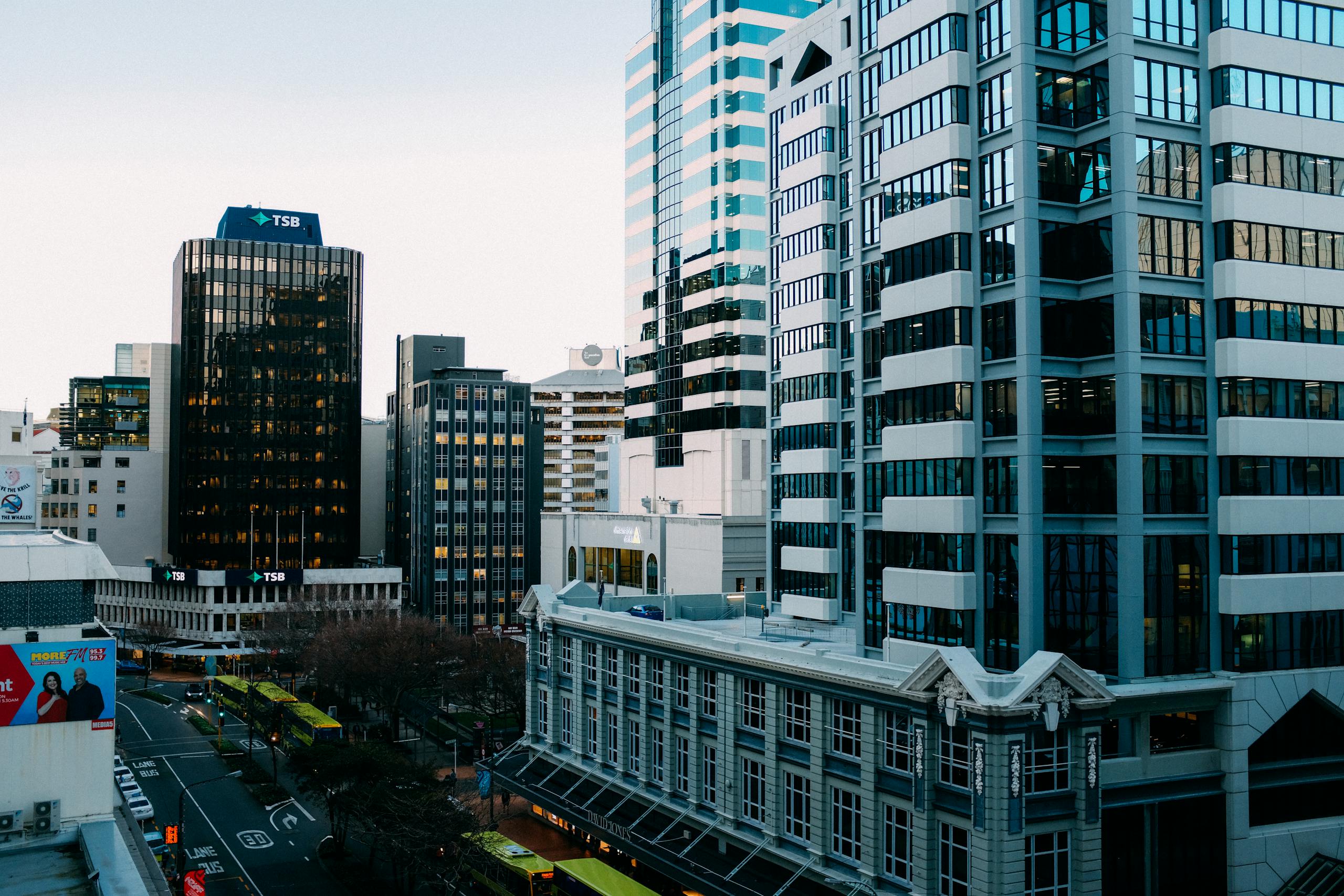
How Does Small City Living Support Introvert Strengths?
Introversion isn’t a deficit to manage. It’s a cognitive style with genuine advantages, and environment either amplifies or suppresses those advantages. Small cities tend to amplify them in several specific ways.
Depth of connection becomes more accessible. In a large city, social life can feel like a performance. Everyone is busy, schedules are impossible to coordinate, and relationships often stay surface-level because there’s always somewhere else to be. In a smaller city, the pace slows enough that actual friendships can form. You see the same people at the farmer’s market, the library, the coffee shop you’ve claimed as your own. Repeated contact without pressure is exactly the kind of social environment where introverts tend to build their best relationships.
Professional visibility works differently, too. In a large market, standing out requires volume: more networking events, more social media presence, more constant signaling. In a smaller city, doing good work tends to travel faster through a tighter professional network. I’ve watched quieter colleagues who would have been invisible in a major market become genuinely influential figures in mid-sized cities simply because their competence had room to be noticed.
During my agency years, I had a creative director who was brilliant and almost pathologically introverted. In our main office, she struggled to get her ideas heard in the constant churn of open-plan meetings and impromptu hallway pitches. When we placed her on a project team working with a regional client in a smaller market, something shifted. The slower pace, the smaller team, the ability to prepare and present rather than perform on demand, all of it suited her. She produced some of the best work of her career during that engagement. The environment wasn’t a reward. It was a tool.
Access to nature is another dimension worth naming. The American Psychological Association has published extensively on the restorative effects of natural environments on attention and emotional regulation. Small cities almost universally offer easier access to parks, trails, and open space than major metros. For introverts who restore themselves through solitary time outdoors, this isn’t a lifestyle preference. It’s a functional resource.
What Are the Real Trade-Offs of Choosing a Smaller City?
Honest reflection requires acknowledging the downsides, and there are real ones. Pretending otherwise wouldn’t serve anyone making an actual decision.
Career opportunity concentration is the most significant challenge. Certain industries simply cluster in major metros, and relocating away from them can mean accepting a narrower professional landscape or committing fully to remote work. For introverts in fields like technology, finance, or media, this trade-off requires careful analysis rather than romantic idealism about quiet streets.
Cultural diversity tends to be thinner in smaller cities. The range of perspectives, cuisines, arts communities, and intellectual subcultures that large cities offer is genuinely valuable, and smaller cities often can’t match it. For introverts who find energy in ideas and novelty rather than social volume, this can be a meaningful loss.
Social circles are tighter, which cuts both ways. The depth of connection I mentioned earlier comes with a corresponding reduction in anonymity. In a small city, people know your business. If you’re someone who recharges partly through invisibility, the fishbowl quality of smaller communities can create its own kind of pressure.
There’s also the question of what psychologists sometimes call “place identity,” the degree to which your sense of self is tied to your environment. Some introverts draw genuine sustenance from being in a city with a strong cultural identity, a place with history, art, and intellectual weight. A smaller city may not carry that same gravitational pull, and for some people, that absence is felt more than they expected.

Which Small Cities Tend to Work Best for Introverts?
No single list applies universally, because what works depends heavily on your specific version of introversion, your career, your values, and what you need to restore. That said, certain characteristics tend to predict a good fit.
A university presence matters more than most people account for. College towns punch above their weight in terms of cultural programming, intellectual community, and the kind of low-key social infrastructure that suits quieter personalities. Lectures, film series, independent bookstores, coffee shops with actual atmosphere rather than ambient chaos. These things cluster around universities and they serve introverts well.
Walkability is another underrated factor. The ability to move through your daily life on foot or by bike reduces the friction of living in a way that compounds over time. Fewer decisions, less transit stress, more incidental contact with your physical environment. The CDC has documented that walkable environments are associated with better physical health outcomes and higher reported quality of life, and the mental health benefits of regular, low-intensity movement are well established.
Look for cities with strong independent business ecosystems. Chains are efficient but anonymous. A city with a genuine culture of independent restaurants, shops, and services tends to foster the kind of community familiarity that introverts can actually use. You become a regular. People know your order. Relationships form without requiring you to perform sociability on demand.
Proximity to nature is worth mapping literally before you commit. Some smaller cities are surrounded by genuine wilderness or extensive trail systems. Others are landlocked in flat suburban sprawl that happens to be smaller than a major metro. These are very different environments, and the distinction matters for people who restore themselves outdoors.
Remote work compatibility has changed this calculus significantly. A decade ago, choosing a smaller city often meant accepting career constraints. Now, for a growing segment of professionals, the question is simply whether the city has reliable infrastructure and enough professional community to avoid complete isolation. Many smaller cities have invested heavily in coworking spaces and broadband infrastructure precisely because they’re competing for remote workers.
How Do You Know If a Smaller City Is Right for You Specifically?
The honest answer is that you probably need to spend real time there before you decide. A weekend visit tells you almost nothing. A month tells you quite a bit. What you’re looking for isn’t whether the city is objectively good. You’re looking for whether your nervous system settles there.
Pay attention to your sleep quality during extended stays. Notice whether you’re spending your mental energy filtering your environment or actually thinking. Track how you feel after social interactions compared to how you feel after the same kinds of interactions in your current city. These aren’t soft metrics. They’re data.
Consider your relationship with solitude and whether the city supports it. Can you find genuinely quiet places? Are there times of day when the city empties out enough to feel restorative? Is there enough natural space within easy reach that solitude doesn’t require a production?
Think about the professional dimension honestly. Harvard Business Review has explored extensively how remote work has redistributed professional opportunity, and for many knowledge workers, geography is genuinely less constraining than it was even five years ago. Yet, still, some careers require physical presence in specific markets. Be honest about which category yours falls into before you romanticize the quiet streets.
One question I’ve found clarifying: what do you do with your best energy? If your best energy goes into your work, your relationships, and your own inner life, a smaller city probably serves you well. If your best energy goes into handling complexity, absorbing novelty, and operating at the center of a large professional ecosystem, a major metro may be genuinely necessary rather than just habitual.

What Does the Research Say About Happiness and City Size?
The relationship between city size and wellbeing is more nuanced than popular culture suggests. Large cities are often associated with opportunity and excitement, but the data on subjective wellbeing tells a more complicated story.
A body of research in environmental psychology has found that sense of community, perceived safety, and access to nature are stronger predictors of reported life satisfaction than urban amenities or cultural offerings. Smaller cities tend to score better on the first two measures, and often the third. The World Health Organization’s frameworks on urban health emphasize community cohesion and environmental quality as foundational to wellbeing, not just economic opportunity.
For introverts specifically, the research on sensory processing sensitivity is relevant here. Elaine Aron’s foundational work on highly sensitive people, which overlaps significantly with introversion, suggests that people with higher sensory sensitivity are more affected by their environments in both directions. A supportive environment produces disproportionate wellbeing. An overstimulating one produces disproportionate stress. The implication is that environment choice matters more, not less, for people wired this way.
What I’ve come to believe, after two decades of watching myself and other introverts operate across different environments, is that the question isn’t really about city size. It’s about the ratio of stimulation to restoration that your daily environment provides. A small city, chosen well, tends to tip that ratio in a favorable direction for quieter personalities. A large city, managed carefully, can work. Yet the management cost is real, and it compounds.
Late in my agency career, I started being more deliberate about where I did certain kinds of work. Strategic thinking happened at home or in quiet spaces. Client relationship work happened in person, in the city. Creative review happened in small groups, not open sessions. What I was doing, without fully naming it, was engineering my environment to match my cognitive needs. A small city makes that engineering easier because the default settings are already closer to what works.
How Can Introverts Make the Most of Small City Life?
Moving to a smaller city isn’t a passive solution. It creates conditions that suit introvert strengths, but you still have to work those conditions deliberately.
Claim your spaces early. Find two or three places where you feel genuinely comfortable and return to them consistently. The regularity matters. It transforms a city from a collection of strangers into something more like a neighborhood, and that shift happens faster in smaller cities because the population turns over more slowly.
Invest in depth over breadth in your professional community. In a smaller market, knowing twenty people well is worth more than knowing two hundred people slightly. Attend fewer events, but follow up more deliberately. Offer specific value rather than general networking energy. This approach plays to introvert strengths and works particularly well in smaller professional ecosystems where reputation travels quickly.
Build a restoration infrastructure before you need it. Identify your trails, your quiet coffee shops, your library branches, your green spaces. Know where you go when you need to decompress. In a large city, finding solitude requires planning and often travel. In a smaller city, it should be within fifteen minutes on most days. Use that advantage.
Stay connected to larger professional networks deliberately. One genuine risk of smaller city life is professional insularity. Attend one or two major conferences per year. Maintain relationships with colleagues in larger markets. Read widely. The goal is to have the restorative environment of a smaller city without losing the intellectual breadth that keeps your thinking sharp.
Give yourself permission to be known. This one took me a while. In a large city, I could be anonymous, and anonymity felt like freedom. In a smaller environment, being known is actually the currency. People invest in relationships with people they recognize. Leaning into that, letting yourself become a familiar presence rather than a stranger, is how smaller cities pay off over time.
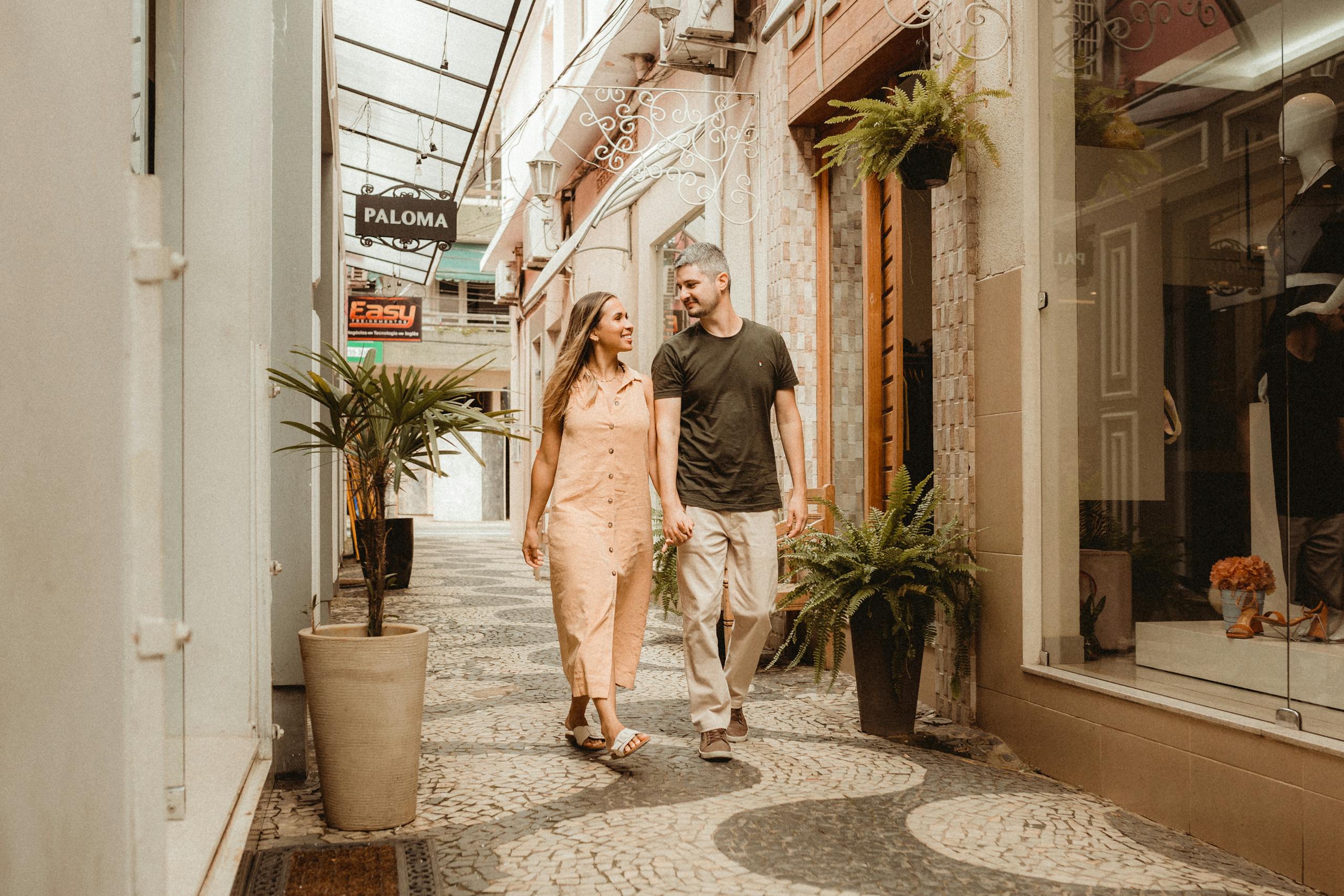
Explore more on living well as an introvert in our complete Introvert Lifestyle Hub at Ordinary Introvert.
About the Author
Keith Lacy is an introvert who’s learned to embrace his true self later in life. After 20 years in advertising and marketing leadership, including running agencies and managing Fortune 500 accounts, Keith now channels his experience into helping fellow introverts understand their strengths and build fulfilling careers. As an INTJ, he brings analytical depth and authentic perspective to every article, drawing from both professional expertise and personal growth.
Frequently Asked Questions
Are small cities actually better for introverts than large ones?
For many introverts, yes, though the answer depends on your specific needs and career. Small cities tend to offer lower sensory stimulation, stronger community connection, and easier access to restorative environments like parks and quiet spaces. Research on urban stress consistently finds that larger cities are associated with higher cortisol levels and greater rates of anxiety. That said, some introverts thrive in large cities when they build strong environmental management habits. The fit depends on what you do with your best energy and how much of it you want to spend filtering your surroundings.
What should introverts look for when choosing a small city?
Prioritize walkability, access to nature, a university or cultural anchor, and a strong independent business community. These factors tend to create the kind of low-pressure social infrastructure where introverts build genuine connections over time. Also consider the professional landscape honestly. Remote work has expanded options considerably, yet some careers still require proximity to specific markets. A city that fits your lifestyle but constrains your career creates its own kind of stress.
Can introverts build strong professional networks in smaller cities?
Often more effectively than in large ones. Smaller professional ecosystems reward depth over volume, which aligns naturally with how introverts tend to build relationships. Reputation travels faster in tighter networks, meaning consistent, high-quality work becomes visible more quickly. The approach that works is investing in fewer, deeper professional relationships and following up deliberately rather than attending every available event. Supplement with annual conferences or industry gatherings to maintain broader connections.
How does living in a smaller city affect mental health for introverts?
The evidence suggests meaningful benefits for people with higher sensory sensitivity, which overlaps significantly with introversion. Lower ambient noise, reduced crowding, and better access to green space are all associated with lower stress markers and better mood regulation. The National Institute of Mental Health has documented higher rates of anxiety and mood disorders in urban environments. For introverts who are already more sensitive to external stimulation, reducing that baseline load tends to free up cognitive and emotional resources for things that actually matter.
What are the biggest challenges introverts face in small cities?
Reduced anonymity is the most commonly cited challenge. In a smaller community, people know your business, and that visibility can feel constraining for introverts who restore themselves partly through invisibility. Career opportunity concentration is another real concern, particularly for those in industries that cluster in major metros. Cultural diversity tends to be thinner as well, which can feel limiting for introverts who draw energy from ideas, novelty, and exposure to different perspectives. None of these are insurmountable, but they deserve honest consideration before making a move.