

A social anxiety screening tool is a structured set of questions designed to help you identify whether the discomfort you feel in social situations reflects introversion, social anxiety disorder, or a combination of both. These tools don’t replace professional diagnosis, but they give you a clearer starting point for understanding your own patterns and deciding whether to seek support.
Many introverts spend years wondering why social situations feel heavier than they probably should. Some of that weight is simply wiring. Some of it is something worth addressing. Knowing the difference matters more than most people realize.

There’s a broader conversation happening around introvert mental health that goes well beyond personality preferences and quiet recharge time. If you want to explore that wider landscape, our Introvert Mental Health Hub covers everything from sensory overwhelm to emotional processing to the specific anxiety patterns that tend to follow introverts through their lives. This article fits into that larger picture, focusing specifically on the screening side of social anxiety and what those patterns actually mean for people like us.
Why Introverts So Often Misread Their Own Social Anxiety
Somewhere around year twelve of running advertising agencies, I started paying closer attention to what was actually happening inside me during client presentations. I’d always assumed my discomfort was just introversion doing its thing. I preferred depth over breadth, quiet over noise, one meaningful conversation over a room full of small ones. That felt like a clean explanation.
Career Coaching for Introverts
One-on-one career strategy sessions with Keith Lacy. 20 years of Fortune 500 leadership as an introvert, now helping others build careers that work with their wiring.
Learn More50-minute Zoom session · $175
Except that explanation didn’t account for the physical tension before certain meetings, the mental rehearsal that started days in advance, or the way I’d replay conversations long after they ended, cataloging everything I might have said wrong. That wasn’t introversion. That was something else sitting alongside it.
The American Psychological Association distinguishes clearly between shyness, introversion, and social anxiety, and the distinctions are worth understanding. Introversion is about energy. Social anxiety is about fear. Shyness sits somewhere in the middle, involving discomfort around unfamiliar people without necessarily reaching the level of clinical anxiety. You can be introverted without being shy. You can be socially anxious without being introverted. And many of us carry some version of all three, layered in ways that took years to sort out.
What makes this especially complicated is that introversion can mask social anxiety beautifully. When you naturally prefer smaller gatherings and need recovery time after socializing, it’s easy to attribute every social difficulty to your wiring rather than asking whether something more specific is driving the discomfort. I watched this pattern play out repeatedly in my own life, and I’ve heard versions of it from dozens of introverts who’ve found their way to this site.
What Does a Social Anxiety Screening Tool Actually Measure?
Formal screening tools used by mental health professionals tend to focus on a specific cluster of experiences: fear of negative evaluation, avoidance of social or performance situations, and physical symptoms like racing heart, sweating, or trembling that appear in anticipation of or during social interactions. The most widely used clinical instrument is the Liebowitz Social Anxiety Scale, though clinicians also use the Social Phobia Inventory and the Mini-SPIN, among others.
What these tools share is a focus on the functional impact of social fear. They’re not measuring whether you prefer solitude. They’re measuring whether fear of social situations is limiting your life in ways you didn’t choose and don’t want. That’s a meaningful distinction.
For introverts doing informal self-assessment, the questions worth sitting with tend to fall into a few categories. First, is the discomfort primarily about energy depletion or about fear of judgment? Second, does anticipating a social situation produce dread that feels disproportionate to the actual stakes? Third, do you avoid situations not because you’d prefer solitude but because you’re afraid of what might happen if you show up?
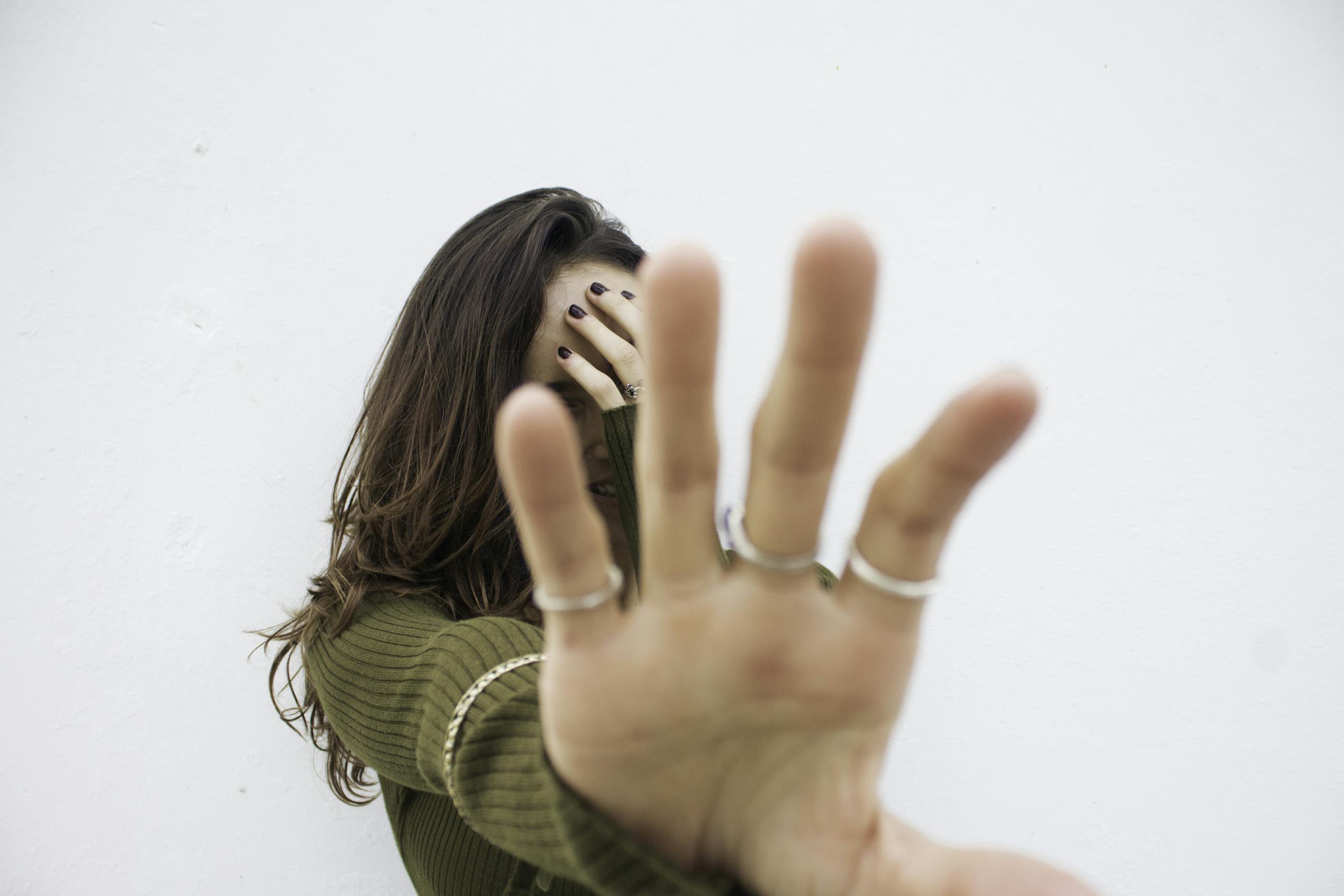
A PubMed Central study examining social anxiety in non-clinical populations found that avoidance behavior, specifically the tendency to skip situations that trigger fear rather than simply choosing not to attend them, is one of the more reliable indicators separating clinical social anxiety from personality-driven preferences. That framing helped me. The question isn’t whether you want to go to the party. The question is whether fear is making the decision for you.
A Self-Screening Framework Built for Introverts
What follows isn’t a clinical diagnostic tool. It’s a structured reflection framework designed to help you identify patterns worth paying attention to. Think of it as a starting point for a conversation with yourself, and possibly with a professional afterward.
Part One: Energy vs. Fear
After a social event, do you feel drained primarily because you’ve been “on” for a long time, or do you feel relief that it’s over and you didn’t embarrass yourself? The first experience is introversion. The second carries the signature of social anxiety. Both can coexist, but noticing which feeling dominates tells you something important.
Do you find yourself mentally rehearsing conversations before they happen, not to prepare thoughtfully but to prevent perceived failure? Introverts often think before they speak, which is a strength. Anxious rehearsal feels different. It’s driven by dread rather than depth, and it tends to spiral rather than settle.
Part Two: Anticipation Patterns
How far in advance do you start dreading a social obligation? A day or two of low-level awareness is common for introverts who are mentally preparing. Weeks of mounting anxiety, intrusive thoughts about worst-case scenarios, and physical symptoms like disrupted sleep or stomach tension suggest something beyond personality preference.
Do you find yourself scanning for exits in social situations, counting down until you can reasonably leave, or positioning yourself near the edges of gatherings not because you prefer observation but because proximity to escape feels necessary? That orientation toward escape rather than preference for quiet is worth noting.
Part Three: Post-Event Processing
Introverts tend to process experiences internally and thoroughly. That depth of processing is part of what makes us good at what we do. Social anxiety, though, turns post-event processing into something closer to a courtroom. You become both prosecutor and defendant, replaying moments and assigning blame.
If you spend significant time after social interactions reviewing what you said, how you said it, whether people noticed your nervousness, or whether you came across as strange or boring, and if that review produces genuine distress rather than simple reflection, that pattern is worth taking seriously. This connects to something I’ve written about in the context of HSP emotional processing and feeling deeply, because many highly sensitive introverts experience this post-event review as almost involuntary, a loop they can’t turn off.
Part Four: Avoidance and Its Costs
Have you declined opportunities, relationships, or career moves not because they genuinely didn’t interest you but because the social component felt too threatening? I sat with this question for a long time before answering it honestly. There were pitches I didn’t pursue, industry events I skipped, and relationships I kept at arm’s length, and not all of those decisions were about introversion. Some were about fear dressed up as preference.
Avoidance is one of the central mechanisms that keeps social anxiety alive. Every time you avoid a feared situation and feel relief, your nervous system registers the avoidance as the solution rather than the problem. Over time, the circle of avoided situations tends to shrink rather than expand.
How Highly Sensitive People Experience Social Anxiety Differently
Highly sensitive people, or HSPs, process sensory and emotional information more deeply than most. That depth of processing is a genuine strength in many contexts. It also means that social environments carry a heavier load. More information is coming in, more of it is being processed, and more of it is being felt.
For HSPs, social anxiety often has a sensory layer that gets missed in standard screening frameworks. The overwhelm of a loud, crowded space isn’t just social fear. It’s genuine sensory flooding. Understanding that distinction matters because the interventions that help with sensory overload are somewhat different from those that target fear of judgment. I’ve found the article on HSP overwhelm and managing sensory overload useful for thinking through which layer of discomfort is actually driving the experience in a given situation.
HSPs also tend to experience a particular form of social anxiety tied to empathy. When you’re absorbing the emotional states of everyone around you, social situations become exhausting and sometimes overwhelming in ways that have nothing to do with your own fear. You’re managing your anxiety and theirs simultaneously. The HSP empathy article on this site captures that dynamic well, describing the way deep empathy becomes a burden in high-intensity social environments.
There’s also a perfectionism component that runs through many HSP social experiences. The fear of saying the wrong thing, coming across as too much or not enough, or failing to read the room correctly can be paralyzing. That fear of social imperfection is worth examining on its own terms, which is something the piece on HSP perfectionism and breaking the high standards trap addresses directly.
What the Clinical Picture of Social Anxiety Actually Looks Like
Social anxiety disorder, as defined in the DSM-5, involves marked fear or anxiety about social situations where the person might be scrutinized by others. The fear is persistent, typically lasting six months or more, and causes significant distress or impairment in social, occupational, or other areas of functioning.
That last piece matters. Significant impairment. Not just discomfort, not just preference for solitude, but a meaningful limitation on your ability to live the life you want to live. The American Psychological Association’s overview of anxiety disorders makes clear that the clinical threshold is about functional impact, not subjective discomfort alone.
Social anxiety is also one of the more common anxiety disorders, affecting a meaningful portion of the population at some point in their lives. It tends to emerge in adolescence, often goes undiagnosed for years, and is frequently misattributed to shyness or introversion by both the person experiencing it and the people around them. Psychology Today’s exploration of the introvert-social anxiety overlap is worth reading if you want a thoughtful breakdown of how these patterns intersect and where they diverge.
One thing that often surprises people is that social anxiety doesn’t always look like obvious shyness or withdrawal. Some people with significant social anxiety become very skilled at performing confidence. They develop social scripts, practice conversations in advance, and present as competent and even charismatic in professional settings, while experiencing considerable internal distress throughout. I recognize that pattern from my own years in client-facing leadership. The performance was real. The cost of it was also real.
The Rejection Sensitivity Layer That Often Gets Overlooked
One of the more underexamined components of social anxiety in introverts and HSPs is rejection sensitivity, the heightened emotional response to perceived or actual social rejection. This isn’t simply being hurt by rejection the way anyone might be. It’s a pattern where the anticipation of rejection becomes a significant driver of behavior, influencing which situations you enter, how you present yourself, and how long you process negative social experiences afterward.
When a client relationship ended badly at my agency, my INTJ wiring meant I wanted to analyze what went wrong and build better systems. That’s the healthy version of processing. Social anxiety added another layer: a prolonged, emotionally heavy review of whether I had been found fundamentally lacking, whether my judgment couldn’t be trusted, whether the relationship had revealed something unflattering about who I was. That second layer wasn’t strategic analysis. It was rejection sensitivity doing its work.
The piece on HSP rejection, processing, and healing explores this territory in depth, particularly the way highly sensitive people tend to carry social wounds longer and more intensely than others might expect. If rejection sensitivity is part of your social anxiety picture, that’s a useful place to explore.
Rejection sensitivity also intersects with the anxiety patterns described in the broader HSP anxiety overview, which covers how the sensitive nervous system responds to perceived threat and why social situations can trigger such disproportionate alarm responses in people who are wired to process deeply.
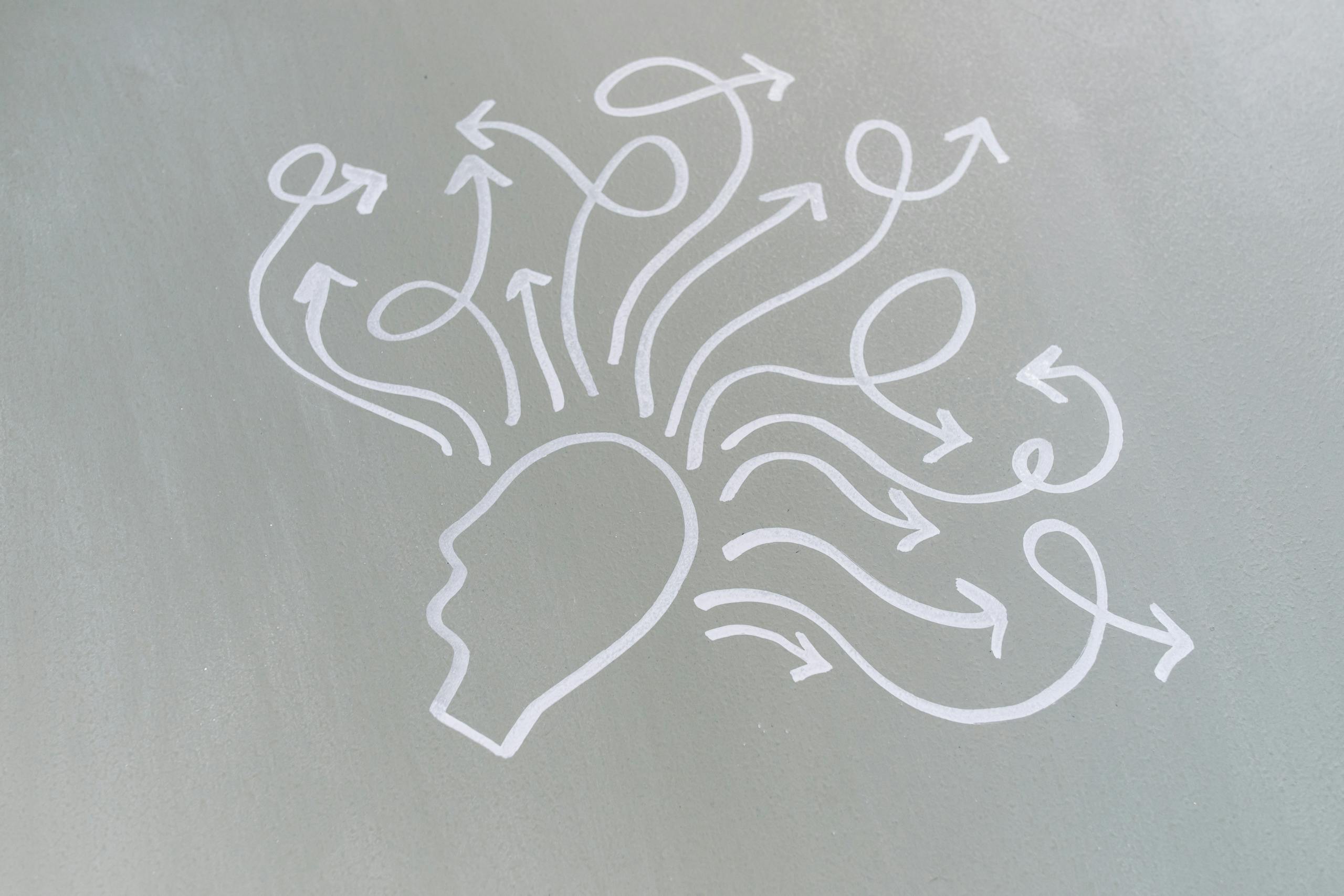
When to Move From Self-Screening to Professional Support
Self-screening tools are genuinely useful for building self-awareness, but they have a clear ceiling. A framework like the one in this article can help you recognize patterns and ask better questions. It can’t tell you whether what you’re experiencing meets clinical criteria, what’s driving it, or what would actually help.
Some signals that professional support is worth pursuing: your social anxiety is causing you to miss out on things that matter to you, it’s affecting your work or relationships in concrete ways, it’s been present for a significant period of time rather than appearing situationally, or the coping strategies you’ve tried on your own haven’t produced meaningful relief.
Harvard Health’s overview of social anxiety disorder treatments provides a solid summary of what evidence-based care actually looks like, including cognitive behavioral therapy, which has a strong track record for social anxiety, and medication options for those whose anxiety is severe enough to warrant pharmacological support. The point isn’t to pathologize normal introversion. The point is to make sure that genuine social anxiety isn’t being dismissed as personality when it’s actually something that responds well to treatment.
Something I’ve observed in my own experience and in conversations with introverts who’ve sought help: many people wait far longer than they need to because they’re not sure their experience is “bad enough” to warrant support. Social anxiety doesn’t have to be debilitating to be worth addressing. If it’s limiting you in ways you don’t want to be limited, that’s sufficient reason to explore what help might look like.
What Social Anxiety Screening Reveals About the Introvert Experience
There’s something worth naming here about why this kind of screening matters specifically for introverts. Our culture has a long history of treating introversion itself as a problem to be solved, which means many of us have spent years trying to fix something that wasn’t broken while missing the things that actually needed attention.
When I finally stopped trying to perform extroversion in client meetings and started working with my natural style instead, my effectiveness improved considerably. But that shift didn’t resolve the anxiety that had been running underneath the performance all along. Those were separate things requiring separate attention.
Screening for social anxiety isn’t about confirming that something is wrong with you. It’s about getting accurate information about your own inner landscape so you can respond to it wisely. Introversion is a strength. Social anxiety is a pattern that can be worked with. Knowing which is which gives you something real to work from.
The psychological literature has increasingly moved toward understanding how personality traits like introversion interact with anxiety patterns rather than treating them as synonymous. Research published in PubMed Central examining personality and anxiety relationships points toward the importance of distinguishing between trait-level tendencies and clinical anxiety presentations, precisely because the interventions that help are different depending on which you’re dealing with.
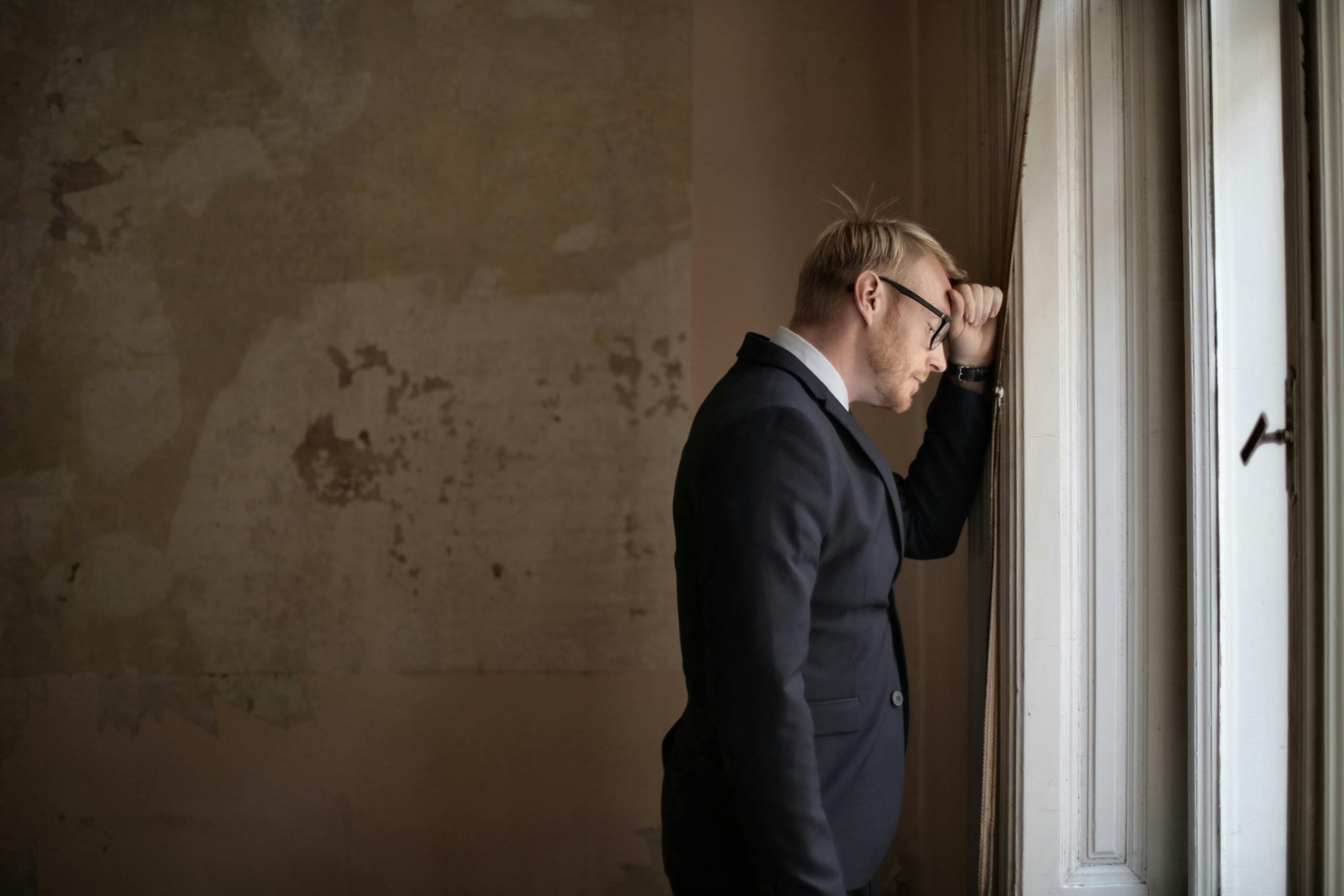
One of the more useful frameworks I’ve encountered for thinking about this comes from Jungian typology, which Psychology Today’s exploration of Jung’s typology and psychological wellbeing touches on, specifically the idea that personality type shapes how we experience the world but doesn’t determine our psychological health. An introverted type can be psychologically healthy or struggling. Social anxiety is a pattern that crosses type lines, even if introverts may be more likely to encounter it given how much our culture rewards extroverted behavior.
What the screening process in the end offers is clarity. Not a verdict, not a label, but a clearer picture of what’s actually happening so you can make informed choices about what to do with that information. That clarity is worth pursuing, even when the questions are uncomfortable to sit with.
If you’re finding that social anxiety intersects with other aspects of your inner life as a sensitive, introverted person, there’s much more to explore in the complete Introvert Mental Health Hub, where we cover the full range of emotional and psychological experiences that tend to show up in people wired the way we are.
About the Author
Keith Lacy is an introvert who’s learned to embrace his true self later in life. After 20 years in advertising and marketing leadership, including running agencies and managing Fortune 500 accounts, Keith now channels his experience into helping fellow introverts understand their strengths and build fulfilling careers. As an INTJ, he brings analytical depth and authentic perspective to every article, drawing from both professional expertise and personal growth.
Frequently Asked Questions
What is the difference between introversion and social anxiety?
Introversion is a personality trait related to how you gain and lose energy. Introverts recharge through solitude and tend to prefer depth over breadth in social interactions. Social anxiety is a pattern of fear, specifically fear of negative evaluation or scrutiny in social situations, that causes distress and often leads to avoidance. You can be introverted without being socially anxious, socially anxious without being introverted, or both simultaneously. The practical test is whether your social discomfort is primarily about energy depletion or about fear of judgment and its consequences.
Can a social anxiety screening tool replace a professional diagnosis?
No. Self-screening tools, including the reflective framework in this article, are useful for building awareness and identifying patterns worth exploring. They cannot provide a clinical diagnosis, assess severity, identify underlying causes, or determine what treatment approach would be most helpful. If your screening raises real concerns, the appropriate next step is a conversation with a qualified mental health professional who can conduct a proper assessment.
How do I know if my social discomfort is severe enough to seek help?
The clinical threshold for social anxiety disorder involves significant distress or functional impairment, meaning your anxiety is meaningfully limiting your ability to live the life you want. That said, you don’t have to meet the full clinical criteria to benefit from support. If your social anxiety is causing you to avoid opportunities that matter to you, affecting your relationships or career, or producing a level of distress that feels disproportionate to the situations triggering it, those are reasonable grounds for seeking professional input. Social anxiety responds well to treatment, and waiting until things are severe enough often means waiting longer than necessary.
Are highly sensitive people more prone to social anxiety?
Highly sensitive people process sensory and emotional information more deeply than most, which means social environments carry a heavier cognitive and emotional load. That depth of processing can make social situations more exhausting and, in some cases, more threatening. HSPs are also more likely to notice subtle social cues, which can amplify the experience of being evaluated or scrutinized. While sensitivity itself isn’t a disorder, the combination of deep processing, strong empathy, and rejection sensitivity that characterizes many HSPs can create conditions where social anxiety is more likely to develop or feel more intense when it does.
What are the most effective treatments for social anxiety disorder?
Cognitive behavioral therapy, particularly exposure-based approaches, has the strongest evidence base for social anxiety disorder. The core of this work involves gradually confronting feared social situations rather than avoiding them, while also addressing the thought patterns that fuel the fear. Some people benefit from medication, particularly SSRIs or SNRIs, especially when anxiety is severe enough to interfere with engaging in therapy. Many people find that a combination of both approaches works better than either alone. The right treatment depends on the individual, which is one of the reasons a professional assessment is valuable rather than trying to self-prescribe based on general information.