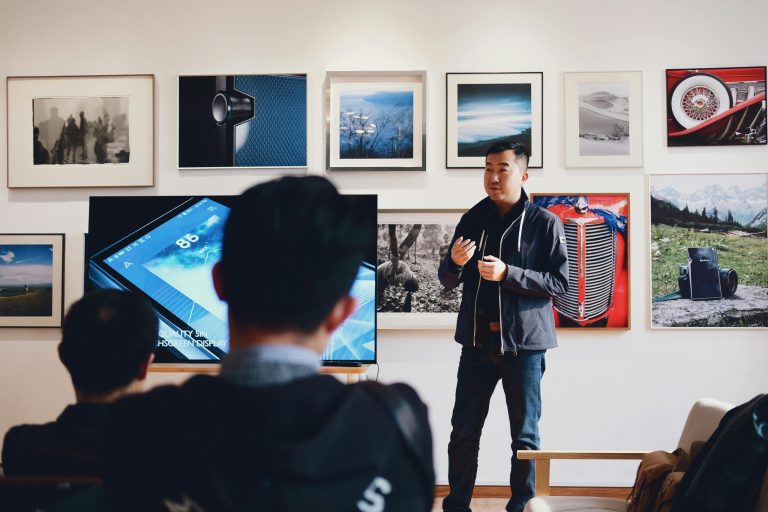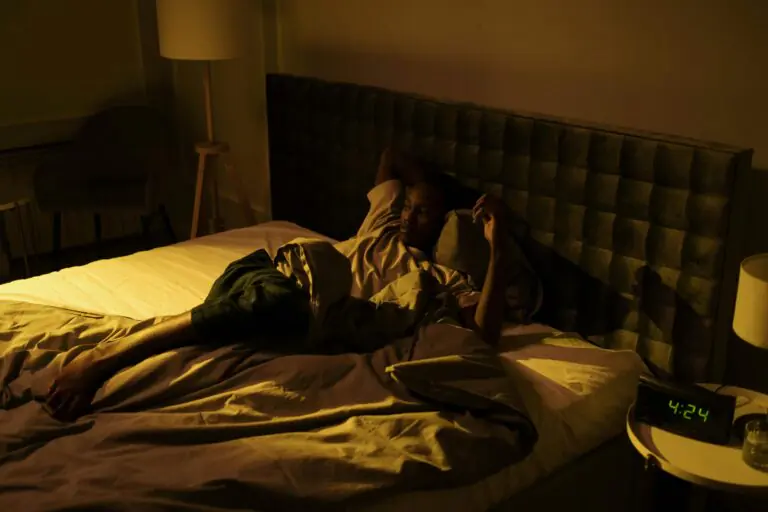

The dinner party ended at 11 PM. Everyone agreed it was fantastic. You smiled, hugged, promised to do it again soon. By midnight, you were home. By 2 AM, you were still awake, replaying conversations in your mind. At 7 AM, you woke feeling like you’d run a marathon despite sleeping.
Social hangover affects millions of people after socializing, creating physical exhaustion and mental fog that can last 24-48 hours. Unlike alcohol-induced hangovers, this exhaustion comes from overstimulation of your sensory and emotional processing systems during social interaction. Your nervous system remains activated long after conversations end, leaving you drained despite enjoying the event.
During my two decades managing agency teams and client relationships, I learned to recognize this pattern immediately. After major presentations or networking events, I’d need an entire day to feel human again. Colleagues would suggest happy hour the next evening. The invitation alone made me tired. One particularly brutal product launch party left me so depleted I called in sick the next day, not from illness but from complete social exhaustion. Managing this recovery became as important as managing the social event itself.

What Is Social Hangover and Why Does It Happen?
The term captures the physical and mental exhaustion that follows social interaction, particularly for people with introverted nervous systems. Unlike alcohol-induced hangovers, this exhaustion comes from overstimulation of your sensory and emotional processing systems.
What’s your personality type?
Take our free 40-question assessment and get a detailed personality profile with dimension breakdowns, context analysis, and personalised insights.
Discover Your Type8-12 minutes · 40 questions · Free
Research from the University of California found that individuals with introverted traits show different patterns of brain activation during social interaction. Their prefrontal cortex, responsible for complex thought and decision-making, works harder during social exchanges. This increased cognitive load doesn’t stop when the conversation ends. Your brain continues processing social data long after you’ve said goodnight.
Common social hangover symptoms include:
- Physical fatigue – Your muscles feel heavy, as if you’ve been physically working all day despite sitting and talking
- Mental fog and decision paralysis – Simple tasks like choosing breakfast or responding to a text feel overwhelming and require conscious effort
- Heightened emotional sensitivity – Small frustrations that you’d normally brush off feel magnified and trigger stronger reactions than usual
- Sensory overload – Normal sounds seem loud, regular lighting feels harsh, and everyday stimuli become irritating
- Social avoidance – The thought of checking messages or answering calls makes you want to hide under the covers
Setting boundaries becomes harder because you lack the energy to enforce them.
What’s the Science Behind Post-Social Exhaustion?
Your autonomic nervous system operates in two modes: sympathetic (alert and engaged) and parasympathetic (rest and recovery). Social interaction activates your sympathetic nervous system. For individuals with more reactive nervous systems, this activation runs higher and lasts longer.
A 2019 study published in the Journal of Personality found that people scoring higher on introversion measures showed prolonged cortisol elevation following social interaction. Cortisol, your stress hormone, remained elevated for hours after the social event ended. This explains why you feel wired and tired simultaneously. Your body is still in alert mode even though the situation requiring alertness has passed.

The anterior cingulate cortex, which monitors social threat and regulates emotional responses, works overtime during social situations. Harvard Medical School findings reveal this region displays increased activation in individuals who identify as more socially cautious. The heightened monitoring continues after the event ends, contributing to that feeling of mental exhaustion the next day.
Key neurological factors creating social hangover:
- Neurotransmitter depletion – Extended social engagement depletes dopamine, serotonin, and acetylcholine faster than your body can replenish them
- Prolonged cortisol elevation – Stress hormones remain elevated for hours after social interaction ends, preventing nervous system recovery
- Anterior cingulate overactivation – Your brain’s social monitoring system continues scanning for threats even when you’re alone
- Prefrontal cortex fatigue – The brain region handling complex social decisions becomes exhausted from sustained use
Why Do Some Social Events Hit Harder Than Others?
Not all social situations create equal exhaustion. Specific factors amplify the drain and make recovery longer.
Group size matters significantly. A study from the University of Michigan tracked social fatigue across different group configurations. Interactions with seven or more people produced measurably higher next-day fatigue compared to smaller groups. Each additional person adds exponentially to the cognitive load. You’re not just tracking one conversation, you’re monitoring multiple social dynamics simultaneously.
Event factors that increase social hangover severity:
- Noise levels above 65 decibels – Your brain works harder to filter relevant conversation from background noise, adding to exhaustion
- Unfamiliar social contexts – Events with strangers require more active monitoring of social cues and self-presentation management
- Performance pressure situations – When you’re “performing” socially rather than simply being present, you add cognitive load
- Prolonged duration – Events lasting more than 3 hours typically produce disproportionately longer recovery times
- High-maintenance personalities – Conversations requiring constant vigilance or emotional management create more exhaustion
During my agency years, pitches and presentations produced the worst next-day exhaustion. When you’re simultaneously engaging in conversation while monitoring your performance, adjusting your delivery, and managing others’ perceptions, you’re operating at maximum cognitive load for hours. One three-hour client presentation would leave me more drained than an entire weekend with close friends.
What Physical Symptoms Might You Not Connect to Social Hangover?
Social hangover manifests in your body, not just your mind. Recognizing these physical symptoms helps you understand what’s happening.
Muscle tension and soreness appear frequently. Your shoulders, neck, and jaw bear the brunt. During social interaction, you unconsciously hold tension in these areas. Hours of subtle muscle contraction add up. The next day, you feel like you’ve been clenching your jaw all night because you essentially have been.
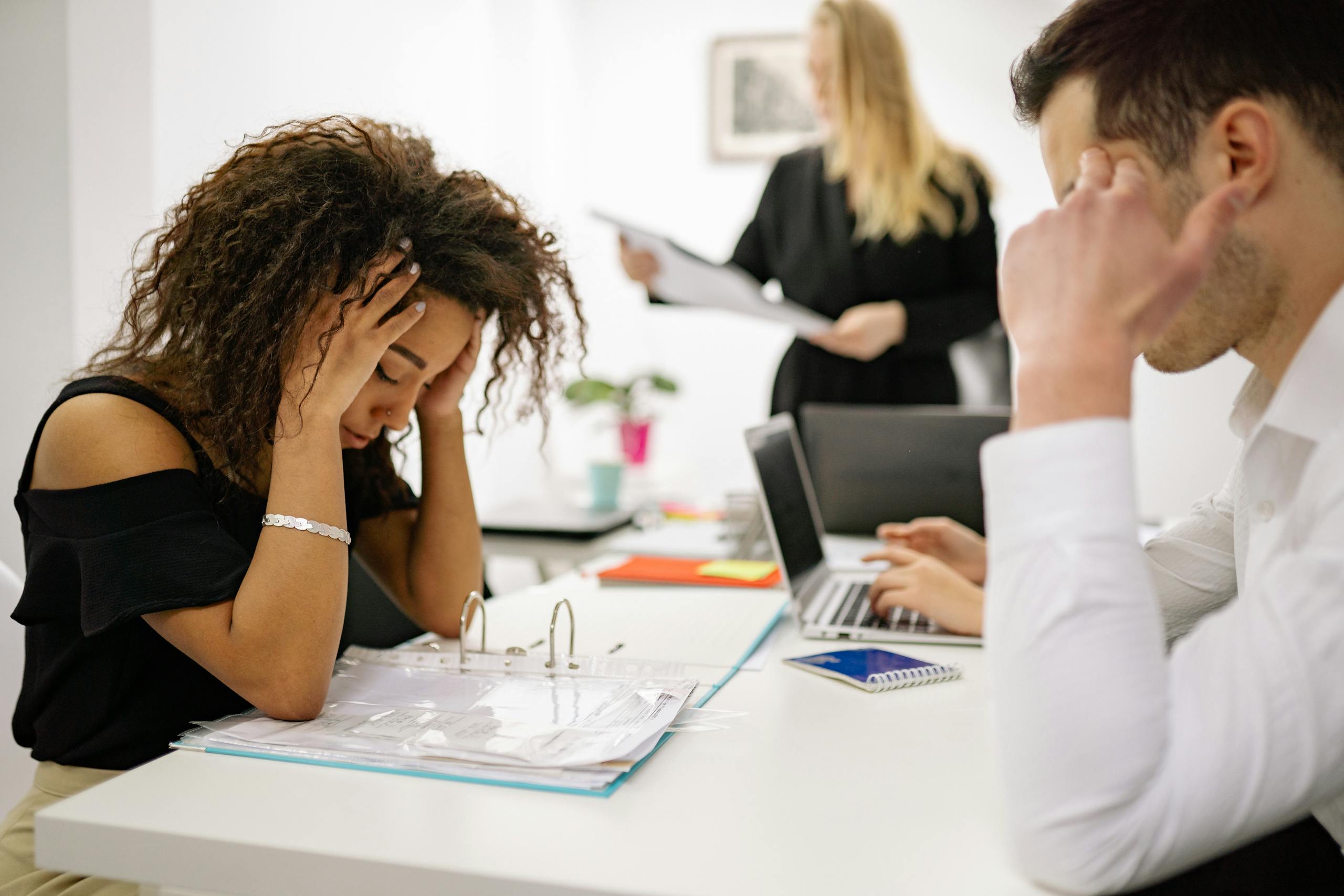
Physical symptoms of social hangover include:
- Digestive issues – Your enteric nervous system responds directly to stress, causing nausea, loss of appetite, or stomach discomfort
- Headaches and eye strain – Sustained visual processing during conversation, combined with bright venue lighting, exhausts your visual system
- Sleep disruption – Despite feeling exhausted, falling asleep proves difficult because your nervous system remains activated
- Muscle tension – Hours of unconscious tension in shoulders, neck, and jaw create soreness the next day
- Temperature sensitivity – You may feel unusually cold or hot as your autonomic nervous system struggles to regulate
Digestive issues emerge surprisingly often. Research from Johns Hopkins Medicine shows that social stress affects gut motility and inflammation markers. That queasy feeling or loss of appetite the day after socializing reflects your digestive system’s response to prolonged nervous system activation.
How Does Social Hangover Affect Your Mental Performance?
Cognitive effects of social hangover extend beyond simple tiredness. Your mental processing slows in specific, measurable ways.
Decision fatigue hits hard. Every social interaction involves countless micro-decisions. What to say. How to respond. When to speak. Where to stand. These decisions deplete your willpower and cognitive resources. Research from Stanford University found that decision-making ability drops significantly after extended social engagement. The morning after, choosing what to wear feels like solving a complex problem.
Mental performance impacts include:
- Reduced working memory capacity – Following complex conversations becomes harder, remembering simple tasks requires conscious effort
- Diminished creative thinking – The mental energy required for divergent thinking isn’t available during recovery mode
- Impaired emotional regulation – Small annoyances trigger stronger reactions because your prefrontal cortex lacks resources
- Slower processing speed – Understanding and responding to information takes longer than usual
- Difficulty concentrating – Sustained attention becomes challenging, leading to frequent mental wandering
After major networking events, I’d block out the next day for administrative tasks rather than creative work. Attempting strategic thinking while socially hungover proved futile. Understanding this delayed exhaustion helps you plan accordingly rather than questioning why you’re suddenly so sensitive.
What Recovery Strategies Actually Work for Social Hangover?
Recovering from social hangover requires more than simply resting. Specific strategies speed recovery and reduce symptom severity.
Sensory reduction becomes your priority. Lower the lights. Reduce noise. Minimize visual stimulation. Your nervous system needs to downregulate, and environmental triggers prevent this process. After demanding social events, I’d spend the next morning in a darkened room with minimal sound. Not antisocial behavior. Nervous system recovery.

Effective social hangover recovery strategies:
- Gentle physical movement – Light exercise releases tension and helps metabolize stress hormones more effectively than remaining sedentary
- Protein-rich nutrition – Neurotransmitter synthesis requires amino acids from protein sources to restore depleted neurochemical resources
- Complete solitude without guilt – Cancel plans, ignore non-urgent messages, let yourself be unreachable for recovery hours
- Nature exposure – Even 20 minutes outside reduces mental fatigue more effectively than urban settings or indoor rest
- Adequate hydration – Supports cognitive function and helps clear metabolic waste products accumulated during heightened brain activity
Physical movement helps more than you’d expect. A 2020 study in the Journal of Behavioral Medicine found that light physical activity accelerated cortisol normalization after social stress. Walking, stretching, or easy yoga facilitates recovery better than remaining sedentary. The key word is gentle. Intense exercise adds stress when your system is already depleted.
A study from the University of Michigan found that spending time in natural environments reduced mental fatigue more effectively than urban settings or indoor rest. The combination of gentle sensory input from nature and reduced cognitive demand speeds nervous system recovery.
How Can You Prevent Social Hangover Before It Starts?
Smart prevention reduces both the severity and duration of social hangover. These strategies work best when implemented before and during social events.
Pre-event rest makes a measurable difference. Starting a social event already depleted guarantees worse recovery. Getting adequate sleep two nights before important social events provides more resilience than trying to catch up afterward. Think of it as charging your battery before a drain rather than trying to recharge an overdrawn battery.
Prevention strategies that reduce social hangover:
- Strategic early exits – Leaving after 90 minutes instead of three hours can cut your recovery time in half
- Micro-breaks during events – Step outside for five minutes or visit the restroom for brief moments of solitude
- Choose optimal positioning – Stand near exits or quieter corners to reduce overstimulation and maintain psychological control
- Limit alcohol consumption – Your body processes both social overstimulation and alcohol simultaneously, compounding exhaustion
- Schedule buffer time – Plan recovery periods after social events rather than booking back-to-back commitments
During client dinners, I’d often arrive on time but leave before dessert. Most people barely noticed. Those who did understood when I explained I had an early morning. Preventing the hangover means giving yourself permission to leave when you’ve hit your limit rather than pushing through until you’re completely depleted.

At conferences, I’d schedule gaps between sessions rather than attending everything. That 15 minutes of sitting alone in my car made the difference between managing and melting down. Research from the University of Texas found that environmental control significantly affects stress response during social situations. Having an escape route visible provides psychological relief even if you don’t use it.
How Do You Recognize Your Personal Social Hangover Patterns?
Individual differences matter enormously. What drains one person completely might barely affect another. Learning your specific patterns helps you plan more effectively.
Track the data methodically. After social events, note the recovery time required. A dinner party might need one recovery day. A conference might need three. Wedding receptions might need two. Celebrations carry their own specific exhaustion patterns. Once you identify these patterns, you can plan accordingly.
Personal pattern factors to track:
- Event duration vs recovery time – Map how long different social activities take you to recover from completely
- High-drain vs low-drain people – Identify which individuals require more vigilance or emotional management during interaction
- Optimal timing windows – Discover whether morning, afternoon, or evening events align better with your energy cycles
- Seasonal variations – Notice if winter social events drain more than summer ones, or vice versa
- Group size sweet spots – Determine your comfortable maximum for different types of gatherings
Working with Fortune 500 clients taught me I handled morning meetings better than evening networking. Once I recognized this pattern, I could request meeting times that set me up for success rather than guaranteed exhaustion. Certain people drain more than others, and you probably already know who they are. When possible, limit time with high-drain individuals or ensure you have recovery time built in afterward.
When Should You Be Concerned About Social Hangover?
Normal social hangover differs from clinical conditions that require professional attention. Understanding this distinction matters.
Social anxiety disorder creates avoidance and fear, not just exhaustion. The hangover we’re discussing involves recovery from an event you attended. Anxiety, by contrast, involves dread before the event and potentially avoiding it altogether. The American Psychiatric Association distinguishes between normal social fatigue and clinical anxiety based on impairment and avoidance patterns.
Warning signs that suggest professional evaluation:
- Recovery time keeps expanding – What used to take one day now requires three or four days to feel normal
- Avoiding necessary social contact – Work meetings, family gatherings, or essential interactions become impossible to attend
- Severe physical symptoms – Persistent headaches, digestive issues, or sleep disruption lasting more than a few days
- Loss of social enjoyment – Events you previously found worthwhile now feel pointless or overwhelming regardless of outcome
- Persistent fatigue unrelated to activity – Exhaustion that doesn’t match social demand and affects daily functioning significantly
Depression can masquerade as social hangover. Persistent fatigue that doesn’t improve with rest, loss of interest in previously enjoyable activities, and prolonged low mood indicate something beyond normal social exhaustion. The CDC notes that chronic fatigue syndrome involves exhaustion lasting at least six months and affecting daily functioning significantly.
Frequently Asked Questions
How long does social hangover typically last?
Most social hangovers resolve within 24 to 48 hours with proper rest and recovery strategies. The duration depends on event intensity, your baseline energy level, and how well you implement recovery techniques. Small gatherings might require only a few hours of recovery, while large events or extended social periods could need two full days. Track your personal patterns to understand your typical recovery timeline.
Can extroverts experience social hangover?
Yes, though less frequently and typically less intensely. Extroverts gain energy from social interaction overall but can still experience exhaustion from particularly demanding social situations, especially those involving conflict, performance pressure, or interaction with difficult people. The key difference is that moderate social interaction energizes extroverts while it depletes introverts regardless of enjoyment level.
Is social hangover the same as social anxiety?
No. Social hangover describes post-event exhaustion and recovery needs. Social anxiety involves fear and dread before and during social situations, often leading to avoidance. You can experience social hangover after an event you genuinely enjoyed. Social anxiety creates distress during the event itself and may prevent attendance altogether. Some people experience both conditions, but they are distinct phenomena requiring different approaches.
Does social hangover mean I should avoid social events?
Not necessarily. Social hangover is a normal response to social stimulation for many people. The solution involves managing your social calendar to include adequate recovery time rather than eliminating social interaction entirely. Schedule recovery days after events. Choose smaller gatherings when possible. Leave events when you’ve reached your limit. Balance social commitments with solitary activities you find restorative.
What’s the fastest way to recover from social hangover?
Combine sensory reduction with gentle physical activity and adequate nutrition. Spend time in a quiet, low-light environment. Take a short walk outside if possible. Eat protein-rich meals and stay hydrated. Avoid scheduling additional social obligations or mentally demanding tasks. Give yourself permission to rest without guilt. Recovery requires actual downtime, not multitasking or half-measures. The fastest recovery comes from fully committing to rest rather than trying to power through.
Explore more energy management strategies in our complete General Introvert Life Hub.
About the Author
Keith Lacy is an introvert who’s learned to embrace his true self later in life. With a background in marketing and a successful career in media and advertising, Keith has worked with some of the world’s biggest brands. As a senior leader in the industry, he has built a wealth of knowledge in marketing strategy. Now, he’s on a mission to educate both introverts and extroverts about the power of introversion and how understanding this personality trait can unlock new levels of productivity, self-awareness, and success.