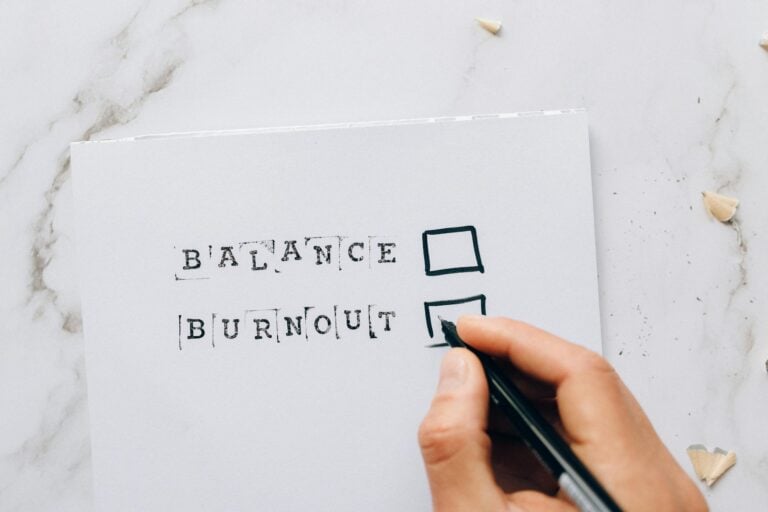
My calendar showed three client dinners that week, a team offsite on Thursday, and a networking reception Friday evening. By Wednesday afternoon, I found myself sitting in my office with the door closed, unable to form complete sentences. The exhaustion felt physical, almost cellular, like someone had pulled a plug and drained every reserve I had. My colleagues thrived on these packed social weeks. For me, each interaction required concentrated effort that compounded across days.
This pattern repeated throughout my twenty years leading advertising agencies. Managing Fortune 500 accounts meant constant client entertainment, team building sessions, and industry events. I could perform brilliantly in these settings, but the cost accumulated invisibly until it became impossible to ignore.

If you find yourself utterly depleted after social situations that others seem to breeze through, you are experiencing something real and measurable. The phenomenon has neurological roots that explain why certain people need significantly more recovery time after interpersonal engagement. Our General Introvert Life hub addresses many aspects of living authentically as a quieter person, and understanding energy depletion sits at the foundation of everything else.
The Neurological Reality Behind Social Depletion
Your brain processes social interaction differently depending on your neurological wiring. A Cornell University study published in Frontiers in Human Neuroscience found that extroverts have a stronger dopamine reward system response to social stimulation. Their brains release feel-good chemicals when engaging with others, essentially paying them for the effort with immediate neurological rewards.
What’s your personality type?
Take our free 40-question assessment and get a detailed personality profile with dimension breakdowns, context analysis, and personalised insights.
Discover Your Type8-12 minutes · 40 questions · Free
Those of us wired for introversion experience the same situations through a different chemical lens. Our dopamine sensitivity runs higher, meaning smaller amounts create the same pleasure response. Excessive stimulation quickly tips from enjoyable to overwhelming. Where an extroverted colleague might feel increasingly energized as a networking event progresses, someone with heightened dopamine sensitivity experiences diminishing returns followed by depletion.
During my agency years, I noticed this pattern play out consistently. After major client pitches, my extroverted creative directors wanted to celebrate at loud restaurants. They fed off the residual adrenaline and group energy. I needed to sit in my car for fifteen minutes before driving home, waiting for my nervous system to recalibrate. Neither response was wrong, but understanding the neurological differences helped me protect my energy without judging myself for needing it.
Why Three Hours Seems to Be the Breaking Point
Researchers at the University of Helsinki conducted an experience sampling study that tracked real-time fatigue levels following social behavior. Participants reported significantly higher exhaustion approximately two to three hours after engaging in sociable, talkative activities. Notably, this pattern held regardless of personality type, suggesting that social interaction costs everyone energy eventually.

The difference lies in capacity and recovery speed. Someone with a larger social battery starts with more reserves and replenishes through continued interaction. Those with smaller batteries begin depleted more quickly and require solitude to refuel. The Helsinki findings validate what many quieter people intuitively know: the exhaustion hits on a delay, often after you have already committed to additional engagements.
One client engagement stands out in my memory. A Fortune 100 brand brought their entire marketing team for a three-day strategy session. By day two afternoon, my contributions became noticeably thinner. I could see my executive team puzzled by my withdrawal when I had been sharp and creative twenty-four hours earlier. Understanding this delayed depletion pattern helped me eventually structure meetings differently, building in solitary working sessions between collaborative blocks.
The Role of Acetylcholine in Introvert Energy
While extroverts ride dopamine highs through social situations, people with introverted wiring lean on a different neurotransmitter: acetylcholine. Neurological studies examining introvert brain function suggest that acetylcholine creates pleasure responses during quiet, focused activities like reading, deep conversation, or creative work.
Acetylcholine supports attention, memory formation, and sustained concentration. Activities that engage this system feel restorative rather than draining. This explains why an evening spent absorbed in a complex project can leave you feeling satisfied and energized, while an evening of casual socializing with the same duration leaves you depleted.
My most productive creative work always happened in the early morning hours before anyone else arrived at the office. Those quiet periods allowed my acetylcholine-driven processes to function optimally. By contrast, open-plan office afternoons filled with spontaneous conversations and impromptu meetings consistently produced my worst strategic thinking. The neurochemistry determined the quality of output, not effort or willpower.
Physical Symptoms You Might Not Connect to Social Exhaustion
Social depletion manifests physically in ways that can masquerade as other conditions. Mental health professionals recognize the connection between social energy management and physical symptoms including headaches, muscle tension, fatigue that sleep does not resolve, and difficulty concentrating.

The physical responses connect to nervous system activation. Extended social engagement often keeps the sympathetic nervous system (fight-or-flight mode) engaged for longer periods than the body can sustain comfortably. Muscle tension accumulates from maintaining social postures and facial expressions. Cognitive resources deplete from processing multiple streams of information simultaneously, including facial expressions, tone of voice, social dynamics, and conversational content.
After major industry conferences, I routinely experienced what I called “conference flu.” My body would crash with cold-like symptoms that resolved after a day or two of complete solitude. For years, I assumed crowded venues simply exposed me to more germs. Eventually, I recognized the pattern: my immune system downregulated during periods of sustained social overstimulation. The physical symptoms signaled depletion, not infection.
Why Some Social Situations Drain More Than Others
Not all interaction depletes equally. Several factors determine how quickly your social battery drains in any given situation. Certain events consistently cause worse energy crashes than others, and understanding the variables helps with strategic planning.
Group size matters significantly. One-on-one conversations require tracking a single person’s cues and responses. Large groups demand exponentially more processing power as you monitor multiple simultaneous social dynamics. A dinner with one close friend might feel restorative while a dinner party with eight acquaintances leaves you speechless for the drive home.
Familiarity affects the energy equation as well. Conversations with people who know you well require less performance and explanation. You can relax into established patterns. New acquaintances require active impression management, background explanation, and careful calibration of how much to share.
Environment plays an underappreciated role. Loud venues force your auditory processing to work overtime filtering signal from noise. Bright, crowded spaces provide constant visual stimulation that consumes cognitive resources in the background. Quiet, comfortable settings reduce the baseline energy expenditure, leaving more capacity for actual conversation.
During client entertainment, I learned to suggest restaurants with good acoustics and intimate seating arrangements. My teams assumed I simply had refined taste. Actually, I was managing my cognitive load so I could perform strategically throughout multi-hour dinners.
Recognizing Your Personal Warning Signs
Learning to identify early signals of social depletion prevents reaching the point of complete shutdown. Shutdown manifests differently across individuals, but common early indicators exist that you can learn to recognize in yourself.

Response time elongates as depletion progresses. You might notice delays between hearing questions and formulating answers. Thoughts that would normally flow easily require conscious effort to construct and express. Conversation starts feeling like work rather than exchange.
Emotional reactivity shifts in the warning zone. Small irritations that you would normally overlook begin triggering disproportionate internal responses. Patience for social niceties shrinks. The mask of pleasant engagement becomes harder to maintain.
Physical restlessness often signals the body seeking escape before the conscious mind acknowledges the need. Checking phones compulsively, scanning for exit routes, shifting position frequently, and losing track of conversations all indicate a nervous system preparing for withdrawal.
My personal warning sign involved losing the ability to remember names. When I could no longer recall names of people I knew well, I had approximately thirty minutes before complete social shutdown. Learning this allowed me to exit gracefully before reaching the point where I could barely speak.
Recovery Strategies That Actually Work
Recovery from social exhaustion requires more than simply being alone. Effective restoration involves actively engaging your parasympathetic nervous system and the acetylcholine pathways that produce calm, focused states.
Passive activities like watching television often prove less restorative than expected. Screen content provides stimulation without allowing the processing time your brain needs. Instead, activities that engage focused attention without demanding social energy work better: reading, creative projects, solo walks, or deep work on meaningful tasks.
Mental health experts recommend scheduling recovery time proactively rather than reactively. If you know a demanding social week approaches, block protected solitude before and after. Treating these blocks as non-negotiable appointments prevents the gradual erosion that leads to burnout.
Physical recovery matters alongside mental recovery. Sleep quality often suffers after overstimulating days as your brain continues processing social information. Gentle physical activity like walking or stretching helps discharge accumulated tension. Adequate hydration and nutrition support the neurological recovery processes.
Communicating Your Needs Without Apology
Explaining social energy needs to extroverted colleagues, friends, or family members requires framing that they can understand. Helping extroverts understand energy depletion involves translating your experience into concepts that map to their own.

Physical metaphors work well. Describing social energy as a battery that drains and requires recharging makes intuitive sense. Explaining that your battery simply has different capacity than theirs removes judgment from the equation. Neither size is superior; they simply operate differently.
Specificity helps more than vague requests. Instead of asking for “space,” specify what you need: “I need about two hours of quiet time before I can engage thoughtfully again.” Concrete requests feel more actionable and less like rejection to people who gain energy from connection.
In my leadership roles, I eventually learned to state my needs directly in scheduling conversations. “I need recovery time between these sessions to bring my best thinking to each one” positioned solitude as professional strategy rather than personal weakness. Teams learned to work with my patterns, and the quality of my contributions improved measurably.
Building a Sustainable Social Life
Honoring your processing needs does not mean withdrawing from all social engagement. Sustainable connection requires designing interactions that work with your neurology rather than against it.
Quality over quantity becomes the organizing principle. Fewer, deeper relationships provide more genuine connection with less energy expenditure than maintaining numerous superficial ties. Investing heavily in people who understand and accept your patterns creates a support network that energizes rather than depletes.
Structured activities often work better than open-ended socializing. A hiking group, book club, or creative class provides built-in focus that reduces the cognitive load of pure conversation. The activity creates natural breaks and conversation topics, preventing the exhausting work of generating interaction from nothing.
My richest friendships formed around shared projects and interests rather than social obligations. Collaborating on creative work or discussing ideas we both cared about felt energizing. Obligatory happy hours with people I barely knew felt like punishment.
Embracing Your Wiring as Strength
The same neurological wiring that creates social exhaustion also enables capabilities that extroverted counterparts often lack. Heightened sensitivity to stimulation translates to noticing subtleties others miss. The need for processing time supports deep analysis rather than reactive responses. Preference for solitude creates space for focused creative work.
Throughout my career, the qualities that made cocktail parties draining also made me effective at strategic work. While colleagues rushed to immediate conclusions, I sat with problems longer and found angles they missed. My sensitivity to client emotional states helped me read situations that others misinterpreted. The same processing depth that slowed casual conversation accelerated complex problem-solving.
Understanding socializing exhaustion as neurological reality rather than personal deficiency changes everything. You stop fighting your nature and start designing life around it. Energy management becomes strategic rather than shameful. The exhaustion signals that you have spent valuable resources, not that something is wrong with you.
Your social battery capacity exists on a spectrum, shaped by genetics and neurology more than choice or effort. Working with this reality rather than against it creates space for both meaningful connection and essential restoration. The goal is not to change your wiring but to build a life that honors it.
Explore more resources for thriving authentically in our complete General Introvert Life Hub.
About the Author
Keith Lacy is an introvert who’s learned to embrace his true self later in life. With a background in marketing and a successful career in media and advertising, Keith has worked with some of the world’s biggest brands. As a senior leader in the industry, he has built a wealth of knowledge in marketing strategy. Now, he’s on a mission to educate both introverts and extroverts about the power of introversion and how understanding this personality trait can unlock new levels of productivity, self-awareness, and success.