
Everyone assumed I needed to talk more. During my early years leading agency teams, colleagues would pull me aside after meetings to suggest I speak up, contribute more frequently, make my presence felt. Their intentions were kind, but their assumption was flawed. They conflated my preference for thoughtful silence with some kind of social deficiency that needed correction.
It took me years to recognize what was actually happening. I wasn’t avoiding participation because speaking terrified me. I was choosing my moments deliberately, preferring to observe before contributing, processing information internally before offering perspective. My quiet presence wasn’t a symptom of anxiety. It was simply how I operated most effectively.

Many people experience similar confusion about their own social tendencies. The behaviors associated with introversion and social anxiety can appear remarkably similar from the outside, leading to widespread misunderstanding about which is which. Someone who declines party invitations, speaks minimally in group settings, and values solitude might be labeled as socially anxious when they’re simply introverted, or vice versa. Getting this distinction right matters enormously for self-understanding and, in some cases, for knowing when professional support could genuinely help.
Introverts and those with anxiety often share overlapping behaviors, but the underlying mechanisms differ significantly. Our Introvert Mental Health hub addresses the full spectrum of these experiences, and understanding where you fall on this continuum can fundamentally change how you approach your own wellbeing.
The Fundamental Distinction Between Personality and Pathology
Introversion represents a stable personality trait, one of the most well-researched dimensions in psychology. According to the five-factor model of personality, extraversion and introversion exist on a continuum describing how individuals gain and expend energy. Introverts draw energy from solitude and internal reflection, while extroverts recharge through external stimulation and social interaction.
What’s your personality type?
Take our free 40-question assessment and get a detailed personality profile with dimension breakdowns, context analysis, and personalised insights.
Discover Your Type8-12 minutes · 40 questions · Free
Social anxiety disorder, in contrast, constitutes a diagnosable mental health condition. The clinical literature defines it as a persistent fear of social situations where individuals may face scrutiny from others. The fear centers on potential humiliation, embarrassment, or rejection, and it typically persists for six months or longer to meet diagnostic criteria.
When I managed creative teams at Fortune 500 agencies, I encountered both patterns regularly. Some team members preferred working independently and avoided large brainstorms simply because those environments felt draining. Others avoided presentations or client meetings because the prospect of being evaluated triggered genuine distress. Both groups might decline the same meeting, but their reasons couldn’t have been more different.
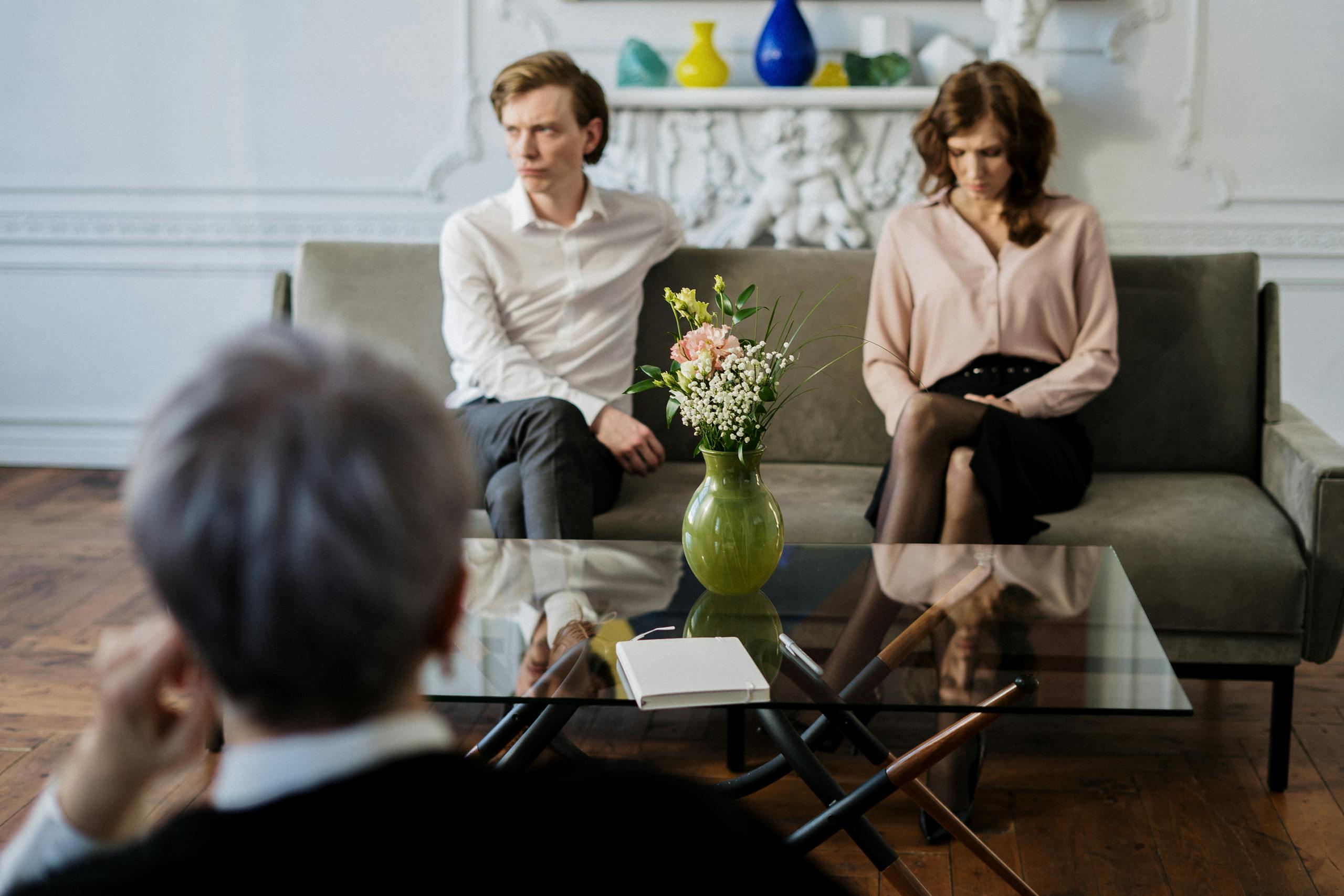
Mental Health America articulates this distinction clearly: social anxiety is not simply an extreme form of introversion. Introversion relates to social energy, while social anxiety involves fear of social interactions. An introvert might feel perfectly comfortable at a small gathering but simply prefer to leave early because their energy is depleted. Someone with social anxiety might desperately want to stay and connect but feel compelled to leave because the fear becomes overwhelming.
| Dimension | Socially Awkward: Introvert | Social Anxiety (They’re Not the Same) |
|---|---|---|
| Psychological Classification | Stable personality trait measured on the extraversion-introversion continuum of the five-factor model | Diagnosable mental health condition requiring persistent symptoms for six months or longer |
| Energy Dynamics | Draws energy from solitude and internal reflection; social interaction depletes reserves | Fear and worry consume energy regardless of setting; anxiety persists even in solitude |
| Decision to Cancel Plans | Cancels because solitude genuinely sounds better with no internal conflict or guilt beyond normal obligations | Cancels due to fear, worry about judgment, and avoidance driven by anxiety about scrutiny |
| Fear Component | No fear of judgment or appearing stupid; preference for solitude isn’t rooted in worry | Central feature involves persistent fear of being judged, appearing incompetent, or facing humiliation |
| Physical Symptoms | Fatigue, irritability, or mental fog from overstimulation; resolves with rest and recovery | Measurable stress responses including blushing, sweating, trembling, rapid heartbeat, nausea, cognitive disruption |
| Post-Social Interaction Experience | Genuinely enjoys events while happening; feels pleasantly tired afterward and needs recovery time | Experiences relief upon leaving; replays conversations searching for mistakes and worrying about perception |
| Desire for Connection | Genuinely values solitude and chooses it preferentially; authentic preference for deeper one-on-one interactions | Painful paradox of wanting connection while fearing it; internal conflict between desire and avoidance |
| Engagement During Social Events | Capable of engaging genuinely in the moment despite energy cost; turns it on then turns it off | Difficulty tolerating exposure required for participation; worry and fear persist throughout interaction |
| Treatment Approach | Self-care involves protecting energy, choosing compatible environments, and communicating needs honestly | Cognitive behavioral therapy and targeted professional support substantially reduces anxiety symptoms |
| Coexistence Possibility | Can exist independently; introversion alone doesn’t produce internal conflict or suffering | Can overlap with introversion; internal processing may create more opportunity for rumination and worry |
How the Same Behavior Can Signal Different Experiences
The overlap between introversion and social anxiety creates genuine confusion because many external behaviors appear identical. Both groups might avoid parties, speak minimally in meetings, or prefer one-on-one conversations over group dynamics. The critical difference lies in what’s happening internally.
Consider canceling plans. An introvert cancels because staying home genuinely sounds better than going out. There’s no internal conflict, no guilt beyond normal social obligations, no fear driving the decision. They simply recognize that solitude will feel more restorative than social engagement. Anticipatory anxiety about future events affects some introverts, but even this differs from clinical social anxiety.
Someone with social anxiety also cancels, but the experience is entirely different. They might actually want to attend, yet the anticipation of judgment, awkwardness, or rejection becomes unbearable. The relief they feel after canceling is temporary, often followed by disappointment or loneliness. Their avoidance stems from fear rather than preference.
This connects to what we cover in socially-awkward-meaning-what-it-really-means.
Related reading: awkward-antonym-finding-social-ease.
During my agency years, I noticed this pattern repeatedly in hiring interviews. Introverted candidates answered questions thoughtfully but confidently, comfortable with pauses and unbothered by the evaluation dynamic. Candidates with significant social anxiety showed visible physical symptoms: rapid breathing, difficulty maintaining eye contact, voice changes. Both might have given shorter answers than extroverted candidates, but the underlying experience was markedly different.
The Fear Factor: Where Introversion and Anxiety Diverge
Fear represents the clearest dividing line between these experiences. Dr. Bonnie Zucker, a clinical psychologist specializing in anxiety, explains that social anxiety involves worry about being judged, appearing stupid, or having others think poorly of you. Introversion carries no such fear component. An introvert at a party isn’t worried about judgment; they’re simply not finding the experience energizing.
The distinction became clearer to me after decades in leadership roles. I never feared speaking to clients or presenting strategies, even though these activities depleted my energy reserves significantly. My preference for solitude afterward wasn’t about hiding from criticism. I needed recovery time because social interaction, regardless of how well it went, consumed internal resources that required replenishment.
Understanding the anxious introvert experience helps clarify how these traits can coexist. Someone can absolutely be both introverted and socially anxious. In fact, some research suggests introverts may be somewhat more prone to social anxiety, though the correlation isn’t deterministic. Many introverts experience zero anxiety in social settings; they simply prefer other activities.
Physical Symptoms Reveal Internal States
Social anxiety disorder produces measurable physical responses that pure introversion typically doesn’t trigger. Blushing, sweating, trembling, rapid heartbeat, nausea, and cognitive disruption represent common symptoms when social anxiety activates. These aren’t subtle preferences; they’re physiological stress responses.
Introverts experiencing overstimulation might feel tired, irritable, or mentally foggy after extended social engagement. Yet these sensations differ qualitatively from anxiety symptoms. Fatigue from overstimulation resolves with rest. Anxiety symptoms can persist even in solitude as someone replays social interactions, worrying about perceived mistakes or anticipating future uncomfortable situations.
According to the Merck Manual, individuals with social anxiety often develop “catastrophic spirals” of cognition. They might worry that attending a gathering will lead to embarrassment, which will cause mockery, which will force a humiliating exit. Such cognitive patterns escalate reasonable caution into paralyzing fear, something that rarely characterizes introversion alone.
Building a mental health toolkit helps introverts distinguish between normal energy management and potential anxiety symptoms worth addressing with professional support.
Recovery Time Versus Avoidance Patterns
How someone feels after social interaction provides crucial diagnostic information. Introverts typically enjoy social events while they’re happening, even if they need recovery time afterward. They can “turn it on” for parties, meetings, or gatherings, engaging genuinely in the moment before retreating to recharge.
My experience managing agency operations confirmed this pattern consistently. After client presentations or team events, I genuinely enjoyed the interaction despite its energy cost. The satisfaction of connecting with clients or supporting team members was real. I simply needed quiet time afterward to process and restore, preferring to decline the group dinner in favor of room service and a book.
Social anxiety creates a different pattern. Relief after leaving a social situation doesn’t translate into genuine restoration. The temporary absence of threat doesn’t build confidence or capability for future interactions. In fact, avoidance reinforces the fear, making subsequent social situations feel even more threatening. Understanding this cycle matters because the treatment implications differ substantially.
Cognitive behavioral therapy can effectively address social anxiety by gradually exposing individuals to feared situations while teaching them to manage distressing thoughts. Introversion doesn’t require treatment because it isn’t a disorder. Attempting to “fix” introversion misunderstands its nature as a healthy personality variation.
The Connection Paradox
Perhaps the most significant difference involves desire for connection. Introverts genuinely value solitude and choose it preferentially. Given options, they select smaller gatherings, deeper conversations, and meaningful one-on-one time over large social events. These aren’t coping mechanisms; they’re authentic preferences.
Social anxiety often involves a painful paradox: wanting connection while fearing it. Someone might desperately wish to make friends, build relationships, or participate in community while simultaneously feeling incapable of tolerating the exposure required. The internal conflict creates suffering that introversion alone doesn’t produce.
After two decades in leadership, I’ve observed this distinction play out repeatedly. Introverted team members built strong relationships, contributed effectively in collaborative projects, and maintained professional networks, all while protecting their energy through selective engagement. Those struggling with social anxiety often remained isolated despite wanting connection, their fear overriding their desire for belonging.
Recognizing When Both Might Apply
Complicating matters further, introversion and social anxiety can coexist. Being introverted doesn’t protect against developing anxiety, and in some ways, introverts’ natural tendency toward internal processing might provide more opportunity for rumination and worry. The overlap with trauma responses adds another layer of complexity to self-assessment.

Asking yourself honest questions helps clarify your experience. Do you avoid social situations because they sound unappealing or because they sound terrifying? Does solitude feel restorative or like a refuge from threat? After social interactions, do you feel pleasantly tired or do you replay conversations searching for mistakes? Do you choose smaller gatherings because they feel more comfortable or because larger ones feel dangerous?
There’s no shame in either answer. Introversion represents a valid way of being that society increasingly recognizes and values. Social anxiety constitutes a treatable condition that responds well to evidence-based interventions. The complete guide to introvert mental health provides frameworks for understanding where you might fall on these intersecting dimensions.
Taking Action With Self-Understanding
Clarity about your own experience enables better decisions about self-care, professional support, and life design. If you’re genuinely introverted without significant anxiety, embracing that trait rather than fighting it leads to greater wellbeing. Protecting your energy, choosing compatible environments, and communicating your needs honestly all become easier when you understand yourself accurately.
If social anxiety plays a role in your experience, recognizing it opens possibilities for targeted help. Therapy, particularly cognitive behavioral approaches, can substantially reduce social anxiety symptoms. Avoiding treatment because you’ve mislabeled anxiety as personality delays relief that’s genuinely available.
My own path to self-understanding took longer than necessary because the culture I operated in didn’t distinguish well between introversion and social difficulties. Once I recognized my experience as introversion rather than anxiety, I stopped trying to change fundamental aspects of my personality and started designing a life that honored how I actually functioned. That shift changed everything about how I approached leadership, relationships, and personal development.
Whether you’re introverted, socially anxious, or experiencing some combination, accurate self-knowledge provides the foundation for everything else. Starting with clarity about what you’re actually experiencing prevents the frustration of addressing the wrong issue and opens pathways to genuine improvement in your quality of life.
Frequently Asked Questions
Can you be both introverted and have social anxiety?
Yes, these conditions frequently coexist. Being introverted means you prefer less stimulating environments and need solitude to recharge. Having social anxiety means you experience fear around social judgment. Someone can naturally prefer quiet settings while also feeling anxious about social evaluation. The introversion remains a personality trait, while the anxiety represents a condition that can be treated.
How do I know if I need professional help for social anxiety?
Professional help becomes valuable when fear of social situations causes significant distress or prevents you from doing things you want to do. If you’re avoiding relationships, career opportunities, or activities you genuinely desire because the anxiety feels unmanageable, treatment can help. Persistent physical symptoms like racing heart, sweating, or nausea in social situations also warrant professional evaluation.
Is introversion something that can or should be changed?
Introversion represents a stable personality trait rather than a disorder requiring correction. Research confirms that introversion is a healthy variation in how people gain and expend energy. While introverts can develop social skills and expand their comfort zones, attempting to fundamentally change the trait typically causes more harm than embracing it. Working with your introversion rather than against it tends to produce better outcomes.
Why do introverts avoid social gatherings if they’re not anxious?
Introverts avoid social gatherings not from fear but from preference and energy management. Large social events consume more internal resources than they generate, leaving introverts depleted rather than energized. Choosing smaller gatherings, one-on-one conversations, or solitude reflects genuine enjoyment of these alternatives rather than avoidance of something frightening.
What treatments work best for social anxiety?
Cognitive behavioral therapy has the strongest evidence base for treating social anxiety. This approach helps individuals identify and change thought patterns that fuel their fear while gradually exposing them to feared situations in manageable ways. Some people also benefit from medication, support groups, or combination approaches. Treatment effectiveness is generally high when people engage consistently with evidence-based methods.
Explore more resources in our complete Introvert Mental Health Hub.
About the Author
Keith Lacy is an introvert who’s learned to embrace his true self later in life. With a background in marketing and a successful career in media and advertising, Keith has worked with some of the world’s biggest brands. As a senior leader in the industry, he has built a wealth of knowledge in marketing strategy. Now, he’s on a mission to educate both introverts and extroverts about the power of introversion and how understanding this personality trait can unlock new levels of productivity, self-awareness, and success.