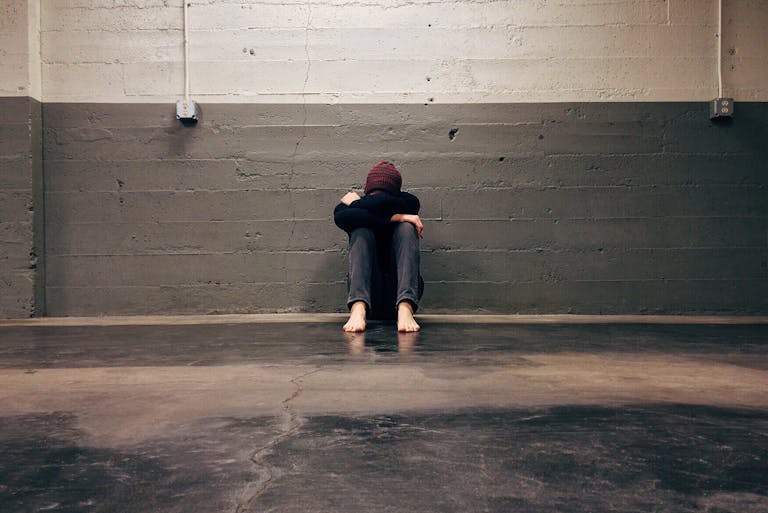
Your phone buzzes with another group chat notification. Someone’s planning a weekend outing. The response window opens, cursor blinking, and you realize something: the thought of staying home alone sounds more appealing than any social activity you can imagine right now. Not because you dislike your friends. Not because you’re avoiding connection. Because solitude feels essential in a way that’s hard to explain to people who don’t share this need.
The relationship between introverts and solitude gets misunderstood constantly. People assume it’s about being antisocial, avoiding responsibilities, or hiding from the world. None of that captures what solitude actually means when you’re wired for internal processing. After two decades leading teams and managing client relationships in the advertising industry, I learned that my need for alone time wasn’t a weakness to overcome. It was a fundamental aspect of how my mind works best.
Solitude as an introvert means something different than isolation or loneliness. Understanding how your energy patterns relate to alone time shapes everything from your daily schedule to your career choices. Our Solitude, Self-Care & Recharging hub covers various aspects of energy management, but solitude itself deserves deeper examination because it functions as the foundation for sustainable introvert wellbeing.
The Neuroscience Behind Introvert Solitude Needs
Your brain operates differently in solitude than it does during social interaction. A 2021 study from UCLA’s Department of Psychology found that individuals with introverted tendencies show increased activity in the prefrontal cortex during alone time, particularly in regions associated with self-reflection and internal narrative processing. The heightened neural activity during solitude isn’t random. It’s how your brain processes experiences, consolidates information, and makes sense of the constant input from external sources.
During social interactions, extroverted individuals experience dopamine reward responses from external stimulation. Your brain follows a different pattern. Research published in the Journal of Personality and Social Psychology demonstrates that individuals with strong introverted characteristics show higher acetylcholine sensitivity. Acetylcholine activates during quiet, focused activities and internal thought processes. Solitude creates the optimal environment for these neural pathways to function.

Think about what happens when you spend extended time in group settings without breaks. The mental fatigue you experience isn’t psychological weakness. Your brain’s primary processing system relies on internal neural networks that require reduced external stimulation to function efficiently. Dr. Marti Olsen Laney, author of The Introvert Advantage, explains that the longer neural pathways in introverted brains mean more internal processing time is needed for information to travel through the nervous system.
One client project revealed this dynamic clearly. Managing a Fortune 500 account required daily meetings, constant availability, and perpetual collaboration. Performance wasn’t the issue. The exhaustion that built up without solitude breaks became unsustainable. Once I started blocking protected alone time each morning, productivity increased while stress decreased. The work itself hadn’t changed. The space for my brain to process information properly made the difference.
Solitude Versus Isolation: Critical Distinctions
Solitude and isolation look identical from the outside. Both involve being alone. Both mean declining social opportunities. Yet the internal experience differs fundamentally. Solitude is chosen, restorative, and energizing. Isolation feels forced, depleting, and disconnecting. Recognizing which state you’re in matters because the solutions vary completely.
Solitude emerges from internal needs and conscious choices. You decide to spend Saturday reading instead of attending a party because that time alone will recharge your energy reserves. You turn down lunch invitations during busy work periods because you need mental space to process complex projects. These decisions reflect self-awareness about your energy management requirements, not avoidance of human connection.
Isolation manifests differently. You want connection but feel unable to reach out. Social opportunities feel threatening rather than optional. Alone time doesn’t restore energy; it amplifies feelings of disconnection and emptiness. A 2020 Harvard Medical School study on loneliness and social connection found that prolonged isolation correlates with increased cortisol levels and decreased wellbeing markers, while chosen solitude shows opposite effects.
During a particularly intense agency merger, I watched this distinction play out in real time. Some team members withdrew from social interaction due to overwhelm, finding restoration in temporary solitude. Others isolated themselves from feelings of inadequacy, which deepened their distress. The first group emerged energized after alone time. The second group needed connection, not more isolation, despite their withdrawal behavior.
What Happens During Quality Solitude
Quality solitude creates specific conditions that your brain uses for essential processing functions. Understanding what actually happens during this time explains why skipping solitude affects performance, mood, and decision-making capacity. These aren’t vague benefits. They’re measurable cognitive and emotional processes that require reduced external stimulation to occur.

Experience consolidation happens when external input decreases. Your brain reviews recent interactions, conversations, and events, sorting information into meaningful patterns. The process resembles how computers defragment files, organizing scattered data into coherent structures. Without regular solitude, experiences pile up unprocessed, creating mental clutter that impairs clear thinking.
Emotional regulation improves significantly during solitude. Research from Stanford’s Center for Compassion and Altruism Research and Education shows that time alone allows the prefrontal cortex to modulate amygdala responses to stress and emotional triggers. Your capacity to respond thoughtfully rather than react impulsively increases when you regularly spend time in solitude, processing emotions without external pressure to perform or explain.
Creative insight emerges more frequently during solitude. The default mode network in your brain, which generates novel connections between seemingly unrelated concepts, activates most strongly when external stimulation decreases. Many breakthrough ideas don’t come from brainstorming sessions but from quiet reflection periods where your mind can wander without direction or interruption.
Identity clarification occurs when you’re alone with your thoughts. External opinions, social expectations, and group dynamics all influence how you perceive yourself. Solitude creates space to distinguish between your authentic preferences and adopted behaviors. Self-knowledge becomes crucial for making decisions aligned with your actual values rather than social pressure.
Common Misconceptions About Introvert Solitude
The myths surrounding introvert solitude create unnecessary guilt and confusion. People who don’t share this need often interpret it through their own experience, leading to misunderstandings that can damage relationships and self-perception. Addressing these misconceptions directly helps you advocate for your needs without apologizing for how your nervous system functions.
Many people assume solitude means you dislike others or prefer isolation to connection. Such interpretation misses the fundamental distinction between enjoying people and needing recovery time. You can value relationships deeply while also requiring regular alone time to maintain the energy those relationships deserve. The activities you choose during solitude often enhance rather than diminish your capacity for meaningful connection.
Another common misconception suggests that needing solitude indicates depression or social anxiety. While isolation can correlate with mental health challenges, chosen solitude functions differently. The key distinction lies in whether alone time restores or depletes your energy. Depression makes everything feel effortful, including solitude. Healthy introvert solitude feels necessary and rejuvenating.
Some people believe that you should overcome your need for solitude to function in modern society. Such perspective treats introversion as a disorder requiring correction rather than a valid neurological variation. After years of trying to match extroverted leadership styles, I discovered that working with my solitude needs rather than against them improved both performance and satisfaction. Your brain isn’t broken. It just requires different conditions to operate optimally.
Practical Solitude Integration Strategies
Understanding solitude matters less than implementing it effectively. Your daily life probably includes multiple demands competing for your time and attention. Creating sustainable solitude practices requires strategic thinking about when, where, and how to protect this essential recovery time without neglecting responsibilities or relationships.

Start by identifying your optimal solitude windows. Some people recharge best in early mornings before external demands begin. Others find late evenings after daily responsibilities conclude provide the mental space needed. Track your energy levels throughout several weeks, noting when you feel most drained and when alone time proves most restorative. Patterns will emerge that inform your scheduling decisions.
Establish clear boundaries around your solitude time. A comprehensive self-care system includes protected periods when you’re genuinely unavailable except for emergencies. This means silencing notifications, declining non-urgent requests, and communicating your needs directly to people who might otherwise interrupt. Boundaries feel uncomfortable initially, especially if you’re used to constant availability, but they become easier with practice. Many people find that breaking habits that undermine solitude requires intentional strategy rather than pure willpower.
Create dedicated solitude spaces in your environment. Physical spaces influence mental states significantly. Designate specific areas in your home or office where you go explicitly for alone time. This could be a reading chair, a home office, or even a particular coffee shop where you sit alone. The consistency helps your brain recognize these locations as solitude zones, making it easier to shift into the mental state that benefits from reduced external stimulation.
Communicate your needs without apologizing. People respect clearly stated requirements more than vague excuses. Instead of saying “I can’t meet today, something came up,” try “I have a standing commitment to personal time on Thursdays.” The latter establishes your needs as legitimate rather than implying they’re less important than other people’s requests. Friends and colleagues adjust their expectations when you set clear, consistent boundaries.
Balance solitude with connection deliberately. Complete isolation becomes problematic even for deep introverts. Schedule both solitude and social time intentionally rather than letting circumstances dictate your interactions. This proactive approach ensures you get adequate recovery time while maintaining the relationships that matter to you. Consider morning rituals that include solitude followed by focused connection periods later in the day.
Solitude in Different Life Contexts
Your solitude needs don’t exist in isolation from life circumstances. Family dynamics, career demands, living situations, and life stages all affect how easily you can access the alone time your nervous system requires. Adapting your solitude practices to changing contexts prevents the frustration that comes from rigid approaches that don’t flex with reality.
Parents with young children face particular solitude challenges. Constant demands from kids who need attention, supervision, and care make uninterrupted alone time scarce. Small adjustments help more than waiting for perfect conditions. Wake 30 minutes before your children to experience morning quiet. Use naptime or screen time not for household tasks but for genuine solitude. Trade childcare with your partner or friends to create protected alone blocks regularly. Consider structured morning routines that prioritize solitude before family demands escalate.
Open office environments and collaborative workspaces create solitude barriers during working hours. Noise-canceling headphones signal availability status. Booking conference rooms for “solo work sessions” provides physical barriers against interruption. Coming in early or staying late when the office is empty offers quality solitude if your schedule allows. Some people find that reducing phone distractions creates mental solitude even in busy environments.

Relationships require negotiation around solitude needs. Partners with different energy patterns may interpret your alone time as rejection or distance. Direct communication about how your nervous system works prevents misunderstandings. Explain that time alone makes you a better partner because it restores the energy connection requires. Most partners appreciate honesty about needs more than watching you become progressively more depleted from insufficient recovery time.
Career transitions and major life changes temporarily disrupt established solitude patterns. Moving to a new city, starting a demanding job, or managing family crises all increase stress while making solitude harder to access. Protect minimal recovery time even when circumstances feel overwhelming. Fifteen minutes of genuine solitude daily beats zero minutes. Waiting for life to calm down before prioritizing your energy needs rarely works because stress makes solitude feel expendable when it’s actually most essential.
When Solitude Becomes Problematic
While solitude serves essential functions for introverts, excessive withdrawal can indicate underlying problems. Distinguishing between healthy alone time and problematic isolation requires honest self-assessment. Several warning signs suggest your solitude patterns have shifted from restorative to concerning.
If alone time no longer feels energizing or restorative, something has changed. Depression can transform previously enjoyable solitude into heavy isolation that amplifies negative thoughts rather than providing relief. When solitude feels obligatory rather than chosen, or when you dread both social interaction and alone time equally, professional support may help identify what’s shifted.
Complete social withdrawal despite opportunities for connection signals potential problems. Choosing solitude over most social events reflects normal introvert preferences. Avoiding all human contact, even with people you genuinely enjoy, suggests something beyond healthy solitude. The American Psychological Association notes that prolonged social disconnection, even for introverts, correlates with increased health risks and decreased psychological wellbeing.
Using solitude primarily to avoid difficult emotions or situations differs from using it for energy restoration. If you’re retreating to alone time to escape processing grief, anxiety, or major life challenges, the solitude itself isn’t addressing underlying issues. These feelings require attention and processing, sometimes with professional guidance, rather than indefinite postponement through isolation.
Notice whether your relationships suffer from insufficient connection despite adequate solitude. Balance matters. If friends stop reaching out because you decline invitations constantly, or if family members express concern about your withdrawal, reassess your patterns honestly. You might be meeting your solitude needs while neglecting the connection that sustains meaningful relationships. Both elements require attention for overall wellbeing.
Frequently Asked Questions
How much solitude do introverts actually need daily?
Individual needs vary significantly. Most people with strong introverted characteristics benefit from at least 30-60 minutes of genuine solitude daily. During high-stress periods or after intense social interaction, requirements increase to 2-3 hours or more. Track your energy levels to determine your personal threshold.
Can introverts function without regular solitude?
Short-term survival without solitude is possible but unsustainable long-term. Your brain requires reduced external stimulation for essential processing functions. Extended periods without adequate alone time lead to decreased cognitive performance, emotional dysregulation, and increased stress hormones.
Does needing solitude mean I have social anxiety?
Solitude needs and social anxiety are separate issues. Social anxiety involves fear or intense discomfort during social situations due to worry about judgment or embarrassment. Introvert solitude reflects energy management rather than fear-based avoidance. You can be a socially confident introvert who still requires significant alone time.
How do I explain my solitude needs to extroverted family members?
Use concrete comparisons they understand. Explain that solitude functions like sleep for your nervous system. Just as they wouldn’t expect you to function well without rest, you can’t maintain energy without regular alone time. Emphasize that meeting this need makes you more present and engaged during shared activities.
Is it selfish to prioritize solitude over social obligations?
Prioritizing necessary self-care isn’t selfish. Consider whether you’d judge someone harshly for sleeping when exhausted or eating when hungry. Solitude serves similar fundamental needs for introverted nervous systems. Balance matters, but meeting your basic energy requirements enables you to show up better for others.
Explore more solitude and recharging resources in our complete Solitude, Self-Care & Recharging Hub.
About the Author
Keith Lacy is an introvert who’s learned to embrace his true self later in life. With a background in marketing and a successful career in media and advertising, Keith has worked with some of the world’s biggest brands. As a senior leader in the industry, he has built a wealth of knowledge in marketing strategy. Now, he’s on a mission to educate both introverts and extroverts about the power of introversion and how understanding this personality trait can unlock new levels of productivity, self-awareness, and success.