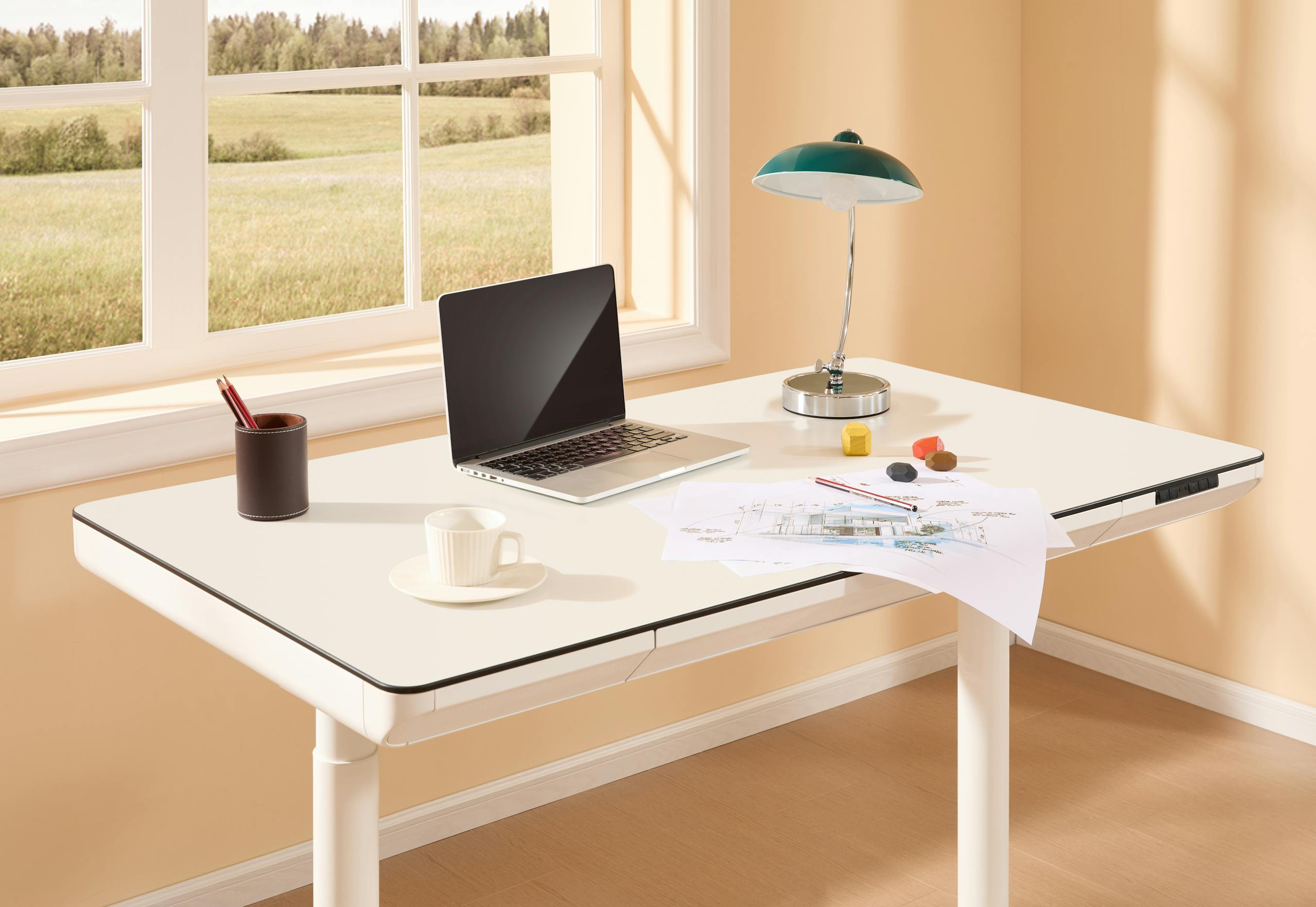

I spent six months testing affordable standing desks to find out if the budget options actually work for long content creation days. Here’s what happened when I stopped believing the $900 desk hype and tested what introverts who work alone really need.
Why I Started This Test
I realized I needed a standing desk during a brutal stretch of long writing days earlier this year. I was spending six to eight hours at a time drafting articles, doing keyword research, and updating content. By the end of each day, my lower back felt compressed, my shoulders were tight, and I could feel my concentration dipping around the three-hour mark.
What’s your personality type?
Take our free 40-question assessment and get a detailed personality profile with dimension breakdowns, context analysis, and personalised insights.
Discover Your Type8-12 minutes · 40 questions · Free
The moment it clicked was when I caught myself pacing between paragraphs just to stay focused. That wasn’t a caffeine problem. I needed movement.
But here’s where it got complicated. Every YouTube video and blog post pushed premium desks at $900 or more. As someone who values thorough research before spending money, I wanted to know if affordable options could genuinely compete. I didn’t want to overspend while still testing whether a standing desk suited my workflow.
So I focused on the under $500 range and committed to a real six-month test.
What I Was Actually Testing For
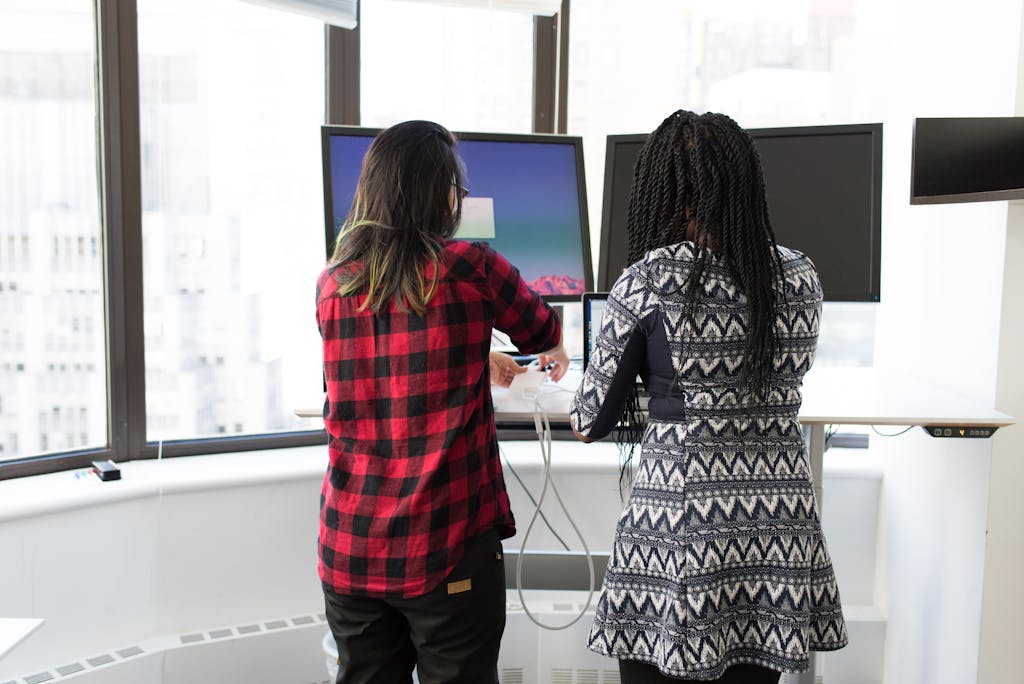
As an introvert who does my best work alone in deep focus mode, I needed to know if standing would support or disrupt my concentration. I wasn’t looking for fancy features or impressive specs. I wanted to know whether budget standing desks could handle real daily use and actually improve my productivity.
My testing criteria focused on what matters for extended writing sessions. Motor strength and stability at full height. Whether anti-collision sensors actually prevent disasters. If memory presets make the sit-stand transition seamless enough that you’ll actually use them. And most importantly, whether the desk stays stable when you’re typing intensely during a focused work block.
I also needed to understand the physical adjustment process honestly. Would my body adapt quickly, or was this going to be a painful transition that might not be worth it?
The Reality of Week One
The biggest struggle was foot pain. I assumed I could jump straight into standing for hours, and the first week my feet were screaming by lunchtime. It knocked my confidence and made me question whether the whole thing was a gimmick.
This matters for anyone considering a standing desk. The transition needs to be gradual. Your body is adapting to a significant change in how it distributes weight and maintains posture throughout the day. I had calf tightness, lower back fatigue for the first week, and some wrist discomfort until I adjusted typing height.
I also made some predictable mistakes that cost me time and frustration. I bought the wrong anti-fatigue mat initially. It was too soft and actually made my posture worse instead of better. I set the desk too high at first, which caused shoulder tension that I didn’t connect to desk height for several days. After this experience, I conducted a separate standing mat test to understand what actually works for cushioning and support.
The Overwhelming Research Phase
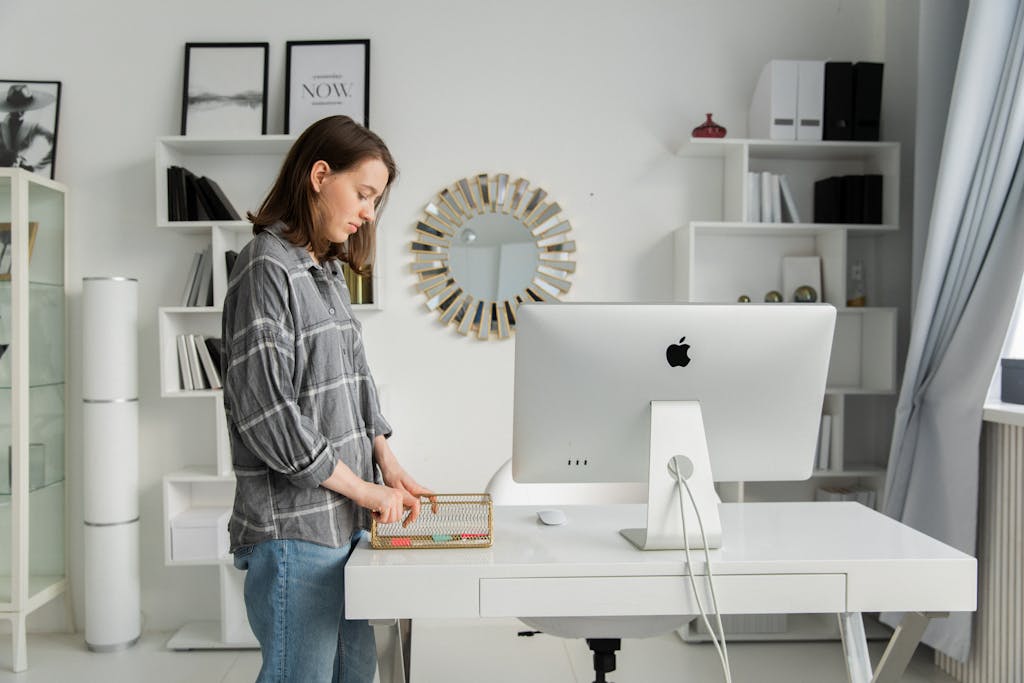
The moment I felt genuinely overwhelmed was when I realized there were dozens of models under $500, each with conflicting reviews, confusing jargon, or suspicious specs. I remember thinking there was way too much politics around a simple desk.
The setup day didn’t help. The instructions were terrible, the frame was heavy, and I briefly thought I’d bought the wrong size. Cable management turned into a bigger project than I expected. Everything looked chaotic until I invested time in organizing power cords and monitor cables properly.
Here’s what I learned that would have saved me significant stress. Sturdiness matters more than fancy extras. You don’t need built-in USB ports, under-desk drawers, premium desktop materials, or smartphone apps. None of those improved my day-to-day experience.
Essential Features That Actually Matter
After six months of real use, I can tell you exactly what features proved essential versus what was just marketing noise.
Motor strength and stability at full height is non-negotiable. Budget desks often struggle with wobble when raised to maximum height, especially if you’re typing energetically during focused work. Test reviews and user feedback on stability before buying.
Anti-collision sensors prevent disasters. Mine has saved me twice from crushing equipment when I forgot items were underneath the desk. This feature seems minor until you nearly destroy a laptop.
Memory presets make the difference between actually using the desk and leaving it in one position forever. Programming your preferred sitting and standing heights takes 30 seconds and removes the friction of manual adjustment. I use two presets and switch between them multiple times daily.
A wide height range accommodates different working postures and body types. This became more important than I expected because I discovered I wanted slightly different standing heights for different tasks. Writing required a different setup than video calls or casual research.

What Surprised Me Most
The biggest surprise was how much less I cared about premium desks after testing mid-range ones. The $400 to $500 range provided everything I actually needed for productive work. The premium features on expensive models didn’t translate to better focus or comfort in real use.
I also discovered I stood about 35 to 40 percent of the day instead of the 70 percent I originally imagined. That balance worked better than expected. Standing all day isn’t the goal. The real benefit is the ability to switch between focus modes. I sit for reflection and planning, stand for execution and active writing.
Around week four, I was in a long writing block and realized I hadn’t hit the usual midday fatigue. I still felt mentally sharp, my posture was better, and I wasn’t doing the sit-stand-pace dance anymore. That was the moment I knew it was worth it.
How Standing Changed My Work
Standing has given me better mental clarity during extended focus sessions. As an introvert who does my best work alone in deep concentration, standing somehow helps me stay switched on without feeling mentally dulled by long sedentary stretches.
The health benefits showed up faster than I expected. A 2018 study in the International Journal of Environmental Research and Public Health tracked workplace sit-stand desk interventions and found significantly reduced sitting time and neck pain while improving work performance. The participants reported increased vitality in their work and better self-rated performance over just four weeks.
It stops the classic introvert energy crash that hits after sitting too long in silence. There’s something about the slight physical engagement of standing that keeps me more alert but not overstimulated, which is ideal for long writing blocks. Managing energy effectively as an introvert becomes easier when you can adjust your physical position throughout the day.
Standing keeps me more engaged and less foggy during writing sprints. I find it easier to maintain mental momentum, especially when researching or outlining complex articles. It’s like switching from first gear to second.
As someone who thinks better when there’s a slight physical rhythm, being able to subtly shift weight or move around helped me stay engaged longer. This matters more for extended concentration than I anticipated, especially when optimizing daily routines for productivity.

What I’d Tell Someone Before They Buy
Start slower than you think you need to. Don’t force yourself to stand all day from day one. Use it during your most productive part of the day and gradually increase standing time as your body adapts.
Choose sturdiness over fancy extras. Test stability reviews specifically. Read comments from people who have used the desk for months, not days. Early impressions miss the stability issues that emerge with daily use.
Don’t chase perfection on setup day. You don’t need the perfect arrangement immediately. Comfort is built over weeks as you discover your preferred heights, adjust your anti-fatigue mat position, and refine cable management. Give yourself permission to iterate.
Invest in a quality anti-fatigue mat from the start, but test it properly. I learned this the hard way when my first mat was too soft and actually compromised my posture. Cleveland Clinic’s guidance on standing desks confirmed what I discovered through trial and error: too-soft surfaces make things worse. You want supportive cushioning that lets you shift weight naturally without sinking too much.
Budget for gradual adjustment time in your first month. Your productivity might dip slightly as your body adapts. Plan for this instead of being surprised by temporary discomfort or focus challenges. Pushing through without recovery time is one way introverts accelerate toward burnout that requires much longer recovery.
The Under $500 Reality Check
Budget standing desks in the $400 to $500 range can absolutely compete with premium options for most users. The expensive models offer premium materials, quieter motors, and additional features that don’t significantly impact daily productivity or comfort.
What you’re actually paying for in budget desks is core functionality without luxury finishes. The motors are slightly louder but still reasonable for home office use. The desktop materials are functional rather than beautiful. The controls are basic but completely adequate.
What matters more than price is choosing a desk with solid reviews on stability, reliable motors, and good customer service. Problems happen across all price ranges. Having responsive support matters more than premium branding.
The biggest surprise was how much standing about 35 to 40 percent of my day instead of trying to hit some arbitrary high percentage worked perfectly. This wasn’t what I expected, but it’s what actually improved my focus and energy management. For those working remotely from home, this flexibility becomes even more valuable.

Six Months Later: Was It Worth It?
Standing desks aren’t magic productivity tools, but they genuinely changed how I manage energy during long work days. The ability to switch between sitting and standing gives me more control over maintaining focus during extended writing sessions.
For introverts who work in deep focus for hours at a time, this matters. Standing helps me stay mentally engaged without becoming overstimulated. It prevents the gradual energy drain that comes from staying in one position too long. Creating an introvert-friendly home environment includes workspace elements that support sustained concentration.
The under $500 investment proved completely justified. I don’t regret not spending more on premium models because the budget options delivered everything I actually needed. The money I saved went toward other workspace improvements that had equal or greater impact on productivity. If you’re considering a complete workspace overhaul, transforming your home into a productivity powerhouse involves many interconnected elements beyond just the desk.
If you’re considering a standing desk but hesitating because of price, the affordable tier genuinely works. Focus on essential features, read stability reviews carefully, and give yourself time to adjust both physically and in how you integrate standing into your work rhythm.
The real benefit isn’t standing more. It’s having the flexibility to match your physical position to your mental state and the type of work you’re doing. That flexibility improved my focus, reduced physical discomfort, and made long writing days significantly more sustainable.
This article is part of our Introvert Tools & Products Hub , explore the full guide here.
About the Author
Keith Lacy is an introvert who’s learned to embrace his true self later in life. With a background in marketing and a successful career in media and advertising, Keith has worked with some of the world’s biggest brands. As a senior leader in the industry, he has built a wealth of knowledge in marketing strategy. Now, he’s on a mission to educate both introverts and extroverts about the power of introversion and how understanding this personality trait can unlock new levels of productivity, self-awareness, and success.