Introverts recharge via solitude because quiet time allows the brain to process accumulated social input, restore depleted mental energy, and return to a baseline of calm focus. Without regular alone time, introverts experience cognitive overload, emotional flatness, and a growing sense of disconnection from their own thinking. Solitude is not withdrawal. It is maintenance.
Everyone assumed I was exhausted from the work itself. The pitches, the deadlines, the strategy sessions that stretched past 7 PM. But that was never really it. What drained me was the constant presence of other people. Twenty years running advertising agencies taught me that the most depleting thing in my professional life was not the pressure of a Fortune 500 account. It was the open-plan office, the back-to-back meetings, and the expectation that I should feel energized by all of it.
Contrast that with the mornings I arrived before anyone else. Coffee going, no notifications, just my own thoughts and the work in front of me. Those hours produced my best thinking. My clearest decisions. My most honest writing. I did not understand why until much later. Now I do.
Alone time is not a luxury for introverts. It is a biological and psychological requirement, and understanding that distinction changes everything about how you structure your life.
Why Do Introverts Recharge via Solitude?
The science behind this is more concrete than most people realize. A 2012 study published by the American Psychological Association found that introverts show greater activity in brain regions associated with internal processing, including areas linked to memory retrieval, planning, and self-reflection. That heightened internal activity means social environments demand more cognitive resources from introverts than from extroverts, even in identical situations.
What’s your personality type?
Take our free 40-question assessment and get a detailed personality profile with dimension breakdowns, context analysis, and personalised insights.
Discover Your Type8-12 minutes · 40 questions · Free
Put plainly: an introvert’s brain is doing more work in a crowded room. Not because something is wrong, but because that is how it is wired. Solitude gives the system a chance to catch up, to sort through what was taken in, and to reset.
I watched this play out in real time during my agency years. After a full day of client presentations, I would come home and need at least an hour of complete quiet before I could form a coherent sentence. My family eventually learned not to ask me questions in that window. It was not moodiness. My brain was still processing the day, filing everything away, working through what had been said and what it meant.
The American Psychological Association has documented extensively how introversion relates to cognitive processing depth, noting that introverts tend to process experiences more thoroughly than their extroverted counterparts. That depth is a genuine strength. It also comes with a cost: it takes longer, and it requires space to happen properly.
What Actually Happens to Your Brain During Alone Time?
When an introvert finally gets quiet, something measurable occurs. The default mode network, the brain’s internal processing system, becomes more active. This network is responsible for self-reflection, creative thinking, and consolidating memories. A 2019 study from the National Institutes of Health found that default mode network activity is closely linked to insight, problem-solving, and emotional regulation.
Solitude, in other words, is when the brain does some of its most important work. The National Institutes of Health research on this topic consistently shows that rest and internal reflection are not passive states. They are active cognitive processes that support learning, creativity, and emotional stability.
I saw this in my own creative process. My best campaign concepts never came in brainstorming sessions. They came on Saturday mornings, or during a long drive, or in the shower. The ideas needed quiet to surface. The group sessions were useful for refining and stress-testing, but the original thinking happened alone. Once I understood that, I stopped apologizing for it and started protecting those conditions deliberately.
That shift, from shame about needing solitude to actively creating it, took years. It should not have taken that long. If someone had explained the neuroscience to me at 30, I would have structured my workdays very differently from the start.
How Does Alone Time Differ From Loneliness?
This distinction matters enormously, and it gets blurred constantly. Loneliness is an unwanted absence of connection. It carries pain, a sense of being cut off from something you need. Solitude chosen by an introvert is the opposite experience. It carries relief, focus, and a sense of returning to yourself.
The Mayo Clinic draws a clear line between social isolation, which carries documented health risks, and intentional solitude, which supports mental health when it is chosen and balanced. The difference is agency. An introvert who carves out two hours of alone time on a Sunday is not isolating. They are maintaining.
I have had people in my life, colleagues, partners, well-meaning friends, express concern about how much time I spent alone. The implication was that something must be wrong. That I must be unhappy or withdrawn or struggling. What they could not see was that those quiet hours were what allowed me to show up fully for everything else. The solitude was not the problem. It was the solution.
Introverts who have not yet made peace with this distinction often push through their need for alone time to seem more social, more available, more normal. The cost is cumulative. Over weeks and months, the deficit builds. What starts as mild fatigue becomes emotional blunting, irritability, and a creeping inability to think clearly. Recognizing the difference between loneliness and restorative solitude is one of the more important things an introvert can do for their long-term wellbeing.
You might also find introverted-comedians-funny-people-who-need-alone-time helpful here.
Related reading: benefits-negotiation-for-introverts.
What Are the Real Benefits of Alone Time for Introverts?
Let me be specific here, because vague claims about “recharging” do not capture what actually changes when an introvert gets the solitude they need.
Cognitive clarity returns. After extended social exposure, my thinking would feel foggy, like trying to read through smudged glass. An hour of quiet and everything sharpened again. Decisions that felt impossible became obvious. Writing that had stalled started flowing. This was not a coincidence or a mood. It was a consistent, repeatable pattern across twenty years of professional life.
Emotional processing catches up. Introverts tend to experience emotion deeply but express it slowly. Alone time is when that processing happens. A difficult conversation with a client, a tense team meeting, a piece of feedback that stung, these things need to be turned over quietly before they can be integrated. Without that space, emotions accumulate without resolution.
Creative thinking expands. A 2021 article in Psychology Today cited research showing that creative insight is more likely to occur during low-stimulation states. For introverts, solitude is that state. The absence of external input creates room for internal connection-making, which is where original ideas come from.
Self-awareness deepens. Quiet time is when introverts hear themselves think. That internal voice, the one that notices what is working and what is not, what feels right and what feels forced, gets drowned out in constant social noise. Regular solitude keeps that signal strong.
Energy levels stabilize. According to resources published by Psychology Today, introverts who consistently protect their alone time report lower baseline stress and greater emotional resilience. The benefit is not just immediate relief. It compounds over time.
How Much Alone Time Do Introverts Actually Need?
There is no universal number, and anyone who gives you one is oversimplifying. The amount varies by individual, by the intensity of recent social exposure, and by what is happening in the rest of your life. A week of heavy client travel demands more recovery than a week of mostly independent work.
What I have found, both personally and through conversations with other introverts, is that the need tends to be more frequent and more non-negotiable than most people expect. It is not about one long retreat every few months. It is about daily and weekly rhythms that build in genuine quiet.
During my agency years, I protected two things fiercely: my early mornings and my lunch breaks. Mornings before 8 AM were mine. No meetings, no calls, no open door. Lunch was often eaten alone, either at my desk with headphones on or outside by myself. My team initially found this strange. Over time, they came to understand that a well-rested Keith was a far better leader than an overextended one.
The Harvard Business Review has written extensively about the leadership value of deliberate reflection time, noting that leaders who build in structured thinking time make better decisions and communicate more effectively. That research aligns with what I experienced instinctively. The alone time was not self-indulgence. It was operational strategy.
A reasonable starting point for most introverts is one to two hours of genuine solitude per day, meaning time without social obligation, screens demanding attention, or background noise designed to fill silence. That number will shift based on your life circumstances, but treating it as optional is a mistake most introverts eventually stop making.
Does Alone Time Make Introverts Better at Relationships?
Yes, and this surprises people who assume that time spent alone comes at the expense of connection. The relationship actually runs the other direction. Introverts who are regularly depleted show up to their relationships with less patience, less presence, and less genuine interest. The person sitting across from them gets a diminished version.
Introverts who are well-rested bring something different: focused attention, genuine curiosity, and the kind of listening that makes people feel truly heard. That quality of presence is one of the things introverts do exceptionally well when they are not running on empty.
My closest professional relationships were built in one-on-one conversations, not at company happy hours. I was always more myself in those smaller settings, more attentive, more honest, more useful to the other person. That capacity for depth in connection is something I could only sustain because I was protecting my energy carefully outside of those moments.
The Harvard Business Review has noted that introverted leaders often excel at one-on-one mentoring and deep listening precisely because they are not performing for the room. They are genuinely engaged with the individual. That engagement requires energy, and energy requires recovery.

How Can Introverts Protect Their Alone Time Without Guilt?
Guilt is the main obstacle. Most introverts know they need solitude. The harder part is believing they are allowed to have it without explanation or apology.
That belief took me a long time to build. Early in my career, I would manufacture excuses for why I was not at the team lunch or why I left the after-work gathering early. The real reason, that I was at capacity and needed quiet, felt like something I could not say out loud. It felt like weakness, or antisocial behavior, or something that would undermine my credibility as a leader.
What eventually shifted was seeing the results. My team delivered better work when I was clear-headed. My clients got sharper thinking when I had protected my mornings. My decisions improved when I was not operating from a depleted state. The alone time was not something I was doing for myself at the expense of others. It was something I was doing for everyone.
Framing matters here. Telling yourself “I need to disappear for a while” carries a different emotional weight than “I need an hour to think clearly before our afternoon meeting.” Both are true. The second one is also accurate, specific, and completely defensible.
A few practical approaches that have worked for me and for other introverts I know:
- Block time on your calendar as you would any meeting. “Thinking time” or “deep work” are legitimate calendar entries that most colleagues will respect.
- Communicate your patterns to the people closest to you. Not as an apology, but as useful information. “I need about an hour after work before I’m good for conversation” is a sentence that prevents a lot of misunderstanding.
- Build transitions into your day. Five minutes of quiet between meetings is not nothing. It is a buffer that prevents the cumulative drain of back-to-back social demands.
- Stop treating solitude as something you earn after being sufficiently social. It is not a reward. It is a regular maintenance requirement, like sleep.
The National Institute of Mental Health consistently emphasizes the connection between self-care practices and mental health stability. Protecting your energy needs is not selfishness. It is a foundational mental health practice.
What Happens When Introverts Don’t Get Enough Solitude?
The signs are recognizable once you know what to look for. Irritability that seems disproportionate to the situation. A flattening of emotional response, where things that would normally interest or move you start to feel neutral. Difficulty concentrating on tasks that would normally be easy. A growing desire to cancel everything and disappear.
I hit that wall several times during particularly demanding stretches at the agency. New business pitches were the worst. Six weeks of late nights, client dinners, team check-ins, and creative reviews, all stacked on top of each other with no real recovery built in. By the end of those cycles, I was functional but hollow. I was showing up, delivering, meeting expectations. And I had nothing left for anything that actually mattered to me.
The recovery from those periods took longer than the periods themselves. That asymmetry is worth understanding. A week of overextension might require two weeks of careful restoration. Prevention is significantly more efficient than recovery.
Chronic solitude deprivation in introverts is also linked to broader health outcomes. The Centers for Disease Control and Prevention has documented the physical health consequences of chronic stress, including disrupted sleep, immune suppression, and cardiovascular strain. For introverts, sustained social overload without recovery is a consistent source of that stress. The body keeps score even when the mind is trying to push through.
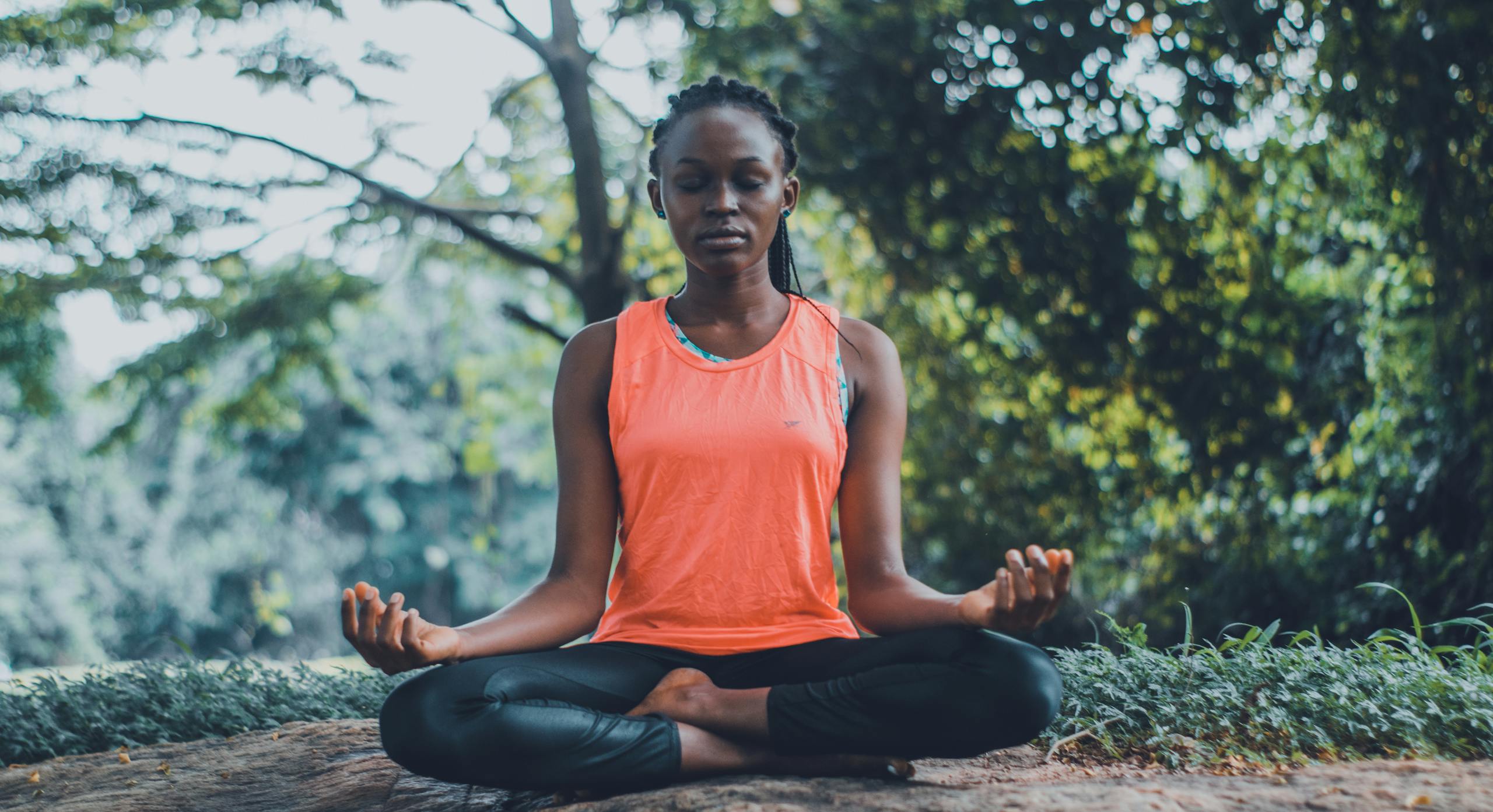
How Do You Build a Life That Respects Your Need for Solitude?
This is the practical question, and it is the one that takes the longest to answer well. Because the answer is not a single habit or a productivity trick. It is a gradual restructuring of how you think about your time, your commitments, and what you owe other people.
Start with an honest inventory. Look at your typical week and identify where the energy is going and where it is being replenished. Most introverts who do this exercise find the imbalance is more dramatic than they realized. The social demands are clustered and uninterrupted. The recovery time is either absent or accidental.
From there, the work is about intentionality. Not every social obligation is worth the cost. Some commitments can be shortened, restructured, or declined without meaningful consequence. Others are genuinely important and worth the energy they require. Getting clear on the difference is one of the more valuable things an introvert can do for their quality of life.
I made a rule for myself in my late forties that I should have made twenty years earlier: no more than two evening obligations per week. Dinners, events, networking, anything that extended my social day beyond its natural end. Two was sustainable. Three or more was a slow erosion. That single boundary changed the texture of my professional life more than any productivity system I ever tried.
Building a life that respects your introversion is not about becoming a recluse or refusing to engage with the world. It is about designing your engagement with the world in a way that leaves room for the internal processing that makes you effective, creative, and genuinely present when it counts.
Explore more about introvert psychology and how personality type shapes daily experience in our complete Introvert Psychology hub.
About the Author
Keith Lacy is an introvert who’s learned to embrace his true self later in life. After 20 years in advertising and marketing leadership, including running agencies and managing Fortune 500 accounts, Keith now channels his experience into helping fellow introverts understand their strengths and build fulfilling careers. As an INTJ, he brings analytical depth and authentic perspective to every article, drawing from both professional expertise and personal growth.
Frequently Asked Questions
Why do introverts recharge via solitude rather than social interaction?
Introverts recharge via solitude because their brains process social input more intensively than extroverts do. Research from the American Psychological Association has found that introverts show greater activity in regions associated with internal processing during social situations, which means those situations draw more cognitive resources. Solitude gives the brain time to process accumulated input, restore depleted energy, and return to a state of calm focus. It is not a preference for isolation. It is a neurological recovery process.
How much alone time does an introvert need each day?
There is no fixed number that applies to every introvert, because the amount depends on how socially demanding your day was, your overall stress levels, and your individual temperament. That said, most introverts find that one to two hours of genuine solitude per day, time without social obligation or demanding stimulation, provides meaningful restoration. The need also fluctuates. After a high-intensity week, you may need significantly more recovery time than after a quieter one.
Is needing alone time a sign of depression or social anxiety?
Not on its own. Introversion is a personality trait, not a mental health condition. The Mayo Clinic distinguishes clearly between introversion, which involves a preference for quieter, less stimulating environments, and conditions like social anxiety or depression, which involve distress, avoidance driven by fear, or persistent low mood. An introvert who chooses solitude and feels restored by it is engaging in healthy self-regulation. If solitude feels compulsive, if social situations trigger significant fear, or if withdrawal is accompanied by persistent sadness, those are worth exploring with a professional.
Can introverts enjoy social time and still need lots of alone time?
Yes, completely. Introversion does not mean disliking people or avoiding connection. Many introverts are genuinely warm, socially engaged, and deeply invested in their relationships. The distinction is that social interaction costs introverts energy rather than generating it, which means they need recovery time afterward regardless of how much they enjoyed the interaction. An introvert can have a wonderful dinner with close friends and still need an hour of quiet before bed to feel like themselves again. Both things are true simultaneously.
How can introverts protect their alone time without damaging relationships?
Clear, honest communication is the most effective approach. Most people, once they understand that an introvert’s need for solitude is not a rejection of them personally, will accommodate it reasonably well. Framing helps: “I need some quiet time to reset” lands differently than disappearing without explanation. Setting consistent patterns, like a standing hour of alone time each evening, also helps because it becomes a known quantity rather than something that feels random or personal. The introverts who struggle most with this tend to be those who never explain their needs and then feel resentful when those needs are not met.