
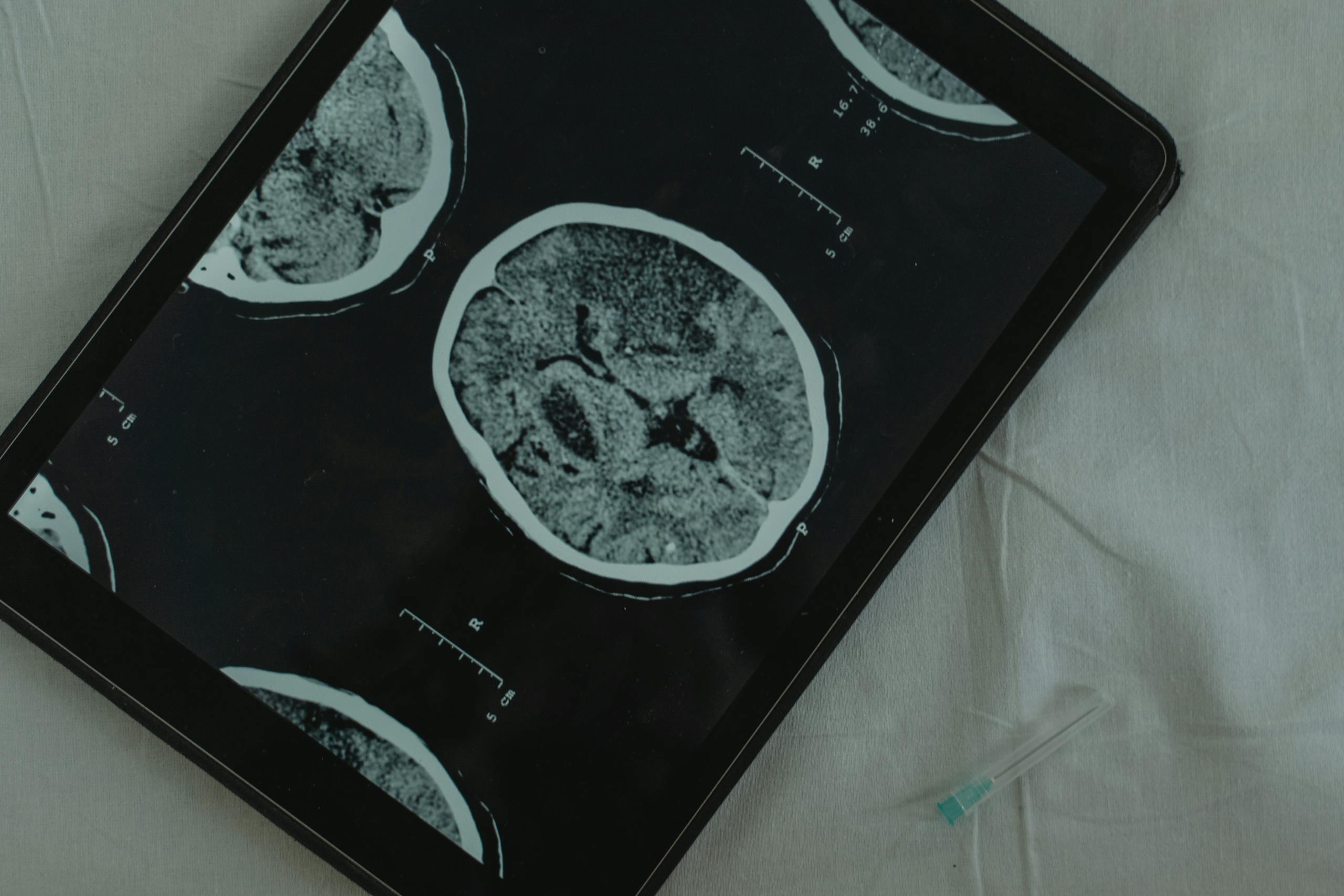
Brain fog is not laziness, weakness, or a character flaw. It is a real, physiological state where your thinking slows, your focus scatters, and the mental clarity you depend on feels just out of reach. Dr. Mike Dow’s The Brain Fog Fix offers a structured, science-informed approach to restoring cognitive function through changes in nutrition, sleep, movement, and emotional patterns. For introverts who rely heavily on their inner mental world to function and find meaning, brain fog can feel especially disorienting.
What Dow’s framework gets right is something I’ve come to understand through years of hard experience: the brain and body are not separate systems. When one suffers, the other follows. And for those of us who live largely inside our own heads, that connection matters more than most people realize.
Mental health for introverts carries its own texture and its own set of pressures. If you want to explore the broader picture of how introversion intersects with emotional wellbeing, stress, and cognitive health, our Introvert Mental Health Hub is a good place to start. What follows here is a more personal examination of what brain fog actually costs us, and what Dow’s approach can genuinely offer.
What Is Brain Fog, and Why Does It Hit Introverts So Hard?
Brain fog is not a clinical diagnosis. It is an umbrella term for a cluster of symptoms: mental fatigue, difficulty concentrating, memory lapses, slow processing, and a general sense that your thinking is operating behind a layer of static. Most people have felt it after a poor night’s sleep or a stretch of chronic stress. For some, it becomes a persistent baseline.
Career Coaching for Introverts
One-on-one career strategy sessions with Keith Lacy. 20 years of Fortune 500 leadership as an introvert, now helping others build careers that work with their wiring.
Learn More50-minute Zoom session · $175
Introverts tend to be heavy internal processors. We think before we speak, we replay conversations, we analyze decisions from multiple angles before committing. That kind of cognitive style is a genuine strength in complex work environments. I spent two decades running advertising agencies, and my ability to sit quietly with a client’s brand problem, turn it over carefully, and surface insights that faster thinkers missed was one of the most valuable things I brought to the table.
But that same processing depth means brain fog hits differently for us. When the mental machinery slows down, we lose the very thing we’ve built our identity and competence around. It is not just an inconvenience. It feels like losing yourself.
There is also an emotional dimension worth naming. Many introverts, particularly those who identify as highly sensitive, carry a significant cognitive load from emotional processing alone. The experience of HSP emotional processing involves absorbing and working through feelings at a depth that is genuinely taxing on the nervous system. When that processing happens alongside workplace demands, social obligations, and inadequate recovery time, brain fog becomes almost inevitable.
What Does Mike Dow Actually Say About Brain Fog?
Dr. Mike Dow is a psychotherapist and brain health advocate who has written extensively about the connection between lifestyle habits and cognitive function. In The Brain Fog Fix, he argues that modern life has created a perfect storm for impaired brain chemistry: processed food, chronic sleep deprivation, sedentary behavior, social disconnection, and unmanaged stress all contribute to a brain that cannot operate at its natural capacity.
His three-week program addresses what he identifies as three core chemical imbalances: serotonin, dopamine, and cortisol. The approach is not pharmaceutical. It centers on food choices, movement, sleep quality, mindfulness practices, and social connection. Each of these levers, Dow argues, can be adjusted through daily habits to meaningfully restore cognitive clarity.
What I found compelling about this framework is its refusal to treat the brain as isolated from the rest of lived experience. Dow draws on established neuroscience to make the case that what you eat, how you sleep, how you manage stress, and how you connect with others are not lifestyle preferences. They are direct inputs into brain chemistry. The relationship between inflammation, gut health, and cognitive function has been documented in peer-reviewed literature, and Dow translates that research into practical, accessible guidance.

For introverts who tend to be skeptical of anything that feels like self-help theater, this grounding in physiology is actually reassuring. It is not about positive thinking. It is about understanding the biological conditions your brain needs to do what it does best.
How Does Chronic Stress Create Brain Fog in Introverted People?
Cortisol is the body’s primary stress hormone, and in short bursts it serves a useful function. Sustained elevation is another matter entirely. Chronic stress keeps cortisol levels high, which over time impairs memory consolidation, reduces the brain’s ability to form new connections, and contributes directly to that foggy, slow-motion feeling that makes complex thinking feel impossible.
Introverts in extrovert-favoring environments often carry a stress load that is invisible to the people around them. During my agency years, I managed teams across multiple offices, ran client presentations to Fortune 500 marketing directors, and sat through back-to-back meetings that left me feeling scraped hollow. I was performing extroversion for eight to ten hours a day, and the cost was real. Not just tiredness, but a specific kind of cognitive depletion where I could no longer think clearly about anything that actually mattered.
The National Institute of Mental Health has documented the cognitive effects of chronic anxiety, including difficulty concentrating and mental fatigue, symptoms that overlap significantly with what Dow describes as brain fog. For introverts who experience HSP anxiety, this overlap is not coincidental. A nervous system that is consistently overstimulated does not have the resources to maintain sharp cognitive function.
What Dow’s approach offers here is practical: specific dietary choices that support serotonin production, movement practices that regulate cortisol, and mindfulness techniques that interrupt the stress response before it becomes chronic. None of these are revolutionary ideas in isolation. What Dow does well is connect them into a coherent system and explain the underlying mechanism clearly enough that you actually understand why they work.
Can Sensory Overload Be a Direct Cause of Brain Fog?
This is a question I wish someone had asked me twenty years ago. The answer, from everything I have read and experienced personally, is yes.
Highly sensitive people process sensory information more deeply than average. That depth of processing is cognitively expensive. When you add environmental noise, visual clutter, interpersonal demands, and the ambient stimulation of modern open-plan offices or crowded commutes, the nervous system reaches a point of saturation. At that point, cognitive performance drops, not because you are less intelligent or capable, but because your brain has simply run out of processing bandwidth.
Managing HSP overwhelm and sensory overload is not a luxury for highly sensitive introverts. It is a prerequisite for functioning well. Dow’s framework touches on this indirectly through his emphasis on creating mental space, reducing unnecessary stimulation, and protecting sleep. What he does not address directly is the specific experience of high sensitivity, but the principles translate clearly.
One of the most useful changes I made in my own life was restructuring my mornings to eliminate sensory input for the first hour. No phone, no news, no email. Just coffee and quiet. It sounds simple, almost embarrassingly so, and it made a measurable difference in how clearly I could think for the rest of the day. Dow would explain this in terms of cortisol regulation and serotonin production. I experienced it as getting my mind back.

Where Does Perfectionism Fit Into the Brain Fog Picture?
Perfectionism is one of the less obvious contributors to brain fog, and it is worth spending time here because it runs deep in a lot of introverted, highly sensitive people.
When you hold yourself to relentlessly high standards, the mental overhead is enormous. You are not just doing a task. You are simultaneously doing the task, evaluating the task against an ideal, anticipating how others will judge the task, and rehearsing corrections before any feedback has even arrived. That cognitive loop is exhausting, and it keeps the brain in a low-grade state of alert that contributes directly to mental fatigue.
Dow’s program addresses this through mindfulness practices designed to interrupt rumination and bring attention back to the present moment. That is genuinely useful. So is the broader reframe that HSP perfectionism is not a character strength to be preserved but a stress response to be understood. When I finally started treating my own perfectionism as a symptom rather than a virtue, the mental load lightened considerably.
There is also a neurological dimension here worth noting. Chronic rumination, the kind that perfectionism feeds, activates the brain’s default mode network in ways that can interfere with focused, productive thinking. Emerging neuroscience on rumination and cognitive load supports what many introverts already sense intuitively: thinking too hard about thinking is its own form of cognitive drain.
How Does Emotional Empathy Contribute to Mental Fatigue?
Empathy is one of the most discussed traits among introverts and highly sensitive people, and for good reason. The capacity to feel deeply into another person’s experience is a profound human quality. It is also metabolically expensive.
During my agency years, I managed teams of twenty to thirty people at various points. As an INTJ, I processed people analytically rather than emotionally, but I still absorbed a significant amount of interpersonal data in every interaction. I watched the INFJs and HSPs on my team carry something heavier. One of my senior account managers, a deeply empathic person, would finish a difficult client call and need twenty minutes alone before she could think clearly again. At the time, I interpreted that as sensitivity. Now I understand it as cognitive recovery from genuine neurological expenditure.
HSP empathy is genuinely a double-edged quality. The same depth of attunement that makes highly sensitive people exceptional collaborators, caregivers, and creatives also leaves them more vulnerable to emotional fatigue. When that fatigue accumulates without adequate recovery, brain fog follows. Dow’s emphasis on emotional regulation practices, including journaling, mindfulness, and deliberate social boundaries, speaks directly to this dynamic even if he does not frame it in HSP terms.
The American Psychological Association’s framework on resilience emphasizes that emotional regulation capacity is not fixed. It can be developed and strengthened through consistent practice. That is an encouraging reframe for anyone who has ever wondered whether their emotional depth is a liability.
What Role Does Rejection Sensitivity Play in Cognitive Clarity?
This one took me a long time to see clearly in myself.
Rejection sensitivity, the heightened emotional response to perceived criticism or social exclusion, is common among introverts and highly sensitive people. When you experience it, the emotional impact can linger far longer than the triggering event warrants. A critical comment from a client, a lukewarm response to a proposal, a meeting where someone talked over you, these experiences can occupy mental real estate for hours or days, drawing cognitive resources away from everything else.
I once lost nearly a full week of productive thinking after a Fortune 500 client rejected a campaign strategy I had spent three months developing. The rejection was professional, not personal, but my brain did not make that distinction easily. I replayed the presentation, catalogued every moment where I might have read the room differently, and generally kept myself in a low-grade state of cognitive siege. Brain fog was the inevitable result.
Working through HSP rejection processing is not about becoming less sensitive. It is about developing the internal resources to move through those experiences without letting them consume you. Dow’s program includes practices specifically aimed at breaking rumination cycles, and for those of us prone to rejection sensitivity, that component of his framework is particularly valuable.

What Are the Most Practical Elements of the Brain Fog Fix for Introverts?
Dow’s three-week program covers a lot of ground, and not every element will resonate equally with every reader. From my own experience and from what I understand about how introverts typically function, a few components stand out as particularly high-leverage.
Sleep quality over sleep quantity. Dow devotes significant attention to sleep architecture, specifically the importance of deep sleep stages for memory consolidation and cognitive restoration. Many introverts already prioritize sleep intuitively, but the quality piece is often overlooked. Screens before bed, irregular sleep schedules, and high cortisol from unresolved stress all degrade sleep quality even when total hours look adequate. The clinical literature on sleep and cognitive function is clear that this is one of the highest-return investments you can make in brain health.
Omega-3 fatty acids and anti-inflammatory eating. Dow makes a strong case for dietary choices that reduce neurological inflammation. This does not require a dramatic overhaul of how you eat. It means increasing foods that support brain chemistry and reducing those that work against it. For people who tend to neglect physical self-care in favor of intellectual or creative pursuits, this is a useful reminder that the brain is a physical organ with physical needs.
Mindfulness as cognitive maintenance, not spiritual practice. Some introverts are drawn to mindfulness for its contemplative dimension. Others find that framing too soft. Dow presents mindfulness as a neurological tool for interrupting stress responses and reducing cortisol, a framing that tends to land better with analytically oriented personalities. Either way, the practice itself is the same, and the cognitive benefits are well-documented.
Social connection on your own terms. Dow identifies social isolation as a contributor to brain fog, which can feel like unwelcome news for introverts who genuinely need solitude to recharge. The nuance worth holding here is that quality connection and quantity of interaction are not the same thing. A single deep conversation can provide the neurological benefits of social engagement without the depletion that comes from extended social performance. Introverts do not need more socializing. They need the right kind.
How Do You Know If Brain Fog Is Something More Serious?
Dow is careful to note that persistent brain fog can sometimes signal an underlying medical condition, including thyroid dysfunction, autoimmune conditions, vitamin deficiencies, or depression. His program is not a substitute for medical evaluation when symptoms are severe or prolonged.
For introverts, there is a particular risk of normalizing cognitive fatigue because it can feel like an extension of ordinary introvert experience. We are used to needing more recovery time than others. We are accustomed to mental depletion after extended social or professional demands. That familiarity can make it harder to notice when something has shifted from normal variation into something that warrants attention.
If brain fog is accompanied by persistent low mood, significant changes in sleep, appetite, or energy, or if it does not respond to the kinds of lifestyle adjustments Dow recommends, a conversation with a healthcare provider is worth having. The research on introversion and health-seeking behavior suggests that introverts sometimes delay addressing physical and mental health concerns, partly because we tend to process difficulties internally before seeking outside help. That instinct toward self-sufficiency has its limits.
Dow’s framework is most useful as a first-line intervention for lifestyle-driven cognitive fatigue, the kind that builds up from accumulated stress, poor sleep, inadequate nutrition, and insufficient recovery. For that category of brain fog, which describes a significant portion of what working introverts experience, his approach is genuinely practical and well-grounded.

What Does Long-Term Brain Health Look Like for Introverts?
Clearing brain fog is not a one-time fix. It is a set of ongoing commitments that have to be woven into the fabric of how you live and work. For introverts, that means being honest about what depletes you and building genuine recovery into your schedule, not as a reward for productivity but as a structural requirement.
It also means recognizing that the introvert tendency toward depth, reflection, and internal processing is not the problem. Those qualities are assets. The problem is usually the mismatch between how an introvert is naturally wired and the environments and expectations they are asked to function within. Dow’s program does not address that mismatch directly, but the tools he offers help build the physiological resilience to manage it more effectively.
Toward the end of my agency career, I made a deliberate decision to stop pretending that my need for quiet, depth, and recovery time was a professional liability. I restructured my schedule around it. I blocked mornings for deep work and protected that time aggressively. I stopped scheduling back-to-back meetings. I built in deliberate recovery time after high-demand client engagements. My thinking got sharper. My work got better. And the brain fog that had been a low-grade constant for years largely lifted.
That shift was not just about productivity. It was about understanding what my brain actually needed to function well, and then giving it those conditions consistently. Dow’s framework helped me understand the physiology behind what I had learned through trial and error. Both paths lead to the same place: a brain that works with you instead of against you.
There is much more to explore about how introversion intersects with mental health, stress, and emotional wellbeing. The full range of those topics lives in our Introvert Mental Health Hub, where you can find resources on everything from anxiety and sensory sensitivity to perfectionism and emotional resilience.
About the Author
Keith Lacy is an introvert who’s learned to embrace his true self later in life. After 20 years in advertising and marketing leadership, including running agencies and managing Fortune 500 accounts, Keith now channels his experience into helping fellow introverts understand their strengths and build fulfilling careers. As an INTJ, he brings analytical depth and authentic perspective to every article, drawing from both professional expertise and personal growth.
Frequently Asked Questions
What is the Brain Fog Fix by Mike Dow?
The Brain Fog Fix is a book by psychotherapist Dr. Mike Dow that outlines a three-week program for restoring cognitive clarity through lifestyle changes. Dow focuses on three key brain chemicals, serotonin, dopamine, and cortisol, and explains how food, sleep, movement, mindfulness, and social connection can be adjusted to improve mental function without medication.
Why do introverts experience brain fog more intensely than others?
Introverts rely heavily on deep internal processing for their sense of competence and identity. When brain fog impairs that processing, the impact feels more significant than it might for someone who operates primarily in external, action-oriented modes. Additionally, introverts in extrovert-favoring environments often carry a higher chronic stress load from sustained social performance, which contributes directly to cognitive fatigue.
Can sensory overload cause brain fog in highly sensitive people?
Yes. Highly sensitive people process sensory information at greater depth than average, which is cognitively expensive. When environmental stimulation exceeds the nervous system’s capacity to process it, the result is cognitive saturation, which presents as mental fog, difficulty concentrating, and reduced processing speed. Managing sensory input is therefore a direct brain health strategy for HSPs, not just a comfort preference.
How does Mike Dow’s program address stress and cortisol?
Dow identifies chronically elevated cortisol as a central driver of brain fog. His program addresses this through several channels: dietary choices that support serotonin and reduce inflammation, movement practices that metabolize stress hormones, mindfulness techniques that interrupt the cortisol feedback loop, and sleep practices that allow the brain to restore itself overnight. Together, these interventions aim to bring cortisol back to a range that supports rather than impairs cognition.
When should brain fog be evaluated by a doctor rather than addressed through lifestyle changes?
Brain fog that is severe, persistent, or accompanied by other symptoms such as significant mood changes, unusual fatigue, unexplained weight changes, or memory problems that interfere with daily function warrants medical evaluation. Lifestyle-based approaches like Dow’s program are most appropriate for cognitive fatigue driven by stress, poor sleep, and inadequate nutrition. Underlying conditions including thyroid disorders, vitamin deficiencies, autoimmune conditions, and depression can all present with brain fog and require different treatment approaches.