Shyness and introversion are not the same thing, though they often get tangled together in childhood. Shyness is a fear response rooted in anxiety about social judgment. Introversion is a neurological preference for less stimulating environments. A child can be one, both, or neither, and the difference shapes how they experience growing up in profound ways.
My mother used to tell people I was shy. I’d stand at the edge of birthday parties, watching the chaos from a safe distance, and she’d explain my stillness to other parents with a kind of apologetic shrug. What neither of us understood then was that I wasn’t afraid of those kids. I was exhausted by them. There’s a difference, and it took me decades to understand why that distinction matters.
Developmental psychology has been quietly building a case for that distinction for over fifty years. The research is specific, the findings are meaningful, and for anyone who grew up labeled as the quiet kid, the shy one, or the introvert (often used interchangeably by well-meaning adults), it offers something valuable: clarity about who you actually were, and who you actually are.
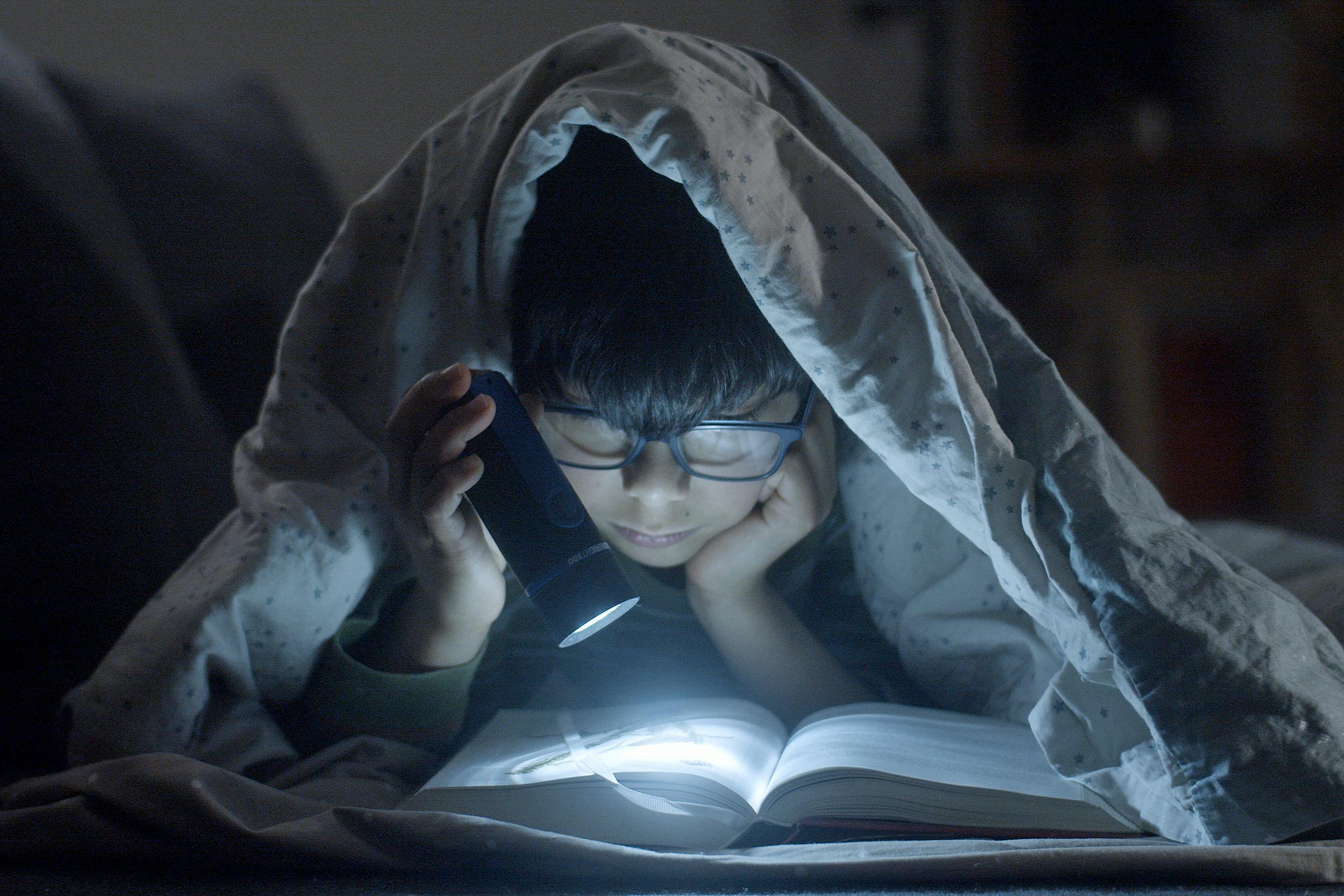
Why Does the Shyness vs. Introversion Distinction Matter in Childhood?
Children don’t arrive with personality labels attached. They arrive with temperament, which is the raw biological material that shapes how they respond to the world. Researchers have studied temperament since the 1950s, and according to Psychology Today, one of the most consistent findings is that some children are born with a nervous system that responds more intensely to novelty, stimulation, and social uncertainty than others. This understanding of how temperament develops during childhood and continues to shape personality throughout the teen years has become increasingly important for parents and educators.
What’s your personality type?
Take our free 40-question assessment and get a detailed personality profile with dimension breakdowns, context analysis, and personalised insights.
Discover Your Type8-12 minutes · 40 questions · Free
Shyness, at its core, is an emotional response to perceived social threat. A shy child hesitates before joining a group not because they prefer solitude, but because they’re anxious about being evaluated, rejected, or embarrassed. The American Psychological Association describes shyness as a combination of social discomfort and inhibited behavior in social situations, often accompanied by physiological arousal like a racing heart or flushed face. Research from the National Institutes of Health has shown that these temperamental patterns can emerge early in development and persist into adulthood, with findings from PubMed Central further supporting the long-term stability of these traits.
Introversion is something entirely different. An introverted child may walk confidently into a room full of people, engage meaningfully with a few of them, and then need an afternoon alone to recover. The withdrawal isn’t fear-based. It’s energy management. According to research from Harvard, the introverted nervous system processes stimulation more deeply, which means social environments cost more, even when they’re enjoyable.
Confusing these two in childhood carries real consequences. A shy child who receives support for their anxiety can develop genuine social confidence over time. An introverted child who gets pushed into constant social activity in the name of “coming out of their shell” learns something damaging: that their natural way of being is a problem to be fixed.
| Dimension | The Childhood Origins of Shyness | Introversion |
|---|---|---|
| Core Nature | Emotional response to perceived social threat; anxiety-based hesitation in social situations | Neurological preference for less stimulation; wired for deep focus and internal reflection |
| Biological Origin | High reactivity to novelty can develop into shy behavior, but environment heavily influences expression | Consistent neurological wiring involving acetylcholine pathways; remains stable across lifespan |
| Classroom Participation Pattern | Wants to participate but feels blocked by anxiety; knows answers but fears judgment | Absorbs information deeply in group settings; may contribute more thoughtfully afterward in writing |
| One-on-One Interactions | May still show anxiety signs even with familiar people, especially if evaluated or observed | Typically engaged, expressive, and comfortable in close relationships and quiet settings |
| Motivation for Solitude | Seeks solitude to avoid anxiety and social discomfort rather than preferring it naturally | Seeks solitude because brain finds quiet reflection more rewarding than external stimulation |
| Parental Impact | Overprotective parenting amplifies shyness by confirming the world feels dangerous | Parenting shapes how introversion is expressed but doesn’t create the trait itself |
| Combined Trait Expression | An introverted-shy child avoids social situations for both neurological and emotional reasons | An extroverted-introverted child may be socially confident while still preferring lower stimulation |
| Adult Trajectory | Variable outcome; some develop confidence while others carry social anxiety into adulthood | Consistent pattern; introversion matures and becomes more manageable with self-awareness |
| Recognizing in Children | Look for visible anxiety signals and performance-related discomfort across different contexts | Observe behavior across contexts; introverted children thrive in familiar, quiet, creative settings |
| Educational System Fit | School designs reward verbal participation, which may mask true abilities and create secondary anxiety | School systems designed around extroversion don’t match introverted processing style or learning preference |
What Does Developmental Psychology Say About Where These Traits Come From?
Jerome Kagan’s longitudinal work at Harvard on behavioral inhibition gave us some of the clearest early evidence. His research tracked children from infancy through adolescence and found that roughly 15 to 20 percent of babies show high reactivity to new stimuli: arching their backs, crying, and pulling away from unfamiliar objects or people. These high-reactive infants were more likely to develop shy, cautious behavior in early childhood.
Crucially, Kagan’s work also showed that high reactivity didn’t automatically produce shy adults. Environment, parenting, and repeated experience could shape how that biological sensitivity expressed itself. A high-reactive child raised in a warm, supportive environment that respected their need for gradual exposure often developed into a thoughtful, observant adult rather than an anxious one.
Introversion, from a developmental standpoint, appears to be more stable across the lifespan than shyness. A 2012 study published by the National Institutes of Health found that introversion shows moderate to high heritability, suggesting a strong genetic component. Shyness, by contrast, shows more environmental influence, meaning it can be meaningfully shaped by early experiences, parenting approaches, and social context.
This distinction matters enormously for parents and educators. A child’s introversion isn’t a phase. It isn’t something they’ll grow out of with enough social exposure. It’s a fundamental aspect of how their nervous system is wired. Shyness, on the other hand, often does soften with the right kind of support, not by forcing social interaction, but by building genuine confidence through safe, low-stakes experiences.
How Do Shy Children and Introverted Children Behave Differently at School?
I’ve thought about this a lot in the context of my agency years. When I’d hire young talent, I noticed two distinct patterns in quieter candidates. Some would freeze during group brainstorms, visibly uncomfortable, their body language closed, their contributions minimal even when I knew from one-on-one conversations that they had strong ideas. Others would sit quietly, absorb everything, and then send me an email after the meeting that was sharper than anything said in the room. Same surface behavior, completely different underlying experience.
In classroom settings, this plays out similarly. Shy children often want to participate but feel blocked by anxiety about saying something wrong or being laughed at. They may know the answer and still keep their hand down. The hesitation is emotionally driven, and it often comes with visible distress: avoiding eye contact, speaking very softly when called on, or appearing to shrink in their seat.
Introverted children tend to show a different pattern. They may not raise their hand during class discussion, but not because they’re afraid. They’re still processing. They prefer to think something through fully before speaking, which puts them at a disadvantage in educational systems that reward quick verbal responses. Many introverted children do their best thinking in writing, in quiet individual work, or in small group settings where they don’t have to compete for airtime.
A 2020 review from the American Psychological Association noted that introverted students often perform exceptionally well academically, particularly in tasks requiring sustained focus and deep processing, yet receive lower participation grades in systems that equate verbal output with intellectual engagement. The measurement tool misses the trait entirely.
Shy children, meanwhile, may struggle academically not because of cognitive limitations but because anxiety consumes cognitive resources. A child spending mental energy managing fear of embarrassment has less available for actual learning. Supporting shy children means addressing the anxiety directly, not just encouraging them to speak up more.
Can a Child Be Both Shy and Introverted at the Same Time?
Absolutely, and this is where the picture gets more complex. Shyness and introversion are independent dimensions of personality, which means they can combine in any configuration. A child can be introverted and confident. A child can be extroverted and deeply shy. A child can carry both introversion and shyness simultaneously, which is perhaps the most challenging combination because the two traits reinforce each other.
An introverted-shy child not only prefers less stimulation but also feels anxious in social settings. They may avoid social situations for two separate reasons: one neurological, one emotional. Without careful attention, these children can become increasingly isolated, not by choice in any healthy sense, but because every social encounter costs them twice.
The extroverted-shy combination is one that often surprises people. These children crave social connection and feel energized by others, yet feel intense anxiety about social judgment. They may come across as attention-seeking or impulsive, jumping into social situations despite their fear, sometimes overcompensating in ways that backfire. Susan Cain’s work in “Quiet” touches on this overlap, noting that shyness and introversion are often conflated precisely because they can coexist, even though neither causes the other.
For parents trying to understand their child, the most useful question isn’t “is my child shy or introverted?” but rather “what is actually driving this behavior?” Is the child avoiding a situation because they’re genuinely content alone, or because they’re afraid of what will happen if they engage? The answer points toward very different kinds of support.

What Role Do Parents and Early Caregivers Play in Shaping These Traits?
Parenting style doesn’t create introversion, but it absolutely shapes how a child experiences and expresses their introversion. The same is true for shyness, perhaps even more so.
Kagan’s research found that high-reactive infants raised by parents who were overprotective, constantly shielding them from discomfort, were more likely to develop persistent shyness than those raised by parents who offered gentle, gradual exposure to new experiences. The protective instinct, while understandable, can inadvertently confirm the child’s sense that the world is dangerous and that they can’t handle it.
Introverted parents raising introverted children sometimes face a different challenge. They understand the need for quiet and solitude intuitively, but may not always recognize when their child’s withdrawal has crossed from healthy self-regulation into anxious avoidance. I think about this in terms of my own experience. My father was a quiet man who respected solitude. He never pushed me into social situations I didn’t want, which was in many ways a gift. The cost was that I never learned to distinguish between choosing quiet and hiding from discomfort. Both looked the same from the outside.
The Mayo Clinic notes that children benefit most from caregivers who validate their emotional experience while also gently expanding their comfort zone. For an introverted child, that means honoring their need for downtime while also helping them build the skills to engage with the world on their own terms. For a shy child, it means addressing the underlying anxiety with patience and consistency, not pressure.
Language matters enormously here. Calling a child “shy” as if it’s a fixed identity can become a self-fulfilling prophecy. The child hears the label, internalizes it, and behaves accordingly. Describing behavior instead, “you seemed a little nervous meeting those new kids today, and that’s okay,” leaves room for the child to develop a more flexible self-concept.
How Does the Introvert Brain Process Childhood Social Experiences Differently?
One of the most clarifying pieces of research I’ve come across is the work on dopamine pathways in introverted versus extroverted brains. Extroverts appear to have a more active dopamine reward system, meaning they get a stronger neurochemical payoff from social interaction and external stimulation. Introverts show a different pattern, with greater sensitivity in the acetylcholine pathway, which is associated with focused attention, long-term memory, and internal reflection.
For a child, this means that the introverted brain is literally wired to find deep focus and quiet reflection more rewarding than constant social engagement. It’s not a preference in the casual sense. It’s a neurological reality. A 2005 study published through the National Institutes of Health found measurable differences in brain blood flow patterns between introverts and extroverts, with introverts showing more activity in frontal lobe regions associated with planning and internal processing.
Shy children show a different neurological signature. Their heightened reactivity tends to be rooted in the amygdala, the brain’s threat-detection center. Social situations trigger a threat response, flooding the system with cortisol and adrenaline. The child isn’t just uncomfortable, they’re experiencing something closer to a mild fear response.
Understanding these differences helps explain why the same intervention works for one child and not another. Gradual exposure therapy, which builds confidence by slowly increasing contact with feared situations, can meaningfully reduce shyness because it works directly with the threat-response system. Applied to an introverted child who isn’t anxious, the same approach is simply exhausting and unnecessary.
What Happens When These Childhood Traits Carry Into Adulthood?
Introversion doesn’t go away. It matures, it becomes more manageable, and most introverts develop genuine social skills over time, but the underlying wiring stays consistent. What changes is self-awareness, and with it, the ability to structure your life in ways that work with your nature rather than against it.
Shyness has a more variable trajectory. Some people who were deeply shy as children develop into confident, socially comfortable adults. Others carry social anxiety into adulthood in ways that limit their professional and personal lives. The Psychology Today research database includes numerous evidence suggestsing that untreated social anxiety, which often has its roots in childhood shyness, is associated with lower career advancement, reduced relationship satisfaction, and higher rates of depression.
I spent the first decade of my agency career trying to perform extroversion because I’d been told, implicitly and explicitly, that leadership looked a certain way. It looked loud, decisive in public, energized by the room. I could do it. I got good at it, actually. But the cost was real. I’d come home from client presentations feeling like I’d run a marathon. My wife learned to give me an hour of silence when I walked through the door. I thought that was just what work felt like until I started reading about introversion in my early forties and realized I’d been running on the wrong fuel for twenty years.
That experience connects directly to what developmental psychology tells us about childhood. Children who grow up having their introversion misidentified as shyness, or their shyness dismissed as something to simply push through, often spend years in adulthood trying to figure out why they feel perpetually out of sync with the world. Getting the diagnosis right in childhood, or at any point in life, changes everything.
How Can Adults Recognize and Support These Traits in Children Today?
The most useful framework I’ve found is to observe the child’s behavior across different contexts rather than in a single snapshot. An introverted child at a loud birthday party looks a lot like a shy child at a loud birthday party. Observe the same child one-on-one with a close friend, in a quiet creative activity, or in a small group they trust. The introverted child will likely be engaged, expressive, and at ease. The shy child may still show signs of anxiety even in familiar settings, particularly if there’s any element of performance or evaluation involved.
Ask children about their experience rather than interpreting it for them. “Did you want to play with those kids but felt nervous, or did you just feel like being on your own today?” A child who has the vocabulary to distinguish between those two states is a child who can begin to advocate for their own needs.
The CDC’s developmental milestone resources emphasize the importance of social-emotional development in early childhood, noting that children who can identify and communicate their emotional states show better long-term outcomes across multiple domains. Building that emotional vocabulary early gives introverted and shy children alike a tool they’ll use for the rest of their lives.
At a practical level, introverted children benefit from having downtime built into their schedule, having advance notice before social events, and having at least one quiet space they can retreat to when overstimulated. Shy children benefit from consistent, low-pressure social exposure, explicit coaching on social scripts, and adults who model calm confidence in social situations without making a performance of it.
What neither group benefits from is being told that their natural way of experiencing the world is wrong. That message, delivered in a thousand small ways throughout childhood, is the one that takes the longest to unlearn.
If you’re exploring the broader landscape of introvert identity and what it means to build a life that fits your wiring, you’ll find valuable insights covering everything from personality science to practical strategies for work and relationships.
What the Research Still Gets Wrong About Quiet Children
Even with decades of solid developmental research, the cultural narrative around quiet children remains stubbornly skewed. Educational systems in most Western countries are still designed around extroverted ideals: group work, verbal participation, constant collaboration, open-plan classrooms. A 2019 analysis published through the American Psychological Association found that teachers consistently rate talkative students as more intelligent and more socially competent than quieter peers, regardless of actual academic performance.
That bias has consequences. Introverted children learn early that their natural way of engaging, thinking before speaking, preferring depth to breadth, needing time to process before contributing, is not what the room rewards. Some adapt by masking their introversion, which works in the short term and costs them significantly in the long term. Others disengage entirely, concluding that school isn’t for people like them.
Shy children face a different kind of misread. Their anxiety often gets interpreted as rudeness, aloofness, or lack of motivation. A child who won’t make eye contact with a teacher isn’t being disrespectful. A child who freezes when called on unexpectedly isn’t being difficult. Misreading the behavior through a character lens rather than an emotional one leads to responses that make the anxiety worse, not better.
What both groups need from adults is accurate understanding. Not labels, not pressure to conform, but genuine curiosity about what’s actually happening inside a quiet child’s experience. That curiosity, offered consistently over time, is what allows a child to grow into an adult who understands themselves clearly and builds a life that fits.
I think about the version of me that might have existed if someone had handed me the right framework at age eight instead of age forty-two. I don’t say that with regret, because the path I took taught me things I couldn’t have learned any other way. But I do say it with conviction about why this work matters. Getting this right for children, giving them accurate language for their own inner experience, is one of the most meaningful things adults can do.
For more on the science and lived experience of introversion across the lifespan, explore these themes in depth.
About the Author
Keith Lacy is an introvert who’s learned to embrace his true self later in life. After 20 years in advertising and marketing leadership, including running agencies and managing Fortune 500 accounts, Keith now channels his experience into helping fellow introverts understand their strengths and build fulfilling careers. As an INTJ, he brings analytical depth and authentic perspective to every article, drawing from both professional expertise and personal growth.
Frequently Asked Questions
Are shyness and introversion the same thing in children?
No. Shyness is a fear-based response to social situations, rooted in anxiety about judgment or rejection. Introversion is a neurological preference for less stimulating environments. A child can be introverted without being shy, shy without being introverted, or carry both traits simultaneously. The behaviors can look similar on the surface, but the underlying experience is fundamentally different.
Can shyness in childhood be changed or reduced over time?
Yes. Shyness shows more environmental influence than introversion, which means it can shift meaningfully with the right support. Gradual, low-pressure social exposure, consistent emotional validation, and explicit coaching on social skills all help shy children build genuine confidence. Forcing social interaction without addressing the underlying anxiety tends to make shyness more entrenched, not less.
How can parents tell if their child is shy or introverted?
Observe the child across different contexts. An introverted child will typically be comfortable and engaged in quiet, low-stimulation settings or with close friends, even if they struggle in large groups. A shy child may show signs of anxiety even in familiar, low-stakes situations, particularly when any element of performance or evaluation is present. Asking the child directly about their experience, using simple, non-judgmental language, also provides useful information.
Does introversion in childhood predict introversion in adulthood?
A 2012 study published through the National Institutes of Health found that introversion shows moderate to high heritability and remains relatively stable across the lifespan. Introverted children generally become introverted adults, though self-awareness and life experience shape how they express and manage their introversion. Many introverted adults develop strong social skills while still maintaining their fundamental need for solitude and quiet to recharge.
What is the best way to support an introverted child at school?
Introverted children benefit from having advance notice before transitions or social events, access to quiet spaces for recovery, and assessment methods that allow for written or individual expression rather than only verbal participation. Teachers who understand that quiet engagement is not the same as disengagement, and who create space for thoughtful, deliberate contributions, help introverted students perform closer to their actual potential.