My phone buzzed with another group chat invitation. Another happy hour. Another weekend plan where I’d spend Monday recovering from pretending to have fun. I stared at the screen for a full minute before typing back: “Can’t make it.”
No elaborate excuse. No guilt. Just two words that took me forty years to say comfortably.
Choosing time alone used to feel like admitting defeat. Every canceled plan came with an internal monologue about being antisocial or missing out. I’d spent decades managing Fortune 500 accounts in packed conference rooms, leading teams through high-pressure campaigns, and networking at industry events. The assumption was clear: success required constant connection.
What nobody mentioned was the cost. By Wednesday afternoons, my brain felt like a browser with thirty tabs open. By Friday evenings, I’d sit in my car for ten minutes before walking into my own house, just to prepare for more conversation. The weekend invitations weren’t relaxing. They were obligations dressed up as fun.
When I finally gave myself permission to stay home without justification, something shifted. Not immediately. Not dramatically. But over months of guilt-free solitude, I rediscovered what my brain actually needed. Our General Introvert Life hub explores the full range of these lifestyle choices, and choosing time alone without apology stands out as perhaps the most underrated decision you can make.
- Stop viewing alone time as failure and start treating it as essential recovery for your brain.
- Choose solitude intentionally on your own terms to gain stress reduction and anxiety relief benefits.
- Protect scheduled alone time with the same calendar priority you give professional meetings and commitments.
- Recognize that no universal social ratio exists; your ideal balance differs from others’ and that’s valid.
- Replace guilt-driven excuses with direct communication when declining social invitations you don’t want to attend.
Why Alone Time Matters More Than Social Media Suggests
A 2023 University of Reading study tracked 178 adults for 21 days, measuring their solitude patterns against wellbeing markers. The findings contradicted the loneliness narrative dominating social media. People who spent more hours alone reported reduced stress levels and greater autonomy satisfaction. Spending time in chosen solitude decreased anxiety rather than creating it.
What’s your personality type?
Take our free 40-question assessment and get a detailed personality profile with dimension breakdowns, context analysis, and personalised insights.
Discover Your Type8-12 minutes · 40 questions · Free
The distinction matters: chosen solitude differs fundamentally from forced isolation. When you control your alone time, deciding when and how long to be by yourself, the benefits multiply without the loneliness costs.
Research published in Scientific Reports found no universal “right” amount of social versus alone time. Some people thrived with extensive solitude. Others needed more balance. The key was choice. When solitude felt autonomous rather than compulsory, participants experienced the calming effects without the negative impacts.
I noticed this in my own patterns. Agency life required constant collaboration. Client meetings, team debriefs, brainstorming sessions. While the work itself was engaging, the relentless togetherness was exhausting. When I finally scheduled uninterrupted alone time into my calendar, treating it with the same respect as client calls, my strategic thinking improved. Ideas came more clearly. Decisions felt less reactive.
Creative Activities That Demand Focus
Writing emerged as my primary solo activity, though not immediately. Early attempts felt performative. I’d open a blank document, write three sentences, then check email. Discipline wasn’t the issue. What I needed was understanding that creative activities require uninterrupted immersion to reach flow state.
Flow happens when challenge matches skill level and external distractions disappear. You lose track of time. The work pulls you forward. Research on flow activities shows that painting, writing, crafting, and other creative pursuits enhance motivation and wellbeing precisely because they demand complete engagement.
Drawing shifted my relationship with productivity. I’m not artistic in any conventional sense. My sketches look like what they are: amateur attempts. But the act of translating observation into marks on paper creates a different kind of thinking. Problems that seemed unsolvable at my desk became manageable when viewed through drawing’s slower pace.
Photography works similarly. Walking through familiar neighborhoods with a camera changes what you notice. Light. Texture. Composition. The same street you’ve driven past a hundred times reveals details you’ve never seen. Each shot requires decisions about framing and focus. These micro-choices accumulate into sustained attention.
Cooking falls into this category when approached as craft rather than task. Following a new recipe. Testing flavor combinations. Adjusting techniques through trial and error. The process demands presence in ways that reheating takeout doesn’t. One client project taught me that sustained focus on a single task, even something as basic as perfecting risotto technique, builds capacity for deeper concentration elsewhere.
Learning Projects With Tangible Progress
Language learning surprised me with its satisfaction. Not the fluency fantasy where you master Spanish in three months. The actual, incremental process of recognizing patterns and building vocabulary. Apps make this accessible in ways that weren’t available twenty years ago.
What matters is the progression. During week one, I struggled to remember basic greetings. By week ten, I could understand simple conversations. At week fifty, I was reading news articles with occasional dictionary help. Each small advancement provides concrete evidence of time invested.
Online courses transformed my approach to skill development. Not the expensive certification programs. The accessible ones teaching specific capabilities. I spent three months learning basic data visualization. Not because my role required it. Because presenting information clearly had always challenged me, and I wanted to improve.
The benefit extended beyond the skill itself. Following course materials through completion, practicing exercises, troubleshooting problems, all built comfort with sustained solo learning. I’d spent years in conference-heavy work environments where most learning happened through discussion and collaboration. Rediscovering how to learn independently, at my own pace, without constant input, felt like recovering a lost capacity.

Programming appeals to people who enjoy logical problem-solving. Even basic coding introduces new ways of thinking about processes and systems. You don’t need career ambitions. Building a simple personal website or automating a repetitive task provides the same satisfaction as solving a complex puzzle.
Genealogy research combines investigation with discovery. Each document found, each family connection verified, tells part of a larger story. The process mirrors research work but lacks the performance pressure of professional contexts. You’re accountable only to your own curiosity.
Physical Activities Without Social Pressure
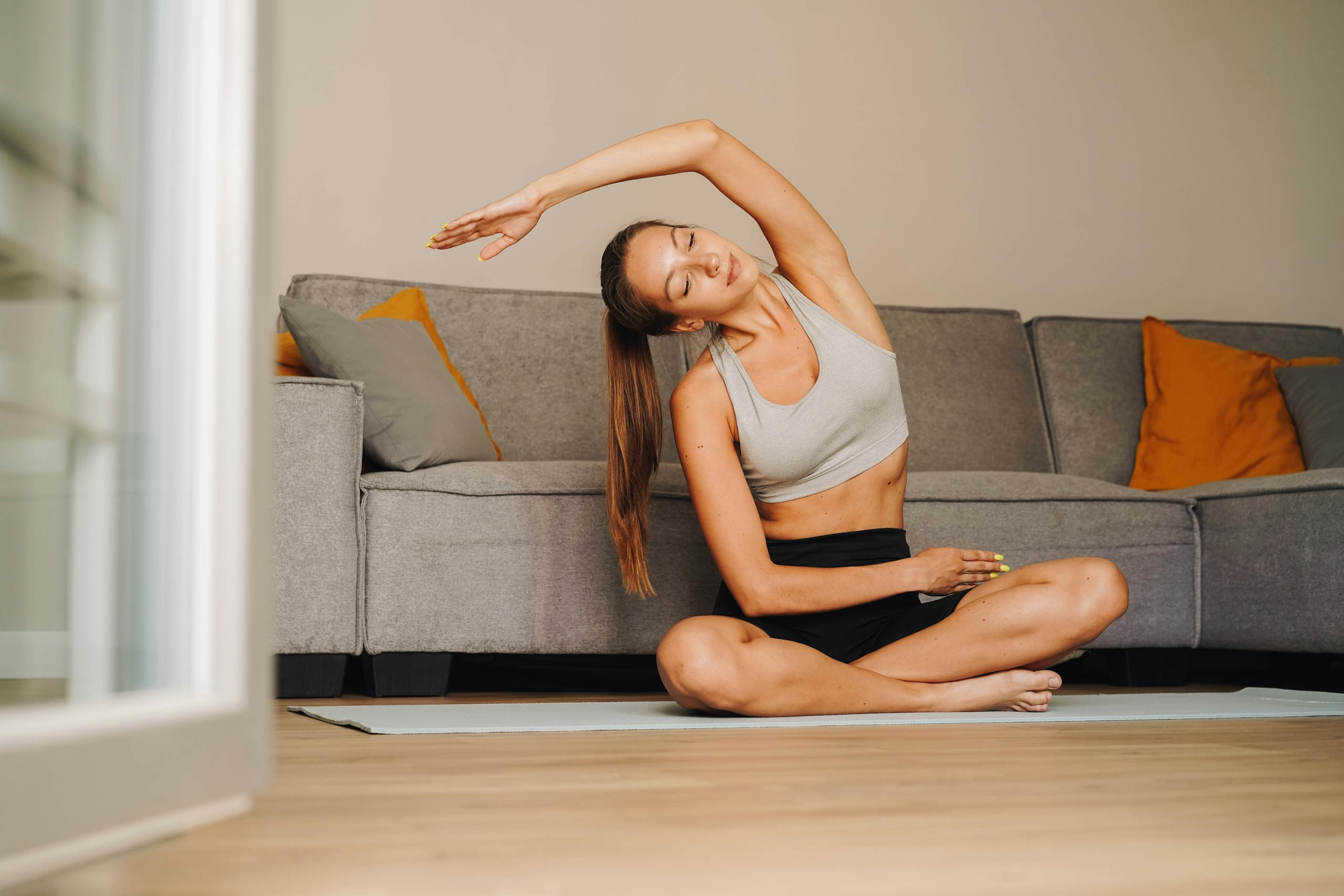
Yoga became sustainable once I stopped attending classes. Group instruction came with implicit comparison and external pacing. Home practice allowed experimentation without performance pressure. Some days required gentle stretching. Other days invited more challenging sequences.
The benefit wasn’t flexibility improvement, though that happened. Regular practice built awareness of how stress manifests physically. Tension in shoulders. Shallow breathing. Tight hips. Noticing these patterns during yoga transferred to noticing them during work. That awareness created space for small adjustments before stress accumulated.
Home workouts removed the gym’s social complexity. Waiting for equipment disappeared. Dealing with unspoken protocols became unnecessary. Feeling observed during unfamiliar exercises no longer factored in. Following video routines provided structure while allowing customization. Skip the sections that don’t work. Repeat the ones that do. Progress according to actual capability rather than class pace.
Walking works differently than structured exercise. Without goals, tracking, or optimization, it’s just movement that clears accumulated mental clutter. I started walking without destination or time limit during a particularly intense project phase. The practice stuck because it required no decision-making. Put on shoes. Go outside. Walk until it feels complete.
Research from studies on solitude across the lifespan shows that peaceful affect during alone time, where people feel relaxed and not lonely, correlates strongly with positive wellbeing outcomes. Physical movement supports this peaceful state when done without performance pressure.
Deep Reading Without Interruption
Books provide complete absorption in ways shorter content can’t. Articles offer information. Social media delivers stimulation. Books demand sustained attention. That requirement becomes the benefit.
Fiction creates mental immersion. Characters become familiar. Settings grow detailed. Plot progression holds attention across sessions. Reading a novel spans days or weeks, building relationship with the narrative. This extended engagement differs fundamentally from consuming content in discrete chunks.
Nonfiction reading changed once I stopped treating it like assignment completion. Instead of rushing through to finish, I’d read sections, pause to consider implications, then continue. Some books took months. Others prompted multiple rereads of specific chapters. The goal shifted from coverage to understanding.
Audiobooks work during activities that occupy hands but not mind. Commuting. Cooking. Walking. The narration provides company without requiring social interaction. Long-form podcasts serve similar functions. Listening to extended conversations or storytelling creates sense of connection while maintaining solitude.
Maintenance Activities That Create Order
Organizing spaces provides tangible results from time invested. Cleaning a closet. Sorting files. Arranging bookshelves. These tasks offer clear before-and-after states. The completion feels satisfying in ways that open-ended creative projects sometimes don’t.
I discovered this during a particularly chaotic project period. Work felt perpetually incomplete. Priorities shifted daily. Nothing ever finished. Coming home to reorganize my workspace created controllable progress. Small decisions about what went where. Immediate results I could see and use.
Meal preparation works similarly when approached methodically. Not cooking for tonight’s dinner. Preparing components for the week. Chopping vegetables. Cooking grains. Making sauces. Each element completed independently, then combined later. The process requires focus and yields practical benefits.
Plant care demands consistent attention in manageable increments. Watering schedules. Pruning dead leaves. Repotting when roots outgrow containers. Each plant becomes a small responsibility requiring regular check-ins. The growth happens gradually but visibly. New leaves. Taller stems. Occasional flowers.
Observations from researchers studying solitude benefits suggest that people who perceive their alone time as “full” rather than “empty” experience it as more meaningful. Maintenance activities fill time with purpose while remaining low-pressure.
Contemplative Practices That Process Experience
Journaling revealed patterns I’d been too busy to notice. Not daily diary entries. Occasional writing sessions where I’d explore whatever felt unresolved. Questions without obvious answers. Situations requiring decisions. Conflicts needing processing.
The practice wasn’t therapeutic in any formal sense. More like thinking out loud on paper. Writing forced articulation. Vague frustration became specific concerns. General anxiety identified particular triggers. Solutions sometimes emerged through the writing itself. Other times, clarity came simply from acknowledgment.
Meditation works when expectations stay realistic. Twenty minutes of perfectly still mind? Unlikely. Five minutes of returning attention to breath after it wanders? Achievable. The benefit comes from practicing that return. Noticing distraction. Redirecting focus. Repeating without judgment.
Morning pages, the practice of writing three pages stream-of-consciousness immediately upon waking, cleared mental space before the day accumulated demands. Not profound insights. Just whatever surfaced. Worries. Plans. Random observations. Dumping it onto paper prevented those thoughts from cycling endlessly. For chronic overthinkers, this practice provides particular relief.
Digital detox periods helped distinguish between useful connectivity and compulsive checking. Setting phone aside for designated hours. Not permanent disconnection. Just deliberate breaks. Initially uncomfortable. Eventually refreshing. The urge to check notifications diminished when I recognized it as habit rather than necessity.
Entertainment That Requires No Performance
Watching films alone removed the social performance layer. Gauging others’ reactions became unnecessary. Pressure to share immediate opinions disappeared. Just direct engagement with the story remained. Pausing to consider something. Rewatching scenes. Taking time to absorb before continuing.
Documentary series became my preferred format for learning about topics outside my expertise. Each episode delivered complete narratives about subjects I’d never explore through formal study. Nature. History. Science. Culture. The passive learning required no testing or proof of retention. Just exposure to new information.
Gaming provides structured challenge without real-world stakes. Puzzle games. Strategy games. Narrative adventures. Each offers problems to solve and progress to achieve. The best ones balance difficulty with capability, creating that flow state where time disappears and concentration deepens.

Music listening transformed when I gave it dedicated attention. Not background sound while doing other things. Focused listening to complete albums. Following how themes developed. Noticing arrangement choices. Understanding why certain compositions worked. This intentional listening created appreciation for craft I’d previously missed.
Building Your Personal Alone Time Practice
Starting requires permission more than planning. The guilt dissolves slowly. Each canceled social obligation that you don’t regret builds evidence that alone time matters. Each weekend spent on solo activities that leave you energized rather than depleted proves the point.
Quality matters more than duration. Thirty focused minutes painting provides more benefit than three distracted hours scrolling social media. The difference lies in engagement. Full attention to the activity. Minimal interruption. Complete presence.
Variety prevents stagnation. Some weeks demand physical movement. Others require creative output. Still others need contemplative processing. Success lies in building a range of options matching different needs.
Protection becomes necessary. People will question your alone time. They’ll suggest you’re missing out or becoming isolated. Some won’t understand why you’d prefer solitude over socializing. Others hold misconceptions about what solitude means. That’s fine. Your wellbeing doesn’t require their approval.
Balance isn’t static. Some periods demand more solitude. Others benefit from increased social contact. Life changes. Energy fluctuates. Needs evolve. What matters is recognizing what you need now, not forcing yourself into patterns that worked previously.
What shifted for me wasn’t discovering perfect solo activities. It was accepting that choosing time alone, without explanation or apology, was legitimate. That one decision opened space for everything else: creative projects, learning, rest. All became possible once I stopped treating solitude as something requiring justification.
Your relationship with alone time probably differs from mine. The specific activities matter less than discovering what restores rather than depletes you. Some patterns you’ll need to unlearn. Others you’ll need to protect. Most importantly, you’ll need to trust that time spent alone isn’t time wasted. Sometimes it’s exactly what you need.
Complete List of 47 Solo Activities
Creative pursuits: Writing, drawing, painting, photography, cooking new recipes, crafting, music composition, video editing, graphic design, woodworking.
Learning projects: Language study, online courses, programming, genealogy research, documentary watching, skill development, reading nonfiction, podcast listening, audiobook immersion, tutorial following.
Physical activities: Yoga, home workouts, walking, stretching, dance, martial arts practice, strength training, bodyweight exercises, flexibility work.
Contemplative practices: Journaling, meditation, morning pages, breathing exercises, mindful observation, digital detox, thoughtful planning, life review.
Maintenance tasks: Organizing spaces, meal prep, plant care, home improvement, file sorting, wardrobe curation, space optimization, system development.
Entertainment options: Film watching, series viewing, gaming, music listening, reading fiction, puzzle solving, solo board games, creative playlists.
Each category offers entry points. Start where interest pulls you. Expand as curiosity develops. Skip what doesn’t resonate. What matters is finding what works for you, not completing a checklist.
Frequently Asked Questions
Is spending too much time alone unhealthy?
Research distinguishes between chosen solitude and forced isolation. When you control your alone time and maintain meaningful connections when desired, extensive solitude supports wellbeing. Problems arise when isolation feels involuntary or prevents desired social contact. Balance varies by individual. Some people thrive with substantial alone time. Others need more social interaction. Success depends on matching your time use to your actual needs rather than external expectations.
How do I stop feeling guilty about choosing alone time over social invitations?
Guilt diminishes through repeated experience. Each time you choose solitude and feel better for it, you build evidence contradicting the guilt narrative. Track how you feel after solo activities versus forced socializing. Notice which leaves you energized and which leaves you depleted. The pattern becomes undeniable. Remember that your energy management affects how you show up for people who matter. Sometimes declining invitations serves your relationships by keeping you from showing up depleted.
What if I get bored when alone at home?
Boredom often signals adjustment period rather than problem. We’re conditioned to constant stimulation. Sitting with boredom without immediately reaching for distraction builds tolerance for unstructured time. That tolerance creates space for deeper engagement. Start with activities offering clear structure and tangible progress. Gradually introduce more open-ended options. Boredom decreases as you discover activities matching your interests rather than filling time with whatever’s convenient.
How can I make alone time more productive?
Productivity requires redefining success. Hobbies and creative activities often enhance work performance through skill development and stress reduction. Not everything needs measurable output. Rest, reflection, and unstructured exploration contribute to long-term capabilities even when they don’t produce immediate results. Focus on activities that engage your attention fully. Flow state creates its own kind of productivity, whether that produces tangible output or simply recharges your mental resources.
What’s the difference between healthy alone time and social isolation?
Healthy solitude involves choice, satisfaction, and maintained connections. It means choosing when to be alone, feeling restored by solo activities, and maintaining relationships that matter, even if less frequently than extroverted people might. Social isolation feels involuntary. It creates distress rather than restoration. It prevents desired connection. If alone time leaves you feeling worse, not better, or if you’re avoiding connection you actually want, reassess the pattern. Balance requires both meaningful solitude and meaningful connection, in proportions that work for you.
Explore more introvert lifestyle resources in our complete General Introvert Life Hub.
About the Author
Keith Lacy is an introvert who’s learned to embrace his true self later in life. With a background in marketing and a successful career in media and advertising, Keith has worked with some of the world’s biggest brands. As a senior leader in the industry, he has built a wealth of knowledge in marketing strategy. Now, he’s on a mission to educate both introverts and extroverts about the power of introversion and how understanding this personality trait can unlock new levels of productivity, self-awareness, and success.