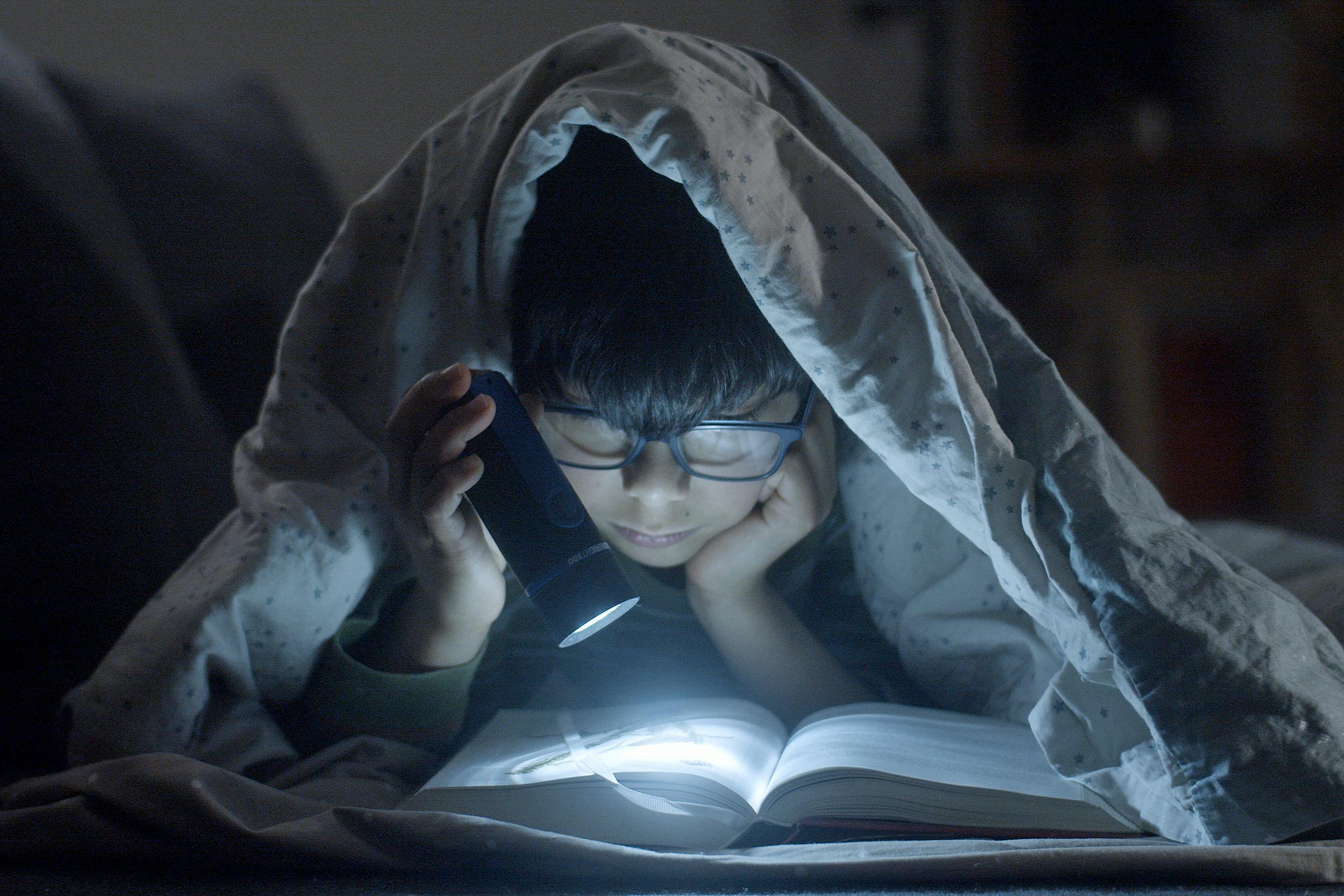

Quality time alone restores introverts more effectively than simply logging more hours in solitude. A 90-minute walk with genuine mental presence can outperform an entire weekend of distracted, guilt-ridden isolation. What matters is the depth of disengagement from external demands, not the raw amount of time spent away from people.
Somewhere in my early forties, still running an agency and managing accounts for brands that expected me to be “on” around the clock, I started tracking my energy levels the way I tracked campaign metrics. What I found surprised me. The weekends I spent the most hours alone, scrolling, half-watching television, mentally rehearsing Monday’s client calls, left me more depleted than the weeks I barely had a moment to myself. The weekends I carved out even one genuinely quiet morning, no agenda, no half-open laptop, no background noise, I arrived at Monday feeling like a different person.
That discovery shifted something fundamental in how I think about solitude. Not as a quantity problem, but as a quality problem.

Much of what I write about here connects to a broader conversation about how introverts restore, protect, and express their energy. That fuller picture lives in our Introvert Strengths hub, which explores everything from how quiet minds process the world differently to how solitude functions as a genuine cognitive tool rather than a social failure.
Why Does the Quality of Alone Time Matter More Than the Amount?
Most conversations about introvert recharge focus on getting enough alone time, as if the solution is purely arithmetic. Add more hours, feel better. Subtract social obligations, restore faster. But the introverts I know, myself included, have all experienced the frustrating reality of spending an entire day alone and feeling worse at the end of it.
What’s your personality type?
Take our free 40-question assessment and get a detailed personality profile with dimension breakdowns, context analysis, and personalised insights.
Discover Your Type8-12 minutes · 40 questions · Free
A 2018 study published through the American Psychological Association found that solitude only produced restorative effects when it was experienced as chosen and psychologically safe, not when it felt like avoidance or obligation. That distinction matters enormously. Hiding in your home office because you dread a conversation is not the same as sitting in your backyard because you genuinely want to think.
My mind, like most INTJ minds, processes emotion slowly and thoroughly. I don’t experience feelings in real time the way some people do. I experience them later, quietly, when I finally have space to let them surface. That means the quality of my alone time directly determines whether that processing actually happens. Distracted solitude is just delayed social noise.
There’s also a neurological dimension worth understanding. The National Institute of Mental Health has documented how the default mode network, the brain system most active during inward-focused thought, requires genuine disengagement from external stimulation to function at full capacity. Half-present solitude keeps that network suppressed. Full presence activates it. The difference shows up in creativity, emotional clarity, and decision-making quality.
What Does “High-Quality” Alone Time Actually Look Like?
I want to be careful here, because this is where advice about solitude tends to drift into lifestyle content that feels aspirational but not particularly useful. High-quality alone time doesn’t require a meditation retreat or a carefully curated morning routine. It doesn’t look the same for every introvert.
What it does require is genuine psychological presence. That means your attention is actually where your body is, not rehearsing tomorrow, not processing yesterday’s meeting, not half-monitoring your phone.
During the years I was managing a team of about thirty people across two agency locations, I developed a specific ritual that took me an embarrassingly long time to recognize as essential rather than indulgent. Every Wednesday morning, before anyone else arrived, I would spend forty-five minutes at my desk with no email, no calls, no agenda beyond letting my thoughts settle. I called it “organizing” because I needed a professional justification for it. In reality, I was simply being quiet. Those forty-five minutes shaped the entire rest of my week. They gave me access to my own thinking in a way that the rest of my schedule never allowed.

High-quality solitude tends to share a few common characteristics regardless of what form it takes. It’s chosen rather than imposed. It’s free from performance anxiety, meaning you’re not trying to use it “correctly.” And it allows your mind to move at its own pace rather than the pace the rest of your life demands.
A Mayo Clinic overview on stress and mental health notes that genuine psychological rest requires more than physical stillness. The mind needs permission to disengage, which is different from simply being alone in a room. That permission is something many introverts, especially those who’ve spent years in high-demand professional environments, have to consciously practice giving themselves.
How Does Distracted Solitude Undermine Introvert Recovery?
Distracted solitude is the category most introverts fall into most of the time, and it’s worth naming clearly because it masquerades as rest while actually preventing it.
Scrolling through social media while technically alone is not solitude. It’s passive social stimulation without the reciprocal demands of actual conversation, which in some ways makes it more insidious. Your nervous system is still processing social information, still responding to emotional cues, still generating comparison and evaluation, but you’re not getting the relational reward that might make that expenditure worthwhile.
Watching television while mentally composing emails is not rest. Neither is sitting in a coffee shop with headphones in while your mind cycles through everything you haven’t finished yet.
I spent the better part of a decade doing all of these things and calling it recharging. My wife would ask how my weekend was, and I’d say “good, quiet,” and mean it descriptively while feeling it as a lie. The weekends were quiet in volume but loud in mental activity. I was never actually present in my own solitude.
The Psychology Today coverage of attention restoration theory explains why this matters biologically. Genuine recovery requires directed attention fatigue to dissipate, which only happens when the mind is allowed to wander freely without demands. Passive digital consumption doesn’t allow that dissipation. It redirects the fatigue rather than resolving it.
Can Short Periods of Quality Solitude Replace Long Stretches?
Yes. And for most introverts living full professional and personal lives, this reframe is genuinely liberating.
The idea that meaningful solitude requires extended blocks of time is one of the most common misconceptions I encounter. It’s also one of the most discouraging, because it makes recharging feel like something that requires ideal circumstances that rarely exist.
When I was running new business pitches, the weeks before a major presentation were relentless. Twelve-hour days, constant collaboration, the kind of sustained social output that leaves an introvert feeling hollowed out. I learned, out of necessity, to find what I started calling “micro-restoration moments.” A ten-minute walk between meetings where I genuinely paid attention to what was around me rather than thinking about what came next. Five minutes of actual stillness before getting out of my car. A lunch eaten alone in genuine quiet rather than at my desk with email open.

These moments didn’t replace the deeper restoration I needed. But they prevented the complete depletion that made recovery so much harder. They kept me functional in a way that powering through without any solitude never did.
A 2021 analysis in Harvard Business Review on cognitive recovery at work found that even brief disengagement periods, properly structured, significantly improved subsequent performance and creative output. The emphasis was on genuine disengagement, not just physical breaks. Checking your phone during a break doesn’t count. Sitting quietly and letting your mind drift does.
What Specific Activities Produce the Deepest Restoration?
There’s no universal answer here, and I’m skeptical of lists that prescribe specific activities as if introvert restoration is one-size-fits-all. What I can offer is a framework for identifying what works for you, drawn from both my own experience and what the research suggests about restorative states.
Activities that tend to produce genuine restoration share a few qualities. They engage the mind gently rather than demanding focused attention. They allow for open-ended thinking without a goal or output. They connect you to something outside your immediate concerns, whether that’s nature, creative work, physical movement, or something else entirely.
For me, the activities that consistently produce the deepest restoration are walking without a destination or podcast, reading fiction that pulls me fully into another world, and what I can only describe as deliberate observation, sitting somewhere and actually noticing what’s around me rather than processing my own thoughts. None of these are glamorous. None of them require any particular setup. All of them require genuine presence.
What doesn’t work for me, despite years of trying to make it work, is productivity-adjacent solitude. Journaling with a prompt. Meditation apps that feel like assignments. Structured “reflection time” that produces deliverables. These activities keep my INTJ brain in task mode, which is the opposite of what genuine restoration requires.
The National Institutes of Health research on nature exposure and cognitive restoration consistently shows that natural environments produce measurably stronger recovery effects than built environments, even when time spent is equivalent. If you have access to outdoor spaces, even a neighborhood park, that’s worth factoring into how you structure your solitude.
How Does Guilt About Solitude Undermine Its Effectiveness?
This is the piece most articles about introvert recharging skip entirely, and it’s the piece that made the biggest difference for me personally.
Many introverts, especially those who’ve spent careers in extrovert-dominant environments, carry significant guilt about needing solitude at all. We’ve internalized the message that wanting to be alone is antisocial, that needing quiet is weakness, that recharging in solitude rather than social activity is something to apologize for or minimize.
That guilt doesn’t disappear when you close the door and sit down. It comes with you. And it occupies mental bandwidth that should be available for actual restoration.
I spent most of my thirties feeling vaguely guilty every time I chose solitude over social engagement. Even when I was alone, part of my mind was composing justifications for why this was acceptable, cataloguing what I might be missing, monitoring whether I was being selfish. That internal noise was indistinguishable in its effect from external noise. My nervous system couldn’t tell the difference.

What changed was partly understanding, intellectually, that solitude is not a character flaw. The American Psychological Association has documented extensively how solitude, when chosen and valued, contributes positively to emotional regulation, self-awareness, and creative capacity. Knowing that helped. But what helped more was simply accumulating enough evidence from my own experience that solitude made me better at everything else I cared about, as a leader, as a partner, as a person.
Guilt-free solitude isn’t a personality trait some introverts have and others don’t. It’s a practice. It develops over time, with evidence, with intention, and sometimes with the help of understanding why your nervous system works the way it does.
How Do You Build a Sustainable Solitude Practice Around a Demanding Life?
Sustainable is the word that matters here. Not perfect. Not optimized. Sustainable.
The introverts I’ve talked with who seem most consistently restored aren’t the ones who’ve engineered elaborate solitude rituals. They’re the ones who’ve gotten clear about what actually works for them and built small, reliable structures around it. Not grand gestures. Ordinary, repeatable practices that fit inside a real life.
For me, that means protecting Wednesday mornings. It means a standing policy of not scheduling calls before 9 AM so I have genuine quiet before the day’s demands begin. It means keeping at least one weekend morning genuinely unscheduled, not filled with productive solitude but with actual open time.
These aren’t dramatic. They don’t require anyone else to change their behavior. They’re just small structural decisions that compound over time into a life that actually sustains my energy rather than constantly depleting it.
The practical steps I’d suggest for anyone building this out are straightforward. Start by identifying one time slot per week that you can protect reliably. Not ideally, not when everything else cooperates, but reliably. Make it smaller than you think you need. Fifteen minutes of genuine presence beats two hours of distracted isolation every time. Then pay attention to what you actually do with that time versus what leaves you feeling restored afterward. Let the evidence guide the structure rather than building the structure around what you think should work.
Over time, those small protected spaces become load-bearing walls in your week. Remove them and the whole structure feels less stable. Keep them and everything else becomes more manageable.

Why Does This Matter More for Introverts Than for Others?
Not everyone needs solitude the way introverts do. That’s not a complaint or a superiority claim. It’s just a neurological reality worth naming clearly.
Extroverts genuinely restore through social engagement. Their nervous systems respond to external stimulation with increased energy rather than decreased energy. That means the recovery calculus is fundamentally different. An extrovert who spends a full day alone might feel restless and flat by evening. An introvert who spends a full day in social activity will likely feel something closer to bone-tired, regardless of how much they enjoyed the people involved.
A Psychology Today overview of introversion and the nervous system explains how introverts show higher baseline arousal levels, meaning external stimulation pushes them toward overwhelm more quickly than it does for extroverts. Solitude isn’t a preference in the casual sense. It’s a physiological requirement for maintaining equilibrium.
That matters for how seriously you take your own need for quality solitude. Not as self-care in the commodified sense, but as basic maintenance for a mind that processes the world in a particular way. Skipping it isn’t virtuous. It’s just expensive, and the cost shows up in your work, your relationships, and your sense of yourself.
After twenty years of running agencies, I can tell you with confidence that my best work, my clearest decisions, my most useful leadership, all came from periods when I was adequately restored. Not from periods when I pushed hardest or stayed latest or proved my commitment by being perpetually available. From periods when I had enough genuine solitude to actually think.
That’s the case I’d make to any introvert still treating solitude as a guilty pleasure rather than a professional asset. Quality time alone isn’t something you earn after you’ve done enough. It’s part of what makes the doing possible in the first place.
Explore more perspectives on introvert strengths and self-understanding in our complete Introvert Strengths Hub.
About the Author
Keith Lacy is an introvert who’s learned to embrace his true self later in life. After 20 years in advertising and marketing leadership, including running agencies and managing Fortune 500 accounts, Keith now channels his experience into helping fellow introverts understand their strengths and build fulfilling careers. As an INTJ, he brings analytical depth and authentic perspective to every article, drawing from both professional expertise and personal growth.
Frequently Asked Questions
Does spending more hours alone automatically recharge an introvert?
Not necessarily. Hours alone without genuine psychological presence can leave introverts feeling just as depleted as social activity. What restores energy is the quality of disengagement, meaning your mind is actually free from external demands and internal performance pressure, not simply the amount of time spent away from other people.
What makes solitude “high quality” versus just being alone?
High-quality solitude involves genuine psychological presence, meaning your attention is actually where your body is rather than rehearsing future events or processing past ones. It’s chosen rather than imposed, free from guilt or performance anxiety, and allows your mind to move at its own pace. Distracted solitude, such as scrolling social media or watching television while mentally composing emails, keeps the nervous system stimulated and prevents real restoration.
Can short periods of alone time be as restorative as long ones?
Yes. A 10-minute walk with genuine attention to your surroundings can restore more energy than two hours of distracted isolation. Brief, fully present solitude outperforms extended but mentally cluttered alone time. For introverts with demanding schedules, building in small, reliable pockets of genuine quiet throughout the week is more sustainable and often more effective than waiting for extended blocks of free time.
How does guilt about needing solitude affect its restorative power?
Significantly. Guilt occupies the same mental bandwidth that genuine restoration requires. If part of your mind is monitoring whether your need for solitude is acceptable or composing justifications for why you’re alone, that internal noise functions like external stimulation and prevents full recovery. Developing a guilt-free relationship with solitude, built on understanding your own neurological wiring and accumulating evidence of how solitude improves your performance, is part of what makes it actually work.
Why do introverts need solitude more than extroverts do?
Introverts show higher baseline nervous system arousal, meaning external stimulation, including social interaction, pushes them toward overwhelm more quickly than it does for extroverts. Solitude allows that arousal level to return to equilibrium. For extroverts, social engagement produces energy. For introverts, it expends it. That’s a neurological difference, not a personality preference, which is why quality solitude functions as basic maintenance rather than optional self-care for people wired this way.