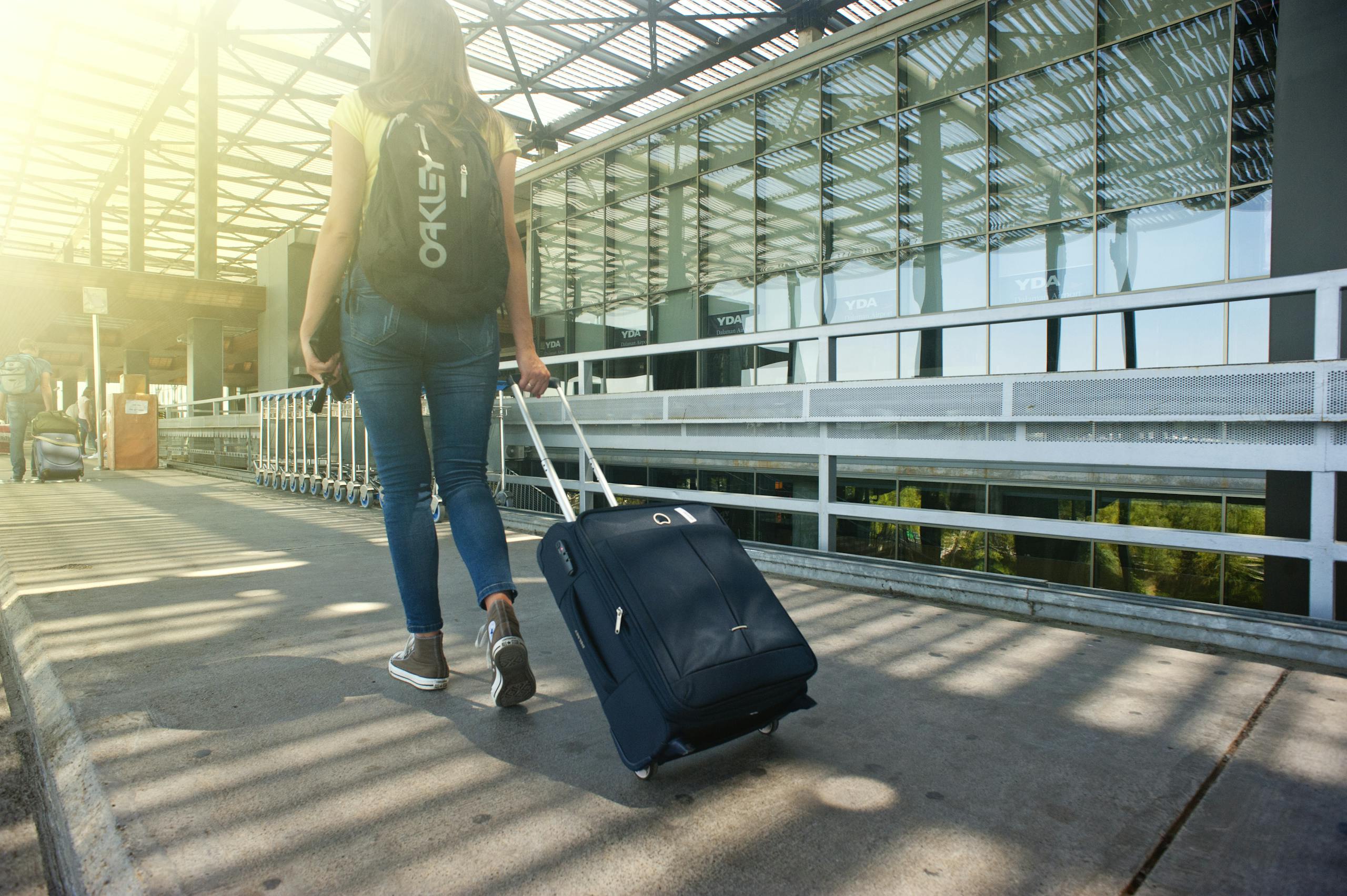

Quiet people don’t avoid adventure. They approach it differently, and that difference is worth understanding. Adventure travel for introverts works best when it’s built around depth over stimulation, solitude over spectacle, and meaning over social performance. With the right planning, introverts don’t just tolerate adventure travel. They thrive in it, often experiencing it more fully than anyone else in the group.
There’s a version of adventure travel that gets sold to everyone equally: the group tour bus, the packed hostel common room, the “networking happy hour” at base camp. I tried that version exactly once. A client retreat in Costa Rica, fourteen people, every meal scheduled, every excursion mandatory. By day three I was sneaking off to sit alone by the river just to hear myself think. That trip taught me more about my own needs as a traveler than any guidebook ever could.
What I’ve learned since then, both from my own travel and from years of understanding how introverted minds process experience, is that adventure isn’t the problem. Structure is. Most adventure travel is designed for people who recharge through social interaction and external stimulation. For those of us who recharge in quiet, the same trip can feel like a drain rather than a restoration.
That doesn’t mean we should stay home.
Our travel hub covers a wide range of approaches to experiencing the world as a quiet person, from weekend solo trips to international planning. This article goes deeper into adventure specifically, because I think that’s where introverts most often sell themselves short.
Why Do Introverts Crave Adventure More Than People Expect?
People assume introverts want to stay home. Some do, and that’s completely valid. But many of us carry a hunger for experience that runs surprisingly deep. We want to stand at the edge of something vast. We want to feel the particular silence of a forest at 5 AM, or the disorienting beauty of being in a country where we don’t speak the language. We just don’t want to process all of that while someone is talking at us.
What’s your personality type?
Take our free 40-question assessment and get a detailed personality profile with dimension breakdowns, context analysis, and personalised insights.
Discover Your Type8-12 minutes · 40 questions · Free
A 2021 study published through the American Psychological Association found that introverts score high on openness to experience, one of the five major personality dimensions. That trait correlates strongly with curiosity, aesthetic sensitivity, and a drive toward meaningful novelty. Adventure travel, at its core, is about meaningful novelty. The problem isn’t desire. It’s design.
Consider what adventure actually requires neurologically. based on available evidence published by the National Institute of Mental Health, introverted brains tend to have higher baseline arousal levels, which means external stimulation pushes them toward overload faster than it does extroverted brains. A crowded group tour isn’t just socially exhausting. It’s neurologically taxing in a way that genuinely interferes with the ability to absorb and enjoy experience.
So the introvert who comes home from a group adventure trip feeling depleted isn’t doing it wrong. They’re running a system that was never designed for that kind of input volume.
Strip away the group pressure and the mandatory socializing, and adventure travel becomes something introverts are actually extraordinarily well-suited for. We notice things. We sit with discomfort without immediately reaching for distraction. We form deep impressions of places rather than surface-level snapshots. These are genuine advantages when it comes to meaningful travel.
What Does Adventure Travel Actually Look Like for Quiet People?
Forget the image of the extroverted adventurer making friends at every hostel and posting stories from every summit. That’s one version of adventure travel, and it’s not the only one worth having.
My version of adventure has usually looked quieter from the outside. A solo hiking trip in the Smoky Mountains where I didn’t speak to another person for two full days. A week in Iceland where I rented a car and drove the Ring Road alone, stopping whenever something caught my attention, which was constantly. A client trip to Tokyo where I woke up at 4 AM every morning just to walk the city before anyone else was awake.
That Tokyo memory sticks with me specifically because it was a work trip, not a vacation. We were pitching a global campaign for a consumer electronics brand. The days were packed with meetings, presentations, and client dinners. By evening I was running on fumes. But those early morning hours, alone in Shinjuku before the crowds arrived, that was where I actually experienced Japan. The smell of the fish market. The elderly man doing tai chi in the park. The particular quality of light through paper lanterns at dawn. None of that required another person. All of it required presence, and presence is something introverts naturally bring.
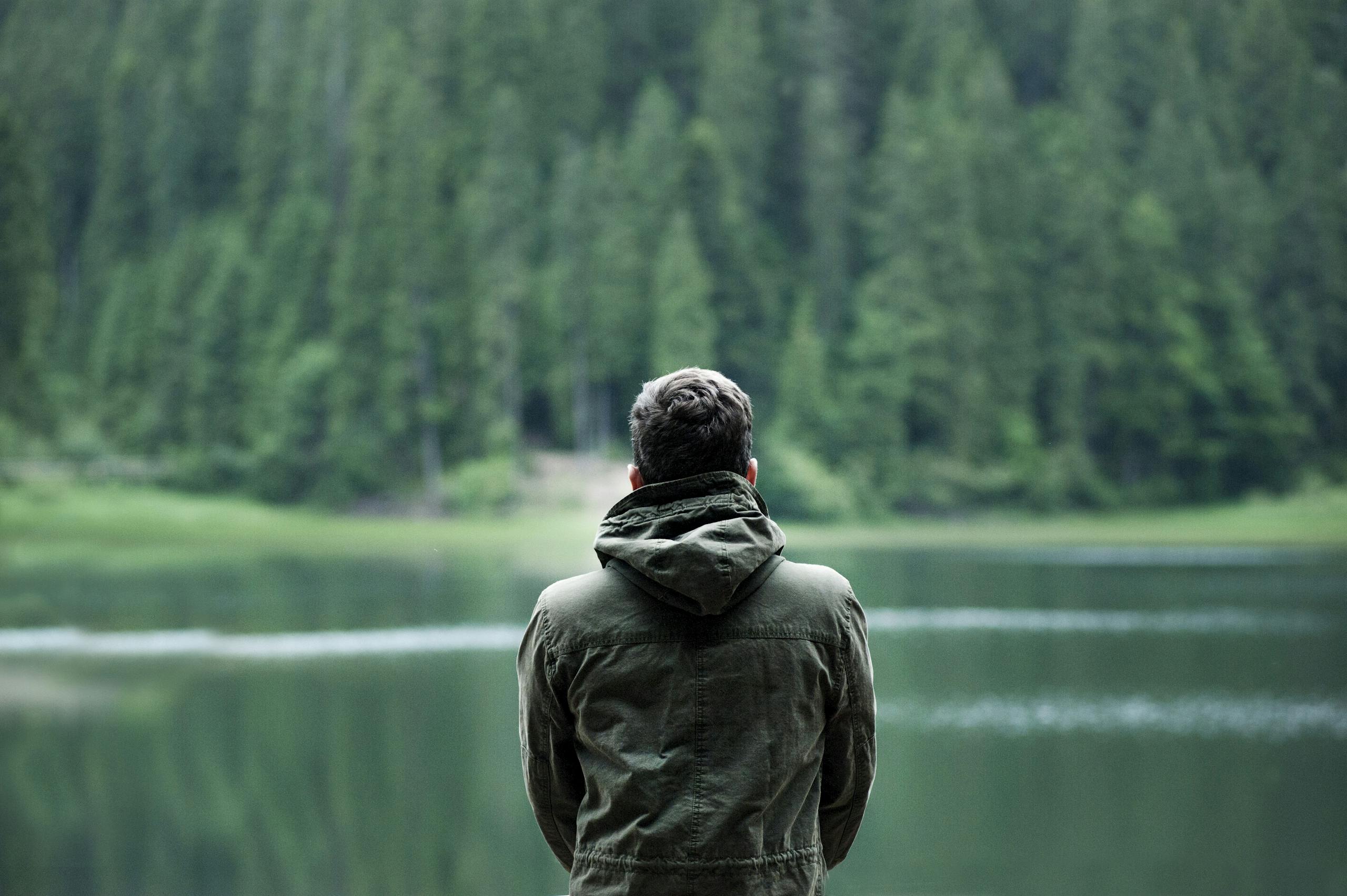
Adventure for quiet people often means choosing experiences that reward observation over participation. Wildlife watching. Long-distance hiking. Kayaking through remote waterways. Slow travel through a single region rather than racing between cities. Photography-focused trips. These aren’t lesser adventures. In many ways, they’re richer ones.
How Should Introverts Plan Adventure Travel Differently?
Planning is where introverts genuinely shine, and where the right approach makes everything else easier. The mistake I see most often is introverts planning trips the way they think they’re supposed to, following conventional travel wisdom designed for people with different energy profiles.
Build recovery time into the itinerary as a non-negotiable. Not as leftover space after everything else is scheduled, but as a deliberate structural element. When I was running agency pitches, I learned to build buffer time into every presentation day because I knew I’d need quiet processing time before and after high-stakes interactions. Travel works exactly the same way. Schedule the adventure, then schedule the recovery.
Choose accommodation that gives you genuine retreat space. A private room matters more than a central location. A cabin with a porch matters more than a boutique hotel in the middle of the action. The place you return to at the end of the day needs to function as a genuine sanctuary, not just a place to sleep.
Limit the number of “social obligation” activities on any given trip. If you’re traveling with others, negotiate clearly about which activities are group and which are individual. This isn’t antisocial. It’s honest communication about what makes the trip sustainable and enjoyable for everyone involved.
The Mayo Clinic notes that stress management and adequate rest are essential components of overall wellbeing, and travel that consistently depletes rather than restores isn’t serving your health in any meaningful sense. Building rest into adventure travel isn’t weakness. It’s intelligence.
Consider timing as a planning variable. Off-season travel, early morning starts, and weekday adventures all reduce crowd density significantly. Some of the best adventures I’ve had were in places that would have been overwhelming in peak season but were genuinely magical in the quiet months.
Which Adventure Activities Are Best Suited to Introverted Travelers?
Some adventure activities are structurally better aligned with how introverts process experience. That’s not a limitation. It’s useful information.
Solo hiking and backpacking sit at the top of the list for good reason. The rhythm of long-distance hiking, the physical demand, the changing landscape, the enforced simplicity of carrying everything you need, creates a kind of meditative clarity that introverts tend to find deeply restorative rather than depleting. The trail doesn’t require conversation. It rewards attention.
Wild swimming, kayaking, and paddleboarding offer similar qualities. Water creates natural quiet. Moving through it under your own power, at your own pace, without an itinerary or a group to keep up with, is a particular kind of freedom that suits the introverted mind.
Wildlife and nature photography gives the mind a specific task that amplifies natural observational tendencies. Watching for movement. Reading light. Waiting with patience that most people can’t sustain. Introverts are often extraordinary at this because they’re already wired to notice what others overlook.
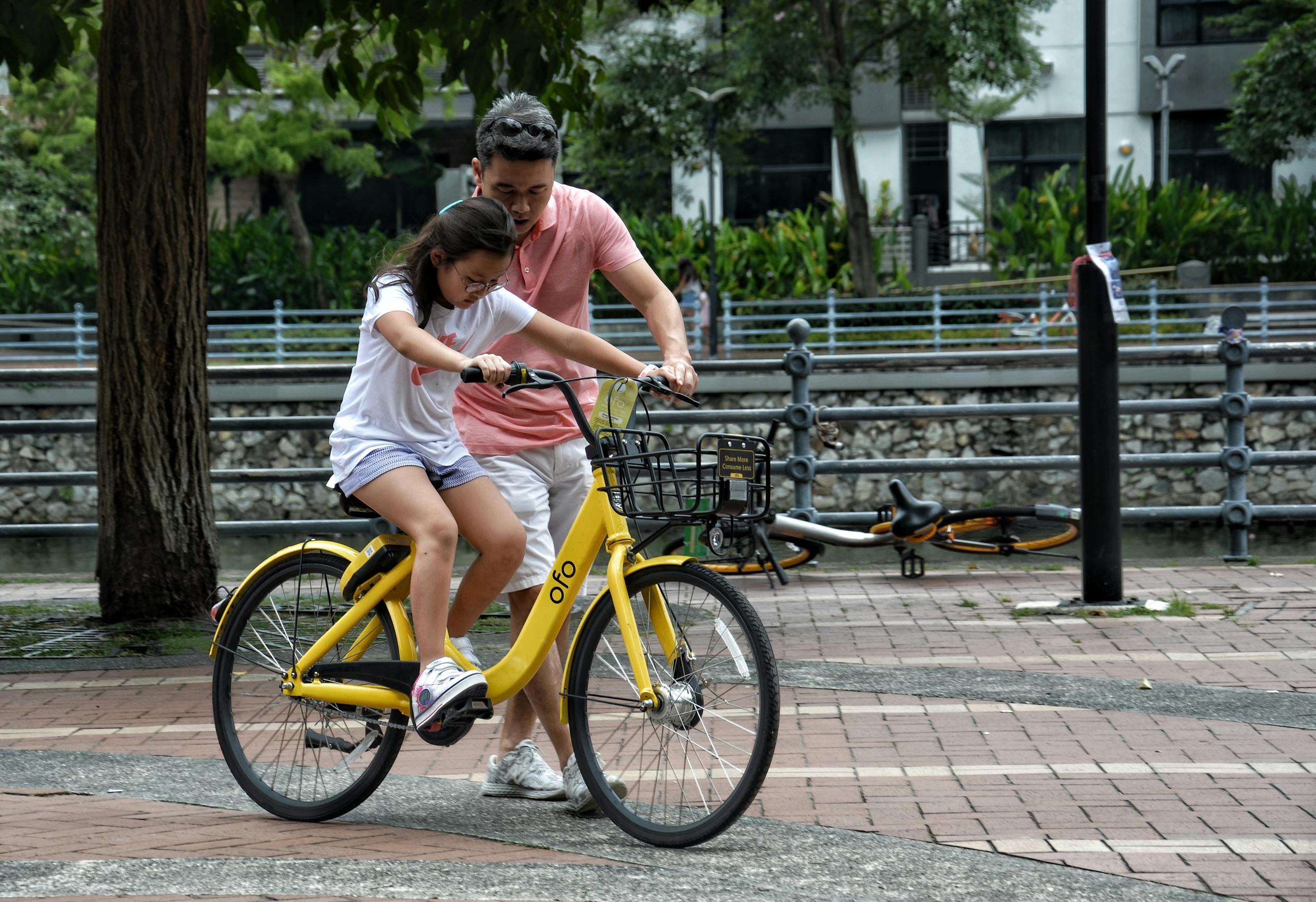
Cycling tours, particularly self-guided ones, combine physical challenge with autonomy and pacing control. You move through landscapes at a speed that allows genuine observation. You stop when something interests you. You cover ground without the social overhead of group dynamics.
Astronomy and dark sky travel has become one of my personal favorites. Finding places with minimal light pollution, sitting under genuinely dark skies, and spending hours watching the universe move overhead is a profoundly quiet adventure that doesn’t require anyone else’s participation or approval.
Even group adventure activities can work well when they’re structured around a shared task rather than social performance. A guided rock climbing course, a sailing class, a wilderness survival workshop. These create connection through doing rather than talking, which tends to suit introverts much better than purely social formats.
How Do Introverts Handle the Social Elements of Adventure Travel?
Adventure travel isn’t always solo. Sometimes it involves guides, travel companions, group tours, or shared accommodations. Knowing how to manage the social dimension without sacrificing the experience is a real skill, and one worth developing intentionally.
My years running agencies taught me something useful about managing social energy in professional contexts. The best introverted leaders I knew, and I include myself in this, got very good at being selectively present. Fully engaged when it mattered, deliberately conserving energy when it didn’t. Travel works the same way.
Be honest with travel companions before the trip, not during it. Have the conversation about what you need. Most people, when they understand that your need for solo time isn’t a rejection of them, will accommodate it without issue. The ones who won’t are probably not the right travel companions for you.
With guides and tour operators, ask directly about group sizes and social expectations before booking. A guide who leads groups of four through remote backcountry is a fundamentally different experience from one who leads groups of twenty through popular trails. Both can be excellent. Only one is likely to work for an introvert who needs space to actually absorb what they’re experiencing.
The American Psychological Association has documented extensively how introverts process social interaction differently, requiring more cognitive resources to manage social exchanges than extroverts do. Acknowledging this isn’t making excuses. It’s understanding your own operating system well enough to use it effectively.
Give yourself permission to leave group dinners early. To skip the optional evening activity. To take a different trail from the rest of the group and meet them at the summit. Adventure travel doesn’t require constant togetherness to be meaningful or successful.
What Are the Unexpected Strengths Introverts Bring to Adventure Travel?
There’s a framing problem in how adventure travel gets discussed. Extroverted qualities, spontaneity, social ease, high energy, constant engagement, get positioned as the ideal traveler profile. Quieter qualities get positioned as obstacles to overcome.
That framing is wrong, and I want to push back on it directly.
Introverts tend to be exceptional at preparation. Thorough research, detailed planning, contingency thinking. In adventure contexts, this translates to better safety outcomes, more meaningful experiences, and fewer unpleasant surprises. A 2019 study in the Psychology Today network of research noted that conscientiousness and preparation are among the strongest predictors of positive adventure travel outcomes. Introverts, particularly those with an INTJ profile like mine, tend to score high on both.
Introverts also tend to form deeper connections with the places they visit. Because we’re not constantly managing social performance, we have more cognitive bandwidth available for observation and absorption. We notice the way a particular village smells after rain. We remember the expression on a stranger’s face at a market. We carry experiences home as full memories rather than highlight reels.
Patience is another underrated advantage. Waiting for wildlife. Sitting with discomfort on a difficult trail. Tolerating the boredom of a long transit without needing constant entertainment. These capacities make introverts genuinely better at certain kinds of adventure than their more extroverted counterparts.
Risk assessment is another area where introverted tendencies serve adventure well. We tend to think before acting, to consider consequences, to read environments carefully before committing. In backcountry settings, on technical routes, in unfamiliar cities, these habits can be the difference between a good story and a bad outcome.
I’ve watched extroverted colleagues barrel into situations that introverts would have assessed more carefully, and while their energy was admirable, their judgment wasn’t always. Quiet observation is a survival skill as much as it’s a personality trait.
How Can Introverts Manage Overstimulation During Adventure Travel?
Overstimulation is real, and it’s worth having a plan for it before you need one.
My own experience with overstimulation in travel contexts taught me something I wish I’d understood earlier. The warning signs arrive well before the crash. A subtle narrowing of attention. Irritability at minor inconveniences. A flattening of the pleasure I normally feel in new environments. By the time I’m genuinely overwhelmed, I’ve already missed several opportunities to course-correct.
Learning to recognize those early signals is the first skill. The second is having a recovery protocol that you actually use rather than pushing through and paying for it later.
For me, that protocol looks like: find quiet, find nature if possible, stop consuming input and start processing what’s already there. Even thirty minutes alone in a park, or sitting by water, or walking without a destination, can reset the system enough to continue meaningfully.
The National Institutes of Health has published extensive research on the restorative effects of nature exposure on cognitive fatigue and stress response. What introverts have known intuitively for years, that sitting by a river or walking through trees genuinely helps, turns out to be well-supported by neuroscience. Nature isn’t just pleasant. It’s physiologically restorative in ways that built environments generally aren’t.
Build deliberate decompression into each travel day. Not as a reward for getting through the stimulating parts, but as a structural element that makes the stimulating parts possible. A quiet morning before a busy afternoon. A solo hour between group activities. An evening in rather than another restaurant or bar.
Pack a recovery kit for travel. Noise-canceling headphones are non-negotiable for me. A journal. A book that requires genuine attention rather than passive scrolling. Familiar foods or snacks that provide comfort without requiring decisions. These aren’t luxuries. They’re tools.
What Does Solo Adventure Travel Offer That Group Travel Can’t?
Solo travel is the subject that makes people most nervous when I bring it up, and also the one that introverts tend to find most liberating once they try it.
The complete control over your own schedule is only part of it. Deeper than that is the particular quality of attention you bring when you’re not managing anyone else’s experience alongside your own. Every decision is yours. Every discovery is yours. Every moment of discomfort and every moment of wonder belongs entirely to you.
Solo adventure travel also removes the social performance element that makes group travel exhausting. You don’t have to be “on.” You don’t have to translate your experience into words for someone else’s benefit in real time. You can simply have the experience, fully and without interruption.
That said, solo adventure travel requires honest preparation. Safety planning matters more when you’re alone. Letting people know your itinerary. Carrying appropriate emergency equipment. Understanding the terrain and your own fitness level accurately rather than optimistically. The introvert’s natural tendency toward thorough preparation actually serves solo travel well, provided you don’t let it become an excuse to over-plan and under-go.
The Harvard Business Review has written compellingly about the cognitive benefits of solitude, including enhanced creativity, clearer thinking, and stronger self-knowledge. These benefits don’t disappear when solitude happens in a foreign country or on a mountain trail. If anything, the novelty of the environment amplifies them.
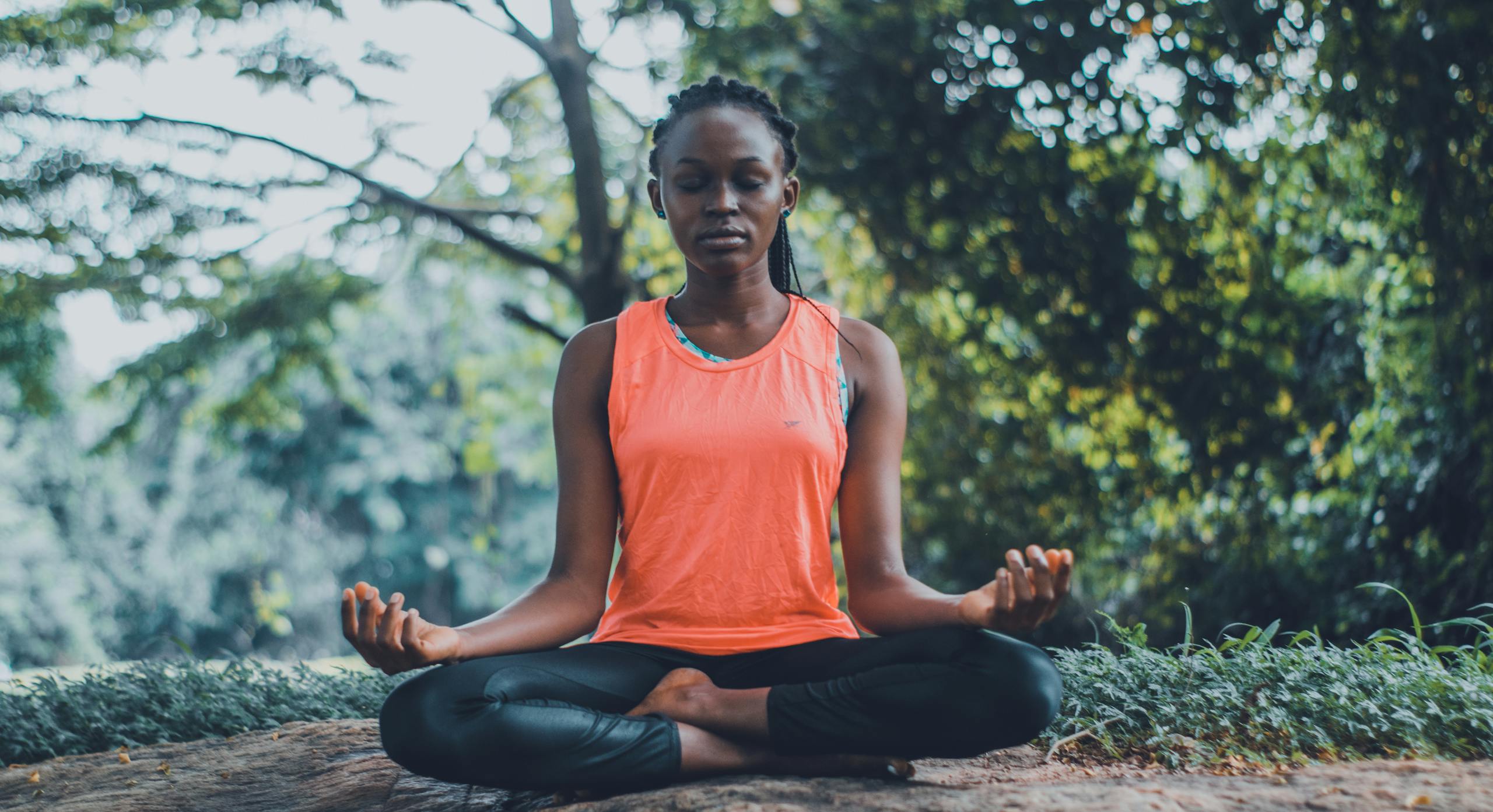
Some of my clearest thinking has happened on solo trips. The Iceland drive I mentioned earlier produced more genuine strategic clarity about where I wanted to take my agency than any off-site retreat or brainstorming session ever did. There’s something about being physically alone in a vast landscape that strips away the noise and leaves you with what actually matters.
Start smaller if the idea of a full solo adventure trip feels like too much. A solo day hike. A solo weekend in a city you’ve never visited. A solo overnight camping trip. Each one builds confidence and self-knowledge that makes the next one more possible.
How Do You Build an Adventure Travel Style That Actually Fits Who You Are?
The most important shift is moving from asking “how do I do adventure travel the right way” to asking “what does adventure actually mean to me, and how do I structure it to work with my nature rather than against it.”
That shift took me years to make, and I made it the hard way, through enough depleting trips that I finally stopped blaming myself and started examining the structure instead.
Your adventure travel style is yours to define. Maybe it means long-distance hiking with two days of recovery built in for every three days of trail. Maybe it means slow travel in a single region for two weeks rather than hitting eight cities in ten days. Maybe it means booking private tours instead of group tours, even when they cost more, because the energy savings are worth every dollar.
Maybe it means accepting that some of the most adventurous things you’ll ever do will look completely ordinary from the outside. Sitting alone in a foreign café for three hours, watching the street, thinking. Walking a city without a map until you’re genuinely lost and then finding your way back. Spending a full day at a single museum, actually reading every placard, actually sitting with each piece that moves you.
The Psychology Today archives are full of research on the relationship between personality type and optimal experience, what psychologist Mihaly Csikszentmihalyi called “flow.” Introverts tend to access flow states more readily in low-stimulation, high-focus environments. Building your adventure travel around those conditions isn’t settling for less. It’s creating the conditions for your best experience.
Give yourself permission to travel in a way that looks different from the highlight reels you see online. The introvert who spends a week in one small coastal village, learning its rhythms, talking to the same few locals every morning, sitting on the same cliff at sunset, is having an adventure. It’s just one that doesn’t photograph as dramatically as a group zip-lining photo.
That village week, by the way, is the kind of trip I remember for decades. The zip-lining group photo is gone from memory by the following Tuesday.
Explore more about how introverts experience and plan meaningful travel in our complete Travel Planning hub.
About the Author
Keith Lacy is an introvert who’s learned to embrace his true self later in life. After 20 years in advertising and marketing leadership, including running agencies and managing Fortune 500 accounts, Keith now channels his experience into helping fellow introverts understand their strengths and build fulfilling careers. As an INTJ, he brings analytical depth and authentic perspective to every article, drawing from both professional expertise and personal growth.
Frequently Asked Questions
Is adventure travel a good fit for introverts?
Adventure travel is an excellent fit for introverts when it’s structured around their natural strengths. Introverts tend to be thorough planners, patient observers, and deep experiencers of place. The challenge isn’t the adventure itself but the social structure that often surrounds it. Solo or semi-solo adventure formats, off-season timing, and accommodations with genuine retreat space all make adventure travel more sustainable and more rewarding for introverted travelers.
What types of adventure travel work best for introverts?
Activities that reward observation, patience, and solitude tend to align best with introverted energy. Solo hiking and backpacking, kayaking, wildlife photography, self-guided cycling tours, astronomy and dark sky travel, and slow travel through single regions all suit introverted travelers well. These formats allow full immersion in experience without the constant social management that group-heavy adventure travel requires.
How can introverts avoid burnout during adventure travel?
Avoiding burnout requires treating recovery time as a structural element of the trip rather than leftover space. Build quiet time into each day before it’s needed, not after the crash. Learn to recognize early overstimulation signals like narrowing attention or flattening pleasure, and respond to them promptly. Carry recovery tools like noise-canceling headphones and a journal. Choose accommodation that functions as a genuine retreat, not just a place to sleep. Nature exposure, even brief, provides measurable cognitive restoration according to NIH research.
Should introverts travel solo or with others?
Both can work well depending on the introvert and the trip. Solo travel offers complete schedule control, freedom from social performance, and a quality of attention that’s difficult to achieve when managing another person’s experience alongside your own. Travel with others works best when companions understand and respect your need for quiet time, when group activities are balanced with individual ones, and when the social dynamic is genuinely comfortable rather than obligatory. Many introverts find a hybrid approach works well: traveling with one trusted companion but building significant solo time into the itinerary.
How should introverts plan adventure travel differently from extroverts?
Introverts benefit from planning with energy management as a primary variable rather than an afterthought. This means building recovery days into multi-day itineraries, choosing private accommodation over shared spaces, researching group sizes before booking guided experiences, timing activities for off-peak hours and seasons, and negotiating clearly with travel companions about solo time before departure. Introverts also benefit from planning fewer activities per day than they think they can handle, leaving space for the spontaneous slow moments that often become the most memorable parts of any trip.