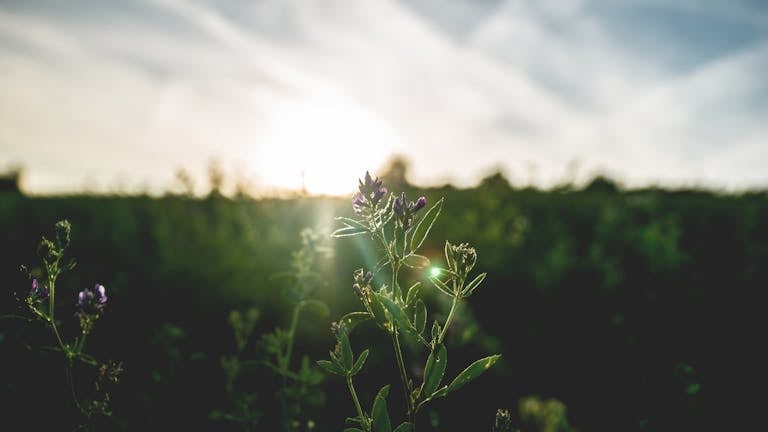
The first time I stood on a beach in Thailand, watching the sun melt into the Andaman Sea, something inside me finally exhaled. After twenty years of grinding through Chicago winters and London fog while leading advertising agencies, I understood what my body had been trying to tell me all along. I thrive in warmth. And as someone who processes the world through deep internal reflection, the slower rhythm of tropical life felt less like a vacation and more like coming home to myself.
Tropical living carries a particular magic for introverts who genuinely love heat. Not the “I tolerate summer” crowd, but those of us who feel our minds sharpen and our spirits lift when the thermometer climbs. The warmth becomes part of how we restore ourselves, how we think, how we create. And increasingly, research suggests we might be onto something profound about the connection between climate, solitude, and psychological wellbeing.
This guide explores what makes tropical environments uniquely suited to introverted temperaments, the practical realities of making such a move, and how to build a life that honors both your need for warmth and your need for meaningful solitude.
Why Warm Climates Call to Certain Introverts
Not every introvert dreams of palm trees and year-round sunshine. Some find their peace in mountain cabins surrounded by snow. But for those of us wired to seek warmth, the pull toward tropical environments runs deeper than simple preference. It connects to how our nervous systems regulate, how we experience energy, and how we process the world around us.
I spent years dismissing my craving for heat as some kind of weakness. Real leaders, I told myself, didn’t complain about weather. They pushed through. But managing Fortune 500 accounts while shivering through endless gray winters taught me something important: fighting your own biology wastes energy better spent on meaningful work. When I finally accepted that warmth genuinely helps me function, everything shifted.
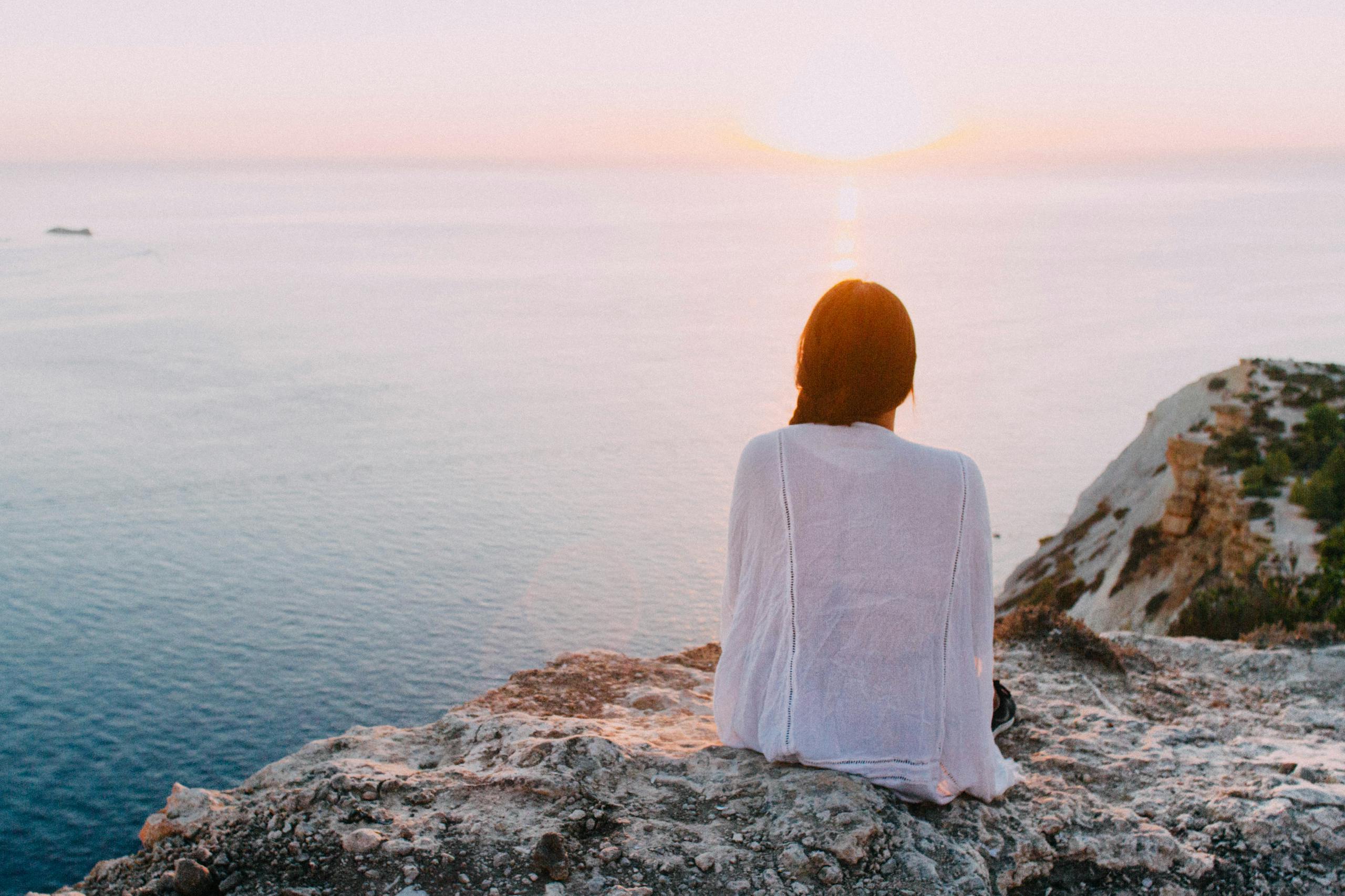
The science behind this preference has grown increasingly clear. According to research from Cleveland Clinic, sunlight exposure triggers the release of serotonin in the brain, directly influencing mood regulation and that sense of calm focus that introverts often seek. Those of us who thrive in heat may simply have systems that respond more dramatically to these environmental cues.
Beyond the biochemistry, tropical environments tend to encourage the slower, more deliberate pace that suits introverted processing styles. When the heat encourages people to move thoughtfully rather than frantically, when afternoon siestas are culturally acceptable, when life revolves around natural rhythms rather than artificial schedules, introverts often find they can finally stop fighting the current and simply float.
The Mental Health Benefits of Tropical Living
Living in perpetual warmth offers more than comfort. The mental health implications are substantial, particularly for introverts who already tend toward internal processing and deep reflection. Understanding these benefits helps clarify why tropical relocation can feel so transformative rather than merely pleasant.
Vitamin D plays a central role in this equation. Psychiatric Times reports that vitamin D receptors exist throughout the brain, including regions responsible for mood regulation. Deficiency correlates with increased depression risk, anxiety symptoms, and even cognitive difficulties. In tropical climates, maintaining adequate vitamin D levels happens almost automatically through daily life, removing one significant variable from the mental health equation.
The connection runs even deeper than supplementation. Studies published in the National Institutes of Health demonstrate that sunlight exposure produces beta-endorphins in the skin, natural compounds that promote mood enhancement and relaxation. Taking vitamin D pills simply cannot replicate this full spectrum of benefits that come from actually living in sunlight.
For introverts specifically, these biological effects matter enormously. We already tend to require more restoration time than our extroverted counterparts. When our baseline mood and energy are supported by environmental factors, we have more resources available for the deep thinking, creative work, and meaningful connections that give our lives purpose. The warmth becomes infrastructure for the life we want to build.

The Slower Pace That Suits Our Temperament
What struck me most during my first extended stays in tropical countries was how differently time moved. Not just metaphorically, but in the actual rhythm of daily life. People lingered over meals. Businesses closed during the hottest hours. Nobody seemed to glorify busyness the way Western corporate culture demands.
Research published in PsyCh Journal confirms what many of us intuit: pace of life correlates significantly with climate, cultural values, and stress levels. Countries with colder climates tend toward faster paces, while warmer regions often embrace more relaxed rhythms. For introverts who need processing time and find constant rushing exhausting, this difference can feel revolutionary.
The slower pace also affects social expectations in ways that benefit introverted temperaments. In many tropical cultures, silence doesn’t create the same discomfort it does in high-paced societies. Sitting quietly together is acceptable. Not filling every moment with chatter is normal. For those of us who find introvert peace in stillness rather than stimulation, these cultural norms feel like permission to be ourselves.
I remember sitting in a coffee shop in Bali, working on a campaign strategy, when I realized I hadn’t felt the need to apologize for being quiet all day. Nobody looked at me strangely for sitting alone. Nobody interrupted to ask if I was okay. The culture simply allowed space for solitary presence in a way that felt incredibly healing after years of justifying my need for quiet.
Top Tropical Destinations for Introverted Remote Workers
The rise of remote work has opened tropical living to people who once believed location-dependent careers made such dreams impossible. For introverts who thrive in warmth and can work independently, the world has become remarkably accessible. Certain destinations have emerged as particularly suited to our needs, offering the combination of reliable infrastructure, reasonable costs, and the peaceful environments we crave.
Thailand consistently ranks among the most popular choices, and for good reason. Places like Koh Phangan and Chiang Mai offer fast internet, established digital nomad communities, and costs that allow comfortable living on moderate incomes. The Thai concept of “mai pen rai” (roughly translated as “no worries”) permeates daily life, creating an atmosphere where the urgency that drains introverts feels far away.
Bali, Indonesia offers another compelling option, particularly areas like Ubud that attract more contemplative visitors than the party crowds of southern beaches. The island’s spiritual traditions, abundance of yoga and meditation spaces, and emphasis on inner work align naturally with introverted values. Coworking spaces dot the landscape, providing structure without the pressure of traditional offices.
The Caribbean increasingly welcomes remote workers through special visa programs. Islands like Barbados and Curaçao have developed infrastructure specifically targeting location-independent professionals. For introverts seeking tropical living closer to U.S. time zones, these options reduce the scheduling challenges that come with Asian destinations. The warmth feels similar, but the logistics of maintaining stateside connections become simpler.
Mexico’s Caribbean coast provides another accessible option. Towns like Tulum and Playa del Carmen offer tropical climate, strong digital infrastructure, and proximity to the United States that simplifies everything from banking to family visits. The cost of living remains manageable, and the growing community of remote workers means finding your tribe is increasingly possible without sacrificing the solitude you need.
Building Solitude into Tropical Life
Moving to paradise doesn’t automatically guarantee the solitude introverts require. Tourist destinations can feel more crowded and overstimulating than the cities we left behind. Building a sustainable tropical life requires intentional planning around our need for restoration and quiet reflection.
Research from the National Institutes of Health demonstrates that the benefits of solitude depend heavily on intentionality. Time alone that we choose and structure proves far more restorative than isolation that simply happens to us. In tropical settings, this means actively designing routines that protect our quiet time rather than assuming the environment will provide it.
Location within your chosen destination matters enormously. The same island or town can feel completely different depending on which area you choose. Tourist centers pulse with energy that exhausts introverted systems. Moving just fifteen or twenty minutes away often reveals quieter communities where local rhythms dominate and the constant stimulation fades. Research neighborhoods thoroughly before committing to longer stays.
Establishing boundaries around social time requires particular attention in expat communities. The novelty of tropical living often creates environments where people socialize constantly, and the friendliness of fellow travelers can quickly overwhelm introverted energy reserves. Learning to pace connections, to protect morning solitude, to say no to social invitations without guilt becomes essential practice for sustainable introvert fulfillment.
The Practical Realities Nobody Mentions
Tropical living looks beautiful in photographs and travel blogs. Living it daily involves practical challenges that deserve honest acknowledgment. Understanding these realities before you commit helps prevent the disillusionment that sends many would-be expats back home within months.
Heat that feels wonderful on vacation can become exhausting when it never ends. Even heat-loving introverts need strategies for managing perpetual warmth. Air conditioning becomes non-negotiable for sleeping and working. Learning to structure activities around the temperature curve of the day prevents the afternoon energy crash that can sabotage productivity. Staying hydrated requires conscious effort that feels excessive until you experience what happens when you don’t.
Infrastructure in many tropical destinations differs dramatically from what we’re accustomed to in developed countries. Power outages happen. Internet can be unreliable. Water pressure varies. For introverts whose restoration depends partly on control over our environment, these disruptions can feel more frustrating than they might for others. Building flexibility into expectations and having backup plans for essential work helps manage the stress.

Healthcare considerations deserve serious attention. Many tropical destinations offer excellent medical care in major cities but limited options in the smaller towns that introverts often prefer. Understanding what resources exist before you need them, having a plan for emergencies, and maintaining health insurance that covers international care provides peace of mind that supports everything else.
The social challenges can surprise even well-prepared introverts. Adapting to change in a new country tests our systems in ways we might not anticipate. Missing deep friendships while surrounded by surface-level expat connections creates a particular kind of loneliness. Building meaningful relationships takes longer when you’re starting from scratch, and the transient nature of nomad communities means connections often prove temporary.
Creating Meaningful Connection Without Exhaustion
Introverts need connection as much as anyone. We simply prefer it deeper and less frequent. Tropical expat life offers unique opportunities for the kind of relationships that nourish rather than drain us, but finding them requires intention and patience.
According to Psychology Today, introverts often develop more sophisticated coping mechanisms and capacity for deep one-on-one connections as they age. These skills become assets in tropical communities where surface-level socializing dominates. While others burn out trying to attend every gathering, introverts who focus on cultivating a few meaningful relationships often build more sustainable social lives.
The key lies in finding your people rather than trying to connect with everyone. In any tropical destination, subcultures exist beneath the general expat scene. Writers, yoga practitioners, meditation students, artists, developers working remotely, people focused on personal growth rather than partying. These smaller communities often attract higher proportions of introverts and people who value depth over breadth in relationships.
Coworking spaces can serve as social hubs that respect introverted boundaries better than bars or beaches. The shared understanding that people are there to work creates permission to be focused and quiet. Connections form more naturally around common interests and regular presence rather than forced socialization. For introverts who struggle with the cold approach required in typical social settings, this structured environment often feels more comfortable.
Online communities focused on your specific destination can help you identify kindred spirits before you even arrive. Facebook groups, Reddit communities, and location-specific forums allow you to observe conversations, identify people whose values align with yours, and potentially arrange to meet once you’re settled. This pre-screening reduces the exhausting trial and error of finding your tribe through random encounters.
The Nature Connection That Restores Us
Tropical environments offer access to natural settings that profoundly support introverted restoration. The combination of warmth, natural beauty, and opportunities for solitary exploration creates conditions for the kind of deep recharging that urban life rarely provides.
Research published by the National Center for Biotechnology Information demonstrates significant mental wellbeing benefits from time spent in natural environments, particularly for those with strong connections to nature. Tropical settings amplify these effects through year-round access to outdoor spaces, the biological response to sunlight, and the sensory richness of tropical ecosystems.
For introverts, nature provides something social environments cannot: stimulation without demands. A rainforest walk engages the senses fully without requiring conversation or social performance. Swimming in warm ocean water offers physical pleasure without the exhaustion of human interaction. These experiences fill us up rather than draining us, creating the foundation for the deeper work and meaningful connections that give our lives purpose.

Building nature into daily routines rather than treating it as occasional recreation amplifies these benefits. Morning walks on the beach before starting work. Evening swims as the day cools. Weekend hikes to waterfalls or viewpoints. When natural restoration becomes habitual rather than exceptional, the cumulative effect on introverted wellbeing proves remarkable. The tropical environment offers these opportunities every single day, in ways that seasonal climates simply cannot match.
Making the Transition Sustainable
The introverts who thrive in tropical settings long-term approach the transition thoughtfully rather than impulsively. They recognize that sustainable change requires careful planning, gradual adjustment, and realistic expectations about what paradise actually delivers.
Starting with extended trial periods before committing helps tremendously. Three months in a destination reveals patterns that two weeks cannot. You experience the frustrations alongside the beauty. You understand what daily life actually feels like rather than what vacation feels like. You can test whether the warmth continues to support you or whether you need occasional breaks in cooler climates.
Financial preparation deserves particular attention. Many tropical destinations offer dramatically lower costs of living, but the transition period often proves more expensive than expected. Having runway that allows you to settle without financial pressure gives you space to find the right living situation, establish routines, and weather the inevitable challenges without panic. Rushing decisions because money is tight leads to choices you’ll later regret.
Maintaining connections to your life before the move matters more than you might initially think. Regular video calls with close friends and family prevent the isolation that can develop when surrounded by transient acquaintances. Those deep relationships built over years provide emotional sustenance that new tropical friendships take time to develop. Investing in adventure planning that includes visits home or hosting visitors keeps those bonds strong.
Embracing What the Warmth Offers
For introverts who genuinely thrive in heat, tropical living offers more than pleasant weather. It offers an environment aligned with how we’re wired. The slower pace suits our processing style. The emphasis on nature over nightlife matches our preferences. The warmth itself supports our biology in ways that cold climates cannot.
This doesn’t mean tropical life works for every introvert, or that everyone who loves heat should relocate immediately. But for those who feel the pull, who notice their minds clearing and their spirits lifting in warm environments, the possibility deserves serious consideration. The barriers that once made such moves impossible have largely dissolved. Remote work, digital communication, and global infrastructure have made tropical living accessible in ways previous generations could not imagine.
Learning to live authentically as an introvert sometimes means making choices that others don’t understand. Moving toward warmth when everyone around you seems content with gray winters. Prioritizing climate in life decisions that conventional wisdom says should focus on career advancement or property accumulation. Trusting that you know what you need better than the expectations others project onto you.
The heat-loving introverts I’ve met in tropical settings share a particular quality: they seem more fully themselves than they ever were in climates that didn’t suit them. The constant small tax of environmental discomfort has lifted, leaving more energy for the work, relationships, and personal growth that matter most. They’ve built lives that honor both their introversion and their love of warmth, and the integration shows in how they move through the world.
If the warmth calls to you, consider answering. The practical challenges are real but manageable. The benefits, for those wired to receive them, are profound. And the life waiting on the other side of that decision might be exactly the one your introverted, heat-loving self has been dreaming of all along.
Explore more resources in our complete General Introvert Life Hub.
About the Author
Keith Lacy is an introvert who’s learned to embrace his true self later in life. With a background in marketing and a successful career in media and advertising, Keith has worked with some of the world’s biggest brands. As a senior leader in the industry, he has built a wealth of knowledge in marketing strategy. Now, he’s on a mission to educate both introverts and extroverts about the power of introversion and how understanding this personality trait can unlock new levels of productivity, self-awareness, and success.
Frequently Asked Questions
What makes tropical climates particularly suited to introverts?
Tropical climates often feature a slower pace of life that aligns with introverted processing styles. The warmth encourages deliberate movement rather than frantic rushing, cultural norms tend to accept silence and solitary presence more readily, and year-round access to nature provides constant opportunities for the restorative solitude introverts need. Additionally, consistent sunlight supports vitamin D production and serotonin release, which benefit mental health and mood regulation.
Which tropical destinations are best for introverted remote workers?
Thailand (particularly Chiang Mai and Koh Phangan), Bali (especially Ubud), and Mexico’s Caribbean coast (Tulum, Playa del Carmen) consistently rank among the most popular choices. These locations offer reliable internet, established digital nomad infrastructure, reasonable costs, and environments that respect the need for quiet focus. Caribbean islands like Barbados and Curaçao provide options closer to U.S. time zones for those who need to maintain stateside business connections.
How can introverts maintain necessary solitude in tropical expat communities?
Success requires intentional planning rather than assuming the environment will provide solitude automatically. Choose locations away from tourist centers where local rhythms dominate. Establish clear boundaries around social time and protect morning solitude. Find smaller subcommunities that attract deeper connection rather than constant socializing. Use coworking spaces where the shared understanding that people are working creates permission to be quiet and focused.
What practical challenges should heat-loving introverts anticipate?
Perpetual heat requires management strategies including reliable air conditioning, activity scheduling around temperature curves, and conscious hydration. Infrastructure in many tropical destinations differs from developed countries with occasional power outages, inconsistent internet, and varying water pressure. Healthcare resources may be limited outside major cities. The social challenges of building deep friendships in transient expat communities can create unexpected loneliness despite being surrounded by people.
How should introverts approach the transition to tropical living?
Start with extended trial periods of at least three months to understand daily life rather than vacation life in your chosen destination. Build financial runway that allows settling without pressure, as the transition period often costs more than expected. Maintain connections to deep relationships from before the move through regular video calls and planned visits. Research neighborhoods thoroughly before committing, as the same town can feel completely different depending on which area you choose.