

Unique themed cabins in Pigeon Forge offer solo travelers something most vacation rentals don’t: genuine solitude wrapped in personality and warmth. These aren’t just places to sleep. They’re carefully designed retreats where an introvert can exhale, reset, and spend days entirely on their own terms, surrounded by mountain quiet and spaces built for cozy, unhurried living.
Whether you’re drawn to a treehouse cabin above the fog line, a rustic log retreat with a wood-burning fireplace, or a whimsical themed escape tucked into the Smokies, Pigeon Forge has become one of the most introvert-friendly solo travel destinations in the American South. And once you understand why, it’s hard to argue with the logic.
My relationship with solo travel changed the year I stepped away from a particularly brutal agency season. We’d just wrapped a major campaign for a Fortune 500 retail client, months of relentless client calls, team meetings that bled into evenings, and the kind of collaborative pressure that drains an INTJ to the bone. I needed to go somewhere that asked nothing of me. Somewhere with no agenda. A cabin in the Smokies was the answer I didn’t know I was looking for.
If you’ve been thinking about how your home environment and your retreat spaces shape your inner life, our Introvert Home Environment hub explores exactly that, from the physical spaces we inhabit to the retreats that restore us between seasons of demanding work.
Why Do Introverts Specifically Benefit From Cabin Retreats?
There’s a particular kind of exhaustion that accumulates when you spend months performing extroversion. I know it well. Running an advertising agency meant constant visibility, constant availability, and constant social output. Even when I managed to carve out quiet time at home, there was always the ambient noise of a city, the ping of notifications, the awareness that someone somewhere needed something from me.
What’s your personality type?
Take our free 40-question assessment and get a detailed personality profile with dimension breakdowns, context analysis, and personalised insights.
Discover Your Type8-12 minutes · 40 questions · Free
A cabin in Pigeon Forge removes all of that. Not gradually. Immediately. You pull off the main road, wind up a narrow mountain lane, and by the time you park and step onto the porch, something shifts. The air is different. The silence has texture. And nobody knows exactly where you are.
What makes cabins specifically restorative for introverts, rather than just quiet, comes down to containment. A well-designed cabin is a complete world. Everything you need is within its walls: kitchen, fireplace, reading nook, hot tub on the deck, maybe a game room or a loft bedroom with skylights. You never have to venture into a lobby. You don’t share walls with strangers. You set your own rhythm entirely.
There’s interesting work being done on how environments shape psychological recovery. A study published in PMC exploring the relationship between nature exposure and stress recovery points toward something many introverts already feel intuitively: natural settings reduce physiological stress markers in ways that urban environments simply don’t. The mountains aren’t just pretty. They’re functional.
For those of us who process the world deeply and quietly, that functional calm isn’t a luxury. It’s maintenance.
What Makes Pigeon Forge Different From Other Mountain Destinations?
Pigeon Forge gets a reputation as a tourist town, and it is one, with its Dollywood and go-kart strips and outlet malls. But consider this most people miss: the cabin rental market there has evolved into something sophisticated and genuinely diverse. The themed cabin category especially has grown into a remarkable niche.
You can rent a cabin styled entirely around a mountain lodge aesthetic, with antler chandeliers, stone fireplaces, and walls of reclaimed wood. You can find a treehouse cabin with suspension bridges between platforms and floor-to-ceiling glass overlooking the canopy. There are game-room cabins with arcade machines and pool tables for the solo traveler who wants entertainment without social obligation. Some properties lean into a modern minimalist design that would feel right at home alongside the principles explored in HSP minimalism and the art of simplifying for sensitive souls, clean lines, muted palettes, and spaces that don’t overwhelm the senses.
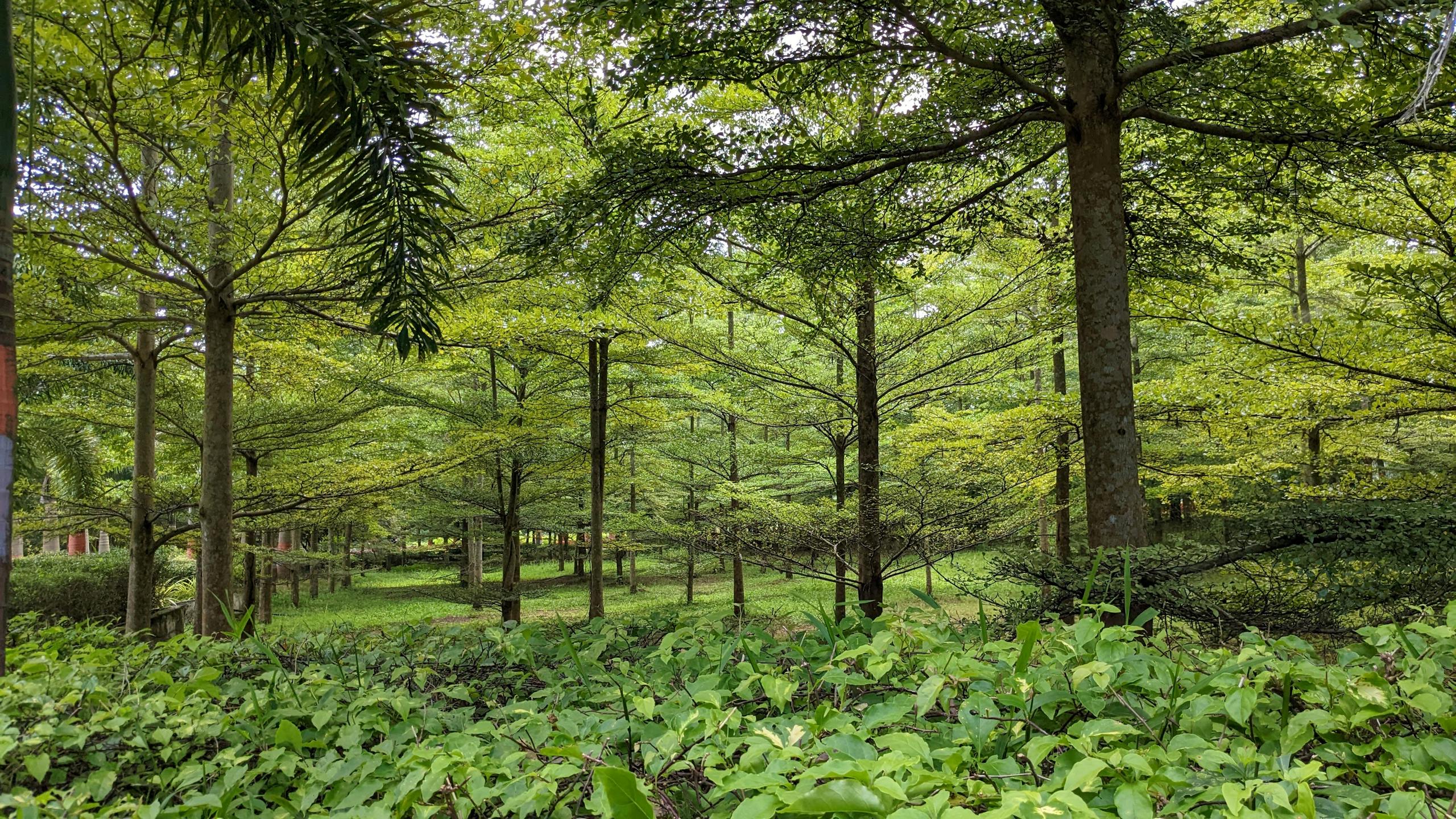
What ties all of these together is privacy. Pigeon Forge cabin rentals, particularly those on the Wears Valley side or tucked into the Gatlinburg corridor, are typically set on wooded lots with significant distance between properties. You’re not in a cabin park with neighbors twenty feet away. You’re in the trees, with a view, and a deck where you can sit for hours without seeing another person.
That combination, personality in the space itself paired with genuine isolation, is rare. Most solo travel destinations offer one or the other. Pigeon Forge cabins offer both.

How Do You Choose the Right Themed Cabin for Your Introvert Personality?
Choosing a cabin is genuinely worth thinking through carefully, because the wrong environment can undermine the whole point. I’ve made this mistake. Once, after a particularly grueling new business pitch season, I booked a cabin that looked beautiful in photos but turned out to be in a dense cluster of similar rentals, with a shared driveway and neighbors who liked to gather on their decks in the evenings. It was fine, but it wasn’t restorative in the way I needed. The lesson stuck.
consider this I look for now when selecting a Pigeon Forge cabin for a solo retreat:
Lot Privacy and Distance From Neighbors
Read the listing descriptions carefully. Phrases like “wooded lot,” “private setting,” and “secluded” matter. Look at the satellite view on Google Maps if the address is available. You want trees between you and the next property.
The Deck and Outdoor Situation
A good porch or deck is essential. This is where the real restoration happens, sitting with coffee in the morning fog, watching the ridgeline, hearing nothing but birds and wind. A hot tub is a genuine bonus, not a gimmick. After days of mental output, soaking under mountain stars is its own kind of therapy.
Interior Cozy Factor
Look for fireplaces (gas is fine, wood-burning is better), soft lighting, and furniture that actually invites you to sit and stay. A good reading chair near a window is worth more than a flat-screen television. The best cabins feel like they were designed by someone who actually wanted to spend time in them, not just photograph them.
Kitchen Quality
Solo travelers who are introverts often prefer cooking their own meals to eating out every night. A well-stocked kitchen means you can spend an entire day in the cabin without leaving, which is sometimes exactly the point. Check that the kitchen has real cookware, not just a microwave and a coffee maker.
Connectivity (Or Lack Thereof)
This one is personal. Some introverts want WiFi to work remotely or stream films in the evenings. Others want to go fully offline. Know which camp you’re in before booking. Some of the more remote Pigeon Forge cabins have limited cell service, which is either a feature or a problem depending on your intentions.
Worth noting: if you’re the kind of introvert who finds digital connection genuinely restorative rather than draining, there are chat rooms built specifically for introverts that offer meaningful conversation without the social overhead of in-person interaction. These can be a good evening companion during a cabin retreat when you want some human contact on your own terms.
What Are the Best Themed Cabin Categories in Pigeon Forge?
The themed cabin market in Pigeon Forge has expanded well beyond the standard log-and-rocking-chair formula. Here’s a breakdown of the categories worth knowing about:
Treehouse Cabins
These are the crown jewel for a certain kind of introvert. Built into the canopy, often with glass walls or large picture windows, treehouse cabins offer a sense of being above the world, literally and psychologically. Some have suspension bridges, rope ladders, and multi-level platforms. The best ones feel like the adult version of a childhood hideout, which is exactly the energy a depleted introvert needs.
Rustic Luxury Cabins
These blend traditional mountain aesthetics with high-end finishes. Stone fireplaces, exposed beam ceilings, soaking tubs, and gourmet kitchens. They feel like the kind of place where a serious person goes to think seriously. As an INTJ who has always done his best strategic thinking in quiet, contained spaces, I find these cabins almost comically well-suited to my wiring.
Storybook and Fantasy Themed Cabins
Some Pigeon Forge properties lean fully into whimsy, wizard towers, enchanted forest themes, fairytale cottages. These sound like they’d be for families with young children, and many are, but solo travelers who appreciate imaginative spaces find something genuinely freeing about them. Spending a weekend in a space designed with complete creative commitment has a way of loosening the internal critic that many introverts carry everywhere.
Modern Minimalist Cabins
Newer builds in the area have embraced clean architectural lines, open floor plans, and neutral palettes. For highly sensitive introverts who find visual clutter genuinely fatiguing, these are the most restorative option. Less to process means more mental space for actual rest.

How Does Solo Cabin Travel Support Burnout Recovery?
Burnout recovery is something I’ve thought about extensively, mostly because I’ve had to. There were periods in my agency years when I was running on empty in ways I didn’t fully recognize until much later. The signs were subtle at first: shorter patience in client meetings, slower creative thinking, a kind of emotional flatness that I mistook for professionalism. It wasn’t professionalism. It was depletion.
What I’ve come to understand is that recovery, real recovery, requires more than a weekend off. It requires a change of environment significant enough to interrupt the patterns that created the exhaustion. A cabin in the Smokies does this in a way that a staycation simply doesn’t. The physical removal from your normal context signals something to the nervous system that staying home can’t replicate.
There’s a concept in psychology around psychological detachment from work, the idea that genuine recovery requires not just physical rest but mental disengagement. Research published in PMC on psychological detachment and recovery supports what many introverts already know intuitively: you can’t recover in the same environment where the depletion happened. You need distance, literal and symbolic.
A themed cabin in Pigeon Forge provides that distance efficiently. The mountain setting, the unfamiliar space, the absence of your normal routines and obligations, these aren’t incidental. They’re the mechanism.
What I do in a cabin during a recovery retreat looks very different from what I do on a working trip. No schedule. Books I’ve been meaning to read for months. Long walks on the Gatlinburg trail system. Cooking meals slowly. Sitting on the deck watching clouds move through the gap between ridges. The kind of thinking that doesn’t produce anything immediately useful but eventually surfaces as clarity.
Many introverts I’ve talked to describe a similar pattern. The first day feels almost uncomfortable, like the nervous system doesn’t know what to do with the quiet. By day two, something releases. By day three, thoughts start arriving that haven’t had room to surface in months. That’s the real product of a solo cabin retreat.
What Should You Actually Do During a Solo Cabin Retreat?
This question always makes me smile a little, because the answer for most introverts is: less than you think you should, and more than you’re currently allowing yourself.
There’s a tendency, especially among high-achieving introverts who’ve spent years in demanding careers, to turn a retreat into another project. You pack too many books. You bring a journal and a plan for self-improvement. You schedule hikes and day trips to Gatlinburg and maybe a distillery tour. Before you know it, you’ve recreated the structured busyness you were trying to escape.
My honest recommendation: plan less than feels comfortable, and trust that the cabin will fill the space.
That said, here are things that tend to work well for solo introvert cabin retreats:
Reading Without Agenda
Not self-help. Not business books. Fiction, history, memoir, whatever pulls you in without requiring you to apply anything. A good homebody book is the perfect cabin companion, something that celebrates the pleasure of being exactly where you are, inside and unhurried.
Morning Porch Time
Coffee, mountain air, and no phone for the first hour. This one practice, repeated over several mornings, does something measurable to how the rest of the day feels. The Smokies have a particular morning quality, mist in the valleys, light coming slowly over the ridges, that makes it easy to stay outside longer than you planned.
One Good Walk Per Day
The Gatlinburg trail system is accessible from many Pigeon Forge cabin areas and offers everything from easy paved paths to serious ridge hikes. For a solo introvert, a moderate trail walk is ideal: enough physical engagement to quiet the analytical mind, not so demanding that it becomes another performance.
Evening Hot Tub
This is not a cliché. It’s a practice. Sitting in a hot tub under mountain stars, with no agenda and no audience, is one of the most effective forms of physical decompression I’ve found. The combination of heat, darkness, and open sky does something that a bath at home simply doesn’t.
Cooking as Meditation
A well-equipped cabin kitchen is an invitation to cook slowly and without pressure. I’ve spent entire afternoons in cabin kitchens making things I’d never bother with at home, long braises, homemade bread, elaborate breakfasts eaten at noon. The process is grounding in a way that ordering delivery never is.

How Do You Prepare for a Solo Introvert Cabin Trip?
Preparation matters more than most solo travelers acknowledge, because the wrong preparation can undermine the retreat before it starts. consider this I’ve found works:
Pack for Comfort, Not Performance
Nobody is watching. Bring your softest clothes, your oldest sweater, the slippers you’d be embarrassed to wear in public. A cabin retreat is the one context where your comfort is the only variable that matters. Think of it as curating your ideal homebody couch experience, except the couch is surrounded by mountains and nobody will knock on your door.
Bring Gifts for Your Future Self
This sounds odd until you do it. Before a cabin trip, I’ll pick up a few things I wouldn’t normally buy: a good bottle of whiskey, specialty coffee beans, a book I’ve been curious about, maybe something from a list of gifts for homebodies that I’ve been eyeing. The act of bringing treats specifically for the retreat signals to your brain that this time is different and worth investing in.
Set Communication Boundaries in Advance
Tell the people in your life that you’ll be checking messages once a day, or not at all. Set an out-of-office if needed. The anxiety of wondering whether someone needs you urgently is incompatible with genuine rest. Eliminate the ambiguity before you leave.
Arrive With Low Expectations
The most restorative cabin trips I’ve had were the ones where I arrived without a plan for transformation. I wasn’t trying to figure anything out or emerge with clarity about a major decision. I was just trying to be somewhere quiet for a few days. The insights came anyway, because they always do when you stop chasing them.
What Does a Pigeon Forge Cabin Teach You About Your Home Environment?
One of the unexpected gifts of a solo cabin retreat is what it reveals about your everyday environment. After several days in a space designed for comfort and sensory ease, you return home with fresh eyes. You notice what’s working and what isn’t. You see the clutter you’ve stopped seeing, the lighting that’s never been quite right, the furniture arrangement that doesn’t actually support how you want to live.
Every cabin trip I’ve taken has prompted some change at home afterward. Sometimes it’s small: rearranging the reading chair to face the window instead of the wall. Sometimes it’s larger: finally committing to the kind of intentional home design that actually supports an introverted life rather than just accommodating it.
There’s a reason the most restorative spaces share certain qualities regardless of their setting: low visual noise, warm lighting, textures that invite touch, views of something natural, and a sense of containment that makes you feel held rather than exposed. A good Pigeon Forge cabin has all of these. Your home can too, if you’re willing to be intentional about it.
Thinking about what makes a space genuinely restorative for a homebody personality is something worth exploring beyond any single trip. A good homebody gift guide can point you toward the kinds of objects and comforts that translate the cabin experience into your everyday life, things that signal to your nervous system that you’re in a safe, welcoming space.
The connection between retreat spaces and home environments runs deeper than most people realize. Work published in Frontiers in Psychology on environmental psychology and wellbeing points toward something introverts have always sensed: the spaces we inhabit shape our psychological state in measurable ways. A cabin retreat isn’t just a vacation. It’s a recalibration of your relationship with environment itself.
And the conversation about depth, meaning, and what we actually need from our spaces is one worth having honestly. Psychology Today’s exploration of why introverts need deeper conversations touches on something relevant here: we don’t just need quiet. We need meaning. The best cabin retreats provide both.
Is Solo Travel to Pigeon Forge Right for Every Introvert?
Honest answer: not exactly. Pigeon Forge as a town is genuinely loud and commercial. The Parkway strip is sensory overload by design, packed with attractions, traffic, and noise. If you spend much time there, it can undercut the restorative quality of the cabin itself.
The solution is simple: choose a cabin far enough from the Parkway that you can ignore the town entirely. Many of the best cabin properties are actually closer to Gatlinburg or out toward Wears Valley, where the commercial density drops sharply and the mountain character takes over. You can dip into Pigeon Forge for a grocery run and otherwise pretend it doesn’t exist.
For introverts who are also highly sensitive, the sensory environment of the cabin itself deserves extra attention. Strong artificial scents from cleaning products or air fresheners can be genuinely disruptive. Some properties use heavy fragrance in their linens and common areas. Reading reviews specifically for mentions of scent sensitivity, or calling the property manager in advance, is worth the extra step.
Solo travel can feel vulnerable in ways that group travel doesn’t. There’s no social buffer, no one to handle the logistics you’d rather avoid, no built-in company for the moments when solitude tips toward loneliness. Most introverts find that the vulnerability is actually part of the value. Being alone with yourself in a beautiful place, without distraction or performance, is clarifying in ways that are hard to access any other way.
The research on introversion and social energy is nuanced. Psychology Today’s work on introvert-extrovert dynamics is a reminder that introversion isn’t about disliking people. It’s about where your energy comes from and where it goes. A solo cabin retreat isn’t anti-social. It’s the recharge that makes genuine connection possible afterward.

How Do You Make the Most of the Return Home?
The return from a cabin retreat is its own skill. I’ve botched it enough times to have developed some opinions.
The worst thing you can do is schedule something demanding for the day you return. Driving back from the Smokies and walking into a full inbox or a dinner party is a fast way to erase everything the cabin gave you. Build in at least one full quiet day at home before re-engaging with normal obligations.
The best thing you can do is bring something physical back with you that anchors the experience. A candle that smells like woodsmoke. A locally made ceramic mug you drank your morning coffee from. A photograph of the view from your deck, printed and framed. These aren’t souvenirs in the tourist sense. They’re sensory cues that can return you to the psychological state of the retreat when you need it.
And write something down before you leave the cabin. Not a reflection on what you learned or a list of intentions. Just a few sentences about how you feel in that moment, sitting in that specific chair, looking at that specific view. Future you will be grateful for it.
The idea of building a life that genuinely supports an introverted personality, at home and in retreat, is something I return to constantly in my writing. If you want to go deeper on how introverts can shape their environments for real restoration, the full Introvert Home Environment hub covers everything from daily home design to the kind of extended retreats that change how you see yourself.
About the Author
Keith Lacy is an introvert who’s learned to embrace his true self later in life. After 20 years in advertising and marketing leadership, including running agencies and managing Fortune 500 accounts, Keith now channels his experience into helping fellow introverts understand their strengths and build fulfilling careers. As an INTJ, he brings analytical depth and authentic perspective to every article, drawing from both professional expertise and personal growth.
Frequently Asked Questions
Are themed cabins in Pigeon Forge actually private enough for a true solo introvert retreat?
Many are, but not all. The key variable is lot placement and distance from neighboring properties. Cabins marketed as “secluded” or “wooded” on the Wears Valley side of the area or in the higher elevation zones toward Gatlinburg tend to offer genuine privacy. Reading recent reviews specifically for mentions of noise from neighbors or proximity to other rentals will tell you more than the listing description alone. When privacy is the primary goal, it’s worth paying a premium for a property that explicitly delivers it.
What is the best time of year for an introvert to visit Pigeon Forge for a solo cabin retreat?
Late January through early March is the sweet spot. Crowds are minimal, prices drop significantly, and the mountain landscape in winter has a spare, quiet beauty that suits the introvert temperament well. The cabins are fully operational with fireplaces and hot tubs, and the hiking trails are uncrowded. Fall foliage season (mid-October) is stunning but busy. Summer brings the largest crowds and should generally be avoided by anyone prioritizing solitude.
How long should a solo introvert retreat to a Pigeon Forge cabin actually be?
Three to four nights is the minimum for meaningful restoration. The first day is typically spent decompressing from the drive and the transition. The second day is when genuine quiet starts to settle in. By the third day, most introverts find they’re in a different psychological register entirely, more spacious, more present, less reactive. A four-night stay gives you at least two full days in that state before the return experience. Weekend trips can be pleasant but rarely provide the depth of recovery that a longer stay makes possible.
Can a solo cabin retreat in Pigeon Forge help with burnout, or is it just a temporary fix?
It depends on what you bring back with you. A cabin retreat creates the conditions for recovery, but it doesn’t automatically address the patterns that produced the burnout. The most valuable thing a retreat does is provide enough distance and quiet that you can see those patterns clearly, often for the first time. What you do with that clarity after returning home determines whether the retreat was restorative or just a pause. Many introverts find that a cabin trip catalyzes changes in how they structure their work and home life, changes that extend the benefits well beyond the trip itself.
What should an introvert pack for a solo themed cabin retreat in Pigeon Forge?
Prioritize comfort over versatility. Soft, warm clothing you’d never wear in public. Good slippers or indoor shoes. A few physical books rather than relying entirely on digital reading. Quality coffee or tea if you’re particular about it, since cabin coffee makers are often mediocre. Ingredients for a few meals you actually want to cook. A journal if writing is part of how you process. Noise-canceling headphones if ambient sound disrupts your rest. And something that functions as a personal treat, a bottle of something special, a favorite snack, something that signals to yourself that this time is genuinely yours.