
The sirens started at 2 AM. Then came the bass from the apartment below. By 4 AM, garbage trucks rumbled through, and I found myself standing in my kitchen, wondering why I ever thought city living was a good idea.
As someone wired for depth and internal reflection, I often experience overstimulation as a core part of how I move through the world. My mind processes emotion and information quietly, filtering meaning through layers of observation, intuition, and subtle interpretation. I notice details others overlook. Small shifts in tone. Inconsistencies in feeling. The emotional atmosphere of a room. And yes, every single decibel of urban noise that most people seem to filter out without effort.
Living in an urban apartment as a noise-sensitive introvert presents unique challenges that go far beyond simple annoyance. The constant auditory input can drain your energy reserves, disrupt your sleep, and make it nearly impossible to access the quiet internal space you need to function at your best. But here is what I have learned after years of navigating this terrain: with the right strategies, you can create a genuine sanctuary even in the heart of a bustling city.

Why Urban Noise Hits Introverts Differently
Before diving into solutions, it helps to understand why noise affects noise-sensitive introverts so profoundly. This is not about being difficult or overly particular. There is real science behind what you are experiencing.
What’s your personality type?
Take our free 40-question assessment and get a detailed personality profile with dimension breakdowns, context analysis, and personalised insights.
Discover Your Type8-12 minutes · 40 questions · Free
The World Health Organization has classified traffic noise as the second most important cause of ill health in Western Europe, behind only air pollution. Prolonged exposure to environmental noise leads to negative cardiovascular and metabolic effects, reduced cognitive performance, severe annoyance, and sleep disturbance. If you feel like urban noise is genuinely harming you, that feeling is validated by extensive research.
For introverts and highly sensitive people, the impact intensifies. Research published in the journal Frontiers in Psychology examined sound environments in urban apartment buildings and found that even differences of 3 to 4 decibels can be perceptible to sensitive individuals. What seems like background noise to others registers as a constant stream of data that your brain must process, leaving less energy for everything else.
I spent years thinking something was wrong with me. During my time leading an advertising agency, I would come home from a day of meetings and pitches feeling completely wrung out. Then the neighbor’s dog would start barking, or construction would begin on the building next door, and I would feel my nervous system go into overdrive. It took me far too long to realize I was not being weak. My brain was simply processing more auditory information than most people around me.
Choosing the Right Urban Apartment
The best noise management starts before you sign a lease. When apartment hunting as a noise-sensitive introvert, every viewing should include a noise assessment that goes beyond simply listening during your visit.
Building age and construction matter enormously. Older buildings often have thicker walls and more substantial construction, though they may lack modern soundproofing. Newer buildings might feature better insulation but thinner walls to maximize space. Concrete construction typically outperforms wood-frame buildings for sound isolation. Ask the landlord or property manager directly about the building’s construction type and any soundproofing measures in place.
Floor level plays a significant role as well. Ground floor units expose you to foot traffic and street noise. Middle floors can mean noise from both above and below. Top floor apartments eliminate overhead footsteps but may have mechanical equipment nearby. Research from PMC on neighbor noise annoyance found that awareness of neighbors’ living patterns significantly contributes to noise-related stress, making the apartments around you as important as your own unit.
Visit potential apartments at different times. That quiet Sunday afternoon showing may not represent the Tuesday evening reality. Ask current residents about noise levels. Check if the building enforces carpet coverage rules. Many buildings require residents to cover 80 percent of their floors with carpeting or rugs to muffle noise transmission.

Soundproofing Strategies That Actually Work
Once you have moved in, the real work begins. Effective soundproofing for apartment dwellers requires understanding that sound behaves like water, finding the smallest gaps and weak points to penetrate your space.
Windows represent the most common entry point for external noise. Heavy, multi-layered curtains made from velvet or blackout fabric can reduce noise by 5 to 7 decibels. For more significant reduction, soundproof window inserts create an air-space buffer that blocks noise without requiring permanent modifications. These compression-fit inserts work particularly well in older buildings with single-pane windows.
Door gaps allow surprising amounts of sound transmission. Acoustic door seal kits create effective barriers around door edges. Even basic weatherstripping tape combined with a door sweep can make a noticeable difference. I installed both on my apartment’s front door and was genuinely surprised by how much hallway noise I had been unconsciously processing.
For wall-transmitted noise, strategic furniture placement creates natural sound barriers without requiring landlord approval. Large bookcases filled with books against shared walls add mass that absorbs sound vibrations. The varying heights and densities of books help dampen sounds across different frequencies. As noted in Apartment Therapy, adding mass and absorption represents the best approach for renters who cannot make major modifications.
I have found that acoustic panels that actually work can transform a room without damaging walls. These fabric-covered boards reduce echoes and absorb sound waves, particularly useful in rooms with hard surfaces. They come in various designs that can complement your decor while serving a practical function.
Creating Quiet Zones Within Your Space
Not every room in your apartment needs to be perfectly soundproofed. The key is creating at least one reliable quiet zone where you can retreat when you need to recharge.
Your bedroom deserves priority attention. This is where sleep quality determines your capacity to handle everything else. Thick rugs with dense pads absorb both airborne noise and impact sounds from floors below. Heavy curtains serve double duty by blocking light and dampening street noise. Consider dedicating budget to making this one room as quiet as possible rather than spreading resources thin across your entire apartment.
When I finally committed to creating my introvert sanctuary, I started with my bedroom. I added a thick area rug, installed blackout curtains with thermal backing, and moved my bookshelf to the wall shared with my neighbor. The difference was transformative. For the first time in years, I woke up feeling genuinely rested.
If you work from home, your workspace needs similar attention. Transforming your home into a productivity powerhouse requires addressing noise concerns directly. Position your desk away from shared walls. Add soft furnishings that absorb sound. Create visual and auditory separation from the rest of your living space.
Technology Solutions for Urban Noise
When physical soundproofing cannot fully address your noise challenges, technology offers powerful supplementary solutions.
White noise machines emit consistent sound across all audible frequencies, effectively masking sudden changes that trigger your attention. Brown noise and pink noise variants provide lower frequency options that some find more natural and less fatiguing than traditional white noise. Place them strategically near noise entry points like windows and doors.
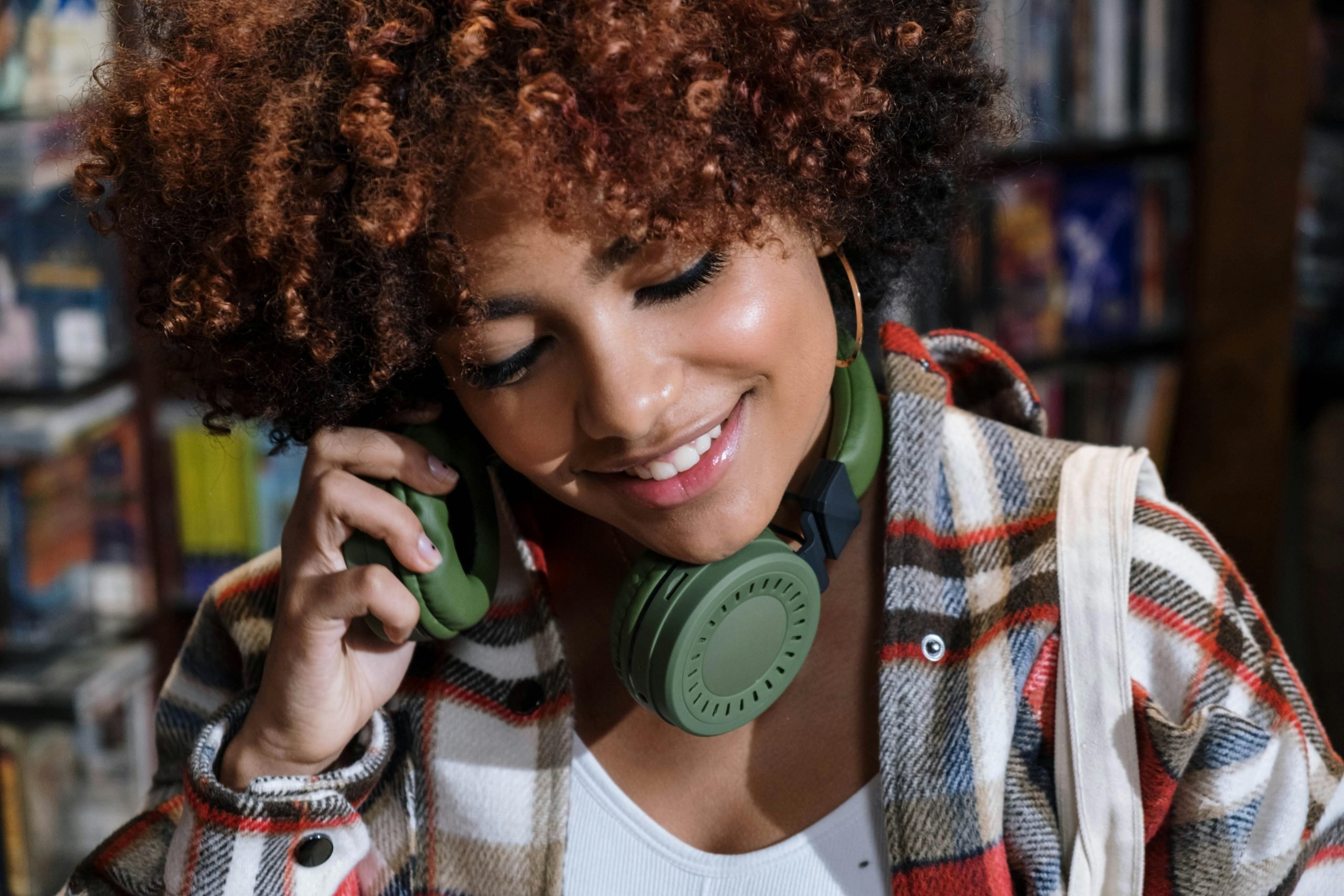
Noise-canceling headphones have become essential for many urban introverts. After extensive testing of noise-canceling headphones, I can confirm that quality varies enormously between models. Look for headphones with strong active noise cancellation for low-frequency sounds like traffic rumble, comfortable enough for extended wear, and ideally with a transparency mode that lets you hear important sounds when needed.
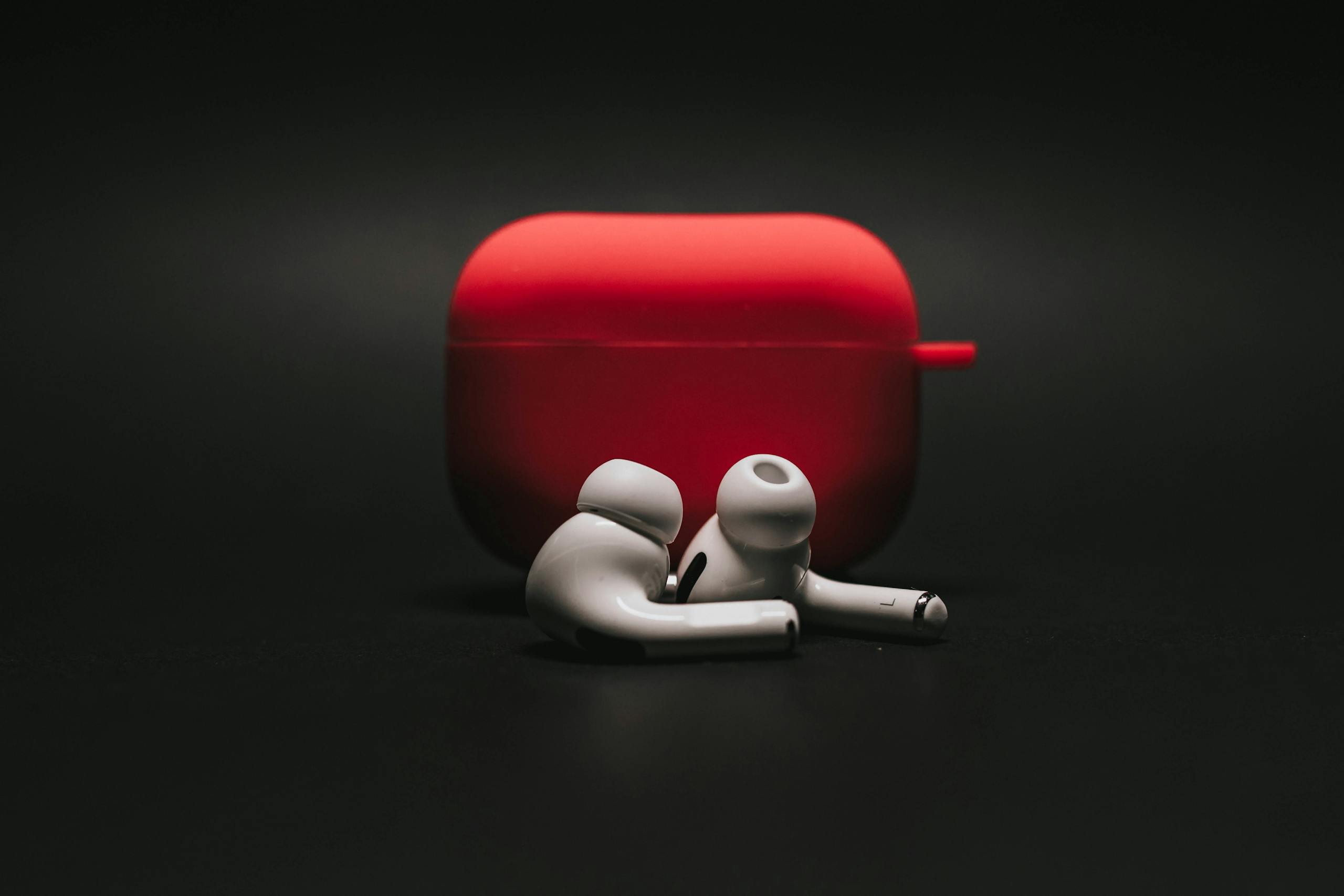
For sleep specifically, consider dedicated sleep headphones or earbuds designed for overnight use. Standard noise-canceling headphones often feel uncomfortable when lying down. Sleep-specific options provide noise masking without the pressure points.
Air purifiers with quiet operation serve dual purposes. Beyond improving air quality, many produce gentle ambient sound that masks minor noises. Choose models specifically rated for low-decibel operation. The irony of adding a noise source to combat noise disappears when you experience how consistent, controllable sound differs from unpredictable environmental noise.
Managing Sensory Sensitivity Beyond Sound
Noise sensitivity rarely exists in isolation. As Psychology Today notes, highly sensitive introverts often need to minimize multiple types of sensory stimuli. Your apartment environment should address the full spectrum of sensory input.
For more on this topic, see news-cycle-burnout-for-sensitive-introverts.
For more on this topic, see giving-constructive-feedback-to-sensitive-colleagues-a-thoughtful-guide-for-introverts.
Lighting plays a significant role in overall sensory load. Harsh overhead lighting increases nervous system activation. Soft, layered lighting with dimmer controls allows you to adjust based on your current state. Warm-toned bulbs create a more calming atmosphere than cool white options.
Visual clutter contributes to sensory overwhelm even when you are not consciously aware of it. Minimizing visual chaos through organization and thoughtful storage creates mental breathing room. This does not mean stark minimalism unless that appeals to you. It means intentional choices about what occupies your visual field.
Understanding HSP sensory overwhelm and environmental solutions helped me recognize patterns I had missed for years. My noise sensitivity worsened during periods of stress, inadequate sleep, or visual overstimulation. Addressing these interconnected factors made my noise management strategies more effective.

Navigating Neighbor Relationships
Addressing noise at its source often proves more effective than trying to block it. This means developing strategies for communicating with neighbors about noise concerns.
Approach these conversations with genuine curiosity rather than accusation. Many people simply do not realize how sound travels in apartment buildings. A friendly introduction that establishes rapport before addressing concerns tends to yield better results than a complaint that arrives as a first interaction.
Dr. Elaine Aron, pioneering researcher on high sensitivity, suggests that getting to know the sources of your noise can actually reduce its impact. When you understand that the footsteps above belong to a friendly person rather than an abstract annoyance, your nervous system may respond differently. This does not eliminate the noise, but it can reduce the threat response it triggers.
Document persistent noise issues factually. Include dates, times, duration, and type of noise. This documentation helps if you need to involve building management and demonstrates that you have approached the situation reasonably. Most buildings have quiet hours and noise policies that management can enforce when violations are documented.
Sometimes neighbors cannot or will not change their behavior. In these cases, acceptance combined with your soundproofing strategies may be the most effective approach. I have found that fighting against unchangeable circumstances drains more energy than adapting around them.
The Mental Game of Urban Noise
Physical soundproofing addresses only part of the challenge. Your psychological relationship with noise matters equally.
Noise sensitivity often includes a component of anticipatory anxiety. You start listening for the sounds you dread, which means you notice them more quickly and react more strongly. Breaking this cycle requires consciously redirecting attention and developing a different relationship with unavoidable sounds.
According to the Cleveland Clinic, sound sensitivity conditions can be managed through adaptation techniques and environmental modifications. Exposure therapy, where you gradually increase tolerance to trigger sounds in controlled conditions, may help some people. Others find that mindfulness practices help them acknowledge sounds without the emotional reaction that amplifies their impact.
I practiced observing my reactions to noise rather than immediately trying to stop them. When the garbage truck rumbled past, I noticed my shoulders tensing, my jaw clenching, my thoughts spiraling toward frustration. Simply observing this pattern began to create space between the sound and my reaction. The noise did not change, but my suffering around it diminished.
Reframing helps as well. Rather than thinking about urban sounds as violations of your peace, you might view them as signs of a vibrant community going about its life. This cognitive shift does not work for everyone, and it does not need to become your primary strategy. But having multiple approaches available gives you options depending on your state and circumstances.
Establishing Recovery Routines
Even with excellent soundproofing and healthy mental strategies, urban living as a noise-sensitive introvert requires intentional recovery practices.
Build silence into your daily schedule. If your apartment never achieves true quiet, use noise-canceling headphones without any audio playing. These moments of relative silence allow your nervous system to reset. Even 15 minutes of genuine quiet can make a meaningful difference in your capacity to handle subsequent noise exposure.
Prioritize sleep aggressively. Poor sleep amplifies noise sensitivity and reduces your capacity to cope with sensory input. Protect your sleep environment, maintain consistent sleep schedules, and treat sleep disruption as a priority problem rather than an inconvenience.
Seek out genuinely quiet spaces regularly. Libraries, parks during off-peak hours, nature preserves, and certain museums offer acoustic relief from urban density. Schedule these visits as essential maintenance rather than optional luxuries. Your nervous system needs these breaks from constant auditory processing.
Monitor your overall stress levels. Noise sensitivity intensifies during periods of high stress, inadequate rest, or emotional difficulty. When you notice increased reactivity to sounds, treat it as information about your overall state rather than evidence that your environment has become objectively worse.
When Moving Becomes the Answer
Sometimes the most effective noise management strategy is finding a different apartment. This does not represent failure. It represents acknowledging that some environments simply do not support your wellbeing regardless of the modifications you make.
Consider moving if noise disrupts your sleep more nights than not despite your best efforts. Consider moving if the stress of noise management consumes mental energy you need for work, relationships, or personal goals. Consider moving if your physical or mental health shows signs of decline that correlate with your living situation.
Apply everything you learned from your current apartment to your next search. You now know what questions to ask, what to listen for during viewings, and what modifications make the biggest difference. Each experience teaches you more about your specific sensitivities and what your ideal environment includes.
Urban living offers genuine benefits that may outweigh noise challenges for many introverts. Access to cultural resources, career opportunities, walkability, and diverse communities can enhance quality of life in ways that compensate for acoustic compromises. The goal is not perfect silence but rather an environment that supports rather than undermines your capacity to thrive.
Building Your Urban Sanctuary
Creating a peaceful apartment in a noisy city is not a one-time project. It is an ongoing practice of observation, adjustment, and self-compassion.
Start by identifying your most disruptive noise sources and addressing those first. Add modifications incrementally, evaluating what works before adding more. Balance physical soundproofing with mental strategies. Build recovery practices into your routine. And remember that your noise sensitivity reflects how your brain processes information, not a character flaw requiring correction.
I still hear the city outside my windows. The sirens still wail, the traffic still rumbles, and neighbors still make noise. But within my apartment, I have created genuine quiet zones where I can think, work, and rest without constant auditory intrusion. The process took time and experimentation, but the result is a home that actually feels like home.
You deserve that same sense of sanctuary. The strategies in this guide provide a starting point, but your specific solutions will emerge from understanding your particular sensitivities, constraints, and priorities. Trust your experience. Your nervous system knows what it needs, even when the world around you seems deaf to those needs.
Frequently Asked Questions
What is the best floor level for noise-sensitive apartment dwellers?
Top floor apartments typically offer the best noise protection by eliminating overhead footsteps, the most commonly reported source of neighbor noise. However, top floors may have mechanical equipment nearby and can be warmer in summer. Middle floors balance exposure from above and below, while ground floors face street-level noise but avoid stairs. Visit potential apartments at different times to assess actual noise levels at each floor height.
How much do soundproof window inserts cost and are they worth it?
Soundproof window inserts typically cost between 200 and 500 dollars per window depending on size and manufacturer. For noise-sensitive introverts in apartments with significant exterior noise, they often provide the best return on investment of any soundproofing modification. Unlike replacing windows, inserts require no permanent changes and can move with you to your next apartment, making them particularly valuable for renters.
Can white noise machines damage hearing or increase noise sensitivity?
White noise machines at appropriate volumes do not damage hearing. Most experts recommend keeping white noise below 50 decibels for sleep use. Some concerns exist about infant exposure to continuous white noise, but for adults, these devices are generally considered safe. They do not increase noise sensitivity and may actually help by providing consistent background sound that reduces the startle response to sudden noises.
How do I talk to my landlord about soundproofing modifications?
Frame soundproofing modifications as property improvements that increase the unit’s value and appeal to future tenants. Present specific, reversible solutions like acoustic panels or window inserts rather than requesting structural changes. Document noise issues factually if they violate lease quiet enjoyment clauses. Offer to split costs for modifications that benefit the property. Many landlords prove more accommodating when approached with specific, professional solutions rather than general complaints.
Is noise sensitivity related to introversion or are they separate traits?
Noise sensitivity and introversion are related but distinct traits. Research suggests that approximately 70 percent of highly sensitive people are introverts, but not all introverts are noise-sensitive, and some extroverts experience significant noise sensitivity. Both traits involve how the nervous system processes stimulation, which may explain their overlap. Understanding your specific sensitivities helps you develop targeted strategies rather than assuming all introverts need the same noise management approaches.
Explore more home environment resources in our complete Introvert Home Environment Hub.
About the Author
Keith Lacy is an introvert who has learned to embrace his true self later in life. With a background in marketing and a successful career in media and advertising, Keith has worked with some of the world’s biggest brands. As a senior leader in the industry, he has built a wealth of knowledge in marketing strategy. Now, he is on a mission to educate both introverts and extroverts about the power of introversion and how understanding this personality trait can unlock new levels of productivity, self-awareness, and success.