An urban decay introvert is someone who finds unexpected solace, creative energy, and personal meaning in the quieter, forgotten corners of city life. Rather than retreating from urban environments entirely, this personality type gravitates toward the raw, unhurried spaces that most city dwellers rush past, abandoned lots, empty side streets at odd hours, weathered architecture, and the strange stillness that exists between moments of urban chaos.
Cities are not inherently hostile to introverts. They can actually offer something that suburbs and small towns sometimes cannot: anonymity, depth, and the kind of layered complexity that a reflective mind genuinely craves. What matters is knowing where to look and how to move through them on your own terms.

My own relationship with cities has been complicated. I spent most of my advertising career working in them, pitching in high-rises, managing teams across open-plan offices, and running from one client meeting to the next. On paper, I was thriving. Internally, I was constantly calculating how much longer I had to be “on” before I could disappear somewhere quiet. That tension shaped how I eventually came to understand what it means to be an introvert living inside an urban environment, not just surviving it, but actually finding something real there.
If you’re exploring what introvert life actually looks like across different environments and circumstances, our General Introvert Life hub covers the full spectrum, from social dynamics and energy management to finding your footing in a world that wasn’t designed with your wiring in mind.
What Does It Mean to Be an Urban Decay Introvert?
The phrase “urban decay” typically carries negative connotations. Crumbling infrastructure, economic decline, neglected neighborhoods. But for a certain kind of introvert, those same spaces carry a completely different charge. There’s something about the absence of polish, the lack of performance, the honesty of a space that has stopped trying to impress anyone, that resonates deeply with people who are themselves exhausted by constant social performance.
What drains your social battery?
Not all social exhaustion is the same. Our free quiz identifies your specific drain pattern and gives you personalised recharging strategies.
Find Your Drain PatternUnder 2 minutes · 8 questions · Free
A 2020 study published in PubMed Central examined how environmental stimulation affects cognitive restoration, finding that lower-stimulation environments support attention recovery more effectively than high-stimulation ones. That’s the science behind what many urban introverts already know intuitively: the quiet, overlooked parts of a city aren’t just tolerable. They’re genuinely restorative.
Being an urban decay introvert isn’t about romanticizing poverty or pretending blight is beautiful. It’s about recognizing that the city has layers, and that the layer most people ignore is often the one where a reflective person can finally breathe. The rooftop nobody visits. The park that’s slightly too far from the subway. The coffee shop in the neighborhood that hasn’t been discovered yet. These aren’t consolation prizes. They’re the actual prize.
There’s also a creative dimension to this. Many introverts who are drawn to urban decay environments are processing what they see and feel at a depth that others simply don’t engage with. A crumbling wall isn’t just a crumbling wall. It’s a record of time, of decisions made and unmade, of a place that held meaning for someone once. That kind of layered reading of the environment is exactly how introverted minds tend to work.
Why Do Cities Feel So Draining, and Yet So Compelling?
One of the persistent myths about introverts is that they simply dislike people or prefer isolation. That’s not what’s actually happening. What introverts experience is a different relationship with stimulation. Social interaction and high-sensory environments consume energy rather than generate it. Cities, by design, are maximum stimulation environments. Noise, movement, unpredictability, density. All of it lands differently on an introverted nervous system.
That said, cities also offer something that genuinely appeals to introverted psychology: the ability to be surrounded by life without being required to participate in it. You can sit in a busy café and feel the hum of human activity without anyone expecting you to perform. You can walk through a crowded neighborhood and observe everything without being observed. That paradox, immersion without obligation, is part of what makes urban life workable for introverts who understand how to use it.
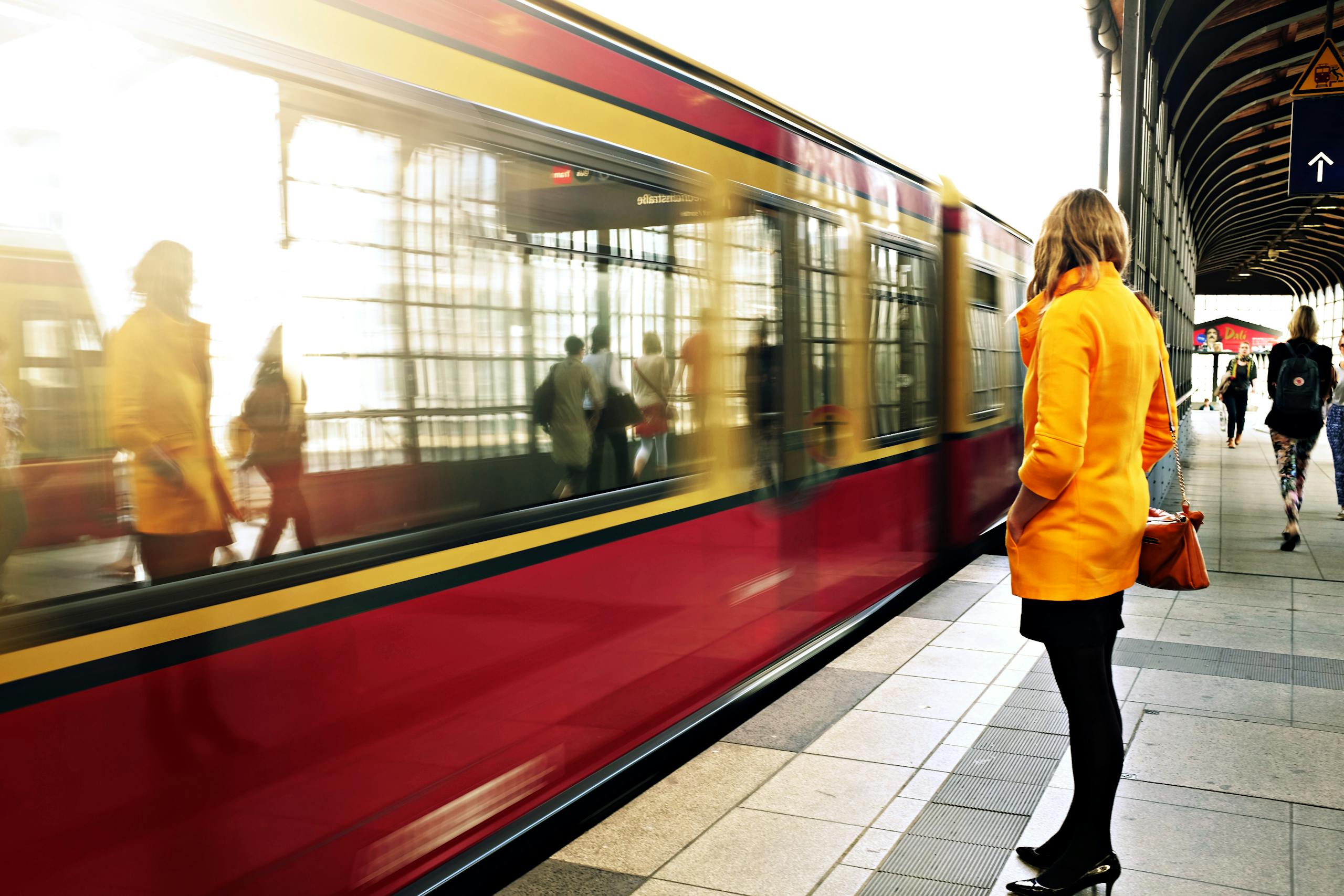
I remember a specific afternoon during a particularly brutal agency pitch season. We were working on a major retail account, and the office had that electric, slightly frantic energy that comes before a big presentation. I stepped out for what I told everyone was a “thinking walk,” which was true, but what I didn’t say was that I was also just trying to stop my brain from overheating. I ended up in a part of the city I’d never really explored, a few blocks of older industrial buildings that hadn’t been converted yet. No coffee shops. No foot traffic. Just old brick and afternoon light. I stood there for maybe twenty minutes and came back to the office with the actual concept that won us the account. The city gave me that. Not the busy part. The forgotten part.
Part of what makes this experience so common among introverts is the way we process information. It’s worth addressing the idea that introverts are somehow broken or antisocial for needing this kind of withdrawal. A piece I find myself returning to regularly is this article on introversion myths and common misconceptions, because so much of what holds introverts back in urban environments comes from internalized beliefs about what they “should” be able to handle.
How Does Overstimulation Actually Affect Introverts in Cities?
Overstimulation isn’t just about noise. It’s about the cumulative cognitive and emotional load of processing a high-density environment over time. Cities demand constant micro-decisions, constant alertness, constant social calibration. Every crowded sidewalk, every packed subway car, every open-plan office floor is asking something of your nervous system, even when nothing explicitly social is happening.
Research published in PubMed Central on arousal and personality suggests that introverts operate at a higher baseline level of cortical arousal, meaning external stimulation pushes them toward overload more quickly than it does extroverts. That’s not a weakness. It’s simply a different calibration point. But it does explain why an introvert can feel completely depleted by a day that an extroverted colleague found energizing.
What I’ve noticed in myself is that overstimulation doesn’t always announce itself loudly. It creeps in. A slight irritability. A growing difficulty concentrating. A feeling that everything is slightly too bright or too loud or too much. By the time I recognized those signals clearly, I’d already spent years in advertising misattributing them to stress, to workload, to personality flaws. It wasn’t until I started understanding my introversion properly that I realized those signals were information, not failure.
The urban decay spaces that introverts are drawn to function as a kind of pressure release valve. They lower the sensory demand. They remove the social performance requirement. They give the nervous system permission to drop back to a manageable level. That’s not escapism. That’s intelligent self-regulation.
For anyone working through what those coping strategies actually look like in practice, the article on how to live as an introvert in a loud, extroverted world goes into real depth on this. It’s one of the most practically useful pieces I’ve written on the subject.
What Makes Forgotten Urban Spaces So Psychologically Valuable?
There’s a concept in environmental psychology called “restorative environments,” spaces that allow the directed attention we use for tasks and social interaction to rest and recover. A 2024 study in Frontiers in Psychology examined how different spatial qualities affect mental restoration, finding that environments with lower social density and higher perceived “escape” quality consistently supported better psychological recovery. Urban decay spaces often tick both boxes naturally.
What makes these spaces particularly valuable for introverts isn’t just the quiet. It’s the absence of social expectation. In a polished, curated urban environment, there’s always a subtle pressure to perform. To look like you belong, to signal your status, to participate in the social theater of being seen in the right place. Forgotten spaces don’t ask any of that. They’re indifferent in the best possible way.
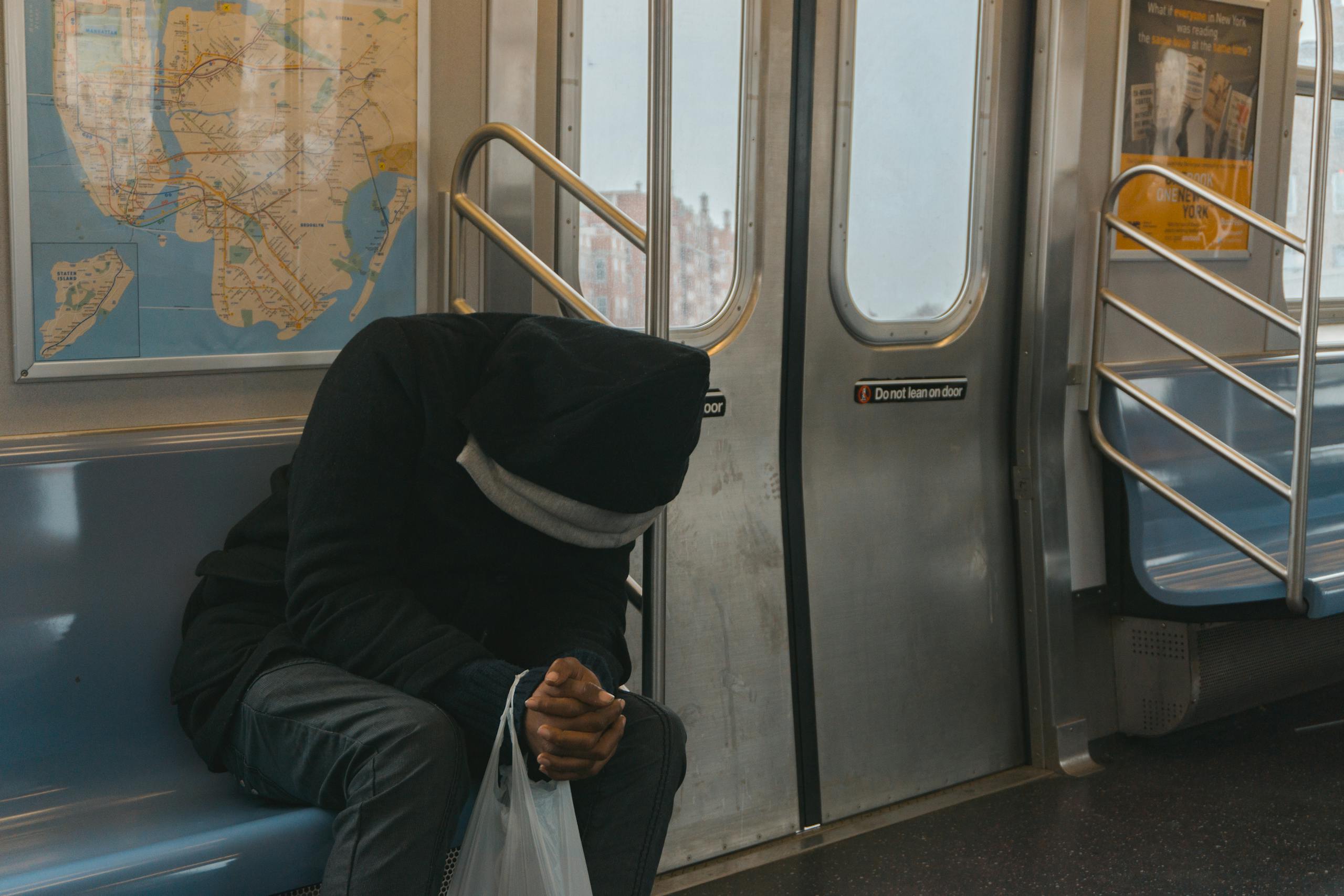
There’s also something about the aesthetic of decay itself that introverts often connect with on a deeper level. Peeling paint, overgrown lots, buildings that show their age without apology. These environments communicate something honest about time and impermanence that highly curated spaces deliberately conceal. For someone who is wired to look beneath surfaces, to notice what others overlook, and to find meaning in the layers of things, that honesty is genuinely moving.
I once worked with a creative director at my agency who was one of the most introverted people I’ve ever known. She did her best thinking on long walks through the older parts of the city, the neighborhoods that hadn’t been renovated yet, the blocks with hardware stores and laundromats instead of juice bars and co-working spaces. She told me once that those walks were where she “heard herself think.” I understood exactly what she meant, even if I couldn’t have articulated it as clearly then as I can now.
Is the Urban Decay Aesthetic Specifically an Introvert Thing?
Not exclusively. Plenty of extroverts are drawn to gritty urban aesthetics for their own reasons, artistic, nostalgic, countercultural. But the specific psychological relationship that introverts tend to have with these spaces, the way they function as genuine restoration rather than just visual interest, does seem to be more pronounced in people with introverted wiring.
Part of what distinguishes the introvert experience is the depth of engagement. Extroverts might enjoy the visual interest of an abandoned building and move on. An introvert is more likely to sit with it, to wonder about its history, to feel something specific and layered in response to it. That’s not a value judgment. It’s just a description of how different cognitive styles engage with the same environment.
The connection between introversion and depth-seeking is something I’ve written about extensively. The piece on the quiet power of introversion gets at why this capacity for deep engagement is genuinely valuable, not just personally but professionally and socially as well. The depth that makes a city’s forgotten corners feel meaningful is the same depth that makes introverts exceptional at certain kinds of work and connection.
There’s also a social dimension worth acknowledging. Urban decay environments are often places where the usual social hierarchies are less enforced. The trendy neighborhood has an implicit social code. The forgotten one doesn’t. For introverts who find those codes exhausting to decode and perform, that absence is a genuine relief.
How Can Urban Introverts Build a Sustainable Relationship With City Life?
success doesn’t mean find ways to endure the city. It’s to find ways to actually live in it on terms that work for your personality. That requires some intentional mapping of your environment, both physically and psychologically.
Physically, it means identifying your restorative spaces. Not just your apartment, though that matters enormously. The secondary spaces. The park that’s slightly inconvenient. The library branch nobody uses. The neighborhood that’s one bus stop too far for most people. These become the infrastructure of a sustainable urban life for an introvert. They’re not escapes from the city. They’re the city, just the part of it that fits your wiring.
Psychologically, it means reframing what you’re doing when you seek these spaces. There’s a persistent cultural narrative that frames introvert withdrawal as antisocial, as something to be managed or overcome. That narrative does real damage. Seeking quiet, low-stimulation environments isn’t a character flaw. It’s a legitimate and well-supported psychological need. A thoughtful piece on finding introvert peace in a noisy world addresses exactly this reframing, and it’s worth spending time with if that internal narrative is something you’re still working through.
There’s also the question of how you structure your time in the city. I learned this the hard way across twenty years of agency life. The days when I had back-to-back client meetings, team check-ins, and working lunches were the days when I came home with nothing left. The days when I built in even thirty minutes of unstructured solitary time, a walk, a quiet lunch alone, a few minutes in a stairwell with the door closed, were the days when I actually functioned like a capable adult. The city doesn’t have to be all or nothing. It can be calibrated.

What About the Social Costs of Introvert Urban Life?
Cities are social environments. That’s part of their design and their appeal. And for introverts who gravitate toward the quieter, less social corners of urban life, there can be real costs: professional visibility, social connection, the kind of networking that happens in loud bars and crowded events.
There’s a documented professional dimension to this. A piece from Harvard’s Program on Negotiation explores whether introverts face disadvantages in high-stakes social contexts like negotiation. The answer is nuanced: introverts can be highly effective in these settings, but they often need to approach them differently, with more preparation, more deliberate energy management, and a clearer sense of their own communication strengths.
The social cost question also connects to something I’ve seen play out in professional settings more than once. Introverts who opt out of high-visibility social environments, the after-work drinks, the networking events, the spontaneous team lunches, often find themselves quietly penalized for it. Not overtly, but in the subtle ways that social capital gets distributed. That’s a real form of bias, and it’s worth naming directly. The article on introvert discrimination as the last acceptable bias takes this on directly, and it’s one of the most important pieces I’ve written for anyone handling professional urban life as an introvert.
The solution isn’t to force yourself into social environments that deplete you. It’s to find the social formats that actually work for your wiring and invest in those deliberately. Depth over breadth. Meaningful one-on-one conversations over crowded events. The kind of connection that Psychology Today has identified as particularly important for introverted wellbeing, conversations with real substance rather than surface-level social performance.
Can Urban Environments Actually Support Introvert Strengths?
Yes, genuinely. Cities concentrate the kinds of resources that introverted minds tend to value most: libraries, museums, independent bookshops, art spaces, specialized communities organized around deep interests rather than casual socializing. The city that feels overwhelming in its social density can also be the city that has the niche film archive, the philosophy reading group, the architectural walking tour that nobody else on your street knows about.
There’s also the professional dimension. Urban environments tend to offer more specialized career paths, more opportunities to build expertise in a specific domain, more access to the kind of deep, substantive work that introverts typically excel at. A piece from Rasmussen University on marketing for introverts makes the point well: introverts often bring analytical depth, careful observation, and genuine empathy to professional work in ways that are particularly valuable in complex urban professional environments.
What cities require from introverts is intentionality. You can’t just show up and hope the city will accommodate your wiring. You have to actively build the version of urban life that works for you, which means identifying your restorative spaces, protecting your solitary time, choosing your social investments carefully, and being honest with yourself about what you actually need versus what you’ve been told you should want.
Running an agency in a major city taught me that the most effective version of myself wasn’t the version that tried to match the extroverted energy of the environment. It was the version that understood its own rhythms and built systems around them. The version that scheduled thinking time like it was a client meeting. That found the quiet corners and used them deliberately. That stopped apologizing for needing what it needed.
What Does Urban Life Look Like for Introvert Students Specifically?
University campuses in cities present a particular challenge. They combine the social density of urban life with the additional pressure of academic performance, peer comparison, and the expectation that these are supposed to be the most socially expansive years of your life. For introverted students, that combination can be genuinely overwhelming.
The urban decay introvert dynamic shows up clearly in student life. The introverted student who finds a quiet reading room in an underused part of the library. Who discovers the campus garden that nobody visits between classes. Who builds a relationship with the city’s quieter neighborhoods rather than the ones closest to campus where the social performance pressure is highest.
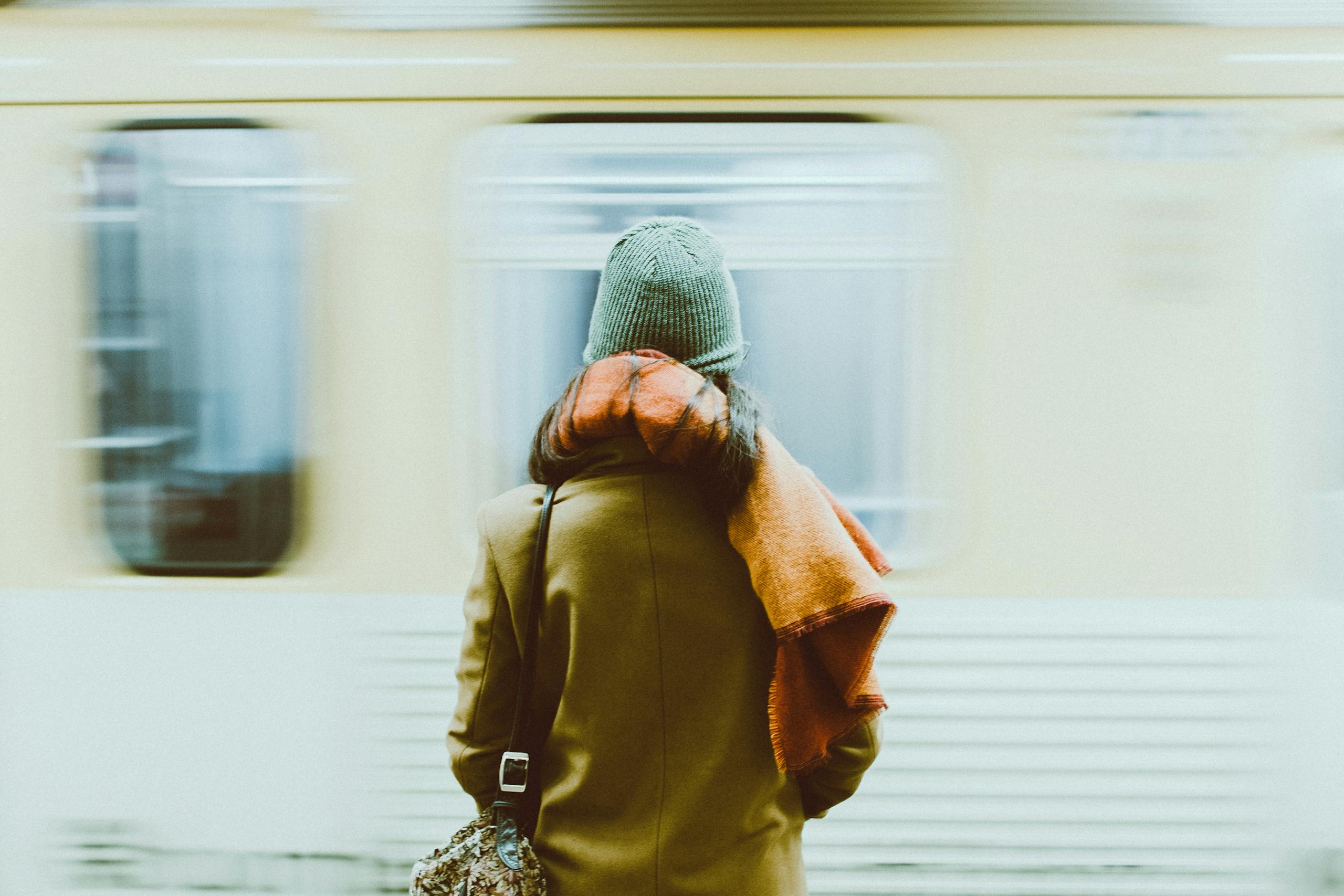
The back to school guide for introverts addresses many of the specific challenges that come with academic environments, and the urban dimension adds another layer to those challenges. Finding your restorative spaces, managing the social demands of dormitory or shared housing life, building a sustainable academic routine that accounts for your energy patterns rather than fighting them.
What I’d say to any introverted student handling urban academic life is this: the city has more to offer you than the version of it that’s being marketed to you. The loud, social, always-on version of urban student life is one option. The quieter, deeper, more deliberate version is equally valid and, for many introverts, significantly more sustainable and fulfilling.
There’s also something worth saying about the psychological support dimension. A piece from Point Loma Nazarene University on introverts in counseling and psychology makes an interesting point about how introverted students often develop strong capacities for empathy and observation that serve them well in helping professions. The same qualities that make urban life feel overwhelming can be genuine professional assets when understood and channeled correctly.
Cities don’t have to be conquered. They can be inhabited thoughtfully, on your own terms, in the spaces that actually fit who you are. That’s not a lesser version of urban life. In many ways, it’s a richer one.
There’s much more to explore across the full range of introvert experiences in everyday life. Our General Introvert Life hub is a good place to keep going if this piece has raised questions you want to dig into further.
Running on empty?
Five drain profiles, each with specific triggers, warning signs, and a recharging playbook.
Take the Free QuizUnder 2 minutes · 8 questions · Free
About the Author
Keith Lacy is an introvert who’s learned to embrace his true self later in life. After 20 years in advertising and marketing leadership, including running agencies and managing Fortune 500 accounts, Keith now channels his experience into helping fellow introverts understand their strengths and build fulfilling careers. As an INTJ, he brings analytical depth and authentic perspective to every article, drawing from both professional expertise and personal growth.
Frequently Asked Questions
What is an urban decay introvert?
An urban decay introvert is someone who finds psychological restoration and personal meaning in the quieter, less curated corners of city life. Rather than avoiding cities, this type of person gravitates toward forgotten or overlooked urban spaces, older neighborhoods, empty side streets, weathered architecture, because these environments offer lower stimulation, less social performance pressure, and a kind of honest complexity that resonates with introverted depth-seeking tendencies.
Why do introverts find cities so draining?
Cities are high-stimulation environments by design. Noise, density, constant movement, and unpredictable social demands all place ongoing cognitive and emotional load on the nervous system. Research suggests introverts operate at a higher baseline level of cortical arousal, meaning they reach sensory overload more quickly than extroverts. The cumulative effect of handling urban environments, even without explicit social interaction, can be genuinely depleting for introverted people.
Can introverts actually thrive in cities, or is urban life fundamentally mismatched with introversion?
Introverts can genuinely thrive in urban environments, but it requires intentionality. Cities offer real advantages for introverted people: anonymity, access to specialized communities and resources, the ability to be surrounded by life without being required to participate in it. The challenge is building a version of urban life that accounts for your energy patterns, which means identifying restorative spaces, protecting solitary time, and choosing social investments deliberately rather than defaulting to the loudest, most visible version of city life.
Are urban decay spaces actually restorative, or is that just a romanticized idea?
The restorative quality of lower-stimulation urban spaces has genuine psychological support behind it. Environmental psychology research on restorative environments consistently finds that spaces with lower social density and higher perceived escape quality support better attention recovery and psychological restoration. Urban decay spaces often meet those criteria naturally. They’re not inherently restorative because they look a certain way, but because they reduce sensory and social demands in ways that allow an overloaded nervous system to recover.
How can introverted students cope with the social intensity of urban academic life?
Urban academic environments combine city-level social density with the additional pressure of campus life, which can be particularly challenging for introverted students. Practical strategies include identifying low-traffic spaces on campus for study and recovery, building a daily routine that includes genuine solitary time, choosing social engagements based on depth rather than frequency, and reframing the need for quiet as a legitimate psychological requirement rather than a social failure. The quieter, more deliberate version of student life is equally valid and often more sustainable than the high-visibility social version.