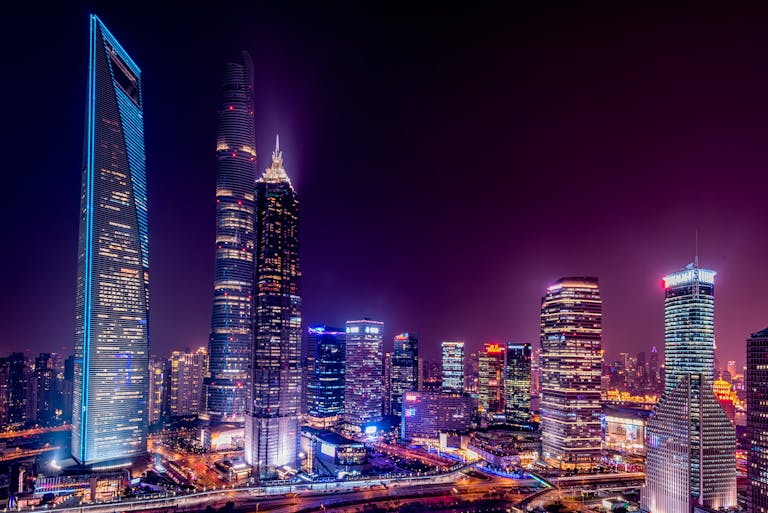

The decision between urban and rural living kept me awake more nights than I care to admit. After spending years in fast-paced city environments while leading advertising teams across major metropolitan markets, I eventually faced a question that many introverts wrestle with: Where can someone like me actually thrive?
This comparison goes deeper than simple cost calculations or commute times. For introverts, the choice between city buzz and country quiet touches something fundamental about how we process the world, recharge our energy, and build lives that feel sustainable rather than depleting.
I spent my career navigating crowded boardrooms, busy agency floors, and the constant sensory onslaught of major cities. That experience gave me unique insight into what urban environments demand from quiet personalities and what rural settings offer in return. Neither option is inherently better, but understanding the tradeoffs helps you make a decision that honors who you actually are.

The Science Behind Location and Personality
Before diving into practical considerations, understanding what research reveals about location and personality helps frame this decision. A landmark study published in the Journal of Personality analyzed data from over 27,000 Americans and found significant connections between where people live and their psychological profiles.
What’s your personality type?
Take our free 40-question assessment and get a detailed personality profile with dimension breakdowns, context analysis, and personalised insights.
Discover Your Type8-12 minutes · 40 questions · Free
The findings surprised many researchers. People living in rural areas showed higher levels of neuroticism, which correlates with increased anxiety and depression tendencies. They also scored lower on openness to experience and conscientiousness compared to their urban counterparts. However, these differences largely disappeared when researchers controlled for access to mental health services, educational opportunities, and socioeconomic resources.
This matters tremendously for introverts weighing their options. The research suggests that location itself may not determine wellbeing as much as access to support systems and resources. A rural area with strong community ties and adequate services might serve an introvert better than an overwhelming city, while a city with good public spaces and mental health access could outperform isolated rural living.
According to research from Washington University, approximately 85% of rural counties face mental health professional shortages. This creates real challenges for introverts who may need support but lack nearby options. Understanding these systemic differences helps you plan beyond just choosing a location.
Urban Living: What Cities Actually Demand
City life presents a particular challenge for introvert nervous systems. The Centre for Urban Design and Mental Health documents how urban environments affect people through two primary mechanisms: increased stimulation overload and erosion of protective factors that support mental health.
I experienced this firsthand during my agency years. Walking through downtown districts meant constant input: traffic noise, crowds, advertisements competing for attention, the emotional labor of navigating strangers. My brain processed all of it, even when I tried to tune things out. By evening, I often felt completely depleted, even on days when nothing particularly stressful happened. Learning to manage my energy effectively became essential to surviving those years.
The concept of urban overload, developed by social psychologist Stanley Milgram, explains why city dwellers often seem less helpful or friendly than small-town residents. When bombarded with constant stimuli, our brains adapt by blocking things out and setting priorities about what deserves attention. This protective mechanism can make urban introverts feel isolated even while surrounded by millions of people.
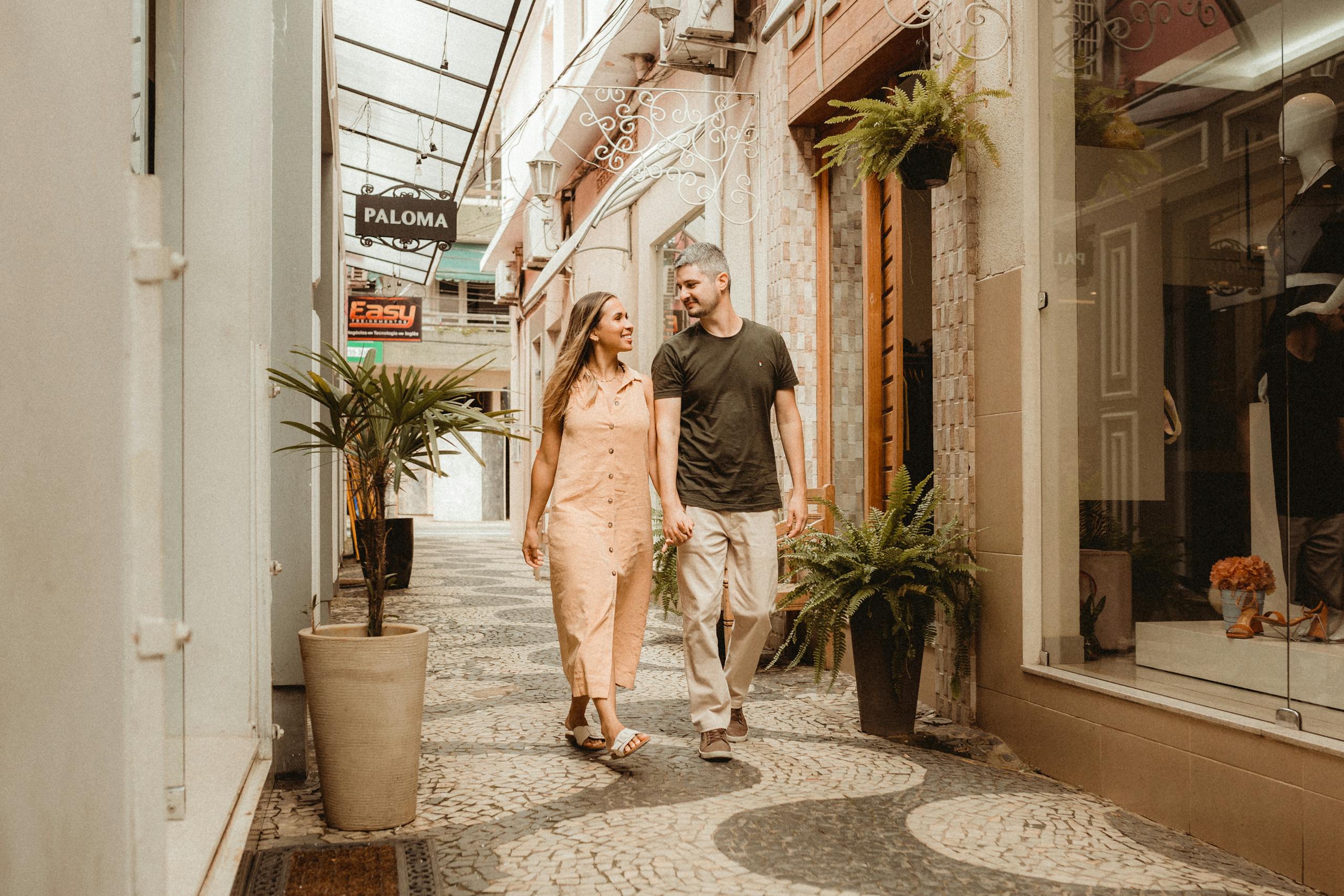
The Hidden Costs of City Convenience
Urban advantages come with significant tradeoffs that often go unacknowledged. Yes, cities offer better access to cultural events, diverse dining options, and specialized services. Public transportation can eliminate car ownership costs. Job markets typically provide more opportunities and higher salaries.
But housing costs tell a different story. According to Census Bureau data, urban residents pay significantly more for comparable living space. Many city apartments lack the private areas introverts need for genuine recharging. Thin walls mean hearing neighbors constantly. Shared spaces require constant negotiation of boundaries. Creating a true home sanctuary becomes both more expensive and more challenging in urban settings.
The commute factor also cuts both ways. While cities offer public transit, the experience of crowded trains and buses can be deeply draining for introverts. I found that an hour on packed subway cars left me more exhausted than twice that time driving alone through quieter suburbs. The convenience of not owning a car meant daily exposure to uncomfortable proximity with strangers.
Where Urban Living Genuinely Shines
Despite these challenges, cities offer real advantages that matter for introvert wellbeing. The anonymity of urban life can be liberating. Nobody expects you to know your neighbors. Social obligations remain optional rather than culturally enforced. You can find niche communities and specialized interests more easily than in smaller populations.
Access to mental health services, specialized healthcare, and educational opportunities typically surpasses rural availability. For introverts dealing with anxiety, depression, or simply wanting support in navigating their personality, having nearby professionals makes a significant difference.
Cultural activities also allow introverts to engage with the world on their own terms. Museums, libraries, bookstores, and quiet cafes provide spaces for solitary engagement with ideas and creativity. Many introverts find these environments deeply nourishing, even within bustling cities.
Rural Living: What the Country Actually Offers
Rural living holds obvious appeal for introverts seeking escape from sensory overload. More space, less noise, fewer demands for social interaction. The fantasy of peaceful country life draws many quiet personalities toward small towns and remote properties. But rural reality involves tradeoffs that deserve honest examination.
The biggest advantage, beyond reduced stimulation, is space itself. Rural properties typically offer more square footage for less money. Privacy becomes possible in ways urban environments cannot match. You can create distance between yourself and neighbors. Natural landscapes provide the kind of restorative environments that help introverts genuinely recharge.
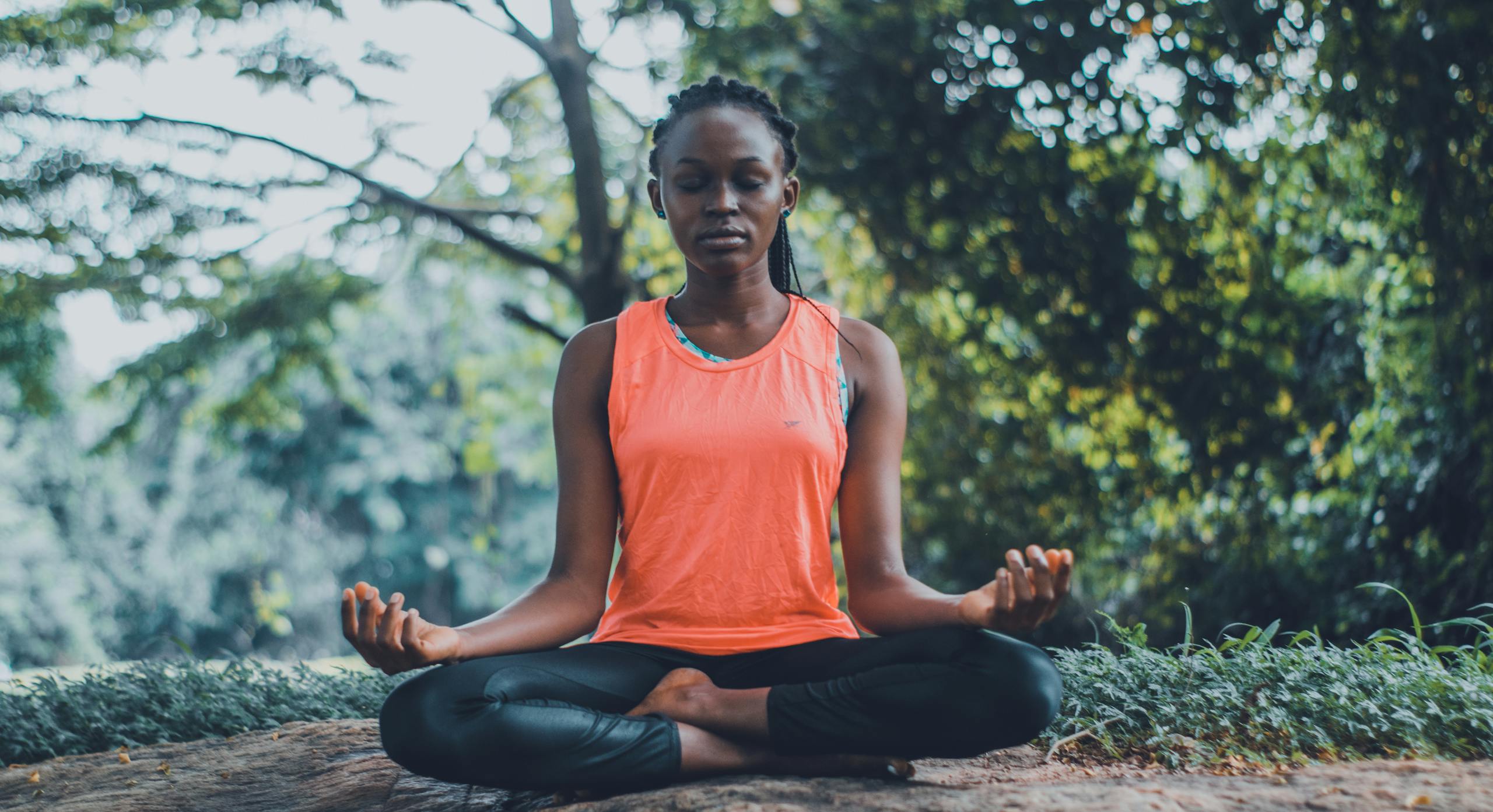
Research consistently shows that exposure to natural settings improves mental health outcomes. Stanford University studies found that 90-minute walks in natural environments reduced activity in brain regions associated with rumination and negative thinking. For introverts prone to overthinking, regular access to nature can provide meaningful relief that urban parks cannot fully replicate.
The Challenges Nobody Mentions
Rural living is not the automatic haven it appears to be. The social dynamics of small towns can actually be more demanding for introverts than urban anonymity. Everyone knows everyone. Expectations for community participation run high. Declining invitations or keeping to yourself may be viewed with suspicion rather than accepted as personal preference.
I learned this visiting rural communities during my career. In cities, my reserved nature went largely unnoticed. In small towns, people commented on it constantly. The visibility of being the quiet person in a tight-knit community can feel more exposing than the anonymity of crowded streets.
Healthcare access presents serious challenges. According to research on rural mental health disparities, geographic isolation combines with provider shortages to create significant barriers. Getting to appointments may require substantial travel. Specialized services often do not exist locally. This matters especially for introverts dealing with anxiety or depression who need consistent support.
The cost equation also proves more complex than simple housing comparisons suggest. Rural residents spend more on transportation because cars become essential. Higher energy costs affect older housing stock common in rural areas. Limited competition among service providers can mean higher prices for basics. The lower housing cost may not translate to lower overall expenses once you account for these factors.
The Remote Work Revolution Changes Everything
The rise of remote work has fundamentally altered this calculation for many introverts. According to Bureau of Labor Statistics analysis, the shift to work-from-home arrangements during recent years drove significant housing market changes as workers sought cheaper, more spacious locations without sacrificing employment.
For introverts, remote work represents more than geographic freedom. It eliminates the most draining aspects of traditional employment: open office environments, constant interruptions, mandatory social interactions, and exhausting commutes. Working from home in a rural setting can combine the best of both worlds: urban salary levels with rural cost structures and stimulation levels.
However, remote work feasibility varies significantly. Rural internet infrastructure often lags behind urban connectivity. Many jobs still require some in-person presence. Building a career remotely demands strong self-advocacy and communication skills that do not come naturally to all introverts. The option exists but requires realistic assessment of whether it fits your specific situation.

Making the Comparison Personal
Generic advice about urban versus rural living fails because it ignores individual variation. What matters is matching your specific needs with what each environment actually provides. Start by honestly assessing your non-negotiables.
How much do you depend on professional mental health support? If therapy or psychiatric care forms part of your routine, access matters more than scenery. What social structures do you genuinely need? Some introverts thrive with minimal human contact while others need a small but reliable community. Neither preference is wrong, but they suggest different locations.
Consider your career trajectory honestly. Early career introverts may benefit from urban job markets and networking opportunities despite the energy costs. Established professionals with remote options face different calculations. Retirement planning involves yet another set of factors as health needs typically increase with age.
Your relationship with stimulation also matters more than simple introvert and extrovert labels suggest. Some introverts actually find quiet too quiet. The absence of ambient activity can feel isolating rather than peaceful. Others need near-complete silence to function well. Understanding where you fall on this spectrum helps predict which environment will serve you better. Finding true peace requires knowing what peace actually means for you.
The Third Option: Suburban and Small City Living
Many introverts find that neither extreme fully meets their needs. Suburban areas and small cities can offer compromise positions worth considering. These locations typically provide more space and less stimulation than major metros while maintaining better access to services than truly rural areas.
Small cities with populations between 50,000 and 200,000 often hit a sweet spot. They support healthcare infrastructure, cultural amenities, and diverse employment without the overwhelming sensory demands of major metros. Housing costs typically run below big city rates while staying above rural averages. Social expectations fall somewhere between urban anonymity and small-town scrutiny.
Suburban living near major cities can provide access to urban resources without daily immersion in urban chaos. You might commute to the city occasionally for specialized needs while spending most time in quieter surroundings. This hybrid approach works especially well for introverts whose work allows flexibility about when and how often they go into central offices.
Practical Steps for Your Decision
Rather than choosing based on abstract preferences, test your assumptions with direct experience. Spend extended time in your potential destinations before committing. A vacation visit reveals little compared to a month-long stay that includes working, shopping, and navigating daily life.
Research specific locations rather than general categories. Not all cities feel equally overwhelming. Not all rural areas lack services. Some small towns have surprisingly vibrant communities while others feel stagnant. The details matter more than the broad urban versus rural framing.
Talk to introverts who have made similar moves. Their lived experiences provide insights that statistics cannot capture. Ask specifically about challenges they did not anticipate and what they would do differently knowing what they know now.
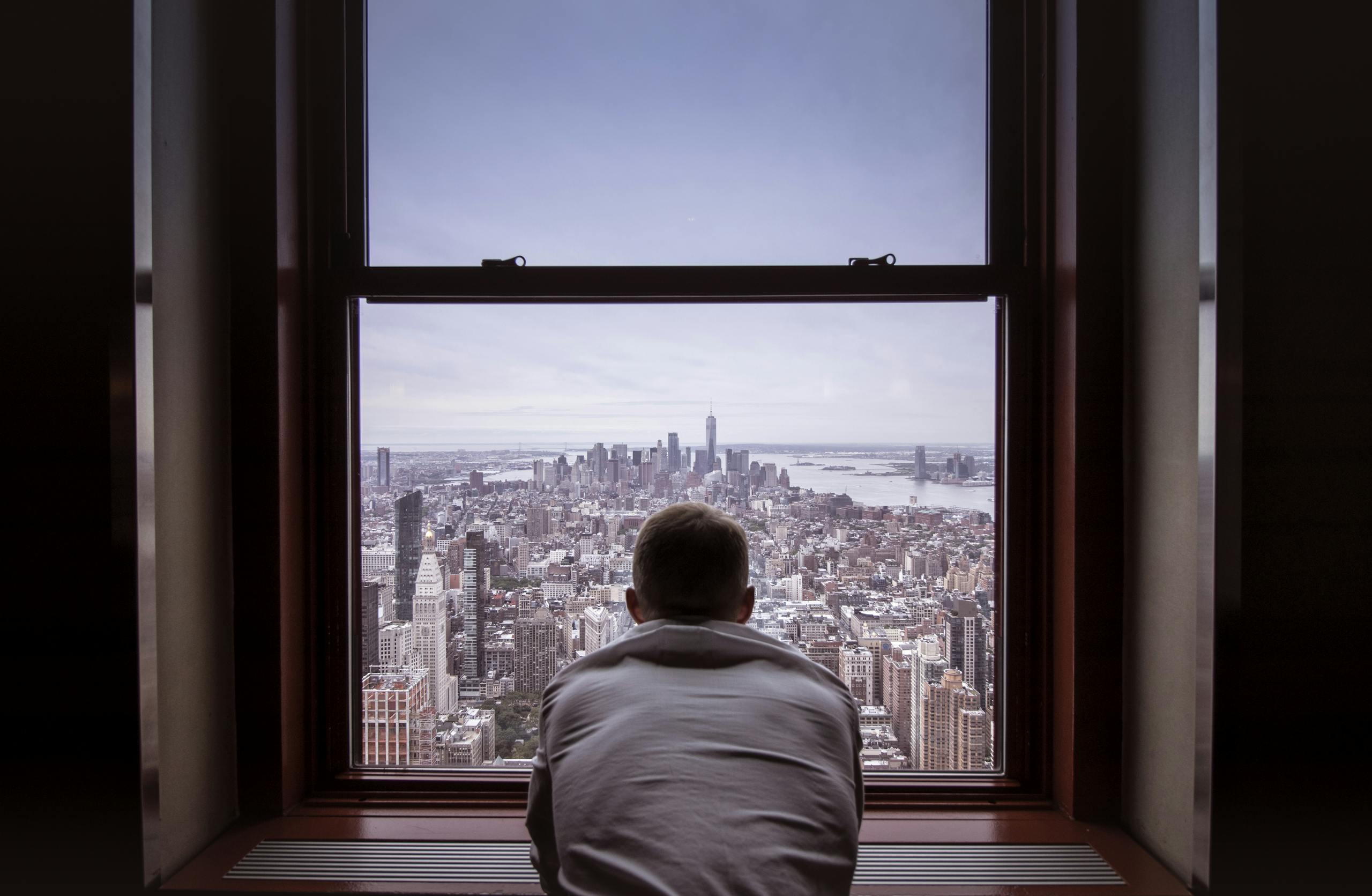
Consider a trial period before permanent relocation. Remote work makes this increasingly feasible. Renting in a potential new location for six months or a year lets you experience seasonal variations, build local knowledge, and assess fit without the commitment of purchasing property.
Build your support infrastructure proactively. If moving to a rural area, identify mental health resources and create plans for accessing them. If staying urban, design your living space and routines to maximize recovery opportunities. Do not assume the environment will automatically meet your needs; plan how you will thrive despite external circumstances.
What I Learned from Both Worlds
My career forced me into urban environments that often felt hostile to my introvert nature. The constant stimulation, the social demands of leadership, the noise and crowds of major metros all took their toll. I used to fantasize about complete rural escape as the solution to everything.
What I eventually discovered was more nuanced. The environments were not the complete problem; my failure to design my life around my actual needs was. I could have made cities more manageable with better boundaries, more intentional recharging, and less forcing myself into extrovert molds. Similarly, rural isolation would have created its own challenges without the community and professional connections that sustain me.
The location question matters, but it matters less than how you engage with whatever location you choose. Understanding what genuinely restores your energy, what professional and personal supports you need, and what level of stimulation helps rather than harms you matters more than city versus country in abstract terms.
Make the choice that fits your current life situation, knowing that needs change over time. The best location for your twenties may not serve your forties. Career-building stages have different requirements than established professional life or retirement. Give yourself permission to reassess as circumstances evolve rather than treating the decision as permanent.
Your introversion is not a problem that location solves. It is a personality trait that shapes how you interact with any environment. The question is not which location is better for introverts but which location is better for you, given your specific needs, resources, and aspirations. Answer that honestly, and the urban versus rural comparison becomes much clearer.
Frequently Asked Questions
Is rural living actually better for introvert mental health?
Research shows mixed results. While rural areas offer less sensory stimulation, they also have significantly reduced access to mental health services. Studies indicate that personality differences between urban and rural residents largely disappear when controlling for access to resources and support systems. The environment itself matters less than what services and community you can access within it.
How much can I realistically save by moving from a city to a rural area?
Housing costs typically drop 30% or more, but total savings depend on many factors. Rural residents spend more on transportation, often face higher utility costs due to older housing, and may pay premium prices for services due to limited competition. The net savings vary dramatically based on specific locations and lifestyle choices rather than following a predictable formula.
Can introverts actually thrive in major cities?
Many introverts do thrive in cities when they design their lives intentionally. Urban anonymity can be liberating, specialized communities exist for nearly any interest, and access to cultural resources supports solitary engagement with ideas. Success requires deliberate energy management, protected recovery time, and living spaces designed for genuine restoration.
What should introverts prioritize when choosing a location?
Start with non-negotiable support needs like healthcare access, then consider career requirements and social preferences. Test assumptions through extended visits rather than relying on expectations. The right location matches your specific situation rather than fitting generic introvert stereotypes about preferring quiet or avoiding people.
Is remote work making the urban versus rural decision less important?
Remote work expands options significantly but does not eliminate the decision’s importance. Location still affects access to healthcare, community, cost of living, and daily stimulation levels. Remote workers have more freedom to choose based on lifestyle preferences rather than job proximity, but the choice still matters for overall wellbeing and life satisfaction.
Explore more General Introvert Life resources in our complete hub.
About the Author
Keith Lacy is an introvert who’s learned to embrace his true self later in life. With a background in marketing and a successful career in media and advertising, Keith has worked with some of the world’s biggest brands. As a senior leader in the industry, he has built a wealth of knowledge in marketing strategy. Now, he’s on a mission to educate both introverts and extroverts about the power of introversion and how understanding this personality trait can unlock new levels of productivity, self-awareness, and success.