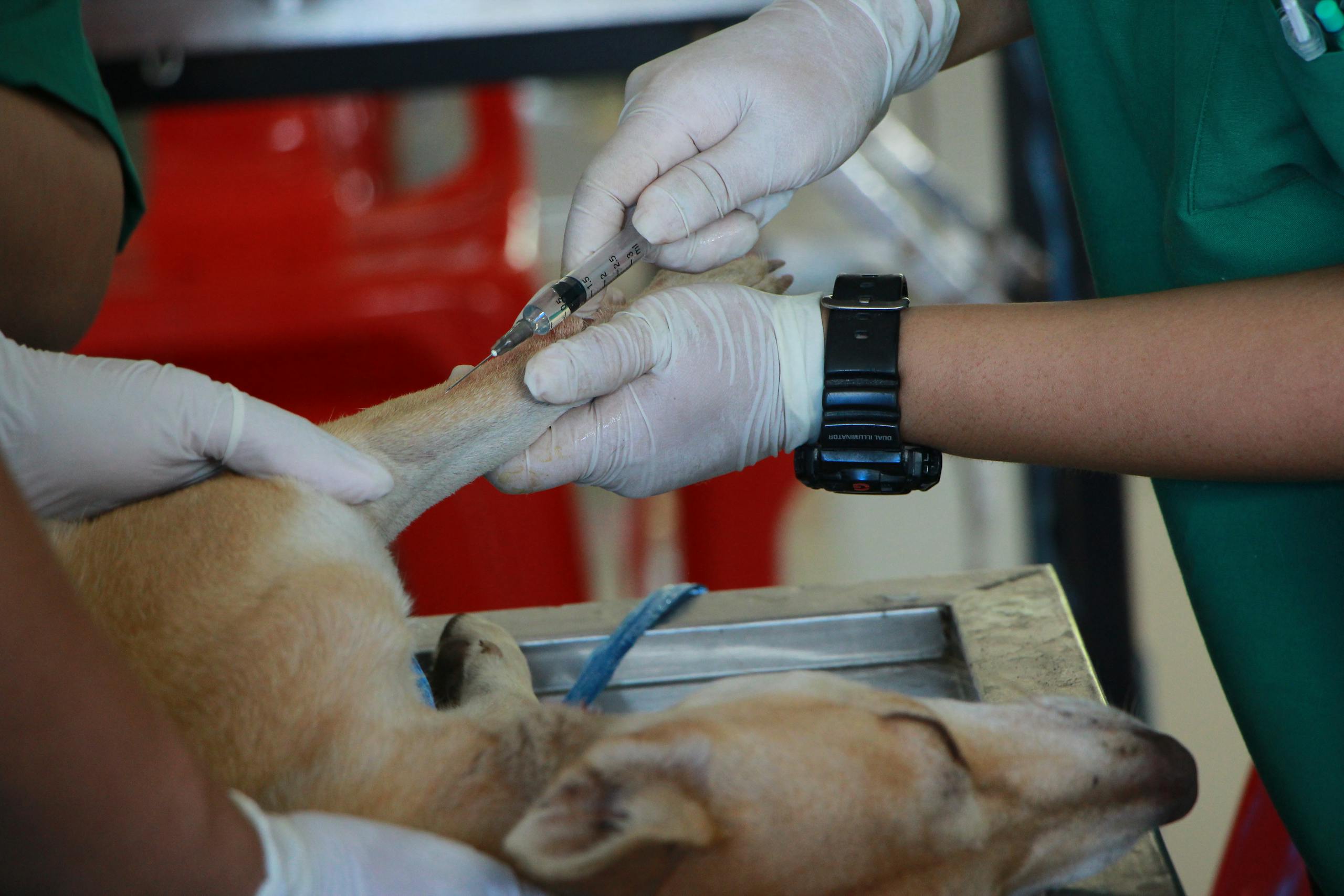

Growing up, I spent more time talking to neighborhood cats than to neighborhood kids. Animals just made sense to me in ways that small talk never could. When a client’s golden retriever locks eyes with you during an examination, there’s no pressure to fill awkward silences or perform social niceties. The connection is pure, unfiltered, and deeply satisfying for those of us who find human interaction exhausting.
If you’ve ever wondered whether your love for animals could translate into a career that actually fits your introverted nature, veterinary medicine deserves serious consideration. But let’s be honest about something from the start. This profession isn’t the quiet, animal-only sanctuary some of us imagine. There are clients to manage, staff to coordinate, and difficult conversations about euthanasia that will test your emotional reserves. The question isn’t whether veterinary medicine is perfect for introverts. The question is whether you can build a veterinary career that energizes rather than drains you.

The Introvert Advantage in Veterinary Practice
Something fascinating emerges when you look at personality research within veterinary medicine. Studies examining MBTI profiles of veterinary students found that ISTJ (Introversion, Sensing, Thinking, Judging) preferences predominate, followed by INFJ. This isn’t coincidental. The profession naturally attracts those of us who process information internally and prefer depth over breadth in our interactions.
What’s your personality type?
Take our free 40-question assessment and get a detailed personality profile with dimension breakdowns, context analysis, and personalised insights.
Discover Your Type8-12 minutes · 40 questions · Free
I remember my years leading teams in advertising agencies, watching extroverted colleagues thrive in brainstorming sessions while I did my best work alone, analyzing data and crafting strategy in silence. What I didn’t realize then was that certain professions actually reward this tendency toward careful observation and methodical analysis. Veterinary medicine is one of them.
Your capacity for concentrated focus becomes invaluable when you’re examining a patient who can’t verbally describe their symptoms. While extroverted practitioners might excel at immediate rapport with clients, introverts often notice subtle clinical signs that others miss. That slightly guarded posture. The almost imperceptible wince when you palpate a certain area. Animals respond to calm, patient energy, and introverts generate this naturally.
Research published in the Journal of Veterinary Medical Education confirms that personality traits significantly impact career success and wellbeing in veterinary practice. The study found that openness and conscientiousness in healthcare providers relate directly to patient satisfaction and continuation of care. These are traits many introverts possess in abundance.
The Reality of Client Interaction
Here’s where I need to be completely honest with you. Veterinary medicine involves far more human interaction than most introverts anticipate. You’re not just treating animals. You’re guiding anxious pet owners through difficult decisions, explaining complex medical conditions, and sometimes delivering devastating news about beloved family members.

As one introverted veterinarian shared with dvm360, “So much of veterinary medicine is actually client care, which I love but is also exhausting. Talking with people, especially people I don’t know or don’t know well, doesn’t come easily to me.” This honest acknowledgment reflects what many of us experience. The work itself is meaningful, but the social demands require deliberate energy management.
The key insight that transformed my understanding came from Susan Cain’s work on introverts in caregiving professions. She suggests taking every conversation one pet owner at a time, recognizing that one-on-one interactions are often easier for introverts to manage than group settings. When you feel awkward during an appointment, you can return to what connects you with the client: shared love for the animal in your care.
This reframing changed everything for me when I managed client relationships in my advertising career. I stopped trying to be the charismatic rainmaker and focused on building deep, meaningful connections with fewer clients. The same principle applies in veterinary practice. You don’t need to charm every pet owner who walks through the door. You need to provide exceptional care and communicate with genuine warmth to the people in front of you.
Specialty Paths That Minimize Social Drain
Not all veterinary careers require the same level of client interaction. Understanding your options allows you to design a professional path that aligns with your natural tendencies while still serving your passion for animal welfare.
Veterinary pathology offers perhaps the most introvert-friendly environment in the profession. According to the American Veterinary Medical Association, pathologists conduct autopsies, examine tissue specimens, write reports, and collaborate with regulatory agencies. While the stereotype of pathologists as isolated laboratory workers isn’t entirely accurate, the balance of independent analytical work to direct client interaction is significantly more favorable for introverts.
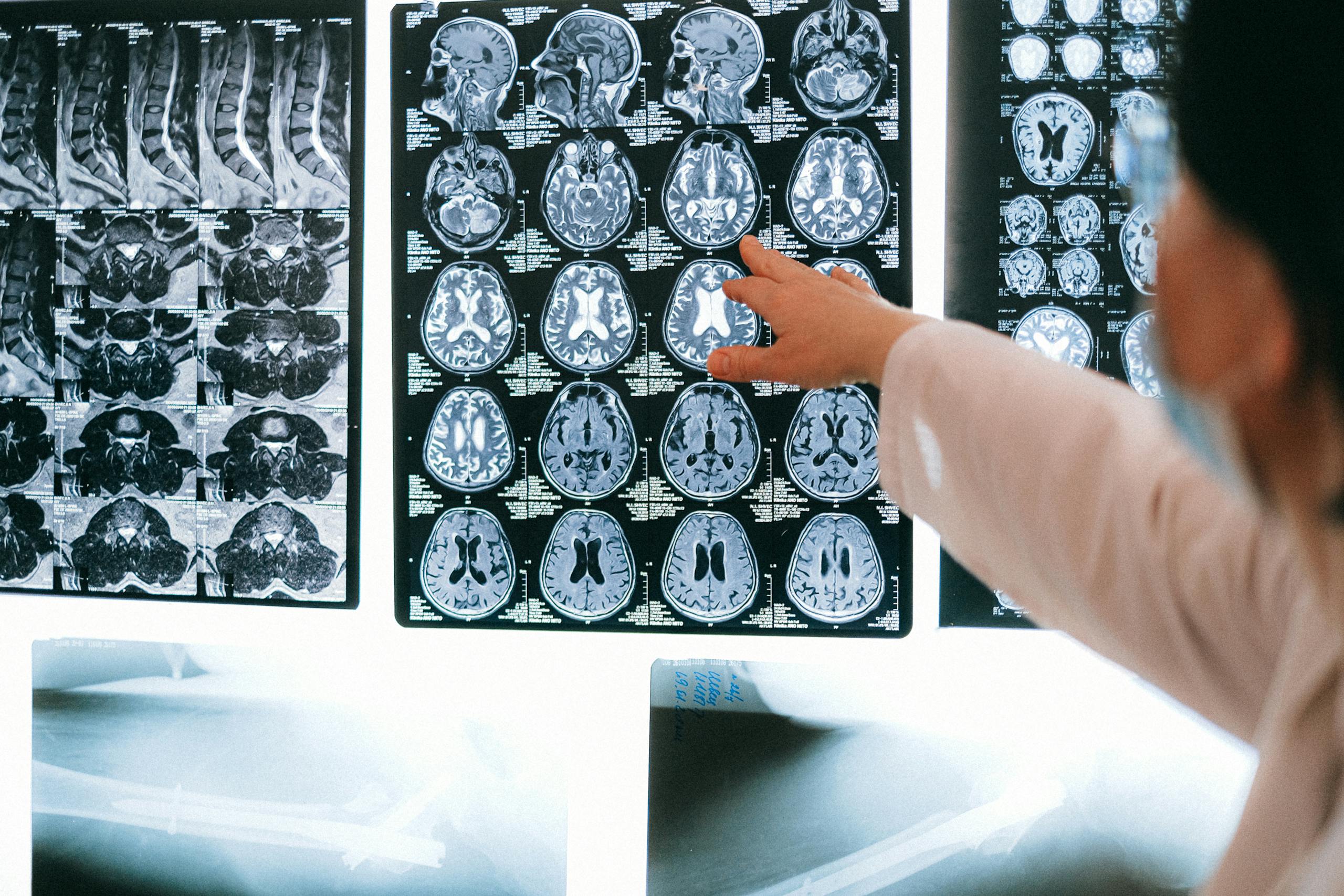
Veterinary radiology represents another specialty where introverts can thrive. The American College of Veterinary Radiology oversees certification for radiologists who interpret complex imaging to diagnose diseases and injuries. Much of this work involves detailed analysis of X-rays, CT scans, and MRIs, often conducted remotely through teleradiology services. You’re solving diagnostic puzzles, piecing together clinical pictures from visual data, often with minimal direct client contact.
Research positions in academic institutions or pharmaceutical companies allow you to contribute to animal health without the daily demands of clinical practice. My analytical mindset, the same one that made me effective at marketing strategy, would find satisfaction in designing studies, analyzing data, and publishing findings that advance veterinary science.
Laboratory animal medicine focuses on ensuring the welfare of animals used in research settings. While this involves institutional committee work and researcher consultation, the nature of these interactions tends to be more structured and predictable than the emotional volatility of small animal practice.
When I guide introverts through career planning, I always emphasize that finding the right fit matters more than forcing yourself into roles that drain you. The same principle applies here. General practice veterinary medicine might not suit every introvert, but the broader field offers remarkable diversity.
Managing Energy in Clinical Practice
Perhaps you’re drawn specifically to clinical practice despite its social demands. Perhaps you want to be the one performing surgeries, diagnosing illnesses, and forming lasting relationships with patients and their families. This path is absolutely possible for introverts, but it requires intentional energy management.
Build recovery time into your schedule. This might mean requesting shorter appointment blocks with buffer time between clients, or negotiating for administrative time that allows you to recharge between demanding interactions. One veterinarian I spoke with describes coloring between appointments as her recharge ritual. Another takes brief walks around the block. The specific activity matters less than the principle: honor your need for restoration.
Leverage your team’s strengths. In my leadership roles, I learned that trying to be everything exhausted me unnecessarily. The same applies in veterinary settings. If you work with technicians or receptionists who excel at detailed client explanations, let them handle the extensive conversations that drain you. Focus your energy on the clinical work that energizes you.
The healthcare careers that suit introverts share common elements: meaningful patient relationships, opportunities for independent work, and environments that value depth over constant social performance. Veterinary medicine can offer all of these when structured thoughtfully.
The Burnout Question Introverts Must Face
We need to have an honest conversation about mental health in veterinary medicine. The 2023 Merck Animal Health Veterinary Wellbeing Study reveals that veterinarians experience higher levels of exhaustion than the general population: 61% compared to 32%. This statistic should concern anyone considering the profession, but it holds particular weight for introverts who already spend additional energy on social interaction.
Research into occupational stress in veterinary medicine identifies the most predictive factors for burnout: workload, client issues, financial concerns, and feelings of excessive responsibility. Compassion fatigue, that particular exhaustion from witnessing animal suffering and client grief, compounds the ordinary stresses of any healthcare profession.

But here’s what the data also shows. Younger veterinarians experience higher burnout rates than their more experienced colleagues. Part of this likely reflects the survival bias where burned-out clinicians leave the profession, but it also suggests that those who learn to manage the demands can build sustainable careers. The 73% of veterinarians who now agree that mental health treatment helps them lead normal lives represents significant progress from just a few years ago.
When I experienced burnout in advertising, I didn’t recognize it until I was already deep in the hole. Looking back, I can see the warning signs: the growing dread before client meetings, the inability to recover over weekends, the sense that I was performing a version of myself rather than being myself. Those lessons inform how I now approach healthcare career guidance for introverts. Prevention matters more than cure.
Building Your Introvert-Friendly Practice
Some introverted veterinarians find that owning their own practice provides the ultimate control over their working environment. You can design appointment schedules that allow for recovery time. You can build a team culture that respects quiet contemplation. You can choose to specialize in areas that match your temperament.
Solo practice offers maximum autonomy but also maximum responsibility. Partnership arrangements allow you to divide duties based on natural strengths. Perhaps your business partner handles the community outreach and marketing while you focus on surgical cases and complex diagnostics.
Fear-free certification and low-stress handling techniques not only benefit your animal patients but also create a calmer environment that suits introverted temperaments. When the clinic atmosphere remains peaceful, everyone’s stress levels decrease, including yours.
The principles that help introverts build successful practices in other helping professions apply equally to veterinary medicine. Create boundaries that protect your energy. Develop systems that reduce decision fatigue. Cultivate the specific type of client relationships that feel authentic rather than performed.
The Educational Journey
Veterinary school demands significant social interaction: group projects, clinical rotations, and networking for residency placements. Understanding this reality helps you prepare accordingly.
Study groups don’t have to drain you if you find compatible partners. Look for other quiet, focused students who prefer efficient collaboration over social study sessions that double as hangout time. Some of my most productive professional relationships grew from partnerships built on mutual respect for each other’s working styles.
Clinical rotations expose you to various practice environments. Use this time intentionally. Notice which settings energize you and which leave you depleted. The general practice with constant client flow might exhaust you while the pathology rotation feels like coming home. Pay attention to these signals.

Networking for residencies and job opportunities doesn’t require you to become someone you’re not. Finding roles that match your personality type involves identifying mentors and supervisors who value your particular strengths. One genuine connection with a faculty member who sees your potential often matters more than superficial networking with dozens of contacts.
Real Talk About Financial Realities
Veterinary school costs have risen dramatically, with many graduates carrying six-figure debt loads. Starting salaries, while improving, don’t always match this investment in the way medical or dental school might. This financial pressure adds another layer of stress to an already demanding profession.
For introverts considering veterinary medicine, this reality demands honest self-assessment. Can you sustain the pace required to pay down significant debt while protecting your mental health? Would a related career with lower educational costs and similar animal welfare impact better suit your circumstances?
Veterinary technician roles offer meaningful animal care with significantly lower educational investment. Wildlife rehabilitation, animal behavior consulting, and veterinary pharmaceutical sales all allow you to work in animal-related fields without the full veterinary degree. These aren’t lesser paths; they’re different paths that might better match your specific situation.
If veterinary medicine is truly your calling, explore loan forgiveness programs, scholarship opportunities, and strategic school selection. Some programs cost significantly less than others while providing comparable education. Rural practice often offers loan forgiveness incentives while also providing the quieter community environments many introverts prefer.
The Deep Satisfaction of Animal Care
Despite all the challenges we’ve discussed, veterinary medicine offers something profound for animal-loving introverts: the opportunity to form deep bonds with creatures who accept you exactly as you are. Animals don’t judge your quietness. They don’t expect performance or small talk. They respond to presence, competence, and genuine care.
That moment when a frightened dog finally relaxes under your calm hands. The satisfaction of diagnosing a puzzling condition that other practitioners missed. The gratitude in a pet owner’s eyes when you guide them through a difficult decision with patience and clarity. These experiences feed something essential in introverted souls.
The introverted healers I’ve encountered share a common quality: they find meaning in the depth of individual relationships rather than the breadth of social networks. Veterinary medicine, at its best, offers exactly this. You may see fewer patients in a day than a human doctor, but your relationships with those patients and their families can extend over years, even decades.
I think about my own journey, from trying to fit the extroverted leadership mold in advertising to finally embracing the quiet strengths that were always my true gifts. The professionals who thrive are those who stop fighting their nature and start designing careers around it. If animals have always been your people, veterinary medicine might be your home.
Making Your Decision
The question isn’t whether introverts can succeed in veterinary medicine. They clearly can, and many do brilliantly. The question is whether this specific profession aligns with your particular combination of passions, tolerances, and practical circumstances.
Shadow practicing veterinarians before committing to the educational path. Not just for a day, but for enough time to witness the full spectrum of what the work involves. Observe how different practitioners structure their days, manage their energy, and handle the emotional demands of the profession.
Talk honestly with introverted veterinarians about their experiences. Ask them what they wish they’d known. Ask about their darkest moments and how they survived them. Ask about the aspects of practice that surprise them with unexpected joy.
Consider whether alternative paths might satisfy your animal welfare passion with less personal cost. Or recognize that the cost is worth paying because nothing else will provide the specific meaning you seek.
Whatever you decide, make the decision from clarity rather than romantic idealism. Animals deserve caregivers who bring their whole selves to the work. You deserve a career that honors rather than depletes your nature. When those two needs align, veterinary medicine becomes not just a job but a genuine calling.
Frequently Asked Questions
Can introverts really succeed as veterinarians given all the client interaction required?
Absolutely. Research shows that ISTJ and INFJ personality types are actually overrepresented in veterinary medicine. The key is developing energy management strategies, building supportive teams, and potentially choosing specialty areas that minimize social demands. Many successful veterinarians identify as introverts and find that one-on-one client interactions feel manageable compared to large group settings.
What veterinary specialties work best for introverts who want minimal client contact?
Veterinary pathology, radiology, and laboratory animal medicine offer the most favorable balance of independent analytical work to direct client interaction. Research positions in academic or pharmaceutical settings provide another option. That said, even general practice can work for introverts who structure their schedules thoughtfully and leverage team strengths.
How can introverted veterinarians prevent burnout given the emotional demands?
Building recovery time into schedules is essential. This might mean requesting buffer time between appointments, establishing firm work-hour boundaries, or developing personal rituals that restore energy. Seeking mental health support proactively rather than waiting for crisis also helps. The veterinary profession has made significant progress in destigmatizing mental health treatment, with 73% of veterinarians now agreeing it helps them lead normal lives.
Is veterinary school manageable for introverts given the group work and networking requirements?
Veterinary school is demanding for everyone, but introverts can thrive by finding compatible study partners, using clinical rotations to explore which practice environments suit them, and focusing on building genuine connections with select mentors rather than superficial networking with many contacts. The educational experience also helps you identify which aspects of practice energize versus drain you.
Are there animal-related careers that might suit introverts better than veterinary medicine?
Veterinary technology offers meaningful animal care with significantly lower educational investment. Wildlife rehabilitation, animal behavior consulting, veterinary pharmaceutical research, and laboratory animal care all provide animal-focused work without the full demands of clinical practice. These aren’t lesser paths but different ones that might better match your specific circumstances and temperament.
Explore more career resources in our complete Career Paths and Industry Guides Hub.
About the Author
Keith Lacy is an introvert who’s learned to embrace his true self later in life. With a background in marketing and a successful career in media and advertising, Keith has worked with some of the world’s biggest brands. As a senior leader in the industry, he has built a wealth of knowledge in marketing strategy. Now, he’s on a mission to educate both introverts and extroverts about the power of introversion and how understanding this personality trait can unlock new levels of productivity, self-awareness, and success.