
The interview invitation arrives in your inbox, and your stomach drops. Not because you’re unqualified. Not because you haven’t prepared. Because this time, it’s a video interview, which means managing technology, background settings, camera angles, and real-time conversation while staring at your own face on screen.
I’ve been there more times than I care to admit. During my years leading agency pitches and interviewing candidates for senior positions, I discovered something that changed everything about how I approached virtual interviews. The camera doesn’t have to be your enemy. In fact, for introverts who thrive on preparation and thoughtful responses, video interviews can actually become a strategic advantage.
The shift to remote hiring has made video interviews the standard rather than the exception. For introverts navigating this landscape, understanding how to leverage your natural strengths while managing the unique challenges of virtual communication can transform an anxiety-inducing experience into a genuine opportunity to shine.
Why Video Interviews Can Actually Favor Introverts
Here’s something most career advice gets wrong about introverts and video interviews: the format isn’t inherently harder for us. It’s different, and that difference can work in our favor when we understand how to use it.
What’s your personality type?
Take our free 40-question assessment and get a detailed personality profile with dimension breakdowns, context analysis, and personalised insights.
Discover Your Type8-12 minutes · 40 questions · Free
Video interviews eliminate many of the energy drains that make in-person interviews exhausting. There’s no commute anxiety, no navigating unfamiliar office buildings, no small talk with receptionists while waiting in lobbies. You’re in your own space, surrounded by your own things, able to control your environment in ways that simply aren’t possible when you’re sitting in someone else’s conference room.
I remember my first major video interview for a senior leadership role. I’d set up my home office exactly how I wanted it, run through my technology three times, and had my notes positioned just below my camera line. When the interviewer commented on how calm and prepared I seemed, I realized something important: the preparation that comes naturally to introverts translates exceptionally well to virtual formats.

Your ability to research thoroughly, think before speaking, and prepare detailed responses aligns perfectly with video interview requirements. While extroverts might struggle with the lack of in-person energy to feed off, introverts can leverage the controlled environment to perform at their best.
Creating Your Optimal Interview Environment
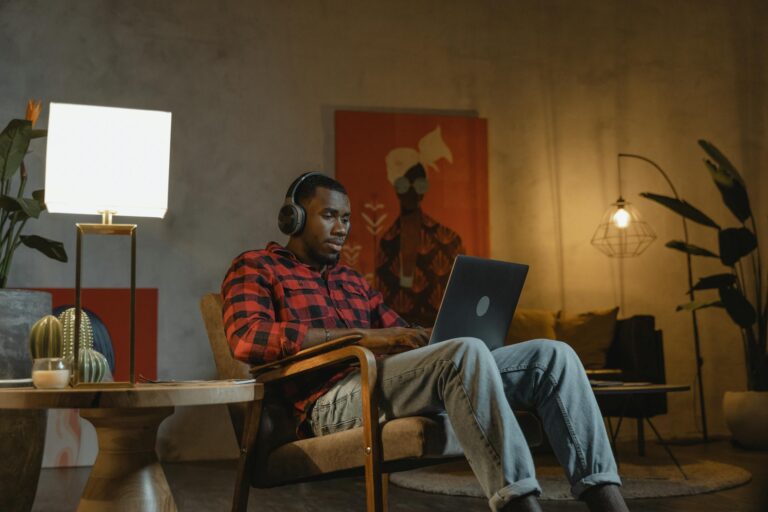
Your physical setup communicates professionalism before you say a single word. Investing time in creating the right environment isn’t perfectionism; it’s strategic preparation that reduces anxiety and projects competence.
Lighting That Works For You
Lighting can make or break a video interview. Position yourself facing a natural light source whenever possible. A window in front of you creates soft, flattering illumination that makes you appear engaged and professional. Avoid backlighting at all costs, as sitting with a window behind you creates a silhouette effect that makes your face nearly impossible to see.
If natural light isn’t available or consistent, position a lamp behind your camera to illuminate your face evenly. Some people invest in ring lights, but a simple desk lamp placed correctly achieves similar results without the expense. The goal is even lighting across your face without harsh shadows or glare.
During my agency days, I conducted hundreds of video interviews with potential hires. The candidates who impressed me most weren’t necessarily the most charismatic speakers. They were the ones who clearly understood how to present themselves professionally on camera. Good lighting was almost always part of that equation.
Background Considerations
Your background tells a story about you before the conversation begins. A cluttered space might suggest disorganization, even if that’s completely unfair. A completely blank wall can feel sterile. The sweet spot lies somewhere in between: a clean, professional space with perhaps a bookshelf, a plant, or simple artwork that adds depth without distraction.
Virtual backgrounds remain an option, but they come with risks. If your camera quality or lighting isn’t optimal, virtual backgrounds can create a distracting halo effect around your head or cause parts of you to disappear entirely. If you choose a virtual background, test it extensively beforehand and ensure your lighting is strong enough to maintain clean edges.
Position yourself about two feet from any physical background to reduce shadows and create visual depth. This small adjustment makes a significant difference in how professional your setup appears.
Camera Positioning and Framing
Place your camera at eye level or slightly above. Looking down at your camera creates an unflattering angle and can make you appear disengaged. If you’re using a laptop, stack books underneath to raise the screen to the proper height.
Frame yourself like a professional headshot: from mid-chest to just above your head, centered in the frame. Too close and you’ll appear to be invading the viewer’s personal space. Too far and you’ll seem distant or disengaged. Leave a small amount of space above your head without creating excessive dead space.

Technology Preparation That Prevents Disasters
Nothing derails a video interview faster than technical difficulties. For introverts who value feeling prepared and in control, technology failures can trigger anxiety spirals that affect the entire conversation. Thorough testing eliminates most of these risks.
The Essential Tech Checklist
Test your setup at least 24 hours before your interview, then again one hour before. Check your internet connection speed, as video calls require stable bandwidth. If your home WiFi is unreliable, consider connecting directly to your router with an ethernet cable for the most stable connection possible.
Download and familiarize yourself with the interview platform beforehand. Whether it’s Zoom, Microsoft Teams, Google Meet, or a specialized recruiting platform, each has slightly different interfaces and features. Knowing where to find mute buttons, chat functions, and screen sharing options prevents fumbling during the actual interview.
Always use headphones with a microphone. This eliminates echo, reduces background noise, and ensures clear audio quality. The earbuds that came with your phone work perfectly fine. You don’t need expensive equipment to sound professional.
Charge your laptop fully and keep it plugged in during the interview. Close unnecessary applications and browser tabs to free up processing power and eliminate notification distractions. Put your phone on silent and place it out of reach.
Backup Plans for When Things Go Wrong
Even with perfect preparation, technology occasionally fails. Having backup plans in place transforms potential disasters into minor inconveniences. Keep your phone charged and nearby with the interviewer’s contact information easily accessible. If video fails, you can quickly suggest switching to a phone call.
Send a pre-interview email confirming the time and platform, and ask for an alternative contact method in case of technical difficulties. This demonstrates professionalism while ensuring you have options if problems arise.
If something does go wrong during the interview, address it calmly and professionally. A simple acknowledgment and quick pivot shows the interviewer how you handle unexpected challenges, which is valuable information about your work style.
Mastering the Unique Dynamics of Video Communication
Video interviews require adjustments to how you communicate. The camera flattens energy, meaning behaviors that seem normal in person can appear flat or disengaged on screen. Understanding these dynamics allows you to adapt without feeling like you’re performing as someone you’re not.
The Eye Contact Challenge
One of the most counterintuitive aspects of video interviews is where to look. Maintaining eye contact means looking at your camera lens, not at the interviewer’s face on your screen. This feels unnatural because you can’t actually see the person you’re connecting with when you’re looking at the camera.
A helpful trick involves placing a small sticky note with a smiley face or reminder word directly below your camera lens. This gives your eyes something to focus on while keeping your gaze in the right direction. You can also minimize the video window and position it just below your camera so that looking at the person and looking at the camera become nearly the same action.
You don’t need to maintain constant camera contact. Natural conversation involves looking away occasionally while thinking. Brief glances at your notes or moments of looking aside while formulating responses appear completely normal.

Energy Translation on Camera
What feels like normal engagement in person often reads as flat or disinterested on video. This doesn’t mean you need to become someone you’re not. It means making small adjustments to ensure your genuine interest translates through the screen.
Smile slightly more than feels natural. Use hand gestures that stay within the camera frame. Nod when listening to show engagement. These small amplifications help your authentic enthusiasm register on camera without requiring you to perform extroversion.
I used to think I needed to be more animated to succeed in video presentations. What I actually needed was awareness of how my natural energy translated on screen. Recording practice sessions helped me find the right calibration, where I appeared engaged without feeling like I was acting.
Managing the Self-View Distraction
Seeing yourself on screen can be incredibly distracting. You might notice your expression, your posture, your hair, your background, all while trying to focus on what the interviewer is saying. This divided attention makes it harder to listen deeply and respond thoughtfully, two areas where introverts typically excel.
Consider hiding your self-view during the interview if your platform allows it. Most video applications let you turn off your own video preview while maintaining your camera feed for others. This removes the distraction and allows you to focus entirely on the conversation.
If hiding self-view isn’t possible, practice looking only at the interviewer’s video feed. With practice, you can train yourself to ignore your own image the same way you’d ignore a mirror placed in your peripheral vision during an in-person conversation.
Leveraging Introvert Strengths in Virtual Formats
Video interviews actually amplify several introvert advantages when you understand how to use them strategically. Your preparation capacity, listening skills, and thoughtful communication style become even more valuable in virtual formats.
The Hidden Notes Advantage
Unlike in-person interviews where notes might appear unprofessional, video interviews allow you to have key points visible without anyone knowing. Position brief bullet points just below your camera line or on a nearby surface. These aren’t scripts to read from but prompts to ensure you hit important points.
Write down specific accomplishments with numbers, questions you want to ask, and keywords that remind you of stories you want to share. Having these visual anchors reduces the anxiety of forgetting important details and frees mental energy for active listening and genuine engagement.
Just remember to glance at notes naturally, not read from them continuously. Brief references look like thoughtful consideration. Constant reading appears unprepared or, worse, like you’re reading from a script.
Strategic Pausing
Introverts often prefer to think before speaking, and video interviews actually accommodate this tendency better than in-person conversations. The slight awkwardness of video pauses means interviewers are more accustomed to moments of silence and less likely to rush you for responses.
When asked a question, it’s perfectly acceptable to say “That’s a great question, let me think about that for a moment.” This acknowledgment signals you’re processing, not struggling, and demonstrates the thoughtful approach that often leads to better answers.
I learned this working with Fortune 500 executives who valued carefully considered responses over quick reactions. The pause demonstrates confidence and careful thinking, qualities that translate well across virtually every professional environment.
Deep Listening as Competitive Advantage
Your natural ability to listen deeply and pick up on subtleties becomes especially valuable in video formats where many candidates struggle to stay fully present. Pay attention to specific words interviewers use, concerns they mention, and priorities they emphasize.
Reference these details in your responses. When you say “You mentioned earlier that cross-functional collaboration has been challenging” before sharing a relevant experience, you demonstrate the kind of active listening that distinguishes exceptional candidates from merely qualified ones.
This listening advantage extends to follow-up questions. While other candidates might ask generic questions from a pre-prepared list, your ability to ask questions that directly address topics raised during the conversation shows genuine engagement and strategic thinking.

Managing Video Interview Anxiety
Pre-interview anxiety affects everyone, but understanding how to work with that anxiety rather than against it can transform your experience. Research from Harvard Business School reveals a counterintuitive approach that works particularly well for high-stakes situations like interviews.
The Excitement Reframe
Studies show that telling yourself to “calm down” before stressful situations rarely works. Your body is in a high-arousal state, and trying to shift to a low-arousal state requires significant cognitive effort that often fails under pressure. What works better is reframing that arousal as excitement rather than anxiety.
Anxiety and excitement produce nearly identical physical responses: elevated heart rate, increased cortisol, heightened alertness. The difference lies entirely in how you interpret those sensations. Saying “I am excited” out loud before an interview primes an opportunity mindset rather than a threat mindset, and research indicates this simple shift can improve performance significantly.
This isn’t about denying that you’re nervous. It’s about accurately recognizing that the physical sensations you’re experiencing are your body preparing to perform at its best. That racing heart isn’t a sign something’s wrong. It’s evidence your system is activating the resources you need to succeed.
Energy Management Before and After
Schedule buffer time before and after video interviews. Introverts perform best when they’ve had time to center themselves rather than rushing from one interaction to another. Give yourself at least 30 minutes of quiet before an interview to review notes, check your setup one final time, and mentally prepare.
After the interview, resist the urge to immediately analyze every response. Give yourself space to decompress before conducting any post-interview review. This recovery time isn’t indulgence; it’s strategic energy management that supports sustained performance across multiple interview rounds.
If your interview is scheduled mid-day, try to minimize social interactions beforehand. Work from a quiet space, decline unnecessary meetings, and protect your energy reserves for when they matter most. Explaining to colleagues that you have an important commitment requiring focus is perfectly professional.
The Practice Recording Method
Recording yourself answering common interview questions provides invaluable feedback that no amount of mental rehearsal can match. Yes, watching yourself on video feels uncomfortable. That discomfort is precisely why the practice matters.
Notice your natural tendencies: Do you look away frequently? Do you speak too quickly when nervous? Are there filler words you overuse? These observations allow you to make conscious adjustments before the actual interview.
Practice with the same technology you’ll use for the real interview. Familiarity with the platform interface, your camera angle, and your lighting setup reduces cognitive load during the actual conversation, freeing mental resources for thoughtful engagement.
Handling Different Video Interview Formats
Not all video interviews follow the same structure. Understanding the specific demands of each format allows you to prepare strategically and leverage your introvert strengths appropriately.
Live One-on-One Interviews
This format most closely resembles in-person interviews and plays to introvert strengths in building genuine one-on-one connections. The focused conversation allows for the depth of discussion introverts typically prefer over surface-level exchanges.
Invest energy in understanding your interviewer beforehand. Research their background, look at their professional history, and identify potential common ground. This preparation enables more authentic connection while reducing the anxiety of engaging with a complete stranger.
Ask thoughtful questions that demonstrate genuine curiosity about their experience and perspective. Questions like “What’s been most surprising about working here?” or “How has your role evolved since you joined?” invite authentic sharing and create conversational flow that feels natural rather than interrogative.
Panel Video Interviews
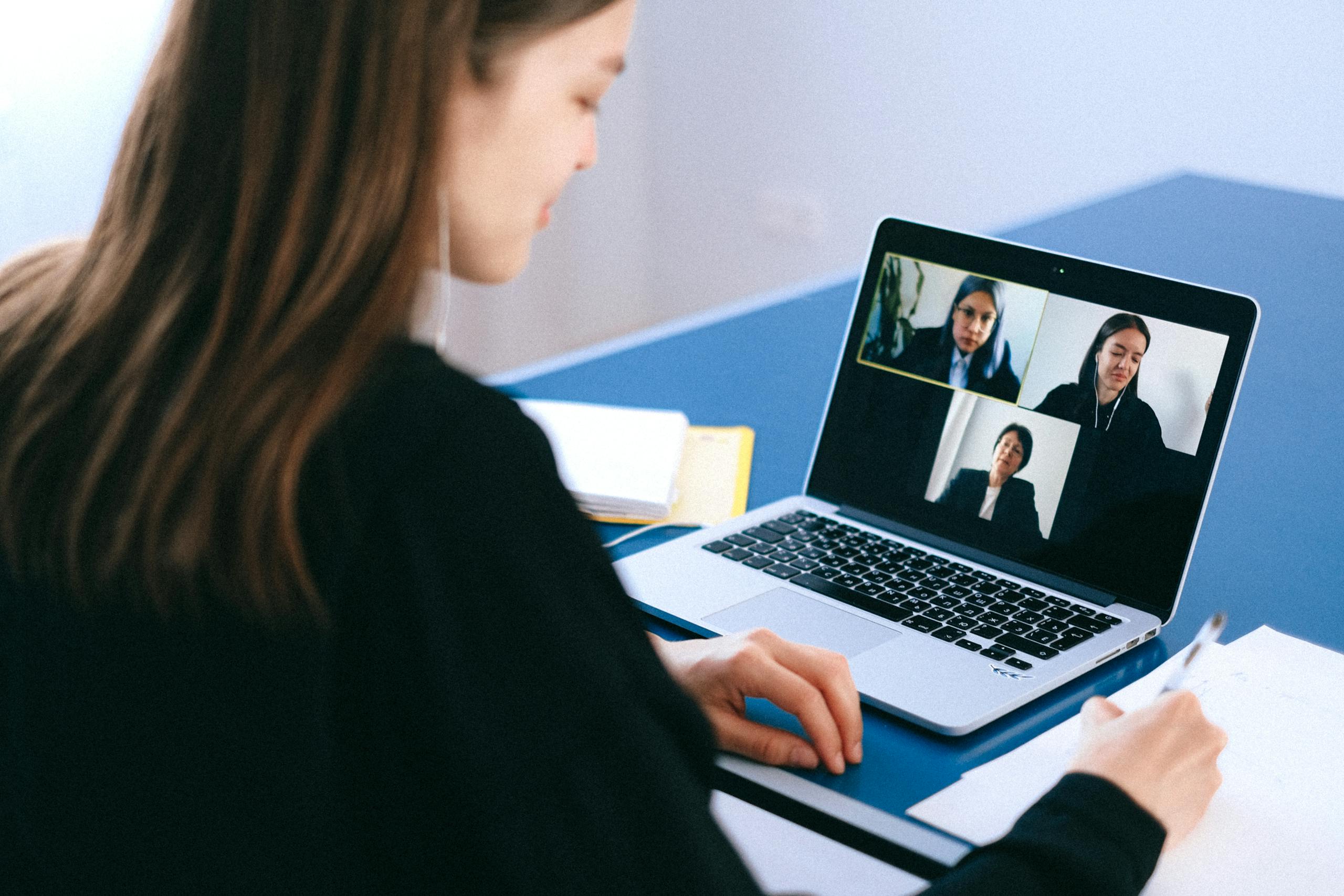
Multiple interviewers on screen can feel overwhelming, but the video format actually makes panel interviews more manageable than their in-person equivalents. You can see everyone’s reactions simultaneously without the physical awkwardness of turning to address different people around a conference table.
Acknowledge each interviewer by name when relevant. If Maria from marketing asks about cross-functional collaboration, include her name in your response and direct your eye contact toward her portion of the screen before expanding to address the full panel.
Panel interviews are particularly draining for introverts. Plan extra recovery time afterward and consider scheduling these earlier in your day when your energy reserves are highest.
Pre-Recorded (One-Way) Video Interviews
These interviews present questions on screen and record your responses without a live interviewer present. Many introverts find this format particularly challenging because there’s no conversational feedback, no nodding interviewer to indicate understanding, no natural flow of dialogue.
Reframe one-way interviews as an opportunity to deliver your best, most polished responses without the pressure of real-time interaction. Some platforms allow re-recording, which lets you refine answers until you’re satisfied. Others provide time to think before recording begins.
Maintain the same energy and engagement you would for a live interview, even though you’re essentially talking to a screen. Imagine you’re speaking to a specific person you respect and want to impress. This mental image helps maintain natural warmth and engagement.
The Follow-Up Advantage
Your introvert strengths shine brightest in post-interview follow-up, where thoughtful written communication often matters more than spontaneous verbal charisma. A well-crafted follow-up message can reinforce positive impressions and address any concerns you sensed during the conversation.
Send your follow-up email within 24 hours while the conversation remains fresh. Reference specific topics discussed, demonstrating the deep listening that likely occurred during the interview. If you thought of additional points that support your candidacy, share them briefly without overwhelming the reader.
This written communication allows you to be articulate and thoughtful in ways that might be challenging in real-time conversation. Your ability to craft clear, considered messages is a genuine professional strength worth leveraging fully.
Building Long-Term Video Interview Confidence
Confidence in video interviews builds through experience and reflection. Each interview, regardless of outcome, provides valuable data about what works and what needs adjustment. Approach the process as skill development rather than pass-fail evaluation.
Keep a post-interview journal noting questions that challenged you, moments where you felt strong, and observations about your setup or approach. This reflection transforms individual experiences into accumulated wisdom that improves future performance.
Remember that video interviewing is a learnable skill, not an innate talent. The candidates who seem effortlessly comfortable on camera have usually invested significant time developing that ease. Your willingness to prepare thoroughly and reflect honestly positions you to build the same competence.
The professional world increasingly operates through screens. Developing comfort and competence in video communication isn’t just about landing a specific job. It’s about building a fundamental skill that will serve you throughout your career. Your introvert strengths in preparation, thoughtful communication, and deep listening transfer beautifully to virtual formats once you understand how to leverage them effectively.
The camera doesn’t have to be your obstacle. With strategic preparation and genuine self-understanding, it can become your stage.
Frequently Asked Questions
How do I stop feeling awkward looking at myself during video interviews?
Most video platforms allow you to hide your self-view while maintaining your camera feed for others. This removes the distraction of watching yourself and allows you to focus entirely on the conversation. If that option isn’t available, minimize your video window and position it near your camera so looking at yourself and the camera are nearly the same action. With practice, you can train yourself to ignore your image entirely.
What should I do if technical problems occur during the interview?
Address issues calmly and professionally without excessive apologizing. Say something like “It looks like we’re having some connection issues. Let me try reconnecting.” Having the interviewer’s phone number or alternative contact method prepared allows quick pivoting if video fails completely. How you handle unexpected problems demonstrates valuable professional skills, so maintain composure and problem-solve rather than panicking.
Is it acceptable to have notes visible during a video interview?
Brief notes positioned near your camera are perfectly acceptable and can help ensure you cover important points. Keep them as bullet points or keywords rather than full scripts. The goal is quick reference, not reading. Glance at notes naturally during pauses, similar to how you might check a notepad during an in-person meeting. Avoid continuous reading, which appears unprepared and prevents genuine engagement.
How can I appear more energetic on camera without feeling fake?
Small adjustments translate significant energy through camera. Smile slightly more than feels natural, use hand gestures that stay within frame, and nod while listening to show engagement. These aren’t personality changes but calibrations that help your authentic enthusiasm register on screen. Recording practice sessions helps you find the right balance where you appear engaged without feeling like you’re performing.
What’s the best way to handle pre-interview anxiety?
Rather than trying to calm down, reframe your anxiety as excitement. Research shows that both emotions produce similar physical responses, and saying “I am excited” out loud can shift your mindset from threat to opportunity. Schedule buffer time before interviews for quiet preparation, minimize social interactions beforehand to protect energy, and trust that your thorough preparation has positioned you well.
Explore more career development resources in our complete Career Skills & Professional Development Hub.
About the Author
Keith Lacy is an introvert who’s learned to embrace his true self later in life. With a background in marketing and a successful career in media and advertising, Keith has worked with some of the world’s biggest brands. As a senior leader in the industry, he has built a wealth of knowledge in marketing strategy. Now, he’s on a mission to educate both introverts and extroverts about the power of introversion and how understanding this personality trait can unlock new levels of productivity, self-awareness, and success.