Standing in front of my closet at 7:15 AM, already late for a client meeting, I remember thinking there had to be a better way. The irony was almost poetic. Here I was, someone who had spent twenty years leading advertising teams through Fortune 500 brand decisions worth millions, and I couldn’t decide between two nearly identical navy blazers.
That morning wasn’t about the blazers. It was about the forty-seven other decisions I’d already made before even stepping into my closet. Which alarm to hit. Whether to check email first. Coffee or tea. Shower temperature. The mundane architecture of morning life that most people navigate on autopilot was quietly draining my cognitive reserves.
For introverts, this daily depletion hits differently. Our brains process stimuli through longer neural pathways, engaging regions associated with planning, memory, and problem-solving more intensely than our extroverted counterparts. Every decision, no matter how small, draws from the same limited cognitive well we need for the creative work, deep thinking, and meaningful connections that actually matter to us.
What I discovered in the years since that frustrating morning has fundamentally changed how I approach getting dressed and, honestly, how I protect my mental energy for what truly matters. Wardrobe minimalism isn’t about owning less for the sake of owning less. For decision-fatigued introverts, it’s a strategic reclamation of cognitive bandwidth.
Understanding Why Getting Dressed Exhausts You
Decision fatigue isn’t simply feeling tired of making choices. According to research published in the Journal of Health Psychology, it represents a measurable deterioration in our ability to make good decisions after a prolonged session of decision-making. The concept derives from the Strength Model of Self-Control, which posits that humans have a limited capacity to regulate their behavior, much like a muscle that fatigues after exertion.
Here’s what fascinates me about this research: the brain doesn’t distinguish between important and trivial decisions when depleting these resources. Choosing what to wear for a Tuesday meeting draws from the same cognitive pool as deciding whether to accept a new job offer. The American Medical Association notes that decision fatigue can lead to difficulty making the right decisions, impulse behaviors, and avoidance altogether.

For introverts, this matters profoundly. Our tendency toward deep processing means we often engage more thoughtfully with even routine decisions. Where an extrovert might grab the first shirt they see, an introvert’s brain might automatically consider the day’s schedule, who they’ll encounter, what message different clothing choices communicate, and whether this particular shade of blue clashes with their afternoon mood. This isn’t overthinking. It’s simply how our cognitive systems are wired.
I used to think my morning wardrobe paralysis was a character flaw. Now I understand it was a symptom of a depleted system trying to function without adequate protection from unnecessary cognitive load.
The Science of Why Fewer Choices Actually Feel Better
Psychologist Barry Schwartz’s paradox of choice research reveals something counterintuitive: more options don’t lead to more satisfaction. Instead, an array of consumer choice can be overwhelming and detrimental to well-being. This resonates deeply with how I experienced my overstuffed closet, not as abundance, but as a daily obstacle course of micro-decisions.
A study published in Sustainability journal examined how practicing a capsule wardrobe influences creativity and daily experience. Participants reported understanding their actual wardrobe usage and needs differently and developed new perspectives on clothing consumption. The reduction in choices didn’t limit self-expression; it clarified it.
This aligns with what I’ve found in my own experience. When I led creative teams, some of our best campaign ideas emerged from tight constraints. Unlimited budgets and open briefs often produced scattered, unfocused work. Boundaries forced creativity and clarity. The same principle applies to your closet.
Research from the International Journal of Market Research found that participants who adopted a capsule wardrobe for just three weeks felt less stressed, more detached from fashion trends, and discovered genuine joy in their fashion style. They also reported enhanced awareness of conscious consumption patterns.
Why Traditional Wardrobe Advice Fails Introverts
Most wardrobe organization advice assumes everyone experiences clothing decisions the same way. Build a versatile collection, they say. Mix and match to create endless outfit possibilities. Learn to accessorize for variety.
This advice, while well-intentioned, misunderstands the introvert’s challenge entirely. Creating more outfit possibilities is the opposite of what decision-fatigued introverts need. Every additional combination represents another choice to make, another calculation to perform, another drain on already limited morning reserves.
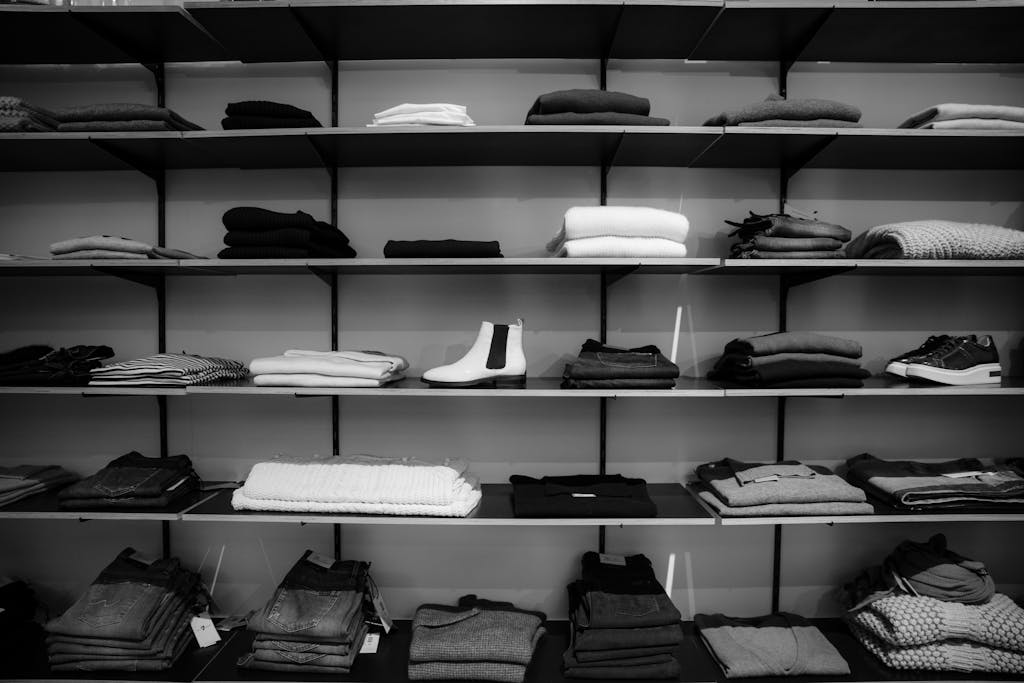
I learned this lesson the hard way during my advertising career. After reading advice about building a professional wardrobe, I accumulated dozens of pieces that theoretically worked together. The result wasn’t effortless style. It was analysis paralysis every morning before work, standing in front of a closet full of options, feeling completely overwhelmed.
The introvert-specific approach to wardrobe minimalism requires understanding that our goal isn’t maximum versatility. It’s minimum cognitive load while maintaining authenticity. These are fundamentally different objectives requiring fundamentally different strategies.
Building Your Decision-Free Morning Wardrobe
The concept of a capsule wardrobe was first popularized by fashion consultant Susie Faux and later brought into mainstream consciousness through minimalist lifestyle movements. The core principle involves curating a limited collection of versatile, high-quality pieces that work together seamlessly.
For decision-fatigued introverts, I recommend an adapted approach that goes further. Rather than building a collection you assemble differently each day, create what I call decision-free outfit systems. Complete, pre-planned combinations you can grab without thinking.
Start by identifying your primary contexts. For me during my agency years, this meant client presentations, internal creative sessions, and what I called recovery days when I could work from home. Your contexts might include office days, video calls, weekend errands, and social obligations. Each context needs its own pre-determined outfit solution.
Within each context, aim for three to five complete outfits that require zero assembly decisions. This means every piece of each outfit lives together. Shirt, pants, belt, shoes, everything ready to grab as a unit. Some people even photograph their outfits and post the images inside their closet doors for visual reference.
The Introvert’s Capsule Wardrobe Framework
Here’s a practical framework that accounts for introvert-specific needs around energy conservation, comfort during social situations, and maintaining authenticity without daily reinvention.
Foundation pieces form your base layer. These are items you’ll wear most frequently, so prioritize comfort and quality over trend. For many introverts, this means natural fabrics that breathe well during stress, cuts that allow movement without constant adjustment, and neutral colors that don’t attract unwanted attention. I invested in several identical well-fitting basic pieces, which eliminated even the micro-decision of choosing between similar items.

Social armor describes pieces specifically designed for situations requiring extended interaction. These should make you feel confident and protected while projecting whatever image serves your professional or personal goals. During my years leading client pitches, my social armor was a specific blazer and shirt combination that I knew looked professional and felt comfortable even during high-stress presentations. I didn’t have to think about whether I looked the part. That decision was already made.
Recovery clothing is often overlooked in traditional capsule wardrobe advice but is essential for introverts. These are the pieces you change into after social exertion, the physical signal to your nervous system that the performance is over. Having designated comfort clothing helps your brain and body transition into recharge mode more efficiently.
Transitional pieces bridge contexts when you need to move between environments without changing. A blazer that transforms casual wear into meeting-appropriate attire, or accessories that shift an outfit’s formality level. The key is having these pre-identified so you’re not problem-solving in the moment.
The Emotional Challenge of Letting Go
Building a minimalist wardrobe requires letting go of clothing, and for many introverts, this process triggers unexpected emotional responses. We tend to attach meaning to objects more intensely than our extroverted peers. That concert t-shirt isn’t just fabric; it’s a tangible connection to a meaningful memory. The interview suit represents professional identity and accomplishment.
I struggled with this aspect significantly. My closet held clothes from different chapters of my life, each piece representing who I was or who I hoped to become. Releasing them felt like erasing parts of my history.
What helped me was reframing the goal. Minimalism isn’t about discarding memories or rejecting past selves. It’s about creating space for present fulfillment and future growth. The memories exist independently of the objects. Releasing the physical item doesn’t erase the experience it represents.
A practical approach that worked for me involved creating a transition space. Items I wasn’t ready to release went into a box stored out of sight. After three months, if I hadn’t retrieved anything from that box, I donated its contents without looking inside again. This removed the burden of making immediate final decisions while still achieving the goal of a streamlined daily wardrobe.
Maintaining Your System Without Perfectionism
Introverts often struggle with perfectionism that can undermine systems designed to simplify life. I’ve watched people spend months researching the perfect capsule wardrobe, creating elaborate spreadsheets of ideal pieces, never actually implementing any changes because the system wasn’t yet perfect.
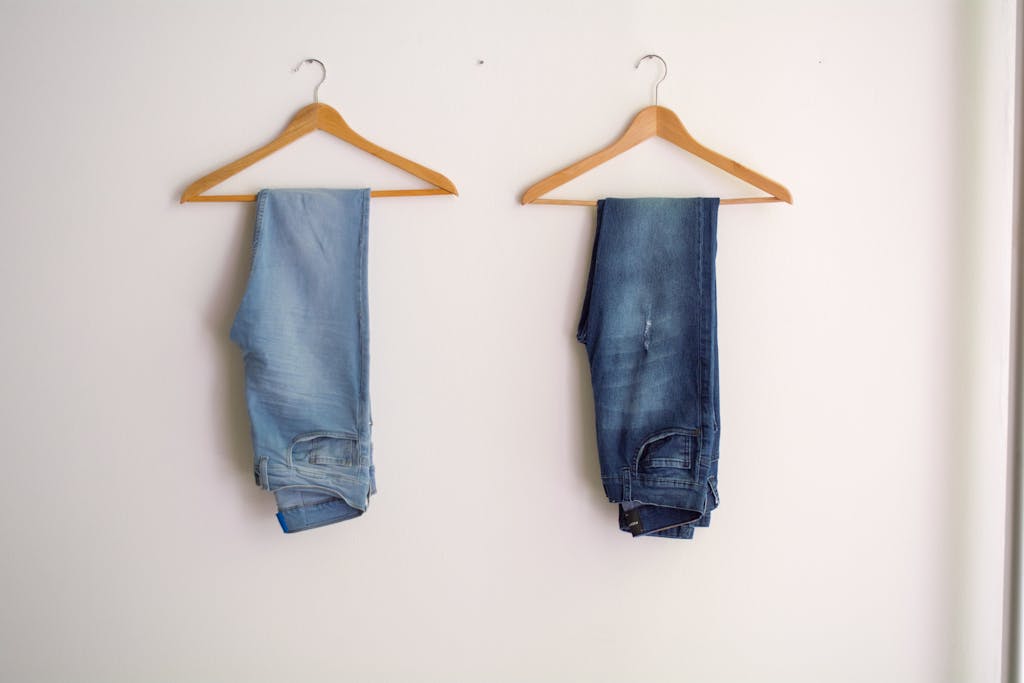
Your wardrobe minimalism doesn’t need to be perfect to be effective. A rough system that eliminates fifty percent of your morning decisions delivers real cognitive benefits, even if it’s not optimized. Progress beats perfection every time.
Schedule seasonal reviews rather than constantly tweaking your system. Twice a year, evaluate what’s working and what isn’t. This contains the decision-making about wardrobe decisions to specific time blocks rather than allowing it to become another ongoing cognitive burden.
During these reviews, notice which pre-planned outfits you consistently reach for and which you avoid. Your behavior reveals your true preferences more accurately than your intentions. Build on what actually works rather than what theoretically should work.
Beyond the Closet: Systemic Decision Reduction
Once you experience the mental freedom of a streamlined wardrobe, you’ll likely notice other areas of daily life draining cognitive resources unnecessarily. The same principles apply broadly. Meal planning, morning routines, evening wind-down rituals, even how you manage emotional transitions throughout your day can benefit from intentional systematization.
This doesn’t mean becoming rigid or eliminating all spontaneity. It means identifying the recurring decisions that don’t actually need fresh thinking each time they occur and creating systems that handle them automatically. This preserves your finite decision-making capacity for choices that genuinely benefit from thoughtful consideration.
The Decision Lab research on decision fatigue notes that Barack Obama famously limited his wardrobe to reduce daily decisions, explaining that he had too many other decisions to make to waste cognitive resources on clothing. This wasn’t about lacking interest in appearance. It was strategic resource allocation.
For introverts especially, protecting cognitive reserves isn’t optional. It’s essential for sustainable functioning in a world that often demands more social and decision-making energy than our systems are designed to provide.
Starting Tomorrow: Your First Week
Rather than attempting a complete wardrobe overhaul, start with one context and one week. Choose your most decision-heavy clothing situation, likely weekday work attire, and create just five pre-planned outfits for the coming week.
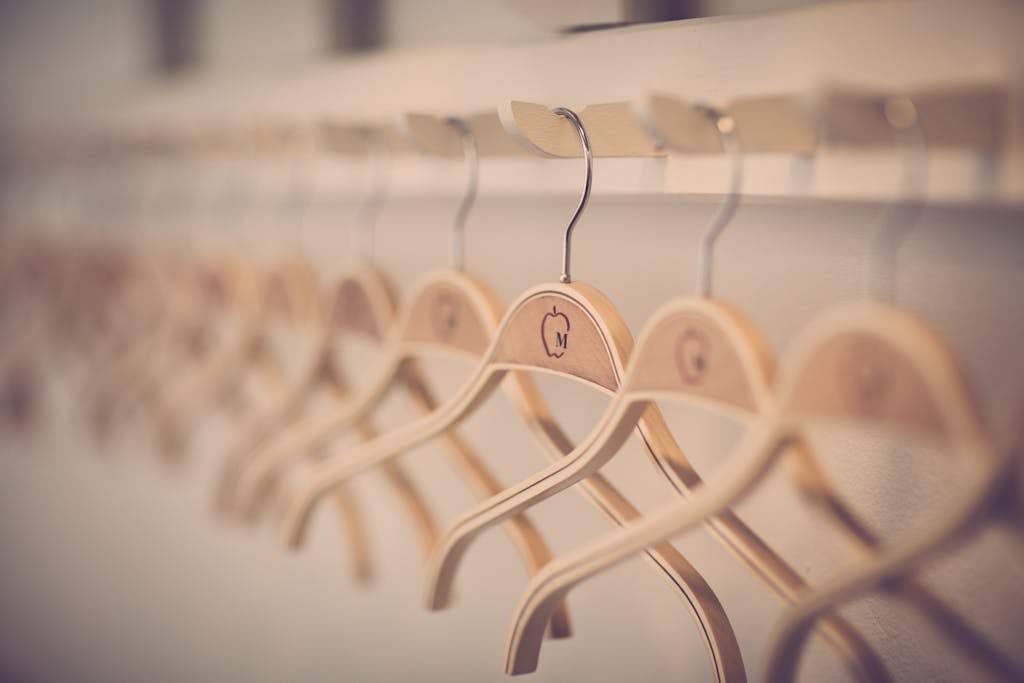
Sunday evening, assemble each outfit completely. Include everything: shirt, pants or skirt, belt, shoes, even accessories if you wear them. Hang or arrange them in order for the week. Monday’s outfit goes first, Friday’s last.
For one week, don’t deviate from the plan regardless of how you feel each morning. The point isn’t that each outfit will be your ideal choice for that day. The point is experiencing what decision-free mornings feel like.
After the week, notice the difference in your morning energy levels, your stress around getting dressed, and your available mental bandwidth for the work and relationships that actually matter. Most people find the relief significant enough to justify building out the full system.
Finding Peace in the Ordinary
That frustrated morning years ago, paralyzed between two navy blazers while running late for a meeting, marked a turning point in how I thought about daily decisions. The solution wasn’t trying harder or waking earlier or becoming more decisive. The solution was recognizing that every unnecessary decision carried a cost and building systems that eliminated those costs where possible.
Wardrobe minimalism for introverts isn’t about fashion or aesthetics, though both can improve as side effects. It’s about finding peace in the ordinary moments that structure our days. It’s about refusing to spend precious cognitive resources on decisions that can be systematized, automated, or eliminated entirely.
Your brain is too valuable an instrument to exhaust on choosing between similar shirts. Save that processing power for the creative work, deep thinking, and meaningful connections that make life as an introvert rich and fulfilling. Let your wardrobe be one less thing demanding your attention. Let getting dressed become a moment of calm rather than cognitive chaos.
The blazer I finally grabbed that morning? It didn’t matter. What mattered was recognizing that the exhaustion I felt wasn’t about that single choice but about the cumulative weight of countless small decisions eroding my capacity for what actually mattered. Now I know better. And my mornings reflect that understanding.
Frequently Asked Questions
How many items should be in an introvert’s minimalist wardrobe?
While traditional capsule wardrobe advice suggests 30 to 40 items per season, the right number for decision-fatigued introverts depends on your specific contexts and comfort level. Focus less on hitting a particular number and more on having pre-planned outfit systems for each situation you regularly encounter. Some introverts thrive with as few as 15 pieces; others need 50 to cover diverse professional and personal contexts without daily decision-making.
Won’t people notice if I wear the same outfits repeatedly?
Research consistently shows people pay far less attention to others’ clothing than we assume. Studies on the spotlight effect demonstrate that we overestimate how much others notice our appearance. Even if colleagues notice some repetition, the confidence that comes from feeling comfortable and prepared far outweighs any potential judgment about outfit variety.
What if my job requires varied professional appearance?
Even in contexts requiring varied professional dress, you can create pre-planned outfit systems. The goal isn’t wearing identical clothing daily; it’s eliminating the decision-making process. Create a larger set of pre-planned combinations and rotate through them systematically. Some professionals assign specific outfits to specific days or meeting types, removing choice while maintaining variety.
How do I handle special occasions with a minimalist wardrobe?
Keep a small separate collection for genuinely special occasions that occur infrequently. These items don’t need to integrate with your daily system. However, examine whether you’re categorizing too many events as special. Many situations we treat as requiring special clothing could be handled by slightly elevated versions of everyday pieces.
How do I know if my decision fatigue is normal or something more serious?
Difficulty making everyday decisions, especially when accompanied by exhaustion, anxiety, or avoidance behaviors, can sometimes indicate underlying conditions like depression or burnout. If implementing wardrobe minimalism and other cognitive load reduction strategies doesn’t improve your daily functioning, consider consulting with a mental health professional. Decision fatigue that significantly impairs daily life deserves professional attention.
Explore more introvert lifestyle resources in our complete General Introvert Life Hub.
About the Author
Keith Lacy is an introvert who’s learned to embrace his true self later in life. With a background in marketing and a successful career in media and advertising, Keith has worked with some of the world’s biggest brands. As a senior leader in the industry, he has built a wealth of knowledge in marketing strategy. Now, he’s on a mission to educate both introverts and extroverts about the power of introversion and how understanding this personality trait can unlock new levels of productivity, self-awareness, and success.