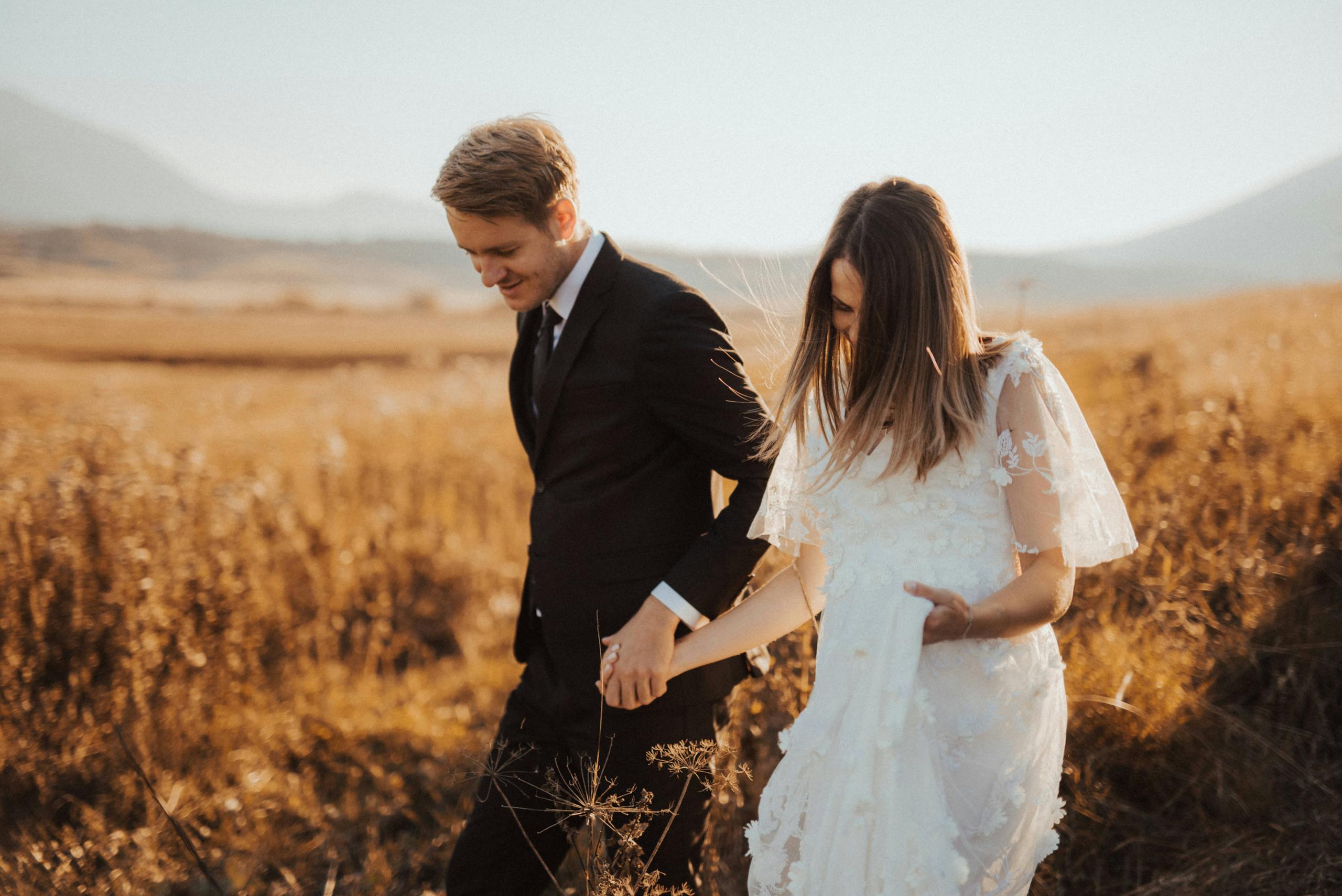

The camera feels natural in your hands. You notice the light shifting across a room before anyone else does. You see the quiet glance between grandparents during the ceremony, the way a bride’s hands tremble as she adjusts her veil, the unguarded laughter between bridesmaids when they think nobody is watching. These moments call to you because you’ve spent your entire life observing the world from the edges rather than demanding to be at its center.
And yet the wedding photography industry seems designed for someone else entirely. Someone who thrives on constant social interaction, who can command a room of 200 strangers with ease, who energizes rather than depletes when surrounded by crowds for twelve consecutive hours. If you’ve ever wondered whether your introverted nature disqualifies you from building a successful wedding photography business, I want you to hear something clearly: it doesn’t.
I spent over twenty years in advertising and marketing, leading teams and managing Fortune 500 client relationships while being wired for depth and internal reflection. The assumption that success requires extroverted energy nearly derailed my career before I learned a crucial truth. The qualities that made me feel like an outsider in boardrooms and networking events were actually the qualities that made my work exceptional. The same principle applies to wedding photography.
Why Introverts Actually Excel Behind the Camera
The wedding photography industry perpetuates a myth that success requires outgoing personalities who can energize exhausted wedding parties with boundless enthusiasm. This narrative overlooks something fundamental about what makes wedding photographs truly memorable.
What’s your personality type?
Take our free 40-question assessment and get a detailed personality profile with dimension breakdowns, context analysis, and personalised insights.
Discover Your Type8-12 minutes · 40 questions · Free
Research into introversion and creativity reveals a high correlation between introspective personalities and creative excellence. Psychologist Gregory Feist’s work demonstrates that many of history’s most creative minds share introverted traits. This connection isn’t coincidental. The same internal processing that makes social events draining also enables deeper observation, more nuanced perception, and greater attention to subtle details that others miss entirely.
Susan Cain’s groundbreaking research on introversion, featured in her influential TED Talk viewed over 50 million times, emphasizes that introverts possess unique capabilities for deep focus and independent thinking. These traits translate directly to wedding photography where the ability to notice fleeting moments, maintain concentration during chaotic receptions, and see beyond obvious compositions creates work that genuinely moves people.
Your tendency to observe rather than participate means you’re already trained to watch for the unscripted moments that create the most powerful images. While extroverted photographers might naturally gravitate toward orchestrated poses and directed group shots, introverted photographers often excel at documentary style work that captures authentic emotion without manipulation.
The Business Reality of Wedding Photography
Before diving deeper into how introverts can thrive in this field, understanding the business landscape helps set realistic expectations. According to the U.S. Bureau of Labor Statistics, the median hourly wage for photographers was $20.44 in May 2024, with approximately 12,700 job openings projected annually over the coming decade.
Wedding photography specifically offers significant earning potential for established professionals. Experienced wedding photographers often charge between $2,000 and $5,000 per wedding, with top tier professionals in major markets commanding $10,000 or more. This income potential makes wedding photography one of the most lucrative photography specialties, though it comes with substantial demands on time and energy that introverts must account for strategically.
The seasonal nature of wedding photography creates natural recovery periods for introverts. Peak wedding season typically runs from late spring through early fall, meaning you can structure your business to accommodate intensive social periods followed by quieter months for editing, marketing, and personal restoration. This rhythm actually suits introverted temperaments better than year round client interaction would.
Building Client Relationships Your Way
The consultation process terrifies many introverted photographers more than the wedding day itself. Sitting across from strangers, selling yourself, answering rapid questions while trying to seem approachable and trustworthy. I understand this anxiety intimately. Early in my career, I prepared extensively for client meetings only to leave them feeling like I’d performed rather than connected.
What changed everything was recognizing that the qualities clients actually need in a wedding photographer align remarkably well with introverted strengths. Couples want someone who listens carefully to their vision rather than imposing a predetermined style. They need a photographer who notices the small details that matter to them specifically. They appreciate someone who won’t compete for attention on their wedding day.

Structure your client interactions to leverage your natural communication style. Written communication often works beautifully for introverts, so develop comprehensive questionnaires that gather important information before meetings. This preparation allows you to listen thoughtfully during consultations rather than scrambling to ask basic questions. Create detailed proposal documents that communicate your value through carefully crafted language rather than relying on impromptu sales pitches.
If you’re building broader introvert freelancing foundations, these client management strategies transfer across creative industries. The key is designing systems that play to your strengths rather than forcing yourself into extroverted business templates.
Managing Energy on Wedding Days
A typical wedding day demands eight to twelve hours of continuous social interaction, often with people you’ve never met while navigating the emotional intensity of someone’s most significant celebration. This sounds like an introvert’s nightmare scenario, and without proper energy management strategies, it absolutely can be.
The secret lies in understanding that wedding photography offers more autonomy than initially apparent. You control your positioning, your movement, and to a significant degree, your level of engagement with guests throughout the day. Successful introverted wedding photographers learn to build recovery micro moments into their workflow.
During getting ready photos, position yourself to work quietly while the wedding party chats among themselves. Use equipment changes and lens swaps as natural pauses that allow brief mental reset. During receptions, step outside periodically under the guise of checking lighting conditions or reviewing images. These small breaks accumulate into meaningful restoration without disrupting your professional presence.
Professional photographers Manny Ortiz and Taylor Jackson, both self described introverts who built successful wedding photography careers, share valuable perspective in their PetaPixel interview. Their key insight: match the energy of your subjects rather than assuming everyone expects an outgoing photographer. This permission to be yourself rather than performing extroversion reduces the social exhaustion significantly.

Schedule strategically around wedding days. The day before a wedding should involve minimal social commitments. The day after should be completely protected for recovery. As your business grows and you can afford selectivity, consider limiting the number of weddings you book per season to maintain sustainable energy levels rather than pursuing maximum revenue at the cost of burnout.
The Documentary Advantage
Documentary or photojournalistic wedding photography has grown increasingly popular, and this trend particularly benefits introverted photographers. This style emphasizes capturing authentic moments as they naturally unfold rather than directing elaborate poses or commanding attention through the event.
When I managed creative teams during my agency career, I noticed that the best work often came from quiet observation rather than forced collaboration. The team members who sat back and absorbed context before contributing frequently offered insights that louder voices missed. Wedding documentary photography operates on the same principle. Your observer nature becomes a professional asset rather than a social liability.
Documentary style work allows you to maintain comfortable physical distance while still capturing intimate moments. A telephoto lens becomes both a technical tool and an energy management device, enabling you to stay at the periphery of crowded scenes while still capturing powerful images. You can remain unobtrusive during emotional moments that posed photography would interrupt and diminish.
This approach also resonates with many modern couples who specifically seek photographers who won’t dominate their wedding day. Marketing your documentary style to couples who value authenticity over formality helps attract clients whose expectations align with your natural working method.
Building a Sustainable Business Model
The business development aspects of wedding photography pose distinct challenges for introverts. Networking events, vendor showcases, and bridal expos all demand the extended social engagement that depletes our energy reserves. Fortunately, alternative marketing approaches can build a thriving photography business without relying on these traditional methods.
Content marketing aligns beautifully with introverted strengths. Blogging about wedding photography allows you to communicate your value through thoughtful writing rather than quick verbal pitches. Search engine optimization brings couples to you rather than requiring you to pursue them at crowded events. Social media platforms enable you to showcase your work and personality on your own terms, with time to craft your message carefully.

Referral based business growth particularly suits introverted photographers. The deep connections you naturally form with clients who appreciate your style lead to enthusiastic recommendations. One genuinely satisfied couple who felt truly seen and understood by your approach generates more qualified leads than dozens of superficial networking conversations. Focus on creating exceptional experiences for fewer clients rather than trying to maximize your reach through exhausting promotional activities.
If you’re considering introvert entrepreneurship in any creative field, these principles of authenticity based marketing apply broadly. Building a business that reflects your genuine nature attracts clients who will value what you actually offer.
Developing Technical Excellence in Solitude
One significant advantage introverts possess in creative fields involves our capacity for deep, focused practice. The 10,000 hours concept of mastery requires exactly the kind of solitary dedication that comes naturally to introverted personalities. While extroverted photographers might spend their non shooting time networking and socializing, introverted photographers often invest those hours refining their craft.
Technical photography skills develop through patient, repetitive practice. Understanding light behavior in various conditions, mastering camera settings until adjustments become automatic, developing an instinctive eye for composition. These skills emerge from hours of solo experimentation that introverts not only tolerate but often enjoy.
Post processing work happens entirely in solitude, and wedding photographers spend substantial time editing images. This editing phase allows introverts to work in their element, applying artistic vision without social demands. Many introverted photographers find that editing sessions provide the restorative alone time that balances their socially intensive shooting days.
Susan Cain’s research, detailed in her book Quiet: The Power of Introverts, emphasizes that solitude serves as a crucial ingredient for creativity. The editing process becomes not just technical work but creative refinement that produces your distinctive artistic voice. Introverted photographers often develop more cohesive editing styles because they dedicate the concentrated time necessary to achieve consistent vision across their work.
Navigating Wedding Day Social Dynamics
Understanding the social architecture of weddings helps introverted photographers navigate these events more comfortably. Wedding days involve multiple distinct social environments, each with different energy demands and opportunities for the observer role.
Morning preparation typically involves smaller groups in private settings. These intimate environments often feel more manageable for introverts, with natural opportunities for one on one conversations rather than crowd navigation. The excitement and nervousness of the wedding party actually reduces their attention on you, allowing you to work quietly while they focus on each other.
Ceremonies provide a structured environment where your role as observer is clearly defined and socially accepted. You’re expected to remain unobtrusive, which aligns perfectly with introverted preferences. The ceremonial format creates natural boundaries that prevent the kind of open ended socializing that drains our energy most rapidly.
Receptions present the greatest challenge, with their combination of crowds, noise, and social expectations. However, your camera serves as a legitimate boundary. Guests generally understand that a working photographer cannot pause for extended conversations. Brief, warm interactions followed by returning to your work feels natural and appropriate in this context.
Understanding how successful introverts navigate client facing professions helps across industries. If you’re building any kind of independent career, learning to work with rather than against your social energy patterns proves essential for long term sustainability.
Second Shooting as a Development Path
Breaking into wedding photography often involves working as a second shooter for established photographers. This arrangement offers particular benefits for introverts developing their skills and confidence.
As a second shooter, primary responsibility for client interaction rests with the lead photographer. You can focus entirely on capturing images without managing timelines, coordinating family groups, or handling logistics that require assertive social navigation. This allows you to develop your technical and artistic skills in a real wedding environment without the full social burden.

Second shooting also provides valuable observation of different working styles. Watch how various lead photographers handle challenging social situations. Note which approaches feel aligned with your personality and which feel forced or exhausting. This apprenticeship period helps you develop your own authentic working style before launching independently.
The gradual progression from second shooting to primary work allows your confidence to build incrementally. Each wedding day becomes slightly more comfortable as your skills improve and your professional identity solidifies. By the time you’re ready to work independently, you’ve developed both technical competence and social strategies that make the demands feel manageable.
Creating Boundaries That Protect Your Energy
Sustainable success as an introverted wedding photographer requires deliberate boundary setting around your energy resources. These boundaries might feel uncomfortable initially, especially if you’ve internalized messages that accommodation equals professionalism.
Limit the number of weddings you book per month based on realistic assessment of your recovery needs. Many introverted photographers find that two to three weddings monthly allows time for restoration without compromising income goals. Premium pricing with fewer clients often works better for introverts than budget pricing with high volume.
Establish communication protocols that prevent constant availability. Designate specific days or hours for client calls rather than accepting interruptions throughout your week. Use email as your primary communication channel where possible, allowing you to respond thoughtfully rather than reacting immediately.
Build recovery time into your contracts. If a Saturday wedding typically depletes your energy, avoid scheduling Sunday obligations. Protect transition time between intensive work periods. These boundaries enable you to bring your best self to each wedding rather than depleted energy that compromises both your work and your wellbeing.
Learning to build consulting style businesses helps wedding photographers develop the professional frameworks that protect energy while maintaining client satisfaction. The principles of value based pricing and controlled availability apply across creative service industries.
The Competitive Advantage of Depth
The wedding photography market includes many technically competent photographers competing primarily on price and availability. Introverted photographers can differentiate through the depth of service and connection they offer.
Your natural tendency toward meaningful conversation over small talk helps you understand what truly matters to each couple. This understanding translates into photographs that reflect their specific relationship rather than generic wedding imagery. Couples sense when a photographer genuinely knows them, and this connection produces work that feels personal rather than transactional.
The preparation introverts naturally undertake before social situations becomes a competitive advantage in wedding photography. Thorough location scouting, detailed timeline planning, and comprehensive shot lists demonstrate professionalism that distinguishes your service. While some photographers rely on personality and improvisation, your systematic preparation ensures consistently excellent results.
Introverted photographers often develop stronger vendor relationships through reliable, low drama professionalism. Wedding planners, venue coordinators, and other vendors appreciate photographers who work quietly and efficiently without seeking attention or creating conflicts. These professional relationships generate referrals from industry insiders who value competence over charisma.
Long Term Career Sustainability
Building a wedding photography career that sustains you for decades requires realistic planning around your energy patterns. Many photographers burn out not because they lack talent but because they structure their businesses in ways that constantly deplete rather than replenish their resources.
Consider how your business might evolve as you develop mastery and reputation. Higher prices with fewer weddings creates a sustainable model for many introverted photographers. Alternatively, diversifying into other photography genres that require less intensive social engagement provides variety and recovery opportunities. Portrait sessions, commercial work, or editorial photography might complement your wedding work while offering different energy dynamics.
As insights from successful introverted photographers confirm, you don’t need to become extroverted to succeed. You need to design a career that accommodates your authentic nature while delivering genuine value to clients who appreciate what you specifically offer.
The photographers who thrive long term find ways to leverage their strengths while protecting against their challenges. Your introverted nature provides genuine advantages in observation, creativity, and deep connection. The key lies in building business structures that capitalize on these gifts without requiring you to constantly perform traits you don’t naturally possess.
Your Photography Journey Starts Where You Are
The wedding photography industry needs more introverted perspectives. Couples deserve access to photographers who truly see them rather than performing enthusiasm for everyone equally. The quiet observers, the deep thinkers, the ones who notice what others overlook. These are the photographers who create work that moves people to tears when they receive their gallery.
Your introversion is not an obstacle to overcome. It’s the foundation of your unique artistic vision. The same sensitivity that makes crowded events exhausting also enables you to capture human emotion with extraordinary nuance. The same preference for observation over participation positions you to document moments that other photographers miss while orchestrating attention toward themselves.
Start where you are with whatever equipment and experience you currently have. Practice seeing the world through an observer’s eye. Build skills in solitude where your concentration flows naturally. When you’re ready to photograph weddings, design your business around sustainable energy management rather than forcing yourself into templates created by different personalities.
The couples who need your specific gifts are waiting to find you. They might not know yet that they want an introverted photographer, but they’ll recognize the difference when they see your work. They’ll feel understood in ways they couldn’t articulate. They’ll treasure photographs that captured not just how their wedding looked, but how it actually felt to the quiet observers paying the closest attention.
Understanding how introverts can build exceptional businesses authentically applies whether you’re pursuing wedding photography or any creative entrepreneurial path. The principles remain consistent: work with your nature rather than against it, deliver genuine value to clients who appreciate your approach, and build sustainable structures that protect your long term wellbeing while enabling your best work.
Frequently Asked Questions
Can introverts really succeed as wedding photographers?
Absolutely. Introverts bring valuable strengths to wedding photography including keen observation skills, attention to detail, and the ability to capture authentic moments without demanding attention. Many successful wedding photographers identify as introverts, using their natural tendencies toward deep focus and thoughtful observation to create meaningful imagery that resonates with couples seeking authentic documentation of their day.
How do introverted photographers manage the long hours at weddings?
Strategic energy management makes long wedding days sustainable. Successful introverted photographers build micro breaks into their workflow, use equipment changes as natural pause points, position themselves at comfortable distances using telephoto lenses, and schedule recovery time before and after wedding days. Many also limit the number of weddings they book monthly to maintain sustainable energy levels throughout the season.
What photography style works best for introverted wedding photographers?
Documentary or photojournalistic wedding photography often suits introverts exceptionally well. This style emphasizes capturing authentic moments as they naturally unfold rather than directing elaborate poses or commanding attention. It allows photographers to maintain comfortable physical distance while still capturing intimate moments, playing to the natural observer strengths that many introverts possess.
How can introverted photographers build their client base without networking events?
Content marketing, search engine optimization, and referral based growth provide effective alternatives to traditional networking. Blogging about wedding photography allows introverts to communicate value through thoughtful writing. Social media enables showcasing work on your own terms. Most importantly, creating exceptional experiences for each client generates enthusiastic referrals that bring qualified leads without exhausting promotional activities.
What income can introverted wedding photographers realistically expect?
Wedding photography income varies significantly based on location, experience, and business model. Established wedding photographers typically charge between $2,000 and $5,000 per wedding, with premium photographers in major markets earning $10,000 or more. Many introverted photographers find that fewer weddings at higher prices works better than high volume at lower rates, allowing sustainable income while protecting energy reserves.
Explore more entrepreneurship and freelancing resources in our complete Alternative Work Models and Entrepreneurship Hub.
About the Author
Keith Lacy is an introvert who’s learned to embrace his true self later in life. With a background in marketing and a successful career in media and advertising, Keith has worked with some of the world’s biggest brands. As a senior leader in the industry, he has built a wealth of knowledge in marketing strategy. Now, he’s on a mission to educate both introverts and extroverts about the power of introversion and how understanding this personality trait can unlock new levels of productivity, self-awareness, and success.