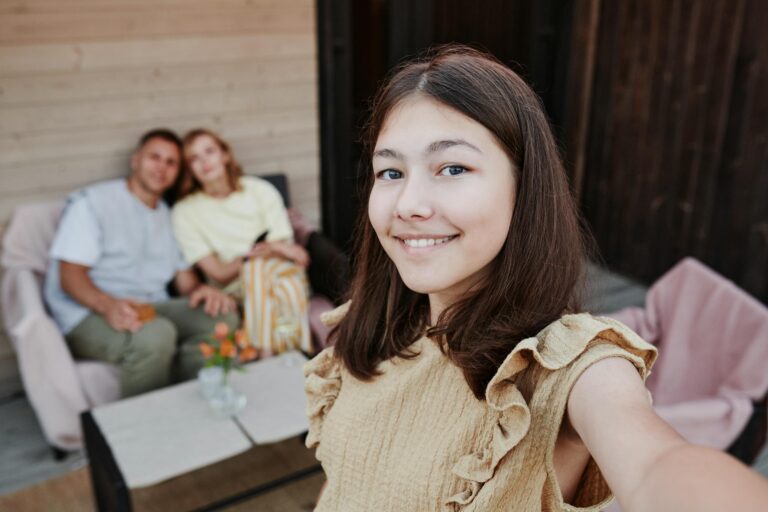

Being extroverted feels, by most accounts, like having a battery that charges in the presence of other people. Conversations energize rather than drain, social situations feel natural rather than calculated, and the pull toward noise and company is as instinctive as breathing. Reddit threads exploring this question have produced some of the most honest, unfiltered answers you’ll find anywhere, because people tend to tell the truth when they’re anonymous and genuinely curious about each other.
What makes those Reddit threads so compelling is the specificity. Extroverts don’t just say they like people. They describe a physical restlessness when alone too long, a kind of mental fog that only clears when they’re in conversation. Introverts reading those descriptions often feel something between fascination and mild disbelief, because that experience is genuinely foreign to how we move through the world.
Exploring what extroversion actually feels like from the inside is part of a much larger conversation about how personality traits shape our daily experience. Our Introversion vs Other Traits hub covers the full spectrum of these differences, but the extrovert’s inner world deserves its own focused examination, particularly through the lens of what extroverts themselves say when asked directly.

What Do Extroverts Actually Say It Feels Like on Reddit?
Spend an hour reading Reddit threads where extroverts describe their inner experience and a few themes emerge consistently. One of the most common is what many describe as feeling “switched off” when they’re alone for extended periods. Not peaceful. Not recharged. Switched off, like a lamp without power. One Reddit user described it as feeling like their brain runs at half capacity when there’s no one to talk to, that ideas feel incomplete until they’ve been spoken aloud and bounced off another person.
What’s your personality type?
Take our free 40-question assessment and get a detailed personality profile with dimension breakdowns, context analysis, and personalised insights.
Discover Your Type8-12 minutes · 40 questions · Free
That particular detail stopped me cold when I first read it. As an INTJ who spent two decades running advertising agencies, my best thinking happened in the opposite conditions. I’d close my office door, put on headphones, and let ideas develop in silence before I ever brought them to a meeting. The notion that thoughts feel incomplete without an audience was, to me, genuinely alien.
Another recurring theme in those Reddit threads is the experience of silence as discomfort rather than relief. Extroverts frequently describe quiet as something to be filled, not savored. Several users mentioned that they talk to process emotion, not after they’ve processed it. Where I would retreat inward after a difficult client call, working through what happened before I said anything to anyone, extroverted colleagues on my team would immediately seek out another person to talk it through with. At the time, I sometimes read that as impulsiveness. Now I understand it was simply a different processing system.
The Reddit discussions also reveal something interesting about how extroverts experience energy. Many describe a genuine physical sensation of vitality in social situations, a kind of aliveness that doesn’t feel manufactured. One commenter compared it to how some people feel when they exercise, that the activity itself generates more energy than it consumes. For extroverts, conversation and company seem to function the same way.
Why Does Understanding Extroversion Matter for Introverts?
There’s a version of introvert culture that treats extroversion as something to be wary of, or at least kept at arm’s length. I understand the impulse. Many of us spent years in workplaces designed entirely around extroverted preferences, open offices, mandatory brainstorming sessions, networking events that felt more like endurance tests than professional development. Developing some protective distance from all of that makes sense.
Yet that distance can harden into something less useful: a genuine failure to understand how extroverts actually experience the world. And that gap has real consequences, especially in professional settings. When I was managing teams at my agencies, some of my most valuable employees were deeply extroverted. Understanding what motivated them, what drained them, and how they processed information wasn’t a soft skill. It was operational intelligence.
One of my account directors was someone who needed to think out loud. She’d walk into my office with what sounded like a half-formed idea and talk for ten minutes, and by the end she’d have solved her own problem. Early in our working relationship, I found this maddening. I kept waiting for her to get to the point. What I eventually understood was that the talking was the point. That was her cognitive process, not a preamble to it. Once I stopped treating her extroversion as inefficiency and started treating it as information about how she worked best, our collaboration became significantly more productive.
Before going further, it’s worth being precise about what we mean when we talk about extroversion. If you want a clear grounding in the actual definition, what it means to be extroverted covers the psychology behind the trait in detail, separating the real definition from the cultural caricature.

Is the Introvert-Extrovert Divide Really That Clear-Cut?
One of the most interesting threads I’ve seen on Reddit around this topic involves people who genuinely aren’t sure which category they fall into. They read descriptions of extroversion and recognize pieces of themselves. They read descriptions of introversion and recognize other pieces. This isn’t confusion or self-deception. It reflects something real about how personality actually distributes across a population.
The introvert-extrovert spectrum has always had middle territory, and the people who occupy it don’t fit neatly into either camp. If you’ve ever wondered where you actually fall, taking the introvert extrovert ambivert omnivert test can give you a clearer picture than trying to self-assess based on general descriptions.
The concept of the ambivert, someone who draws energy from both social and solitary contexts depending on circumstances, has gained significant traction in psychology circles. But there’s another category worth knowing: the omnivert. Unlike ambiverts, who tend to fall consistently in the middle, omniverts swing between strong introversion and strong extroversion depending on context, mood, and environment. Understanding the difference between these types matters if you’re trying to make sense of your own patterns. The distinction between an omnivert vs ambivert is more significant than most people realize, and it can reframe how you interpret your own social energy.
There’s also a less commonly discussed category worth mentioning: the otrovert. If you haven’t encountered this term, the comparison of otrovert vs ambivert breaks down exactly how these types differ and why the distinction matters for understanding your social energy patterns.
What the Reddit discussions reveal is that many people asking “what does it feel like to be extroverted” are actually trying to locate themselves on this spectrum. They’re not purely curious about extroverts as some other species. They’re trying to understand their own experience by contrast, which is a deeply human way of developing self-knowledge.
What Do Extroverts Miss That Introverts Take for Granted?
This is the question that rarely gets asked, and the Reddit threads that do ask it produce surprisingly vulnerable answers. Extroverts, when they feel safe enough to be honest, often describe a complicated relationship with solitude. Not a simple dislike of it, but something more layered: a difficulty accessing their own inner world without the mirror of other people to reflect it back.
Several Reddit users described struggling to know what they actually felt about something until they’d talked about it with someone else. One person wrote that journaling felt pointless to them because writing to themselves was like “talking to a wall.” They needed a real person, real feedback, real responsiveness. Without that, the emotional processing stalled.
As someone whose inner life has always been richly populated, this is genuinely hard for me to imagine. My journal has been one of my most reliable thinking tools for years. Some of my clearest strategic decisions during my agency years came from writing through a problem alone at 6 AM before anyone else arrived at the office. The idea that this process would feel hollow or inaccessible is a real insight into a fundamentally different way of being.
Depth of conversation is another area where the contrast shows up clearly. Many extroverts describe preferring to keep conversations moving, covering ground, touching on multiple topics. The kind of slow, deep, single-topic conversation that many introverts find most satisfying can feel, to some extroverts, like getting stuck. This connects to what Psychology Today has noted about introverts and deeper conversations, specifically that the preference for depth over breadth in social interaction is a genuine feature of introverted psychology, not just a cultural preference.
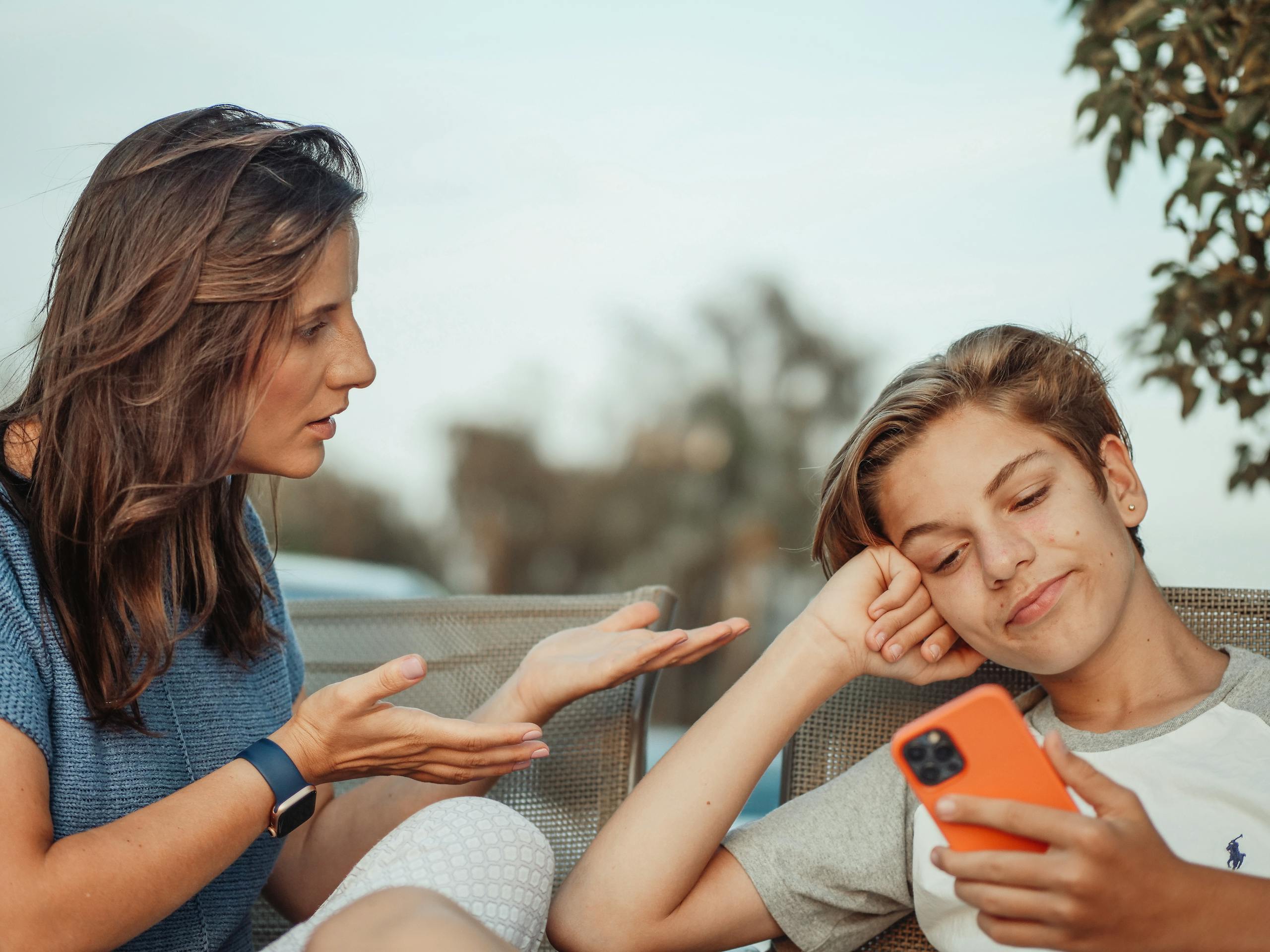
None of this makes one style superior. It does mean that extroverts and introverts are often optimizing for different things in social situations, and misreading each other’s behavior as a result. The extrovert who keeps pivoting topics isn’t being shallow. The introvert who wants to stay on one subject isn’t being rigid. They’re just running different social operating systems.
How Does Extroversion Show Up Differently Across Personality Frameworks?
Reddit discussions about extroversion frequently get into MBTI territory, and for good reason. The Myers-Briggs framework builds extroversion and introversion into its foundation, treating them as the first and most fundamental of its four dimensions. Every MBTI type that begins with E is, by definition, extroverted in its orientation, meaning it prefers to direct energy outward toward the external world of people, action, and things.
What’s interesting is how differently extroversion expresses itself across different MBTI types. An ENTJ extrovert and an ESFP extrovert are both drawing energy from external engagement, but the texture of that engagement looks completely different. The ENTJ I once hired to lead business development at my agency was extroverted in a driven, strategic way. Every conversation was purposeful. Every social interaction was, at some level, also a professional opportunity. The ESFPs I’ve worked with over the years were extroverted in a warmer, more spontaneous register. They lit up in the moment, made everyone around them feel included, and seemed genuinely delighted by people as people rather than as pieces on a board.
Both were extroverts. Both charged their batteries socially. But the flavor of that extroversion was shaped by the other dimensions of their personality, and recognizing that nuance made me a better manager. Treating all extroverts as interchangeable is as reductive as treating all introverts as shy people who just need more confidence.
The science behind these personality dimensions is more complex than any single framework captures. What research published in PubMed Central suggests is that extraversion as a trait connects to reward sensitivity and positive affect in ways that have measurable neurological correlates. Extroverts aren’t just socially comfortable. They may be more responsive to reward signals in general, which helps explain why social stimulation feels energizing rather than taxing to them.
Additional work published through PubMed Central has explored how personality traits including extraversion relate to wellbeing and life outcomes across different contexts. The picture that emerges is one of genuine neurological and psychological difference, not simply a preference or a habit that can be trained away in either direction.
What Happens When Introverts Try to Perform Extroversion?
This is territory I know intimately. For most of my agency career, I operated under the assumption that effective leadership required extroverted behavior. Presence, volume, visibility, constant accessibility. I watched extroverted leaders in my industry and tried to reverse-engineer what they were doing, then replicate it.
What I was doing, I now understand, was performing. And performance is exhausting in a way that authentic behavior simply isn’t. I could walk into a room of clients and turn on a version of myself that was more animated, more expansive, more socially dominant than my natural state. I got reasonably good at it. But the cost was real. After a full day of client meetings and team presentations, I was hollowed out in a way that a genuinely extroverted colleague simply wasn’t. They’d suggest dinner and drinks after a long day of presentations. I was already calculating how quickly I could get home and be alone.
The Reddit threads capture this dynamic from the other direction too. Extroverts who’ve been in environments that demanded introvert-style behavior describe a similar drain. Open offices that suddenly became remote work. Jobs that required hours of solitary focused work with minimal human contact. The mismatch between personality and environment is taxing regardless of which direction it runs.
There’s also an interesting question about where people fall when they’re not at the extreme ends. If you’ve ever felt like you might be somewhere in the middle, the introverted extrovert quiz can help clarify whether you’re genuinely ambivert-adjacent or whether you’re an introvert who’s learned to manage social situations effectively, which are meaningfully different things.
It also matters how far along the introvert spectrum you sit. Someone who’s fairly introverted has a different experience than someone who’s extremely introverted, and the gap between those two points is larger than most people assume. The difference between fairly introverted vs extremely introverted shows up in how much social interaction a person can handle before needing to recover, how strongly they react to overstimulation, and how much they rely on solitude as a functional necessity rather than just a preference.

What Can Introverts Genuinely Learn From the Extrovert Experience?
Reading those Reddit threads with genuine curiosity rather than defensiveness opens up something useful. Extroverts have developed capacities that introverts often undervalue, not because introverts lack the ability, but because those capacities don’t come naturally and therefore don’t get exercised.
Thinking out loud is one of them. Many introverts, myself included, have a strong preference for arriving at conclusions internally before sharing them. There’s real value in that. It produces more considered, better-developed ideas. Yet there’s also value in the extroverted practice of using conversation as a thinking tool, of being willing to voice an incomplete thought and let it develop through dialogue. Some of the best creative work I witnessed in my agencies came from sessions where someone was willing to say something half-formed and let the room build on it.
Extroverts also tend to be more comfortable with conflict resolution in real time. Where introverts often prefer to process a disagreement internally before addressing it, extroverts are more likely to surface tension immediately and work through it in conversation. Psychology Today’s framework for introvert-extrovert conflict resolution highlights how these different styles can either complement each other or create significant friction when neither side understands what the other is doing.
Professional contexts often reward extroverted behaviors in ways that feel structurally unfair to introverts. Networking is one of the more obvious examples. Rasmussen University’s perspective on marketing for introverts touches on how introverts can build professional visibility without abandoning what makes them effective, which is a more practical approach than simply urging introverts to become more extroverted.
Negotiation is another professional arena where extroversion is often assumed to be an advantage. Yet the evidence doesn’t fully support that assumption. Harvard’s Program on Negotiation has explored whether introverts are actually at a disadvantage in negotiation settings, and the answer is more nuanced than the conventional wisdom suggests. Preparation, listening, and strategic patience, all natural introvert strengths, turn out to matter enormously in negotiation outcomes.
What I’ve come to believe, after two decades of watching both types operate in high-stakes professional environments, is that the most effective teams aren’t composed entirely of either type. They’re composed of people who understand their own wiring well enough to deploy it strategically, and who understand others’ wiring well enough to collaborate across the difference.
Does Extroversion Change Over Time?
Another thread that comes up regularly on Reddit is whether people feel their extroversion or introversion has shifted over their lifetime. The answers are genuinely interesting. Many people describe becoming more introverted as they age, not because their personality changed fundamentally, but because their tolerance for low-quality social interaction decreased. They became more selective. What once felt energizing, large groups, casual socializing, constant availability, started to feel like a poor return on investment.
Personality psychologists generally hold that the core trait of introversion or extroversion remains relatively stable across a lifetime, even as behavior adapts to circumstances. What changes is usually context and self-awareness. A young extrovert who hasn’t yet examined their own patterns might not notice the moments when they’re overstimulated. An older extrovert who’s done more self-reflection can recognize when they need to dial back, and can do so without it feeling like a failure.
The same is true in reverse. Introverts who’ve spent years developing social skills, learning to manage their energy strategically, and building genuine comfort in professional social settings haven’t become extroverts. They’ve become more skilled introverts. The underlying preference for depth over breadth, for internal processing over external processing, for solitude as restoration rather than punishment, those things remain.
What research published in Frontiers in Psychology continues to explore is the relationship between personality traits and behavioral flexibility over time. The emerging picture is one where traits are stable at the core but expressed differently depending on context, experience, and deliberate self-development. That’s an encouraging framework for anyone who’s felt trapped by their personality type, because it suggests that growth doesn’t require becoming someone else. It requires becoming more fully yourself.

What’s the Real Value of Asking This Question?
People who search for “what does it feel like to be extroverted” on Reddit aren’t usually looking for a clinical definition. They’re looking for something more personal: a window into an experience that feels genuinely different from their own. That impulse is worth honoring, because it’s fundamentally an act of curiosity and empathy rather than comparison or judgment.
What those threads reveal, at their best, is that extroverts are not simply louder or more socially confident versions of introverts. They’re people with a genuinely different relationship to energy, to thought, to emotion, and to connection. Understanding that difference doesn’t require you to envy it or emulate it. It requires you to see it clearly.
For introverts who’ve spent years in environments that treated extroversion as the default, there’s something quietly liberating about reading extroverts describe their own experience with the same kind of specificity and vulnerability that introverts use when describing theirs. It levels the playing field. It makes the difference feel less like a deficit on one side and more like a genuine variation in how human beings are wired.
That’s the conversation worth having, not which type is better, but what each type actually experiences, and how understanding that experience can make us more effective, more compassionate, and more honest about who we actually are.
There’s much more to explore across the full spectrum of introversion, extroversion, and everything in between. The complete Introversion vs Other Traits resource covers the nuances, comparisons, and frameworks that help make sense of where you and the people around you actually fall.
About the Author
Keith Lacy is an introvert who’s learned to embrace his true self later in life. After 20 years in advertising and marketing leadership, including running agencies and managing Fortune 500 accounts, Keith now channels his experience into helping fellow introverts understand their strengths and build fulfilling careers. As an INTJ, he brings analytical depth and authentic perspective to every article, drawing from both professional expertise and personal growth.
Frequently Asked Questions
What does it actually feel like to be extroverted, according to extroverts themselves?
Extroverts consistently describe social interaction as energizing rather than draining, with many reporting that they feel mentally foggy or restless when alone for extended periods. They often describe thinking out loud as a genuine cognitive process, meaning conversation isn’t just sharing conclusions but actually forming them. Many also describe silence as something to be filled rather than savored, and feel most like themselves when they’re engaged with other people.
Can an introvert ever fully understand what extroversion feels like from the inside?
Probably not completely, in the same way that extroverts can’t fully grasp the introvert experience of solitude as restoration. Yet the gap can be significantly narrowed through genuine curiosity and careful listening. Reading first-person accounts from extroverts, particularly in candid spaces like Reddit, offers meaningful insight into how differently wired people experience the same situations. Understanding doesn’t require sharing the experience, it requires taking the other person’s account seriously.
Is it possible to be both introverted and extroverted depending on the situation?
Yes, and there are specific personality categories that describe this pattern. Ambiverts tend to fall consistently in the middle of the introvert-extrovert spectrum, drawing energy from both social and solitary contexts. Omniverts swing more dramatically between the two depending on circumstances, mood, and environment. Neither of these is simply an introvert who’s learned to tolerate social situations. They represent genuine middle-ground personality configurations with their own distinct characteristics.
Why do introverts find it so hard to understand the extrovert experience?
Because the extrovert’s experience of social energy is genuinely counterintuitive to someone wired differently. For introverts, social interaction costs energy that must be replenished through solitude. The idea that the same interaction could generate energy rather than deplete it requires more than intellectual acceptance, it requires understanding a fundamentally different neurological and psychological orientation. The difficulty isn’t a failure of empathy. It’s a reflection of how deeply different these two orientations actually are at the level of daily experience.
Does extroversion change as people get older?
The core trait tends to remain stable across a lifetime, but how it’s expressed often shifts. Many extroverts report becoming more selective about their social engagement as they age, preferring fewer but more meaningful interactions over constant social stimulation. This isn’t a shift toward introversion so much as a refinement of how extroversion gets expressed. Similarly, introverts may develop greater social facility over time without their underlying preference for depth and solitude changing in any fundamental way.