
Mental exhaustion feels like thinking through wet concrete. Your thoughts arrive slowly, your words come out wrong, and even simple decisions feel like they require more effort than you have left to give. For introverts especially, it tends to build quietly beneath the surface until something small, a misplaced file or an unexpected phone call, tips the whole structure over.
What makes mental exhaustion particularly hard to name is that it doesn’t always look dramatic. You’re still functioning. You’re still showing up. But something essential is missing, and you can feel its absence even when you can’t explain it to anyone else.
Mental exhaustion is the state of cognitive and emotional depletion that follows sustained mental effort, sensory overload, or prolonged social engagement without adequate recovery. It affects concentration, emotional regulation, and decision-making, and it tends to accumulate faster in people who process experience deeply.
If you’ve ever wondered why your energy seems to drain faster than other people’s, or why recovery takes longer than it should, our Energy Management and Social Battery hub explores the full picture of how introverts experience and protect their cognitive and emotional reserves.

What Does Mental Exhaustion Actually Feel Like From the Inside?
There was a period in my mid-forties when I was running a mid-sized advertising agency, managing a team of about thirty people, and handling three major Fortune 500 accounts simultaneously. On paper, everything looked fine. Numbers were good. Clients were happy. My team respected me. Yet every morning I’d sit at my desk and stare at my inbox for ten minutes before I could bring myself to open a single email. Not because I was procrastinating. Because I genuinely didn’t have the bandwidth to process what might be in there.
Career Coaching for Introverts
One-on-one career strategy sessions with Keith Lacy. 20 years of Fortune 500 leadership as an introvert, now helping others build careers that work with their wiring.
Learn More50-minute Zoom session · $175
That’s what mental exhaustion feels like from the inside. It’s not laziness. It’s not depression, though the two can overlap. It’s a specific kind of emptiness where the machinery of your mind is still running but producing very little output. You’re present but not quite there.
The physical sensations are real too. A low-grade headache that lives behind your eyes. A heaviness in your chest that isn’t quite grief. The feeling that your eyelids weigh more than they should. Some people describe a kind of numbness, where emotions that would normally arrive with full force show up muted and flat. Others experience the opposite, a raw sensitivity where everything feels slightly too loud, too bright, too much.
Cognitively, mental exhaustion shows up as what researchers sometimes call ego depletion, the sense that your capacity for self-regulation and complex thinking has been used up. Words don’t come as easily. You re-read the same paragraph three times without absorbing it. You make small errors you wouldn’t normally make, forget things mid-sentence, and find yourself defaulting to the simplest possible option in any given situation just to avoid the effort of weighing alternatives.
For introverts, there’s an additional layer. Because we process experience more thoroughly than many of our extroverted counterparts, as Psychology Today has explored in depth, the mental cost of a single demanding day can exceed what others accumulate over several. We’re not less resilient. We’re running a more complex internal operation.
How Does Mental Exhaustion Differ From Just Being Tired?
Physical tiredness and mental exhaustion can coexist, but they’re not the same thing, and confusing them leads to the wrong kind of recovery. When you’re physically tired, sleep usually fixes it. You wake up restored. Mental exhaustion is stickier. You can sleep eight hours and still feel like your brain is buffering.
Physical fatigue lives in the body. Your muscles ache, your reflexes slow, your body wants to be horizontal. Mental exhaustion lives in the processing centers. You might feel physically fine but completely unable to hold a coherent thought, manage your emotions, or engage meaningfully with anyone around you.
One useful distinction I’ve come to rely on: physical fatigue responds to rest. Mental exhaustion responds to the right kind of rest, which is often solitude, quiet, and freedom from demands. Not just sleep. Not just sitting down. Actual cognitive and emotional space.
There’s also an emotional component to mental exhaustion that pure physical tiredness doesn’t carry. When I was mentally depleted during those agency years, I’d find myself irritable in ways that surprised me. A team member asking a reasonable question would feel like an intrusion. A client calling with minor feedback would feel like a personal attack. These reactions weren’t rational, and I knew it in the moment, but I didn’t have the reserves to modulate them the way I normally could.
That emotional volatility, or its opposite, emotional flatness, is one of the clearest signals that what you’re dealing with is mental exhaustion rather than simple fatigue. Your capacity for empathy, patience, and nuanced response shrinks. What remains is a kind of stripped-down, reactive version of yourself that you don’t particularly like.

Why Do Introverts Experience Mental Exhaustion More Intensely?
There’s a neurological basis for why introverts tend to hit the wall faster and harder than extroverts in high-stimulation environments. Research out of Cornell points to differences in how introverted and extroverted brains process dopamine, the neurotransmitter associated with reward and stimulation. Extroverts tend to seek out stimulation because their brains respond to it with more pleasure. Introverts are often already operating closer to their optimal arousal level, meaning additional stimulation doesn’t feel rewarding, it feels like overload.
Add to that the depth of processing that characterizes introverted cognition. When I walked into a client meeting, I wasn’t just tracking the words being said. I was reading the room, noticing the tension between two executives, filing away the subtext beneath the stated agenda, and simultaneously running internal simulations about what each possible response might produce. That’s exhausting in a way that’s hard to explain to someone who doesn’t do it automatically.
For highly sensitive introverts, the picture gets even more layered. Sensory input that others filter out unconsciously, ambient noise, harsh lighting, the physical discomfort of a crowded space, gets processed consciously and continuously. Understanding how an introvert gets drained very easily helps explain why mental exhaustion isn’t a character flaw or a sign of weakness. It’s a predictable outcome of how certain nervous systems are wired.
The cumulative effect matters enormously. One demanding meeting might be manageable. Five in a row, with no buffer between them, with emails arriving throughout, with a team member stopping by your office twice, with a client calling at 5:30 PM just as you were finally exhaling, and you’re not just tired. You’re depleted at a level that a good night’s sleep won’t fully address.
What Are the Specific Warning Signs Most People Miss?
Mental exhaustion announces itself in ways that are easy to rationalize away, especially in professional environments where pushing through is often treated as a virtue. Here are the signals I’ve learned to take seriously, often after ignoring them far too long.
Decision fatigue arrives early and often goes unrecognized. When you notice yourself avoiding choices, defaulting to whatever is easiest, or feeling disproportionately stressed by minor decisions, your cognitive resources are running low. During one particularly brutal stretch of pitching new business, I started ordering the same lunch every day not because I particularly wanted it, but because choosing felt like one more demand I couldn’t meet.
Reduced creativity is another early warning. Introverts often do their best thinking in a quiet, generative internal space. When mental exhaustion sets in, that space goes quiet in the wrong way. Ideas don’t come. Problems that would normally yield to reflection just sit there, inert. You stare at the blank page and feel nothing.
Cynicism and detachment are signs that shouldn’t be brushed off as “just having a bad week.” When you find yourself genuinely not caring about things that normally matter to you, when your investment in your work, your relationships, or your own wellbeing feels like it’s evaporated, that’s mental exhaustion doing its most significant damage.
Physical symptoms are real and worth naming. Tension headaches, digestive disruption, muscle tightness, and disrupted sleep can all accompany mental exhaustion. Published findings in PubMed Central have documented the physiological connections between sustained psychological stress and physical symptom presentation. Your body and brain are not separate systems, and mental depletion has physical consequences.
Sensory sensitivity often spikes when mental exhaustion is present. Sounds that you’d normally tune out become grating. Bright lights feel harsh. Crowded spaces feel suffocating. This isn’t imaginary. When your cognitive resources are depleted, your ability to filter and dampen sensory input diminishes. Strategies for managing HSP noise sensitivity become far more relevant during these periods, even for people who don’t identify as highly sensitive in their baseline state.

How Does Mental Exhaustion Affect the Way You Interact With Others?
One of the most disorienting aspects of mental exhaustion is what it does to your relationships. Not in obvious, dramatic ways, but in the quiet erosion of your capacity to be present with people you care about.
Listening becomes effortful in a way it normally isn’t. As an INTJ, I’m naturally inclined toward deep, focused conversation over small talk. But when I was mentally depleted, even meaningful conversations felt like too much. I’d find myself nodding while my mind drifted, catching fragments but missing the thread. My team members would finish speaking and I’d realize I’d absorbed maybe half of what they’d said.
Empathy takes a hit. This one is uncomfortable to admit, but it’s true. The cognitive and emotional bandwidth required to genuinely attune to another person’s experience is significant. When your reserves are low, you’re operating in a more self-protective mode. You’re not being selfish. You’re depleted. But the effect on the people around you can feel like indifference, and that creates its own complications.
Social withdrawal intensifies beyond what’s typical even for introverts. There’s a difference between choosing solitude because it restores you and avoiding people because the thought of any interaction feels like a physical weight. Mental exhaustion pushes you toward the latter. You cancel plans not because you want time alone but because you genuinely cannot imagine mustering the presence required to be with another person.
The concept of HSP stimulation and finding the right balance is relevant here even beyond the highly sensitive population. When mental exhaustion depletes your filtering capacity, all stimulation, including social stimulation, registers at a higher intensity. What would normally feel like a pleasant dinner with friends can feel like an assault on your nervous system.
Truity’s exploration of why introverts need downtime captures something important here: the introvert’s need for recovery isn’t about disliking people. It’s about the neurological cost of sustained social engagement. Mental exhaustion amplifies that cost dramatically.
What Happens in Your Body When Mental Exhaustion Sets In?
Mental exhaustion isn’t purely psychological. There are physiological processes unfolding beneath it that are worth understanding, not because the science makes it easier to bear, but because understanding your own biology is the first step toward working with it rather than against it.
Sustained cognitive effort and emotional regulation draw on glucose and other metabolic resources in the brain. When you’ve been thinking hard, managing stress, and moderating your responses for hours on end, those resources become depleted. Your brain doesn’t run out of fuel in a dramatic way, but its efficiency drops, and the quality of your thinking and decision-making drops with it.
The stress response plays a significant role. When you’re operating in a demanding environment without adequate recovery, your body maintains elevated levels of cortisol, the primary stress hormone. Over time, this chronic activation affects sleep quality, immune function, and emotional regulation. Additional PubMed Central research has documented the relationship between prolonged psychological stress and measurable changes in cognitive performance and emotional processing.
Sleep disruption often accompanies mental exhaustion in a frustrating cycle. You’re depleted, so you need sleep more than ever. But the same overstimulated nervous system that got you here makes it harder to wind down. You lie in bed with your mind still processing the day, replaying conversations, anticipating tomorrow’s demands, unable to find the quiet that would let you actually rest.
Sensory processing becomes less efficient. This is why light sensitivity often increases when you’re mentally exhausted. The brain’s capacity to modulate incoming sensory data diminishes when its resources are strained. Understanding HSP light sensitivity and how to manage it offers practical strategies that apply broadly during periods of depletion, not just for those who identify as highly sensitive.
Touch sensitivity can shift as well. Some people become more reactive to physical contact when mentally exhausted, finding that sensations they’d normally welcome feel intrusive or overwhelming. Understanding how tactile responses work in the context of a depleted nervous system helps explain why even well-intentioned physical comfort can sometimes feel like too much during these periods.

What Does Recovery From Mental Exhaustion Actually Require?
After years of running agencies and mismanaging my own depletion, I’ve learned that recovery from mental exhaustion is not passive. It’s not just “doing nothing.” It requires active, intentional choices about what you allow into your environment and what you protect yourself from.
Solitude is the most powerful tool in the introvert’s recovery kit, but the quality of that solitude matters. Sitting alone scrolling through your phone is not recovery. Your brain is still processing, still reacting, still engaged. True cognitive rest means giving your mind permission to wander without demands. A walk without a podcast. Sitting in a quiet room without a screen. Doing something with your hands that requires attention but not analysis.
Reducing sensory load is often necessary and underestimated. During periods of mental exhaustion, I’d sometimes spend an entire Saturday in the quietest room in my house with the blinds partly drawn, not because I was being dramatic, but because my nervous system genuinely needed the reduction in input. Effective HSP energy management strategies offer a useful framework for this kind of deliberate sensory protection, regardless of whether you formally identify as highly sensitive.
Sleep matters, but so does the wind-down before sleep. Creating a genuine transition between the demands of the day and the quiet of the night is something I had to build deliberately. A consistent routine, no work email after a certain hour, dim light, low stimulation, gave my nervous system the signal that it was safe to release the vigilance it had been maintaining all day.
Meaningful solitary activities that engage you without depleting you can accelerate recovery in ways that pure rest doesn’t. Reading fiction, spending time in nature, creative work done without pressure or deadline, these aren’t luxuries. They’re part of the recovery infrastructure that introverts need to function at their best.
Boundaries around your time and attention are not optional when you’re depleted. One pattern I had to break in my agency years was treating every request as equally urgent and equally deserving of my immediate response. Mental exhaustion doesn’t allow for that kind of unlimited availability. Emerging research published in Springer continues to reinforce what many introverts already know intuitively: sustainable performance requires genuine recovery periods, not just reduced activity.
How Do You Know When Mental Exhaustion Has Become Something More Serious?
Mental exhaustion exists on a spectrum. At the mild end, it’s a normal response to a demanding stretch that resolves with adequate rest. At the more serious end, it can shade into burnout, which is a clinical state of chronic depletion that doesn’t respond to ordinary recovery measures, or into conditions like anxiety or depression that require professional support.
The distinction worth paying attention to is duration and trajectory. If you take a genuinely restful weekend and return to something approaching your normal self on Monday, that’s mental exhaustion doing what it’s supposed to do: signaling that you need recovery and then responding to it. If you take two weeks of vacation and come back feeling exactly as depleted as when you left, something more significant is happening.
Persistent loss of meaning is a signal I take seriously. Mental exhaustion can temporarily flatten your emotional engagement with your work and your life. But if that flatness persists even during recovery periods, if you find yourself unable to remember why any of it mattered, that warrants attention beyond self-care strategies.
Harvard Health’s guidance on introverts and social engagement touches on the importance of recognizing when withdrawal crosses from healthy recovery into problematic isolation. There’s a version of solitude that restores you and a version that entrenches you further in depletion. Knowing the difference matters.
If mental exhaustion is accompanied by persistent physical symptoms, significant changes in appetite or sleep, or feelings of hopelessness that don’t lift with rest, please talk to a doctor or mental health professional. The frameworks we discuss here are useful for managing ordinary depletion. They’re not substitutes for clinical care when clinical care is what’s needed.
The Nature research on stress and cognitive function underscores an important point: the brain under sustained stress is not operating normally, and expecting normal outcomes from a depleted system sets you up for frustration. Working with your nervous system rather than demanding it perform despite its signals is the more sustainable path.
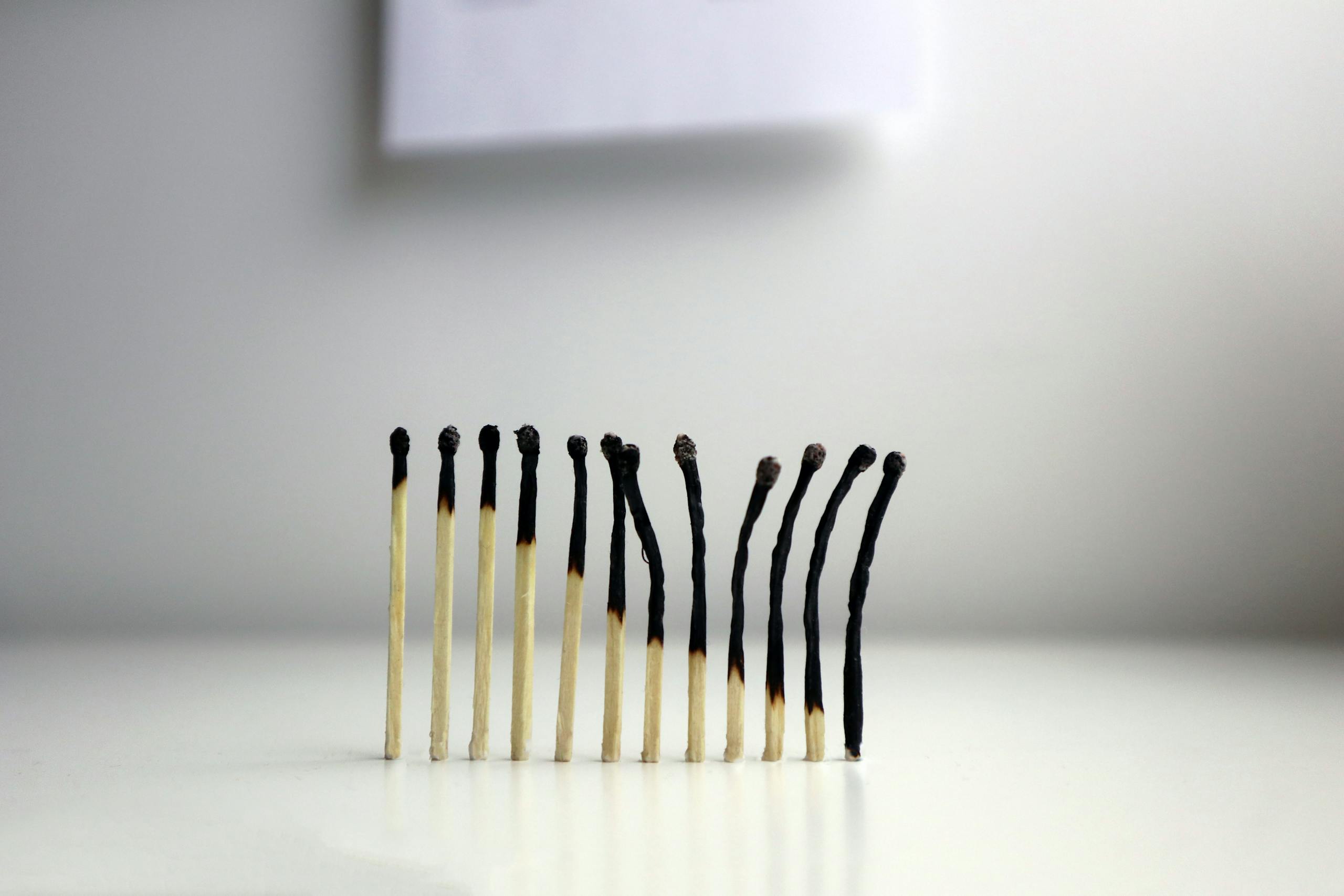
What Can You Do Right Now If You’re Already Depleted?
There’s a particular cruelty to mental exhaustion: it depletes the very resources you’d normally use to plan your way out of it. So this section is deliberately simple. Not because simple is all there is to say, but because when you’re depleted, simple is what you can actually use.
Stop adding. Before you can recover, you need to stop accelerating the depletion. That means saying no to the next thing, even if it feels like you can’t. Even if it’s inconvenient. Even if someone is disappointed. You cannot pour from an empty vessel, and continuing to try doesn’t make you admirable. It makes recovery take longer.
Reduce the sensory environment. Close the browser tabs. Lower the lights. Put on something quiet or nothing at all. Your nervous system is asking for less input, and honoring that request is not indulgence. It’s maintenance.
Do one small thing that is genuinely yours. Not productive. Not useful to anyone else. Something that exists entirely for your own quiet pleasure. For me, it’s sometimes making coffee slowly and deliberately, paying attention to each step, being nowhere else. That kind of small, anchored presence can be a first step back toward yourself.
Give yourself permission to not be okay right now. Mental exhaustion often carries a layer of shame, the sense that you should be handling this better, that other people manage just fine, that something is wrong with you for needing this much recovery. None of that is true or useful. You’re not broken. You’re depleted. Those are different things.
If you want to go deeper on the full range of strategies for managing your energy as an introvert, the Energy Management and Social Battery hub is the place to start. It’s built around the reality of how introverted nervous systems actually work, not how we’re supposed to work according to a world designed for extroverts.
About the Author
Keith Lacy is an introvert who’s learned to embrace his true self later in life. After 20 years in advertising and marketing leadership, including running agencies and managing Fortune 500 accounts, Keith now channels his experience into helping fellow introverts understand their strengths and build fulfilling careers. As an INTJ, he brings analytical depth and authentic perspective to every article, drawing from both professional expertise and personal growth.
Frequently Asked Questions
What does mental exhaustion feel like physically?
Mental exhaustion often presents with physical symptoms including tension headaches, heaviness behind the eyes, muscle tightness, digestive disruption, and a general sense of bodily fatigue that doesn’t resolve with short rest. Many people also experience heightened sensory sensitivity during periods of mental depletion, finding that sounds, lights, and physical contact feel more intense than usual. These physical symptoms are a genuine response to sustained cognitive and emotional strain, not imagined or exaggerated.
Can you be mentally exhausted even after sleeping well?
Yes, and this is one of the clearest ways mental exhaustion differs from ordinary tiredness. Physical fatigue typically responds well to sleep. Mental exhaustion requires the right kind of recovery, which includes not just sleep but genuine cognitive and emotional rest: solitude, reduced sensory input, freedom from demands and decisions. You can sleep eight hours and wake up still depleted if the underlying conditions that caused the exhaustion haven’t changed and if your recovery time hasn’t included the specific kind of rest your nervous system needs.
Why do introverts seem to experience mental exhaustion more intensely?
Introverts tend to process experience more deeply than extroverts, tracking more layers of information, subtext, and emotional nuance in any given situation. This depth of processing is a genuine strength, but it also carries a higher cognitive cost. Additionally, introverts typically operate closer to their optimal arousal level, meaning additional stimulation from busy environments, constant social demands, or high-pressure situations pushes them into overload more quickly. The result is that a day that feels energizing to an extrovert can leave an introvert genuinely depleted.
How do you tell the difference between mental exhaustion and depression?
Mental exhaustion and depression can look similar and can coexist, but they differ in important ways. Mental exhaustion is typically situational and responsive to recovery. When you get adequate rest, solitude, and a reduction in demands, you begin to feel more like yourself. Depression tends to persist regardless of rest and is often accompanied by persistent feelings of hopelessness, worthlessness, or loss of interest in things that once mattered, even during periods when external stressors have reduced. If your depletion doesn’t respond to genuine recovery, or if it’s accompanied by those deeper emotional shifts, please seek support from a mental health professional.
What’s the fastest way to recover from mental exhaustion?
There’s no single fastest path, because recovery depends on what caused the exhaustion and how depleted you are. That said, the most consistently effective approaches involve three things: stopping the input (reducing sensory load, declining new demands, stepping away from screens), creating genuine cognitive rest (not passive consumption but actual mental quiet), and doing something small and restorative that is entirely for you. For introverts specifically, solitude is usually the most powerful recovery tool available. The depth of that solitude matters more than its duration.