
When introverts socialize too much, the effects go beyond simple tiredness. Cognitive fog, emotional numbness, physical tension, and a creeping sense of losing yourself are all real consequences of pushing past your social limits without adequate recovery time. Recognizing these signs early is the difference between managing your energy well and spending days rebuilding from the inside out.
Most people assume introverts just prefer staying home. That’s not quite it. The fuller picture, as the American Psychological Association defines introversion, involves how people direct and restore their mental energy. For those of us wired this way, social interaction draws from a finite reserve. When that reserve runs dry, the body and mind start sending signals that are hard to ignore and even harder to explain to people who’ve never felt them.
I ran advertising agencies for over two decades, and the social demands of that world were relentless. Client dinners, agency pitches, team celebrations, industry conferences. There were stretches where I’d go fourteen days without a single quiet evening, and by the end of them, I wasn’t just tired. I was a different person, slower in my thinking, shorter in my patience, and strangely hollow in conversations I’d normally find meaningful. It took me years to understand what was actually happening, and longer still to stop apologizing for it.

If you’re building a better relationship with your own introvert needs, the Introvert Tools and Products Hub is worth bookmarking. It pulls together resources across everything from journaling to digital tools to managing sensory overload, all through the lens of how introverts actually function.
What Does Social Exhaustion Actually Feel Like for Introverts?
Social exhaustion isn’t just being tired after a long day. It has a texture to it that’s distinct from physical fatigue, and once you’ve felt it enough times, you start to recognize it before it fully arrives.
What drains your social battery?
Not all social exhaustion is the same. Our free quiz identifies your specific drain pattern and gives you personalised recharging strategies.
Find Your Drain PatternUnder 2 minutes · 8 questions · Free
For me, the first sign is always a kind of mental static. Conversations that would normally interest me start to feel like background noise. I’m present in the room but processing everything through a slight delay, as though my brain has started buffering. Words come slower. I find myself nodding more and contributing less, not because I have nothing to say, but because forming sentences feels like more effort than it should.
After that comes what I’d describe as emotional flatness. Not sadness, not irritability, just a dulling of the usual responsiveness. Someone tells a funny story and I can recognize that it’s funny without actually laughing. Someone shares something meaningful and I can understand its significance without feeling it. It’s unsettling, especially because it can make you seem disengaged to the people around you at exactly the moment you’re trying hardest to hold on.
Physical symptoms follow close behind. Tension across the shoulders and jaw, a low-grade headache that settles somewhere behind the eyes, and a sensitivity to sound that can make a normally tolerable restaurant feel genuinely overwhelming. That last one is worth noting because it connects to something broader. Many introverts, particularly those who are also highly sensitive, find that HSP noise sensitivity intensifies dramatically when their social reserves are depleted. What’s manageable on a rested day becomes genuinely painful when you’re already running on empty.
Why Does Too Much Socializing Hit Introverts So Hard?
There’s a neurological dimension to this that goes beyond preference. Healthline’s overview of introversion points to differences in how introverts and extroverts process dopamine, the brain’s reward chemical. Extroverts tend to respond more strongly to external stimulation and social rewards. Introverts, by contrast, are often more sensitive to that same stimulation, meaning the same social environment that energizes an extrovert can push an introvert toward overload.
Add to that the cognitive load of social performance. Every conversation requires active processing: reading facial expressions, tracking tone, managing your own self-presentation, anticipating how your words will land. For introverts, who tend to process experience deeply before responding, this work is substantial. It’s not that socializing is unpleasant. It’s that it costs more, and the bill comes due whether you acknowledge it or not.
In agency life, I watched this play out constantly in my team. I managed a senior account director, a genuinely warm and socially capable person, who could run a client meeting with grace and then be completely unreachable for the rest of the afternoon. Her door would be closed, her responses minimal. Her extroverted colleagues read this as mood shifts. I eventually understood it as recovery. She was paying back the debt from the morning, and until that account was settled, she had nothing left to give.

What makes this harder is that many introverts are skilled social performers. We learn early that the world rewards extroverted behavior, so we develop the ability to appear more energized and engaged than we feel. The performance is convincing enough that other people, and sometimes we ourselves, stop noticing the cost until it becomes a crisis.
What Are the Longer-Term Effects of Chronic Social Overextension?
Short-term social exhaustion is recoverable with a good night’s sleep and some quiet time. Chronic overextension is a different matter entirely, and it’s worth taking seriously.
Over time, consistently pushing past your social limits without adequate recovery can erode your baseline. Things that used to feel manageable start feeling hard. Your threshold for overwhelm drops. You find yourself dreading social situations you once enjoyed, not because you’ve become antisocial, but because your system is already depleted before you walk in the door.
There’s also a cumulative effect on emotional regulation. Research published in PubMed Central on emotional exhaustion suggests that sustained depletion of cognitive and emotional resources affects how we respond to stress, making us more reactive and less able to access the thoughtful, measured responses we’d prefer. For introverts who pride themselves on considered communication, this loss of control can feel deeply disorienting.
Chronic overextension can also quietly damage relationships. When you’re running on empty, you’re not showing up as yourself. You’re showing up as a diminished version, less curious, less generous, less present. The people closest to you notice, even if they can’t name what’s changed. And you notice too, which adds a layer of guilt to the exhaustion.
During a particularly brutal stretch of new business pitches one year, I was socializing at a professional level seven days a week for almost a month. By the end of it, I had won two significant accounts and felt nothing. Not satisfaction, not pride, not relief. Just a flat, grey absence where those feelings should have been. My wife noticed before I did. She asked if something was wrong, and I genuinely didn’t know how to answer, because nothing specific was wrong. Everything was just muted. That experience was the clearest signal I’d ever had that I’d been ignoring something important about how I’m built.
How Do You Know When You’ve Crossed the Line?
Recognizing your own social limit before you’ve already blown past it is a skill, and like most skills, it takes practice and honest self-observation.
Some signals are obvious: the mental fog, the emotional flatness, the physical tension described earlier. But there are subtler ones worth watching for. Losing interest in things that normally absorb you, like a book you were enjoying or a project you were excited about, is often an early sign. So is a creeping cynicism or irritability that feels out of proportion to what’s actually happening around you.
Another reliable indicator is what I think of as the withdrawal impulse. Not just wanting quiet, but feeling a visceral need to disappear from your own life for a while. When I reach that point, I know I’ve waited too long. The earlier signal is more like a quiet preference for solitude. The later one feels like an emergency exit.
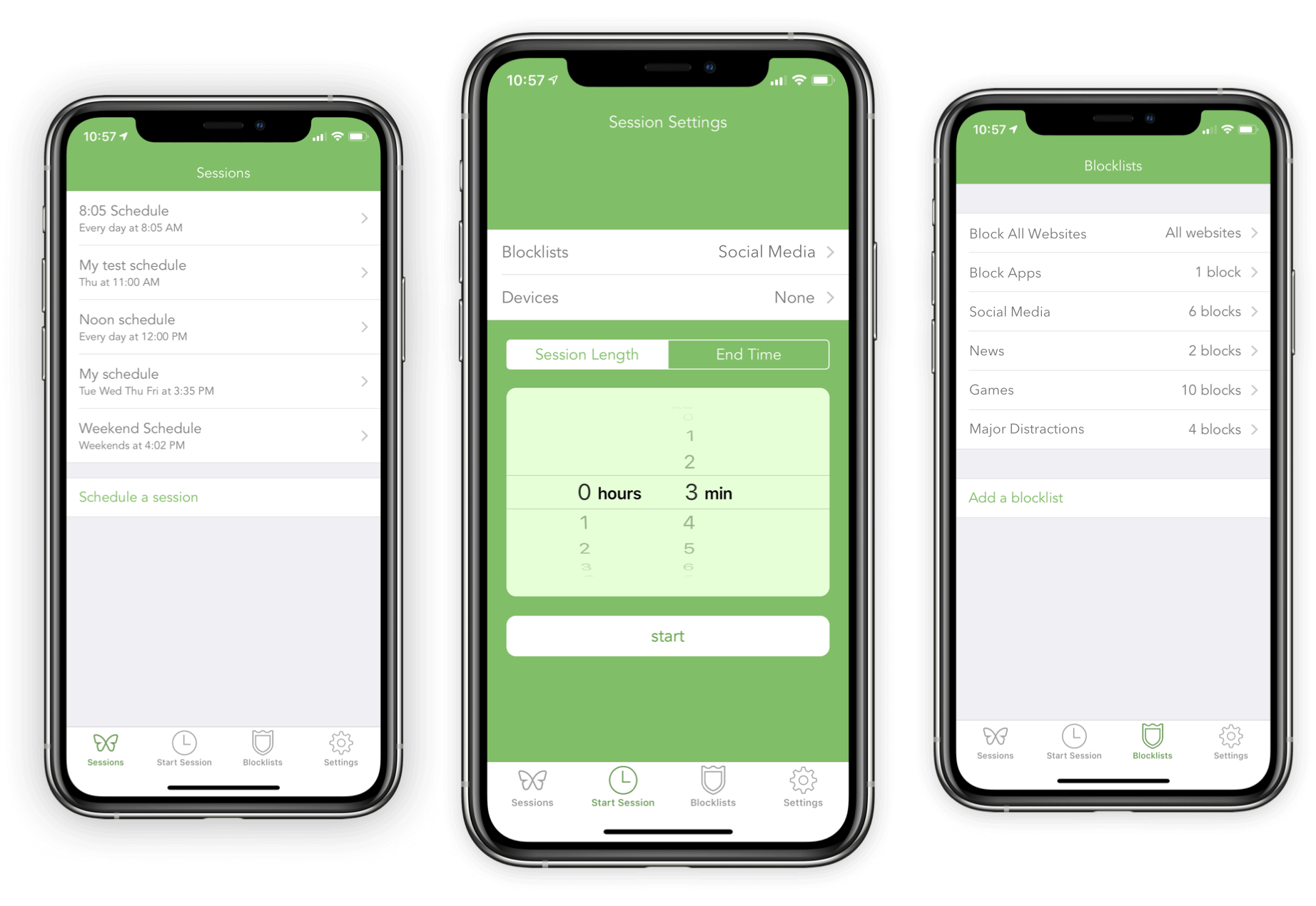
Tracking your energy honestly is one of the most useful practices I’ve found. Writing things down helps, not elaborate journaling necessarily, but a brief daily record of how you felt before and after social interactions. Over time, patterns emerge that are genuinely illuminating. You start to see which types of interactions cost the most, which environments drain you fastest, and how much recovery time you actually need versus how much you’ve been allowing yourself. Some of the journaling apps built for reflective thinkers make this kind of tracking surprisingly accessible, even for people who’ve never kept a journal before.
What Happens to Introverts Who Are Also Highly Sensitive?
Not every introvert is a highly sensitive person, but there’s meaningful overlap between the two. When both traits are present, the effects of too much socializing can be more intense and take longer to resolve.
Highly sensitive people process sensory and emotional information more deeply than average. In a social context, this means absorbing not just the surface content of interactions but the emotional undercurrents, the unspoken tensions, the subtle shifts in mood and energy in a room. That’s a significant amount of additional processing happening alongside the normal social work everyone else is doing.
For HSPs who are also introverted, a social event isn’t just a social event. It’s a full sensory and emotional immersion that requires substantial recovery time afterward. The HSP mental health toolkit covers this territory thoroughly, including tools and approaches specifically designed for people handling this combination of traits.
One of the more disorienting aspects of this combination is that it can make you feel responsible for everyone else’s emotional state in a room. You pick up on tension before it surfaces, on unhappiness before it’s expressed, on the slight edge in someone’s voice that no one else has registered yet. Carrying that awareness through a long social event is genuinely exhausting in a way that’s difficult to explain to someone who doesn’t experience it.
What Does Recovery Actually Look Like?
Recovery from social overextension isn’t just about being alone. It’s about the quality of the solitude and what you do with it.
Passive scrolling through social media, for example, doesn’t restore an introvert’s energy. It’s stimulating in a shallow way that keeps the brain engaged without giving it the depth of processing it needs. True recovery tends to involve activities that allow the mind to move at its own pace: reading, walking without a destination, cooking something you know well, sitting with music you love.
Reflective writing is one of the most consistently effective recovery tools I’ve found. Not writing for an audience, just writing to process. Getting the accumulated impressions and observations from a social stretch out of my head and onto a page creates a kind of mental clearing that’s hard to replicate any other way. The practice of journaling for introverts goes deeper than most people expect when they first try it, and the benefits compound over time.
Sleep matters more than most introverts realize. The cognitive processing that happens during sleep is part of how the brain consolidates and makes sense of experience. After heavy social periods, I’ve noticed I need more of it, not just the same amount. Treating that need as legitimate rather than self-indulgent was a shift that took me longer than it should have.
Digital environments can also either support or undermine recovery. Constant connectivity keeps you in a state of low-level social alertness even when you’re physically alone. Some of the digital tools built around how introverts think are specifically designed to create more intentional boundaries around when and how you engage, which can make a real difference during recovery periods.

How Do You Set Limits Without Damaging Your Relationships?
This is the practical question most introverts eventually arrive at, and it’s a genuinely delicate one. Social limits are necessary, but they don’t exist in a vacuum. Other people have expectations, needs, and feelings about your availability.
The most useful reframe I’ve found is moving away from declining invitations and toward being honest about capacity. There’s a difference between “I don’t want to come” and “I’m genuinely depleted right now and I won’t be good company.” The second is more vulnerable, but it’s also more accurate and more respectful to the people involved.
Being proactive about scheduling recovery time helps too. Rather than waiting until you’re already overwhelmed and then canceling things, building quiet periods into your calendar before they’re needed gives you room to breathe without disappointing anyone. I started treating recovery time the same way I treated client commitments: as a non-negotiable appointment, not something to be bumped when something more pressing came along.
It’s also worth being honest with yourself about which social commitments are genuinely nourishing versus which ones are purely obligatory. Psychology Today’s research on introvert friendships points to something many introverts intuitively know: we tend to invest deeply in fewer relationships rather than broadly in many. Protecting that depth means being selective about where your social energy goes, which isn’t selfishness. It’s sustainability.
In agency settings, I eventually became more direct with my team about my own patterns. I told them there were times when I needed to process before responding, that a closed door wasn’t a signal of displeasure but of thinking in progress. That transparency changed how my team read me, and it gave the introverts on the team permission to be more honest about their own needs as well.
What Tools and Habits Actually Help Long-Term?
Managing social energy over the long term requires systems, not just willpower. Willpower runs out. Systems hold.
One of the most effective systems is a consistent end-of-day decompression ritual. Something brief and reliable that signals to your nervous system that the social portion of the day is over. Mine involves a walk, no phone, no podcast, just movement and quiet. It’s not dramatic, but it creates a genuine transition between the demands of the day and the recovery of the evening.
Productivity tools can either support or undermine this kind of intentional structure. Many of the most popular apps are designed for high-stimulus, always-on work styles that don’t match how introverts actually think and process. The piece on productivity apps for introverts addresses this directly, looking at why so many tools drain rather than support quiet thinkers and what to look for instead.
Building awareness of your own patterns is foundational to everything else. Many introverts find that certain types of social interactions are far more draining than others. Large groups with shallow conversation tend to cost more than one-on-one depth. High-stakes professional interactions cost more than relaxed time with close friends. Environments with a lot of background noise cost more than quiet settings. Knowing your own hierarchy of drain allows you to make smarter choices about where to spend your energy and what to protect.
There’s also a broader mental health dimension worth acknowledging. Chronic social overextension doesn’t just create fatigue. It can contribute to anxiety, low mood, and a persistent sense of being out of alignment with yourself. The connection between sustained stress and mental health outcomes is well-documented, and introverts who consistently override their own limits are putting themselves under a form of stress that compounds quietly over time.
Professional support is worth considering if you find yourself in a cycle of overextension and collapse that you can’t seem to break on your own. A therapist who understands introversion can help you identify the specific patterns driving the cycle and build more effective responses. This isn’t about pathologizing introversion. It’s about taking your own wellbeing seriously enough to get skilled help when you need it.

What Changes When You Start Honoring Your Limits?
Something shifts when you stop treating your social limits as a problem to overcome and start treating them as information worth respecting.
The quality of your social interactions improves. When you’re not depleted before you arrive, you’re actually present. You listen better, contribute more, and enjoy yourself more genuinely. The relationships that matter to you get a fuller version of you rather than the performative remnant that shows up when you’re already running low.
Your work improves too. The deep thinking that introverts do best, the kind that produces original ideas, careful analysis, and considered judgment, requires cognitive space. Chronic social overextension crowds that space out. When I started protecting my quiet time more deliberately, I noticed that my strategic thinking sharpened. I was bringing better ideas to client meetings because I’d actually had time to develop them.
Perhaps most importantly, you start to feel more like yourself. That sounds simple, but it’s significant. Many introverts spend years in a low-grade state of self-alienation, performing a version of themselves that the world finds more acceptable while the actual self quietly atrophies. Honoring your limits is, at its core, an act of self-recognition. You’re saying: this is how I’m built, and that’s worth accommodating.
The APA’s work on personality and wellbeing points to the relationship between acting in alignment with your core traits and experiencing greater life satisfaction. For introverts, that alignment often requires actively protecting the conditions that allow you to function at your best, quiet, depth, recovery time, and genuine solitude.
There’s a particular kind of relief that comes with finally giving yourself permission to be how you are. I remember the first vacation I took where I deliberately scheduled nothing social for three consecutive days. No dinners, no calls, no events. Just reading, walking, and thinking. My wife came with me and did her own thing, and we’d reconnect in the evenings. By the end of it, I felt more like myself than I had in years. Not because I’d done anything remarkable, but because I’d stopped doing something that was quietly costing me more than I’d been willing to admit.
If you’re looking to build a more complete toolkit around your introvert needs, the Introvert Tools and Products Hub brings together practical resources across journaling, apps, sensory management, and more, all grounded in how introverts actually experience the world.
Running on empty?
Five drain profiles, each with specific triggers, warning signs, and a recharging playbook.
Take the Free QuizUnder 2 minutes · 8 questions · Free
About the Author
Keith Lacy is an introvert who’s learned to embrace his true self later in life. After 20 years in advertising and marketing leadership, including running agencies and managing Fortune 500 accounts, Keith now channels his experience into helping fellow introverts understand their strengths and build fulfilling careers. As an INTJ, he brings analytical depth and authentic perspective to every article, drawing from both professional expertise and personal growth.
Frequently Asked Questions
How long does it take an introvert to recover from too much socializing?
Recovery time varies significantly depending on the intensity and duration of the social period, your baseline energy level, and how much genuine solitude you’re able to access. After a single demanding social day, many introverts find that one good night’s sleep and a quiet morning restores most of their energy. After an extended stretch of social overextension, full recovery can take several days. The quality of your recovery time matters as much as the quantity. Passive scrolling or low-level digital engagement doesn’t provide the same restoration as genuine quiet, reflective activities, or time in nature.
Is social exhaustion the same as depression or anxiety?
Social exhaustion and depression or anxiety are distinct, though they can overlap or one can contribute to the other. Social exhaustion is primarily an energy and processing issue tied to your personality’s relationship with stimulation. It typically resolves with adequate rest and solitude. Depression and anxiety involve more persistent patterns that affect mood, motivation, and functioning across multiple areas of life and don’t resolve simply with rest. If you find that your social exhaustion doesn’t lift with recovery time, or that it’s accompanied by persistent low mood, hopelessness, or significant anxiety, speaking with a mental health professional is worth considering.
Can introverts train themselves to need less recovery time?
Introverts can develop more efficient social strategies and become more skilled at managing their energy during social events, which can reduce how depleted they feel afterward. What doesn’t change is the fundamental wiring. Introversion reflects how your nervous system processes stimulation, and that’s not something you can train away. What you can do is become better at recognizing your limits earlier, building recovery into your schedule proactively, and making choices about where to spend your social energy that reflect your actual priorities rather than external expectations.
Why do introverts sometimes feel guilty about needing alone time?
Much of this guilt comes from living in cultures that treat sociability as a virtue and solitude as something to be explained or justified. Introverts absorb these messages early, often developing the belief that their need for alone time is a character flaw or a social failing rather than a legitimate aspect of how they’re built. The guilt is compounded when the people around you are extroverts who genuinely don’t understand the need, or when professional environments reward constant availability and visibility. Recognizing that your need for recovery is physiological and real, not a preference or a weakness, is a significant step toward releasing that guilt.
What are the earliest warning signs that an introvert is approaching their social limit?
The earliest signs tend to be subtle shifts in how you’re engaging rather than dramatic crashes. A slight dulling of genuine interest in conversations, a preference for listening over contributing, a growing awareness of the noise level or the number of people in a space, a mild difficulty tracking multiple threads of conversation at once. Some introverts notice a specific kind of restlessness, not boredom exactly, but a quiet pull toward the exit. Others notice that their humor becomes less spontaneous or that they’re responding to questions with shorter answers than usual. Catching these early signals and responding to them, by stepping outside briefly, finding a quieter corner, or wrapping up sooner than planned, can prevent a full depletion cycle.