

Extroverts tend to gravitate toward music that is loud, fast, and socially energizing, including pop, hip-hop, dance, and rock, genres that amplify stimulation rather than reduce it. This preference isn’t random. It reflects something fundamental about how extroverted brains process reward and arousal. Where an introvert might find a crowded playlist overwhelming, an extrovert often finds that same energy clarifying and motivating.
That difference always fascinated me during my agency years. I could walk into a creative bullpen and immediately read the room by what was playing. The extroverts had it loud. The introverts had earbuds in.

Music taste is one of those quietly revealing windows into personality. It’s worth exploring what extroverts actually prefer, why they prefer it, and what that tells us about the broader introvert-extrovert divide. If you want context for that divide before we get into the music piece, our Introversion vs Other Traits hub covers the full spectrum of how these two orientations differ across work, relationships, and daily life.
What Does Extroversion Actually Have to Do With Music Preference?
To understand why extroverts like the music they like, you first have to understand what extroversion actually means at a neurological level. And if you’re fuzzy on that, it’s worth reading about what extroverted means before assuming it’s just about being outgoing or social.
What’s your personality type?
Take our free 40-question assessment and get a detailed personality profile with dimension breakdowns, context analysis, and personalised insights.
Discover Your Type8-12 minutes · 40 questions · Free
The short version: extroverts have a lower baseline level of cortical arousal. Their nervous systems are, in a sense, running quieter. So they seek out external stimulation to feel alert, engaged, and alive. Loud music, fast rhythms, and high-energy social environments provide exactly that kind of stimulation boost. For an introvert, that same boost tips over into overwhelm. For an extrovert, it hits the sweet spot.
I watched this play out constantly in agency life. We had a senior account director, a classic extrovert if I’ve ever met one, who would pump music through the open office during crunch periods. He swore it helped him think. I’d retreat to a conference room with the door closed and wonder how anyone could function in that environment. Neither of us was wrong. We were just wired differently.
Personality psychology has long connected extraversion to preferences for higher arousal states. The arousal theory, associated with Hans Eysenck’s work on personality, suggests that because extroverts need more stimulation to reach their optimal arousal level, they consistently choose environments and inputs, including music, that deliver it. This isn’t a character flaw or a sign of shallowness. It’s a neurological reality.
Which Genres Do Extroverts Tend to Prefer?
Pop music sits at the top of the list for most extroverts, and it makes complete sense when you think about it. Pop is engineered for accessibility, repetition, and emotional immediacy. It rewards social listening, meaning it sounds better in groups. The hooks are designed to activate reward centers quickly, which aligns perfectly with the extroverted need for fast, high-stimulation payoffs.
Hip-hop and rap follow closely. The genre’s emphasis on rhythm, energy, and communal experience, think concerts, clubs, shared playlists, maps directly onto extroverted social values. There’s a reason hip-hop dominates gym playlists and group workouts. It’s built to move people, literally and figuratively.
Dance and electronic music occupy a similar space. EDM in particular is almost architecturally designed for extroverts. The builds, the drops, the shared collective experience of a crowd moving together. Every element is calibrated to maximize shared arousal. It’s social stimulation delivered through sound.
Rock, particularly classic rock and hard rock, also scores high among extroverts. The volume, the guitar-driven energy, the anthemic quality of songs meant to be played loud and sung along to. These are all features that reward external engagement rather than internal reflection.

Country music is interesting because it sits in a middle zone. It has strong social and communal roots, line dancing, tailgating, shared storytelling, which appeals to extroverts. Yet it also carries a reflective, narrative quality that can pull introverts in. In my experience, country tends to be popular across personality types in a way that pure EDM or hard rock is not.
What extroverts tend to avoid, or at least engage with less naturally, are genres that reward solitary, inward listening. Ambient music, classical, jazz with its intricate improvisational layers, and a lot of indie folk. These genres ask you to slow down, pay close attention, and sit with complexity. That’s more naturally aligned with the introverted processing style.
Is There Research Connecting Personality Type to Music Taste?
There is, and it’s genuinely interesting territory. Personality researchers have explored the link between the Big Five personality traits, particularly extraversion, and music preferences for decades. Extraversion, in the Big Five model, correlates with preferences for upbeat, energetic, and positive-valence music. People who score high on extraversion consistently rate themselves as enjoying music that is lively, rhythmically driven, and emotionally positive.
One area of research worth noting comes from work on music and emotional regulation. Extroverts tend to use music to enhance positive moods rather than process complex emotions. They reach for music that amplifies how they already feel, turning a good mood into a great one. Introverts, by contrast, are more likely to use music to process, reflect, or find solace in something that mirrors internal emotional states. You can see this dynamic explored through the lens of emotional processing in this Psychology Today piece on depth and emotional connection, which touches on why introverts seek meaning in their sensory experiences differently than extroverts do.
The connection between personality and sensory preference also shows up in broader neuroscience research. Work published in PubMed Central on personality and arousal supports the idea that individual differences in how people respond to stimulation, including auditory stimulation, are rooted in neurological architecture rather than personal preference alone. You’re not choosing loud music because you’re superficial. You’re choosing it because your brain is asking for it.
Additional work on personality and sensory sensitivity, available through this PubMed Central research on sensory processing, helps explain why the same concert that energizes an extrovert might leave an introvert feeling depleted. The volume isn’t the only variable. The entire sensory environment, the crowd, the lights, the unpredictability, processes differently depending on how sensitive your nervous system is to incoming stimulation.
How Does This Play Out Differently Across the Personality Spectrum?
Not everyone fits neatly into the introvert or extrovert box, and that matters when you’re thinking about music preferences. Ambiverts, people who fall somewhere between the two poles, often have more flexible music tastes. They might prefer high-energy music when they’re in social mode and quieter, more reflective music when they’re winding down. Their playlists tend to be wider-ranging.
Omniverts add another layer. The difference between an omnivert and an ambivert is subtle but meaningful. Omniverts swing more dramatically between extroverted and introverted states, sometimes within the same day. Their music preferences can shift just as dramatically. The playlist that felt right at 9 AM in a high-energy state might feel completely wrong by 3 PM when they’ve swung inward.
If you’re not sure where you fall on this spectrum, the introvert, extrovert, ambivert, omnivert test is a useful starting point. Understanding your own baseline helps you make sense of your own music habits, not just the habits of the extroverts in your life.
I’ve managed all types across my agency career. The extroverts on my teams were easy to read through their music choices. The ambiverts were harder to pin down. They’d have earbuds in sometimes, headphones off other times, comfortable in both states. The introverts, like me, tended to be deliberate and almost territorial about their listening environments. Earbuds were armor as much as they were entertainment.

What About People Who Seem Extroverted But Feel Introverted Inside?
This is one of the more interesting edge cases in personality psychology. Some people have learned to perform extroversion so effectively that their music preferences have shifted to match their social persona rather than their internal wiring. They listen to what fits the image they project, not necessarily what actually restores them.
That was me for a long stretch of my career. Running agencies meant performing confidence, energy, and social ease in ways that didn’t always match my internal experience. I’d put on the right music for the right meeting, upbeat and energizing for pitch presentations, because it helped me get into character. But left to my own devices on a Sunday morning, I was reaching for something completely different. Quieter. More layered. Music that rewarded attention rather than demanding it.
If you suspect you might be one of those people who presents as extroverted but processes more like an introvert, the introverted extrovert quiz might offer some useful clarity. And the distinction between an otrovert and an ambivert is worth understanding too, because the nuances matter when you’re trying to make sense of your own contradictory preferences.
Music is one of the most honest mirrors we have. You can fake a lot of things in professional life. You can’t really fake what you reach for when you’re alone and nobody’s watching.
Does the Degree of Extroversion or Introversion Change Music Preferences?
Yes, and this is an angle that doesn’t get enough attention. Someone who is moderately extroverted might prefer upbeat pop but still enjoy acoustic singer-songwriter music during quieter moments. Someone at the far end of the extroversion scale might find anything below a certain energy threshold genuinely unsatisfying, almost irritating in its quietness.
The same gradient applies on the introvert side. There’s a meaningful difference between being fairly introverted versus extremely introverted. A fairly introverted person might enjoy pop music in social settings and only retreat to quieter genres when they need to recharge. An extremely introverted person might find high-stimulation music genuinely aversive, not just less preferred, but actively uncomfortable.
I’d put myself somewhere in the strongly introverted category. Loud, high-energy music in a social setting doesn’t just feel like too much. It actually interferes with my thinking. I can’t hold a conversation, process a problem, or feel at ease when the auditory environment is pushing past a certain threshold. That’s not a preference. It’s a cognitive reality.
Extroverts at the far end of that spectrum have the opposite experience. Silence feels wrong to them. It creates a kind of cognitive restlessness. Music, especially high-energy music, isn’t a luxury or a background element. It’s a functional tool for staying focused and feeling right.
What Does Extroverts’ Music Tell Us About How They Experience the World?
Music preferences are a small data point, but they point toward something larger. Extroverts experience the world as a place that rewards engagement. More input, more connection, more stimulation, more energy. Music that reflects that worldview, loud, fast, communal, emotionally direct, isn’t just entertainment. It’s a confirmation of how they’re built.
This connects to broader patterns in how extroverts approach work, relationships, and decision-making. They tend to think out loud, process through conversation, and find energy in shared experiences. A playlist built for an extrovert is often a playlist built for connection, music you can share, sing along to, or use as a social backdrop.
Introverts, by contrast, often experience music as a private language. Something that articulates what’s happening internally when words feel insufficient. The depth and complexity that introverts seek in conversations, as explored in this Psychology Today piece on introvert-extrovert dynamics, shows up in their music choices too. They want something that rewards close listening, not just ambient energy.

At the agency, I used to watch how different personality types responded to the music playing in shared spaces. The extroverts would start moving, tapping, singing along within seconds. The introverts would either put on headphones or subtly drift to quieter areas. Neither group was making a statement. They were just following their wiring.
Can Introverts and Extroverts Find Musical Common Ground?
Absolutely, and it’s more common than people expect. Some genres genuinely bridge the gap. Indie rock, for example, carries enough energy to satisfy extroverts while offering enough lyrical depth and sonic texture to reward introverted listening. Folk music, at its best, does something similar. The storytelling and intimacy appeal to introverts. The communal sing-along tradition appeals to extroverts.
Jazz is interesting here. At its most accessible, jazz can be energizing and social. At its most complex, it rewards the kind of focused, analytical attention that introverts often bring naturally. I’ve known extroverts who love jazz and introverts who find it too unpredictable and unresolved. Genre alone doesn’t fully determine who will connect with what.
Context matters enormously too. An extrovert might genuinely love a quiet, reflective album when they’re driving alone or processing something difficult. An introvert might get genuinely swept up in a high-energy concert when the conditions are right and they feel safe in the crowd. Personality shapes default preferences, not absolute ones.
Research published through Frontiers in Psychology on personality and aesthetic preferences suggests that while personality predicts broad tendencies in sensory and aesthetic choices, individual variation within personality types remains significant. Two extroverts can have very different music libraries. Two introverts can have almost nothing in common musically. The personality connection is real, but it’s a tendency, not a rule.
What Can Introverts Learn From Paying Attention to Music Preferences?
Paying attention to what music does to your energy is one of the most practical forms of self-knowledge available. It’s immediate, measurable, and honest. If you notice that certain music drains you while other music restores you, that’s useful data about your nervous system and your personality orientation.
For introverts managing extroverted environments, which was my reality for most of my career, understanding music preferences can also be a tool for managing energy strategically. I learned that putting on something with a moderate tempo and minimal lyrics helped me stay productive in open-plan offices without tipping into overwhelm. It wasn’t the music I’d choose at home. It was the music that let me function in a space designed for a different personality type.
For extroverts working alongside introverts, understanding that shared music spaces are genuinely different experiences for different people can improve working relationships. What feels like background noise to an extrovert might be a significant cognitive burden for an introvert. That’s not sensitivity or weakness. It’s neurological reality. Recognizing that, and finding some flexibility around shared auditory environments, is a small thing that can make a real difference.
The broader point is that music preferences, like most personality-linked preferences, are worth understanding rather than judging. An extrovert’s love of loud, energetic music isn’t a sign of shallowness. An introvert’s preference for quiet, complex music isn’t a sign of pretension. Both are honest expressions of how different nervous systems seek their optimal state.
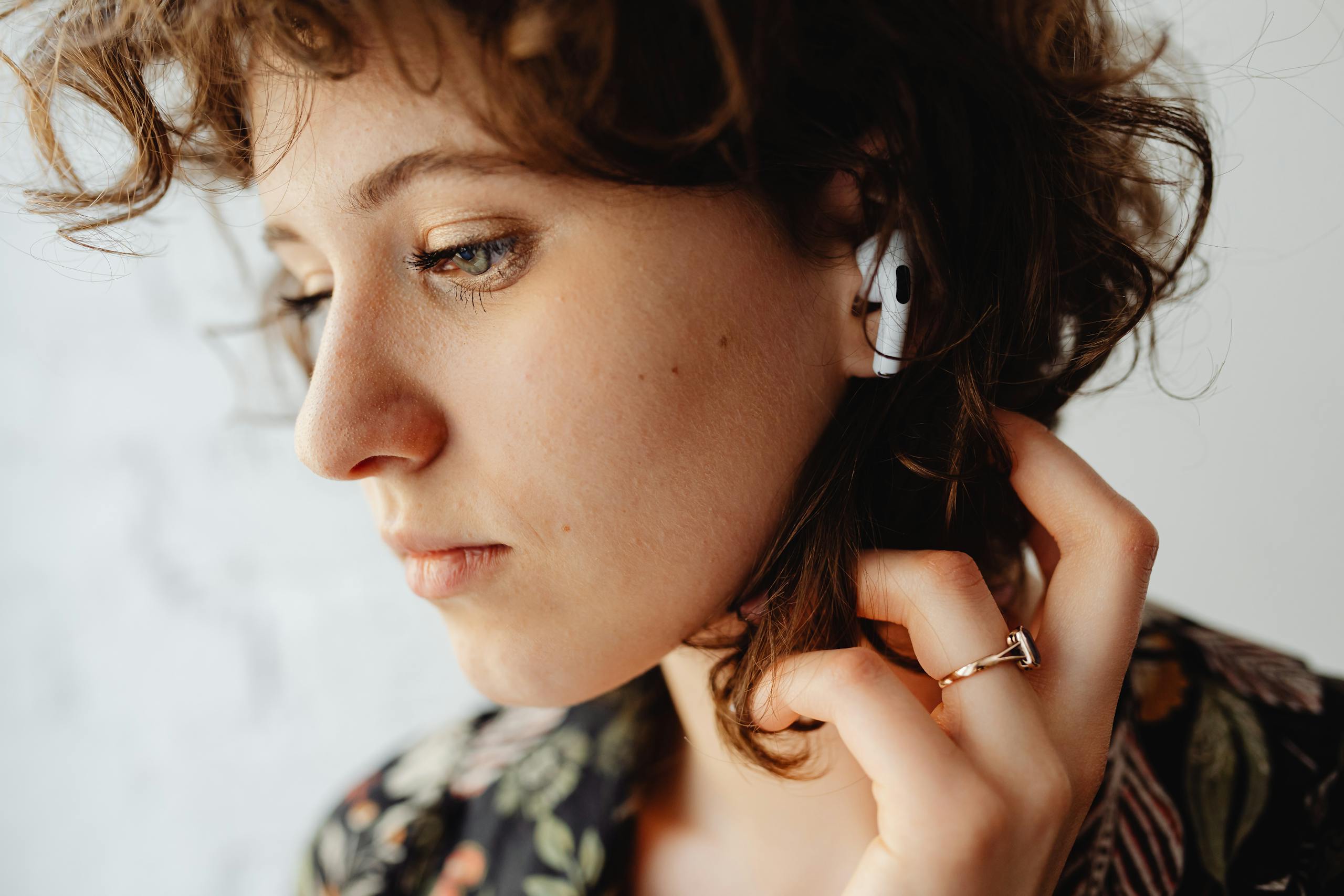
That realization took me years to fully accept about myself. Once I stopped apologizing for needing quiet and started treating my music preferences as a legitimate signal about my needs, everything got easier. Not just at work, but in how I designed my days, my environments, and my relationships. Music was one of the first places I started listening to myself, literally.
There’s much more to explore about how introversion and extroversion shape everyday experience across work, relationships, and personal habits. The Introversion vs Other Traits hub is a good place to keep reading if this topic is resonating with you.
About the Author
Keith Lacy is an introvert who’s learned to embrace his true self later in life. After 20 years in advertising and marketing leadership, including running agencies and managing Fortune 500 accounts, Keith now channels his experience into helping fellow introverts understand their strengths and build fulfilling careers. As an INTJ, he brings analytical depth and authentic perspective to every article, drawing from both professional expertise and personal growth.
Frequently Asked Questions
Do extroverts always prefer loud music?
Not always, but they do tend to prefer higher-energy, more stimulating music as a default. Extroverts seek external stimulation to reach their optimal arousal level, and loud, fast, rhythmically driven music delivers that efficiently. That said, context matters. An extrovert processing grief, working through a problem alone, or winding down at the end of the day might reach for something quieter. Personality shapes tendencies, not absolutes.
What genres are most popular among extroverts?
Pop, hip-hop, dance and electronic music, and rock tend to rank highest among extroverts. These genres share common features: high energy, strong rhythmic drive, emotional immediacy, and social listenability. They’re designed to be experienced together, in cars, at parties, in gyms, which aligns with the extroverted preference for shared, stimulating experiences.
Why do introverts and extroverts seem to have such different music tastes?
The difference comes down to how each personality type manages arousal and stimulation. Extroverts have a lower baseline arousal level and seek stimulation to feel engaged. High-energy music provides that stimulation. Introverts have a higher baseline arousal level and can reach overwhelm more quickly in high-stimulation environments. They tend to prefer music that rewards focused attention without adding to cognitive load, genres like ambient, classical, jazz, or indie folk.
Can an introvert enjoy the same music as an extrovert?
Yes, absolutely. Personality predicts tendencies, not fixed preferences. Many introverts genuinely love high-energy music in the right context, a concert with close friends, a workout, a road trip. The difference is usually in how much of that stimulation they can sustain before needing a break, and what they reach for when they’re alone and recharging. Introverts often have wider-ranging playlists than people expect, with clear patterns in what they choose for private versus social listening.
Is music preference a reliable indicator of introversion or extroversion?
It’s a useful signal, not a definitive test. Music preferences correlate meaningfully with personality traits, particularly the extraversion dimension, but there’s significant individual variation within each type. Cultural background, age, personal history, and emotional state all influence what someone reaches for at any given moment. Music taste is one data point among many. If you want a more reliable read on your personality orientation, a structured assessment will give you a clearer picture than your playlist alone.