
The part of the brain most connected to introversion and extroversion is the reticular activating system, a network deep in the brainstem that regulates arousal and stimulation. Introverts tend to have naturally higher baseline arousal in this system, which means they reach their optimal stimulation threshold more quickly than extroverts do. This single neurological difference helps explain why a crowded room energizes one person and quietly drains another.
What surprised me, when I finally started reading about the neuroscience behind personality, was how much it validated things I had felt for decades without having language for. Running advertising agencies, I was surrounded by people who seemed to genuinely feed off chaos and noise. I was doing the same work, producing the same results, but I was paying a different price to do it. Knowing why that was true changed how I managed myself, and eventually, how I led others.

Before we get into the neuroscience, it’s worth grounding this in the broader conversation about personality. If you’re still working out where you fall on the spectrum, our Introversion vs Extroversion hub covers the full range of traits, tendencies, and nuances that define how people relate to stimulation, energy, and social connection. The brain science we’re about to explore adds a deeper layer to that foundation.
What Is the Reticular Activating System and Why Does It Matter?
Most conversations about introversion start with the social stuff. Do you prefer small groups? Do you need alone time to recharge? Those are real patterns, but they’re downstream effects of something happening much earlier in the brain’s processing chain.
What’s your personality type?
Take our free 40-question assessment and get a detailed personality profile with dimension breakdowns, context analysis, and personalised insights.
Discover Your Type8-12 minutes · 40 questions · Free
The reticular activating system, often abbreviated as the RAS, is a cluster of neurons in the brainstem that acts as the brain’s gatekeeper for incoming stimulation. It filters sensory information and regulates how alert and aroused the brain stays at any given moment. Hans Eysenck, the British psychologist who spent much of his career studying personality dimensions, proposed that introverts and extroverts differ fundamentally in their baseline cortical arousal. Introverts, he argued, start at a higher arousal level, so they need less external stimulation to feel alert and engaged. Extroverts start lower and actively seek stimulation to reach that same comfortable threshold.
I saw this play out constantly in client presentations. My extroverted account directors would walk into a room of twenty Fortune 500 stakeholders and visibly light up. The energy in the room was fuel for them. I was doing the same mental work, but I was already managing a higher internal baseline before anyone said a word. By the time the meeting ended, they were buzzing. I was quietly calculating how long I had before I could think clearly again.
That’s not weakness. That’s neurology.
How Does Dopamine Factor Into the Introvert Brain?
Dopamine is the neurotransmitter most associated with reward and motivation. When you anticipate something pleasurable, your brain releases dopamine. When the reward arrives, it releases more. Extroverts tend to have a more reactive dopamine system, meaning external rewards like social recognition, novelty, and activity produce a stronger dopamine response. That sensitivity pulls them toward social environments because those environments reliably deliver the stimulation their system craves.
Introverts aren’t dopamine-deficient. The difference appears to be in how sensitive the reward pathways are to external triggers. Many introverts get their most satisfying dopamine hits from internal sources: solving a complex problem, finishing a piece of writing, reaching a quiet insight after long reflection. The reward is real, but it doesn’t require an audience.
There’s also evidence that introverts rely more heavily on a different neurotransmitter pathway involving acetylcholine, which is associated with focused attention, long-term memory, and calm, deliberate thinking. Where dopamine rewards the pursuit of external stimulation, acetylcholine rewards the kind of slow, careful processing that introverts naturally gravitate toward. This may be one reason introverts often find deep, one-on-one conversations more satisfying than surface-level social interaction. You can read more about why that kind of depth matters in this Psychology Today piece on deeper conversations and introverts.
When I look back at my most productive creative periods at the agency, they almost always happened in quiet. Late evenings when the office had cleared out. Early mornings before the phones started. My best strategic thinking never happened in a brainstorm session. It happened in the space before and after those sessions, when my brain could actually process what had been said. That’s acetylcholine doing its work.
What Role Does the Prefrontal Cortex Play?
The prefrontal cortex is the brain region most associated with planning, decision-making, self-reflection, and impulse control. Neuroimaging work has suggested that introverts tend to show more activity in the prefrontal cortex compared to extroverts, particularly in areas linked to internal processing and self-referential thought.
What this means practically is that introverts are often running more internal analysis before they act or speak. They’re not slower thinkers. They’re running a more thorough internal review process. This is why introverts sometimes pause before responding in conversation, why they tend to think through implications before committing to a position, and why they often prefer to process information privately before sharing conclusions.
In a leadership context, that prefrontal activity is an asset. Some of the most carefully considered decisions I made during my agency years came from giving myself time to think rather than reacting in the moment. The challenge was that in a culture that rewarded fast, confident, vocal responses, my preference for reflection was sometimes misread as hesitation or lack of confidence. It wasn’t. It was my brain doing exactly what it was built to do.
A study published via PubMed Central examining brain activity patterns across personality dimensions found meaningful differences in how introverted and extroverted individuals process internal versus external stimuli, consistent with the prefrontal and arousal-based frameworks described here.
Is Introversion Simply About Sensitivity to Stimulation?
Stimulation sensitivity is a major piece, but it’s not the complete picture. Introversion also involves a different relationship with internal experience. Introverts tend to spend more cognitive resources on inner processing, memory consolidation, and meaning-making. They notice things. They hold onto impressions longer. They return to experiences mentally, turning them over to extract more from them.
This is distinct from being highly sensitive in the clinical sense, though there’s meaningful overlap between the two populations. It’s also distinct from shyness, which is rooted in social anxiety rather than neurological arousal patterns. An introvert can be completely comfortable in social settings and still need significant quiet time afterward to restore their baseline. That need isn’t social fear. It’s neurological recovery.
Understanding where you fall on this spectrum matters more than most people realize. If you’ve ever wondered whether you’re fairly introverted or sit at the more extreme end of the scale, this comparison of fairly introverted vs extremely introverted tendencies breaks down the practical differences clearly. The brain science behind each point on that spectrum is real and measurable.
One of my account managers years ago was a textbook extrovert who genuinely couldn’t understand why I didn’t want to debrief immediately after a major client pitch. She wanted to process out loud, in the moment, with the whole team. I needed to sit with it first. We weren’t experiencing the same pitch. Our brains were handling the same event through completely different systems.
Where Do Ambiverts and Omniverts Fit Into This Neurological Picture?
Not everyone sits clearly at one end of the introvert-extrovert spectrum, and the brain science accommodates that. Arousal thresholds exist on a continuum. Some people have moderate baseline arousal levels that shift meaningfully based on context, stress, or emotional state. These individuals often identify as ambiverts or, in some cases, omniverts.
An ambivert tends to have a relatively stable middle-ground arousal baseline, feeling comfortable across a range of stimulation levels without being strongly pulled toward either extreme. An omnivert experiences more dramatic swings, sometimes craving intense social stimulation and other times needing deep solitude, often depending on what’s happening in their life at that moment. The distinction matters because it affects how people manage their energy and predict their own needs. If you’re sorting through which category fits you, the comparison of omnivert vs ambivert tendencies is worth reading.
There’s also a related concept worth knowing. Some people identify as an otrovert vs ambivert, which describes someone who presents as extroverted in behavior but draws their energy from internal sources, much like a traditional introvert. The behavioral mask can be convincing, but the underlying neurology still runs on introvert fuel.
I’ve worked with people across this entire spectrum. The ones who struggled most were the ones who had no framework for understanding their own patterns. They just knew they were sometimes “on” and sometimes completely depleted, without understanding why. Giving people that neurological context, even in informal conversations, changed how they managed themselves.
What Does Blood Flow Research Tell Us About Introvert and Extrovert Brains?
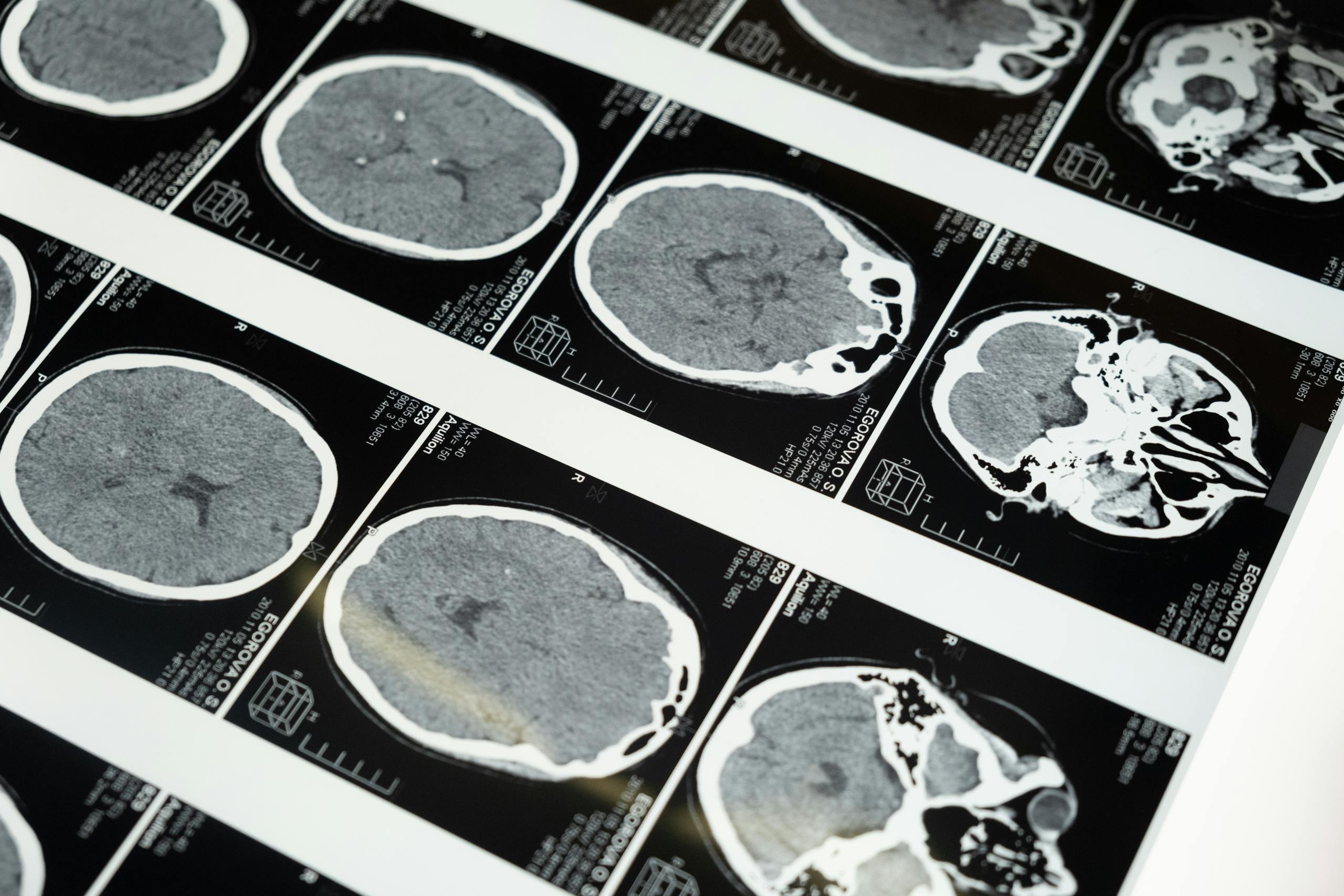
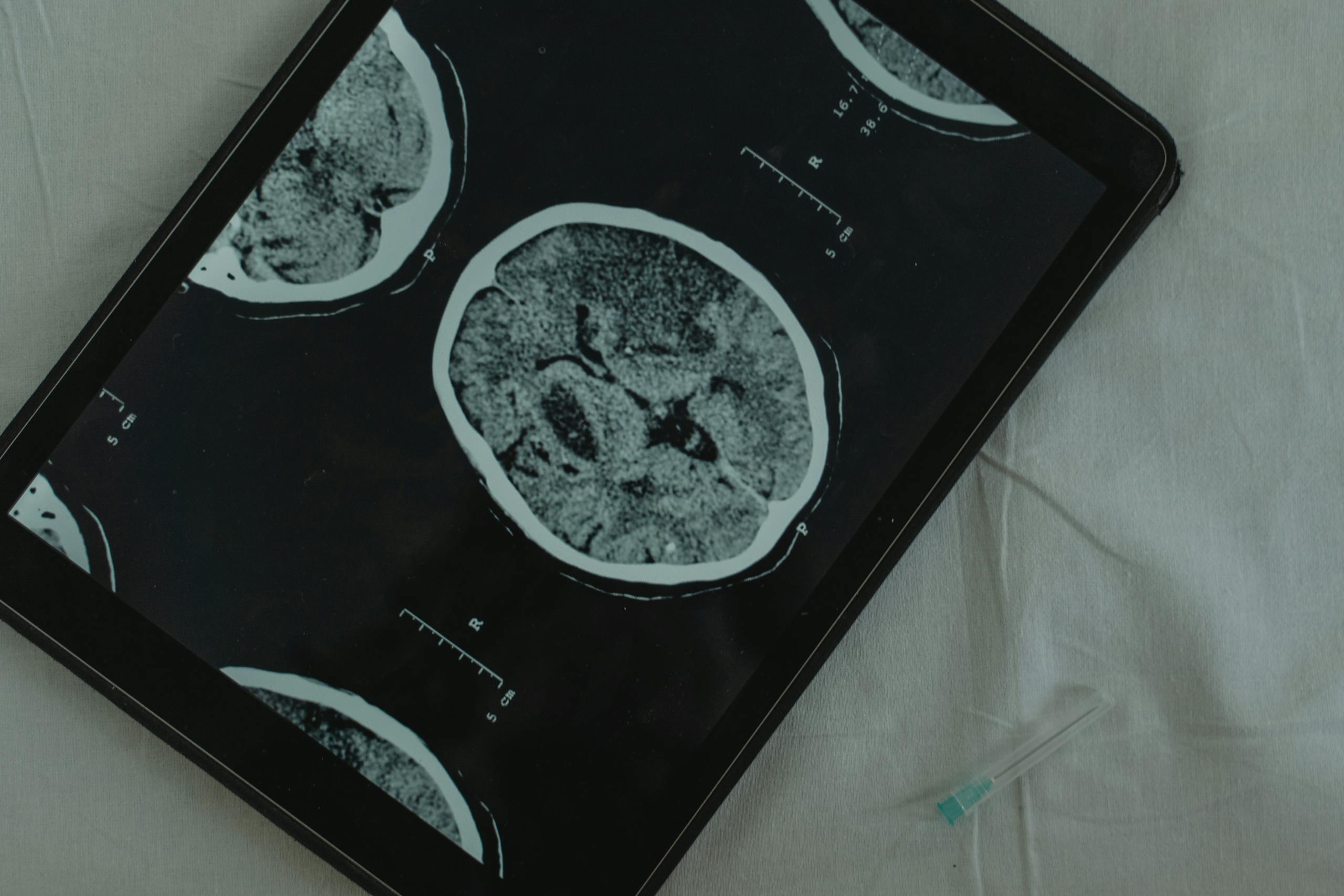
Some of the most compelling evidence for neurological differences between introverts and extroverts comes from cerebral blood flow research. Blood flow in the brain correlates with neural activity. Where the brain is working harder, blood flow increases. When researchers have examined resting-state brain activity, introverts tend to show greater blood flow to regions associated with internal processing: the frontal lobes, the anterior thalamus, and areas linked to planning and self-reflection.
Extroverts, by contrast, tend to show greater resting-state activity in regions associated with sensory processing and external responsiveness. Their brains are, in a sense, more oriented outward even at rest. This isn’t a value judgment. Both orientations serve real purposes. Extrovert brains are wired to scan the environment for opportunity and connection. Introvert brains are wired to process what’s already been taken in.
A PubMed Central paper examining personality and neural activation patterns supports this general framework, pointing to consistent differences in how introverted and extroverted individuals allocate cognitive resources across various conditions.
What this means for daily life is significant. An introvert’s brain isn’t resting when it appears quiet. It’s often doing some of its most important work. The stillness is productive. The reflection is functional. That’s something I wish I had understood earlier in my career, when I sometimes felt guilty for not being visibly busy or vocally engaged in every conversation.
How Does This Neuroscience Connect to Personality Typing Systems?
Systems like the Myers-Briggs Type Indicator, or MBTI, weren’t built on neuroscience, but the introversion-extroversion dimension they describe maps reasonably well onto what brain research has revealed. The I-E axis in MBTI reflects many of the same patterns: preference for internal processing, need for recovery time after social engagement, tendency toward depth over breadth in thinking and relationships.
As an INTJ, my introversion is layered with a strong tendency toward systems thinking, strategic planning, and independent analysis. The neuroscience fits. My brain is running high baseline arousal, preferring internal stimulation, and directing significant resources toward the prefrontal regions that handle long-range planning and abstract reasoning. That’s not a personality quirk. It’s a cognitive architecture.
If you’re curious about how extroversion is formally defined and what it actually involves at the behavioral level, this breakdown of what does extroverted mean is a useful starting point. Understanding extroversion clearly helps introverts stop comparing themselves to an external standard they were never neurologically built to match.
I managed a team of twelve people at one point in my agency career. Three of them were clear extroverts. The rest were various flavors of introvert, ambivert, and one person I’d now describe as a classic omnivert. Understanding that I was managing different neurological systems, not just different personalities, changed how I structured meetings, deadlines, and creative feedback sessions. The results improved. So did the culture.

Can Brain Differences Explain Why Introverts Process Conflict Differently?
Conflict is one of those areas where the neurological differences between introverts and extroverts show up most clearly and most painfully. Introverts, with their higher baseline arousal and stronger prefrontal processing, tend to experience interpersonal conflict as significantly more cognitively and emotionally taxing. They need more time to process what happened, more space to formulate a response, and more recovery time afterward.
Extroverts often prefer to address conflict immediately and directly. For them, talking it through is how they process. For introverts, talking before processing can feel like being asked to perform surgery while still in shock. The approach at Psychology Today outlining a structured introvert-extrovert conflict resolution approach acknowledges this difference and offers a framework that respects both processing styles.
In client negotiations, this played out in ways that took me years to understand. I would leave a tense meeting thinking I had handled it well, only to realize hours later what I actually wanted to say. My extroverted counterparts would have said it in the room, without hesitation. Neither approach is wrong. But the introvert’s approach requires different conditions to work well. You need to either create space to process before the meeting or give yourself permission to follow up after it.
Harvard’s Program on Negotiation has examined how introvert and extrovert tendencies affect outcomes in high-stakes conversations. Their analysis of introverts in negotiation contexts suggests that the introvert’s tendency toward careful preparation and deliberate communication can be a genuine advantage when channeled effectively.
What Does This Mean for How Introverts Should Manage Their Energy?
Understanding the neuroscience isn’t just intellectually satisfying. It has real practical implications for how introverts structure their days, their careers, and their relationships.
Knowing that your baseline arousal is higher means recognizing that certain environments will push you past your optimal threshold faster than they push others. That’s not a character flaw. It’s a physiological reality that deserves the same respect you’d give any other physical need. You wouldn’t expect someone with a lower pain threshold to simply push through pain indefinitely. Expecting an introvert to function indefinitely in overstimulating environments follows the same flawed logic.
Practically, this means building recovery time into your schedule intentionally, not as a reward for surviving a hard day, but as a structural requirement for sustained performance. It means choosing environments that match your arousal needs when possible, and developing strategies for managing environments that don’t. It means understanding that the quiet you crave isn’t avoidance. It’s maintenance.
Research published in Frontiers in Psychology examining personality and cognitive performance patterns supports the idea that individual differences in arousal and stimulation sensitivity have meaningful effects on how people sustain attention, manage fatigue, and perform across different task types.
Not sure where you sit on the spectrum right now? The introvert extrovert ambivert omnivert test can give you a clearer starting point. And if you’re curious whether your extroverted moments are genuine or situational, the introverted extrovert quiz explores that specific in-between experience in more depth.
One of the most freeing moments in my own experience came when I stopped trying to explain my need for quiet as a preference and started understanding it as a neurological requirement. It changed how I communicated with colleagues, how I structured my workday, and honestly, how I felt about myself. I wasn’t difficult. I wasn’t antisocial. My brain was simply running on a different operating system, and I finally had the manual.
There’s much more to explore about how introversion, extroversion, and the space between them shape how people think, work, and connect. Our complete Introversion vs Extroversion hub pulls together the full picture, from personality science to practical strategies, if you want to go deeper into any of these threads.
About the Author
Keith Lacy is an introvert who’s learned to embrace his true self later in life. After 20 years in advertising and marketing leadership, including running agencies and managing Fortune 500 accounts, Keith now channels his experience into helping fellow introverts understand their strengths and build fulfilling careers. As an INTJ, he brings analytical depth and authentic perspective to every article, drawing from both professional expertise and personal growth.
Frequently Asked Questions
What part of the brain is most responsible for introversion?
The reticular activating system, located in the brainstem, is most directly linked to introversion. It regulates baseline cortical arousal, and introverts tend to have a naturally higher baseline level. This means they reach their optimal stimulation threshold more quickly than extroverts, which explains why they often prefer quieter environments and need more recovery time after intense social interaction.
Do introverts and extroverts have different brain chemistry?
Yes, in meaningful ways. Extroverts tend to have a more reactive dopamine system, making them more responsive to external rewards like social recognition and novelty. Introverts appear to rely more on acetylcholine pathways, which support focused attention, deliberate thinking, and long-term memory. Both systems are fully functional. They simply respond differently to different types of stimulation.
Is introversion a neurological trait or a learned behavior?
Introversion has a strong neurological basis. The differences in baseline arousal, dopamine sensitivity, and prefrontal activity patterns associated with introversion appear to be constitutional, meaning they’re part of how a person’s brain is fundamentally organized. While environment and experience shape how introversion expresses itself, the underlying neurological tendencies are not something people choose or develop through habit.
Why do introverts need more time to respond in conversations?
Introverts tend to show more activity in prefrontal regions associated with internal processing and self-reflection. Before responding, their brains are running a more thorough internal review of what was said, what it means, and what the best response would be. This isn’t slowness. It’s a more deliberate processing style. The pause before an introvert speaks often signals careful thought, not uncertainty.
Can brain science explain why introverts feel drained after social events?
Yes. Because introverts have a higher baseline cortical arousal, social environments, which add stimulation on top of that already-elevated baseline, push them past their optimal threshold more quickly. The fatigue introverts feel after social events is a real neurological response to overstimulation, not a personality weakness. Recovery time in quieter settings allows the arousal system to return to a comfortable baseline, which is why solitude genuinely restores energy for introverts rather than simply being a preference.