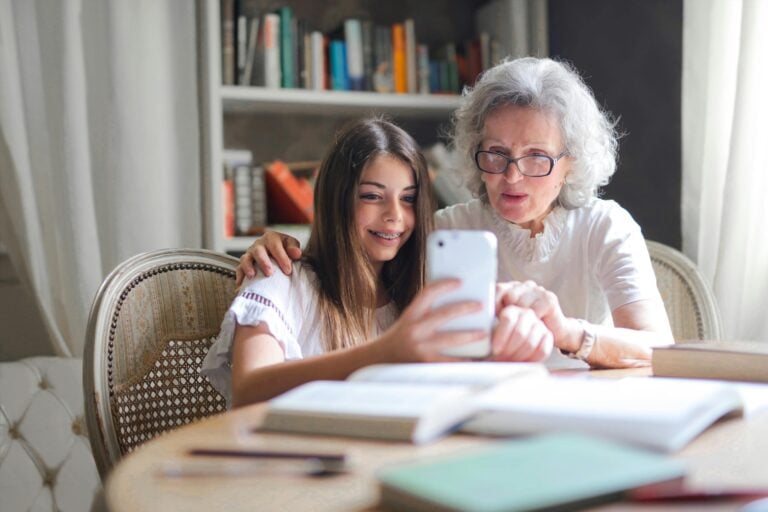

Two introverts in a relationship share something most couples spend years trying to build: an instinctive understanding of each other’s need for quiet. Introvert couples tend to thrive because they naturally align on energy, communication pace, and the value of depth over small talk. The challenges are real, but the foundation is unusually solid.
Ask most people whether two introverts can build a strong relationship and you’ll get a skeptical look. “Who’s going to initiate anything?” “Won’t you just sit in silence?” “Don’t you need someone to pull you out of your shell?” I’ve heard every version of this, usually from well-meaning extroverts who genuinely cannot imagine a Friday night that doesn’t involve a crowd.
My experience has been the opposite. Some of the most grounded, emotionally intelligent relationships I’ve witnessed, and experienced personally, have been between two people who both needed space to process, preferred meaningful conversation to social performance, and didn’t apologize for that.

Our relationships hub explores how introversion shapes connection across every area of life. Romantic partnerships between two introverts add a specific layer worth examining closely, because the dynamics are genuinely different, and the advantages are often overlooked.
What Actually Happens When Two Introverts Get Together?
The popular narrative frames introvert couples as two people who drift into comfortable but disconnected silence. That framing misunderstands what introverts actually want from relationships. Quiet isn’t disconnection. Parallel presence, two people in the same room doing different things without needing to fill every moment with conversation, is a form of intimacy that many couples actively struggle to reach.
What’s your personality type?
Take our free 40-question assessment and get a detailed personality profile with dimension breakdowns, context analysis, and personalised insights.
Discover Your Type8-12 minutes · 40 questions · Free
A 2020 study published in the Journal of Research in Personality found that introversion is associated with a preference for fewer, higher-quality social interactions rather than a general aversion to connection. That distinction matters enormously in romantic partnerships. Introvert couples aren’t avoiding each other. They’re choosing quality over quantity in how they engage.
What typically characterizes these relationships in practice: conversations that go somewhere, evenings that don’t require a social agenda, and a shared vocabulary around energy. Neither partner needs to explain why they’re drained after a work event. Neither needs to justify wanting a quiet weekend. That baseline mutual understanding removes a layer of friction that many mixed-personality couples spend significant energy managing.
Do Introvert Couples Actually Communicate Better?
Communication in introvert couples looks different from the outside, and often functions better on the inside. Most introverts process internally before speaking, which means conversations tend to be more considered and less reactive. Arguments, when they happen, are less likely to escalate into shouting matches and more likely to involve two people going quiet, processing, and returning with something more coherent to say.
That said, the internal processing tendency creates its own challenge: two introverts can both be processing simultaneously and neither one initiates the conversation that needs to happen. I’ve been in situations where something was clearly bothering me, and instead of raising it, I assumed my partner could tell, or I told myself I’d bring it up later, and later kept getting pushed back. That pattern, two people both waiting for the right moment, can let small tensions calcify into bigger ones.
The fix isn’t to become more extroverted. It’s to build explicit communication habits that account for how both people are wired. Scheduled check-ins, written messages when verbal feels too immediate, or simply naming what you’re doing (“I need to process this for a bit, can we talk about it tonight?”) all work well for introvert couples because both partners understand and respect that approach.

The American Psychological Association notes that introverts often excel at listening and thoughtful response, two qualities that form the backbone of effective relationship communication. When both partners bring those qualities, the conversations that do happen tend to carry real weight.
How Do Introvert Couples Handle Social Life Without Burning Out?
Social life is where introvert couples often feel the most pressure from the outside world. Friends invite you to things. Family gatherings happen. Work events exist. And two introverts handling all of that together face a specific set of decisions that a mixed-personality couple handles differently.
The advantage here is real: neither partner is pulling the other toward more social activity than they can sustain. There’s no negotiation where one person wants to go to every party and the other is quietly counting down the minutes until they can leave. Introvert couples tend to arrive at social events with a shared exit strategy already in place, not because they’re antisocial, but because they’ve both learned that protecting their energy isn’t optional.
The potential gap is that without an extroverted partner to initiate social connection, introvert couples can sometimes drift toward isolation without meaning to. Social contact matters for wellbeing. A 2018 meta-analysis in Psychology Today highlighted the documented health risks associated with chronic social isolation, distinct from chosen solitude. The difference between deliberate quiet and gradual withdrawal is worth monitoring.
Practically, what works for introvert couples is building a small but consistent social circle, people they genuinely enjoy, in settings that don’t require maximum performance. Dinner with two other couples rather than a party of forty. A recurring commitment that keeps social connection structured and predictable rather than spontaneous and draining.
What Are the Real Strengths of Being in an Introvert Couple?
The strengths of introvert couples are specific and significant. They don’t get enough credit in a culture that still tends to celebrate extroverted relationship ideals, the couple who’s always out, always social, always “on.”
Shared Energy Awareness
Both partners understand what it means to be depleted. Neither will push the other toward social commitments when they’re clearly running low. That mutual awareness creates a kind of protective dynamic that’s genuinely rare. You don’t have to explain why you need a quiet Saturday. Your partner already knows, because they need it too.
Depth Over Performance
Introvert couples tend to build relationships around substance. Conversations go deeper. Shared activities are chosen for genuine interest rather than social optics. There’s less pressure to perform happiness or enthusiasm in ways that feel hollow. What you see is typically what’s real.
Comfort With Silence
Silence in a relationship is often treated as a warning sign. For introvert couples, it’s frequently a sign of comfort. Being able to share space without filling it is a form of trust. It means neither person feels the need to entertain or perform. That ease takes some couples years to develop. Many introvert couples arrive there naturally.
Intentional Connection
Because neither partner is particularly drawn to constant social stimulation, the connection they build tends to be intentional. Date nights are planned because they matter, not because there’s social pressure to be seen doing couple things. Conversations happen because both people genuinely want to talk, not to fill silence. That intentionality tends to produce relationships with real texture.

What Challenges Should Introvert Couples Watch For?
Honest assessment matters here. Introvert couples have genuine advantages, and they also have specific patterns that can become problems if left unexamined.
Conflict Avoidance
Many introverts dislike confrontation. Put two conflict-avoidant people in a relationship and small issues can go unaddressed for a long time. Both partners may sense that something is off and both may choose to wait rather than raise it. Over time, that pattern accumulates. Unspoken frustrations don’t disappear; they compound.
The antidote is building a relationship culture where bringing up something uncomfortable is normalized rather than treated as a disruption. That takes active effort, especially early in the relationship when both people are still calibrating what’s safe to say.
Drifting Into Routine
Introverts often find comfort in routine, and two introverts together can build a very comfortable, very predictable life that gradually loses its spark. There’s nothing wrong with routine. The issue arises when comfort becomes the only thing the relationship is optimizing for, and novelty, growth, and shared new experiences start to disappear entirely.
Deliberately introducing new shared experiences, even small ones, counters this. A new restaurant. A weekend trip somewhere neither of you has been. A class you take together. success doesn’t mean manufacture excitement. It’s to keep the relationship from calcifying into pure habit.
Parallel Lives Without Real Connection
Two independent introverts can become very good at coexisting without actually connecting. Both people are comfortable alone. Both are capable of entertaining themselves. Both can go a full week being in the same house without having a single conversation that goes below the surface. That’s not intimacy. That’s roommates.
The NIH’s emotional wellness resources emphasize that meaningful connection requires active investment, not just proximity. Introvert couples who thrive tend to be intentional about creating moments of genuine connection, not assuming it will happen automatically because they share a space.
How Do Introvert Couples Maintain Intimacy Over Time?
Intimacy in introvert couples is often quieter than the cultural ideal, and often deeper for it. The grand gestures and constant demonstrations of affection that get celebrated in popular culture aren’t necessarily what makes introvert couples feel close. What tends to matter more: being truly seen, having your inner world understood, and knowing your partner isn’t performing their love for an audience.
Early in my own experience with introversion, I assumed that intensity of connection was something you built through shared activity, through doing things together constantly. What I eventually understood is that depth comes from attention. From actually listening when someone talks. From remembering the specific thing they mentioned three weeks ago and asking about it. From showing up in the small, quiet ways that don’t make good stories but make people feel genuinely known.
Introvert couples tend to be good at that kind of attention. The challenge is sustaining it as life gets busier and the relationship gets more comfortable. Comfort can dull attention. The antidote is treating your partner’s inner life as something that keeps evolving, because it does, and staying curious about it.

A 2019 study from Mayo Clinic’s research on adult relationships found that relationship satisfaction correlates strongly with perceived partner responsiveness, the sense that your partner genuinely understands and values you. Introverts, who tend to prioritize understanding over performance, often score well on this dimension when they’re paying attention.
Does Personality Type Predict Relationship Success?
Worth addressing directly: introversion is not a relationship compatibility guarantee. Two introverts with very different values, communication styles, or life goals will struggle regardless of their shared preference for quiet. Personality type is one factor among many, not a formula for compatibility.
What introversion does is shape the texture of how a relationship operates. It influences what drains you, what recharges you, how you process conflict, and what kinds of social environments you can sustain together. Those are significant factors. They’re not the whole picture.
The APA’s personality research consistently shows that personality traits influence behavior patterns rather than determining outcomes. Two introverts who are self-aware, communicative, and genuinely invested in each other will build something strong. Two introverts who assume shared personality type does the work for them will find that it doesn’t.
Running an agency for two decades, I worked with people across the full personality spectrum. The partnerships that held up under pressure, whether professional or personal, shared one thing: both people were paying attention to the relationship itself, not just assuming it would maintain itself. Introvert couples have natural advantages in building that kind of attentiveness. Capitalizing on those advantages still requires intention.
What Practical Habits Help Introvert Couples Thrive?
Specific habits make a measurable difference for introvert couples who want to build something lasting rather than just comfortable.
Protect Solitude Without Protecting Distance
Both partners need alone time. Build that into the structure of your relationship explicitly rather than negotiating it every time. What you’re protecting is energy, not distance. The distinction matters. Solitude that recharges you makes you more present when you’re together. Withdrawal that avoids connection is something different and worth examining honestly.
Create Low-Pressure Connection Rituals
Morning coffee together before either of you checks your phone. An evening walk without a destination. A shared meal with no screens. These small rituals create regular moments of connection that don’t require either person to perform or produce conversation on demand. They work precisely because the pressure is off.
Talk About the Relationship Explicitly
Introverts are often skilled at processing internally and less skilled at externalizing what they’ve processed. Make it a practice to actually say what you’re thinking about the relationship, not just act on it. Regular, low-stakes conversations about how things are going prevent the kind of slow drift that can happen when two independent people assume everything is fine because nothing is visibly wrong.
Manage Social Commitments Together
Decide together what social commitments you’ll take on and which you’ll decline. Having a shared approach to social life means neither person is managing the other’s expectations or feeling guilty for saying no. It also means you’re less likely to overcommit and spend the following week depleted and irritable with each other.

Seek Outside Perspectives When Needed
Two introverts who are both good at internal processing can create a closed loop where neither person’s perspective gets challenged by outside input. Couples therapy, trusted friends, or even well-chosen books on relationship dynamics can introduce perspectives that neither partner would generate alone. That’s not a sign of weakness. It’s a sign of taking the relationship seriously enough to invest in it.
The Harvard Business Review’s work on introvert-extrovert dynamics in team settings maps interestingly onto relationship dynamics: the most effective pairings, regardless of personality type, share high self-awareness and explicit communication about how each person operates. Introvert couples who build that self-awareness into their relationship structure have a meaningful advantage.
Explore more on how introversion shapes your relationships and daily life in our complete Introvert Relationships Hub.
About the Author
Keith Lacy is an introvert who’s learned to embrace his true self later in life. After 20 years in advertising and marketing leadership, including running agencies and managing Fortune 500 accounts, Keith now channels his experience into helping fellow introverts understand their strengths and build fulfilling careers. As an INTJ, he brings analytical depth and authentic perspective to every article, drawing from both professional expertise and personal growth.
Frequently Asked Questions
Can two introverts have a successful long-term relationship?
Yes, and often a particularly strong one. Introvert couples share natural alignment around energy management, communication pace, and the preference for depth over social performance. The challenges that do arise, such as conflict avoidance and gradual isolation, are manageable with self-awareness and deliberate communication habits. Shared personality type is one factor, not a guarantee, but it removes significant friction that many couples spend years working through.
What are the biggest challenges for introvert couples?
The three patterns worth watching are conflict avoidance, where both partners wait rather than raise difficult topics; gradual social isolation, where the couple drifts away from outside relationships without intending to; and parallel living, where two independent people coexist comfortably without genuinely connecting. None of these are inevitable, but all three are more likely when both partners share a preference for internal processing and discomfort with confrontation.
How do introvert couples handle social obligations?
Most introvert couples do best by managing social commitments jointly, deciding together what to accept and what to decline, and building in recovery time after socially demanding events. Having a shared approach means neither partner is managing the other’s expectations or feeling guilty for wanting to leave early. A small, consistent social circle tends to work better than a large, unpredictable one for couples who both need to protect their energy.
Is it healthy for two introverts to spend most of their time at home together?
Chosen solitude is healthy. Gradual withdrawal from social connection because it feels easier than maintaining relationships is a different thing. Introvert couples who spend most of their time at home by genuine preference, while maintaining some outside friendships and social contact, are typically in good shape. The concern arises when the home becomes a way to avoid the outside world entirely, which can amplify anxiety and reduce resilience over time.
Do introvert couples need to work on communication differently than other couples?
The communication strengths of introvert couples are real: both partners tend to listen well, process carefully, and avoid reactive arguments. The specific area to build deliberately is initiating difficult conversations. Two internal processors can both be aware that something needs to be addressed and both wait for the other to raise it. Building explicit habits around checking in, such as scheduled conversations or a simple practice of naming what you’re thinking rather than assuming your partner can tell, addresses this pattern effectively.