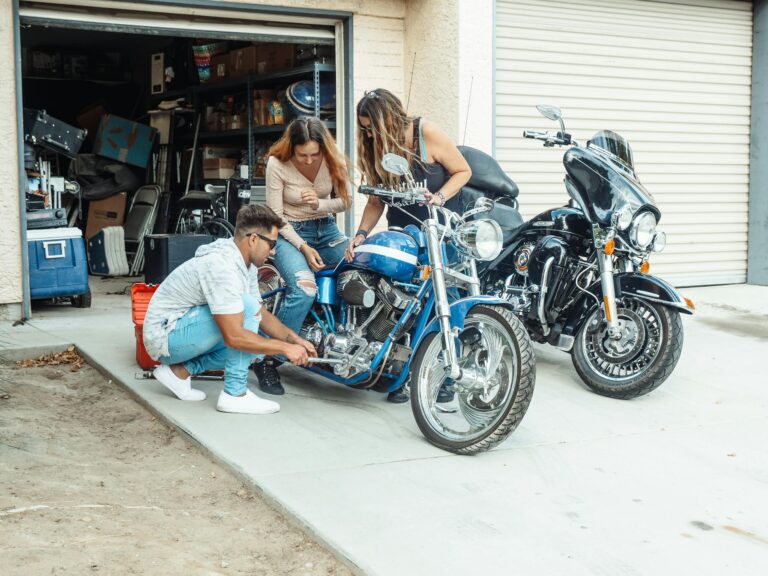

Extroverts tend to flirt more visibly because their natural communication style, comfort with spontaneity, and ease in social energy make the early signals of attraction feel effortless. They initiate, they banter, they project warmth quickly and openly. Introverts aren’t bad at flirting. They’re often working with a completely different set of tools, and nobody told them those tools are just as powerful.
That gap in perception, between how extroverts flirt and how introverts connect, shaped a lot of my early thinking about attraction. I spent years in rooms full of extroverted colleagues, watching them work a cocktail party the way I’d work a strategy brief. Effortlessly, it seemed. I was the guy in the corner with a drink, genuinely interested in the one conversation I was having, wondering why that didn’t translate the same way.
What I’ve come to understand is that the question “why do extroverts flirt better?” contains a hidden assumption worth examining. Better by whose standard? Louder? More frequent? More immediately obvious? Those are real advantages in certain contexts. But attraction is more layered than a first impression, and the introvert’s approach to it deserves a more honest look than it usually gets.
If you’re exploring how introversion shapes your romantic life more broadly, our Introvert Dating & Attraction hub covers the full range of how quieter personalities approach connection, from first encounters to long-term partnerships.

What Makes Extroverts Appear to Flirt Effortlessly?
Extroverts draw energy from social interaction. That’s not just a personality quirk. It means that the environment where flirting most commonly happens, a party, a bar, a work event, a first date, is the environment where they’re literally at their best. They’re energized, expressive, and present in a way that reads as confidence and warmth simultaneously.
What’s your personality type?
Take our free 40-question assessment and get a detailed personality profile with dimension breakdowns, context analysis, and personalised insights.
Discover Your Type8-12 minutes · 40 questions · Free
I’ve watched this dynamic play out hundreds of times over my years running agencies. We’d take clients to industry events, and the extroverted account executives would work the room in a way that looked almost choreographed. Easy smiles, quick jokes, the ability to make someone feel like the most interesting person in the room within sixty seconds. From the outside, it looked like a superpower.
What extroverts have that makes early flirting feel natural to them comes down to a few specific things. First, they’re comfortable with ambiguity in social situations. Flirting is inherently ambiguous. It lives in the space between friendliness and interest, between a compliment and an invitation. Extroverts tolerate that ambiguity more easily because social risk feels lower to them. Second, they process their feelings externally. An extrovert who finds someone attractive tends to express that in real time, through tone, body language, and words. There’s very little lag between feeling and expression.
Third, and this one matters more than people acknowledge, extroverts have simply practiced more. If you genuinely enjoy social situations, you’ve had more reps. More conversations, more moments of playful banter, more experience reading how someone responds to a smile held a beat too long. Comfort comes from repetition, and extroverts accumulate that repetition naturally.
According to Healthline’s breakdown of introvert and extrovert myths, one of the most persistent misconceptions is that introverts are shy or socially anxious by nature. Many aren’t. The difference is about energy, not ability. That distinction matters enormously when we’re talking about flirting, because it means the introvert’s hesitation often isn’t fear. It’s calculation.
Why Does the Introvert’s Flirting Style Get Misread?
My quietness in social situations was regularly misread as disinterest. I remember a client dinner early in my career where I spent most of the evening genuinely engaged in a one-on-one conversation with someone I found fascinating. Later, a colleague told me the client thought I hadn’t enjoyed myself. I was confused. That conversation was the highlight of my week. But I hadn’t performed enjoyment in the way the room expected.
Introverts flirt through attention. Through remembering. Through asking the question that shows you actually listened to what someone said three sentences ago. Through making eye contact that lingers just long enough to communicate something without words. These are real signals. They’re just quieter than what most people are trained to look for.
The problem is that in a noisy social environment, quiet signals get lost. When someone extroverted is across the room being visibly charming, the introvert’s considered, attentive presence can read as passivity. It isn’t. It’s a different frequency, and not everyone is tuned to receive it.
Understanding how introverts fall in love and the relationship patterns that emerge helps explain why the introvert’s flirting style often doesn’t look like flirting at all in the early stages. The internal experience is intense. The external expression is measured. That gap between inner feeling and outward signal is where a lot of miscommunication happens.
There’s also the issue of timing. Introverts tend to think before speaking, which means by the time they’ve formulated the perfect response to something charming someone said, the moment has passed. The extrovert has already moved on to the next beat of the conversation. This isn’t a flaw in the introvert. It’s a rhythm mismatch, and it’s worth naming honestly.
Is Extroverted Flirting Actually More Effective Long-Term?
Here’s where the premise of the question starts to fracture. Extroverted flirting is often more effective at creating initial attraction signals, at getting a number, at making an impression at a party. But attraction doesn’t end at the party. It continues through every conversation, every date, every moment of genuine connection that follows.
Some personality research, including work referenced through this PubMed Central study on personality and relationship outcomes, suggests that the traits associated with long-term relationship satisfaction don’t map cleanly onto extraversion. Warmth, reliability, emotional attunement, and the ability to make someone feel genuinely understood tend to matter more over time than the ability to dazzle in a first encounter.
Introverts often bring those qualities in abundance. The same person who seems reserved at a party is frequently the one who remembers what you said about your childhood dog, who texts to check in after a hard week you mentioned in passing, who creates an atmosphere of safety that makes someone feel comfortable enough to be real. That’s not a consolation prize for bad flirting. That’s a different and arguably more durable form of attraction.
The introvert’s approach to showing affection is worth examining closely here. How introverts express love and show affection often looks less like grand romantic gestures and more like consistent, thoughtful acts that accumulate meaning over time. Someone attuned to that style of connection will feel deeply seen. Someone expecting constant verbal affirmation might miss it entirely.
I’ve had relationships where my introversion was clearly a mismatch. Partners who needed more spontaneous verbal warmth than I naturally produce. Those relationships taught me something important: compatibility in communication style matters as much as chemistry. An extrovert who flirts brilliantly but connects shallowly isn’t necessarily a better romantic partner than an introvert who takes longer to open up but offers something much more substantial once they do.
What Specific Skills Give Extroverts an Edge in Early Attraction?
Being honest about this matters. There are genuine skills that come more naturally to extroverts in the context of early romantic interest, and pretending otherwise doesn’t help anyone.
Spontaneous verbal wit is one. Flirtatious banter has a rhythm, and it moves fast. The ability to respond quickly, playfully, and with a light touch is something extroverts tend to develop more organically because their communication style is already externally oriented. They think out loud. Banter is essentially thinking out loud with someone you find attractive.
Physical expressiveness is another. Extroverts tend to use their bodies more openly in conversation, leaning in, touching an arm, holding eye contact without it feeling weighted. These are classic signals of interest, and they come more naturally when you’re already comfortable taking up space in social environments.
Initiation is perhaps the most significant. Extroverts are generally more comfortable making the first move, whether that’s starting a conversation with a stranger, suggesting a second date, or directly expressing interest. The social cost of rejection feels lower when social interaction is already energizing rather than draining.
A Psychology Today piece on the romantic introvert captures something worth sitting with: introverts often experience attraction intensely but express it cautiously. That caution isn’t indifference. It’s self-protection, and it’s rooted in how much introverts invest emotionally before they feel safe enough to show it.

Understanding the emotional landscape that introverts bring to early attraction, including the weight of what they’re feeling before they’ve said a word, is part of what I explore in this deeper look at introvert love feelings and how to work through them. The internal experience is rarely what it looks like from the outside.
Can Introverts Develop More Effective Flirting Without Performing Extroversion?
Yes, and the distinction matters enormously. Developing a skill is different from faking a personality.
My agency years taught me something about this. I had to present to boardrooms, pitch to skeptical clients, and hold my own in rooms full of people who communicated very differently than I did. I got better at it. Not by pretending to be extroverted, but by finding the version of those skills that worked with my nature rather than against it.
Flirting works the same way. An introvert who wants to signal interest more clearly doesn’t need to become the loudest person in the room. They need to work with their strengths while addressing specific gaps.
One gap worth addressing is initiation. Many introverts wait for clear signals before expressing interest, which means both people are waiting and nothing happens. Practicing low-stakes initiation, starting a conversation, asking a follow-up question, suggesting moving somewhere quieter to talk, builds comfort without requiring a personality transplant.
Another gap is legibility. If your flirting is invisible, it’s not working, regardless of how genuine it is. Small adjustments, holding eye contact a beat longer, smiling more openly when something genuinely amuses you, using someone’s name in conversation, make the signal clearer without making it false.
Online settings have shifted some of this calculus significantly. Truity’s look at introverts and online dating makes a compelling case that digital environments often favor introvert communication styles. Written expression, thoughtful responses, the ability to craft a message that actually says something meaningful, these are natural introvert strengths. The playing field levels considerably when the interaction slows down and moves to text.
I’ve also observed that introverts often do their best flirting in one-on-one situations rather than group settings. The energy of a crowded party fragments attention and rewards performance. A quieter setting, a coffee, a walk, a focused conversation, plays to the introvert’s ability to be genuinely present with one person. Choosing environments strategically isn’t a workaround. It’s self-awareness applied to romantic life.
How Does Highly Sensitive Personality Affect the Flirting Dynamic?
Many introverts also identify as highly sensitive people, and that overlap adds another layer to this conversation. HSPs process sensory and emotional information more deeply than most, which means the experience of attraction can feel overwhelming before it feels exciting. The noise of a bar, the unpredictability of a first meeting, the vulnerability of expressing interest, these register more intensely for an HSP than they might for someone with a less sensitive nervous system.
That intensity isn’t weakness. It’s wiring. And it shapes how someone approaches flirting in ways that are worth understanding rather than fighting. An HSP who forces themselves into high-stimulation social environments to practice flirting is working against their own nature. An HSP who creates conditions where their depth and attunement can show up clearly is playing to their genuine strengths.
If you identify with this profile, this complete dating guide for HSPs addresses the specific challenges and advantages that come with high sensitivity in romantic contexts. The approach to attraction looks different when your emotional antenna is calibrated this finely.
One thing I’ve noticed about the HSPs I’ve worked with over the years, and I managed several on my creative teams, is that they often formed the most meaningful professional relationships in the agency. Not the most numerous, not the most visible, but the most substantive. The same quality that made crowded social situations exhausting for them made one-on-one connection remarkably rich. Attraction operates on similar principles.

What Happens When Two Introverts Try to Flirt With Each Other?
This scenario deserves its own honest examination because it’s genuinely complicated. Two people who both signal quietly, who both wait for clear cues before expressing interest, who both interpret restraint as dignity rather than disinterest, can spend a remarkable amount of time being mutually attracted without either of them saying so.
There’s something almost comedic about it from the outside. Two introverts at a quiet dinner, each one thinking deeply about the other, each one waiting for the other to make the first unambiguous move, each one reading the other’s careful attention as interest but not quite enough to act on. The conversation is wonderful. Nothing happens.
The dynamics of what happens when two introverts fall for each other are genuinely worth understanding before you’re in the middle of it. The relationship patterns that emerge from that pairing have real strengths and specific friction points that don’t show up in introvert-extrovert pairings.
The 16Personalities piece on introvert-introvert relationship dynamics raises a point that resonates with me: two introverts can create a beautifully comfortable shared world that also becomes insular in ways neither of them notices until the relationship needs more oxygen than it’s getting. That’s not a reason to avoid introvert-introvert pairings. It’s a reason to be conscious about it.
In terms of flirting specifically, two introverts often find that their connection builds through accumulated shared experience rather than a single charged moment of obvious mutual attraction. The flirting is distributed across many small signals over time rather than concentrated in a dramatic early exchange. That can feel slow, even uncertain. It can also produce a foundation that’s remarkably solid once it’s established.
What Does Healthy Conflict Look Like When Attraction Becomes a Relationship?
Flirting is the opening chapter. What comes after it matters more. And one of the areas where introvert-extrovert differences create real friction in relationships is conflict. Extroverts tend to process disagreements out loud, in real time, and want resolution quickly. Introverts tend to need space to process internally before they can engage productively with conflict.
Neither approach is wrong. Both can create significant misunderstanding if neither person understands what the other needs. The extrovert reads the introvert’s withdrawal as stonewalling. The introvert reads the extrovert’s immediate emotional processing as aggression or pressure. Both interpretations are understandable and both are usually inaccurate.
For anyone handling this in a relationship, this guide to handling conflict peacefully, particularly for highly sensitive people, offers practical framing that applies well beyond the HSP context. The core insight, that different nervous systems need different conditions to engage constructively with disagreement, is broadly useful.
I’ve had to learn this in both professional and personal contexts. My INTJ tendency in conflict is to go quiet, analyze, and return with a structured position. Early in my career I interpreted that as maturity. The people on the other side of those conflicts often experienced it as coldness or dismissal. Understanding how my processing style landed on others changed how I communicated through hard moments, at work and at home.
What Should Introverts Actually Take From This Comparison?
Not shame. Not a to-do list of extrovert behaviors to imitate. Something more useful than either of those.
Extroverts do have genuine advantages in the earliest, most performative stages of attraction. Acknowledging that honestly is more useful than dismissing it. Those advantages are real, they’re contextual, and they’re not the whole picture.
What introverts bring to attraction, depth of attention, emotional memory, the ability to make someone feel genuinely seen, patience with complexity, a kind of quiet reliability that builds trust over time, these aren’t consolation prizes. They’re qualities that matter enormously to the people who value them. And the people who value them tend to be excellent partners.
The practical takeaway is this: know where the gap is and address it specifically. If initiation is hard, practice low-stakes versions of it. If your signals are too subtle, make them slightly more legible without making them false. Choose environments that play to your strengths where you can. And stop measuring your approach to attraction against a standard built for a different personality type.
The Psychology Today guide to dating an introvert puts it well: dating an introvert requires patience and a willingness to read quieter signals. The right person will do that without being asked. Finding someone who’s attuned to how you actually communicate, rather than performing a version of attraction that exhausts you, is worth more than any amount of improved flirting technique.
Some additional framing from this PubMed Central research on personality traits and interpersonal perception supports the idea that how we’re perceived in social interactions is shaped significantly by context and by the observer’s own personality. What reads as charming to one person reads as exhausting to another. What reads as reserved to one person reads as intriguing to another. There’s no universal standard for attractive behavior, which means the introvert’s approach isn’t universally disadvantaged. It’s selectively disadvantaged, in specific contexts, with specific audiences.
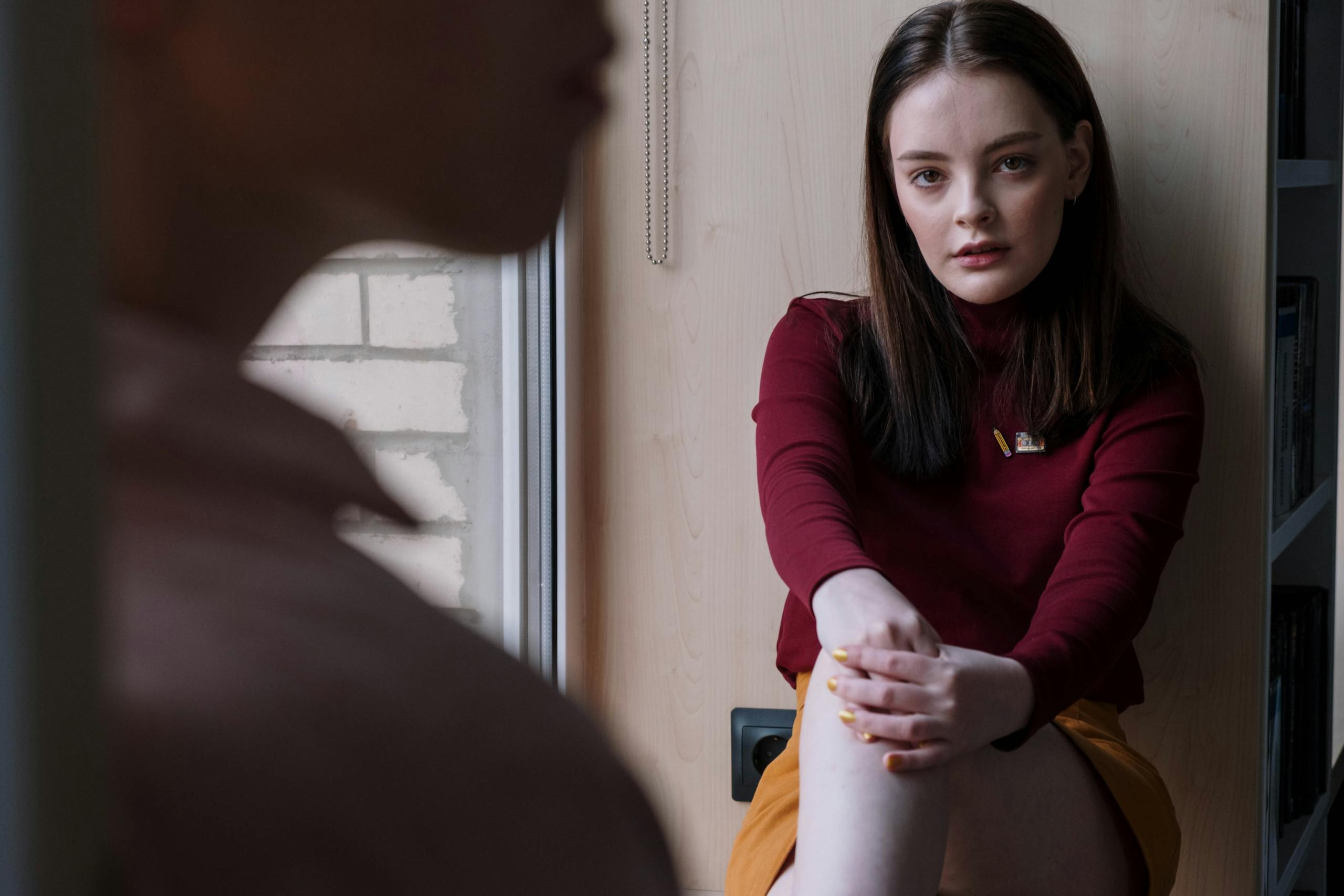
What I’ve found, both personally and in watching others, is that the introverts who struggle most with attraction are usually the ones trying hardest to flirt like extroverts. The ones who find their footing are the ones who got honest about what they actually offer and found ways to make that visible. That’s not a small shift. For many people it takes years. But it’s the shift that actually changes things.
There’s more to explore about how introversion shapes every stage of romantic life, from the first spark to long-term partnership, in our complete Introvert Dating & Attraction hub.
About the Author
Keith Lacy is an introvert who’s learned to embrace his true self later in life. After 20 years in advertising and marketing leadership, including running agencies and managing Fortune 500 accounts, Keith now channels his experience into helping fellow introverts understand their strengths and build fulfilling careers. As an INTJ, he brings analytical depth and authentic perspective to every article, drawing from both professional expertise and personal growth.
Frequently Asked Questions
Do extroverts actually flirt better than introverts?
Extroverts tend to be more visible and spontaneous in the early stages of flirting, which can look like being better at it. They’re energized by social situations, comfortable with ambiguity, and express interest in real time. Introverts flirt differently, through attentiveness, depth of engagement, and quieter but often more meaningful signals. Whether one approach is “better” depends heavily on the context and the person receiving the signals.
Why does introvert flirting often go unnoticed?
Introvert flirting tends to be subtle. It shows up as sustained eye contact, remembered details, focused attention, and genuine curiosity about someone. In noisy social environments where louder signals dominate, these quieter cues can be easy to miss. The introvert may be deeply interested while appearing simply polite or reserved, which creates a legibility gap that doesn’t reflect the actual level of interest.
Can introverts improve their flirting without pretending to be extroverted?
Yes, and the distinction between developing a skill and faking a personality is important. Introverts can work on specific gaps, like initiating more often, making their interest slightly more legible, or choosing environments that play to their strengths, without abandoning who they are. Online dating, smaller gatherings, and one-on-one settings naturally favor introvert communication styles and reduce the performance pressure of group social contexts.
What happens when two introverts are attracted to each other?
Two introverts can spend considerable time being mutually attracted without either making an obvious move, since both tend to wait for clear signals before expressing interest. The attraction often builds through accumulated shared experience and small consistent signals rather than a single charged moment. The resulting relationship can be deeply compatible and grounded, though both partners may need to consciously practice being more direct about their feelings than comes naturally.
Is extroverted flirting more effective in long-term relationships?
Not necessarily. Extroverted flirting tends to create stronger initial impressions, but long-term relationship satisfaction draws on different qualities. Emotional attunement, reliability, the ability to make someone feel genuinely understood, and consistent thoughtfulness tend to matter more over time than early social performance. Introverts often bring these qualities naturally, which means their approach to attraction, while slower to register, can produce more durable connections.