
You know that feeling when your phone rings and your stomach drops? When seeing an incoming call triggers an immediate internal debate about whether to answer or let it go to voicemail? You’re not imagining things, and you’re definitely not alone.
For years, I assumed something was wrong with me. As a senior leader in advertising, I spent my days in high-stakes client meetings and presenting to Fortune 500 executives. Yet the moment my personal phone buzzed with an unexpected call, I felt a surge of reluctance that seemed completely disconnected from my professional confidence. The disconnect puzzled me until I started understanding how introversion actually works.
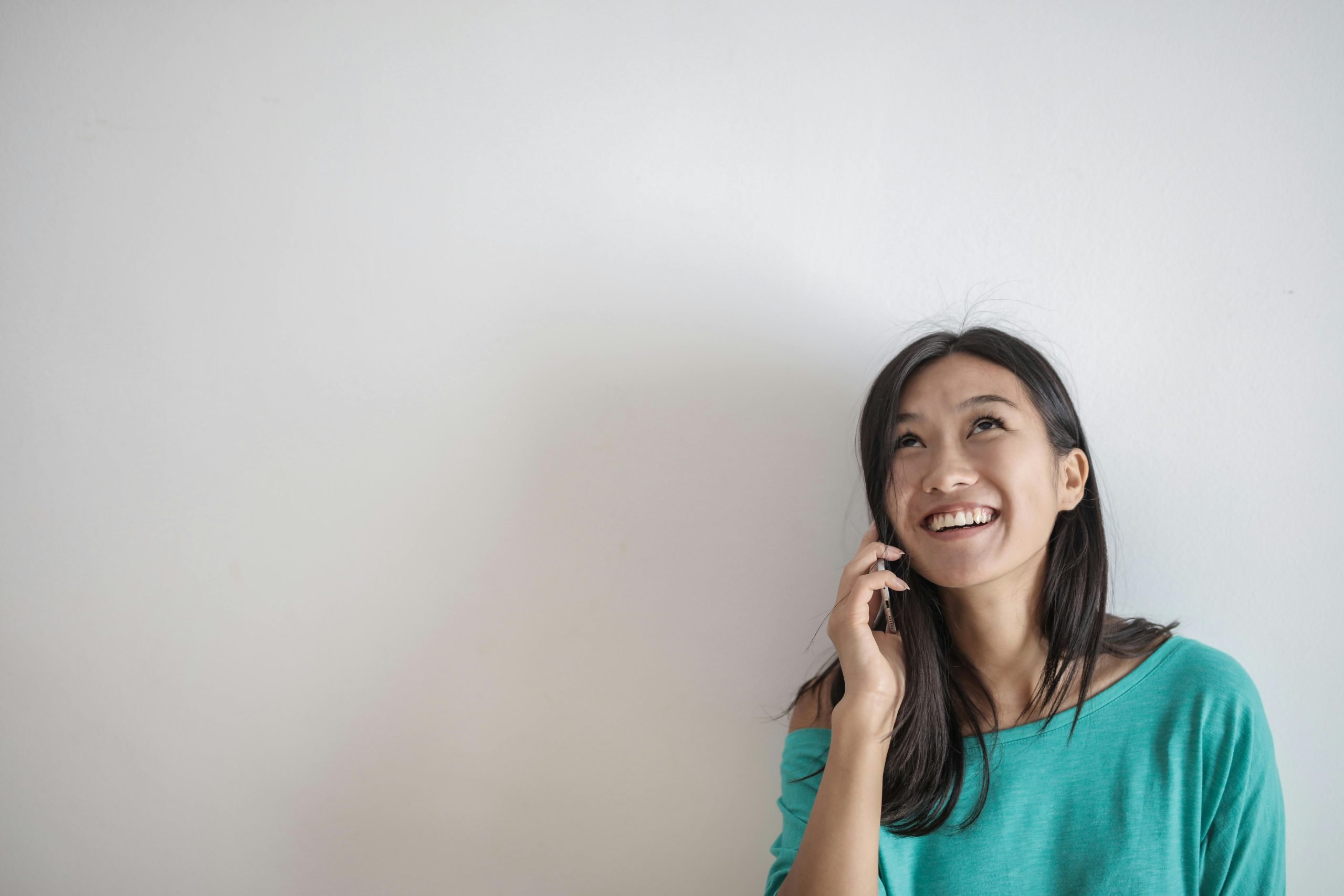
Phone aversion among introverts runs deeper than simple preference. It touches on how our brains process information, manage energy, and engage with spontaneous social demands. Our General Introvert Life hub explores dozens of everyday experiences that shape the introvert experience, and phone reluctance stands out as one of the most universally shared.
The Science Behind Phone Call Discomfort
Psychologist Carl Jung first identified introversion in the 1920s as a personality orientation characterized by focusing energy inward rather than seeking external stimulation. His framework helps explain why phone calls feel fundamentally different for introverts compared to their extroverted counterparts.
When a phone rings, it demands immediate attention and instant verbal response. There’s no pause button, no time to gather thoughts, no opportunity to carefully consider your words before speaking them. A 2017 study published in Frontiers in Psychology found that simply hearing a phone notification decreased cognitive performance, even when participants didn’t check the message. The interruption itself carries a psychological cost.
During my agency years, I noticed a pattern in my own behavior. Email conversations where I could think through complex responses felt energizing. Phone calls with the same clients felt draining, even when the content was identical. The difference wasn’t the information being exchanged. The difference was the processing time each medium allowed.
Why Real-Time Conversation Drains Introverts
Introverts process information differently than extroverts. Our brains tend to route information through longer pathways associated with memory and planning. A conversation that feels effortless for an extrovert requires more cognitive resources for someone wired toward reflection.
Research from Johns Hopkins University, cited in BBC Science Focus, explains that phone calls remove visual cues we unconsciously rely on during conversation. Professor Alison Papadakis notes that without seeing facial expressions, ambiguous pauses can feel threatening. An introvert who already tends toward careful interpretation may fill those silences with negative assumptions.
One client project from my advertising days crystallized this for me. We were troubleshooting a campaign issue, and I insisted on switching from a phone call to video. Suddenly the same conversation felt manageable. Seeing reactions let me calibrate my responses and reduced the mental load of interpreting vocal tones alone.
The Intrusion Factor
Phone calls are inherently intrusive in ways that texts and emails simply are not. When someone calls, they’re essentially saying “stop whatever you’re doing and attend to me right now.” For personality types who value focused concentration and uninterrupted thought, this demand feels like a cognitive invasion.
Sophia Dembling, author of “Introverts in Love,” explains this phenomenon in Psychology Today. She describes how her mind doesn’t change direction easily, making unexpected calls feel like being “yanked out of a dream by a sudden splash of cold water.” Many introverts share this experience of needing time to mentally shift gears before engaging in conversation.
Understanding how to protect your energy becomes essential when phone calls feel this demanding. Setting boundaries around communication methods isn’t antisocial behavior. It’s energy management.

Small Talk and Spontaneity Challenges
Most phone calls begin with small talk. “How are you?” “What have you been up to?” “Nice weather we’re having.” For introverts who prefer meaningful conversation over surface-level exchanges, these opening gambits feel like obstacles rather than bridges to genuine connection.
I remember dreading the small talk portion of client calls far more than the actual business discussions. Once we got past the pleasantries and into substantive problem-solving, I felt engaged and capable. Those first few minutes of weather and weekend chat, though, required conscious effort to endure.
Research published in the National Institutes of Health journal database confirms that spontaneous social interaction places higher cognitive demands on individuals who prefer to think before speaking. Phone calls offer no preparation time, no opportunity to organize thoughts, and no visual feedback to gauge whether your message is landing as intended.
Many people assume phone reluctance stems from shyness or social anxiety. The common misconceptions about introversion often conflate preference for thoughtful communication with fear of communication itself. These are fundamentally different things.
The Listening Problem
Introverts tend to be excellent listeners, which creates an interesting paradox on phone calls. When paired with a talkative caller, the introvert often ends up doing far more listening than speaking. After a while, the one-sided nature of the conversation becomes exhausting.
Managing teams over two decades taught me that phone conversations with extroverted colleagues followed predictable patterns. They would talk, I would listen and occasionally contribute, and by the end I felt drained despite having done relatively little speaking. The mental energy spent processing rapid-fire verbal information depleted my reserves.
When the flow of a phone conversation doesn’t allow natural pauses for reflection, introverts may withdraw mentally. We’re still on the call, still making appropriate listening noises, but our minds have partially retreated inward to process the information overload. Anyone who has caught themselves saying “uh-huh” while their thoughts wandered elsewhere knows this experience intimately.

Preparation and Control
Written communication gives introverts something phone calls cannot: control. An email can be drafted, revised, reconsidered, and polished before sending. A text message allows time to craft the perfect response. Phone conversations demand improvisation, and improvisation favors those who think best while talking rather than before talking.
A 2022 study from Wiley Online Library found strong correlations between social anxiety and phone use behaviors, with higher anxiety levels predicting greater preference for text-based communication. The study noted that intolerance of uncertainty plays a significant role. Phone calls are inherently unpredictable, and those who find uncertainty uncomfortable naturally gravitate toward communication methods that offer more control.
The tendency toward overthinking that many introverts experience can intensify phone discomfort. When you’re inclined to analyze conversations carefully, the speed of real-time verbal exchange prevents the deep processing your brain prefers.
It’s Not Shyness and It’s Not Rudeness
Confusing introversion with shyness remains one of the most persistent misunderstandings about personality. Shy people fear social judgment. Introverts simply prefer different forms of social engagement. An introvert can deliver a confident presentation to hundreds of people and still feel uncomfortable with a casual phone call to a friend.
According to Psychologist World, introversion relates to where you draw energy and how you process stimulation rather than social capability. Introverts can be highly skilled communicators who simply find certain communication formats more taxing than others.
Throughout my career, I’ve seen capable introverted professionals struggle with the assumption that avoiding phone calls indicates weakness or poor social skills. The dictionary definition of introvert often fails to capture these nuances, leaving introverts defending personality traits that require no defense.
Practical Strategies for Phone-Averse Introverts
Accepting your communication preferences doesn’t mean avoiding all phone contact forever. It means working with your natural tendencies rather than against them.
Scheduling calls in advance helps enormously. When you know a conversation is coming, you can mentally prepare. I started blocking “call windows” in my calendar during my agency years, treating scheduled phone time as seriously as any other meeting. Unexpected calls still feel jarring, but planned ones become manageable.
Keeping notes or bullet points nearby during important calls reduces cognitive load. Instead of trying to remember everything while simultaneously formulating responses, you can glance at prepared talking points. The structure provides a framework that makes spontaneous conversation feel less chaotic.

Building recovery time into your schedule matters too. If you have an unavoidable phone-heavy day, planning quiet time afterward prevents burnout. Treating phone calls as energy expenditures rather than neutral activities helps you budget your social resources appropriately.
Many introverts find that explaining their preferences to close friends and family reduces pressure. Something as simple as “I prefer texting for casual check-ins, but I’m happy to schedule a call for longer conversations” sets expectations without requiring extensive justification.
Finding Your Communication Balance
Phone reluctance isn’t a flaw requiring correction. It’s a preference worth understanding. Recognizing why calls feel draining helps you make informed choices about when phone communication genuinely serves you versus when alternatives work better.
Some conversations genuinely benefit from the immediacy of voice communication. Nuanced emotional discussions, complex problem-solving sessions, and relationship-building conversations often work better in real time than across a series of text messages. The skill lies in distinguishing necessary phone contact from habitual phone contact.
After two decades in an industry that relied heavily on phone communication, I eventually made peace with the medium. I stopped viewing my reluctance as a professional weakness and started treating it as useful information about how I work best. Clients received better service when I communicated through channels that allowed my best thinking rather than channels that drained my cognitive reserves.
The broader reasons introverts struggle with phone calls connect to fundamental differences in how personality types process stimulation and manage energy. Understanding these patterns helps you design a communication approach that works with your wiring rather than constantly fighting against it.
Your phone aversion makes sense. It reflects how your brain handles information, manages social energy, and processes real-time demands. Success here doesn’t mean eliminating discomfort entirely. Success means building a life where your communication choices align with your actual needs rather than external expectations about how everyone should communicate.
Explore more General Introvert Life resources in our complete General Introvert Life Hub.
About the Author
Keith Lacy is an introvert who’s learned to embrace his true self later in life. With a background in marketing and a successful career in media and advertising, Keith has worked with some of the world’s biggest brands. As a senior leader in the industry, he has built a wealth of knowledge in marketing strategy. Now, he’s on a mission to educate both introverts and extroverts about the power of introversion and how understanding this personality trait can unlock new levels of productivity, self-awareness, and success.