

I discovered wireless earbuds not because I wanted better sound quality, but because I needed something I could take with me everywhere. Something that created a boundary between my thoughts and the noise around me without announcing it to the world.
Wireless earbuds for introverts serve three crucial functions: they provide portable noise control, establish subtle social boundaries, and prevent energy depletion throughout the day. Unlike over-ear headphones that make a statement, earbuds offer environmental control while maintaining accessibility and social appropriateness in most settings.
Over-ear headphones work great at home. They’re my go-to for deep focus sessions and writing blocks. But walking the dog? Working from a café? Taking calls while moving between meetings? That’s when earbuds became essential. They’re the portable version of quiet, small enough to always have with you, subtle enough that you’re not making a statement every time you put them on.
The thing about introvert tools is they need to work without drawing attention to themselves. Earbuds do that. They signal “I’m in my own space right now” without the visual weight of full headphones. For someone who spent decades in marketing and advertising leadership, navigating demanding client environments and open office chaos, I learned that the best tools are the ones that protect your energy without announcing that’s what they’re doing. That’s why quiet keyboards for open offices have become just as essential as audio solutions for maintaining focus and reducing sensory overload.
This isn’t a comprehensive audio engineering review. This is about which wireless earbuds actually serve introvert needs in real-world situations, tested over extended periods, with honest assessments of what works and what doesn’t.
Why Do Earbuds Matter for Introverts Beyond Sound Quality?
The conversation around wireless earbuds usually focuses on audio fidelity, bass response, and codec support. That matters if you’re an audiophile. For introverts, the primary function is environmental control and social signaling.
What’s your personality type?
Take our free 40-question assessment and get a detailed personality profile with dimension breakdowns, context analysis, and personalised insights.
Discover Your Type8-12 minutes · 40 questions · Free
Research from Cornell University shows that workplace noise significantly impacts cognitive performance, particularly for tasks requiring concentration and memory. Earbuds provide a first line of defense against unpredictable environmental noise that drains energy throughout the day.
But the practical value goes beyond just blocking sound. Earbuds serve three distinct introvert functions that larger headphones can’t replicate:
- Portable boundaries without performance – Create psychological buffer zones while remaining generally accessible
- Form factor freedom – Maintain middle ground between complete isolation and full environmental exposure
- Energy preservation through prevention – Stop overwhelm from building rather than managing it after it occurs
Portable Boundaries Without Performance
When you’re walking through a busy street, sitting in a café, or navigating an airport, earbuds create a psychological buffer zone. You’re not shutting everyone out completely like you would with over-ear headphones. You’re just establishing that you’re in your own headspace right now.
I’ve noticed people are less likely to interrupt when they see earbuds. It’s a visual cue that you’re occupied, even if you’re not listening to anything. Sometimes I wear them just for that function, the silence they create through presence rather than active noise cancellation.
One specific moment stands out. I was working from a café, surrounded by conversation, espresso machines, and music that was slightly too loud. My earbuds battery died mid-session. Within five minutes, I could feel my focus crumble. It wasn’t just distraction. It was overstimulation. I ended up leaving early, mentally drained. That day reinforced how much I rely on quiet not as preference, but as fuel.
The Form Factor Freedom
Over-ear headphones announce themselves. They’re a commitment. They say “I’m doing deep work right now” or “I really don’t want to talk.” Sometimes that’s appropriate. Often it’s too much of a statement for what you actually need, which is just some noise control and personal space while staying generally accessible.
Earbuds let you maintain that middle ground. You can quickly pop one out for a brief exchange without the whole production of removing headphones. You can wear them while walking without looking completely closed off. You can use them in situations where full headphones would feel antisocial but your ears desperately need a break from environmental noise.
This flexibility matters more than specs on paper. According to research from the National Institute for Occupational Safety and Health, controlling acoustic environments directly reduces workplace stress levels. The tool you’ll actually use consistently beats the objectively better tool you only use occasionally.
Energy Preservation Through Prevention
The real value of earbuds isn’t managing situations after they become overwhelming. It’s preventing overwhelm from building in the first place.
When I was CEO of an agency, navigating constant demands and open office environments, I learned that environmental control early in the day prevented energy crashes later. Earbuds became part of that system. Using them during my commute, during walks between meetings, during lunch breaks meant I wasn’t accumulating sensory debt that would catch up with me by 3 PM.
This aligns with principles discussed in introvert energy management, where preventing energy drain is more effective than trying to recover after depletion.

What Actually Matters When Testing Earbuds for Introvert Use?
Audio reviewers focus on frequency response curves and soundstage width. Those matter if you’re evaluating them as audio equipment. For functional use as introvert tools, different criteria determine whether earbuds actually work in daily life.
Key evaluation criteria for introvert use:
- Extended wear comfort – Must remain comfortable for 2+ hour sessions without fatigue
- Effective noise isolation – ANC that handles speech and environmental sounds, not just low frequencies
- Real-world battery life – Actual performance with ANC enabled matches your longest typical sessions
- Reliable daily connectivity – Consistent pairing without troubleshooting or setup delays
- Intuitive control systems – Operations that become automatic without conscious thought
Comfort During Extended Wear
If earbuds hurt after 30 minutes, they’re useless regardless of their noise canceling capabilities. I’ve tested multiple premium models that had excellent specs but were uncomfortable enough that I stopped wearing them.
The Bang & Olufsen Beoplay EQs were a painful lesson in this. Beautiful design, premium price point, but they constantly slipped out of my ears. Spending €350 on something that looks stunning but doesn’t fit your anatomy is humbling. It reminded me that comfort always trumps luxury.
Ear canal anatomy varies significantly between individuals. What fits perfectly for one person might be uncomfortable for another. This is why you can’t trust comfort reviews completely. You need to test fit or at least buy from retailers with good return policies.
The test I use: wear them for at least two hours while doing normal activities. If you’re thinking about them, they’re not comfortable enough. Good earbuds disappear, much like how blocking apps like Cold Turkey and Freedom keep you focused without constant willpower—you forget you’re using them.
Effective Noise Isolation
Active noise cancellation (ANC) technology has improved dramatically in recent years. Research from the Acoustical Society of America demonstrates that quality ANC systems can reduce ambient noise by 20-30 decibels in the frequency ranges most relevant to speech and environmental sounds.
But effective noise isolation isn’t just about maximum decibel reduction. It’s about how the earbuds handle different types of noise in real environments.
Noise isolation performance factors:
- Speech frequency reduction – How well they minimize conversation and human voices
- Mid-frequency handling – Performance with keyboard typing, HVAC systems, traffic noise
- Pressure sensation management – ANC that doesn’t create uncomfortable ear pressure during use
- Transparency mode quality – Natural external sound when you need environmental awareness
Some models excel at reducing low-frequency rumble like airplane engines or HVAC systems but do little for higher-frequency sounds like conversation or keyboard typing. Others create excellent overall isolation but introduce a pressure sensation that becomes uncomfortable during extended use, which is why choosing the right input device matters—consider reviewing an ergonomic keyboard comparison for writers if you spend long hours typing.
The Sony WF-1000XM4 and XM5 models provide what I’d call the “focus bubble” experience. They reduce environmental noise significantly enough that you can concentrate in moderately loud settings without making you feel disconnected from your surroundings entirely.
The Apple AirPods Pro (both generations) offer good noise cancellation but not quite at the same level as Sony’s flagship models. However, they’re significantly more comfortable during all-day wear, which often makes them the better practical choice even with slightly less aggressive ANC.
Battery Life That Matches Your Daily Pattern
Advertised battery life assumes moderate volume levels and usually doesn’t account for active noise cancellation constantly running. Real-world battery life is typically shorter.
For daily use, you need earbuds that last through your longest typical usage session without requiring a charge. If you’re using them for a four-hour work session, six-hour advertised battery life isn’t enough. You’ll be checking battery levels instead of focusing on your work.
The psychological cost of battery anxiety undermines the entire purpose of having earbuds. They’re supposed to reduce mental load, not add to it. This is why I always verify actual battery performance during testing rather than trusting manufacturer claims.
Most current flagship models provide 6-8 hours with ANC enabled, which covers most single-session use cases. The charging case extends this significantly, but the case doesn’t help you when your earbuds die mid-session.
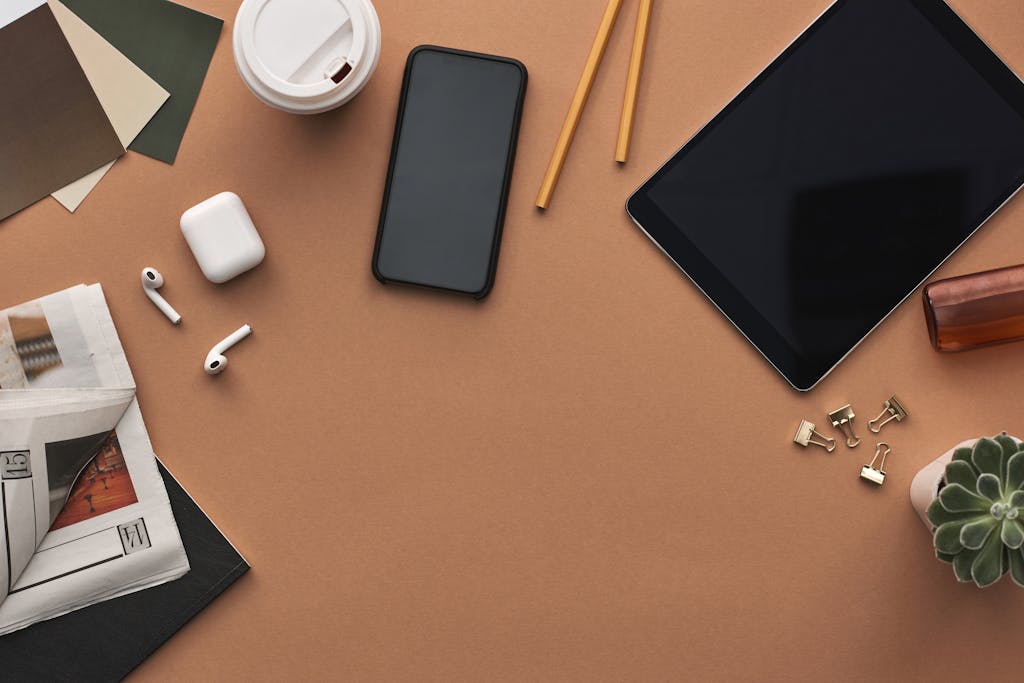
Apple AirPods Pro: Do They Live Up to the Seamless Experience Claims?
The first-generation AirPods Pro were my introduction to genuinely useful wireless earbuds for daily carry. The second-generation models refined the formula without fundamentally changing what made them valuable.
What Makes Them Work
The AirPods Pro’s primary advantage isn’t audio quality or noise cancellation. It’s the complete absence of friction in daily use. They connect instantly when you open the case. They switch between devices automatically when using multiple Apple products. The controls work reliably without thinking about them.
This seamlessness matters more than you’d expect. When earbuds require conscious management, setup delays, or connection troubleshooting, you use them less. When they just work every single time, they become part of your daily routine without conscious decision-making.
AirPods Pro advantages for introvert use:
- Zero-friction connectivity – Instant pairing and automatic device switching within Apple ecosystem
- Transparency mode excellence – Natural external sound filtering for environmental awareness
- Universal fit optimization – Multiple tip sizes with iOS fit testing for proper seal
- Intuitive force-sensor controls – Reliable operation without accidental activation
- Consistent daily reliability – Minimal technical management required
The H2 chip in the second-generation models improved noise cancellation noticeably compared to the original version. They’re not quite at Sony XM5 levels, but they’re close enough that most people won’t notice the difference in practical use.
Transparency mode on AirPods Pro deserves specific mention. It allows external sound through in a natural way that doesn’t feel artificial or processed. This matters when you need to remain aware of your environment while still having earbuds in, like walking through traffic or waiting for an announcement.
The fit works for most ear shapes, though not all. Apple includes multiple tip sizes, and getting the right fit makes a significant difference in both comfort and noise isolation. The fit test feature in iOS actually helps determine whether you’ve selected the right tips.
Where They Fall Short
The AirPods Pro are not the quietest option available. In genuinely loud environments, like on airplanes or in construction zones, the Sony models provide noticeably better isolation. For typical daily use in cafés, offices, or public transportation, the difference is less significant.
Battery life is adequate but not impressive. About 6 hours with ANC enabled, which is middle of the pack for premium models. The charging case extends this considerably, but you need to remember to charge the case regularly.
AirPods Pro limitations:
- Premium pricing without universal value – $249 justified mainly by ecosystem integration
- Moderate battery performance – 6 hours ANC falls short of Sony’s 8-hour capacity
- Android compatibility issues – Lose key features outside Apple ecosystem
- Good but not exceptional noise cancellation – Outperformed by Sony in loud environments
They’re expensive. The second-generation AirPods Pro retail for around $249, which is premium pricing in a market where capable options exist for $100-150. You’re paying partially for the seamless Apple ecosystem integration, which only provides value if you use multiple Apple devices.
For Android users, the AirPods Pro lose much of their appeal. The automatic device switching and spatial audio features work best within the Apple ecosystem. If you’re not using an iPhone, better options exist at similar or lower price points.
Who Should Choose AirPods Pro
If you use multiple Apple devices (iPhone, iPad, Mac) and want earbuds that require zero conscious management, AirPods Pro are worth the premium. The ecosystem integration alone justifies the cost if it means you actually use them consistently.
For introvert use specifically, they excel at creating subtle boundaries without technical fiddling. They’re reliable enough that you don’t think about them, which lets them function as background support rather than requiring attention.

Sony WF-1000XM5: Are They Really the Focus Fortress?
After testing the XM4 generation extensively, I upgraded to the XM5s when they released. They’ve become my default choice for situations where I need maximum noise isolation combined with extended comfort.
Superior Noise Cancellation
The Sony WF-1000XM5 earbuds provide the most effective noise cancellation I’ve tested in the truly wireless category. They’re not quite at the level of Sony’s over-ear headphones (the WH-1000XM5 headphones remain superior for pure isolation), but they’re remarkably close considering the form factor limitations.
In practical terms, the XM5s create what I call a “focus bubble.” They reduce environmental noise enough that you can concentrate in moderately loud settings like busy cafés or shared workspaces without distractions penetrating your attention. The difference compared to AirPods Pro is subtle in quiet environments but becomes obvious when ambient noise increases.
Studies on cognitive performance demonstrate that environmental noise reduction directly improves concentration and memory retention, particularly for complex tasks. The XM5s provide that reduction more effectively than most alternatives.
Sony XM5 noise cancellation advantages:
- Broad frequency spectrum reduction – Effective against both low-frequency rumble and mid-range speech
- Adaptive ANC processing – Automatically adjusts cancellation based on environmental conditions
- Minimal pressure sensation – Strong ANC without uncomfortable ear pressure
- Consistent performance across scenarios – Maintains effectiveness in varied noise environments
- Quick ambient mode switching – Instant environmental awareness when needed
Comfort and Fit Considerations
Sony improved the comfort significantly from XM4 to XM5. The newer models are smaller and lighter, which reduces ear fatigue during extended wear. I regularly wear them for 3-4 hour work sessions without discomfort.
However, the fit is more finicky than AirPods Pro. Getting the right ear tip size and insertion angle makes a substantial difference in both comfort and noise isolation effectiveness. The initial setup requires more experimentation.
Once properly fitted, they stay secure during movement. I’ve worn them while walking, on public transportation, and during light exercise without fit issues. They’re not designed for intensive workouts, but they handle general daily activity reliably.
The Battery Advantage
Battery life on the XM5s is impressive. Sony advertises 8 hours with ANC enabled, and real-world performance comes close to that claim. This extends most single-session use cases without requiring a mid-day recharge.
The charging case provides additional charges, and the USB-C connection means you can use the same cable as most modern devices. Quick charging gives 60 minutes of playback from 3 minutes of charging, which helps in situations where you forgot to charge overnight.
Control and Connectivity
Touch controls on the XM5s work reliably once you learn the gestures. Single tap, double tap, triple tap, and touch-and-hold each trigger different functions. The learning curve is steeper than AirPods Pro’s force-sensor controls, but the expanded functionality becomes valuable once habituated.
Multi-device connectivity allows connecting to two devices simultaneously, which works well for switching between phone and laptop use. The auto-switching isn’t quite as seamless as AirPods Pro within the Apple ecosystem, but it functions well enough for practical use.
The Sony Headphones app provides extensive customization of sound profiles, ANC strength, and ambient sound settings. For people who enjoy optimizing their equipment, this depth is valuable. For those who want simple plug-and-play functionality, it’s unnecessary complexity.
Limitations
The Sony WF-1000XM5s cost around $299, making them the most expensive option discussed. The price premium over AirPods Pro ($50 more) delivers better noise cancellation and longer battery life, but whether that justifies the cost depends on how much those improvements matter for your specific use cases.
They’re also physically larger than AirPods Pro, which affects portability slightly. The charging case doesn’t fit quite as easily in pockets. This is minor but worth noting if minimal bulk matters.
Voice call quality on the XM5s is adequate but not exceptional. They work fine for phone calls and video meetings, but the microphone performance doesn’t match specialized options or even the AirPods Pro. If you take frequent calls in noisy environments, this matters.

How Do the Alternatives Compare: Sennheiser, Jabra, and Others?
Beyond the dominant players, several other manufacturers produce earbuds worth considering depending on your priorities and preferences.
Sennheiser Momentum True Wireless 3
The Sennheiser Momentum True Wireless 3 earbuds deliver the most natural, audiophile-quality sound of any model I tested. If audio fidelity matters significantly to you beyond functional noise reduction, these excel.
The sound signature is balanced and detailed without the bass-heavy tuning many consumer earbuds favor. Classical music, jazz, and acoustic performances sound particularly good. For background music while working, the difference is less noticeable.
Sennheiser MTW3 performance breakdown:
- Audio quality excellence – Natural, balanced sound signature ideal for music appreciation
- Premium build and materials – Solid construction with refined aesthetic design
- Moderate noise cancellation – Adequate ANC but below Sony/Apple performance levels
- Comfort limitations – Heavier design creates ear pressure during extended sessions
- Specialized audience appeal – Best for users prioritizing audio fidelity over isolation
However, the fit is less comfortable than Sony or Apple models during extended wear. They’re slightly heavier, which creates more pressure on your ears over time. I found 2-3 hours was my comfort limit before needing a break.
Noise cancellation is adequate but noticeably less effective than Sony XM5 or even AirPods Pro. They’ll reduce ambient noise enough for quiet environments but struggle in louder settings. If your primary need is isolation rather than audio quality, other options serve better.
Battery life is respectable at 7 hours with ANC enabled. The case design is compact and premium-feeling. Touch controls work reliably once learned.
At around $279, they’re positioned in the premium segment without offering the ecosystem integration of AirPods or the isolation capabilities of Sony models. They serve a specific audience: people who prioritize audio quality significantly above other factors.
Jabra Elite 7 Active
I tested the Jabra Elite 7 Active primarily for workout use, but they proved less suitable for extended work sessions.
The fit is secure during movement, which makes them functional for exercise. The IP57 rating provides protection against sweat and water. Controls are straightforward and reliable.
However, comfort during stationary use isn’t ideal. The ear tips create more pressure than necessary, which becomes noticeable after about an hour. For workout sessions that’s acceptable. For 3-4 hour work blocks, it’s problematic.
Noise cancellation is moderate. Better than basic earbuds without ANC, but nowhere near Sony or Apple levels. Sound quality is decent but unremarkable.
At $179, they’re positioned in the mid-range segment. They serve well as dedicated workout earbuds if you want a separate pair for exercise, but they don’t work as all-purpose daily drivers for introvert use cases.
Nothing Ear (2)
The Nothing Ear (2) earbuds deserve mention primarily for their design. They’re aesthetically distinctive with transparent construction that’s genuinely appealing if you appreciate industrial design.
Performance is adequate across categories but doesn’t excel anywhere. Noise cancellation is decent for the $149 price point but significantly below premium options. Sound quality is good enough for casual listening but won’t satisfy audio enthusiasts. Comfort is acceptable but not exceptional.
Battery life is respectable at 6 hours with ANC. The case design is unique and compact. Controls work reliably.
They represent a good value proposition if you want capable wireless earbuds at a mid-range price and appreciate the distinctive design aesthetic. For introvert-specific needs around isolation and comfort, premium options serve better, but these work adequately if budget constrains choices.
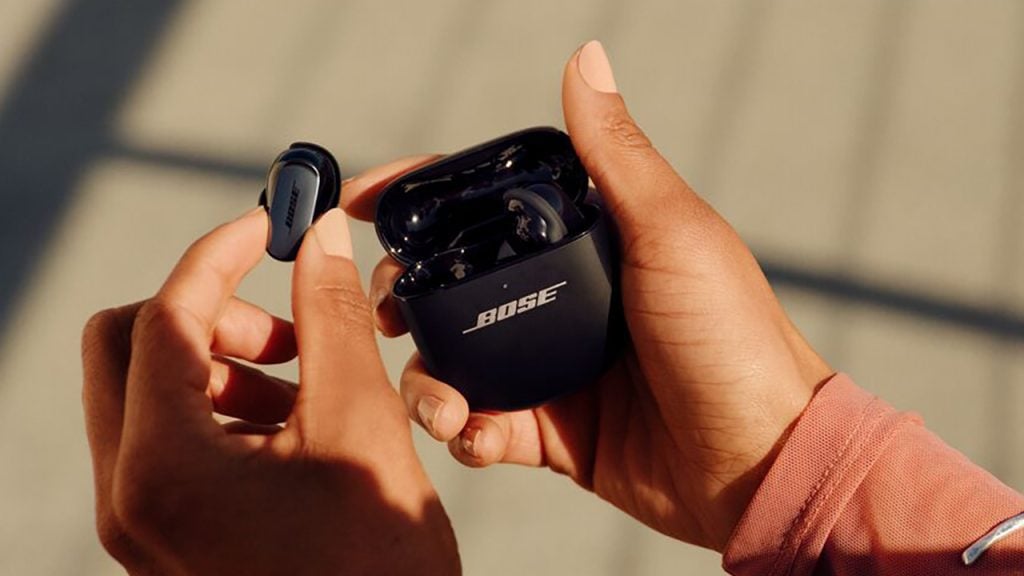
How Do You Make the Practical Choice Based on Your Actual Use Cases?
Choosing wireless earbuds requires evaluating your specific priorities and typical use patterns rather than selecting the objectively best option on paper.
Budget Optimization Strategy
If cost matters significantly and you’re not deeply embedded in the Apple ecosystem, quality mid-range options serve adequately. The Nothing Ear (2) at $149 or similar models from Anker, Soundcore, or 1MORE provide decent noise cancellation and comfort without premium pricing.
The performance gap between mid-range and premium models has narrowed considerably. You lose some isolation effectiveness and battery life, but for moderate noise environments and shorter sessions, the difference matters less than the $100-150 you save.
This aligns with principles discussed in introvert finance management, where strategic spending means investing in tools that significantly improve daily function while avoiding premium pricing that doesn’t deliver proportional value.
Budget-conscious decision matrix:
- Under $150 budget – Nothing Ear (2), Soundcore Liberty 3 Pro, or Anker alternatives
- $150-200 budget – Jabra Elite series or older generation Sony/Apple models
- $200+ budget – Current generation AirPods Pro or Sony XM5s based on ecosystem needs
- Premium audio focus – Sennheiser MTW3 if sound quality prioritized over isolation
- Specialized needs – Dedicated workout earbuds separate from daily drivers
Ecosystem Considerations
If you use multiple Apple devices, AirPods Pro deliver seamless integration that eliminates friction from daily use. The automatic device switching alone saves enough time and mental energy over weeks to justify the premium.
The spatial audio features work remarkably well for movie watching and certain music genres. Adaptive transparency mode adjusts external sound filtering based on environmental noise levels automatically. These ecosystem features accumulate value over time.
For Android users or people using mixed device ecosystems, Sony WF-1000XM5 earbuds provide better technical performance without ecosystem dependency. They connect reliably to any device supporting Bluetooth, and the companion app works across platforms.
During my agency years, I watched colleagues struggle with earbuds that required constant attention, setup delays, or connectivity troubleshooting. Tools that demand management attention defeat their purpose as energy-preservation devices. The ecosystem integration question isn’t about brand loyalty but about reducing cognitive overhead in daily routines.
Prioritizing Isolation Over Everything
If maximum noise cancellation matters significantly because you work in consistently loud environments or have high sensitivity to ambient noise, Sony XM5s deliver measurably better performance. The price premium ($299 vs $249 for AirPods Pro) translates to noticeably superior isolation.
For highly sensitive introverts who experience environmental noise as particularly draining, that improvement justifies the cost. The enhanced isolation directly reduces daily energy expenditure and improves concentration capacity.
However, if you primarily work in moderately quiet environments and need earbuds more for psychological boundaries than aggressive noise reduction, AirPods Pro provide adequate isolation at lower cost with better ecosystem integration.
Balancing Multiple Priorities
Most people aren’t optimizing for a single factor. You need decent noise cancellation, acceptable comfort, reasonable battery life, and reliable connectivity. You want earbuds that work consistently without requiring constant management.
This balanced approach typically points toward either AirPods Pro (for Apple users) or Sony XM5s (for everyone else) as the default recommendations. Both deliver well-rounded performance across all categories that matter for daily carry and introvert use cases.
The Sennheiser models serve the specific audience prioritizing audio fidelity significantly above isolation. The Jabra models work for people wanting dedicated workout earbuds separate from their primary pair. Mid-range options from Nothing, Anker, or Soundcore serve budget-conscious buyers accepting moderate compromises.
What About the Social Signaling Reality?
Wearing earbuds in public creates an interesting social dynamic that goes beyond just managing noise. They establish a visible boundary that most people respect without requiring explicit communication.
I’ve noticed people are significantly less likely to initiate conversations or interruptions when they see earbuds. It’s a socially acceptable signal that you’re occupied. Sometimes I wear them without playing audio just for that function.
This creates occasional social awkwardness. In group settings, wearing earbuds can feel like building a wall, even when your energy genuinely needs protection. I’ve caught myself removing one earbud mid-conversation just to signal openness, a small gesture that balances solitude with courtesy.
The authenticity question matters here. Are you using earbuds as a legitimate tool for energy management, or as avoidance of discomfort that would be growth-producing? There’s a meaningful difference between strategic boundary-setting and habitual withdrawal from connection.
I frame it differently now compared to my earlier years. Earbuds aren’t anti-social. They’re self-preservation. Protecting your energy so you can be genuinely present when connection matters, rather than perpetually depleted from continuous environmental demands.
This connects to broader discussions in introvert conversation strategies about distinguishing between healthy boundaries and limiting patterns that restrict growth.
How Do They Integrate with Broader Energy Management Systems?
Wireless earbuds function most effectively as one component within a comprehensive approach to managing your energy and attention throughout the day.
They work alongside other tools: strategic calendar design that builds in recovery time, environmental optimization at home and work, communication strategies that establish boundaries without apology.
The earbuds handle tactical situations. The broader system ensures you’re not constantly defending against overwhelming environments. Together they create sustainable patterns that let you function consistently rather than cycling between depletion and recovery.
I’ve learned that having reliable tools matters more than having perfect tools. Earbuds that work consistently and comfortably enough that you actually use them daily beat objectively superior options that stay in your drawer because they’re inconvenient or uncomfortable.
This reflects a broader principle about introvert success: consistency through sustainable systems beats periodic heroic effort. The tools that integrate seamlessly into your daily routines create compound benefits that accumulate over weeks and months.
For those working remotely, understanding how to transform your home into a productivity powerhouse can further optimize your environment. Earbuds become one layer in a multi-layered approach to creating spaces where you can do your best work without depleting your reserves.
If you’re comparing over-ear options alongside earbuds, my comprehensive noise-canceling headphones review covers the full-size alternatives for when maximum isolation matters more than portability.
This article is part of our Introvert Tools & Products Hub , explore the full guide here.
About the Author
Keith Lacy is an introvert who’s learned to embrace his true self later in life. With a background in marketing and a successful career in media and advertising, Keith has worked with some of the world’s biggest brands. As a senior leader in the industry, he has built a wealth of knowledge in marketing strategy. Now, he’s on a mission to educate both introverts and extroverts about the power of introversion and how understanding this personality trait can unlock new levels of productivity, self-awareness, and success.