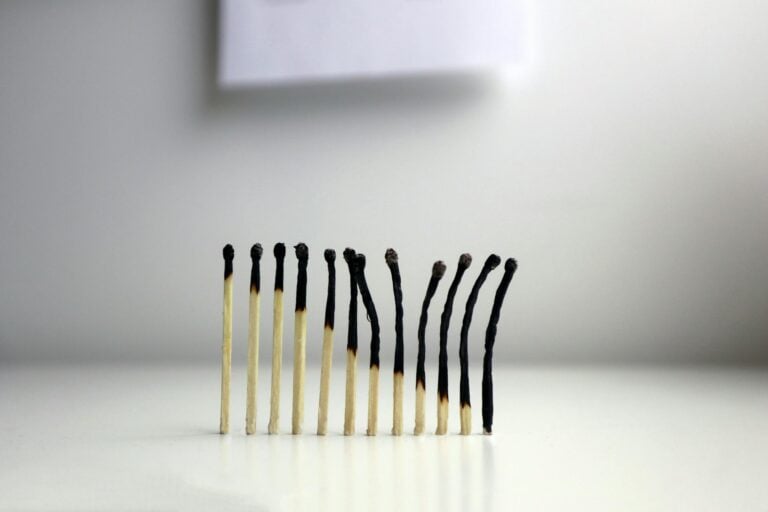

The breakroom felt smaller every day. Three months after the layoffs, I still flinched when my manager’s name appeared in my inbox. Twenty years leading agencies had taught me to handle pressure, make tough calls, shepherd creative teams through impossible deadlines. This was different.
Trauma isn’t reserved for first responders or emergency workers. Workplace environments create their own category of psychological injury, and research shows that occupational trauma affects workers across all industries, from retail to finance to corporate offices. For introverts who already expend significant energy managing stimulation and social demands, traumatic workplace experiences compound in ways that often go unrecognized.
During my agency years, I watched colleagues bounce back from brutal client conflicts within days. I couldn’t. Each incident accumulated, creating a backlog my mind processed slowly, methodically, in that characteristic introvert pattern. The problem wasn’t weakness. The problem was misunderstanding how trauma affects people who internalize experiences differently.

What Actually Constitutes Workplace Trauma
Most people associate trauma with singular dramatic events. Studies on psychological trauma in workplace settings reveal a broader spectrum. Repeated exposure to hostile environments, systematic boundary violations, witnessing colleague mistreatment, enduring manipulation or gaslighting from supervisors create cumulative psychological damage.
What’s your personality type?
Take our free 40-question assessment and get a detailed personality profile with dimension breakdowns, context analysis, and personalised insights.
Discover Your Type8-12 minutes · 40 questions · Free
I remember a creative director in her mid-thirties, brilliant strategist, who started taking sick days after every executive meeting. Her boss had developed a pattern of publicly undermining her recommendations, then claiming credit when those same strategies succeeded. The behavior wasn’t overtly abusive. It was erosive. Six months later, she experienced panic attacks severe enough to require medical leave.
For introverts, workplace trauma manifests through heightened anxiety and emotional exhaustion when faced with excessive stimuli. The constant need for interaction in traumatic environments drains energy reserves faster than recovery periods can replenish them. What appears as burnout to observers often masks deeper psychological injury.
Trauma exists on a continuum. Single severe incidents like workplace violence or sudden termination create acute stress reactions. Chronic exposure to toxicity, discrimination, or systematic devaluation creates complex trauma that develops gradually. Both categories produce lasting psychological effects that warrant serious attention.
How Introvert Brains Process Traumatic Experiences
Introverts don’t just prefer quiet environments. Brain imaging studies show larger gray matter in prefrontal areas responsible for thought processing, decision making, and planning. This structural difference means introverts spend more time engaged in internal analysis, replaying interactions, evaluating responses, considering implications.
After difficult situations, I’d spend evenings reconstructing conversations, analyzing what I could have said differently, questioning my reactions. My extroverted colleagues discussed problems briefly, then moved forward. This processing difference isn’t rumination in the clinical sense. It’s how introvert minds naturally integrate experiences.
When trauma enters this equation, the depth of processing becomes problematic. Traumatic memories replay with greater intensity and frequency. The introvert tendency toward internal reflection transforms into intrusive thoughts. What helps introverts make sense of normal experiences becomes a trap when processing psychological injury.

The internal nature of this processing creates invisibility. Coworkers don’t see the struggle. Managers miss the warning signs. Introverts internalize stress to the point where surrounding people may not recognize the severity of traumatic responses. This invisibility delays intervention and prolongs suffering.
Dopamine response differences add another layer. Extroverts experience higher dopamine activation in reward centers, driving them toward external stimulation and social interaction as stress relief. Introverts lack this same neurochemical incentive. After traumatic workplace experiences, introverts retreat inward rather than seeking social support, which can intensify isolation and slow recovery.
Recognition Patterns That Others Miss
Workplace trauma manifests differently in introverts compared to extroverted colleagues. Standard diagnostic criteria miss these subtle presentations. A 2022 study examining workplace violence and PTSD found that recovery times averaged 4.5 months, but these timelines don’t account for personality differences in processing and healing.
Increased withdrawal registers as normal introvert behavior to casual observers. The distinction lies in quality rather than quantity. Healthy introverts choose solitude for restoration and enjoyment. Trauma-affected introverts avoid environments and interactions out of fear, hypervigilance, or emotional incapacity.
Performance changes appear first. Introverts who previously delivered consistently start missing deadlines. Quality drops. The meticulous attention to detail that defined their work deteriorates. These aren’t capability issues. They’re concentration difficulties stemming from intrusive thoughts and hyperarousal.
Physical symptoms emerge alongside psychological changes. Sleep disruption, appetite changes, unexplained fatigue, tension headaches, gastrointestinal problems. During the worst period of agency stress, I developed a persistent rash that dermatologists couldn’t explain. Six weeks after leaving that environment, it cleared completely.
Cognitive patterns shift noticeably. Introverts typically excel at analytical thinking and complex problem solving. Trauma disrupts these strengths. Decision making becomes difficult. Simple choices feel overwhelming. The internal processing that usually generates insights produces loops of anxiety instead.
Emotional regulation suffers distinctly. Introverts managing trauma might cry unexpectedly at minor frustrations, snap at colleagues uncharacteristically, or display flat affect when previously engaged. These reactions confuse people who know the introvert’s baseline temperament. Understanding that trauma affects emotional processing helps clarify seemingly inexplicable behavior changes.
Common Workplace Scenarios That Create Trauma
Not all traumatic workplace experiences involve dramatic incidents. Systematic patterns create psychological injury through accumulation.
Open office environments present unique challenges. Constant connection to crisis through phones and graphic coverage of traumatic events broadens trauma exposure beyond traditional high-risk occupations. For introverts sensitive to sensory input, these spaces become sources of continuous low-level stress that compounds into trauma over time.

I spent three years in an agency where the CEO valued “collaboration” so intensely that private offices disappeared. Fifty people shared one large room. The noise level alone exceeded comfortable thresholds. Add constant visual stimulation, interrupted focus, inability to control when and how people approached you. For introverts already processing work demands internally, this environment created persistent arousal that never resolved.
Performance management becomes traumatic when executed without consideration for personality differences. Public criticism in meetings, comparison to extroverted colleagues, pressure to adopt communication styles that feel inauthentic. One marketing manager I worked with received consistent feedback that she wasn’t “enthusiastic enough” despite delivering exceptional results. The constant implication that her natural presentation was deficient created genuine psychological harm.
Boundary violations accumulate differently for introverts. Demands for constant availability, expectations of immediate responses, mandatory after-hours social events, pressure to share personal information, invasion of needed alone time. Each violation feels more severe because introverts require those boundaries for basic functioning, not mere preference.
Witnessing colleague mistreatment affects introverts intensely. Deep empathy combined with careful observation means introverts notice and internalize others’ suffering. Watching someone be systematically undermined, observing unfair terminations, witnessing bullying without intervention. These vicarious experiences create secondary trauma that organizations rarely acknowledge.
Corporate restructuring and layoffs generate trauma even for employees who keep their positions. The uncertainty, disruption of established routines, loss of valued colleagues, increased workload without adjustment period. Introverts need predictability and time to process change. Sudden upheaval without adequate transition support creates lasting psychological impact.
The Misdiagnosis Problem
Standard mental health frameworks often misinterpret introvert trauma responses. Depression gets diagnosed when the actual issue involves traumatic stress. Anxiety disorders receive treatment while underlying workplace trauma goes unaddressed. Social anxiety disorder gets applied to introverts whose withdrawal stems from traumatic experiences rather than inherent fear of judgment.
Performance improvement plans suggest poor work ethic when concentration difficulties stem from intrusive thoughts. HR interventions address “attitude problems” without recognizing trauma responses. Workplace accommodation requests get denied because trauma symptoms don’t fit recognized disability categories.
This misdiagnosis creates additional harm. Treatment targeting wrong conditions wastes time and resources. Introverts internalize failure when interventions don’t help. The actual trauma remains unaddressed, symptoms persist, situations worsen.
I spent eighteen months in therapy for depression before a trauma-informed therapist recognized occupational PTSD. The perspective shift changed everything. The self-blame dissolved. The shame lifted. Appropriate treatment could finally begin. That delay cost years of suffering that proper initial assessment might have prevented.
Medical professionals need better training in recognizing how trauma manifests across personality types. Corporate cultures that glorify overwork and perfectionism create environments where trauma flourishes unrecognized. HR departments require education on trauma-informed approaches that account for diverse psychological profiles.
Recovery Strategies That Actually Work for Introverts
Standard trauma recovery advice often assumes extroverted healing patterns. Group therapy, support circles, extensive sharing with multiple people. These approaches can overwhelm introverts already managing trauma symptoms.

Evidence-based approaches like EMDR, CBT, and somatic therapy prove effective when delivered in individual rather than group formats. Introverts need space to process without performing for others or managing group dynamics alongside their own healing.
Structured solitude becomes therapeutic rather than isolating. Designated recovery time where introverts can engage internal processing without interruption or social demands. This isn’t avoidance. It’s creating conditions where the introvert brain processes trauma most effectively.
Written expression works better than verbal processing for many introverts. Detailed journals, letters never sent, structured writing exercises. These methods allow processing at introvert pace, with full access to internal experience, without pressure to articulate complex trauma in real-time conversation.
Physical practices that don’t require social interaction help regulate nervous systems. Solitary walks in nature, home yoga practice, individual swimming, gardening, solo cycling. These activities provide physical release while honoring introvert need for minimal external stimulation during recovery.
When introverts do seek support groups that don’t drain energy, smaller formats work better. Three to five members maximum. Clear structure limiting required participation. Option to listen without contributing. Leaders who understand and accommodate different processing styles.
Digital support communities offer advantages for introvert healing. Asynchronous communication allows processing before responding. Visual anonymity reduces performance pressure. Ability to engage on personal schedule rather than fixed group meeting times. Control over interaction intensity and duration.
Setting Protective Boundaries Without Career Consequences
Introverts recovering from workplace trauma need boundaries that prevent retraumatization while maintaining professional viability. This balance requires strategic boundary setting rather than blanket withdrawal.
Communication boundaries protect energy and processing time. Clear parameters around response times to messages. Designated periods where interruption isn’t allowed. Preference statements about written versus verbal communication. These boundaries need framing as productivity enhancements rather than personal preferences.
During recovery, I established a four-hour daily block for focused work without meetings or calls. I positioned it as improving project quality and meeting deadlines more reliably. Management accepted this because it solved problems they cared about while protecting space I needed for mental health.
Setting boundaries after trauma helps survivors develop greater self-worth and feelings of safety. Physical boundaries around workspace become crucial for introverts managing trauma. Private space when available. Noise-canceling headphones when shared environments are unavoidable. Control over lighting and visual stimulation within personal work area.
Social boundaries require particular care. Declining optional events without explanation. Limiting small talk to necessary minimums. Choosing meeting formats that allow preparation time. Establishing clear end times for interactions. These boundaries protect recovery capacity while avoiding the “difficult personality” label that damages careers.

Emotional boundaries prevent colleagues from using introverts as processing vessels for their own stress. Redirecting people to appropriate resources rather than absorbing their emotional discharge. Limiting exposure to workplace drama and gossip. Protecting mental energy for personal healing rather than managing others’ reactions.
Cognitive boundaries guard against perfectionism and overwork patterns that many introverts develop. Defined work hours with actual end times. Realistic project timelines that account for recovery needs. Permission to produce good-enough work rather than exceptional output during healing periods.
When to Leave Versus When to Stay
The decision to leave traumatic work environments isn’t straightforward. Financial realities, career implications, job market conditions, family obligations create constraints. Yet staying in actively harmful situations extends trauma and impedes recovery.
Certain indicators suggest leaving becomes necessary rather than optional. When physical health deteriorates significantly. When trauma symptoms worsen despite treatment and boundary setting. When the environment actively prevents recovery through continued abuse or systematic retraumatization.
I stayed in my agency role eighteen months past when I should have left. Fear of change, investment in position and colleagues, hope that situations would improve. Each month cost more psychological damage. The eventual decision to leave felt like failure. Looking back, it was the first step toward actual recovery.
Sometimes staying becomes viable with significant modifications. Department transfers that remove direct contact with trauma sources. Role changes that reduce triggering responsibilities. Schedule adjustments that provide recovery time. Accommodation agreements that protect necessary boundaries. These changes require organizational willingness and trauma-informed leadership.
Environmental solutions for sensory overwhelm can make certain situations tolerable when complete departure isn’t feasible. Remote work arrangements, flexible schedules, modified meeting requirements, adjusted performance metrics during recovery periods.
Financial planning for potential departure protects introverts from feeling trapped. Building emergency savings, reducing expenses, exploring alternative income sources, researching job opportunities without commitment. These preparations create psychological safety even if never implemented.
Legal and HR documentation becomes important regardless of departure decisions. Written records of incidents, saved emails demonstrating patterns, formal complaints when appropriate, copies of performance reviews and communications. This documentation protects rights and provides evidence if situations escalate.
Building a Mental Health Toolkit
Recovery from workplace trauma requires personalized strategies that fit introvert needs and constraints. Assembling a comprehensive mental health toolkit provides reliable resources when symptoms intensify or new challenges emerge.
Grounding techniques adapted for introvert preferences help manage acute stress responses. Deep pressure activities like weighted blankets or tight hugs from trusted people. Temperature contrasts through cold water on face or warm beverages. Textural stimulation through specific fabrics or objects. These techniques work privately without requiring social interaction.
Cognitive strategies help manage intrusive thoughts and rumination. Thought stopping techniques using physical cues. Scheduled worry time that contains anxious thinking. Cognitive restructuring through written exercises rather than verbal discussion. Reality testing using evidence-based evaluation of fears.
Energy management becomes crucial during recovery. Tracking patterns of depletion and restoration. Planning recovery time after known triggers. Protecting solitude aggressively. Reducing non-essential social obligations without guilt. These practices prevent the cumulative exhaustion that impedes healing.
Professional resources need careful selection. Therapists trained in trauma-informed approaches who understand personality differences. Medical providers who take workplace trauma seriously. Psychiatric evaluation when symptoms warrant medication consideration. Legal consultation when workplace situations involve potential employment law violations.
Digital tools support recovery without requiring extensive social energy. Meditation apps with customizable length and content. Sleep tracking to identify disruption patterns. Mood logging to recognize symptom trends. Virtual therapy platforms offering asynchronous options. These resources provide consistent support that accommodates introvert schedules and preferences.
Long-Term Career Considerations
Workplace trauma affects career trajectories in lasting ways. Introverts recovering from traumatic work experiences need to consider long-term implications when making career decisions.
Some introverts discover that traditional employment structures no longer feel sustainable after trauma. The vulnerability to organizational dysfunction, dependence on management quality, exposure to toxic cultures without control. These factors drive consideration of alternative work arrangements.
Freelancing, consulting, solopreneurship offer greater control over work environment and boundaries. The transition requires different skills and brings different stresses. But autonomy over conditions, clients, schedule, and workload protects against retraumatization in ways traditional employment cannot.
My move from agency leadership to independent consulting emerged directly from workplace trauma. The flexibility to decline toxic clients, set boundaries without career penalty, control my exposure to triggering situations made recovery possible while rebuilding professional confidence.
Industry changes might become necessary. Sectors with cultures that systematically harm introverts through glorification of overwork, devaluation of quiet contribution, or tolerance of abusive behavior. Finance, law, advertising, certain tech environments develop reputations for these patterns. Introverts with trauma histories might need to exit these industries entirely.
Role selections post-trauma should prioritize conditions supporting introvert recovery. Positions with clear boundaries, predictable demands, limited client-facing requirements, opportunities for focused work, trauma-informed management, explicit commitment to mental health support. These criteria might narrow options but protect against repeating harmful patterns.
Organizational vetting becomes more thorough. Researching company culture through sites like Glassdoor. Asking specific questions during interviews about mental health support, work-life boundaries, management philosophy, conflict resolution processes. Identifying red flags before commitment rather than discovering problems after investment.
What Organizations Need to Understand
Companies bear responsibility for preventing workplace trauma and supporting recovery when it occurs. Organizations that understand incident severity levels develop better response protocols that account for varying traumatic impacts.
Trauma-informed workplace policies recognize that people process experiences differently. Flexible arrangements for trauma recovery. Accommodation procedures that include psychological injury. Mental health benefits covering trauma-specific treatment. Training for managers on recognizing and responding to trauma symptoms.
Leadership behaviors create or prevent traumatic environments. Management that models healthy boundaries, respects diverse working styles, addresses toxicity promptly, supports mental health openly. The culture flows from leadership examples more than written policies.
Prevention strategies should address introvert-specific vulnerabilities. Office design including quiet spaces and private areas. Meeting cultures that don’t penalize thoughtful processing time. Performance metrics valuing quality of contribution over style of delivery. Communication options accommodating different preferences.
Recovery support requires moving beyond standard employee assistance programs. Access to trauma-specialized therapy without burdensome authorization processes. Paid leave for mental health treatment. Phased return-to-work options after traumatic incidents. Ongoing accommodation during recovery periods.
Organizations serious about addressing workplace trauma conduct regular assessments of environmental factors, management practices, and employee wellbeing. Anonymous surveys gathering honest feedback. Exit interviews examining trauma-related departures. Third-party culture audits identifying systemic problems. These processes surface issues before they cause severe harm.
Moving Forward With Trauma History
Recovery from workplace trauma doesn’t mean forgetting or completely resolving all symptoms. It means developing capacity to function despite history, establishing protection against retraumatization, and building resilience for future challenges.
Some effects persist long-term. Heightened awareness of toxic patterns. Lower tolerance for boundary violations. Stronger need for environmental control. These aren’t deficits. They’re informed responses protecting wellbeing based on genuine experience.
The introvert tendency toward careful analysis becomes an asset in recovery. Deep processing capacity helps integrate traumatic experiences more completely than surface-level resolution. Attention to internal states supports recognizing warning signs before situations escalate. Natural caution prevents rushing into situations before genuine readiness.
Professional identity rebuilding takes time. Trauma damages confidence, particularly for introverts who already question whether their natural style fits workplace expectations. Reconstructing sense of competence, value, and professional place requires patience and evidence accumulation.
I spent two years after leaving my agency role doubting whether I had anything valuable to offer professionally. The trauma had convinced me that my introversion was fundamentally incompatible with leadership success. Gradually, through consulting work where I controlled conditions, confidence returned. Not the same confidence I had before. Something more grounded, more realistic about my needs and limitations.
Post-traumatic growth represents a legitimate outcome alongside continued challenges. Deeper empathy for others struggling with workplace difficulties. Stronger commitment to psychological health boundaries. Clearer understanding of personal values and non-negotiables. Greater appreciation for work-life integration rather than achievement at any cost.
The experience changes perspective permanently. Workplace success measured differently. Career ambitions recalibrated. Professional relationships evaluated through trauma-informed lens. These shifts aren’t regression. They represent wisdom earned through difficult experience.
Workplace trauma for introverts deserves recognition as serious psychological injury requiring appropriate response, accommodation, and treatment. Organizations and individuals both carry responsibility for prevention, identification, and recovery support. With proper understanding and resources, introverts can heal from traumatic work experiences and build sustainable, satisfying careers that honor their psychological needs.
Explore more Introvert Mental Health resources in our complete Introvert Mental Health Hub.
About the Author
Keith Lacy is an introvert who’s learned to embrace his true self later in life. With a background in marketing and a successful career in media and advertising, Keith has worked with some of the world’s biggest brands. As a senior leader in the industry, he has built a wealth of knowledge in marketing strategy. Now, he’s on a mission to educate both introverts and extroverts about the power of introversion and how understanding this personality trait can unlock new levels of productivity, self-awareness, and success.
Frequently Asked Questions
How is workplace trauma different from regular job stress?
Workplace trauma involves psychological injury from ongoing harmful experiences or acute incidents that create lasting mental health effects. Regular job stress involves temporary pressure that resolves with normal rest and recovery. Trauma symptoms include intrusive thoughts, hypervigilance, avoidance behaviors, and physiological arousal that persist beyond the triggering situation. For introverts, trauma disrupts the processing patterns that normally help integrate experiences, creating loops that don’t resolve naturally.
Can introverts develop PTSD from workplace experiences?
Yes. Post-traumatic stress disorder isn’t limited to military combat or emergency response work. Workplace violence, systematic abuse, severe harassment, witnessing traumatic events, or chronic exposure to toxic environments can all produce PTSD symptoms. Introverts may be particularly vulnerable because they internalize experiences more deeply and process traumatic memories repeatedly through their natural analytical patterns. Proper diagnosis requires evaluation by trauma-informed mental health professionals.
Should I tell my employer about workplace trauma I’m experiencing?
This decision depends on organizational culture, legal protections, and specific circumstances. In trauma-informed organizations with strong mental health support, disclosure can lead to helpful accommodations and protection. In toxic environments that caused the trauma, disclosure might create additional vulnerability. Consider consulting with a therapist, employment attorney, or HR professional outside your organization before making this decision. Document incidents regardless of whether you disclose.
How long does recovery from workplace trauma typically take?
Recovery timelines vary significantly based on trauma severity, available support, whether you remain in the harmful environment, and individual factors including personality type. Research suggests average PTSD recovery takes approximately 4.5 months with treatment, but this doesn’t account for personality differences or chronic trauma from prolonged exposure. Introverts often require longer processing time but may achieve deeper integration of experiences. Complete resolution may not be realistic; functional recovery allowing professional engagement is a more appropriate goal.
What are the most effective therapies for workplace trauma in introverts?
Evidence-based trauma treatments including EMDR, cognitive behavioral therapy, and somatic approaches prove effective for workplace trauma. For introverts specifically, individual therapy formats work better than group settings. Written processing exercises, structured protocols that don’t require extensive verbal articulation, and therapists who understand personality differences in trauma response improve outcomes. Avoid therapists who interpret introvert processing patterns as avoidance or resistance to treatment.