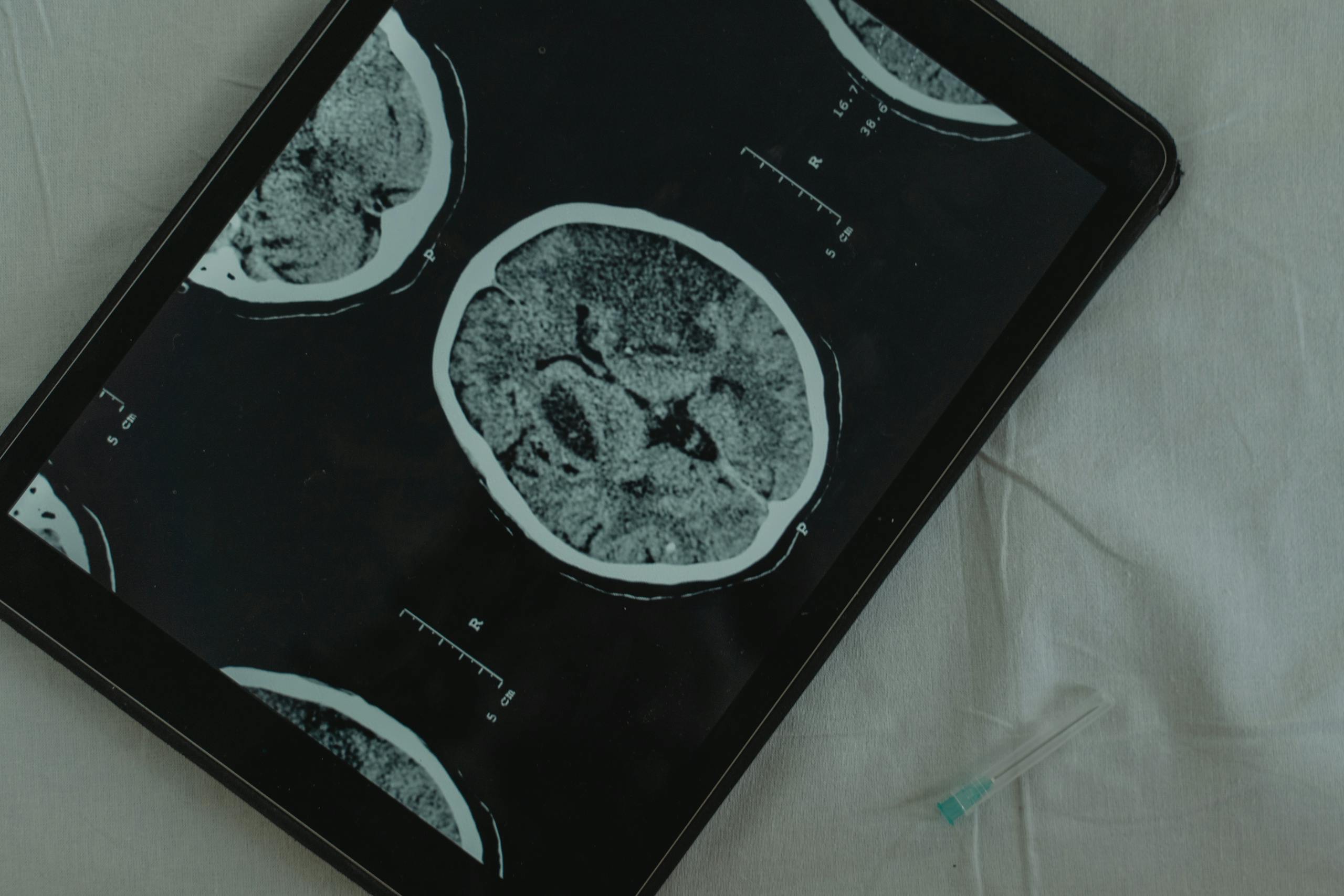

SIBO brain fog is a cognitive symptom linked to small intestinal bacterial overgrowth, where excess bacteria in the small intestine produce gases that interfere with nutrient absorption, trigger systemic inflammation, and disrupt the gut-brain axis in ways that leave you mentally sluggish, unfocused, and oddly disconnected from your own thoughts. It’s not depression, it’s not laziness, and it’s not something you can push through with caffeine or willpower. For many people, especially those who rely heavily on deep thinking and internal processing, the fog can feel like losing access to the part of yourself that actually works.
What makes SIBO brain fog particularly disorienting is how invisible it is. You look fine. You sound fine. But internally, something is muffled, like trying to think through wet cotton.

If you’re someone who processes the world through careful observation, quiet reflection, and layers of internal analysis, cognitive fog doesn’t just slow you down. It cuts you off from your primary way of functioning. I’ve written about how physical and emotional health intersect with introversion across many topics in the Introvert Mental Health Hub, and SIBO brain fog deserves a place in that conversation because the people most likely to notice its subtlety are often the ones who depend most on mental clarity.
What Is SIBO Brain Fog and Why Does It Feel So Personal?
Small intestinal bacterial overgrowth occurs when bacteria that normally populate the large intestine migrate into or multiply excessively in the small intestine. The result is a cascade of digestive disruption, including bloating, irregular bowel habits, and nutrient malabsorption, but the symptoms don’t stay in the gut. The gut-brain axis, a bidirectional communication network connecting the enteric nervous system to the central nervous system, means that what happens in your intestines has a direct line to your cognitive function.
What’s your personality type?
Take our free 40-question assessment and get a detailed personality profile with dimension breakdowns, context analysis, and personalised insights.
Discover Your Type8-12 minutes · 40 questions · Free
The bacterial overgrowth produces gases, primarily hydrogen and methane, that can cross into the bloodstream and reach the brain. Combined with the chronic low-grade inflammation that often accompanies SIBO, and the nutritional deficiencies that result from impaired absorption of B12, iron, and other brain-essential nutrients, the cognitive effects can be significant. You may notice difficulty concentrating, slower processing speed, trouble retrieving words or recent memories, and a general sense of mental heaviness that no amount of sleep seems to fix.
What makes this feel personal rather than purely clinical is the way it intersects with identity. People who are naturally introspective, who do their best work in quiet, who rely on their inner world for problem-solving and emotional processing, often experience cognitive fog as a kind of self-estrangement. It’s not just that you can’t think clearly. It’s that the version of yourself you trust most has gone quiet.
I noticed this pattern in myself during a particularly difficult stretch running one of my agencies. I’d been dealing with digestive issues for months, dismissing them as stress-related, which they partly were. But the mental component was something different. I’d sit down to write a proposal or work through a client brief, something I’d done hundreds of times, and find myself rereading the same paragraph four times without absorbing it. My instinct was to push harder. That made it worse. It wasn’t until a functional medicine doctor connected my gut symptoms to my cognitive ones that I started understanding what was actually happening.
How Does the Gut-Brain Connection Explain the Fog?
The relationship between gut health and brain function is one of the more compelling areas of current medical research. The vagus nerve acts as a primary communication channel between the gut and the brain, transmitting signals in both directions. When the gut microbiome is disrupted, as it is in SIBO, those signals can become distorted or inflammatory in nature.
One mechanism worth understanding is the role of short-chain fatty acids and neurotransmitter precursors produced by gut bacteria. A healthy microbiome contributes to the production of serotonin precursors, GABA, and other compounds that influence mood and cognition. When bacterial balance is disrupted, that contribution changes in ways that can affect mental clarity, emotional regulation, and even anxiety levels. You can read more about the physiological basis of these connections through this overview published in PubMed Central, which examines gut microbiota and their systemic effects.
Another contributing factor is systemic inflammation. SIBO can trigger an immune response that produces inflammatory cytokines, proteins that, when they cross the blood-brain barrier, can impair neurological function. This inflammatory pathway is one reason why SIBO brain fog can feel similar to the cognitive symptoms of other inflammatory conditions. The brain is responding to a threat signal that originates in the gut.
Nutritional deficiency adds another layer. Vitamin B12 in particular requires a healthy small intestine for proper absorption, and B12 deficiency is strongly associated with cognitive impairment, fatigue, and neurological symptoms. Iron deficiency, also common in SIBO, affects oxygen delivery to brain tissue. When you’re running on depleted stores of these nutrients, mental fog isn’t a mystery. It’s a predictable consequence.

For people who are already sensitive to internal states, those who notice subtle shifts in mood, energy, and mental clarity before others would even register them, SIBO brain fog can be especially distressing. The same attunement that makes you perceptive in everyday life makes the fog feel louder. I’ve seen this pattern described in the context of HSP overwhelm and sensory overload, where the nervous system’s heightened sensitivity amplifies what others might dismiss as a minor off day.
Why Do Introverts and Highly Sensitive People Experience This Differently?
Not everyone experiences SIBO brain fog the same way. The subjective quality of the fog, how it feels from the inside, appears to vary significantly depending on how a person typically processes information and manages their cognitive load.
Introverts tend to do their best thinking internally. We process before we speak, reflect before we act, and often hold complex mental models that we’re continuously refining. That kind of thinking requires cognitive resources. When those resources are compromised, the impact is disproportionate compared to someone who externalizes their processing, talking through problems, bouncing ideas off others, and relying less on sustained internal focus.
Highly sensitive people face an additional layer of complexity. The HSP trait, characterized by deep processing, emotional attunement, and heightened responsiveness to stimuli, means that physical discomfort and cognitive impairment are felt more acutely. The anxiety that often accompanies SIBO brain fog, that unsettling sense of not being able to trust your own mind, can spiral quickly for someone whose nervous system is already running at a higher baseline. The National Institute of Mental Health’s resources on anxiety offer useful context for understanding how physiological triggers can intensify anxiety responses, which is worth reading if you’re trying to separate what’s gut-driven from what’s becoming a standalone mental health concern.
There’s also the emotional processing dimension. People who feel things deeply, who spend significant mental energy making sense of their inner experiences, are using cognitive bandwidth that SIBO brain fog directly competes with. When I’ve talked with introverts who’ve dealt with chronic gut issues, a common thread is this sense of emotional flatness that comes with the fog, not sadness exactly, but a muted quality to experience. The depth they normally bring to their inner life gets compressed. That’s a meaningful loss, not just an inconvenience.
It connects to something I’ve explored in the context of HSP anxiety and coping strategies, where the interplay between physical symptoms and emotional experience creates feedback loops that are genuinely hard to untangle. When your gut is inflamed and your brain is foggy, it’s difficult to know whether the anxiety is causing the physical symptoms or the physical symptoms are causing the anxiety. Often, it’s both.
What Are the Cognitive Symptoms Worth Paying Attention To?
SIBO brain fog doesn’t announce itself clearly. It tends to creep in gradually, which is one reason many people attribute it to stress, aging, poor sleep, or simply having too much on their plate. Knowing the specific cognitive patterns associated with SIBO can help you recognize when something more is going on.
Word retrieval difficulty is one of the more noticeable symptoms. You know the word you want. You can almost feel it. But it doesn’t come. This is different from the occasional tip-of-the-tongue experience everyone has. With SIBO brain fog, it happens frequently and across ordinary vocabulary, not just obscure words.
Slowed processing speed is another marker. Tasks that normally feel automatic, reading, writing, making decisions, responding to emails, start requiring noticeably more effort. You’re not less intelligent. Your processing pipeline has narrowed.
Working memory impairment shows up as difficulty holding multiple things in mind simultaneously. You walk into a room and forget why. You start a sentence and lose the thread. You read a paragraph and immediately find you can’t recall what it said. For someone who normally maintains complex mental frameworks, this can feel alarming.
There’s also a quality of mental fatigue that differs from ordinary tiredness. Physical rest doesn’t resolve it. Sleep helps somewhat but doesn’t eliminate it. It’s a specific depletion of cognitive energy that persists regardless of how much downtime you get.
At my agency, I had a period where I was functioning at maybe sixty percent of my normal cognitive capacity and genuinely couldn’t figure out why. I was sleeping adequately, exercising, managing stress reasonably well by my standards. But my ability to hold a complex client strategy in my head and move fluidly between its components had degraded. I was compensating with notes and checklists in ways I’d never needed to before. It wasn’t until I addressed the underlying gut issues that my thinking returned to its normal depth and speed.

How Does SIBO Brain Fog Interact With Emotional Sensitivity?
Cognitive fog doesn’t exist in isolation from emotional experience. For people who process emotions deeply, the fog creates a particular kind of distress that goes beyond frustration at reduced productivity.
One pattern I’ve noticed is that brain fog reduces the capacity for the kind of nuanced emotional processing that sensitive people rely on. Normally, you might spend time after a difficult interaction working through what happened, examining your own reactions, considering the other person’s perspective, arriving at some kind of understanding. When the fog is thick, that process stalls. You’re left with the raw emotional residue of an experience without the cognitive resources to metabolize it. The feeling sits there, unprocessed, and can intensify over time.
This connects to what I’ve described in writing about HSP emotional processing and feeling deeply. The capacity to feel deeply is inseparable from the capacity to think clearly about those feelings. When one is impaired, the other suffers too.
There’s also the relational dimension. People who are naturally empathic, who pick up on emotional undercurrents in their relationships and workplaces, often find that brain fog dulls that attunement. You might feel less able to read a room, less responsive to the people around you, less emotionally present in conversations. That disconnection can be distressing in itself, especially if you value emotional connection and relational depth.
The double-edged nature of HSP empathy becomes especially visible during periods of cognitive fog. The sensitivity that makes you attuned also makes you acutely aware of your own diminished capacity, and that awareness can feed self-criticism in ways that compound the original problem.
I’ve watched this pattern play out with people on my teams over the years. One of my account directors, a deeply empathic person who was exceptional at managing client relationships, went through a period where she seemed uncharacteristically flat and disconnected. She was still doing her job, but the warmth and attentiveness that made her exceptional had dimmed. She later told me she’d been dealing with significant digestive issues and had been in a prolonged cognitive fog. The correlation between her physical state and her emotional availability was striking.
What Approaches Actually Help With SIBO Brain Fog?
Addressing SIBO brain fog requires working on the root cause while also supporting cognitive function in the interim. Neither approach alone is sufficient.
On the medical side, SIBO is typically diagnosed through breath testing that measures hydrogen and methane gas levels after consuming a sugar solution. Treatment generally involves antibiotics (rifaximin is commonly used), sometimes combined with herbal antimicrobial protocols, followed by dietary and lifestyle modifications to prevent recurrence. The specifics should be managed with a qualified healthcare provider, ideally one familiar with functional gastrointestinal conditions. The clinical overview available through the National Center for Biotechnology Information provides a thorough summary of SIBO pathophysiology and treatment approaches that’s worth reviewing before any medical appointments.
Diet plays a significant supporting role. The low-FODMAP diet, which reduces fermentable carbohydrates that feed bacterial overgrowth, is commonly recommended during treatment. Elemental diets, which provide pre-digested nutrients that bypass bacterial fermentation, are sometimes used in more severe cases. These aren’t permanent solutions but can reduce symptom burden while treatment takes effect.
Nutritional repletion is often overlooked. If B12, iron, magnesium, or vitamin D have been depleted by malabsorption, supplementing appropriately can meaningfully improve cognitive symptoms even before the SIBO itself is fully resolved. A comprehensive blood panel is worth requesting if you’re experiencing significant brain fog.
On the cognitive support side, working with your brain’s natural rhythms rather than against them matters more than usual during a fog period. For introverts, this often means protecting blocks of uninterrupted time for cognitively demanding work, even if those blocks are shorter than usual. Trying to think deeply in fragmented, interruption-heavy environments is hard enough normally. During brain fog, it becomes nearly impossible.
Sleep quality deserves particular attention. The glymphatic system, which clears metabolic waste from the brain, is most active during deep sleep. Supporting sleep quality through consistent schedules, reduced evening light exposure, and a cool, quiet sleep environment can help the brain’s natural clearing processes work more effectively. There’s useful context on resilience and recovery processes in the American Psychological Association’s resources on resilience, which addresses how the body and mind recover from sustained stress and impairment.
Stress management is not optional here. Chronic stress impairs gut motility, disrupts the microbiome, and increases intestinal permeability, all of which can worsen SIBO and extend the duration of brain fog. For people who tend toward perfectionism or who hold themselves to high cognitive standards, the stress of performing below their own expectations can create a feedback loop that makes recovery harder. The patterns described in HSP perfectionism and breaking high standards are directly relevant here. Holding yourself to pre-fog performance standards while you’re dealing with a genuine physiological impairment isn’t discipline. It’s a form of self-sabotage.

How Do You Protect Your Sense of Self During a Fog Period?
One of the more psychologically complex aspects of SIBO brain fog is what it does to your relationship with yourself. For people whose identity is closely tied to their intellectual capacity, their ability to think clearly and deeply, a period of cognitive impairment can feel like a loss of self rather than simply a health problem.
Separating your identity from your current cognitive performance is genuinely difficult, but it’s necessary. The fog is a symptom of a physiological condition. It is not a revelation about who you are or what you’re capable of. Your depth of thinking, your perceptiveness, your capacity for nuanced analysis, those haven’t disappeared. They’re temporarily inaccessible, the way a road might be temporarily closed for repair. The road still exists.
Maintaining some form of reflective practice during this period, even a reduced one, can help preserve continuity of self. Writing briefly each day, even a few sentences about what you noticed or what you’re thinking about, keeps the reflective channel open even when the depth isn’t there. It also creates a record that can be valuable later, when you’re reviewing what the fog period was actually like versus how it felt in the moment.
Be careful about the stories you tell yourself during this time. The inner critic tends to get louder when performance drops, and for people who already struggle with self-criticism, a fog period can become an occasion for harsh self-judgment that outlasts the fog itself. The dynamics explored in HSP rejection sensitivity and healing are relevant here, particularly the way perceived failure, including failure to meet your own standards, can trigger disproportionate self-rejection responses.
Communicate what’s happening to the people who depend on you, where appropriate. One of the harder things about invisible symptoms is that others can’t see what you’re managing. During the period I mentioned earlier, when my cognitive function was significantly reduced, I made the mistake of not telling my business partner what was going on. I was managing it internally, compensating as best I could, and hoping it would resolve on its own. That created unnecessary confusion and some friction that could have been avoided with a simple, honest conversation. Saying “I’m dealing with a health issue that’s affecting my focus right now, and I’m working on it” is not weakness. It’s accurate information that helps the people around you respond appropriately.
There’s also value in recognizing that periods of reduced capacity, as uncomfortable as they are, can offer a different kind of information. When you can’t operate at full speed, you notice things about your environment, your habits, and your relationships that full-speed operation tends to obscure. Some of my clearest thinking about what I actually wanted from my career came during a period when I was too depleted to maintain the usual pace. The fog slowed me down enough to see some things I’d been moving too fast to notice.
What Does Recovery Actually Look Like?
Recovery from SIBO brain fog is rarely linear. Most people who’ve been through it describe a pattern of gradual improvement with occasional setbacks, where the fog lifts incrementally rather than all at once.
One of the first signs of improvement is often a return of what might be called cognitive texture, the sense that thoughts have depth and dimension again rather than feeling flat. Words start coming more easily. Reading becomes absorbing again rather than effortful. The internal commentary that characterizes reflective thinking begins to flow with less friction.
Energy recovery tends to follow a similar gradual arc. The specific fatigue associated with brain fog, that cognitive depletion that sleep doesn’t fully address, begins to lift as gut inflammation reduces and nutritional status improves. Many people report that their emotional range also expands again during this phase, that the muted quality of experience during the fog gives way to a return of genuine feeling.
Recurrence is a real concern with SIBO. The conditions that allowed bacterial overgrowth to develop in the first place, whether structural (low stomach acid, impaired motility), dietary, or stress-related, tend to persist unless actively addressed. Working with a healthcare provider on a maintenance strategy is worthwhile, not just treating the acute episode but examining what contributed to it.
Additional context on the relationship between gut health and systemic inflammation can be found in this PubMed Central article on microbiome and inflammatory pathways, which is useful for understanding why SIBO management extends beyond a single course of antibiotics.
From a psychological standpoint, recovery also involves rebuilding trust in your own cognitive function. After a prolonged fog period, there can be a residual anxiety about whether clarity will hold, a kind of hypervigilance about mental performance. That anxiety is understandable, but it can itself become a cognitive burden. Allowing yourself to settle back into your natural way of thinking, without constantly monitoring for signs of the fog returning, is part of the recovery process.

If you’ve found this article useful, there’s much more to explore on the full spectrum of introvert mental health challenges and strengths in the Introvert Mental Health Hub, where I cover everything from anxiety and sensory sensitivity to emotional processing and resilience.
About the Author
Keith Lacy is an introvert who’s learned to embrace his true self later in life. After 20 years in advertising and marketing leadership, including running agencies and managing Fortune 500 accounts, Keith now channels his experience into helping fellow introverts understand their strengths and build fulfilling careers. As an INTJ, he brings analytical depth and authentic perspective to every article, drawing from both professional expertise and personal growth.
Frequently Asked Questions
Can SIBO actually cause brain fog, or is the connection just anecdotal?
The connection between SIBO and cognitive symptoms has a physiological basis rather than being purely anecdotal. The gut-brain axis, which includes the vagus nerve and a network of enteric neurons, transmits signals bidirectionally between the digestive system and the brain. Bacterial overgrowth in the small intestine can produce gases that enter the bloodstream, trigger systemic inflammation, and impair absorption of nutrients critical for brain function, including B12 and iron. Each of these mechanisms can independently contribute to cognitive symptoms like slowed processing, poor concentration, and memory difficulty. While individual experiences vary, the biological pathways that would explain SIBO-related brain fog are well-established.
How long does SIBO brain fog typically last?
Duration varies considerably depending on how long SIBO went undiagnosed, how severe the bacterial overgrowth was, and how effectively treatment addresses both the overgrowth and any resulting nutritional deficiencies. Some people notice cognitive improvement within weeks of beginning treatment. Others find that full mental clarity takes several months to return, particularly if B12 or iron levels were significantly depleted. Recovery is generally gradual rather than sudden. Addressing nutritional deficiencies alongside SIBO treatment, rather than waiting for gut healing alone to restore cognitive function, can meaningfully shorten the fog period.
Why might introverts experience SIBO brain fog more intensely than extroverts?
Introverts tend to rely heavily on internal cognitive processing, deep focus, and sustained mental analysis as their primary modes of engaging with the world and solving problems. When cognitive resources are compromised, the impact on this processing style is disproportionately disruptive compared to someone who externalizes more of their thinking. Highly sensitive people, who often overlap with the introvert population, may also experience the physical and cognitive symptoms of SIBO more acutely due to their nervous system’s heightened responsiveness to internal states. The result is that the fog feels more pervasive and more identity-disrupting for people who depend most on quiet, internal mental work.
What dietary changes help with SIBO brain fog specifically?
Dietary approaches that reduce fermentable carbohydrates, particularly the low-FODMAP diet, can decrease the bacterial fermentation that contributes to gas production and systemic inflammation, which in turn may reduce cognitive symptoms. Prioritizing nutrient-dense foods that support brain function, particularly those rich in B vitamins, omega-3 fatty acids, and antioxidants, can also help address the nutritional deficits that contribute to brain fog. Reducing ultra-processed foods, excess sugar, and alcohol, all of which can disrupt gut microbiome balance and increase inflammation, is generally recommended. Dietary changes work best as a complement to medical treatment rather than a standalone approach.
Is there a connection between stress and SIBO brain fog getting worse?
Stress and SIBO brain fog are closely linked through several mechanisms. Chronic stress impairs gut motility, the rhythmic movement that helps clear bacteria from the small intestine, which can worsen bacterial overgrowth. Stress also increases intestinal permeability and dysregulates the immune response, both of which amplify the inflammatory processes that contribute to brain fog. Additionally, the cognitive load of chronic stress competes directly with the already-reduced cognitive resources available during a fog period. Managing stress through approaches suited to your own nervous system, whether that’s structured solitude, movement, creative work, or simply protecting adequate recovery time, is not peripheral to SIBO management. It’s a central part of it.