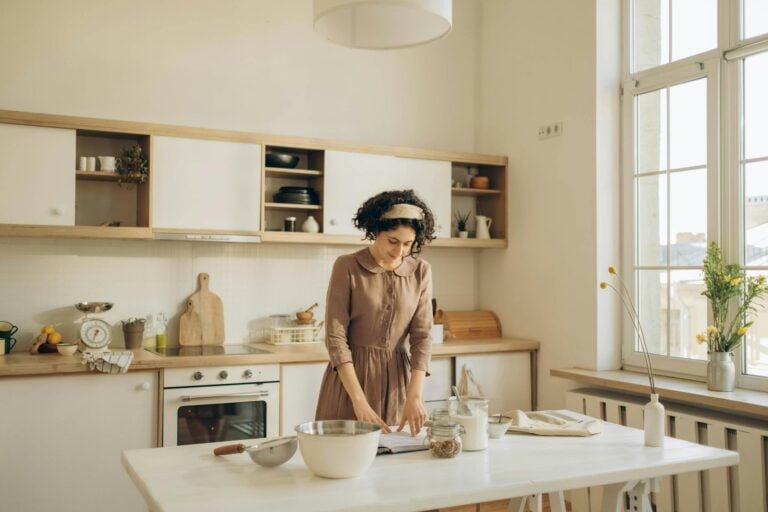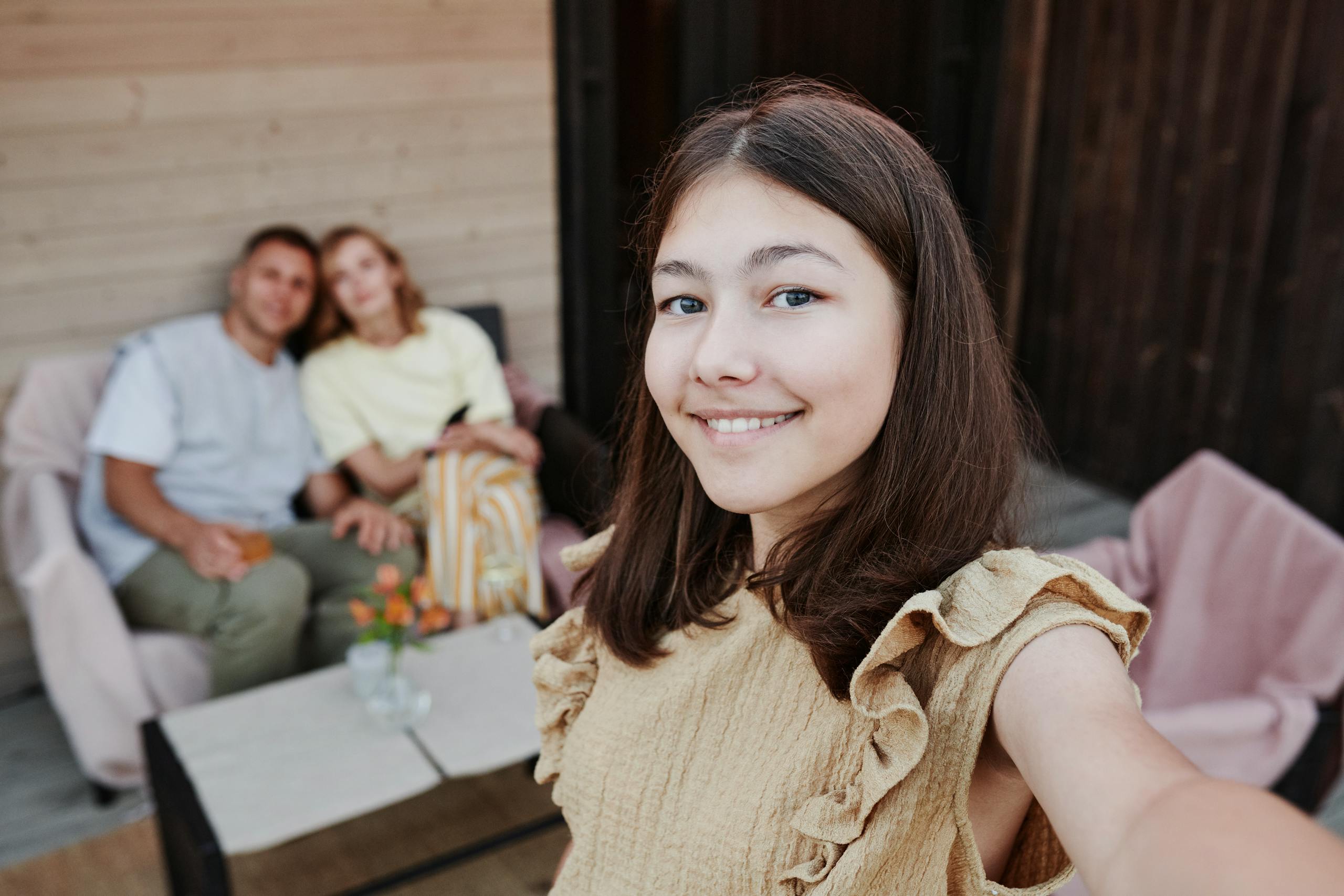

Introverted parents often find that reducing the noise, both literal and emotional, in their homes isn’t a parenting weakness. It’s one of the most powerful things they can do for their children’s development. When a parent naturally gravitates toward stillness, structure, and thoughtful communication, those instincts create an environment where children learn to process the world more deeply rather than just react to it.
What looks like “low energy” parenting from the outside is frequently something far more intentional. Introverted parents tend to model internal regulation, careful listening, and the kind of calm presence that children’s nervous systems genuinely need. That’s not a coincidence. It’s the quiet work of entropy minimization in action, turning down the disorder so something more meaningful can grow.

If you’re exploring the fuller picture of how introversion shapes family life, our Introvert Family Dynamics and Parenting hub covers the terrain in depth, from how introverts connect with their partners to how they raise children who feel genuinely seen.
What Does “Entropy Minimization” Actually Mean for Introverted Parents?
Entropy, in the most basic sense, means disorder. In a family context, it’s the accumulated noise of unresolved conflict, overstimulation, chaotic routines, and emotional dysregulation that quietly erodes connection over time. Introverted parents, almost instinctively, push back against that entropy. Not by controlling everything, but by creating conditions where calm is the default rather than the exception.
What’s your personality type?
Take our free 40-question assessment and get a detailed personality profile with dimension breakdowns, context analysis, and personalised insights.
Discover Your Type8-12 minutes · 40 questions · Free
I noticed this in myself years before I had language for it. Running advertising agencies meant my days were relentlessly high-stimulation. Pitches, client calls, creative reviews, budget negotiations, all of it stacked on top of each other. By the time I got home, my tolerance for noise was essentially zero. What I once read as a personal failing, needing quiet, needing order, needing a house that didn’t feel like a second office, turned out to be something my kids actually benefited from. They grew up in a home where chaos wasn’t rewarded with attention. Where stillness had value.
Entropy minimization in parenting isn’t about running a silent, sterile household. Children need mess and noise and laughter. What it means, practically, is that an introverted parent tends to reduce unnecessary friction. They simplify routines. They don’t escalate emotionally when a child does. They create predictable structures that help children feel safe rather than constantly on edge.
The National Institutes of Health has noted that temperament established in infancy often predicts introversion in adulthood, which suggests that children’s nervous systems are sensitive to environmental inputs from very early on. An introverted parent who manages stimulation thoughtfully may be doing more for their child’s long-term emotional regulation than any structured program could offer.
Why Do Introverted Parents Struggle to Trust Their Own Instincts?
Here’s the tension most introverted parents know well: the parenting culture around us is loud. It celebrates the parent who volunteers for everything, who fills every weekend with activities, who processes feelings out loud in real time with their kids. That parent gets praised. The introverted parent who creates quiet rituals, who speaks less but listens more, who needs an hour alone to be fully present afterward, often wonders if they’re doing it wrong.
I spent the better part of a decade doing this with leadership. As an INTJ running agencies, I watched extroverted leaders get credit for energy I didn’t have and didn’t want to perform. My style was different. I prepared more. I listened in meetings rather than filling space. I made decisions after processing, not during. And I constantly questioned whether that was enough. It took years to understand that my approach wasn’t a deficit. It was a different kind of effectiveness.
The same reframe applies to parenting. Psychology Today’s research on family dynamics consistently points to emotional availability and consistency as the foundations of secure attachment, not volume or enthusiasm. An introverted parent who shows up calmly and reliably is meeting those needs, even if it doesn’t look like the parenting you see celebrated on social media.
If you’ve ever wondered whether your personality traits are shaping your parenting in ways you haven’t fully mapped, taking a Big Five Personality Traits test can be genuinely clarifying. The Big Five framework, which measures openness, conscientiousness, extraversion, agreeableness, and neuroticism, offers a more nuanced picture of your temperament than a simple introvert or extrovert label. Understanding where you fall on each dimension can help you see why certain parenting approaches feel natural and others feel like wearing someone else’s clothes.
How Does Emotional Depth Shape the Way Introverted Parents Connect?
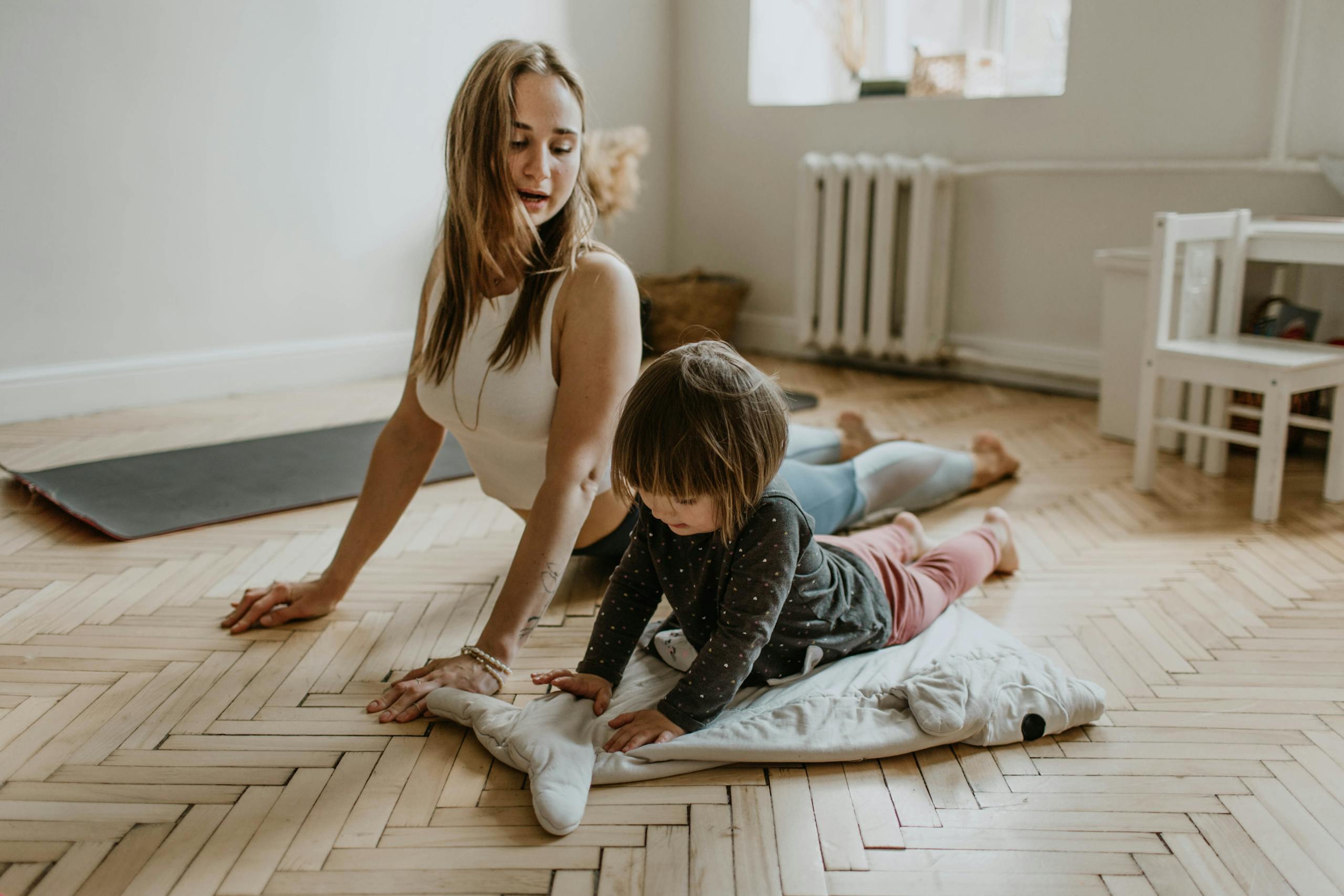
One of the things I’ve observed in myself, and in the introverted parents I’ve spoken with over the years, is that we tend to connect through depth rather than frequency. We might not be the parent narrating every moment of the day. But when our child needs to work through something real, something that matters, we’re present in a way that’s hard to manufacture.
My mind processes slowly and thoroughly. I notice things. I catch the shift in a child’s tone before they’ve said anything is wrong. I remember what they mentioned three weeks ago and circle back to it when they least expect it. That kind of attentive presence isn’t loud, but children feel it. They know when they’re being genuinely seen versus when someone is going through the motions of engagement.
This is especially relevant for highly sensitive children. Parents who are themselves sensitive to emotional nuance tend to create environments where a sensitive child doesn’t feel like too much. If you’re raising a child who seems to absorb the world more intensely than their peers, the guidance on HSP parenting and raising children as a highly sensitive parent offers a framework worth exploring. The overlap between introversion and high sensitivity is significant, and understanding both can change how you interpret your child’s behavior entirely.
What introverted parents often bring to emotional connection is something that can’t be easily taught: genuine curiosity about their child’s inner world. Not the performative “how was your day?” but the patient, sustained interest in what a child is actually thinking and feeling beneath the surface. That’s entropy minimization at the relational level. Clearing away the noise so something real can be heard.
What Happens When an Introverted Parent Reaches Their Limit?
No conversation about introverted parenting is complete without addressing the wall. Every introverted parent hits it. The point where the stimulation has exceeded capacity and you have nothing left to give. Children, particularly young ones, don’t understand that their parent’s quietness isn’t rejection. They just know something has changed.
I hit that wall more times than I’d like to admit during the agency years. There were stretches where I was managing sixty people, fielding calls from Fortune 500 clients who expected me to be “on” around the clock, and then coming home to a family that needed presence I genuinely didn’t have. What I learned, slowly and sometimes painfully, was that the answer wasn’t to push through. It was to build recovery into the structure of my days before I hit empty rather than after.
For introverted parents, this looks different for everyone. Some need twenty minutes alone after work before engaging with the family. Some need one morning a week that belongs entirely to them. Some need to structure weekends with genuine downtime built in, not as a reward for surviving the week, but as a non-negotiable maintenance requirement. The American Psychological Association’s work on stress and recovery underscores that chronic depletion without adequate recovery has real consequences for emotional regulation and relational quality. That applies to parents too.
What’s worth naming here is that recognizing your limits isn’t a character flaw. It’s information. An introverted parent who understands their capacity and plans around it is far more consistently available than one who white-knuckles through overstimulation and then disconnects entirely.
How Do Introverted Parents Handle Conflict Without Shutting Down?
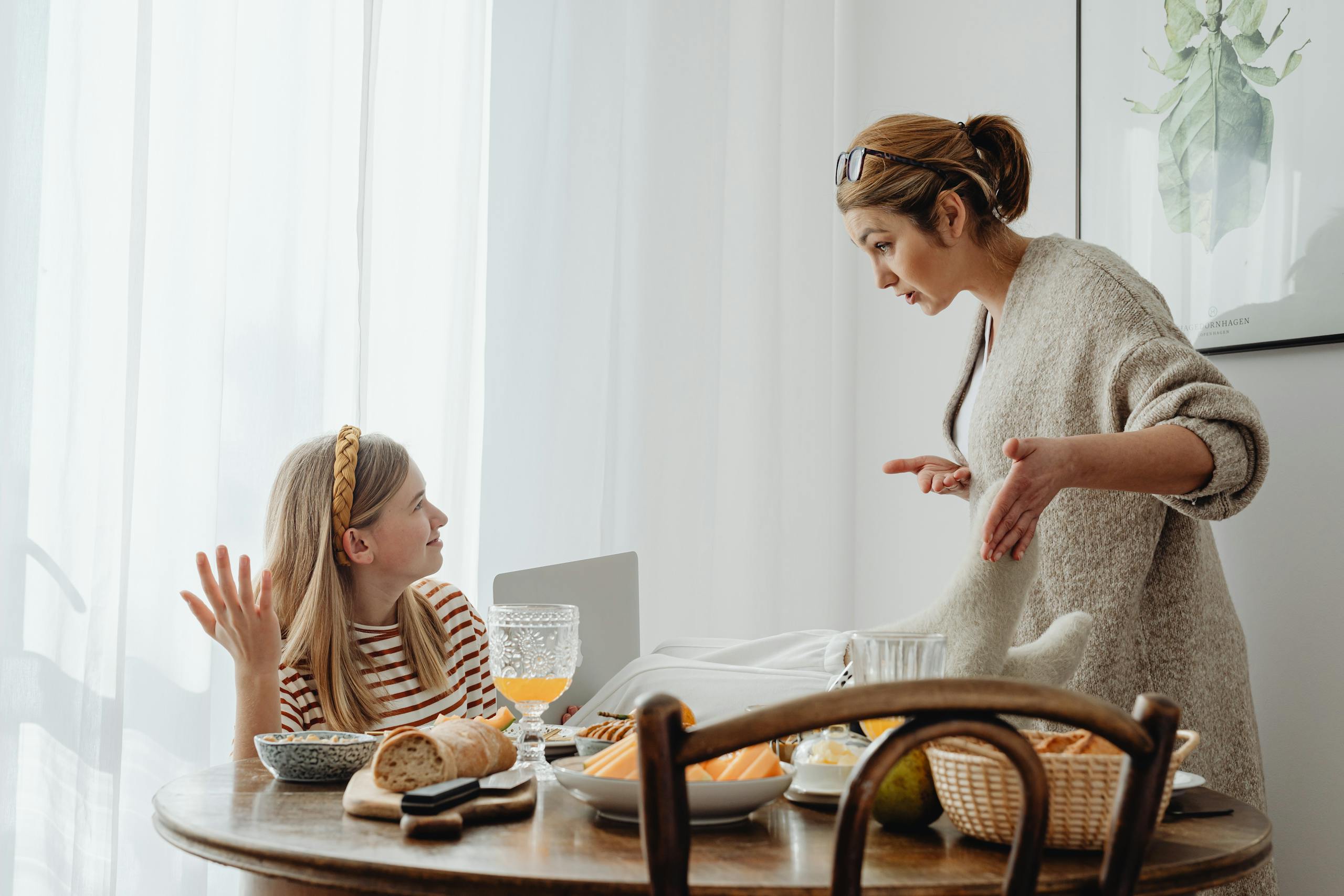
Conflict is where many introverted parents find themselves genuinely challenged. Not because they lack emotional depth, but because the combination of high stimulation, emotional intensity, and the pressure to respond in real time runs directly counter to how they’re wired. Introverts tend to process internally. They need time to formulate a response that reflects what they actually think and feel. Family conflict rarely offers that grace period.
What I’ve seen in myself is a tendency to go quiet when I’m overwhelmed. In a business context, that can read as composure. In a family context, it can feel like withdrawal to the people around you. My kids, when they were younger, sometimes interpreted my silence as anger. It wasn’t. It was processing. But the impact was the same: disconnection at exactly the moment they needed connection.
The shift that helped me most was learning to narrate the process without waiting for the conclusion. Saying “I’m not ready to respond to this yet, but I’m not dismissing it” gave my kids something to hold onto while I worked through my thoughts. It modeled something valuable too: that you don’t have to react immediately to respond well. That pause is not the same as avoidance.
Some introverted parents carry patterns from their own upbringing that complicate this further. If conflict in your family of origin was explosive or unpredictable, your nervous system may have learned to associate any emotional intensity with danger. That’s worth examining honestly. A resource like the Borderline Personality Disorder test can be a useful starting point for understanding emotional reactivity patterns, not as a diagnostic endpoint, but as a way to begin mapping how your emotional responses were shaped and where they might be getting in the way of the parent you want to be.
The goal in family conflict isn’t to eliminate it. Conflict handled well actually teaches children that relationships can survive disagreement, which is one of the most important things they can learn. What introverted parents can offer, when they’re not depleted, is a model of thoughtful conflict: less reactive, more considered, oriented toward resolution rather than winning.
Can Introverted Parents Be Seen as Warm and Approachable?
One of the questions I’ve encountered more than once, sometimes from people in my own life, is whether introverted parents come across as cold or distant to their children. The assumption behind that question bothers me, partly because I’ve lived on the receiving end of it, but also because it fundamentally misunderstands what warmth actually is.
Warmth isn’t volume. It’s not the parent who greets every moment with enthusiasm or who fills every silence with affirmation. Warmth is the quality of attention you bring. It’s remembering what matters to your child. It’s showing up without your phone when they need to talk. It’s the kind of presence that says “you have my full attention” rather than “I’m performing engagement.”
If you’ve ever wondered how you come across in relationships, the Likeable Person test is an interesting lens. Likeability, as it turns out, correlates less with extroversion than most people assume. Genuine interest in others, consistency, and emotional reliability tend to matter far more than social energy or charisma. Introverted parents often score well on exactly those dimensions.
There’s also something worth saying about the rarity of certain personality configurations and what that means for parenting. Introverted parents, particularly those who are also highly analytical or deeply empathetic, bring combinations of traits that don’t fit neatly into the dominant parenting narrative. That doesn’t make those traits less valuable. It makes them harder to see clearly in a culture that tends to equate good parenting with visible, expressive engagement.

How Does an Introverted Parent Build Structure Without Becoming Rigid?
Structure is one of the natural gifts introverted parents bring to family life. Predictable routines reduce the cognitive and emotional load for everyone in the household. Children, particularly younger ones, thrive when they know what to expect. An introverted parent who instinctively creates order is providing something genuinely valuable.
The risk, and I’ve bumped into this myself, is that structure can calcify into rigidity when a parent’s need for predictability overrides a child’s need for flexibility and spontaneity. There’s a difference between a household that runs on thoughtful rhythms and one that runs on rules that exist primarily to manage a parent’s anxiety about disorder.
I managed an INTJ-heavy team at one of my agencies for several years. We were extraordinarily effective at systems, planning, and execution. What we sometimes struggled with was adapting when a client changed direction mid-project or when a creative concept needed to evolve in real time. The structure that made us reliable could also make us brittle. Parenting surfaces exactly the same tension.
The introverted parents who handle this best seem to hold their structures loosely enough to bend without breaking. They have routines, but they can explain the reasoning behind them in a way that invites their children into the logic rather than just demanding compliance. That’s a meaningful distinction. A child who understands why dinner happens at a consistent time is different from a child who simply fears what happens when it doesn’t.
Caregiving, in its broadest sense, requires a particular kind of attentiveness that introverted parents often excel at. If you’re exploring roles that align with your caregiving strengths, the Personal Care Assistant test online offers one way to assess those skills formally. The qualities that make someone effective in a caregiving role, patience, attentiveness, the ability to read subtle cues, map closely onto what introverted parents do naturally at home.
What Do Introverted Parents Get Right That Often Goes Unnoticed?
There’s a category of parenting wins that rarely gets celebrated because it’s invisible by nature. The conversation that didn’t escalate. The moment of overwhelm that was managed quietly. The child who learned to sit with discomfort because their parent modeled it. These are the entropy-minimizing moments that shape a child’s development in ways that don’t show up on a highlight reel.
Introverted parents tend to be skilled at what might be called low-interference support. They’re present without hovering. They offer guidance without taking over. They allow their children to struggle with problems long enough to develop genuine competence rather than rescuing them at the first sign of difficulty. That’s not detachment. That’s a particular kind of faith in a child’s capacity to grow.
The research published in PubMed Central on parenting styles and child outcomes points to authoritative parenting, characterized by warmth combined with appropriate structure and autonomy support, as consistently associated with positive developmental outcomes. Introverted parents, when operating from their strengths, often embody exactly that combination without having to consciously construct it.
There’s also the matter of modeling. Children learn emotional regulation primarily by watching the adults around them. An introverted parent who handles frustration calmly, who processes difficult emotions without performing them, who demonstrates that it’s possible to feel something deeply without acting it out immediately, is giving their child a template for emotional life that will serve them for decades.
Physical wellness and emotional wellness are more connected than most parenting conversations acknowledge. Parents who take their own health seriously, including the physical dimension, tend to have more emotional resources available for their families. If you’re thinking about how to support your own wellbeing more intentionally, exploring what the Certified Personal Trainer test covers can offer useful context about fitness knowledge and how structured physical practice supports overall resilience. For introverted parents especially, physical recovery is often an underleveraged tool for managing the emotional demands of family life.
The broader picture of introvert family life includes more than just parenting dynamics. Psychology Today’s exploration of blended family dynamics highlights how different temperaments within a household can either create friction or, when understood well, create complementarity. Introverted parents in mixed-temperament households often find themselves serving as a stabilizing force, not because they’re trying to, but because calm tends to be contagious in the same way chaos is.
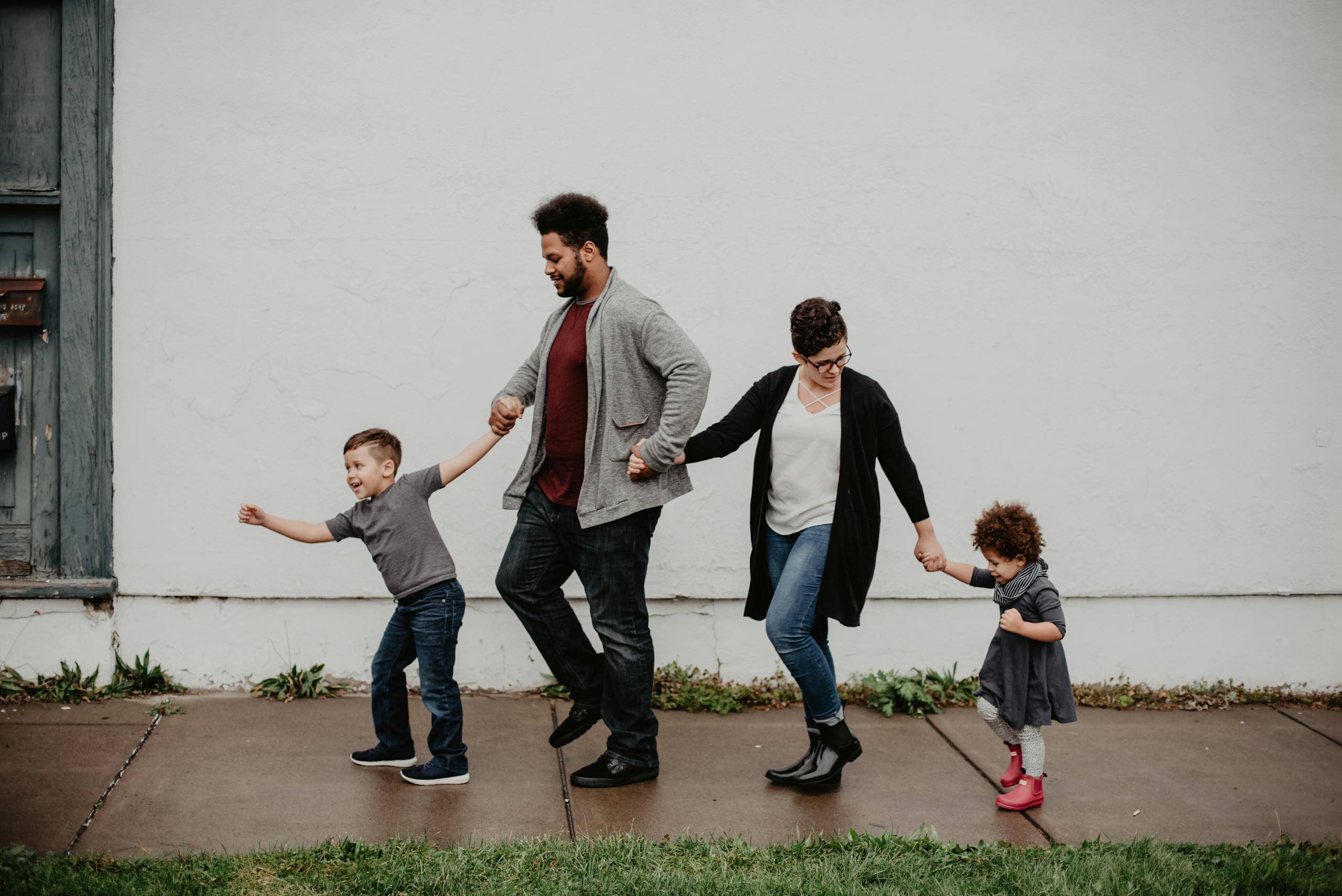
One more thing worth noting: introverted parents often carry a quiet concern about whether their children will inherit their introversion and whether that’s a good or bad thing. The answer, supported by what we know about temperament and development, is that introversion isn’t a condition to be corrected. It’s a way of being that carries genuine strengths. Peer-reviewed work on temperament and personality development suggests that children’s outcomes depend far less on whether they’re introverted or extroverted and far more on whether their temperament is understood and supported by the adults around them. An introverted parent raising an introverted child has a particular advantage there: they already know what that child needs, because they’ve needed it themselves.
There’s also something freeing in recognizing that the goal of parenting isn’t to produce a particular kind of child. It’s to create conditions where a child can become fully themselves. Introverted parents, when they stop apologizing for their nature and start trusting it, are often extraordinarily well-suited to that work. The quiet they create isn’t emptiness. It’s space.
For more on how introversion shapes the full arc of family relationships, the Introvert Family Dynamics and Parenting hub brings together perspectives on everything from co-parenting across temperament differences to raising children who feel at home in their own skin.
About the Author
Keith Lacy is an introvert who’s learned to embrace his true self later in life. After 20 years in advertising and marketing leadership, including running agencies and managing Fortune 500 accounts, Keith now channels his experience into helping fellow introverts understand their strengths and build fulfilling careers. As an INTJ, he brings analytical depth and authentic perspective to every article, drawing from both professional expertise and personal growth.
Frequently Asked Questions
Do introverted parents struggle more with parenting than extroverted parents?
Not more, but differently. Introverted parents often find sustained social stimulation, high-noise environments, and the constant demand for immediate emotional response more draining than extroverted parents do. Yet, many of the qualities associated with effective parenting, deep listening, emotional consistency, patience, and thoughtful communication, align closely with introverted strengths. The challenges are real, but so are the advantages.
How can introverted parents recharge without neglecting their children?
Building recovery time into the structure of the day rather than waiting until depletion sets in is far more effective than trying to push through. Short, consistent periods of solitude, even fifteen to twenty minutes, can meaningfully restore an introverted parent’s capacity. Communicating this need to children in age-appropriate ways also models healthy self-awareness and boundary-setting.
Is it harmful for children to be raised in a quieter, lower-stimulation household?
Not at all. Children need safety, consistency, emotional availability, and appropriate challenge. They don’t require constant noise or activity to develop well. A calmer household can actually support better emotional regulation in children, particularly those who are themselves sensitive to overstimulation. What matters most is the quality of connection, not the volume of the environment.
What should introverted parents do when their child is highly extroverted?
Recognize that an extroverted child’s need for social engagement and stimulation is as legitimate as your need for quiet. Creating structures that meet both needs, scheduling social activities while also protecting recovery time for yourself, tends to work better than trying to suppress either temperament. Extroverted children raised by introverted parents often develop a valuable capacity for both connection and reflection.
How does introversion affect a parent’s communication style with their children?
Introverted parents often communicate with more depth and less frequency than extroverted parents. They tend to ask more thoughtful questions, listen more carefully, and respond after processing rather than in the moment. This can be enormously valuable for children who need to feel genuinely heard. The main adjustment many introverted parents need to make is narrating their internal process during emotionally charged moments so children don’t interpret silence as withdrawal or disapproval.