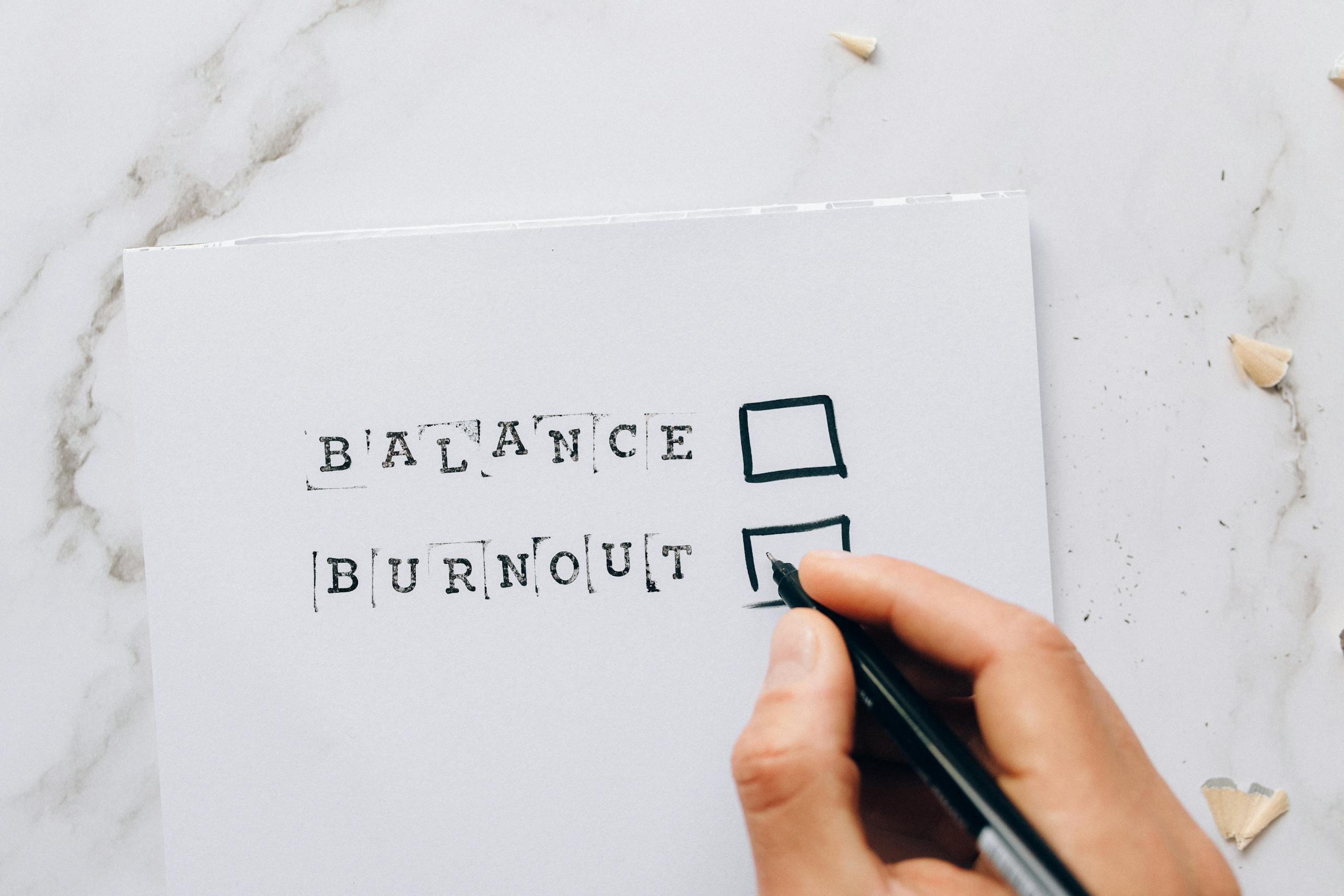

Burnout rarely announces itself with a dramatic collapse. For introverts, it tends to arrive quietly, the way a slow leak drains a tire: gradual, invisible, and suddenly catastrophic. The Waltons, that beloved television family from the 1970s, offers an unexpected lens for understanding this pattern. Their world of deliberate slowness, deep family bonds, and unhurried evenings on a mountain porch looks less like nostalgia now and more like a blueprint for what many of us have lost.
Burnout in introverts often goes unrecognized precisely because it mimics normal introvert behavior. Withdrawal, silence, and reduced output look like personality traits from the outside. From the inside, they feel like drowning.

If you’ve been feeling hollowed out, overstimulated, and quietly furious at your own calendar, you’re in the right place. Our Burnout & Stress Management hub covers the full spectrum of introvert exhaustion, from recognizing the early signs to building a recovery that actually fits your wiring. This article takes a more personal angle, sitting with the question of why something as simple as a fictional mountain family still resonates so deeply with those of us who burn out in silence.
Why Do Introverts Burn Out Differently Than Everyone Else?
Somewhere around year fifteen of running advertising agencies, I stopped being tired in the normal way. It wasn’t the kind of tired that a good night’s sleep fixed. It was a bone-deep depletion that followed me into weekends, into vacations, into quiet Sunday mornings that should have felt restoring but didn’t. I’d sit with a cup of coffee and feel nothing. Not peace. Not rest. Just a kind of static.
What’s your personality type?
Take our free 40-question assessment and get a detailed personality profile with dimension breakdowns, context analysis, and personalised insights.
Discover Your Type8-12 minutes · 40 questions · Free
What I didn’t understand then was that introvert burnout has a specific architecture. As an INTJ, my energy was being consumed on two fronts simultaneously. There was the obvious drain of constant meetings, client presentations, and the relentless social performance of agency leadership. But underneath that was something more insidious: the effort of processing all of it internally, alone, without ever fully offloading the weight.
Extroverts process outward. They talk through problems, vent to colleagues, decompress in social settings. Many introverts process inward, which means we’re carrying the full cognitive and emotional load of our days without the release valve that social processing provides. Psychology Today’s piece on introversion and the energy equation captures this well: social interaction costs energy for introverts in ways it doesn’t for their extroverted counterparts, and that cost compounds over time.
Add to this the particular burden of masking. Spending twenty years performing extroversion in a field that rewarded loudness, charisma, and constant availability meant I was burning energy on two levels at once. My actual work, and the performance of being someone who found that work energizing. That double expenditure is what makes introvert burnout so complete when it finally arrives.
What Did The Waltons Actually Model That We’ve Forgotten?
Bear with me here, because this might sound like an odd detour. But I’ve been thinking about The Waltons a lot lately, specifically about what that world represented structurally, not just sentimentally.
John-Boy Walton was a writer who needed solitude. He retreated to his room, to the woods, to the quiet corners of a crowded household to think and create. The family understood this about him without making it a problem to solve. Nobody scheduled a team-building exercise to draw him out. Nobody suggested he’d be more productive if he spent more time in the living room. His need for inner space was simply accepted as part of who he was.
Contrast that with the modern work environment, where availability is treated as a virtue and silence is treated as disengagement. I once had a senior account director on my team, a quiet and extraordinarily capable woman, who got passed over for a promotion because a partner described her as “hard to read.” She wasn’t disengaged. She was processing. She was thinking. She was doing exactly what made her exceptional at her job. But because her thinking wasn’t visible, it wasn’t valued.

The Walton household had natural rhythms. Meals together, evenings on the porch, early mornings with individual purpose. Nobody was always “on.” There was a texture to the day that allowed for both connection and withdrawal. That texture is what modern life, especially modern professional life, has almost entirely erased. And its absence is a direct contributor to the kind of burnout that introverts experience most acutely.
What we’ve lost isn’t just quietness. It’s permission. Permission to be unreachable. Permission to think without producing. Permission to rest without justifying it.
How Does Chronic Overstimulation Lead to Introvert Collapse?
There’s a particular kind of meeting that I came to dread during my agency years. Not the hard meetings, the ones where real decisions were being made and genuine thinking was required. Those I could handle. What drained me were the performative ones. The check-ins that existed to demonstrate activity. The brainstorms where volume was mistaken for creativity. The client dinners where I spent three hours being “on” without a single substantive exchange.
Each of those events cost something. And because I was running agencies, they were relentless. Back-to-back. Sometimes four or five in a single day. By the time I got home, I had nothing left. Not for my family, not for myself, not for the actual strategic thinking that was supposed to be my primary contribution.
Chronic overstimulation in introverts doesn’t just cause fatigue. It degrades the very capacities that make introverts valuable: depth of focus, quality of analysis, emotional attunement, creative synthesis. The more overstimulated I became, the more I resembled a mediocre version of an extrovert rather than an excellent version of myself.
Something worth noting: this pattern looks different in highly sensitive introverts. If you process sensory and emotional information more intensely than most, the collapse can come faster and cut deeper. The piece on HSP burnout: recognition and recovery is worth reading if you suspect your sensitivity is amplifying the exhaustion you’re experiencing.
The neuroscience here is genuinely interesting. Frontiers in Psychology has published work on how introverts and extroverts differ in their baseline arousal and stimulation thresholds, which helps explain why the same environment that energizes one person systematically depletes another. It’s not weakness. It’s wiring.
What Does Burnout Recovery Actually Look Like for an Introvert?
Recovery from introvert burnout is not a weekend off. I say this from experience, having tried that approach multiple times and returned to work on Monday feeling marginally less hollow but fundamentally unchanged. Real recovery requires structural change, not just temporary relief.
The first thing I had to accept was that recovery would look passive to everyone watching. No visible hustle. No productivity metrics. Long walks. Reading fiction. Sitting with coffee and actually tasting it. From the outside, it looked like I was doing nothing. From the inside, I was slowly rebuilding the capacity to think clearly, feel fully, and care about my work again.

One framework that genuinely helped me was getting specific about what drained versus what restored. Not in a vague “I need alone time” way, but granularly. Specific types of conversations drained me. Specific types of work restored me. Mapping that honestly, and then protecting the restorative activities with the same ferocity I’d previously reserved for client deadlines, changed things.
The American Psychological Association’s resources on relaxation techniques are worth bookmarking here. Not because introverts need to be told to relax, but because structured approaches to nervous system regulation can accelerate recovery in ways that passive rest alone doesn’t always achieve.
Self-care for introverts also needs to be stripped of its performative associations. It’s not spa days or bubble baths unless those genuinely restore you. It’s whatever fills your specific tank. The article on 3 ways introverts can practice better self-care without added stress approaches this practically, without the Instagram-friendly gloss that makes so much wellness content feel alienating.
Why Does Social Anxiety Often Accompany Introvert Burnout?
Something I noticed during my worst burnout periods was that ordinary social situations started feeling threatening in ways they hadn’t before. A team lunch that would previously have been mildly draining became actively anxiety-inducing. A client call I could normally handle with competence started requiring mental preparation that bordered on dread.
Burnout and social anxiety aren’t the same thing, but they have a relationship. When your reserves are depleted, your tolerance for social discomfort drops. Things that were manageable become overwhelming. And the anticipatory anxiety about upcoming social demands can itself become a source of exhaustion, a cycle that feeds itself.
I watched this happen to a creative director I hired early in my agency career. Brilliant, introverted, exceptional at his work. Over about eighteen months of relentless client pressure and an open-plan office that gave him nowhere to think, he went from mildly uncomfortable in large groups to visibly distressed at all-hands meetings. What started as introversion under stress had curdled into something that looked a lot like social anxiety. The stress reduction skills for social anxiety resource addresses this overlap in ways that are genuinely applicable to burnout recovery.
One specific technique that helped me during acute phases was grounding. When the anxiety of an upcoming social demand was spiking, moving attention to immediate sensory experience rather than anticipated future discomfort interrupted the cycle. The University of Rochester Medical Center’s 5-4-3-2-1 grounding technique is a simple, evidence-based version of this approach that requires nothing except your own attention.
There’s also something worth naming about how burnout affects the way introverts read social situations. At full capacity, many introverts are perceptive observers, picking up on nuance, subtext, and interpersonal dynamics that others miss. Under burnout, that same perceptiveness can turn inward and become hypervigilance, reading threat into neutral interactions, catastrophizing ambiguous signals. Recovery means getting that calibration back.
What Role Does Work Structure Play in Preventing Burnout?
After I sold my last agency, I spent a long time thinking about what I would have done differently. Not just in terms of my own management of energy, but structurally. What would an agency built for introverts actually look like?
It would have deep work blocks protected in the calendar, not as a perk but as a non-negotiable operating principle. It would have asynchronous communication as the default, not the exception. It would have meeting-free days. It would have private spaces for thinking alongside collaborative spaces for creating together. It would have measured people on output and quality, not on visibility and volume.

None of that is radical. All of it is uncommon.
One thing I’ve noticed in the years since is that introverts who avoid burnout most successfully tend to have either found or built work structures that match their energy patterns. Some have done this within organizations, negotiating boundaries and protecting deep work time with increasing confidence. Others have moved toward independent work entirely, which carries its own challenges but also genuine structural freedom.
If you’re in a season of burnout recovery and wondering whether your current work structure is sustainable long-term, it’s worth considering what a different model might look like. The list of 18 stress-free side hustles for introverts isn’t just a career resource. It’s a prompt to think about what kinds of work feel genuinely energizing versus what you’ve simply learned to tolerate.
The research on workplace stress and personality is worth understanding here. A paper in PubMed Central examines how personality traits interact with occupational stress, and the findings reinforce what many introverts know intuitively: the mismatch between environment and temperament is itself a stressor, separate from the content of the work itself.
How Does the Way We’re Asked to Connect Make Burnout Worse?
There’s a specific kind of corporate ritual that I’ve always found quietly exhausting, and it took me years to understand why. Icebreakers. Team bonding exercises. Forced fun. The mandatory vulnerability of sharing something personal in a room full of colleagues who are also, visibly, uncomfortable sharing something personal.
What makes these experiences draining isn’t just the social performance. It’s the particular combination of performance and inauthenticity. You’re being asked to connect, but on a script, in a format, with a timer. For introverts who form genuine connections slowly, through depth and trust built over time, the simulacrum of connection that these exercises produce can feel actively alienating.
I remember a company offsite where a consultant led us through a two-hour team-building session that involved physical games, competitive energy, and a lot of loud enthusiasm. My extroverted colleagues left energized. I left with a headache and a strong desire to sit alone in my hotel room for approximately three hours. The experience wasn’t neutral. It actively cost me something. The piece on whether icebreakers are stressful for introverts validates what many of us have felt but rarely named.
When these forced-connection rituals happen regularly, they add to the cumulative drain that precedes burnout. They’re not catastrophic individually. But they’re rarely accounted for in the mental ledger of “what is this job actually costing me.”
There’s also the subtler issue of how burnout affects communication. When I was at my most depleted, I became even more internal than usual. Not withdrawn in a dramatic way, but quieter, shorter in responses, less willing to engage in the ambient social texture of office life. To colleagues who didn’t know me well, this read as coldness or disengagement. To me, it was survival. The resource on asking an introvert if they’re feeling stressed is worth sharing with the people in your life who might be misreading your silence.
What Can We Genuinely Learn From Walton’s Mountain?
I want to come back to the Waltons, because I think there’s something real here beyond nostalgia.
What that fictional world modeled was a life organized around natural rhythms rather than imposed ones. Work that was physical and purposeful. Evenings that were genuinely unscheduled. A community where people knew each other deeply rather than broadly. A pace that allowed for reflection between experiences rather than stacking experiences without pause.
None of us are going back to a Depression-era mountain farm. That’s not the point. The point is that the structure of that life was, accidentally or intentionally, deeply compatible with introvert wiring. And the structure of contemporary professional life is, often, exactly the opposite.

What I’ve tried to build in my post-agency life is something like a personal version of Walton’s Mountain. Not the aesthetic, but the architecture. Protected mornings. Work that matches my depth rather than demanding my performance. Relationships that are few and genuine rather than many and surface-level. A pace that allows me to process what I’m experiencing rather than simply accumulating more experience to process later.
Burnout, in retrospect, was the cost of living in direct opposition to my own nature for two decades. Recovery has been the slow process of building a life that stops fighting that nature and starts working with it instead.
The small talk problem is real too. Psychology Today’s piece on the enormity of small talk for introverts captures something I felt acutely during agency years: the sheer volume of low-depth social interaction that modern professional life requires is itself a significant drain, one that rarely appears in any conversation about workplace wellness.
The Waltons said goodnight to each other across a dark house and then went quiet. There’s something in that image I keep returning to. The day had an end. The night was genuinely restoring. Nobody was checking their phone at 11 PM for a client email. The recovery happened because the structure allowed it to happen.
Building that kind of structure in a modern life takes intention and, often, courage. It means saying no to things that drain you even when they look productive. It means protecting rest with the same seriousness you’d protect a deadline. It means accepting that your best work comes from a full tank, not a depleted one, and organizing your life accordingly.
There’s also a relational dimension worth naming. Research published in PubMed Central on social support and stress recovery points to something introverts sometimes resist: recovery isn’t always solitary. The right kind of connection, the deep, unhurried, genuine kind that introverts actually thrive in, can be restorative rather than draining. The Waltons understood this too. They connected deeply with a small number of people. That’s not isolation. That’s the introvert version of community.
If you’re in the middle of burnout right now, or feel yourself sliding toward it, the most honest thing I can tell you is that the path out is slower than you want it to be and more structural than you expect. It’s not a technique. It’s a renegotiation of how you’re living. That renegotiation is worth every uncomfortable conversation it requires.
More resources on this exact territory are waiting for you in the complete Burnout & Stress Management hub, where we’ve covered everything from early warning signs to long-term recovery strategies built specifically for introvert wiring.
About the Author
Keith Lacy is an introvert who’s learned to embrace his true self later in life. After 20 years in advertising and marketing leadership, including running agencies and managing Fortune 500 accounts, Keith now channels his experience into helping fellow introverts understand their strengths and build fulfilling careers. As an INTJ, he brings analytical depth and authentic perspective to every article, drawing from both professional expertise and personal growth.
Frequently Asked Questions
Why do introverts experience burnout differently than extroverts?
Introverts process experience internally rather than outwardly, which means they carry the full cognitive and emotional weight of their days without the release that social processing provides extroverts. When combined with the additional energy cost of masking introversion in extrovert-favoring environments, this creates a compounding depletion that can become complete burnout over time. The exhaustion is real and wiring-specific, not a character flaw.
What are the early warning signs of burnout in introverts?
Early signs often include increased irritability during social interactions that were previously manageable, a growing inability to engage in deep work or focused thinking, physical fatigue that sleep doesn’t resolve, and a flattening of emotional response where things that previously felt meaningful start feeling neutral. Because these signs can resemble ordinary introvert behavior to outside observers, they often go unaddressed until burnout is well advanced.
How long does introvert burnout recovery typically take?
Recovery timelines vary significantly depending on how long the burnout has been building and what structural changes are possible. A weekend of rest rarely resolves genuine burnout. Many people find that meaningful recovery takes weeks to months, particularly when it involves not just rest but rebuilding the work and life structures that contributed to burnout in the first place. Patience with the pace of recovery is itself part of the process.
Can introverts prevent burnout while still working in demanding careers?
Yes, though it requires intentional structure rather than willpower. Protecting blocks of uninterrupted deep work, setting clear boundaries around after-hours availability, building recovery time into the calendar rather than hoping it appears, and regularly auditing which activities are genuinely draining versus which ones just feel uncomfortable are all practical approaches. success doesn’t mean avoid all demanding work but to ensure that restorative activities are given equal structural protection.
What does The Waltons have to do with introvert burnout recovery?
The Waltons represents a life organized around natural rhythms: purposeful work, genuine rest, deep connection with a small community, and a pace that allowed for reflection. These structural features are broadly compatible with introvert wiring in ways that modern professional life often is not. The show isn’t a literal model to follow, but it offers a useful contrast that helps clarify what many introverts have lost and what intentional recovery might work to rebuild.