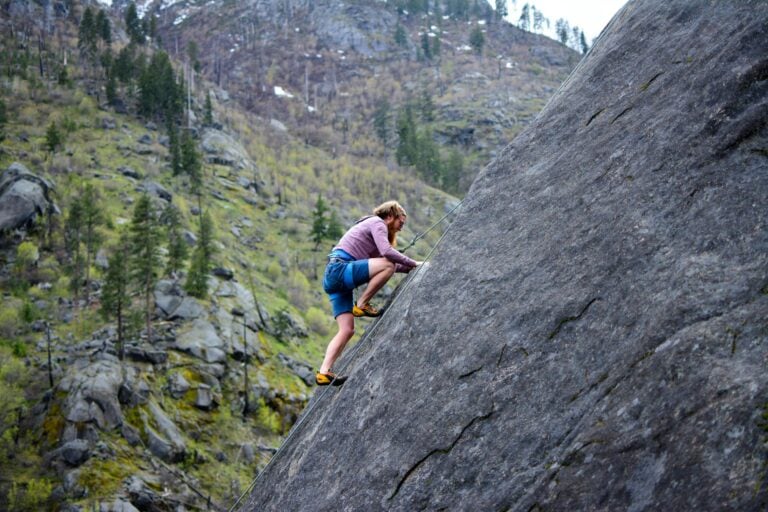

A lone wolf deer stand is exactly what it sounds like: a single-person hunting setup positioned away from the group, where one hunter sits in silence, observes, and waits. For many introverts, that description sounds less like a hunting strategy and more like an ideal Saturday morning. The phrase has taken on a second life as shorthand for a particular kind of person, someone who prefers solitude over crowds, depth over small talk, and quiet observation over constant stimulation.
What makes the lone wolf deer stand concept worth examining is what it reveals about introversion itself. Not the caricature of the shy recluse, but the real, nuanced experience of people who genuinely recharge in stillness and process the world from the inside out.

My broader exploration of how introversion compares to other personality orientations lives in the Introversion vs Other Traits hub, where I dig into the spectrum between introversion and extroversion in detail. But the lone wolf deer stand idea touches something more specific: what it actually feels like to be wired for solitude in a world that keeps asking you to join the group.
Why Does the Lone Wolf Deer Stand Resonate So Deeply With Introverts?
Spend any time in hunting communities online and you’ll find people using “lone wolf deer stand” to describe more than a physical setup. They’re describing a mindset. Going out alone. Setting up away from the camp chatter. Sitting with your own thoughts for hours while the woods settle around you.
What’s your personality type?
Take our free 40-question assessment and get a detailed personality profile with dimension breakdowns, context analysis, and personalised insights.
Discover Your Type8-12 minutes · 40 questions · Free
That resonates with introverts because it mirrors how many of us already move through the world. Not out of antisocial impulse, but because solitude is where we do our clearest thinking. Where we feel most like ourselves.
I ran advertising agencies for over two decades. My weeks were relentlessly social: client presentations, agency reviews, new business pitches, team standups. I was good at all of it. But the ideas that actually moved the needle for our biggest accounts almost never came from a brainstorm session. They came from the quiet moments. Early mornings before anyone else arrived. Long drives between client offices. The mental equivalent of sitting alone in a deer stand, watching, processing, waiting for something to come into focus.
That experience shaped how I understand introversion. It’s not a deficit. It’s a different processing style, one that happens to work beautifully in environments that reward patience, observation, and depth.
Before going further, it’s worth clarifying what we actually mean by introversion, because a lot of people misread where they fall on the spectrum. If you’re curious about your own orientation, the Introvert Extrovert Ambivert Omnivert Test is a solid starting point for getting a clearer picture.
Is Preferring to Hunt Alone Actually an Introvert Trait?
Not automatically, no. Plenty of extroverts prefer solo hunting for practical reasons: less noise, better odds, simpler logistics. Personality type doesn’t determine every preference we have.
That said, the overlap between introversion and the lone wolf deer stand preference is real and worth examining. Introversion, at its core, is about where your energy comes from. Introverts recharge through solitude and are drained by extended social exposure. That’s not shyness, and it’s not misanthropy. It’s a neurological orientation toward inward processing.
When an introvert chooses a solo stand over a group blind, they’re often making an unconscious energy calculation. The group setup means conversation, coordination, shared decisions about when to move and when to stay. The solo stand means uninterrupted quiet. For someone wired the way I am, that’s not isolation. That’s restoration.
There’s also something worth noting about the quality of observation that solitude enables. Sitting alone in the woods for three hours, you notice things you’d miss in a group. The way sound travels differently before rain. The subtle shift in animal behavior at dusk. Your own thoughts, which often get crowded out in social settings. Psychology Today has written about why introverts tend to prefer depth over breadth in their interactions, and that same orientation shows up in how many of us engage with the natural world too.

What Does the Lone Wolf Mindset Actually Look Like in Daily Life?
The deer stand is a useful metaphor precisely because it captures something introverts do constantly, in contexts far removed from hunting. We position ourselves at a slight remove. We observe before we engage. We wait for the right moment rather than filling every silence with movement.
In my agency years, I watched this play out in meetings. My extroverted colleagues would process their thinking out loud, building ideas in real time through conversation. I’d sit quietly through the first half of a meeting, absorbing what everyone else said, running it through my own internal filter. Then I’d offer one or two observations that usually cut to the actual problem. My team learned over time that my silence wasn’t disengagement. It was how I worked.
That’s the lone wolf deer stand dynamic in a boardroom. You’re not checked out. You’re positioned for a different kind of attention.
This mindset also shows up in how introverts approach relationships. We tend toward fewer, deeper connections rather than wide social networks. We’re more comfortable with extended one-on-one conversations than with working a room. We notice things in the people close to us that others miss, because we’re paying a different kind of attention.
None of this makes the lone wolf orientation universally better. It comes with real costs, which I’ll get to. But understanding it as a coherent way of moving through the world, rather than a personality flaw to be corrected, changes the conversation entirely.
Part of what makes this conversation complex is that introversion exists on a spectrum. Someone who is fairly introverted versus extremely introverted will experience the lone wolf pull very differently. A moderate introvert might genuinely enjoy group activities but need recovery time afterward. A strong introvert might find group activities genuinely depleting from the start.
How Is the Lone Wolf Deer Stand Personality Different From Being an Omnivert or Ambivert?
This is where the personality spectrum gets interesting, and where a lot of people misidentify themselves.
Ambiverts sit genuinely in the middle of the introvert-extrovert spectrum. They draw energy from both social interaction and solitude, depending on context. An ambivert might love the group hunting camp on Friday night and genuinely prefer the solo stand on Saturday morning. Both experiences feel energizing rather than depleting.
Omniverts are different again. The distinction between omniverts and ambiverts comes down to consistency. Ambiverts are reliably in the middle. Omniverts swing between strong introvert and strong extrovert states, sometimes dramatically, often based on mood, environment, or stress level. An omnivert might be the loudest person at the camp dinner and then completely shut down the next morning, genuinely needing solitude to recover from their own extroversion.
A true lone wolf personality, in the introvert sense, is more consistent. The preference for solitude isn’t situational or mood-dependent. It’s the baseline orientation. That’s the person who sets up their stand a half mile from the group not because they’re antisocial, but because that’s simply where they function best.
Some people also identify as what’s sometimes called an otrovert, which sits in interesting contrast to the ambivert orientation. These distinctions matter because they affect how you interpret your own behavior and needs. Calling yourself a lone wolf when you’re actually an omnivert means misreading what you actually need to feel balanced.

What Are the Real Strengths of the Lone Wolf Orientation?
Let me be specific here, because I’ve lived these strengths and watched them play out professionally.
The first is pattern recognition. Sitting quietly and observing, whether in a deer stand or a conference room, gives you access to information that active participants miss. When you’re not busy talking, you’re watching. And watching, over time, reveals patterns. I can’t count the number of times I identified a client relationship problem before anyone else in the room because I’d been paying attention to the subtext of the conversation rather than performing in it.
The second is preparation. Lone wolf introverts tend to over-prepare by extrovert standards. We’re not comfortable winging it in front of groups, so we do the work ahead of time. That preparation often shows up as a competitive advantage. When I pitched new business, I knew the prospective client’s competitive landscape better than they did, because I’d spent the preceding week in my mental deer stand, processing everything I could find about their industry.
The third is independent judgment. People who are comfortable operating alone are less susceptible to groupthink. They’ve practiced trusting their own assessment of a situation. In agency work, this meant I was sometimes the person willing to tell a client something they didn’t want to hear, because I wasn’t performing for the room. I was reporting what I actually saw. Harvard’s Program on Negotiation has noted that introverts often bring a thoughtful, prepared approach to high-stakes conversations that can be genuinely effective, even if it doesn’t look like traditional assertiveness.
The fourth is sustained focus. Sitting in a deer stand for four hours without moving requires a particular kind of mental discipline. Introverts often have this naturally. The ability to hold a problem in mind for an extended period, turning it over, examining it from different angles, is enormously valuable in complex work. Some of my best strategic thinking happened on long solo drives or early mornings before the office filled up.
Where Does the Lone Wolf Orientation Create Real Problems?
Honesty matters here. The lone wolf mindset has a shadow side, and pretending otherwise doesn’t serve anyone.
The biggest problem is visibility. In most professional environments, and in many social ones, people who operate quietly and independently get overlooked. Not because their contributions are smaller, but because they’re less visible. I spent years doing excellent work that didn’t get credited to me because I wasn’t performing it loudly enough for the people who made promotion decisions.
There’s also the collaboration gap. Some problems genuinely require collective intelligence. The lone wolf who insists on working everything out independently will sometimes arrive at a worse solution than a team would have reached together. I had to learn, slowly and sometimes painfully, when to stay in my stand and when to come down and join the group.
Conflict is another area where the lone wolf orientation can backfire. Introverts often prefer to withdraw and process rather than engage directly, which can let small tensions calcify into serious problems. A Psychology Today piece on introvert-extrovert conflict resolution outlines how the different processing styles of introverts and extroverts can create friction if neither side understands what the other needs. The lone wolf who disappears into silence during conflict isn’t resolving anything. They’re just postponing it.
And then there’s the loneliness question. Preferring solitude and needing connection are not mutually exclusive. Many introverts, myself included, have gone through periods where the lone wolf orientation tipped from healthy independence into genuine isolation. The deer stand is a powerful place to think. It’s a miserable place to live permanently.
Are You Actually a Lone Wolf Introvert, or Something Else?
This is worth sitting with, because a lot of people who identify with the lone wolf label are working from an incomplete picture of themselves.
Some people who call themselves lone wolves are actually highly sensitive people who find group environments overwhelming for reasons that go beyond introversion. Some are people who’ve had negative social experiences and have built solitary habits as a protective response rather than a natural preference. Some are ambiverts who’ve been burned by social environments and have overcorrected.
Genuine introversion, including the lone wolf variety, is about energy, not avoidance. The introvert who chooses the solo deer stand does so because it genuinely feels better, more energizing, more productive, more like themselves. Not because they’re afraid of the group or have been hurt by it.
If you’re genuinely unsure where you fall, the Introverted Extrovert Quiz can help you get clearer on whether you’re a true introvert, someone with extroverted tendencies who just needs more alone time than average, or something more complex.
Understanding what extroverted actually means is also useful context here, because a lot of people define it wrong. Extroversion isn’t about being loud or socially skilled. It’s about where energy comes from. Some extroverts are quiet. Some introverts are charming and socially adept. The energy source is what matters, not the performance.
What I’ve found, both in my own experience and in conversations with people who read this site, is that the lone wolf label often lands most powerfully with people who spent years thinking something was wrong with them for not wanting what everyone else seemed to want. The group. The noise. The constant togetherness. Finding language for a preference that felt like a deficiency is genuinely meaningful. It shifts the frame from “what’s wrong with me” to “this is how I’m built.”
How Do You Honor the Lone Wolf Orientation Without Letting It Limit You?
This is the practical question, and it’s the one I’ve spent the most time working through personally.
The answer isn’t to become more extroverted. I tried that for years in the agency world, performing an extroverted leadership style that didn’t fit me, and it was exhausting and in the end unconvincing. The people who worked for me could tell the difference between the performed version and the real one.
What actually worked was building structures that protected my solitude while keeping me genuinely connected. I blocked the first hour of my workday before anyone else arrived. I scheduled one-on-one meetings instead of relying on open-door spontaneity. I wrote things down rather than thinking out loud in group settings, which meant my ideas arrived fully formed rather than half-baked. These weren’t workarounds. They were adaptations that let me operate from my actual strengths.
There’s also something to be said for selective visibility. The lone wolf who stays invisible serves no one, including themselves. Learning to share your observations and conclusions, even when the process that generated them was entirely private, is a skill worth developing. You don’t have to perform the thinking. You do have to communicate the result.
A piece from Rasmussen University on marketing approaches for introverts makes a similar point in a professional context: the quiet, thoughtful approach isn’t a liability if you’re strategic about when and how you make yourself visible. The deer stand is where you do your best work. The clearing is where you share it.
Connection matters too, even for the most committed lone wolf. Research published in PubMed Central points to the consistent relationship between social connection and wellbeing across personality types. Introversion doesn’t exempt anyone from needing human contact. It just means the form and frequency of that contact looks different. Fewer people, deeper engagement, more intentional timing.
And there’s growing evidence that the kind of rich inner life that characterizes many introverts has real cognitive and emotional value. A study in PubMed Central examining personality and cognitive processing found meaningful differences in how introverts and extroverts engage with information, with introverts showing tendencies toward deeper processing of stimuli. That’s not a disadvantage. That’s the neurological foundation of the deer stand mindset.
The lone wolf who learns to come down from the stand at the right moments, share what they’ve seen, and re-engage with the group on their own terms, isn’t compromising their introversion. They’re completing it.

If you want to keep exploring where you fall on the personality spectrum and how introversion compares to related traits, the full Introversion vs Other Traits hub covers the broader landscape in depth.
About the Author
Keith Lacy is an introvert who’s learned to embrace his true self later in life. After 20 years in advertising and marketing leadership, including running agencies and managing Fortune 500 accounts, Keith now channels his experience into helping fellow introverts understand their strengths and build fulfilling careers. As an INTJ, he brings analytical depth and authentic perspective to every article, drawing from both professional expertise and personal growth.
Frequently Asked Questions
What is a lone wolf deer stand personality?
A lone wolf deer stand personality refers to someone who prefers to operate independently and in solitude, drawing energy and clarity from quiet observation rather than group interaction. The term borrows from hunting, where a lone wolf stand is a single-person setup positioned away from the group. As a personality descriptor, it captures the introvert tendency to think deeply, observe carefully, and function best without the noise and social demands of collective environments.
Is the lone wolf personality the same as being an introvert?
They overlap significantly but aren’t identical. Introversion is a personality orientation defined by where you draw energy: introverts recharge through solitude and are drained by extended social exposure. The lone wolf personality captures a specific expression of that orientation, one characterized by independent thinking, comfort with extended solitude, and a preference for working through problems without group input. Not every introvert identifies as a lone wolf, and some people who use the lone wolf label may actually be ambiverts or highly sensitive people rather than classic introverts.
Can a lone wolf introvert still have strong relationships?
Absolutely, and many do. Preferring solitude doesn’t mean avoiding connection. Introverts with a strong lone wolf orientation typically invest deeply in a small number of relationships rather than maintaining a wide social network. They tend to be attentive, loyal, and genuinely present in one-on-one settings. The difference is that they need to manage the energy cost of social interaction more carefully than extroverts do, which means being intentional about when and how they engage rather than being available to everyone at all times.
How do I know if I’m a lone wolf introvert or just someone who’s become isolated?
The distinction comes down to whether your solitude feels energizing or merely safe. A genuine lone wolf introvert chooses solitude because it feels good, productive, and restorative. Someone who has become isolated through difficult experiences may be using solitude as protection rather than preference. If being alone feels like relief from threat rather than genuine restoration, that’s worth examining. A useful check is whether you feel like yourself when you’re alone, or whether you feel like you’re hiding. The former points to introversion. The latter may point to something else worth addressing.
Do lone wolf introverts struggle in team environments at work?
They can, but struggle isn’t inevitable. The challenge is usually about structure rather than capability. Lone wolf introverts often do their best work independently and then bring fully developed thinking to the group, rather than processing out loud in real time. When team environments accommodate that style, through written communication, asynchronous collaboration, and meeting structures that allow preparation, introverts with a lone wolf orientation often contribute at a high level. The friction tends to arise in environments that reward spontaneous verbal performance and penalize quiet preparation, which is a design problem, not a personality problem.