

Vitamin B12 deficiency brain fog is a genuine neurological symptom caused by inadequate B12 levels, which disrupts the production of myelin, the protective sheath around nerve fibers, and interferes with neurotransmitter function. The result is a mental cloudiness that can feel like thinking through wet concrete: slow recall, poor concentration, and a persistent sense that your mind is operating at half capacity. For introverts who depend heavily on their inner world for processing, creating, and recharging, this kind of cognitive disruption can feel particularly disorienting.
My mind has always been my most reliable tool. Twenty years running advertising agencies, managing complex campaigns for Fortune 500 clients, staying three steps ahead in high-stakes meetings, all of it depended on a brain that could synthesize information quickly and quietly. So when I started experiencing what I can only describe as a mental dimming a few years back, I noticed it immediately. Not because I was tracking symptoms, but because my inner world felt suddenly muffled. Something was wrong, and it took longer than it should have to trace it back to something as correctable as a vitamin deficiency.

If you’ve been feeling mentally sluggish in ways that don’t match your usual introvert need for quiet recovery, this article is worth reading carefully. The connection between B12 and brain fog is well-documented, and it’s especially relevant for introverts and highly sensitive people who tend to notice subtle cognitive shifts before others do. Our broader Introvert Mental Health Hub covers the full spectrum of mental and emotional wellbeing for people like us, and B12 deficiency sits squarely in that conversation.
What Does Vitamin B12 Actually Do in the Brain?
B12 is a water-soluble vitamin that the body cannot produce on its own. You get it from food, primarily animal products like meat, fish, eggs, and dairy, or from supplements. Once absorbed, it plays a critical role in several neurological processes that directly affect how clearly you think.
What’s your personality type?
Take our free 40-question assessment and get a detailed personality profile with dimension breakdowns, context analysis, and personalised insights.
Discover Your Type8-12 minutes · 40 questions · Free
At the cellular level, B12 is essential for synthesizing myelin, the fatty coating that insulates nerve fibers and allows electrical signals to travel efficiently through the nervous system. Without adequate B12, myelin degrades. Signals slow down or misfire. The brain, which is essentially a vast electrical network, starts to lose precision. According to a clinical overview published by the National Institutes of Health, neurological symptoms of B12 deficiency can include cognitive impairment, memory difficulties, and mood disturbances, all of which can appear even before a standard blood test flags anything unusual.
B12 also participates in the methylation cycle, a biochemical process that affects DNA repair, detoxification, and the production of neurotransmitters including serotonin and dopamine. Disruptions to methylation have been linked to mood dysregulation and cognitive sluggishness. So when B12 levels drop, you’re not just dealing with one problem. You’re dealing with a cascade of neurological effects that compound each other.
What makes this particularly tricky is that the brain fog from B12 deficiency doesn’t arrive dramatically. It creeps in. You start finding it harder to hold a train of thought. Words that used to come easily now hover just out of reach. You read the same paragraph three times and still can’t absorb it. For someone whose entire inner life depends on the quality of that mental processing, these changes are quietly devastating.
Why Are Introverts and HSPs Especially Vulnerable to Noticing This?
Introverts, and particularly highly sensitive people, tend to be acutely attuned to their internal states. We notice shifts in our cognitive and emotional landscape that others might dismiss or overlook entirely. This is both a strength and a burden.
Highly sensitive people already manage a nervous system that processes stimulation more deeply than average. When sensory input feels overwhelming, as explored in this piece on HSP overwhelm and managing sensory overload, the brain is working harder than most people realize. Add a B12 deficiency into that equation and you’re asking a system that’s already running at high capacity to function with depleted neurological resources. The result can feel like total cognitive shutdown.
I’ve watched this dynamic play out in people I’ve worked with. One of my account directors, a highly sensitive person who was exceptional at reading client dynamics and anticipating problems before they surfaced, went through a period where her usually sharp instincts seemed dulled. She was making small errors she never used to make, missing the subtle cues she normally caught first. We eventually traced it to a B12 deficiency her doctor identified during a routine checkup. Within a few months of supplementation, she was back to her usual perceptiveness. But the months in between were genuinely disorienting for her, and I suspect the experience was more distressing precisely because she was so attuned to the difference.
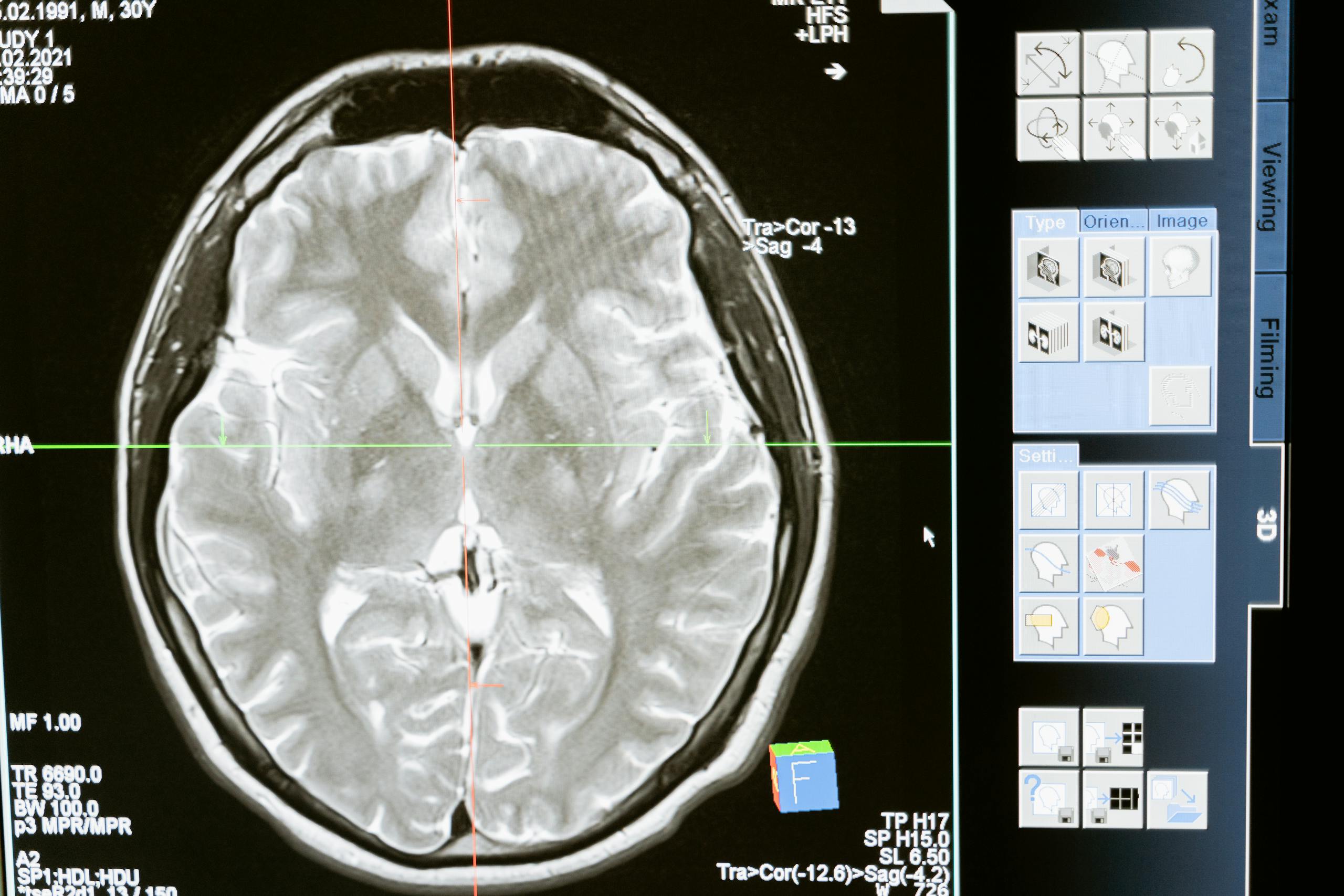
Sensitive people also tend to carry higher baseline anxiety, and cognitive fog can amplify that anxiety significantly. When you can’t trust your own mind to function reliably, it feeds a kind of internal alarm that’s hard to quiet. That intersection of anxiety and cognitive impairment is worth understanding, particularly as it relates to the broader picture of HSP anxiety and how sensitive people can develop coping strategies that don’t just address the emotional layer but also the physiological one.
What Are the Most Common Causes of B12 Deficiency?
Understanding why deficiency happens is important because it shapes how you address it. B12 deficiency isn’t always about diet. In fact, some of the most common causes have nothing to do with what you eat.
Absorption is the central issue. B12 from food requires a protein called intrinsic factor, produced in the stomach lining, to be absorbed properly. Conditions that affect stomach acid production, including atrophic gastritis, which becomes more common with age, can impair this process significantly. Long-term use of proton pump inhibitors or metformin, a common diabetes medication, has also been associated with reduced B12 absorption. A study published in PubMed Central examined the relationship between metformin use and B12 status, finding that patients on long-term metformin therapy showed meaningfully lower B12 levels compared to those not taking the medication.
Dietary choices matter too. Vegans and vegetarians are at higher risk because B12 is found almost exclusively in animal-derived foods. Even people who eat animal products but consume them infrequently can develop borderline deficiency over time, particularly if they have any absorption issues layered on top.
Age is another factor. As we get older, stomach acid production naturally decreases, which impairs B12 absorption from food. Older adults are disproportionately represented among people with deficiency, and the neurological symptoms, including cognitive decline and memory issues, are often mistakenly attributed to normal aging rather than a correctable nutritional gap.
Stress is worth mentioning here too. Chronic stress depletes a wide range of nutrients, and introverts who spend years pushing themselves to perform in extroverted environments, as I did for much of my career, can accumulate a kind of physiological debt that shows up in unexpected ways. The burnout I experienced after years of trying to lead like an extrovert didn’t just cost me emotionally. It cost me physically. Recovery required attention to the body, not just the mind.
How Does B12 Deficiency Brain Fog Differ From Other Types of Mental Fatigue?
This is a question worth sitting with, because introverts are already familiar with certain kinds of mental depletion. We know what it feels like to be socially drained after a day of meetings. We know the particular exhaustion that comes from masking our introversion in environments that reward extroverted behavior. So how do you distinguish B12-related brain fog from ordinary introvert fatigue or burnout?
Introvert fatigue typically improves with rest and solitude. You spend a quiet evening alone, sleep well, and wake up with your cognitive faculties restored. B12 brain fog doesn’t follow that pattern. It persists regardless of how much rest you get. Sleep doesn’t clear it. Quiet time doesn’t dissolve it. It’s there in the morning, it’s there after a weekend retreat, it’s there even when everything else in your life is calm and ordered.
There’s also a specific quality to B12 brain fog that distinguishes it from emotional fatigue. Emotional depletion tends to affect motivation and mood more than raw cognitive function. B12 fog hits the mechanics of thinking directly: word retrieval, working memory, processing speed, the ability to hold multiple threads of a complex problem simultaneously. For someone like me, whose entire professional identity was built on strategic synthesis, that kind of impairment is unmistakable.
It can also overlap with depression and anxiety in ways that make it hard to identify. The mood component of B12 deficiency, stemming from disrupted neurotransmitter production, can look and feel like a depressive episode. The National Institute of Mental Health notes that anxiety disorders can present with cognitive symptoms including difficulty concentrating and mental blanking, which overlaps significantly with B12 deficiency symptoms. If you’re experiencing persistent cognitive fog alongside low mood or elevated anxiety, it’s worth asking your doctor to check your B12 levels as part of a broader evaluation.

What Does the Emotional Processing Layer Look Like?
One dimension of B12 brain fog that doesn’t get enough attention is its effect on emotional processing, not just cognitive function. Introverts and highly sensitive people process emotion deeply and reflectively. We don’t just feel things; we think through them, layer them, find meaning in them. That process requires a well-functioning mind.
When B12 fog clouds the mind, emotional processing becomes harder. You might notice that you feel something but can’t quite access what it is. Or you find yourself reacting more flatly than usual, as though the emotional signal is there but the processing capacity to work with it has been reduced. For people who rely on their emotional intelligence as a core strength, this flattening can feel like a loss of self.
This connects to something I’ve written about elsewhere: the way sensitive people experience and work through emotion is fundamentally different from the average person. The piece on HSP emotional processing and feeling deeply captures that texture well. When B12 deficiency interferes with that processing, the disruption isn’t just cognitive. It’s existential in a small but real way. Your relationship to your own inner life changes.
Empathy, too, can be affected. Highly sensitive people often experience empathy as a kind of cognitive and emotional attunement, reading others closely, feeling into situations, picking up on what isn’t said. The double-edged nature of HSP empathy is already complex under normal circumstances. When your brain is running on depleted B12, that attunement gets harder to access. You may feel less present with others, less able to pick up on the nuances you normally catch. That can be disorienting, particularly if empathy is central to how you connect and contribute.
How Does B12 Deficiency Interact With Perfectionism and High Standards?
Many introverts, particularly INTJs and other analytical types, hold themselves to exacting standards. This isn’t vanity. It’s a deep-seated orientation toward quality and precision that, when channeled well, produces excellent work. When it tips into perfectionism, though, it becomes a trap, as the piece on HSP perfectionism and breaking the high standards trap examines in depth.
B12 brain fog and perfectionism create a particularly painful combination. When your cognitive performance drops, and you hold yourself to high standards, the gap between what you expect of yourself and what you’re currently capable of becomes a source of significant distress. You know something is off. You push harder to compensate. Pushing harder without addressing the underlying deficiency just accelerates the depletion.
I watched this dynamic in myself during the period when my own cognition was affected. My instinct was to work harder, to force the clarity that wasn’t coming naturally. I scheduled more focused work blocks, cut back on distractions, reviewed my sleep hygiene. None of it helped, because none of it addressed what was actually wrong. What I needed wasn’t discipline. I needed a blood test and a course of supplementation.
There’s a broader lesson there about the limits of willpower-based solutions to physiological problems. Some things can’t be thought or disciplined away. Recognizing when a problem is biological rather than behavioral is itself a form of intelligence, and one that introverts, who tend toward self-analysis, sometimes struggle to apply to themselves.

What Role Does B12 Deficiency Play in Social Withdrawal and Rejection Sensitivity?
Cognitive fog affects social functioning in ways that can be easy to misread. When your mind isn’t working at full capacity, social interaction becomes more effortful. Following conversations, finding words quickly, tracking the emotional undercurrents of a room, all of it requires more energy than usual. The natural introvert tendency toward selective socializing can become more pronounced, not because you’ve become more introverted, but because the cognitive cost of social engagement has temporarily increased.
This can feed into rejection sensitivity in unexpected ways. When you’re less verbally fluent than usual, when you stumble over words or lose your train of thought mid-sentence, you may interpret others’ reactions as judgment. You might avoid situations where you’d normally feel confident, pulling back from conversations or meetings where you’d usually contribute meaningfully. The piece on HSP rejection and the process of healing speaks to how sensitive people internalize perceived social failures. B12 brain fog can create a cycle where cognitive impairment leads to social stumbles, which feed rejection sensitivity, which increases anxiety, which further impairs cognitive function.
Breaking that cycle requires identifying the physiological root. Once B12 levels are restored and cognitive function improves, the social confidence typically returns. The withdrawal wasn’t a personality shift. It was a symptom.
How Do You Test for and Treat B12 Deficiency?
Getting tested is straightforward. A standard blood panel can measure serum B12 levels, and most doctors will include it if you ask. The challenge is that the “normal” reference range used by many labs is relatively wide, and some people experience neurological symptoms at levels that technically fall within the normal range. If your levels are in the lower portion of the normal range and you’re experiencing symptoms, it’s worth discussing supplementation with your doctor rather than waiting for levels to drop further.
A review published in PubMed Central examining B12 deficiency in clinical populations notes that neurological symptoms can precede hematological changes, meaning your blood cell counts might look normal even as your nervous system is already being affected. This is one reason why symptoms should drive clinical attention rather than lab values alone.
Treatment depends on the cause and severity. Mild dietary deficiency can often be addressed through oral supplements or dietary changes. More significant deficiency, particularly when caused by absorption issues, may require high-dose oral supplements or intramuscular injections that bypass the digestive system entirely. Your doctor will guide the appropriate approach based on your specific situation.
What I’d add from personal experience is this: don’t wait until symptoms are severe. The gradual nature of B12 depletion means you might normalize a slow cognitive decline without recognizing it as abnormal. If you’ve been feeling mentally slower than your baseline for weeks or months, and rest isn’t restoring your usual clarity, get your levels checked. It’s a simple test with potentially significant implications.
What Lifestyle Factors Support B12 Absorption and Brain Health?
Beyond supplementation, there are broader lifestyle practices that support both B12 status and overall neurological health. These aren’t substitutes for medical treatment if you’re genuinely deficient, but they create a foundation that makes everything else work better.
Gut health matters considerably. B12 absorption depends on a healthy stomach lining and adequate intrinsic factor production. Chronic stress, which introverts who’ve spent years in high-demand professional environments know well, can affect gut function in ways that impair nutrient absorption. Practices that support gut health, including managing stress, eating a varied whole-foods diet, and limiting alcohol, indirectly support B12 status.
Sleep quality is another significant factor. The brain consolidates information, clears metabolic waste, and repairs neurological tissue during sleep. Poor sleep compounds the cognitive effects of any nutritional deficiency. For introverts who already need quality sleep to restore after socially demanding days, protecting sleep isn’t optional. It’s foundational.
The American Psychological Association’s resources on resilience emphasize the role of physical health practices in sustaining mental and cognitive resilience over time. That framing resonates with me. After two decades in high-pressure environments, I’ve come to understand that cognitive performance isn’t just a mental discipline issue. It’s a whole-body maintenance issue, and introverts who neglect the physical layer often do so because they’re so focused on the internal, mental layer.
Regular movement, even modest amounts, supports cerebral blood flow and neuroplasticity. Adequate hydration affects cognitive function more directly than most people realize. These aren’t glamorous interventions, but they’re the kind of unglamorous consistency that actually sustains a high-functioning mind over the long term.

What Should Introverts Know About Recovery and Patience?
One thing worth preparing for: recovery from B12 deficiency brain fog is not instant. Even after you begin supplementation and levels start to normalize, neurological recovery takes time. Myelin repair and neurotransmitter rebalancing happen gradually. You may start to notice improvements within weeks, but full cognitive restoration can take months, particularly if the deficiency was significant or long-standing.
For introverts who are accustomed to precision and self-awareness, this waiting period can be frustrating. You know the problem has been identified and treatment has begun, yet the fog persists. Patience with that process is genuinely difficult when your mind is the thing you’re waiting on.
What helped me during my own recovery period was reframing what rest meant. Rather than treating quiet time as a sign of failure or lost productivity, I started treating it as active neurological recovery. The solitude that introverts naturally seek isn’t just emotionally restorative. It gives the brain space to do its repair work without the additional burden of constant stimulation and social processing. That reframe made the recovery feel purposeful rather than passive.
It also helped to reduce the self-criticism that tends to accompany any period of diminished performance. Introverts who hold themselves to high standards, and who derive significant identity from their cognitive capabilities, can be harsh internal critics when those capabilities falter. Extending the same compassion to yourself that you’d offer a colleague going through something similar is harder than it sounds, but it matters for recovery.
The broader mental health picture for introverts and highly sensitive people is something worth staying connected to, not just during acute episodes but as an ongoing practice. There’s more to explore across the full range of introvert mental health topics in the Introvert Mental Health Hub, from anxiety and emotional processing to the physical factors that affect how we think and feel.
About the Author
Keith Lacy is an introvert who’s learned to embrace his true self later in life. After 20 years in advertising and marketing leadership, including running agencies and managing Fortune 500 accounts, Keith now channels his experience into helping fellow introverts understand their strengths and build fulfilling careers. As an INTJ, he brings analytical depth and authentic perspective to every article, drawing from both professional expertise and personal growth.
Frequently Asked Questions
Can vitamin B12 deficiency actually cause brain fog?
Yes. B12 is essential for myelin production and neurotransmitter synthesis, and when levels drop, the nervous system loses efficiency. The result is a cognitive cloudiness that affects memory, word retrieval, processing speed, and concentration. This is a well-recognized neurological consequence of B12 deficiency, not a vague or anecdotal complaint.
How do I know if my brain fog is from B12 deficiency or just introvert fatigue?
Introvert fatigue typically resolves with rest, solitude, and adequate sleep. B12 brain fog persists regardless of how much you rest. If your cognitive cloudiness doesn’t lift after a genuinely restorative period, and particularly if it’s accompanied by mood changes, tingling in the hands or feet, or unusual fatigue, it’s worth asking your doctor to check your B12 levels.
Who is most at risk for vitamin B12 deficiency?
People most at risk include vegans and vegetarians, older adults with reduced stomach acid production, people taking long-term metformin or proton pump inhibitors, and anyone with conditions affecting the stomach lining or small intestine. Chronic stress and poor gut health can also impair B12 absorption even in people who eat animal products regularly.
How long does it take to recover from B12 deficiency brain fog?
Recovery timelines vary depending on how severe and long-standing the deficiency was. Some people notice cognitive improvements within a few weeks of beginning supplementation, while others may take several months to experience full restoration. Neurological recovery, particularly myelin repair, is a gradual process. Consistent supplementation and patience are both required.
Should I take B12 supplements even if my blood test shows normal levels?
This is a question worth discussing with your doctor rather than deciding independently. Some clinicians argue that the lower end of the “normal” reference range is too low, and that neurological symptoms can appear at levels technically within range. If your levels are low-normal and you’re experiencing symptoms, a trial of supplementation may be worth exploring with medical guidance.