

Olay occupies a complicated position in the cruelty-free skincare conversation. The brand does not test finished products on animals in markets where it isn’t required by law, yet it continues selling in mainland China, where animal testing has historically been mandated for imported cosmetics, which means Olay does not qualify as fully cruelty-free by the standards of organizations like Leaping Bunny or PETA. For families making conscious purchasing decisions together, that distinction matters more than most marketing language will ever acknowledge.
As someone who spent two decades in advertising, I watched personal care brands craft messaging with surgical precision. Olay is genuinely good at it. But the gap between “we don’t test where we don’t have to” and “we are cruelty-free” is real, and families raising children to think critically about the products they bring into their homes deserve a clear-eyed look at what that gap actually means.

If you’re exploring how values, including the values you want to model for your children, show up in everyday choices, the Introvert Family Dynamics and Parenting Hub covers a wide range of topics where personal reflection and family life intersect. Evaluating something like a skincare brand’s ethical standing fits squarely into that territory, because these are the quiet, deliberate conversations that introverted parents often have with their kids around the dinner table rather than in loud public declarations.
What Does “Cruelty-Free” Actually Mean for a Brand Like Olay?
The phrase “cruelty-free” has no legal definition in the United States. That absence of regulation is exactly why brand messaging around it can feel slippery. In the advertising world, we called this kind of language “permission space,” meaning the territory where a claim is technically defensible even when the fuller picture is more complicated. Olay operates in that permission space.
Olay is owned by Procter and Gamble, one of the largest consumer goods companies on earth. P&G has stated publicly that it is committed to eliminating animal testing and has invested in alternative testing methods. That commitment is genuine in some respects. The company funds research into non-animal testing approaches, and it does not conduct animal testing on cosmetics in most of the markets where it sells.
The complication arises in China. For years, China required that imported cosmetics be tested on animals before they could be sold in the country. P&G, and therefore Olay, chose to sell in that market, which meant accepting those requirements. China has updated some of its regulations in recent years, creating pathways for certain products to avoid mandatory animal testing, but the situation remains in flux and brand-by-brand compliance varies. Because Olay has not been certified by Leaping Bunny or received PETA’s cruelty-free designation, it does not meet the standard that most advocacy organizations use to define the term.
What that means practically: if your family has decided that cruelty-free certification is a hard line, Olay does not currently clear it. If your family is weighing a spectrum of factors including ingredient quality, price accessibility, and a brand’s stated direction on animal testing, the picture is more nuanced.
Why Do Introverted Parents Tend to Think Harder About These Decisions?
My mind has always worked by pulling on threads. When I was running my agency and a client wanted to launch a campaign around a vague claim like “natural” or “sustainable,” I couldn’t just let it sit. I needed to know what was underneath it, where the claim held and where it frayed. That same instinct shows up in how I approach decisions at home.
Many introverted parents process values-based decisions the same way. We don’t announce our positions loudly. We research quietly, turn the question over, and then have a careful conversation with our kids that goes three layers deeper than the surface topic. A bottle of Olay moisturizer becomes an entry point into talking about corporate accountability, regulatory differences between countries, and how to read marketing language critically.
That depth of engagement is one of the genuine strengths introverted parents bring to family life. If you’re curious about how personality traits shape parenting approaches more broadly, the Big Five Personality Traits Test offers a useful lens. The conscientiousness dimension in particular tends to correlate with the kind of careful, values-aligned decision-making that shows up in conversations about ethical purchasing.
Highly sensitive parents often feel this even more acutely. The emotional weight of knowing that an animal may have suffered for a product they use daily isn’t abstract to them. If that resonates, the piece on HSP parenting and raising children as a highly sensitive parent explores how that depth of feeling shapes both the parent’s experience and the environment they create for their children.

How Does Olay Compare to Brands That Have Earned Cruelty-Free Certification?
Certified cruelty-free brands commit to a specific set of standards. Leaping Bunny certification, considered the gold standard, requires that no animal testing occur at any stage of product development, including ingredient sourcing, and that the commitment extend to third-party suppliers. PETA’s certification process is somewhat less rigorous but still requires a signed statement and audit eligibility.
Brands like Drunk Elephant, Youth to the People, and Biossance have earned these certifications. They tend to be positioned at higher price points than Olay, which is part of what makes the comparison complicated for families. Olay’s broad retail availability and accessible pricing mean it reaches households that might not have the budget for certified alternatives. That’s a real consideration, and it’s worth naming honestly rather than pretending ethical consumption is equally available to everyone.
Some mid-range certified brands have closed part of that gap. e.l.f. Cosmetics holds both Leaping Bunny and PETA certification and sells at drugstore prices. Pacifica Beauty and Yes To are also certified and widely available. For families specifically looking for cruelty-free moisturizers and serums in Olay’s general category, these brands are worth knowing about.
What Olay does well, and this is worth acknowledging, is formulation quality. Products like the Regenerist Micro-Sculpting Cream and the Vitamin C and Peptide 24 serum are genuinely effective. The brand invests in ingredient science. None of that changes the certification status, but it does explain why many consumers who care about animal welfare still find themselves weighing the tradeoff.
What Does P&G’s Parent Company Status Mean for Ethical Purchasing?
One of the more interesting conversations I used to have with Fortune 500 clients was about the difference between brand values and corporate values. A brand can project a clear ethical identity while its parent company operates with a very different set of priorities. Consumers who care about where their money in the end flows need to think at the corporate level, not just the brand level.
Procter and Gamble is one of the most scrutinized companies in the world on environmental and animal welfare grounds. It has made public commitments to reduce animal testing across its portfolio and has funded the development of alternative testing technologies. At the same time, it operates at a scale that makes full ethical alignment across every market and product line extraordinarily complex.
For families who apply a “follow the money” standard, purchasing Olay means supporting P&G’s overall business, which includes products and practices that extend well beyond Olay’s own operations. That’s not a reason to automatically reject the brand, but it is context worth having. The Psychology Today overview of family dynamics touches on how shared values function as a kind of family identity, and purchasing decisions are one of the quieter ways those values get expressed and reinforced over time.
Some families find it helpful to think in tiers. Tier one might be certified cruelty-free brands with no parent company concerns. Tier two might be brands like Olay that are not certified but are moving in a stated direction. Tier three might be brands that actively oppose cruelty-free legislation or have no stated commitment. Knowing where a brand sits in your own framework is more useful than expecting a binary answer.
How Can Families Have Meaningful Conversations About Cruelty-Free Choices?
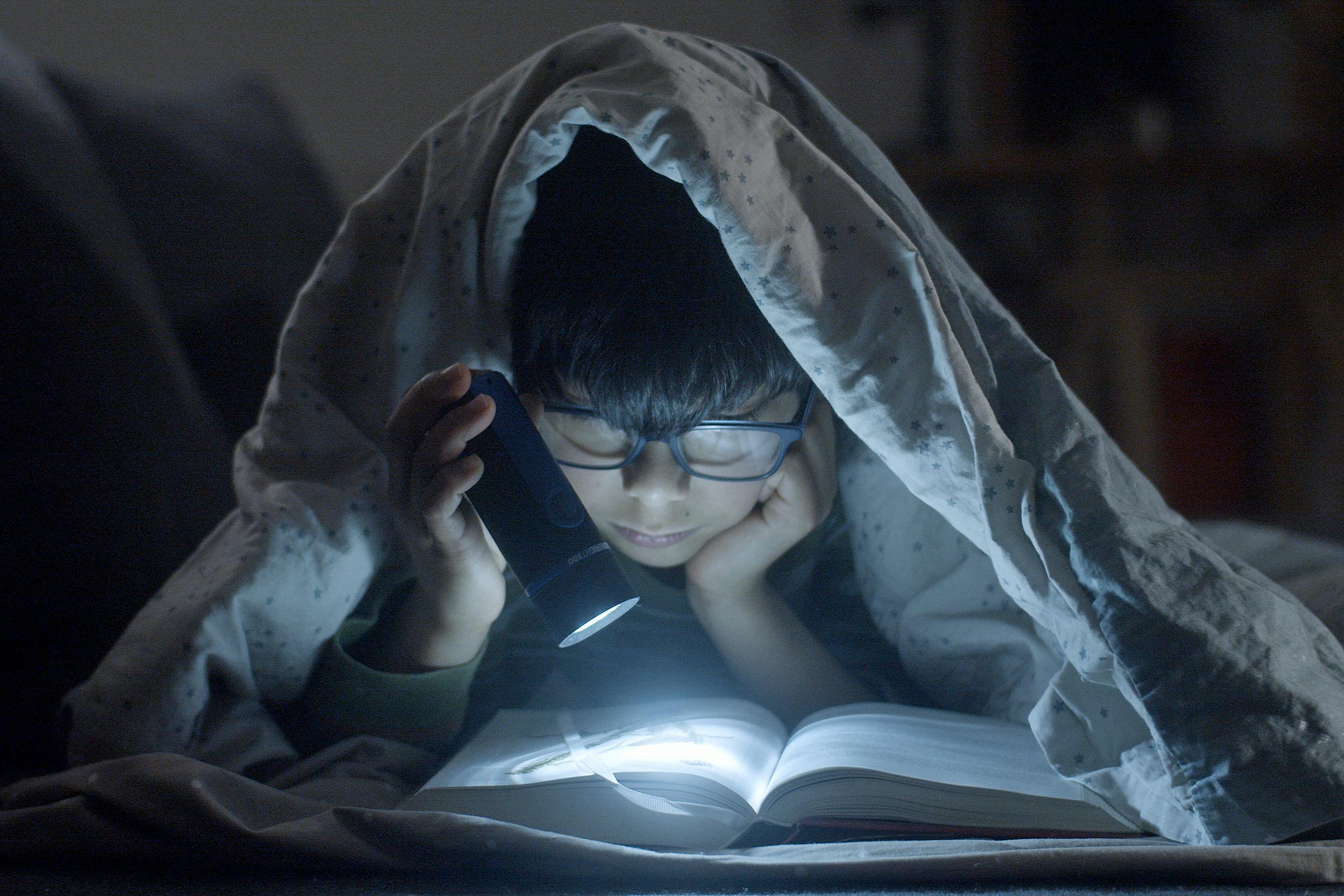
Some of the most important conversations I’ve had about values happened in low-stakes moments. Not in formal meetings or structured discussions, but while doing something else entirely. Standing in a drugstore aisle, reading a label, asking a question out loud. That’s often how it works with kids, too.
Introverted parents are often better at these quiet, embedded conversations than they give themselves credit for. We don’t need a family meeting agenda. We ask a question while we’re shopping, share what we noticed, and let the conversation breathe. That approach tends to land differently with kids than a lecture would. It models thinking out loud rather than delivering conclusions.
When it comes to cruelty-free skincare specifically, a few conversation entry points work well. You might ask your child what they think “cruelty-free” means before explaining the certification gap. You might look up a brand’s policy together on your phone right there in the store. You might talk about why companies make the choices they do, which opens into economics, regulation, and the role of consumer pressure in changing corporate behavior.
These conversations build something beyond the immediate topic. They develop the habit of questioning claims, looking for the fuller picture, and making decisions that align with stated values even when it’s inconvenient. That’s a skill set with applications well beyond skincare.
Understanding your own personality and how it shapes your communication style as a parent can be genuinely useful here. The Likeable Person Test is a lighter-touch tool, but it surfaces something real about how we come across in conversations, including the ones we have with our own children about values-based decisions.
What Are the Best Cruelty-Free Alternatives to Olay’s Most Popular Products?
If your family has decided to move away from Olay based on its certification status, fortunately that the cruelty-free skincare market has expanded significantly. Finding alternatives that match Olay’s most-used products is genuinely possible at a range of price points.
For Olay’s Regenerist line, which focuses on anti-aging moisturization, certified alternatives include CeraVe’s Skin Renewing Night Cream (CeraVe holds Leaping Bunny certification), Neutrogena’s Rapid Wrinkle Repair line (also certified), and Pacifica’s range of peptide-focused moisturizers. All of these are available at major drugstores.
For Olay’s vitamin C serums, alternatives include TruSkin Vitamin C Serum, which is Leaping Bunny certified and available on Amazon, and Pacifica’s Glow Baby Vitamin C Serum, which is both cruelty-free and vegan.
For body care, Olay’s body washes and lotions have certified competitors in Aveeno (which holds Leaping Bunny certification), Suave (certified), and a range of natural brands like Shea Moisture, which is also certified.
One practical note: certification status can change. Brands sometimes lose certification when they enter new markets or change supplier relationships. Checking the Leaping Bunny database directly before purchasing is the most reliable approach, rather than relying on packaging claims alone.
If you work in a caregiving or personal support role and are evaluating products for clients with specific skin needs, the Personal Care Assistant Test Online is a resource worth knowing about, particularly when you’re helping someone make product choices that align with their values as well as their skin type.

How Does Animal Testing Policy Connect to Broader Family Values?
In my agency years, I worked with a handful of clients in the health and wellness space who were handling the tension between commercial scale and values-based positioning. The ones who got it right were the ones who stopped treating ethics as a marketing problem and started treating it as an operational commitment. The difference was visible in their decisions, not just their messaging.
Families face a version of this same tension. It’s easy to say you care about animal welfare. It’s harder to let that stated value actually shape which products you buy, especially when the certified alternative costs more or requires an extra step to find. The gap between stated values and lived choices is where character actually gets built, in families as much as in companies.
For introverted parents, this territory can feel particularly charged. We tend to hold ourselves to high internal standards, and the awareness of that gap between what we say and what we do can be uncomfortable. That discomfort is actually useful. It’s the signal that a value is real rather than performative.
Research published through PubMed Central on personality and ethical decision-making suggests that conscientiousness and openness to experience, traits common in reflective introverts, tend to correlate with more consistent alignment between stated values and behavior. That’s not a guarantee, but it does suggest that the kind of careful thinking introverted parents naturally bring to these decisions is doing real work.
The American Psychological Association’s resources on psychological wellbeing also touch on the relationship between values alignment and overall sense of integrity and self-coherence. Living in alignment with what you care about, even in small purchasing decisions, contributes to a sense of wholeness that matters for both parents and the children watching them.
Is Olay Moving Toward Full Cruelty-Free Status?
China’s regulatory environment around animal testing for cosmetics has been shifting. The country has introduced new pathways that allow certain products sold through e-commerce channels, or products manufactured domestically, to bypass mandatory animal testing requirements. P&G has indicated awareness of these changes and has been working to adapt its compliance approach.
Whether this will result in Olay pursuing and receiving Leaping Bunny certification is not clear. Certification requires a level of supply chain transparency and third-party audit access that large companies sometimes find operationally complex. The stated direction is encouraging. The certification gap remains.
Consumer pressure has historically been one of the most effective forces for accelerating this kind of change. When enough families make purchasing decisions based on cruelty-free status, and when they communicate that to brands directly, it changes the commercial calculus. That’s not idealism. I watched it happen with organic food, with recycled packaging, and with palm oil sourcing during my agency years. The pattern is consistent: sustained consumer preference eventually moves corporate behavior.
For families who want to stay engaged with this issue rather than simply switching brands and moving on, following organizations like Leaping Bunny and monitoring their brand database is a practical way to track progress. Writing to P&G directly about your purchasing criteria is another. These actions feel small individually, but they aggregate into the kind of signal that large companies pay attention to.
If you’re thinking about personal wellness more broadly, including how physical health choices connect to values-based living, the Certified Personal Trainer Test is a useful resource for anyone considering a more structured approach to physical wellbeing alongside their ethical consumer choices.
Mental and emotional patterns also shape how we engage with these decisions. The way we respond to moral complexity, including the cognitive dissonance of using a product we’re uncertain about, is worth understanding. The Borderline Personality Disorder Test on this site is one of several self-assessment tools that can help you understand your own emotional response patterns, which in turn affects how you process value-laden decisions under uncertainty.
There’s also a broader personality science angle worth noting. The National Institutes of Health research on temperament and introversion shows that the reflective, internally-oriented processing style many introverts experience is deeply rooted, not a preference or habit but a fundamental aspect of how we engage with the world. That same orientation is what makes introverted parents particularly well-suited to the kind of careful, values-aligned decision-making that ethical purchasing requires.

Making the Decision That Fits Your Family
There’s no universally correct answer to whether Olay belongs in your home. What matters is that the decision is made deliberately rather than by default. Olay is not a cruelty-free certified brand by current standards. It is a brand with strong formulations, wide accessibility, and a parent company that has made public commitments to moving away from animal testing. Both of those things are true simultaneously.
Families who hold a hard line on cruelty-free certification have excellent alternatives available at comparable price points. Families who are weighing a range of factors may find Olay’s direction acceptable while they monitor progress. What neither approach requires is pretending the question is simpler than it is.
As an INTJ, I’ve always been more comfortable with complexity than with false simplicity. The advertising industry taught me that clean narratives are almost always edited versions of messier realities. Applying that same skepticism to the products I bring into my home, and modeling that skepticism for the next generation, feels like one of the more honest things I can do as a parent and as a person who cares about living in alignment with stated values.
The PubMed Central research on consumer ethics and identity points to something worth holding: the choices we make as consumers are one of the ways we express and reinforce who we are. That’s particularly true in family contexts, where those choices become part of the shared story a family tells about itself.
For more on how introverted parents approach values-based decisions, family conversations, and the quieter dimensions of raising children with depth and intentionality, explore the full range of topics in our Introvert Family Dynamics and Parenting Hub.
About the Author
Keith Lacy is an introvert who’s learned to embrace his true self later in life. After 20 years in advertising and marketing leadership, including running agencies and managing Fortune 500 accounts, Keith now channels his experience into helping fellow introverts understand their strengths and build fulfilling careers. As an INTJ, he brings analytical depth and authentic perspective to every article, drawing from both professional expertise and personal growth.
Frequently Asked Questions
Is Olay cruelty-free in 2024 and 2025?
Olay is not certified cruelty-free by Leaping Bunny or PETA. While Olay’s parent company Procter and Gamble has stated a commitment to reducing animal testing and does not test in markets where it is not legally required, the brand continues to sell in markets that have historically mandated animal testing for imported cosmetics. Until Olay receives third-party cruelty-free certification, it does not meet the standard most advocacy organizations use to define the term.
What cruelty-free brands are similar to Olay in price and availability?
Several Leaping Bunny certified brands offer comparable products at similar price points. CeraVe, Neutrogena, and Aveeno are widely available at drugstores and hold cruelty-free certification. e.l.f. Cosmetics and Pacifica Beauty are also certified and sold at accessible prices. For anti-aging moisturizers and vitamin C serums specifically, Pacifica and TruSkin are strong alternatives to Olay’s most popular product lines.
Does selling in China mean a brand cannot be cruelty-free?
China has updated its cosmetic regulations in recent years, creating new pathways that allow some products to avoid mandatory animal testing, particularly those sold through e-commerce channels or manufactured domestically. Even so, many cruelty-free certification bodies still scrutinize brands with significant China sales operations. Whether a brand qualifies depends on the specific certification body’s standards and the brand’s compliance approach. Checking the Leaping Bunny database directly is the most reliable way to verify current status.
How can I talk to my children about cruelty-free skincare choices?
Low-pressure, embedded conversations tend to work better than formal discussions. Reading labels together while shopping, looking up a brand’s policy on your phone in the store, and asking open questions before sharing your own view all create space for children to engage genuinely rather than simply receiving a conclusion. The goal is to model the process of thinking critically about claims and aligning purchasing decisions with stated values, which is a skill with applications well beyond skincare.
Is Procter and Gamble working toward eliminating animal testing across all its brands?
P&G has made public statements committing to the elimination of animal testing and has funded research into alternative testing methods. The company has also worked to adapt to regulatory changes in markets like China that have historically required animal testing. Even so, P&G has not received portfolio-wide cruelty-free certification, and the timeline and scope of its full transition remain unclear. Consumer pressure, including purchasing decisions and direct communication with the company, is one of the factors that influences the pace of that change.