
Stonewall Tell Rd is a quiet stretch of road in the Atlanta suburbs, the kind of place where you drive slowly without really knowing why. For introverts, that quality of stillness, of moving through the world at your own pace and on your own terms, shapes not just how we live but how we love. Understanding how introverts build romantic connections means understanding that depth, patience, and quiet intentionality are not obstacles to love. They are the very foundation of it.
Introvert relationships don’t follow the loud, fast-moving scripts that popular culture tends to celebrate. They grow in quieter ways, through careful attention, shared silences, and the slow accumulation of trust. If you’ve ever wondered why your romantic life feels different from everyone else’s, or why the conventional dating playbook leaves you cold, that difference is worth examining honestly.
Our Introvert Dating and Attraction hub covers the full range of what romantic life looks like for people wired toward depth and reflection. This piece adds a more personal angle, looking at the specific emotional textures that shape how introverts pursue, experience, and sustain love.

Why Do Introverts Experience Romantic Attraction So Differently?
Romantic attraction, for most introverts, is not a surface-level event. It doesn’t start with a glance across a crowded room, or at least it rarely ends there. What draws an introvert in is something harder to name: a quality of mind, a particular way someone phrases a thought, the sense that there’s more going on beneath the surface than what’s being said out loud.
I noticed this pattern clearly in my advertising years. When I was running client presentations for Fortune 500 brands, the room was always full of people performing confidence, projecting energy, filling every silence with noise. I watched, took notes mentally, and said less than most. What I noticed was that the colleagues I genuinely connected with over time were the ones who did the same thing. We’d end up in smaller conversations after the big meetings, talking about the actual ideas rather than the performance of them. That’s where real attraction, whether professional or personal, tends to start for people like me.
Introverts process emotion and social information more slowly and more thoroughly than the cultural norm rewards. We’re filtering constantly, reading subtext, noticing what isn’t said. That orientation toward depth means that when attraction does take hold, it tends to be rooted in something substantial. It also means we can feel the absence of that substance acutely when it isn’t there.
Psychology Today’s exploration of the romantic introvert captures this well, describing how introverts often prefer fewer, deeper connections over a wide social network, and how that preference extends naturally into their approach to love.
The patterns that emerge from this kind of attraction are worth understanding in detail. If you want a fuller picture of how introverts fall into love and what happens once they do, the piece on when introverts fall in love and the relationship patterns that follow maps this territory with real care.
What Makes Introvert Love Feel So Quiet From the Outside?
One of the most common misreadings of introvert love is that it’s somehow less passionate because it’s less visible. Partners who are more extroverted sometimes interpret an introvert’s restraint as emotional distance, when what’s actually happening is almost the opposite. The feeling is there, often intensely so. What’s different is the expression.
Introverts tend to show love through action rather than declaration. They remember the small things. They create conditions for comfort. They show up consistently rather than dramatically. A partner who notices that you mentioned a particular tea you liked three weeks ago and quietly orders it is doing something deeply loving, even if it doesn’t make for a good story at a dinner party.
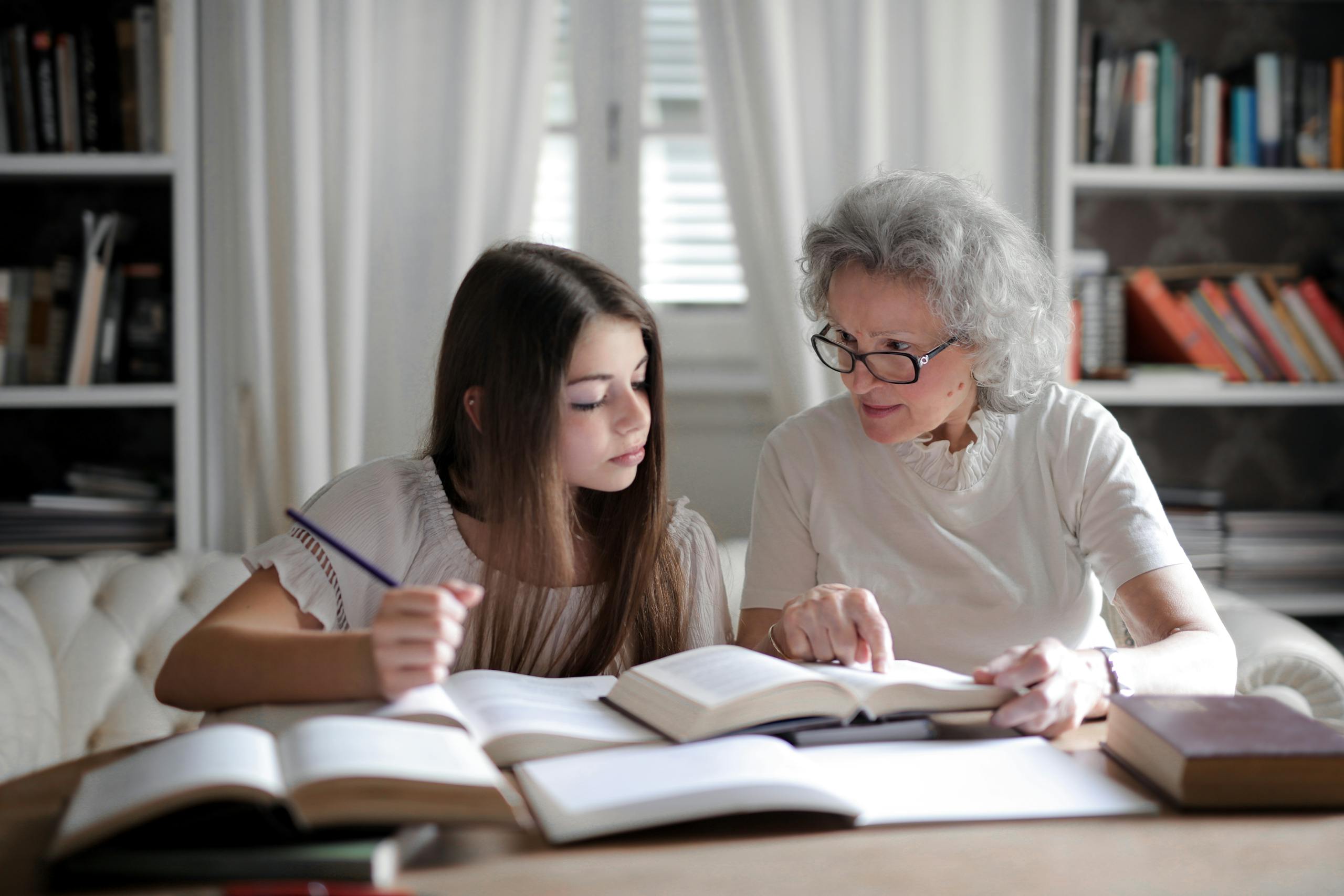
I spent years in agency life learning to perform enthusiasm I didn’t always feel, because the culture demanded visible energy. The people I managed who were wired similarly, quiet, observant, precise, often got overlooked for promotions because their contributions didn’t announce themselves. Their love languages, professionally and personally, were acts of service and quality time, not grand gestures. Once I understood that about myself and about them, I stopped trying to translate their style into something louder and started recognizing its actual value.
That recognition matters enormously in romantic relationships too. The article on how introverts show affection through their love language does an excellent job of articulating the specific ways quiet people express care, and why those expressions deserve to be taken seriously rather than second-guessed.
There’s also a physiological dimension worth acknowledging. Research published in PubMed Central on personality and emotional processing suggests that introverts tend to have higher baseline arousal levels in certain neural pathways, which contributes to both their preference for quieter environments and their capacity for deep emotional engagement. The inner life is rich. The outer expression is simply more selective.
How Do Introverts Actually handle the Early Stages of Dating?
Early dating is genuinely hard for most introverts, and pretending otherwise doesn’t help anyone. The small talk, the performance of spontaneity, the social energy required to make a good impression on someone you barely know, all of it runs counter to how introverts naturally build connection. We need time. We need depth. We need the conversation to move past surface pleasantries into something real.
What introverts often do well in early dating is listen. Not the performative listening where you’re waiting for your turn to speak, but the real kind, where you’re genuinely curious about the other person and tracking what they say carefully. That quality, when a potential partner recognizes it, can be profoundly attractive. Many people have never felt truly heard. An introvert who listens with full attention offers something rare.
Online dating has shifted the landscape in ways that suit some introverts better than others. Truity’s analysis of introverts and online dating points out that the written format of early messaging can actually play to introvert strengths, giving time to think, to compose, to express things with more precision than an in-person first meeting allows. The challenge comes when the digital connection has to translate into physical presence, which requires a different kind of energy entirely.
One thing that helped me when I was dating was giving myself explicit permission to choose environments that suited me. Not every first date needs to be a loud bar. A quieter restaurant, a walk, a museum, these settings allow for actual conversation and don’t require you to perform over background noise. Small choices like that make a significant difference in how naturally you can show up.
Psychology Today’s guide to dating an introvert offers useful perspective for both introverts and their partners, particularly around the importance of not mistaking quietness for disinterest during those early, uncertain weeks.

What Happens When Two Introverts Fall for Each Other?
There’s a particular quality to a relationship between two introverts that’s difficult to describe unless you’ve experienced it. The silences aren’t awkward. The need for solo time isn’t taken personally. The pace of emotional disclosure feels natural rather than forced. At its best, it’s a relationship where both people feel genuinely understood without having to explain themselves constantly.
At its more complicated, it can also mean that neither person is particularly inclined to push through discomfort, initiate difficult conversations, or break the pattern of mutual withdrawal when things get tense. Two introverts can love each other deeply and still drift apart simply because neither one felt equipped to interrupt the quiet with something that needed saying.
The full picture of what these relationships look like, including both their genuine strengths and the specific challenges they face, is worth reading carefully. The piece on what happens when two introverts fall in love addresses this with real honesty, including the communication patterns that can either deepen the connection or quietly undermine it.
16Personalities has written thoughtfully about the hidden dynamics in introvert-introvert relationships, noting that the shared preference for depth and quiet can mask areas where growth and friction are actually needed. Compatibility isn’t the same as ease, and introvert couples sometimes have to work harder to create the productive tension that helps relationships evolve.
As an INTJ, I’ve found that my instinct in any relationship is to analyze the dynamic rather than feel my way through it. That can be useful when something needs to be understood clearly, and it can be a limitation when what’s actually needed is simply presence. Watching two introverted colleagues of mine handle a working partnership taught me a lot about this. They were extraordinarily aligned on values and work style, but they spent two years circling a conflict neither one would name directly. When they finally did, the relationship deepened considerably. The conversation they’d been avoiding was the one that mattered most.
How Does High Sensitivity Shape the Introvert Romantic Experience?
Not all introverts are highly sensitive people, and not all HSPs are introverts, but there’s significant overlap between the two. Many introverts carry a heightened sensitivity to emotional atmosphere, to the subtleties of tone and expression, to the weight of unspoken things. In romantic relationships, that sensitivity is both a gift and a source of genuine difficulty.
The gift is empathy at a granular level. An HSP introvert often knows something is wrong before their partner has articulated it. They pick up on shifts in mood, energy, and attention with a precision that can feel almost uncanny. That capacity for attunement is deeply valuable in a relationship when it’s well-managed.
The difficulty is that the same sensitivity that makes you perceptive also makes you vulnerable to being overwhelmed. Criticism lands harder. Conflict feels more threatening. The emotional aftermath of a difficult conversation can linger for days in ways that a less sensitive partner might not understand or anticipate.
The complete dating guide for HSP relationships covers this terrain in detail, including practical approaches for managing the intensity of emotional experience while still staying open to genuine connection. It’s one of the more useful resources I’ve come across for introverts who recognize themselves in the HSP description.
Conflict, in particular, is an area where HSP introverts often struggle most. The instinct to withdraw, to avoid the confrontation entirely, can protect you from immediate discomfort while creating longer-term damage to the relationship. Finding a way to stay present during disagreement without being overwhelmed by it is one of the more important skills an HSP introvert can develop. The piece on handling conflict peacefully as an HSP offers specific, grounded approaches for doing exactly that.
Research available through PubMed Central on sensory processing sensitivity suggests that HSPs process environmental and social stimuli more deeply than the general population, which has direct implications for how they experience both the rewards and the stresses of intimate relationships. Understanding the physiological basis of that sensitivity can reduce self-judgment and open up more compassionate responses, both toward yourself and toward the people you love.
What Does Long-Term Introvert Love Actually Require?
Long-term love for an introvert is built on a particular kind of reliability. Not the reliability of constant presence or unbroken attention, but the reliability of being known. Of having a partner who understands that you need time alone without interpreting it as rejection. Of being in a relationship where depth is valued over performance.
That foundation requires honest communication about needs, which is often harder for introverts than it sounds. We’re good at internal processing but sometimes less practiced at translating that processing into words that another person can work with. The gap between what we feel and what we say can create real confusion for partners who are trying to understand us.
What I’ve found, both personally and in watching the relationships of people I’ve worked closely with over the years, is that the introverts who sustain meaningful long-term relationships are the ones who’ve learned to speak their internal world out loud. Not constantly, not performatively, but enough. Enough that their partner doesn’t have to guess at what’s happening inside them.
There’s also something important about choosing a partner who genuinely respects your nature rather than tolerating it. Early in relationships, differences in social energy can seem manageable or even charming. Over time, a partner who fundamentally doesn’t understand why you need solitude, or who experiences your quietness as a problem to be fixed, will erode something essential in you. The right partner doesn’t just accept your introversion. They appreciate what it brings to the relationship.
Understanding the emotional patterns that shape introvert love over time is genuinely useful work. The piece on understanding and working through introvert love feelings approaches this from an emotional rather than tactical angle, which I think is exactly the right frame for a topic this personal.
Healthline’s piece on myths about introverts and extroverts is worth reading as a corrective to some of the cultural noise around introvert relationships, particularly the persistent myth that introverts don’t want or need deep connection. What we want is connection on terms that don’t require us to be someone we’re not.

How Can Introverts Build Relationships That Honor Who They Actually Are?
There’s a version of relationship advice that essentially tells introverts to stretch themselves into something more extroverted in order to succeed romantically. Push yourself to go out more. Be more spontaneous. Show more enthusiasm. I spent enough years following that kind of advice in professional contexts to know where it leads: exhaustion, inauthenticity, and a growing sense of disconnect from your own instincts.
The more useful question isn’t how to become more extroverted for love. It’s how to be fully yourself in a way that makes genuine connection possible. That distinction matters enormously.
Being fully yourself means being honest about your needs early, before the relationship has developed expectations you’ll have to undo later. It means choosing contexts for connection that allow you to show up at your best rather than your most depleted. It means recognizing that your capacity for depth, loyalty, attentiveness, and quiet devotion are not consolation prizes compared to extroverted charisma. They are genuinely valuable qualities that the right person will recognize and prize.
It also means doing the internal work to understand your own patterns. Many introverts carry a background assumption that their needs are too much, that asking for solitude or quiet or slower-paced connection is somehow demanding or unfair. That assumption is worth examining directly. Your needs are not excessive. They are simply yours, and a relationship worth having is one where they can be expressed without apology.
Running agencies for two decades, I worked with hundreds of people across the personality spectrum. The ones who built the strongest professional relationships, and often the strongest personal ones too, were the people who knew themselves clearly and communicated that knowledge without defensiveness. They didn’t apologize for how they were wired. They worked with it. That’s the same orientation that serves introverts best in love.
There’s much more to explore across the full range of introvert dating and relationship topics in our Introvert Dating and Attraction hub, where we cover everything from first dates to long-term partnership dynamics.
About the Author
Keith Lacy is an introvert who’s learned to embrace his true self later in life. After 20 years in advertising and marketing leadership, including running agencies and managing Fortune 500 accounts, Keith now channels his experience into helping fellow introverts understand their strengths and build fulfilling careers. As an INTJ, he brings analytical depth and authentic perspective to every article, drawing from both professional expertise and personal growth.
Frequently Asked Questions
Do introverts fall in love less often than extroverts?
Introverts don’t fall in love less often, but they do tend to fall in love differently. The experience of attraction for an introvert is typically rooted in depth of connection rather than initial chemistry or social excitement. Introverts may take longer to recognize or act on romantic feelings, and they may be more selective about who they allow into their emotional world. That selectivity isn’t a limitation. It often means that when an introvert does fall in love, the feeling is grounded in something real and considered rather than reactive.
Why do introverts seem distant in relationships even when they care deeply?
Introverts process emotion internally before expressing it outwardly, which can create a gap between what they feel and what their partner observes. That gap is often misread as emotional distance or disinterest when it’s actually the opposite. An introvert who goes quiet after a meaningful experience is often processing it deeply, not withdrawing from it. Partners who understand this distinction can avoid a significant source of relational misunderstanding. Open conversation about this dynamic early in a relationship makes a considerable difference.
Can an introvert and an extrovert build a successful long-term relationship?
Yes, and many do. The most important factor isn’t whether both partners share the same energy orientation but whether they genuinely respect and accommodate each other’s differences. An extrovert who understands that their introvert partner’s need for solitude is not a rejection of them, and an introvert who understands that their extrovert partner’s need for social engagement is not a criticism of quiet home life, can build something genuinely strong. The challenge is communication. Both partners need to be honest about their needs without framing the other person’s nature as a problem.
What are the biggest challenges in a relationship between two introverts?
Two introverts in a relationship often share deep compatibility in values, pace, and preference for depth over breadth. The challenges tend to emerge around conflict and communication. Both partners may have a strong instinct to withdraw when things get difficult, which can result in issues going unaddressed for too long. There can also be a tendency toward mutual isolation from the social world, which can limit the couple’s exposure to new experiences and perspectives. Awareness of these patterns, and a shared commitment to addressing them directly, makes a significant difference in the long-term health of the relationship.
How should an introvert approach dating when social energy is limited?
The most effective approach is to be intentional rather than prolific. Rather than spreading limited social energy across many casual interactions, introverts tend to do better investing that energy in fewer, more meaningful connections. Choosing dating contexts that suit your personality, quieter settings, activities that allow for real conversation, formats like online messaging that give you time to think, can reduce the energy cost of early dating significantly. Being honest with potential partners about your social rhythms early also prevents misunderstandings and helps both people assess compatibility more accurately.