

Self-improvement gear reviews tend to focus on performance metrics and productivity hacks, but for introverts, the right tools serve a different purpose entirely. The best gear for an introvert’s self-care practice creates conditions for genuine restoration, not just efficiency.
After two decades running advertising agencies, I’ve accumulated a lot of opinions about what actually helps versus what just looks good in a flat lay photo. Some of the most meaningful investments I’ve made weren’t the expensive standing desks or the noise-canceling headphones marketed to open-office survivors. They were quieter, more intentional choices that supported the way my mind actually works.
Our Solitude, Self-Care and Recharging hub covers the full landscape of how introverts restore themselves, and gear is one layer of that picture worth examining closely. Because the right physical tools can either reinforce your recharging habits or quietly undermine them.
What Does “Self-Improvement Gear” Even Mean for an Introvert?
Most gear review sites treat self-improvement as a performance sport. Best productivity apps. Fastest morning routines. Journals with color-coded systems that would give most introverts a headache before breakfast.
My experience runs differently. As an INTJ who spent years in high-stimulation environments, pitching campaigns to Fortune 500 clients and managing creative teams through impossible deadlines, I learned that self-improvement for someone wired like me isn’t about doing more. It’s about creating the conditions where my mind can actually settle and work well.
The gear that supports that kind of restoration tends to be understated. It doesn’t beep or gamify your habits. It removes friction from the practices that actually matter: solitude, reflection, physical movement in quiet settings, and sleep that genuinely restores rather than just pauses the noise.
What I’ve found, both through my own trial and error and through years of watching the introverts on my teams struggle with the same tensions, is that gear choices are deeply personal. A tool that helps one person create a sanctuary can feel like another obligation to someone else. So rather than prescribe a shopping list, I want to walk through categories of gear with honest assessments of what’s worth considering and why.
Why Does the Physical Environment Matter So Much to Introverts?
There’s a reason introverts often have strong opinions about their physical spaces. It’s not aesthetic fussiness. It’s that our nervous systems are genuinely more sensitive to environmental input, and the spaces we occupy either support or drain our capacity for deep thought and emotional recovery.
I noticed this acutely when I was running my second agency. We’d moved into a beautiful open-concept space in a converted warehouse, all exposed brick and communal tables. My extroverted creative director loved it. My introverted strategists, two of the sharpest thinkers I’ve ever worked with, started producing noticeably thinner work. One of them finally told me she couldn’t hear herself think. We carved out a quiet room with a door and a decent chair, and her output shifted within a week.
The physical environment isn’t decoration. It’s infrastructure. And the gear you bring into that environment either builds or erodes the quality of your inner life.
Psychological research has increasingly supported what many introverts have always sensed intuitively: time spent in restorative environments, including well-designed personal spaces, correlates with meaningful improvements in cognitive function and emotional regulation. The research published through PubMed Central on environmental restoration points to how physical context shapes mental recovery in ways that go beyond simple relaxation.
What Gear Actually Supports Solitude and Recharging?
Solitude isn’t just the absence of people. It’s a specific quality of inner quiet that allows genuine reflection and restoration. The gear that supports it tends to fall into a few categories worth thinking through carefully.
Sound Management Tools
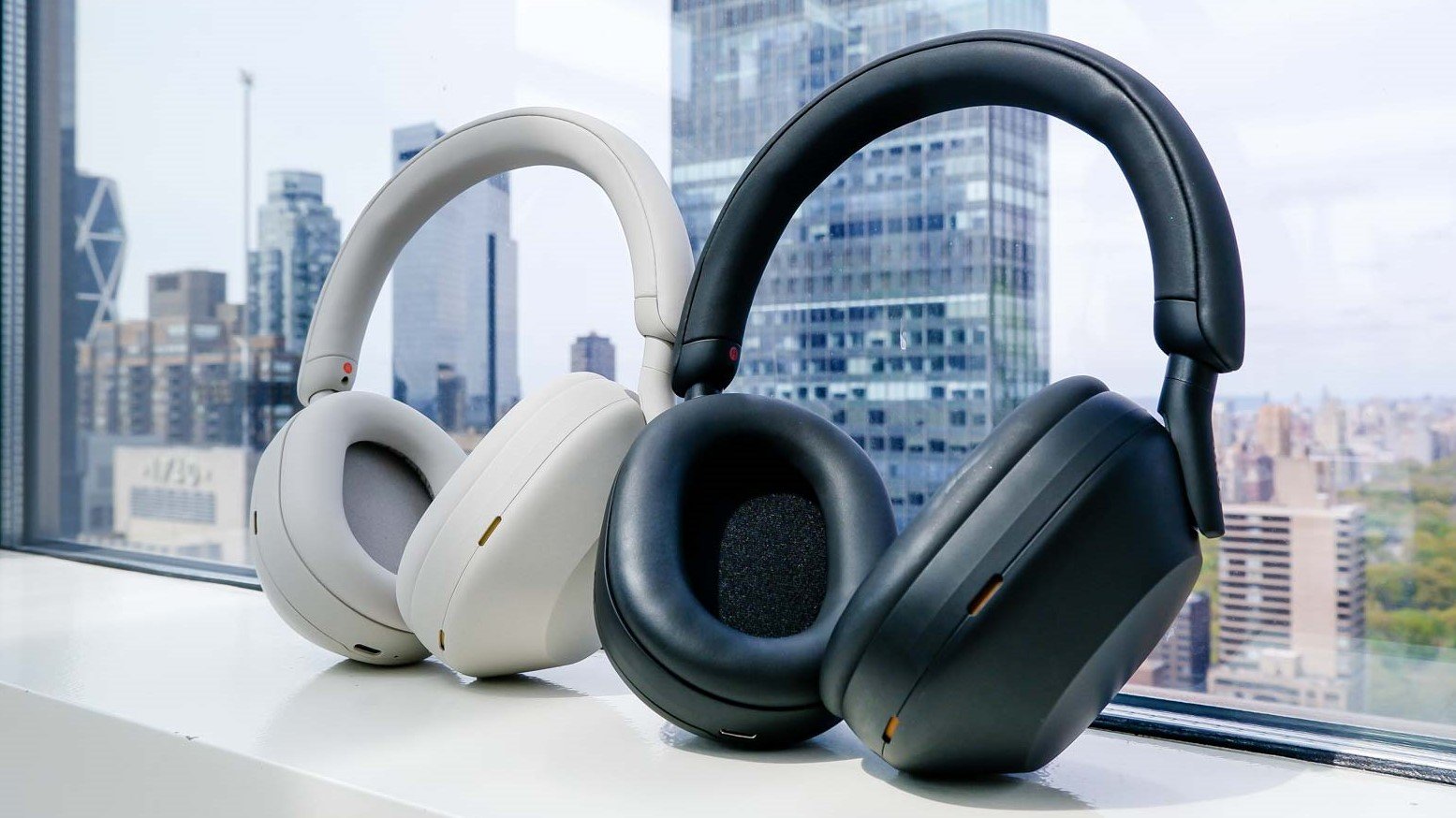
Quality noise-canceling headphones remain one of the highest-return investments for introverts who spend significant time in shared environments. I’ve tried several over the years, and the difference between a mediocre pair and a genuinely good one is substantial. What you’re looking for isn’t just decibel reduction but the quality of the resulting quiet. Some headphones create a pressurized, slightly anxious silence. The better ones produce something closer to acoustic neutrality, a space where your thoughts can actually land.
White noise machines serve a different function. Where headphones isolate you from your environment, a white noise machine transforms the environment itself. I keep one in my home office, and on days when the neighborhood is particularly active, it changes the entire character of my working hours. For highly sensitive introverts who also identify as HSPs, the practices around sound management often overlap with broader sensory care routines. The guidance in HSP self-care: essential daily practices addresses this connection thoughtfully.
Lighting Choices
Overhead fluorescent lighting is, in my experience, one of the most underrated contributors to introvert fatigue in workplace settings. I spent years in agency environments lit like operating rooms, and I genuinely didn’t connect the lighting to my end-of-day exhaustion until I started working from a home office with warm, adjustable light sources.
Warm-spectrum LED bulbs, particularly those with adjustable color temperature, allow you to shift the quality of your environment across the day. Cooler light in the morning supports alertness. Warmer tones in the evening signal to your nervous system that the day is winding down. This matters more than it might sound, especially for introverts whose sleep quality is closely tied to how well they’ve decompressed before bed. The connection between environmental cues and restorative sleep is something the HSP sleep: rest and recovery strategies resource examines in depth.
Analog Writing Tools
I want to spend a moment on something that might seem almost quaint in a gear review: paper and pen. Specifically, a quality journal and a pen that writes smoothly without requiring pressure.
My INTJ tendency is to process everything through analysis, which means my thoughts can loop endlessly without resolution. Writing by hand, in a physical notebook rather than a digital document, introduces a friction that slows my thinking enough for genuine insight to surface. I’ve been keeping a handwritten morning journal for about six years now, and it remains the single most consistent self-improvement practice in my life. Not because of any particular method, but because the physical act of writing creates a different quality of reflection than typing.
The gear here is simple: a notebook with paper thick enough that ink doesn’t bleed through, and a pen with a fine or medium nib that glides rather than scratches. These details matter more than they should, but they do matter. A scratchy pen on thin paper creates just enough physical annoyance to interrupt the flow of thought.
How Does Gear Support Introverted Self-Care Beyond the Home Office?
The conversation around introvert self-care gear often stays indoors, but some of the most restorative experiences available to introverts happen outside. Nature has a particular quality of quiet that indoor spaces can approximate but never fully replicate.
There’s something worth noting from Berkeley’s Greater Good Science Center on solitude and creativity: time spent alone, particularly in natural settings, appears to support the kind of diffuse thinking that generates genuine creative insight. For introverts who rely on deep processing as a core strength, this isn’t a luxury. It’s maintenance.
The gear that supports outdoor solitude is worth considering carefully. A good pair of trail shoes or hiking boots matters enormously if you’re going to spend meaningful time on uneven terrain. I’ve ruined more than a few would-be restorative walks by wearing footwear that started hurting after twenty minutes, which shifts your attention from your inner landscape to your feet.
Beyond footwear, the tools that support outdoor time are mostly about reducing friction: a small daypack that carries what you need without weighing you down, a water bottle that doesn’t leak, and weather-appropriate layers that let you stay out longer without discomfort cutting the experience short. The deeper benefits of nature time for introverts are something our piece on HSP nature connection: the healing power of outdoors explores with real specificity.
What About Digital Tools and Apps for Introvert Self-Improvement?
Digital tools are genuinely useful, and I don’t want to romanticize analog approaches to the point of being impractical. But I’ve noticed that many introverts, myself included, have a complicated relationship with apps that are ostensibly designed to help us.
Meditation apps are the clearest example. The best ones create genuine value by providing structure and guidance for a practice that’s otherwise easy to abandon. The worst ones turn meditation into a gamified achievement system, which is almost the opposite of what meditation is supposed to do. I tried one that sent me a notification every time I missed a day, framed as “encouragement.” It created a low-grade anxiety that persisted well beyond the notification itself.
What I’ve found works better is using digital tools for logistics and analog tools for the actual practice. Use an app to set a timer for your meditation session, then put the phone face-down. Use a digital calendar to protect your alone time as a non-negotiable appointment, then honor it without checking email during that window. The technology serves the practice rather than becoming the practice itself.
The importance of protecting that alone time can’t be overstated. What happens to introverts who consistently fail to get adequate solitude is documented and significant. The article on what happens when introverts don’t get alone time covers the real consequences with honesty. Gear and tools only matter if they’re in service of actually creating and protecting that space.
How Do You Evaluate Whether a Tool Is Actually Helping?
One of the things I’ve learned from years of managing creative teams is that the best tools are the ones people actually use. Not the ones with the most features or the highest ratings, but the ones that fit so naturally into existing habits that they become invisible.
I once watched a talented copywriter on my team spend three weeks customizing a productivity system that was more elaborate than anything I’d ever seen. Color-coded tags, nested folders, automated workflows. She showed it to me with genuine pride. Two months later, she was back to a yellow legal pad and a single pen, and her output had improved significantly. The system had been an impressive structure that required more maintenance than it returned in value.
The evaluation question I’d suggest is simple: does this tool make the practice easier, or does it become a practice in itself? A good journal doesn’t require setup. A good pair of headphones doesn’t need a tutorial. The best self-care gear disappears into the background and lets the actual restoration happen in the foreground.
There’s also a useful concept from Psychology Today’s writing on solitude and health: the quality of solitude matters as much as the quantity. Gear that helps you achieve deeper, more genuine alone time is worth more than gear that simply keeps you physically isolated while your mind stays agitated.

What Role Does Alone Time Quality Play in Self-Improvement?
Alone time is the foundation everything else rests on. Not as a reward for completing your to-do list, but as a non-negotiable input that makes everything else function better.
I spent the first decade of my career treating my introversion as a liability to be managed. I’d schedule back-to-back client meetings, volunteer for the presentations that drained me most, and then wonder why I was making poor decisions by Thursday afternoon. The connection between my energy depletion and my decision quality wasn’t obvious to me at the time, but looking back, it’s unmistakable.
What changed wasn’t a single insight but a gradual accumulation of evidence. I started noticing that my best strategic thinking happened in the hour before the rest of the office arrived, when I had the space to myself. My most creative campaign concepts came from long solo drives, not brainstorming sessions. My clearest client communication happened after I’d had time to think through what I actually wanted to say, not in the moment of the meeting.
Protecting that alone time became a professional strategy, not just a personal preference. The resource on HSP solitude: the essential need for alone time articulates why this matters physiologically and psychologically, beyond the simple preference framing that often gets applied to introverts.
There’s also a social dimension worth acknowledging. Choosing solitude isn’t the same as isolation, and the distinction matters for long-term wellbeing. Harvard Health’s examination of loneliness versus isolation makes this distinction clearly: chosen solitude and forced isolation produce very different outcomes. The gear and practices that support genuine solitude are tools for connection with yourself, not disconnection from the world.
Even the concept of alone time has expanded in interesting ways. The Mac alone time piece on this site explores how technology intersects with solitude in ways that aren’t always straightforward, and it’s worth reading if you spend significant time working or creating on a computer.
What Are the Most Overlooked Self-Improvement Investments for Introverts?
After everything I’ve tried and observed, a few categories consistently get undervalued in conversations about self-improvement gear.
Sleep Environment
Sleep is where introverts process the day’s input, and the quality of that processing depends heavily on the quality of the sleep itself. A blackout curtain is not glamorous gear, but it makes a measurable difference. A weighted blanket, for those who respond well to it, can shift the entire character of a night’s rest. A quality pillow that keeps your neck in alignment isn’t exciting, but chronic neck tension affects everything from mood to cognitive clarity.
These aren’t aspirational purchases. They’re maintenance infrastructure. And the evidence connecting sleep quality to cognitive and emotional function is substantial. The PubMed Central research on sleep and psychological wellbeing points to how foundational this is, particularly for people with sensitive nervous systems.
Movement Tools That Don’t Require Performance
Many introverts I know have a complicated relationship with fitness gear because most of it is marketed toward performance and social comparison. Fastest mile. Most calories burned. Progress photos.
What tends to work better for introverts is gear that supports movement as a contemplative practice rather than a competitive one. A quality yoga mat that provides enough cushioning that you’re not distracted by discomfort. Comfortable walking shoes that make a long solo walk feel easy rather than effortful. Resistance bands for home use that eliminate the social friction of a gym environment.
success doesn’t mean optimize performance. It’s to make movement accessible enough that you actually do it, and enjoyable enough that it contributes to your overall restoration rather than adding another obligation to manage.
Temperature Management
This one sounds almost too practical to mention, but I’ve found that temperature comfort has an outsized effect on my ability to settle into deep work or genuine rest. A good throw blanket for the couch. A small desk fan for summer afternoons. A pair of quality wool socks for the winter months when cold feet create a persistent background irritation.
Physical comfort isn’t a distraction from self-improvement. It’s a prerequisite for the kind of sustained attention that makes self-improvement possible. When your body is comfortable, your mind can actually go somewhere interesting.

How Do You Build a Self-Care Gear Practice That Actually Sticks?
The most common mistake I see in self-improvement conversations is treating gear acquisition as the practice itself. Buy the journal, start the practice. Get the meditation cushion, meditate regularly. But the gear is only as useful as the habit it supports, and habits for introverts tend to form around low friction and genuine reward rather than willpower and accountability systems.
Start with one practice and one tool. Not a system. Not a protocol. One thing. Figure out what genuinely restores you, whether that’s twenty minutes of quiet reading, a solo walk before dinner, or a morning journaling session before the house wakes up. Then find the single piece of gear that removes the most friction from that one practice.
Build from there only after the first practice has become genuinely habitual, meaning you miss it when it’s absent rather than feeling virtuous when you complete it. Virtue is a fragile motivation. Missing something is a much more reliable signal that it’s working.
The research on solo practices and their psychological benefits is worth examining too. Frontiers in Psychology’s work on solitary activities offers useful framing for understanding why certain practices restore introverts in ways that social activities, even enjoyable ones, simply can’t replicate.
There’s also something worth saying about the social pressure that surrounds self-improvement culture. Many of the most popular self-improvement frameworks are designed by and for extroverts, with their emphasis on accountability partners, group challenges, and public goal-setting. These can work for some introverts in some contexts, but they’re not the only path. Quiet, consistent, private practice is a completely legitimate approach to self-improvement, and the gear that supports it deserves the same serious consideration as anything marketed with a louder aesthetic.
If you’re still building out your understanding of what restoration actually looks like for you, the full Solitude, Self-Care and Recharging hub is a good place to spend some time. It covers the territory from multiple angles and helps you identify which practices and tools are most likely to fit your particular wiring.
About the Author
Keith Lacy is an introvert who’s learned to embrace his true self later in life. After 20 years in advertising and marketing leadership, including running agencies and managing Fortune 500 accounts, Keith now channels his experience into helping fellow introverts understand their strengths and build fulfilling careers. As an INTJ, he brings analytical depth and authentic perspective to every article, drawing from both professional expertise and personal growth.
Frequently Asked Questions
What self-improvement gear is most worth investing in as an introvert?
The highest-return investments tend to be tools that support your existing restorative practices rather than creating new obligations. Quality noise-canceling headphones, a comfortable journal and pen, and sleep environment improvements like blackout curtains or a weighted blanket consistently deliver meaningful value for introverts. Start with whatever addresses the biggest friction point in your current self-care routine.
How do I know if a self-care tool is actually working for me?
The clearest signal is whether you miss the practice when it’s absent. If you feel genuinely worse on days you skip your journaling session or your solo walk, the tool supporting that practice is working. If you feel virtuous when you complete it but don’t particularly miss it when you don’t, it may be an obligation rather than a genuine restoration practice.
Are there self-improvement approaches designed specifically for introverts?
Most mainstream self-improvement frameworks are designed with extroverted assumptions, emphasizing accountability partners, group challenges, and public commitment. Introverts often do better with private, consistent practices that build gradually without external pressure. Journaling, solo movement practices, structured alone time, and environment optimization tend to align more naturally with how introverts process and restore.
How does gear support solitude versus just physical isolation?
Good self-care gear creates conditions for genuine inner quiet rather than just physical separation from others. Noise-canceling headphones, warm lighting, and a comfortable physical space help your nervous system settle into a state where real reflection and restoration become possible. Physical isolation without that inner quiet is just being alone with an agitated mind, which doesn’t provide the same benefits as genuine solitude.
Can digital tools genuinely support introvert self-care, or do they create more noise?
Digital tools can be genuinely useful when they handle logistics rather than becoming the practice itself. Using an app to set a meditation timer, then putting the phone away, is a good example of technology in service of the practice. Where digital tools tend to undermine introvert self-care is when they gamify the practice, send disruptive notifications, or require ongoing maintenance that shifts attention from restoration to system management.