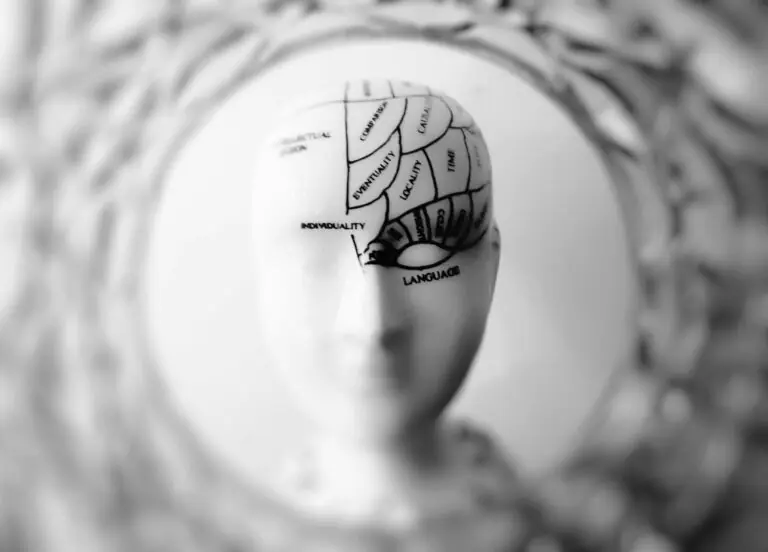

Getting rid of flu brain fog means giving your body and mind what they actually need: rest, hydration, gentle nourishment, and protection from overstimulation while your immune system does its work. There is no shortcut, but there are specific strategies that speed the clearing process significantly. The fog lifts faster when you stop fighting it and start working with your biology instead of against it.
Anyone who processes the world deeply knows that brain fog during illness hits differently. It is not just tiredness. It is the unsettling sensation of reaching for a thought and finding empty space where your mind used to be.

Flu brain fog sits at the intersection of physical illness and mental experience in a way that feels particularly disorienting if you are someone who relies on your mind as your primary tool. I have spent my career in advertising, running agencies, managing complex client relationships, and doing the kind of strategic thinking that requires a clear, focused mind. When flu knocked me flat, it was not just my body that went offline. My whole operating system crashed. And for someone wired the way I am, that crash carries its own emotional weight on top of the physical misery.
If you are a deep thinker, a highly sensitive person, or someone who lives largely in your inner world, flu brain fog can feel like more than a symptom. It can feel like a loss of self. That experience is worth understanding, not just treating.
Mental health during illness connects to broader patterns in how we process stress, sensory input, and emotional experience. Our Introvert Mental Health hub explores many of those patterns in depth, and flu brain fog fits squarely into that conversation because the cognitive and emotional toll of illness lands differently on people who already carry a rich, complex inner life.
What Actually Causes Flu Brain Fog?
Before you can address flu brain fog effectively, it helps to understand what is actually happening in your body and brain. This is not vague “feeling under the weather” territory. There are real physiological mechanisms at work.
When your immune system responds to influenza, it releases proteins called cytokines. These signaling molecules coordinate your body’s defense response, but they also cross into the brain and affect cognitive function directly. Inflammation, which is a central feature of immune activation, does not stay neatly contained to your sinuses or throat. It affects neural tissue too. The result is what researchers sometimes call sickness behavior, a cluster of symptoms including fatigue, cognitive slowing, low mood, and social withdrawal that your brain actually orchestrates as part of the immune response.
According to information from the National Institutes of Health, the inflammatory cascade triggered by viral infections can directly impair neurotransmitter function and slow cognitive processing speed. Your brain is not broken. It is redirecting resources toward survival.
Add dehydration, disrupted sleep, reduced caloric intake, and the physical exhaustion of fever, and you have a perfect storm of cognitive impairment. Every one of those factors compounds the others. Dehydration alone degrades concentration and short-term memory even in healthy people. During flu, when your body is losing fluids through fever sweats and you are too tired to drink enough, the cognitive cost compounds quickly.
For people who are highly sensitive, this matters even more. The same neurological wiring that makes you perceptive and emotionally attuned also makes you more susceptible to the cognitive disruption of systemic inflammation. Sensory overwhelm during illness is real, and if you have ever experienced HSP overwhelm from sensory overload, you already know that your nervous system does not handle input the same way less sensitive people do. Flu amplifies that sensitivity to an almost unbearable degree.

Why Do Deep Thinkers Feel Flu Brain Fog More Acutely?
My team at the agency used to joke that I was the last person who should get sick because I was also the last person who would admit it and stop working. They were right, and not in a flattering way. What I did not understand at the time was that my resistance to slowing down was not just stubbornness. It was partly the disorientation of losing access to the mental clarity I depended on so completely.
People who process deeply, whether introverts, INTJs, or highly sensitive individuals, tend to have a more intimate relationship with their own thinking. We notice when our cognition is off. We notice the lag between intention and execution, the way words feel slightly out of reach, the frustrating inability to hold a complex idea together long enough to examine it. That noticing, which is usually a strength, becomes a source of additional distress during illness.
There is also an anxiety component that many deep thinkers do not immediately recognize. The fog itself can trigger worry about what it means, how long it will last, whether something more serious is happening. If you are already prone to the kind of anxious rumination that HSP anxiety can produce, illness creates a particularly fertile environment for that spiral. Your defenses are down, your coping resources are depleted, and your mind is working with reduced capacity while simultaneously trying to process the distress of feeling diminished.
Recognizing this pattern is not about pathologizing sensitivity. It is about understanding your own experience accurately so you can respond to it wisely rather than fighting it with strategies designed for a different kind of mind.
How Does Rest Actually Clear Flu Brain Fog?
Rest is the most powerful tool you have, and it is also the one most people use incorrectly. Lying in bed watching stimulating content, scrolling through social media, or half-working through emails is not rest. It is low-grade stimulation that prevents the deep neural recovery your brain needs.
Sleep is where the real clearing happens. During sleep, your brain activates its glymphatic system, a waste-clearance mechanism that flushes out metabolic byproducts including inflammatory proteins that accumulate during illness. A study published in PubMed Central found that the glymphatic system is significantly more active during sleep than during waking hours, which means every hour of genuine sleep you get during flu recovery is actively working to clear the cognitive debris causing your fog.
The challenge is that flu itself disrupts sleep quality. Fever, congestion, body aches, and coughing all fragment sleep architecture. Here is what actually helps:
Keep your room cool and dark. Fever already raises your core temperature, so a cooler environment supports better sleep without forcing your body to work harder to thermoregulate. Elevate your head slightly if congestion is an issue. Use white noise or a fan to mask environmental sounds that your sensitized nervous system will otherwise register and respond to. Avoid screens for at least an hour before attempting sleep, because the cognitive activation from screens competes directly with the wind-down your brain needs.
Naps matter too, but keep them under ninety minutes when possible. Longer daytime sleep can fragment your nighttime sleep cycle, which in the end delays recovery. Short, intentional rest periods throughout the day give your brain recovery windows without disrupting the deeper sleep you need at night.
I learned this the hard way during a particularly bad flu season in the middle of a major pitch cycle. I kept my laptop open on the nightstand, convinced I could review decks between naps. My recovery took nearly two weeks instead of the seven to ten days it should have. The cognitive cost of that decision was real and measurable. My thinking did not fully clear until I finally surrendered the laptop to another room entirely.
What Should You Eat and Drink to Speed Recovery?
Hydration is not a suggestion during flu. It is a medical necessity that directly affects brain fog severity. Your brain is roughly seventy-five percent water, and even mild dehydration measurably impairs cognitive function. During flu, you are losing fluids continuously through fever, respiration, and often vomiting or diarrhea. Replacing those fluids is one of the most direct levers you have on brain fog severity.
Water alone is a good start, but electrolyte balance matters too. Sodium, potassium, and magnesium all play roles in neural signaling. Broths, especially bone broth or simple vegetable broth, provide both fluids and electrolytes in an easily digestible form. Coconut water is another option if plain water feels unappealing when you are sick. Avoid sugary sports drinks, which can cause blood sugar spikes and crashes that worsen cognitive instability.
Food choices matter more than most people realize during flu recovery. Your gut and brain communicate constantly through the vagus nerve and the gut-brain axis, and the state of your gut microbiome affects inflammatory signaling throughout your body. Fermented foods like yogurt, kefir, or miso broth support gut health during illness. Easy-to-digest whole foods like bananas, rice, cooked vegetables, and eggs provide nutrients without taxing a digestive system that is already under stress.
Zinc and vitamin C have both been studied in the context of immune function and recovery duration. Rather than megadosing supplements, focus on food sources: citrus, bell peppers, and leafy greens for vitamin C, and pumpkin seeds, legumes, and meat for zinc. Your body absorbs nutrients from food more effectively than from isolated supplements, particularly when your digestive system is compromised.

How Do You Protect Your Sensitive Mind From Overstimulation During Flu?
One of the least discussed aspects of flu recovery for sensitive people is the importance of managing cognitive and sensory load. Your brain is already working at reduced capacity while simultaneously managing an immune response. Every additional demand you place on it, whether through news consumption, complex conversations, bright screens, or emotional processing of other people’s problems, slows your recovery.
This is where the introvert’s natural preference for quiet and solitude becomes a genuine medical advantage. The instinct to withdraw, to close the door, to reduce stimulation, is your nervous system communicating exactly what it needs. Honor that instinct without guilt.
Limit screen time to genuinely low-stimulation content. Familiar, gentle shows you have already seen work better than new content that demands cognitive engagement. Avoid news, social media, and anything that activates strong emotional responses. Your emotional processing capacity is already reduced during illness, and asking your depleted system to handle emotionally complex material creates a cognitive tax you cannot afford right now.
Sound sensitivity increases during flu for many people. If you find that normal household noise feels grating or overwhelming, that is not imaginary. Systemic inflammation can affect sensory processing thresholds. Earplugs, noise-canceling headphones, or simply closing doors and reducing ambient noise are legitimate recovery tools, not indulgences.
Be intentional about social contact too. Even well-meaning check-in calls and texts require cognitive and emotional energy to process and respond to. It is completely reasonable to set an autoresponder, ask a trusted person to field communications for you, or simply let messages accumulate until you have capacity to address them. Your empathic wiring may make you feel obligated to respond to everyone who reaches out with concern, but that obligation is one you can temporarily set aside without consequence to your relationships.
What Role Does Stress Play in Prolonging Brain Fog?
Stress hormones, particularly cortisol, directly impair cognitive function. They also suppress immune activity when elevated chronically, which is the exact opposite of what your body needs during flu recovery. The pressure to get back to work, to meet obligations, to not fall behind, creates a cortisol environment that fights against your recovery at a biological level.
I watched this dynamic play out repeatedly in agency life, not just in myself but in colleagues and staff. The people who recovered fastest from illness were almost never the ones who pushed hardest to stay connected. They were the ones who fully disconnected, rested without guilt, and returned when they were genuinely well. The people who half-worked through illness took longer to recover and often returned to work still cognitively compromised, making errors and decisions they would not have made at full capacity.
Perfectionism makes this worse. The internal pressure to maintain standards, to not let people down, to stay on top of everything, is a particular challenge for people who already carry high expectations of themselves. If you recognize yourself in the patterns described in writing about HSP perfectionism and high standards, flu recovery is a place where those patterns can actively harm you. Giving yourself explicit permission to be unproductive is not weakness. It is strategy.
Gentle movement, when you have the energy for it, can help modulate stress hormones without taxing your immune system. A slow walk around your home or yard, some light stretching, or even just sitting outside in fresh air for a few minutes can shift your nervous system state in ways that support both mood and recovery. Do not confuse this with exercise. Vigorous exercise during active flu illness can prolong recovery and should be avoided entirely until your fever has been gone for at least twenty-four hours.

How Do You Handle the Emotional Weight of Feeling Cognitively Diminished?
There is an emotional experience embedded in flu brain fog that does not get enough attention. For people whose identity is closely tied to their cognitive abilities, whether through professional roles, creative work, or simply the way they understand themselves, temporary cognitive impairment can feel genuinely threatening. It can activate fears about competence, about being seen as unreliable, about what happens to your relationships and your work if you are not performing at your usual level.
Those fears are worth acknowledging rather than suppressing. Suppressing them takes energy you do not have, and they tend to resurface in more disruptive ways when your defenses are down. A brief, honest acknowledgment, even just writing in a journal or saying out loud to yourself that this is temporary and your mind will return, can reduce the anxiety spiral that makes fog feel worse than it is.
Some of what you feel during illness is also the emotional processing that your sensitive system does automatically, even when you are depleted. Illness strips away the usual distractions and coping mechanisms, which sometimes means old emotions surface unexpectedly. Feeling inexplicably sad or irritable during flu is not just the illness. It is also your emotional system operating with fewer filters. That is not a problem to solve. It is just something to notice with some compassion for yourself.
Rejection sensitivity can also flare during illness. When you are vulnerable and depleted, perceived slights or lack of response from people you care about can land harder than they normally would. Understanding the dynamics of HSP rejection sensitivity helps contextualize those reactions so you do not make relationship decisions from a place of illness-amplified emotional pain.
The American Psychological Association’s research on resilience consistently points to self-compassion as a core component of recovery, not just from psychological difficulty but from physical illness too. How you talk to yourself during vulnerability matters. Harsh self-judgment during illness is not motivating. It is depleting. Treating yourself with the same patience you would extend to a friend or colleague who was sick is not soft thinking. It is evidence-based recovery strategy.
When Does Flu Brain Fog Become Something to Take More Seriously?
Most flu brain fog resolves within one to two weeks as your immune response winds down and your body rebuilds. Cognitive function typically returns gradually, with clarity improving in waves rather than all at once. You might feel mentally sharp for a few hours, then foggy again, then clearer the next day. That pattern is normal and reflects the fluctuating nature of immune activity during recovery.
That said, there are situations where persistent cognitive symptoms after flu deserve medical attention. If brain fog continues beyond two to three weeks after other flu symptoms have resolved, if it is accompanied by significant mood changes, if it worsens rather than gradually improves, or if it is severe enough to prevent basic daily functioning, those are signals to speak with a healthcare provider.
Post-viral cognitive symptoms have received significant attention in recent years, and there is growing clinical recognition that some people experience prolonged cognitive effects following viral illness. A paper in PubMed Central examining post-viral syndromes found that neurological and cognitive symptoms can persist in a subset of patients well beyond the acute illness phase. This is not a reason to catastrophize a normal flu recovery, but it is a reason to pay attention to your trajectory and seek support if your recovery does not follow the expected pattern.
Anxiety about health symptoms can also extend and intensify the experience of brain fog. If you find yourself in a cycle of monitoring your cognitive function anxiously and interpreting every moment of mental slowness as evidence of something serious, that anxiety itself is worth addressing. The National Institute of Mental Health’s resources on anxiety offer helpful framing for distinguishing normal health concern from anxiety that requires its own attention.
What Practical Strategies Actually Work Day by Day?
Recovery from flu brain fog is not a single intervention. It is a series of small, consistent choices made across several days. Here is what actually makes a difference in practice.
Start each day with water before anything else. Your brain loses fluid overnight, and rehydrating first thing sets a better cognitive baseline for the day. Keep a large water bottle or pitcher visible and within reach throughout the day. When you are sick, you often forget to drink because thirst signals become less reliable during illness.
Eat something small every few hours even if your appetite is poor. Blood sugar instability worsens cognitive fog significantly. You do not need to eat much, but consistent small amounts of easy-to-digest food maintain the glucose supply your brain depends on. Toast, banana, broth, a few crackers with nut butter, plain rice. Simple, consistent, regular.
Create a low-stimulation environment deliberately. This means dimming lights if brightness feels harsh, reducing ambient noise, keeping your phone in another room during rest periods, and giving yourself explicit permission to not be reachable. For people who carry a sense of obligation to be available, this requires a conscious decision, not just a passive drift toward rest.
Track your energy in simple terms. Not a detailed journal, just a rough sense of whether you feel slightly better, the same, or worse than the previous day. This matters because flu recovery is nonlinear and it is easy to lose perspective when you are in the middle of it. Seeing a general trend toward improvement, even a slow one, provides the cognitive reassurance that helps reduce anxiety about recovery.
Resist the urge to test your cognitive limits too early. The temptation to try reading a complex document, solving a work problem, or having a substantive conversation as soon as you feel slightly better is real, especially for people who associate mental activity with feeling normal. Overextending too early can set you back by triggering a stress response that slows immune resolution. Ease back into cognitive demands gradually over several days rather than returning to full capacity in a single leap.

How Do You Return to Full Cognitive Function After Flu?
The return to mental clarity after flu is gradual, and expecting it to happen overnight is one of the most common mistakes people make. Even after fever breaks and physical symptoms resolve, the neuroinflammatory process that caused brain fog can take additional days to fully wind down. Patience at this stage is not passive. It is an active part of recovery.
Gentle cognitive reengagement works better than abrupt return to full demand. Start with low-stakes reading, light creative work, or simple organizational tasks before returning to complex analysis, high-stakes decisions, or emotionally demanding interactions. Give your brain the equivalent of a warm-up period rather than sprinting from the starting line.
Sleep remains important even after the acute phase passes. Many people cut sleep short as soon as they feel better, eager to reclaim lost time. Prioritizing full sleep cycles for at least a week after flu symptoms resolve supports complete cognitive restoration. The glymphatic clearance that happens during sleep continues to be relevant even as you move from sick to recovering.
Physical activity can resume gradually once fever has been absent for twenty-four hours and energy permits. Gentle walking, light yoga, or easy movement supports circulation and mood without stressing a recovering immune system. As a general principle, if exercise makes you feel worse afterward rather than better, you have done too much too soon.
One thing I noticed after my own worst bouts of flu is that the return of mental clarity often came with a kind of heightened appreciation for ordinary thinking. The ability to hold a complex thought, to follow a logical chain, to read and comprehend without effort, things I took completely for granted, felt briefly remarkable after days of fog. That temporary perspective is worth holding onto. It is a reminder that the cognitive capacity you rely on is something to protect and not to squander on unnecessary stress or poor recovery habits.
If you want to explore more about how your inner life, sensitivity, and emotional experience connect to your overall wellbeing, the Introvert Mental Health hub covers these themes from many angles, from anxiety and overwhelm to emotional depth and resilience.
About the Author
Keith Lacy is an introvert who’s learned to embrace his true self later in life. After 20 years in advertising and marketing leadership, including running agencies and managing Fortune 500 accounts, Keith now channels his experience into helping fellow introverts understand their strengths and build fulfilling careers. As an INTJ, he brings analytical depth and authentic perspective to every article, drawing from both professional expertise and personal growth.
Frequently Asked Questions
How long does flu brain fog typically last?
For most people, flu brain fog begins to lift within five to seven days as the acute immune response winds down, with full cognitive clarity returning within one to two weeks. Recovery is nonlinear, meaning you may feel sharper one day and foggier the next as inflammation gradually resolves. If significant cognitive symptoms persist beyond two to three weeks after other flu symptoms have cleared, consult a healthcare provider.
Does drinking more water actually help with flu brain fog?
Yes, hydration has a direct and measurable impact on cognitive function. Even mild dehydration impairs concentration, memory, and mental processing speed. During flu, your body loses fluids through fever, sweating, and respiratory symptoms, making consistent rehydration one of the most accessible ways to reduce brain fog severity. Water, broths, and electrolyte-containing fluids all contribute to cognitive recovery.
Why does flu brain fog feel worse for sensitive or introverted people?
People who process information deeply tend to have a more acute awareness of their own cognitive state, which means they notice impairment more keenly. Additionally, highly sensitive individuals often have nervous systems that respond more strongly to systemic inflammation, sensory input, and emotional stress during illness. The fog itself can trigger anxiety about what it means, creating a compounding effect that makes the experience feel more intense than it might for someone less attuned to their inner state.
Is it safe to work through flu brain fog if your job requires it?
Working through flu brain fog carries real risks beyond just feeling uncomfortable. Cognitive impairment during illness means reduced accuracy, slower processing, and poorer decision-making. For roles that involve complex analysis, client relationships, or high-stakes decisions, working while cognitively compromised can produce errors that cost more to correct than the time lost to rest would have. Where possible, delegating, postponing non-urgent work, or setting clear boundaries around availability during illness protects both your recovery and your professional output.
What is the difference between flu brain fog and depression during illness?
Flu brain fog and illness-related low mood share some surface similarities, including fatigue, cognitive slowing, and reduced motivation, but they have different causes and trajectories. Brain fog during flu is primarily driven by neuroinflammation and resolves as the immune response winds down. Depression that emerges or intensifies during illness may reflect a separate process worth addressing, particularly if it persists well beyond physical recovery, involves persistent hopelessness, or significantly impairs functioning. If you are uncertain which you are experiencing, speaking with a mental health professional provides useful clarity.