
Sensory overload and overstimulation are often used interchangeably, but they describe meaningfully different experiences. Sensory overload refers to a specific moment when incoming sensory information exceeds what your nervous system can process, often hitting a threshold quickly and intensely. Overstimulation is broader, describing a state of cumulative overwhelm that builds over time as your system absorbs more input than it can comfortably handle. Understanding the difference matters, especially if you’re an introvert or a highly sensitive person trying to make sense of why some environments drain you faster than others.
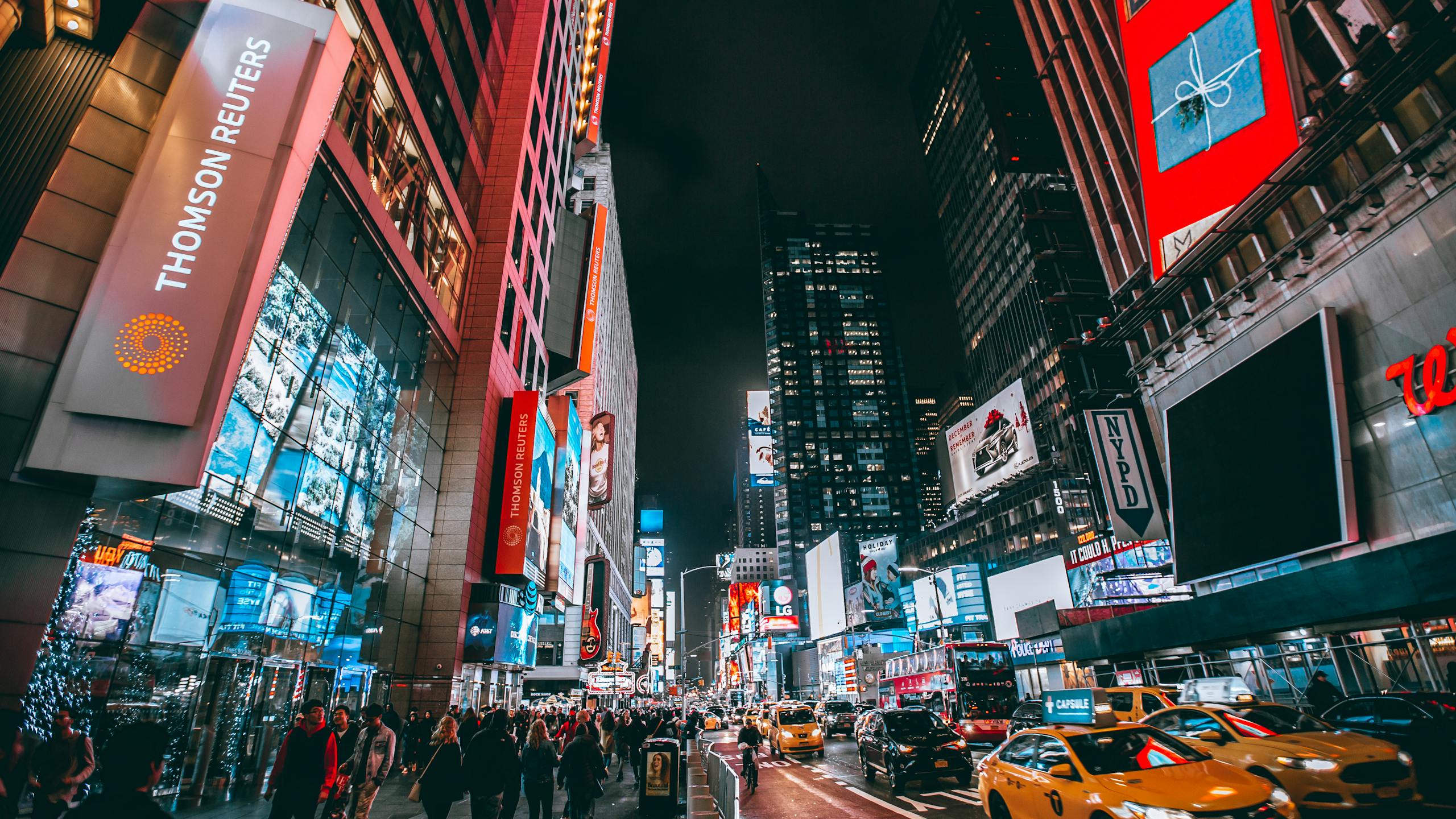
My first real encounter with this distinction came during a pitch presentation I was running for a Fortune 500 retail client. The room was packed, the projector was humming, three different conversations were happening at once, and someone had brought in food that smelled aggressively of garlic. I had prepared thoroughly. I knew my material cold. And yet something in my brain just started shutting down. Not from nerves, but from sheer volume. That wasn’t anxiety. That was overload, and it took me years to name it correctly.
If you’ve ever found yourself in a similar place, our HSP and Highly Sensitive Person hub covers the full landscape of sensory processing sensitivity, from how it shows up in daily life to how it intersects with career choices and personal relationships. This article focuses on one specific piece of that picture: what separates sensory overload from overstimulation, why the distinction matters, and what you can actually do about both.
What Is Sensory Overload, Exactly?
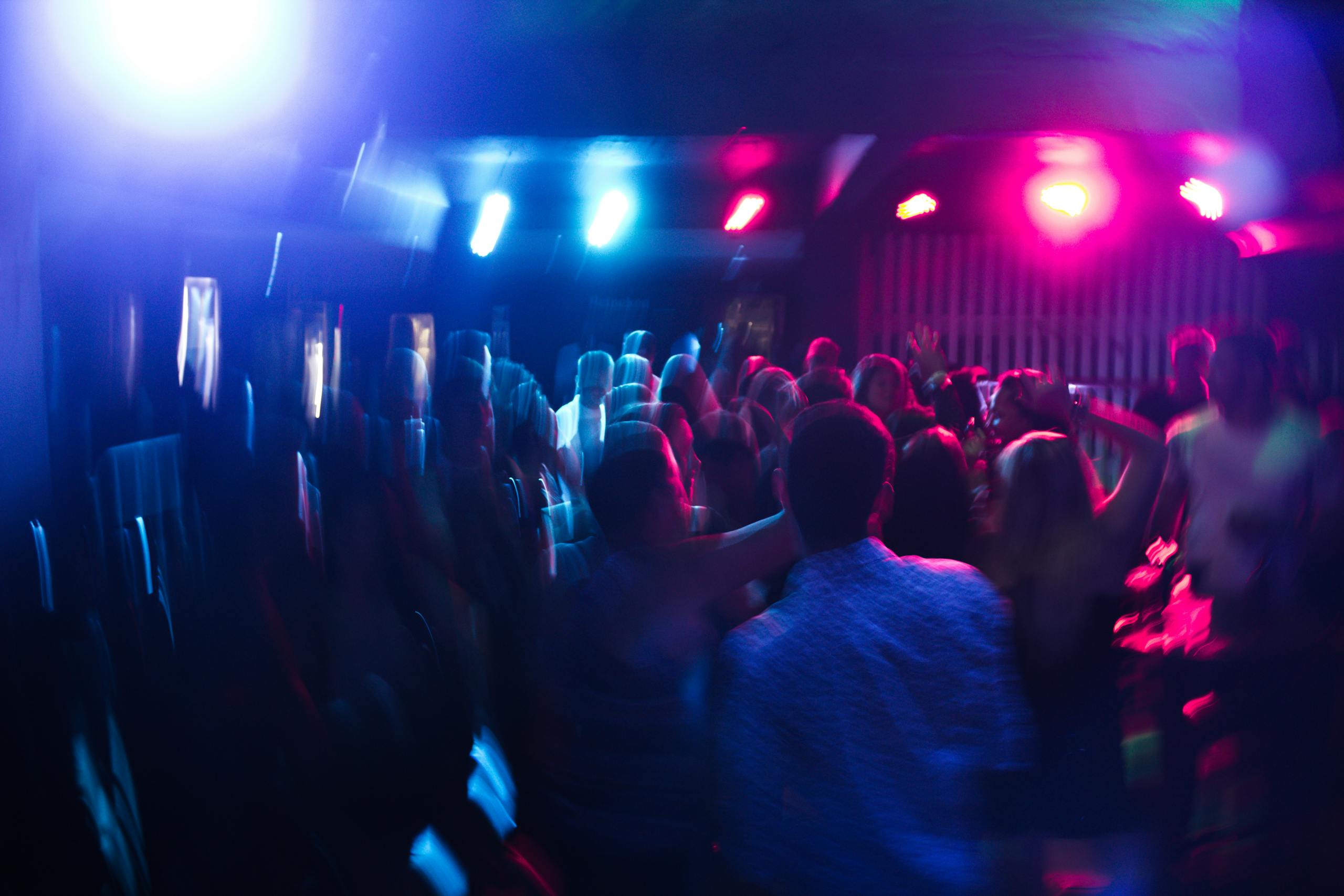
Sensory overload happens when your nervous system receives more simultaneous input than it can process in real time. It’s typically acute. You’re in a loud concert venue, a crowded airport terminal, or a fluorescent-lit office where three people are talking loudly and the HVAC is rattling, and something in your brain hits a wall. The system gets flooded. Your ability to think clearly, respond calmly, or even speak coherently can drop fast.
The CDC’s occupational noise research documents how sustained loud environments affect cognitive function and stress response, and while that work focuses on hearing specifically, the underlying mechanism reflects something broader: the nervous system has limits, and when those limits are exceeded, performance and wellbeing both suffer.
For highly sensitive people, that threshold is lower than average, not because something is broken, but because the nervous system is genuinely processing more. Sensory Processing Sensitivity (SPS), the trait that defines HSPs, involves deeper processing of all stimuli. That’s a neutral characteristic with real advantages in the right context. In a chaotic environment, though, it means you hit overload faster and harder than someone whose nervous system filters more aggressively at the intake stage.
Worth clarifying here: SPS is not the same as Sensory Processing Disorder. SPD is a neurodevelopmental condition with distinct clinical features and different underlying mechanisms. SPS is a temperament trait found in roughly 15 to 20 percent of the population across many species. They can look similar from the outside, but they are different constructs entirely.
What Does Overstimulation Actually Feel Like?
Overstimulation is less about a single moment and more about accumulation. Think of it as a slow fill rather than a sudden flood. You go through a full day of back-to-back meetings, answer forty emails, handle a conflict with a colleague, sit through a noisy lunch, and then someone asks you a simple question at 4 PM and you snap. Not because the question was unreasonable, but because your system had been filling up since 8 AM and that question was the last drop.
Running an advertising agency, I watched this pattern play out constantly, in myself and in the people around me. The creative teams, the account managers, the strategists. Some people could absorb a full day of client chaos and still be sharp at the end of it. Others, often the most perceptive and detail-oriented people on the team, would visibly deteriorate by mid-afternoon. At the time I assumed it was a stamina issue. Now I understand it differently. Those people weren’t weaker. Their nervous systems were doing more work per unit of input.

Physically, overstimulation can feel like a kind of brain fog, a dull pressure behind the eyes, an inability to concentrate, irritability that seems disproportionate to what’s actually happening, or a deep craving for silence and stillness. Emotionally, it often shows up as withdrawal, a need to disappear, a sense that everything is too much even when nothing is technically wrong.
One thing worth noting: overstimulation is not the same as anxiety, though the two can co-occur and sometimes reinforce each other. Anxiety is a clinical condition with its own diagnostic criteria. Overstimulation is a physiological state. An HSP can experience overstimulation without having an anxiety disorder, and treating them as identical can lead to misunderstanding what kind of support actually helps.
How Are Sensory Overload and Overstimulation Different?
The clearest way I’ve found to distinguish them is this: sensory overload is a spike, and overstimulation is a slope.
Sensory overload tends to be triggered by a specific sensory event, a sound, a smell, a visual disruption, a tactile sensation, that exceeds your processing capacity in that moment. It’s often sudden. You can sometimes trace it to a precise cause. And the relief, when you remove yourself from that environment, can come relatively quickly.
Overstimulation builds gradually. It’s the product of sustained exposure to stimulation over hours or days without adequate recovery. You might not be able to point to a single trigger because there wasn’t one. The whole day was the trigger. Or the whole week. Recovery from deep overstimulation takes longer because the nervous system needs genuine rest, not just a brief break.
A paper published in Frontiers in Psychology examining the neuroscience of sensory processing sensitivity found measurable differences in brain activation in HSPs, particularly in regions associated with awareness, empathy, and action planning. That deeper neural engagement is part of what makes HSPs so perceptive and so prone to both overload and overstimulation. The same wiring that picks up on subtleties others miss also picks up on everything else.
One more important distinction: not everyone who experiences sensory overload is an HSP, and not all HSPs experience it the same way. About 30 percent of HSPs are extroverted, which means their social energy patterns are different even while their sensory processing depth remains the same. An extroverted HSP might love being around people but still hit a wall in a loud, chaotic environment because the stimulation level, not the social contact itself, is the issue.
Why Does This Distinction Matter for Highly Sensitive People?
Getting this wrong leads to the wrong solutions. If you think you’re experiencing sensory overload when you’re actually dealing with chronic overstimulation, you might keep trying to manage individual moments without ever addressing the underlying accumulation. You take a five-minute break after a hard meeting and wonder why you still feel wrecked an hour later. Because the problem wasn’t that meeting. It was the twelve hours before it.
Conversely, if you think everything is about overstimulation, you might miss that a specific environmental factor, a particular sound frequency, a type of lighting, a texture, is creating acute overload that could be addressed directly and relatively simply.
I spent a good portion of my agency career trying to push through both without naming either. My coping strategy was essentially to white-knuckle it and then collapse on weekends. That’s not a strategy. That’s a pattern of depletion with brief recovery windows. It worked until it didn’t, and when it stopped working, it stopped hard.
The research on differential susceptibility is worth understanding here. HSPs are more affected by negative environments than non-HSPs, but they also respond more strongly to supportive ones. In the right conditions, people with high sensory processing sensitivity often outperform their less-sensitive peers. The trait itself is not a deficit. What matters enormously is the environment and whether it’s calibrated to support how your nervous system actually works.

What Triggers Sensory Overload Most Commonly?
Sensory overload triggers vary by person, but some patterns show up consistently. Loud or unpredictable noise is one of the most common. Not just volume, but the quality of sound matters too. A steady background hum is different from sudden, sharp, or overlapping sounds. Bright or flickering lights, strong smells, physical crowding, and being touched unexpectedly are also frequent triggers.
In a professional context, open-plan offices are essentially sensory overload machines for many HSPs. Multiple conversations, visual movement in peripheral vision, shared air full of competing smells, and the constant low-grade awareness of other people’s moods and energy. I’ve talked with HSPs who work as software developers who describe their open-plan offices as their single biggest professional challenge, not the work itself but the environment in which they’re expected to do it.
Emotional input can also function as a sensory trigger for highly sensitive people. A tense conversation, a colleague who is visibly upset, or an environment where conflict is unresolved and simmering can register as strongly as physical noise. This is part of what distinguishes HSPs from people who simply prefer quiet: it’s not just about decibels. It’s about the total load of information the nervous system is processing, and emotional information counts.
What Causes Overstimulation to Build Over Time?
Overstimulation accumulates when the demands on your nervous system consistently exceed your recovery. Poor sleep is one of the biggest accelerants. When you’re not sleeping well, your baseline capacity for stimulation drops, and things that would normally be manageable start to feel overwhelming. Harvard Health’s guidance on sleep hygiene speaks to this directly: sleep deprivation affects cognitive processing, emotional regulation, and stress response, all of which are already areas where HSPs need to be intentional.
Social demands without adequate solitude are another major contributor. This is where introversion and high sensitivity can compound each other. An introverted HSP who is also managing a high-contact role, whether as an HSP therapist absorbing clients’ emotional experiences or an HSP teacher managing a classroom of thirty students, is doing double processing work: both the introvert’s energy management and the HSP’s deep sensory processing. Without intentional recovery built into the schedule, overstimulation is almost inevitable.
Lack of control over your environment also contributes significantly. When you can’t predict or modulate what’s coming at you, your nervous system stays in a state of low-grade vigilance, which is exhausting. This is one reason why many HSPs find working from home, or having a private office, so dramatically restorative. It’s not about avoiding work. It’s about having agency over the sensory context in which work happens.
How Can You Manage Sensory Overload in the Moment?
The most effective immediate response to sensory overload is reducing input. That sounds obvious, but in practice it means giving yourself permission to step away, even briefly, even in professional contexts where stepping away feels like weakness. It isn’t. It’s basic nervous system management.
Noise-canceling headphones have been genuinely useful for me in situations where I can’t leave. Even without music, they reduce the ambient load enough to let my brain recalibrate. Dimming screens, closing unnecessary browser tabs, and reducing visual clutter all help. Some people find that a few minutes of slow, deliberate breathing brings the nervous system down enough to re-engage. The mechanism there is physiological: slower breathing activates the parasympathetic nervous system and counteracts the stress response that overload triggers.
Knowing your specific triggers matters too. I know that competing conversations in a room, especially when I’m trying to think through something complex, will push me toward overload faster than almost anything else. Once I named that clearly, I started structuring my work differently: deep thinking work in the morning before the office filled up, collaborative work later in the day when I’d already had time to process.
HSPs who work in fields like data analysis often find this kind of proactive scheduling essential, protecting blocks of focused, low-stimulation time for the cognitive work that requires depth, and being strategic about when to engage with noisier, more collaborative tasks.

How Do You Recover From Deep Overstimulation?
Recovery from sustained overstimulation is slower and requires more than a short break. It requires genuine downtime, the kind where your nervous system isn’t being asked to process much of anything. For many HSPs, this means time alone in a quiet environment, time in nature, or time doing something absorbing but low-demand, like reading, gentle movement, or creative work that doesn’t have stakes attached to it.
Sleep is non-negotiable here. Not just adequate hours but quality sleep, because that’s when the brain consolidates and clears the day’s accumulated processing load. If overstimulation is a recurring pattern, looking at sleep quality is often one of the highest-leverage interventions available.
Social recovery also matters. Being around people who don’t require you to perform, manage, or be “on” is genuinely restorative in a way that solitude sometimes isn’t. I’ve noticed this in myself: after a particularly demanding client week, time alone helped, but what really restored me was an evening with one or two people I trusted completely, where the conversation was easy and nothing was at stake. That’s not the same as being alone, but it’s also not the same as the kind of social engagement that drains you.
A Frontiers in Psychology paper on emotional processing in HSPs points to the importance of positive experience as a genuine counterweight to overstimulation, not just the absence of negative input but the presence of nourishing, low-demand positive engagement. That framing has been useful to me: recovery isn’t just about removing stimulation, it’s about actively introducing the right kind.
Does Being an Introvert Make Sensory Overload Worse?
Introversion and high sensory sensitivity are related but distinct. Introversion describes a preference for environments with less external stimulation and a tendency to restore energy through solitude. High sensitivity describes how deeply your nervous system processes all stimulation, regardless of whether you prefer more or less of it. Many introverts are also HSPs, but the two traits don’t always travel together.
That said, being both introverted and highly sensitive does create a particular kind of cumulative vulnerability to overstimulation. An introverted HSP is managing both the energy drain of social engagement and the processing load of sensory and emotional input simultaneously. The combination means that environments which an extroverted non-HSP might find energizing can be genuinely depleting for someone with both traits.
As an INTJ, I’ve always been comfortable with solitude and genuinely prefer it for focused work. But what I didn’t understand for a long time was that my need for quiet wasn’t just about introversion. It was also about sensory processing. I wasn’t just recharging socially. I was giving my nervous system a chance to clear the backlog. Those are related but different needs, and addressing only one of them left the other unmet.
HSPs who work as writers often find that the relative solitude of their work environment is one of its most valuable features, not because writing itself is easy, but because the sensory context allows their depth of processing to operate without being overwhelmed by competing input.
What Long-Term Strategies Actually Help?
The most durable changes I’ve made have been structural, not just tactical. Tactics help in the moment. Structure changes the baseline.
Structurally, that meant rethinking how I scheduled my days when I was running my agency. I stopped booking back-to-back meetings as a default. I built in transition time, not because I was slow, but because my nervous system needed a few minutes to clear between high-demand interactions. That small change made a measurable difference in how I felt by end of day.
It also meant getting honest about which professional environments were genuinely compatible with how I’m wired. Open-plan offices were never going to work well for me. Loud, high-energy team cultures were never going to be where I did my best thinking. Accepting that wasn’t resignation. It was accuracy. And accuracy allowed me to make choices that actually fit.
For HSPs in structured professional roles, like those working in accounting, the same principle applies: the work itself may suit your temperament well, but the environment in which you do it matters enormously. A quiet office with predictable demands is a very different sensory experience than a high-pressure open-plan floor during tax season, even if the technical work is identical.
Building in genuine recovery, not just rest but the kind of low-stimulation time that allows deep processing to clear, is probably the single most important long-term strategy. Research on emotional regulation in sensitive individuals suggests that the capacity to recover from overstimulation strengthens with consistent practice and supportive conditions. The trait itself doesn’t change, but your ability to work with it does.
One final thing worth saying: understanding the difference between sensory overload and overstimulation isn’t just an intellectual exercise. It changes how you talk about your experience, how you advocate for your needs, and how you design a life that actually works for the nervous system you have. That’s not a small thing. For a lot of HSPs, it’s the difference between spending years wondering what’s wrong with you and finally understanding that nothing is.
There’s much more to explore about the highly sensitive experience, including how it intersects with career choices, relationships, and daily wellbeing. Our complete HSP and Highly Sensitive Person resource hub brings it all together in one place.
About the Author
Keith Lacy is an introvert who’s learned to embrace his true self later in life. After 20 years in advertising and marketing leadership, including running agencies and managing Fortune 500 accounts, Keith now channels his experience into helping fellow introverts understand their strengths and build fulfilling careers. As an INTJ, he brings analytical depth and authentic perspective to every article, drawing from both professional expertise and personal growth.
Frequently Asked Questions
Is sensory overload the same as overstimulation?
No, though the two are related. Sensory overload is an acute response to a specific sensory event that exceeds your nervous system’s processing capacity in that moment. Overstimulation is a cumulative state that builds over time as sustained sensory and emotional demands outpace your ability to recover. Sensory overload is a spike; overstimulation is a slope. Both are common experiences for highly sensitive people, but they call for different responses.
Are highly sensitive people more prone to sensory overload?
Yes. People with Sensory Processing Sensitivity (the trait that defines HSPs) process all stimulation more deeply than average. That deeper processing is a genuine strength in many contexts, but it also means the threshold for overload is lower. HSPs aren’t fragile. Their nervous systems are doing more work per unit of input, which means they reach capacity sooner in high-stimulation environments. In supportive, well-calibrated environments, HSPs often outperform non-HSPs precisely because of this depth of processing.
Can you be an extrovert and still experience sensory overload?
Absolutely. About 30 percent of highly sensitive people are extroverted. Sensory Processing Sensitivity describes how deeply your nervous system processes stimulation, not whether you prefer more or less social contact. An extroverted HSP can love being around people and still experience sensory overload in chaotic, loud, or visually overwhelming environments. The overload isn’t caused by the social contact itself but by the total sensory load of the environment.
How long does it take to recover from sensory overload versus overstimulation?
Recovery from acute sensory overload can happen relatively quickly once you remove yourself from the triggering environment, often within minutes to an hour in a calm, low-stimulation space. Recovery from deep overstimulation takes considerably longer because it reflects a cumulative depletion of your nervous system’s capacity. Depending on how long the overstimulation has been building, full recovery might take a full day, a weekend, or longer. Quality sleep, genuine solitude, and low-demand positive experiences all support recovery from overstimulation.
Is sensory overload a mental health condition?
No. Sensory overload is a physiological response, not a mental health diagnosis. Sensory Processing Sensitivity, the trait associated with HSPs who experience overload more readily, is an innate temperament trait with a neurobiological basis. It is not listed in the DSM and is not a disorder. It is distinct from Sensory Processing Disorder, which is a neurodevelopmental condition with different clinical features. Sensory overload can co-occur with anxiety or other conditions, but the overload itself is not a mental health condition.