
Stonewall Animal Hospital is a full-service veterinary practice, but for many introverts, a place like this becomes something far more meaningful than a medical appointment. It becomes a space where emotional depth, quiet devotion, and the particular way introverts love, both animals and people, comes into sharp focus.
Introverts often form their most honest emotional bonds in quiet, low-pressure environments. The relationship between an introvert and their pet, and the care rituals surrounding that bond, can reveal patterns that show up in romantic relationships too: deep loyalty, attentive observation, and a preference for meaningful connection over surface-level interaction.
If you’ve ever noticed that you feel more yourself around animals than in crowded social settings, you’re not imagining something strange. You’re catching a glimpse of how you’re actually wired to connect.
Much of what I’ve written about introvert relationships lives inside our Introvert Dating and Attraction hub, where we look at the full picture of how introverts form, sustain, and sometimes struggle with romantic bonds. This piece adds a quieter, more personal angle to that conversation.
Why Do Introverts Bond So Deeply With Animals?
I’ve thought about this a lot over the years. Running advertising agencies meant I spent decades in rooms full of people, managing energy I didn’t naturally have, performing enthusiasm I had to consciously generate. At the end of a long client presentation day, I’d come home to my dog and feel something release in my chest. No performance required. No reading the room. Just presence.
Animals don’t require small talk. They don’t penalize you for being quiet. They respond to consistency, calm attention, and genuine care, which happen to be the exact qualities introverts tend to bring to relationships. The bond feels effortless in a way that many social interactions simply don’t.
What I’ve come to understand is that this isn’t avoidance. It’s not that introverts prefer animals because people are too hard. It’s that animals create the conditions under which introverts naturally thrive: low stimulation, genuine attunement, and no pressure to fill silence with noise. Those same conditions, when present in a human relationship, are where introverts do their deepest loving.
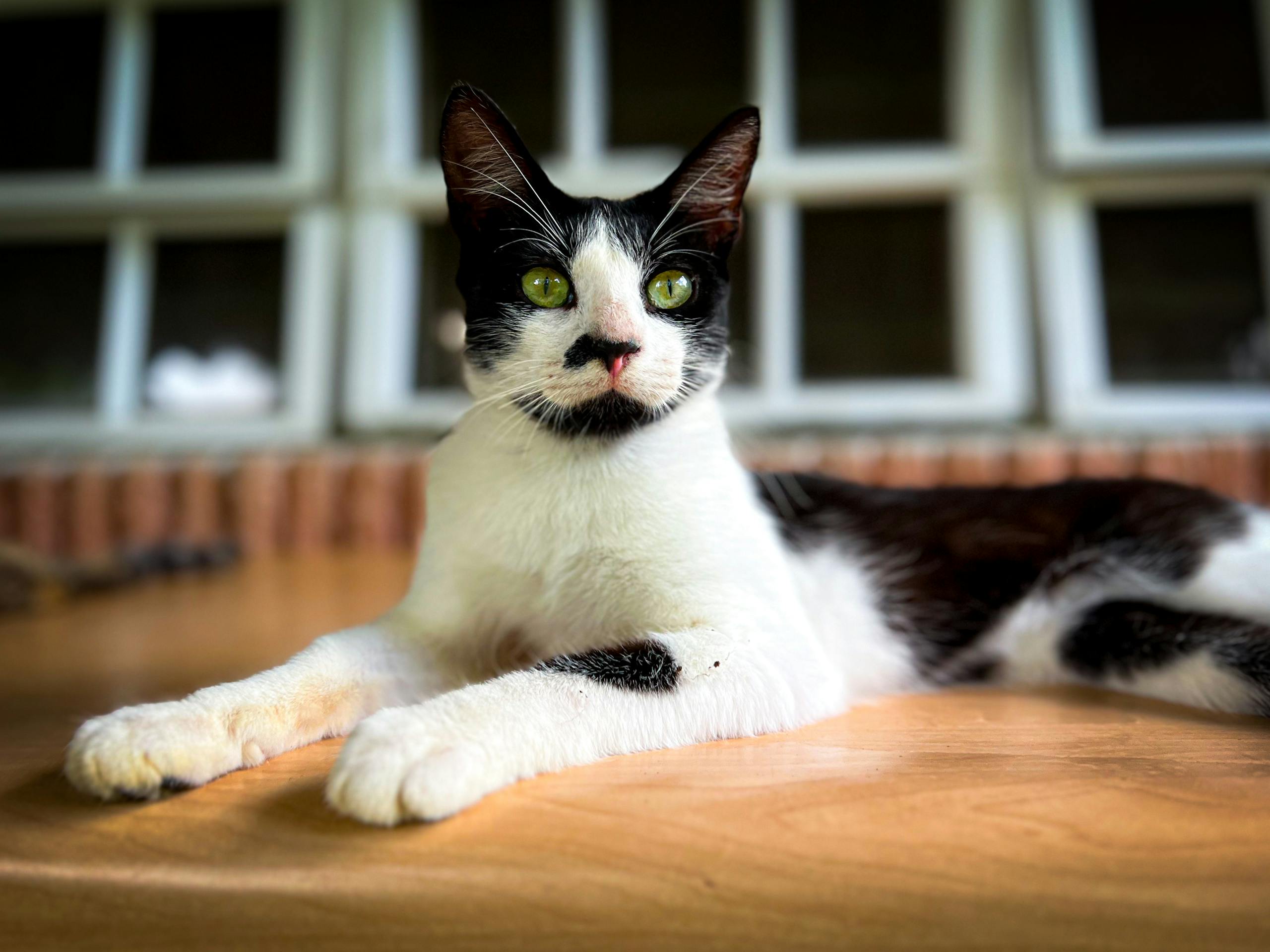
There’s also something worth noting about observation. Introverts tend to be careful watchers. We notice the subtle shift in a dog’s posture, the way a cat communicates discomfort before it becomes obvious. That same attentiveness, when directed at a partner, creates a quality of presence that many people describe as feeling truly seen. It’s one of the most underrated gifts introverts bring to relationships, and it shows up first in how they care for animals.
According to Healthline’s breakdown of introvert myths, introverts are not antisocial. They simply process social connection differently, often preferring fewer, deeper bonds over broad social networks. The animal bond fits this pattern perfectly.
What Does a Vet Visit Actually Reveal About How You Love?
Stick with me here, because this is where it gets interesting.
Watch how someone behaves at an animal hospital. Do they sit quietly with their pet, speaking softly, monitoring every small sign of stress? Do they ask careful, thoughtful questions of the vet rather than rattling off a list of demands? Do they stay attuned to the animal’s emotional state even while managing their own anxiety?
That’s not just good pet ownership. That’s a window into attachment style, emotional intelligence, and the particular way a person expresses care. And for introverts, those behaviors tend to be consistent across contexts. The way an introvert sits with a nervous animal at Stonewall Animal Hospital is often the same way they sit with a partner who’s having a hard day.
I managed a creative director at one of my agencies who was extraordinarily quiet in team meetings but was the most attentive person I’d ever worked with. She noticed when a junior designer was struggling before anyone else did. She’d pull them aside, not with a big motivational speech, but with a quiet observation and a specific offer of help. Her romantic partner once told me, at a company event, that she was the most present person he’d ever been with. That attentiveness wasn’t something she switched on for relationships. It was simply how she moved through the world.
Understanding how introverts fall in love means paying attention to these quieter signals. The patterns explored in When Introverts Fall in Love: Relationship Patterns capture exactly this kind of slow-building, deeply attentive connection that introverts tend to form.
How Does the Introvert’s Emotional Processing Show Up in Pet Care?
One thing I’ve noticed about myself is that I process worry internally before it ever becomes visible. When one of my dogs was sick years ago, I spent three days quietly researching, asking careful questions at the vet, and running through scenarios in my head before I said much to anyone about how worried I was. My wife, who is more extroverted, found this frustrating. She wanted to process out loud together. I needed to sort through my thoughts privately first.
Neither approach is wrong. But the difference matters in relationships, and it matters in how introverts handle emotional stress generally. We tend to internalize first, then share. We tend to research before we react. We tend to stay calm on the surface even when the internal processing is intense.
A good veterinary team, the kind you find at a practice like Stonewall Animal Hospital, actually benefits from this quality in introvert clients. The careful history-taking, the specific observations about changes in behavior, the thoughtful questions rather than emotional outbursts, these make for better medical outcomes. Introverts are often exceptional advocates for their animals precisely because they pay such close attention.
In romantic relationships, that same internal processing can sometimes create distance if a partner doesn’t understand it. Introvert Love Feelings: Understanding and Navigation addresses this directly, offering perspective on why introverts sometimes seem emotionally withdrawn even when they’re deeply invested.
The emotional depth is real. It’s just not always visible in the ways people expect.
Are Introverts More Likely to Be Pet People in Relationships?
Anecdotally, yes. Structurally, it makes sense. Pets provide what introverts value most in connection: presence without performance, loyalty without social obligation, and a relationship built on consistent small acts of care rather than grand gestures.
There’s also a compatibility dimension worth considering. Shared pet ownership can be a meaningful indicator of relational values. How someone treats an animal, whether they’re patient, consistent, attentive to needs, and willing to show up even when it’s inconvenient, reflects how they’re likely to show up in a partnership.
I’ve used this lens informally for years. Early in a new professional relationship, I’d sometimes ask people about their pets. Not as a screening question, but as a window into how they related to dependents, to beings that couldn’t advocate for themselves, to ongoing responsibility. The answers were often revealing.
In dating contexts, introverts often express affection through actions rather than words. Bringing a partner’s pet to a vet appointment. Remembering specific details about the animal’s health history. Showing up quietly and reliably. These are love languages in action. How Introverts Show Affection Through Their Love Language explores this dimension in depth, and the pet care parallel is a natural extension of that conversation.
A Psychology Today piece on romantic introverts notes that introverts tend to be deeply attentive partners who show love through meaningful, consistent actions rather than public displays. That description fits most introvert pet owners I’ve ever known.

What Happens When Two Introverts Share a Pet?
There’s something genuinely lovely about two introverts co-parenting an animal. The quiet coordination, the shared attentiveness, the way they can sit together in a vet waiting room without needing to fill the silence with chatter. It can be one of the most peaceful relationship experiences available.
It can also surface some of the specific challenges that come with two people who both default to internal processing. When the pet is sick and both partners are quietly worrying, neither may initiate the emotional check-in that would actually help. Both may assume the other is fine. Both may be running parallel internal experiences without connecting them.
I’ve seen this dynamic in professional partnerships too. Two INTJ-leaning colleagues of mine once managed a shared account together for about a year. They were extraordinarily effective operationally, but when a major client crisis hit, both went into internal problem-solving mode simultaneously and forgot to actually talk to each other about how they were feeling about the situation. The work was fine. The relationship got strained.
Two introverts in a relationship need intentional structures for emotional sharing, not because they don’t feel deeply, but because neither will naturally push the other to externalize. When Two Introverts Fall in Love: Relationship Patterns covers this dynamic with real nuance, and it’s worth reading if you’re in or considering an introvert-introvert partnership.
The 16Personalities article on introvert-introvert relationships also touches on the hidden friction that can develop when both partners avoid initiating difficult conversations, something worth being aware of before it becomes a pattern.
Can Highly Sensitive Introverts Handle the Emotional Weight of Veterinary Care?
This is a question I take seriously, because the answer isn’t as simple as “yes, of course.”
Highly sensitive people, a trait that overlaps significantly with introversion but isn’t identical to it, often experience the emotional weight of a sick animal with particular intensity. The fluorescent lighting of a veterinary waiting room, the sounds of distressed animals, the anticipatory grief of a difficult diagnosis, these stimuli hit differently when your nervous system processes input at a higher sensitivity level.
I’ve watched this play out in people I’ve managed. One account manager on my team was an extraordinarily empathetic person, clearly highly sensitive, who had to take a day off when her cat was hospitalized. Not because she was fragile, but because she was absorbing the emotional weight of the situation so completely that she couldn’t function at work. What looked like weakness from the outside was actually a system running at full capacity.
Understanding that distinction matters in relationships too. A highly sensitive partner who seems overwhelmed by a pet health crisis isn’t being dramatic. They’re processing at a depth that most people don’t experience. The HSP Relationships: Complete Dating Guide offers a thorough look at what it means to love or be loved by someone with high sensitivity, and the veterinary context is one of many places where that sensitivity shows up unmistakably.
What helps highly sensitive introverts in these situations is the same thing that helps them in relationship conflict: space to process, a partner who doesn’t rush them toward resolution, and an environment with reduced stimulation where possible. A vet practice that communicates clearly and calmly, that doesn’t rush appointments, and that treats pet owners as full participants in the care process makes an enormous difference for sensitive clients.
A piece published by PubMed Central on sensory processing sensitivity provides useful context on how the trait functions neurologically, which can help partners understand why their HSP loved one responds to stress in the way they do.

How Should Introverts Handle Conflict Around Pet Care in Relationships?
Pet care decisions can generate real conflict in relationships. Which vet to use. How aggressively to pursue treatment for a serious diagnosis. When to make the hardest end-of-life decisions. These aren’t small conversations, and they tend to surface deep values, attachment styles, and communication patterns that may have been invisible before.
Introverts tend to approach conflict by withdrawing to think before responding. This is not stonewalling, though it can look like it to a partner who processes externally. The difference is intent and outcome: an introvert who goes quiet to gather their thoughts is preparing to engage more thoughtfully, not shutting down the conversation permanently.
What makes this workable in practice is communication about the process itself. Saying “I need a few hours to think about this before we talk it through” is very different from simply going silent. The first is self-awareness in action. The second leaves a partner in the dark.
Disagreements about a pet’s care, whether to pursue expensive surgery, how to handle a behavioral issue, what the right end-of-life choice looks like, require both partners to stay in the conversation even when it’s uncomfortable. HSP Conflict: handling Disagreements Peacefully offers concrete approaches for sensitive people who want to stay present in difficult conversations without becoming overwhelmed by them.
One thing I learned managing large agency teams is that the quality of a difficult conversation depends almost entirely on whether both people feel safe enough to be honest. Creating that safety, as an introvert, often means being the one to name the discomfort first, even though that goes against our instinct to stay quiet until we’ve worked everything out internally. It’s a skill worth developing, in the boardroom and at home.
What Can Introverts Learn About Themselves From How They Care for Animals?
There’s a kind of self-knowledge available in quiet caregiving that’s harder to access in more performative contexts. When I’m with an animal, I’m not managing impressions. I’m not calculating how I’m coming across. I’m just present, attentive, and responding to what’s actually in front of me.
That quality of presence, when I’ve managed to bring it into my professional and personal relationships, has been the thing people respond to most. Not my strategic thinking. Not my ability to manage complex projects. The presence. The attentiveness. The sense that I’m actually here, not somewhere else in my head.
Animals teach introverts this without any of the social friction that makes human relationships complicated. There’s no subtext with a dog. There’s no need to decode whether the silence is comfortable or awkward. You just show up, pay attention, and respond to what you observe. That’s the introvert’s natural mode, and animals reward it immediately.
Bringing that same quality into romantic relationships requires more intentionality, because human connection involves language, history, and layers of meaning that animal relationships don’t. But the underlying capacity, the ability to be genuinely present with another living being, is the same. Introverts who recognize this in themselves have a real foundation to build on.
Psychology Today’s guide to dating an introvert captures some of this well, noting that introverts bring a quality of focused attention to relationships that many partners find deeply meaningful once they understand it.
There’s also something worth naming about the way introverts handle grief around animal loss. When a pet dies, introverts often process that grief privately and deeply. They may not want to talk about it immediately. They may seem fine on the outside while carrying significant weight internally. A partner who understands this, who offers presence without pressure, who doesn’t rush the process, is offering exactly the kind of support introverts need most. It’s the same support they tend to offer others.
A PubMed Central study on human-animal bond and its psychological dimensions offers some grounding for why the loss of a pet can be so significant, a point that’s worth understanding if you’re in a relationship with someone who processes that grief quietly.

How Does the Stonewall Animal Hospital Experience Connect to Introvert Relationships?
A good animal hospital, the kind that takes time with clients, communicates clearly, and treats the human-animal relationship with respect, is actually modeling something that introverts value in all their relationships. Unhurried attention. Clear communication. Respect for the emotional weight of what’s happening. No performance required.
Stonewall Animal Hospital, like any quality veterinary practice, becomes a space where introverts can show up as their most authentic selves, because the context demands exactly what introverts do naturally: careful observation, quiet attentiveness, and deep care expressed through consistent action.
If you pay attention to how you feel in those moments, you’ll find a blueprint for the kind of relationship environment in which you actually thrive. Low noise. High meaning. Presence over performance. That’s not just what makes a good vet visit. It’s what makes a good relationship.
The full range of how introverts connect, attract, and sustain meaningful partnerships is something we cover extensively at Ordinary Introvert’s Introvert Dating and Attraction hub, and I’d encourage you to spend time there if any of this resonates.
About the Author
Keith Lacy is an introvert who’s learned to embrace his true self later in life. After 20 years in advertising and marketing leadership, including running agencies and managing Fortune 500 accounts, Keith now channels his experience into helping fellow introverts understand their strengths and build fulfilling careers. As an INTJ, he brings analytical depth and authentic perspective to every article, drawing from both professional expertise and personal growth.
Frequently Asked Questions
Why do introverts often feel more comfortable around animals than people?
Animals create low-stimulation, high-presence environments where introverts can connect authentically without social performance. There’s no small talk, no need to manage impressions, and no ambiguity in the communication. Introverts tend to thrive in exactly these conditions, which is why the human-animal bond often feels effortless in a way that many social interactions don’t.
Can the way an introvert cares for their pet reveal something about how they love in relationships?
Yes, and it’s one of the more honest windows available. The attentiveness, patience, and consistent caregiving that introverts bring to animal relationships tend to show up in the same form in romantic partnerships. How someone sits with a nervous animal at a vet appointment, how they advocate for its care, how they handle the emotional weight of a difficult diagnosis, these behaviors reflect deeper relational patterns.
How do highly sensitive introverts handle the stress of a veterinary visit differently?
Highly sensitive people process sensory and emotional input more intensely, so a vet visit involving fluorescent lighting, distressed animals, and medical uncertainty can be genuinely overwhelming. This isn’t weakness. It’s a nervous system running at high capacity. What helps is a calm, clear environment, a partner who offers presence without pressure, and time to process before needing to make decisions.
What should partners understand about how introverts grieve the loss of a pet?
Introverts tend to process grief internally and deeply. They may appear composed on the outside while carrying significant emotional weight. A supportive partner offers presence without rushing the process, checks in gently rather than demanding emotional expression, and understands that quiet grief is still real grief. Pushing an introvert to “talk about it” before they’re ready usually backfires.
How can introverts use their natural strengths when disagreeing with a partner about pet care decisions?
Introverts are naturally thorough researchers and careful thinkers, which makes them well-suited to gathering information before a difficult conversation. The challenge is communicating the need for processing time without going silent in a way that feels like withdrawal. Naming the process, “I need a few hours to think this through before we talk,” keeps the conversation open while honoring the introvert’s need to process internally first.