
The right remote working equipment doesn’t just make your job easier, it makes your entire way of working feel more like yourself. For introverts, a well-designed home office setup can mean the difference between grinding through the day and actually doing your best thinking. When your physical environment supports how your mind naturally operates, everything else tends to follow.
After spending more than two decades running advertising agencies, I’ve worked in every kind of office environment imaginable. Open-plan bullpens, glass-walled conference rooms, and hot-desking arrangements that felt like a daily assault on my ability to concentrate. When remote work became a real option, I realized something I hadn’t fully understood before: the right setup isn’t just about productivity. It’s about finally being able to work in a way that suits how I’m actually wired.
What follows is my honest take on the equipment, tools, and environmental choices that make remote work genuinely sustainable for introverts, not just functional.
If you’re building your professional life around your strengths rather than against them, our Career Skills and Professional Development hub covers the wider landscape of how introverts can thrive at work, from communication strategies to career pivots.

Why Does Equipment Matter So Much More for Introverts?
Most advice about remote working equipment focuses on output: faster processors, better cameras, more reliable internet. That’s fine. But for introverts, the stakes are different. Our energy is finite in a specific way. We recharge through solitude, and we drain when we’re constantly overstimulated, interrupted, or forced into environments that don’t suit deep focus.
What’s your personality type?
Take our free 40-question assessment and get a detailed personality profile with dimension breakdowns, context analysis, and personalised insights.
Discover Your Type8-12 minutes · 40 questions · Free
When I finally left the open-plan agency world and set up a proper home office, the first thing I noticed wasn’t that I was more productive. It was that I was less exhausted. The cognitive load of filtering out noise, managing proximity to colleagues, and bracing for interruptions had been eating up enormous amounts of energy I didn’t even know I was spending.
There’s a real neurological basis for this. Research published in Frontiers in Human Neuroscience has explored how introverts and extroverts process sensory stimulation differently, with introverts tending toward higher baseline arousal. That means the same noisy open-plan office that energizes an extrovert can genuinely deplete an introvert. Your equipment choices directly affect that arousal level.
This isn’t about being fragile or high-maintenance. It’s about understanding your operating conditions. And once you do, you can build a workspace that actually works with your nervous system rather than against it.
What Audio Equipment Should Introverts Prioritize First?
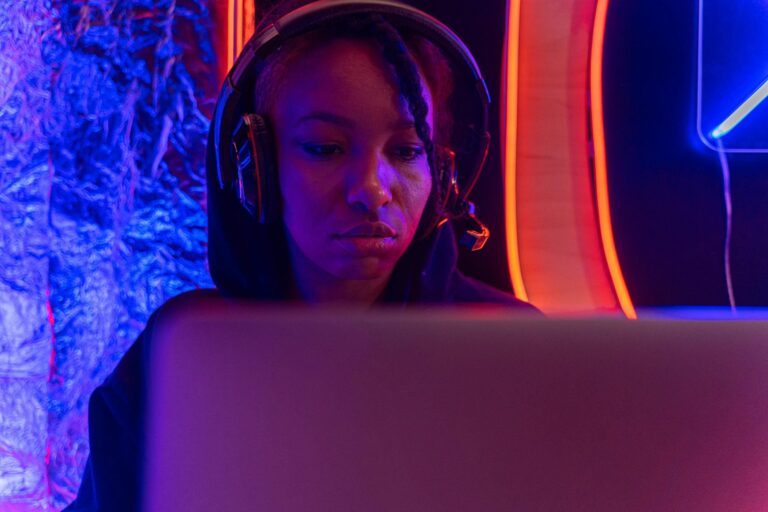
If I had to pick one category of remote working equipment that changed my working life most dramatically, it would be audio. Specifically, a quality pair of noise-cancelling headphones.
I bought my first serious pair of noise-cancelling headphones during a particularly chaotic period running my second agency. We’d moved to a new space, and the building’s HVAC system hummed constantly at a frequency that I found genuinely distracting. I couldn’t explain it to anyone else because they barely noticed it. But for me, it was like trying to think through static. The headphones changed everything.
For remote workers, especially those in shared homes or apartments, noise-cancelling headphones serve a dual purpose. They block ambient sound during focus sessions, and they signal to others that you’re in deep work mode. That second function matters more than people realize. Setting physical boundaries around concentration time is something many introverts struggle to articulate verbally. Good headphones do it without a word.
Beyond headphones, a dedicated microphone makes a significant difference for calls. The built-in microphone on most laptops picks up everything around you, including the sounds you’ve worked hard to eliminate. A quality USB condenser microphone or a directional dynamic mic lets you sound professional without background noise bleeding through. It also reduces the mental effort of speaking on calls, because you’re not unconsciously straining to be heard clearly.
For highly sensitive introverts especially, audio quality on calls affects energy levels in ways that are easy to underestimate. Muffled audio, echoing voices, and dropped words create a kind of listening fatigue that compounds over a full day of meetings. If you identify as an HSP, you might find the guidance on HSP productivity and working with your sensitivity useful alongside these equipment choices, because the two are deeply connected.
How Should You Think About Your Monitor and Visual Setup?
Visual environment is something most remote work guides treat as an afterthought. For introverts who do their best work in a state of focused immersion, it deserves much more attention.
A larger monitor, or a dual monitor setup, reduces the constant switching between windows that fragments attention. When I shifted from laptop-only to a 27-inch external monitor, the difference in my ability to hold a train of thought was immediate. I could have my research, my draft, and my reference material visible simultaneously without toggling. That might sound like a minor convenience, but for someone who thinks in patterns and connections, being able to see multiple threads at once is genuinely valuable.
Monitor placement also matters. Eye-level positioning reduces physical tension, but it also affects how you appear on video calls. A camera at eye level or slightly above creates a more natural, less draining interaction than one angled up from a laptop on a desk. And for introverts who find video calls inherently tiring, anything that reduces the friction of those interactions is worth the investment.
Lighting deserves its own consideration. Harsh overhead lighting or bright windows behind you create visual fatigue and make video calls harder. A simple ring light or a well-positioned desk lamp with a warm bulb can transform both how you feel during the workday and how you come across to colleagues. It’s a small thing with an outsized effect on daily energy.
Blue light filtering software, or a monitor with built-in blue light reduction, is worth considering if you work into the evening. The cumulative effect of screen exposure on sleep quality affects introverts’ ability to recharge overnight, and sleep is the most fundamental energy management tool any introvert has.
What Desk and Chair Setup Actually Supports Deep Focus?
Physical comfort and cognitive performance are more tightly linked than most people acknowledge. When your body is uncomfortable, part of your brain is always managing that discomfort, which means part of your brain is not available for the work you’re actually trying to do.
I learned this the hard way during the early months of the pandemic, when I was working from a dining chair at a table that was the wrong height. By early afternoon every day, I had a tension headache that made deep thinking impossible. Switching to a proper ergonomic chair and a desk at the right height resolved it within a week.
For introverts who tend toward long, uninterrupted work sessions, ergonomics matter more, not less. Extroverts who naturally move around, take breaks, and interact frequently get built-in physical resets throughout the day. Introverts in flow state can easily sit for two or three hours without noticing. A chair that supports that without causing pain is not a luxury, it’s a professional tool.
A standing desk, or a desk converter that lets you alternate between sitting and standing, is worth considering if you have the budget. The ability to shift positions during long thinking sessions helps maintain focus without requiring you to break your concentration by leaving the room. You get the physical reset without the mental interruption.
Desk organization also plays a role. A cluttered desk creates low-level visual noise that introverts with a tendency toward deep processing often find genuinely distracting. A minimal, organized surface, with only what you’re currently using visible, reduces that background cognitive load. It’s not about aesthetics. It’s about mental clarity.

Which Connectivity and Tech Tools Reduce Social Friction?
One of the quieter benefits of remote work for introverts is the ability to manage social interaction on your own terms. The right technology amplifies that advantage considerably.
A reliable, fast internet connection is the foundation. Dropped calls, buffering video, and lagging responses during virtual meetings create exactly the kind of unpredictable, anxiety-inducing situations that drain introverts most. A wired ethernet connection, even if your router is in another room, is significantly more stable than Wi-Fi for video calls. It’s an unglamorous upgrade with a real impact on daily stress levels.
A quality webcam, separate from your laptop’s built-in camera, gives you better image quality and more control over framing and positioning. This matters because how you appear on video calls affects how you’re perceived professionally, and for introverts who may already feel some anxiety around visibility, looking polished and present without technical difficulties removes one layer of unnecessary stress.
Asynchronous communication tools are perhaps the most introvert-friendly technology development of the past decade. Platforms that allow you to respond thoughtfully on your own timeline, rather than in real-time, play directly to introvert strengths. Psychology Today’s exploration of how introverts think describes the characteristic tendency toward internal processing before responding, and async tools honor that tendency rather than penalizing it.
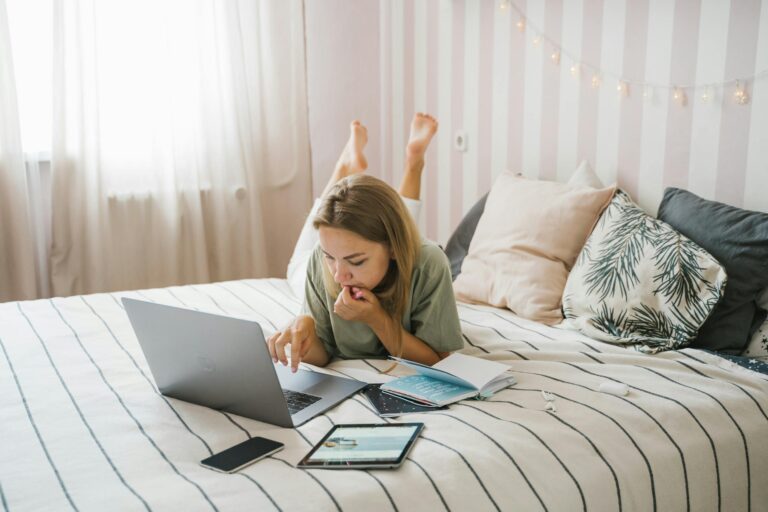
A second device, even a modest tablet, can be useful for separating communication streams. Keeping your primary work on your main computer while monitoring messages and notifications on a separate screen means you can batch-respond to communications without fragmenting your focus on deep work. It’s a simple setup that many introverts find genuinely freeing.
For introverts who’ve taken an employee personality profile test and want to understand how their results translate to practical work preferences, the connectivity choices you make at home often reflect the same patterns your profile reveals. Knowing yourself in that structured way can help you make equipment choices with more intention.
How Do You Build an Environment That Protects Your Energy?
Equipment is only part of the picture. The physical environment surrounding your equipment shapes your energy levels just as much as the tools themselves.
Temperature control matters more than most people admit. Cognitive performance is genuinely affected by physical temperature, and introverts who are already managing sensory input carefully don’t need the added drain of being too hot or too cold. A small space heater or a fan positioned near your desk gives you control over your immediate environment without depending on a building’s central system.
Air quality is similarly underrated. A small air purifier or a few well-chosen plants can make a meaningful difference to how a room feels over an eight-hour workday. It’s not mystical, it’s just that the environment you breathe in affects how alert and clear-headed you feel. For someone doing sustained analytical or creative work, that matters.
Dedicated space is the environmental factor with the greatest impact. Working from the same spot every day, a space associated exclusively with work, trains your brain to shift into focus mode when you sit down there. For introverts who rely on internal cues and mental rituals to enter deep work states, that environmental anchor is genuinely valuable. Even in a small apartment, a corner with a specific chair and a specific lamp can serve this function.
Sound masking deserves mention here too. For those who find complete silence difficult to sustain, a white noise machine or a small speaker playing ambient sound can create a consistent sonic environment that’s easier to maintain focus within than the unpredictable quiet of a home. It’s a different solution than noise-cancelling headphones, and some introverts prefer it for longer work sessions.
Managing the financial side of building a proper home office is worth thinking through carefully. The Consumer Financial Protection Bureau’s guidance on building an emergency fund is a useful starting point if you’re prioritizing your spending, because a solid financial foundation means you can invest in quality equipment over time without financial anxiety undermining the focus you’re trying to protect.
What About Equipment for Managing Meetings and Visibility?
One of the genuine tensions of remote work for introverts is visibility. In a physical office, showing up is a form of presence. Remote work removes that passive visibility, which can be freeing and professionally risky at the same time. The right equipment helps you manage that tension deliberately.
A good camera and microphone, as mentioned earlier, are the foundation of professional presence in virtual meetings. Beyond that, a teleprompter-style notes setup, whether a physical notepad positioned near your camera or a second screen with key points visible, lets you contribute more confidently in meetings without the cognitive load of trying to hold everything in your head simultaneously.
Recording tools are useful for introverts who process information more deeply after the fact. Many video conferencing platforms allow meeting recording with participant consent. Reviewing recordings of important meetings lets you catch details you might have missed in the moment and formulate responses or follow-ups with the depth and precision that introverts naturally bring to considered communication.
I’ve watched introverts on my agency teams struggle in live brainstorming sessions, not because they lacked ideas, but because the format didn’t suit how they generated them. Giving them tools to contribute asynchronously, a shared document, a recorded video message, a well-structured email, consistently produced better output than forcing them into real-time verbal performance. The right tools make that possible.
For introverts who find performance reviews and feedback conversations particularly charged, having a private, well-equipped space for those conversations matters. A door that closes, a reliable connection, and a setup that feels professional rather than improvised all reduce the ambient stress of high-stakes communication. The guidance on handling criticism sensitively is worth reading alongside this, because the physical environment in which you receive feedback affects how you process it.
For introverts preparing for job interviews conducted remotely, the same principles apply. A clean background, good lighting, a quality microphone, and a stable connection shift the focus to what you’re saying rather than the technical context around it. The article on showcasing sensitive strengths in job interviews pairs well with this equipment thinking, especially for HSPs who want their genuine capabilities to come through clearly.
How Do You Budget and Prioritize When You Can’t Buy Everything at Once?
Building an ideal home office setup is a process, not a single purchase. Most people can’t invest in everything simultaneously, and that’s fine. What matters is having a clear sense of what to prioritize.
My suggested order, based on what has the greatest impact on daily energy and performance, starts with audio. Noise-cancelling headphones and a decent microphone give you the most return per dollar for introverts specifically. Then comes seating, because physical comfort underpins everything else. Then display, then lighting, then connectivity, then environmental additions like air quality and sound masking.
That said, every introvert’s situation is different. Someone working from a noisy shared apartment might prioritize sound management above all else. Someone doing video-heavy client work might put camera quality first. The framework is a starting point, not a rigid prescription.
It’s also worth knowing what your employer may cover. Many companies now offer home office stipends or equipment allowances for remote workers. Making a clear, professional case for specific equipment, framed around productivity and professional output rather than personal preference, is a skill worth developing. Harvard’s negotiation resources offer broader frameworks for making workplace asks that can apply to equipment conversations as well as compensation discussions.
Tax deductions for home office equipment are available in many jurisdictions for self-employed workers and some remote employees. Keeping clear records of your equipment purchases and understanding what qualifies is a practical step that many introverts, who often work independently or freelance, overlook.
What Does a Sustainable Remote Setup Actually Feel Like Day to Day?
There’s a difference between a home office that functions and one that genuinely sustains you. The functional version gets the work done. The sustainable version leaves you with energy at the end of the day, the capacity to think clearly by Thursday afternoon, and a sense that your working environment reflects who you actually are.
For me, that shift came gradually. I added the ergonomic chair, then the external monitor, then the noise-cancelling headphones, then the dedicated microphone. Each addition felt like removing a small but persistent friction from my day. Cumulatively, they changed the texture of working from home from something I was managing to something I was genuinely thriving within.
Some introverts I’ve spoken with describe a similar experience of their home office becoming the first work environment where they’ve felt fully themselves. Not performing, not compensating, not managing how they come across. Just working in the way their mind naturally works. That’s a meaningful thing, and the right equipment is part of what makes it possible.
For introverts who struggle with procrastination, particularly the kind that comes from sensory overwhelm or decision fatigue rather than laziness, a well-organized physical setup can reduce the activation energy required to begin work. The exploration of what actually blocks HSP productivity gets into the psychological dimensions of this, and it’s worth reading alongside the practical equipment choices covered here.
Remote work also opens up career paths that might have felt inaccessible in traditional office environments. Introverts who thrive in focused, independent work now have access to roles across industries that once required constant in-person presence. Even fields like medical careers for introverts have expanded their remote and hybrid options in ways that suit introvert working styles.
The broader point is that remote working equipment isn’t separate from career development. It’s part of it. Building an environment that supports your natural strengths is a professional investment with returns that compound over time.
Understanding your own introvert strengths in depth, including how they translate to professional performance, is something we cover across many angles in our Career Skills and Professional Development hub. The equipment you choose is one practical expression of that self-knowledge.

About the Author
Keith Lacy is an introvert who’s learned to embrace his true self later in life. After 20 years in advertising and marketing leadership, including running agencies and managing Fortune 500 accounts, Keith now channels his experience into helping fellow introverts understand their strengths and build fulfilling careers. As an INTJ, he brings analytical depth and authentic perspective to every article, drawing from both professional expertise and personal growth.
Frequently Asked Questions
What is the single most important piece of remote working equipment for introverts?
Noise-cancelling headphones consistently make the biggest difference for introverts working remotely. They reduce sensory overload, signal focus time to others in the home, and create a controlled sonic environment that supports sustained concentration. A quality microphone is a close second, particularly for those with regular video calls.
How does a home office setup affect introvert energy levels specifically?
Introverts tend to be more sensitive to sensory stimulation, meaning environmental factors like noise, lighting, and physical discomfort consume more cognitive energy than many people realize. A well-designed home office removes those low-level drains, leaving more mental capacity for actual work. The result is less exhaustion at the end of the day, not just more productivity during it.
Can remote working equipment help with video call fatigue?
Yes, significantly. A quality webcam at eye level, a dedicated microphone, and good lighting all reduce the effort required to communicate clearly on video calls. When the technical experience is smooth, you can focus on what you’re saying rather than managing the medium. For introverts who find video calls inherently draining, reducing that technical friction matters.
What should introverts prioritize if they have a limited budget for home office equipment?
Start with audio, specifically noise-cancelling headphones and a basic USB microphone. These have the greatest impact on daily energy and professional presence for remote workers. After that, prioritize seating and ergonomics, then lighting. Display upgrades and environmental additions like air purifiers or sound masking can come later as budget allows.
How does a dedicated workspace help introverts work from home more effectively?
A dedicated workspace creates an environmental anchor that helps introverts shift into focus mode more reliably. When a specific physical space is associated exclusively with work, sitting down there becomes a mental cue that reduces the activation energy needed to begin deep work. It also creates a clearer psychological boundary between work time and personal time, which is important for introverts who need genuine downtime to recharge.