
Cannabidiol, commonly known as CBD, has gained serious attention as a potential support tool for social anxiety, and many introverts are quietly curious about whether it might help them feel more at ease in draining social situations. CBD is a non-psychoactive compound derived from the cannabis plant that interacts with the body’s endocannabinoid system, which plays a role in regulating mood, stress response, and emotional processing. While CBD is not a cure for social anxiety disorder, a growing body of clinical observation and early-stage research suggests it may help reduce the physiological intensity of anxious responses in certain social contexts.
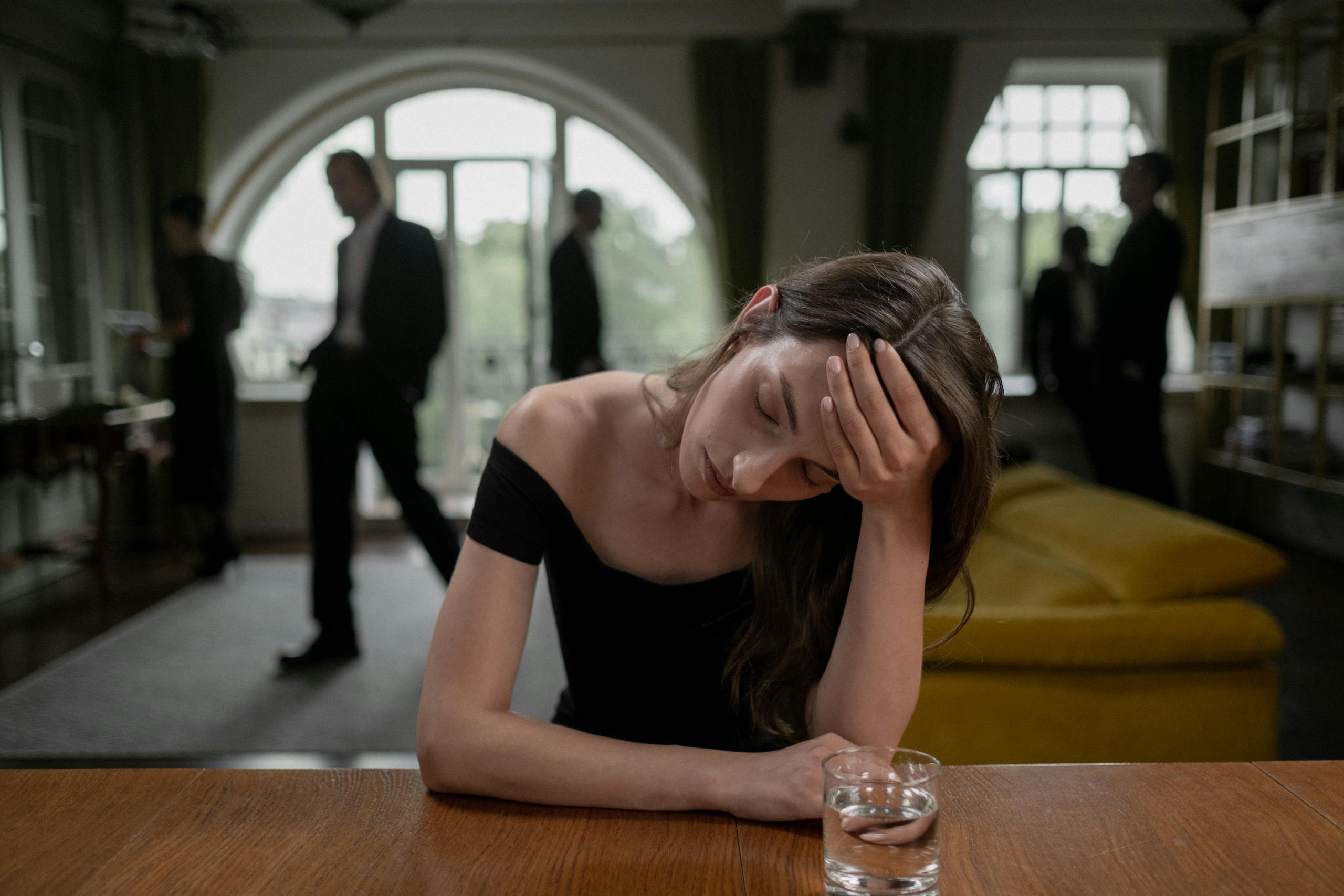
My relationship with social anxiety was never something I talked about openly during my agency years. On the outside, I was the guy running client presentations for Fortune 500 brands, managing rooms full of strong personalities, and somehow keeping everything moving. On the inside, the hours before a high-stakes pitch felt like standing at the edge of something very loud. I wasn’t diagnosably anxious in a clinical sense, but the social weight of those environments was real and cumulative. So when conversations about CBD and anxiety started circulating more seriously, I paid attention, not as someone looking for a shortcut, but as someone genuinely interested in what the science was saying.
Social anxiety sits at an interesting intersection for introverts. Being introverted is a personality orientation, not a disorder. Social anxiety, by contrast, involves a persistent and often disproportionate fear of social situations and the judgment of others. The two can coexist, and they often do, but understanding the difference matters when you’re trying to figure out what kind of support actually fits your experience. The American Psychological Association distinguishes shyness, introversion, and social anxiety as separate constructs, even when they appear together in the same person.
If you’re exploring the broader mental health landscape for introverts, our Introvert Mental Health Hub covers a wide range of topics, from sensory sensitivity to emotional processing, that connect directly to how introverts experience and manage anxiety in their daily lives.
What Does Social Anxiety Actually Feel Like for Introverts?
Before getting into what CBD might or might not do, it’s worth sitting with what social anxiety actually feels like from the inside, especially for someone wired the way many introverts are.
Introverts tend to process information deeply. We notice subtext, read rooms carefully, and often carry a running internal commentary on how interactions are landing. That depth of processing can be genuinely useful in professional settings. During my agency years, I was often the person who caught the subtle shift in a client’s tone before anyone else in the room did. But that same sensitivity means that socially charged environments carry more cognitive and emotional weight. The noise doesn’t just wash over you. It accumulates.
For introverts who also experience social anxiety, that accumulation can tip into something harder to manage. There’s the anticipatory dread before events, the hyperawareness during them, and the exhaustive post-event replay afterward. Psychology Today has written thoughtfully about the overlap between introversion and social anxiety, noting that while introverts may prefer solitude, those with social anxiety actively fear social situations in ways that cause real distress.
Many highly sensitive people sit squarely in this overlap. The kind of HSP overwhelm and sensory overload that comes with busy, loud, or emotionally charged environments can amplify social anxiety symptoms significantly. When your nervous system is already working overtime to process environmental input, the added layer of social evaluation fears can feel genuinely destabilizing.
How Does CBD Interact With Anxiety in the Brain?
CBD’s potential effects on anxiety are tied to how it interacts with the endocannabinoid system and, more specifically, with serotonin receptors in the brain. The compound appears to have an affinity for the 5-HT1A serotonin receptor, which plays a role in mood regulation and stress response. This is the same receptor pathway that many conventional anti-anxiety medications target, though CBD works through a different mechanism and at different magnitudes.
One area of research that has drawn particular interest involves CBD’s effect on the amygdala, the brain region most associated with fear processing. Some early clinical work suggests that CBD may reduce amygdala reactivity to threatening stimuli, which could translate to a quieter physiological response in anxiety-provoking situations. A peer-reviewed analysis published in PubMed Central examined CBD’s anxiolytic properties and found promising but still preliminary evidence for its role in reducing anxiety-related behaviors across multiple models.
It’s important to be honest about what the science does and doesn’t say here. Much of the existing research has been conducted in preclinical settings or in small human trials. The findings are genuinely interesting, but they’re not yet at the level of certainty that would allow anyone to say with confidence that CBD reliably treats social anxiety disorder. What seems more defensible is that CBD may help reduce the acute physiological symptoms of anxiety, things like elevated heart rate, muscle tension, and the physical sense of dread, in some people, under some conditions.
For introverts who don’t necessarily have a clinical anxiety disorder but who experience significant social stress, that more modest effect might still be meaningful. The difference between walking into a crowded networking event feeling like your chest is in a vice versus feeling merely uncomfortable is not trivial.
Is Social Anxiety Different From General Anxiety for Introverts?
Social anxiety disorder is a specific and recognized clinical condition. It’s not just feeling shy or preferring quiet evenings at home. According to the American Psychological Association’s overview of anxiety disorders, social anxiety involves marked fear or anxiety about social situations in which the person may be scrutinized by others, and the fear is out of proportion to the actual threat posed.
For introverts, the distinction matters because the coping strategies and support tools that help with introvert-related social fatigue are not always the same ones that help with clinical social anxiety. Introvert social fatigue is primarily about energy depletion. Social anxiety is about fear and threat perception. CBD, to the extent it has any effect on anxiety, appears to work on the threat-response side of the equation rather than the energy management side.
I’ve talked with introverts over the years, including people on my former agency teams, who struggled to articulate whether what they were feeling was exhaustion or fear. One of my senior account managers, a thoughtful and perceptive woman who I’d describe as a classic INFJ type, would go visibly pale before new business presentations. Watching her, I recognized something I understood from my own experience: the physical symptoms of social anxiety are real and distinct from the ordinary tiredness of too many meetings. She wasn’t just drained. She was genuinely afraid of being evaluated and found wanting.
That fear component connects deeply to something many sensitive introverts carry. The kind of HSP anxiety that comes with deep sensitivity often includes a heightened awareness of potential criticism and a tendency to anticipate negative social outcomes. CBD’s potential to quiet the physiological alarm system might offer some relief in those moments, though it’s not a replacement for understanding the underlying patterns.
What Does the Clinical Evidence Actually Say About CBD and Social Anxiety?
The most frequently cited clinical work in this area involves a study using a simulated public speaking test, a well-validated method for inducing social anxiety in a controlled setting. Participants who received CBD before the task showed measurably reduced anxiety, cognitive impairment, and discomfort compared to those who received a placebo. The effect was notable enough to generate significant interest in the research community, even as scientists cautioned that more large-scale trials were needed.
A further analysis available through PubMed Central explored the neuroimaging evidence around CBD’s effects on anxiety-related brain activity, providing a clearer picture of the mechanisms that might explain observed behavioral changes. What emerges from this body of work is a picture of CBD as a compound that may modulate the brain’s threat-detection circuitry in ways that reduce the intensity of anxious responses, without the sedation or cognitive blunting associated with many pharmaceutical anxiolytics.
That last point matters for introverts specifically. Many of us rely on our cognitive sharpness as a core strength. The ability to process information carefully, notice patterns, and think through problems methodically is central to how we work and how we contribute. A support tool that dulls that edge would be a poor trade for reduced anxiety. CBD’s apparent profile, reducing physiological anxiety without significantly impairing cognition, makes it more interesting to introverts than some alternatives.
That said, individual responses vary considerably. Dosage, product quality, delivery method, and individual biochemistry all affect how CBD behaves in any given person. Anyone considering CBD for anxiety management should consult with a healthcare provider, particularly if they’re taking other medications, since CBD can interact with certain drugs by affecting how the liver processes them.
How Might CBD Fit Into an Introvert’s Anxiety Management Toolkit?
CBD is best understood as one potential component of a broader approach, not a standalone solution. For introverts managing social anxiety, the most effective strategies tend to be layered: understanding your own emotional patterns, building recovery time into your schedule, developing specific skills for high-stakes social situations, and addressing the underlying cognitive patterns that fuel anxious thinking.
Where CBD might fit is in the acute management of physiological anxiety symptoms, particularly before situations that are genuinely unavoidable and genuinely stressful. A major presentation, a networking event that matters professionally, a social obligation that carries real emotional stakes. In those moments, the physical symptoms of anxiety, the racing heart, the tightened throat, the sense of impending catastrophe, can be so consuming that they prevent you from accessing the strengths you actually have.
Introverts who are also highly sensitive people often carry an additional layer of complexity here. The depth of emotional processing that HSPs experience means that social situations don’t just produce anxiety in the moment. They generate waves of feeling that continue long after the event is over. CBD’s potential to reduce the initial intensity of that response might make the subsequent processing less overwhelming, though it doesn’t change the underlying sensitivity.
There’s also a dimension here that doesn’t get discussed enough: the way social anxiety can interact with empathy and the social awareness that many introverts carry as a natural strength. HSP empathy can be a double-edged quality, providing genuine insight into others while also amplifying the weight of social situations. When you’re highly attuned to the emotional states of people around you, social environments carry more information, and more potential for overwhelm, than they do for someone with a less sensitive emotional radar.
What Are the Practical Considerations Before Trying CBD?
Anyone approaching CBD seriously should understand the current regulatory landscape. In the United States, CBD derived from hemp is federally legal under the 2018 Farm Bill, but the FDA has not approved CBD as a dietary supplement or food additive for general anxiety management. The one FDA-approved CBD medication, Epidiolex, is prescribed specifically for certain seizure disorders. This means the CBD products available in wellness stores and online exist in a regulatory gray area with variable quality control.
Product quality is genuinely variable. Third-party lab testing, which reputable CBD companies make available, is the most reliable way to verify that a product contains what it claims to contain and is free of contaminants. The concentration of CBD in products ranges enormously, and the dose that appears in research studies is often higher than what many over-the-counter products deliver.
Delivery method also affects how CBD behaves. Sublingual tinctures, which are held under the tongue before swallowing, tend to produce faster onset and more predictable absorption than edibles, which pass through the digestive system and are subject to more variable metabolism. Capsules offer convenience and consistent dosing but slower onset. Vaping offers rapid onset but introduces respiratory considerations that many people reasonably want to avoid.
Harvard Health has outlined the established treatment landscape for social anxiety disorder, which includes cognitive behavioral therapy as the most evidence-backed psychological intervention, alongside medication options like SSRIs and SNRIs for more severe presentations. CBD does not appear in this established treatment framework, which is worth noting honestly. It may be a useful complementary tool for some people, but it’s not a substitute for evidence-based treatment when social anxiety is causing significant impairment.
For introverts who experience social anxiety alongside other patterns like perfectionism, the calculus gets more complex. The HSP perfectionism trap can drive people toward social anxiety by raising the stakes of every interaction to an unbearable level. No supplement addresses that pattern. Only honest self-examination and, often, skilled therapeutic support can begin to loosen its grip.
What About the Emotional Aftermath of Social Anxiety?
One of the less-discussed dimensions of social anxiety for introverts is what happens after the difficult social situation is over. The event ends, but the internal processing doesn’t. You replay the conversation, catalog your perceived failures, and construct elaborate narratives about what other people must have thought. For many sensitive introverts, this post-event processing can be more exhausting than the event itself.
During my agency years, I’d sometimes spend the drive home from a client dinner mentally auditing every moment of the evening. Did I say something that landed wrong? Did I seem disengaged during the second hour? Was my quietness read as disinterest? That internal audit was relentless, and it consumed energy I needed for the next day. CBD, to the extent it reduces the initial intensity of the anxious response, might indirectly affect this post-event processing by lowering the emotional charge of the original experience. But that’s speculative, and it points back to the need for broader coping strategies.
Rejection sensitivity is a related thread that deserves attention here. Many introverts who experience social anxiety also carry a heightened sensitivity to perceived rejection or criticism. The way HSPs process and heal from rejection is often a long and layered experience, and social anxiety can make the fear of rejection so acute that it shapes behavior in significant ways, leading people to avoid situations where they might be judged, evaluated, or found lacking.
CBD cannot address the psychological roots of rejection sensitivity. What it might do, in some people, is reduce the physiological spike that accompanies the fear of rejection in real time, making it slightly easier to stay present in situations that would otherwise trigger avoidance. That’s a modest but potentially meaningful contribution.
Carl Jung’s work on psychological types, which forms the conceptual foundation of personality frameworks like the MBTI, emphasized that introversion and extraversion are not simply social preferences but fundamental orientations toward the world. Psychology Today’s exploration of Jungian typology illuminates how deeply these orientations shape the way people experience and process their environments, including social ones. Social anxiety in introverts isn’t a character flaw or a failure of willpower. It’s often the intersection of a deeply feeling, deeply processing nervous system with a world that moves faster and louder than feels natural.
Building a Sustainable Approach to Social Anxiety as an Introvert
What I’ve come to believe, after years of managing my own social energy and watching others manage theirs, is that sustainable anxiety management for introverts requires a kind of honest self-knowledge that most of us aren’t taught to develop. We’re taught to push through, to perform extroversion when required, and to treat our need for recovery as a weakness rather than a legitimate biological reality.
CBD might be one small piece of a larger approach. Cognitive behavioral therapy has the strongest evidence base for social anxiety disorder and is worth taking seriously if your anxiety is causing real impairment in your life. Mindfulness practices, particularly those that help you observe anxious thoughts without fusing with them, can build the kind of psychological flexibility that makes social situations more manageable over time. Physical exercise has a well-established effect on anxiety symptoms across multiple mechanisms. And honest, boundaried conversation with people you trust about what you’re experiencing can reduce the isolation that often compounds anxiety.
The DSM-5 diagnostic framework from the American Psychiatric Association provides clinical criteria for social anxiety disorder that are worth understanding if you’re trying to gauge whether what you’re experiencing crosses into clinical territory. Many introverts live with subclinical social anxiety for years without recognizing it as something that has a name and responds to treatment.
What I’d say to any introvert who’s quietly curious about CBD and social anxiety is this: approach it with the same careful, analytical mindset you bring to everything else. Read the actual research, not just the marketing. Talk to a healthcare provider. Be honest with yourself about whether what you’re experiencing is introvert social fatigue, clinical anxiety, or some combination of both. And don’t let the search for a quick solution keep you from addressing the deeper patterns that a supplement can’t touch.
Your sensitivity, your depth of processing, your capacity for careful observation, these are not problems to be medicated away. They are the very qualities that make you effective, perceptive, and genuinely valuable in the right contexts. The goal is to manage the anxiety that gets in the way of expressing those qualities, not to flatten the sensitivity that generates them in the first place.
There’s much more to explore across the full spectrum of introvert mental health. Our Introvert Mental Health Hub brings together articles on anxiety, emotional sensitivity, overwhelm, and the psychological patterns that shape introvert experience, all written from the perspective of someone who’s lived it.
About the Author
Keith Lacy is an introvert who’s learned to embrace his true self later in life. After 20 years in advertising and marketing leadership, including running agencies and managing Fortune 500 accounts, Keith now channels his experience into helping fellow introverts understand their strengths and build fulfilling careers. As an INTJ, he brings analytical depth and authentic perspective to every article, drawing from both professional expertise and personal growth.
Frequently Asked Questions
Can CBD actually reduce social anxiety symptoms?
Early clinical evidence suggests CBD may help reduce the physiological intensity of anxiety responses, including in social situations. Some controlled studies using simulated public speaking have found measurable reductions in anxiety, cognitive impairment, and discomfort among participants who received CBD compared to a placebo. That said, the evidence is still preliminary, and CBD has not been approved as a treatment for social anxiety disorder. Individual responses vary significantly based on dosage, product quality, and personal biochemistry. Anyone considering CBD for anxiety should consult a healthcare provider first.
Is social anxiety the same as introversion?
No. Introversion is a personality orientation characterized by a preference for solitude, deep focus, and internal reflection. Social anxiety is a clinical condition involving persistent, disproportionate fear of social situations and the judgment of others. The two can coexist, and they frequently do, but they are distinct. An introvert may prefer quiet environments without experiencing anxiety about social situations. Someone with social anxiety may fear social interactions regardless of their underlying personality type. Understanding the difference matters because the strategies and support tools that help with each are not always the same.
What form of CBD works best for anxiety?
Sublingual tinctures, held under the tongue before swallowing, tend to offer faster and more predictable absorption than edibles, which are subject to variable digestion. Capsules provide consistent dosing but slower onset. The best form depends on your specific needs, including how quickly you need effects and how convenient each method is for your lifestyle. Product quality matters significantly regardless of form. Look for products with third-party lab testing that verify CBD concentration and confirm the absence of contaminants. Consult a healthcare provider for guidance on appropriate dosing.
Should CBD replace therapy or medication for social anxiety disorder?
No. For social anxiety disorder that causes significant impairment, cognitive behavioral therapy has the strongest evidence base as a psychological intervention. Medications including SSRIs and SNRIs are established treatment options for more severe presentations. CBD has not been evaluated or approved as a treatment for social anxiety disorder and should not replace these evidence-based approaches. It may be a useful complementary tool for some people in managing acute physiological symptoms, but it does not address the underlying cognitive and emotional patterns that drive clinical social anxiety. Always work with a qualified healthcare provider when addressing clinical anxiety.
Are highly sensitive introverts more prone to social anxiety?
Highly sensitive people, who process sensory and emotional information more deeply than average, may be more vulnerable to social anxiety because their nervous systems carry more weight in social environments. The combination of deep emotional processing, heightened empathy, and sensitivity to criticism can create conditions where social situations feel more threatening and more exhausting than they do for less sensitive people. This doesn’t mean all HSPs or introverts have social anxiety, but the overlap is real and worth understanding. Recognizing your own sensitivity as a trait rather than a flaw is often the first step toward managing its more challenging dimensions more effectively.