

Meditating at home is simpler than most people think: find a quiet spot, sit comfortably, close your eyes, and focus on your breath for even five minutes. You don’t need a special cushion, an app subscription, or a dedicated room. What you do need is a small, consistent commitment to showing up for yourself in your own space.
That said, knowing the mechanics and actually building a practice are two different things. Over the years, I’ve found that home meditation works best when it fits the shape of your actual life, not some idealized version of it. And for those of us who process the world internally, home is often where our minds are loudest, which makes learning to sit with that noise both the challenge and the reward.
If you’re looking at the broader picture of how introverts can shape their living spaces to support mental clarity and genuine restoration, our Introvert Home Environment hub covers everything from sensory design to solitude rituals. This article focuses specifically on meditation as a daily practice you can build right where you are.
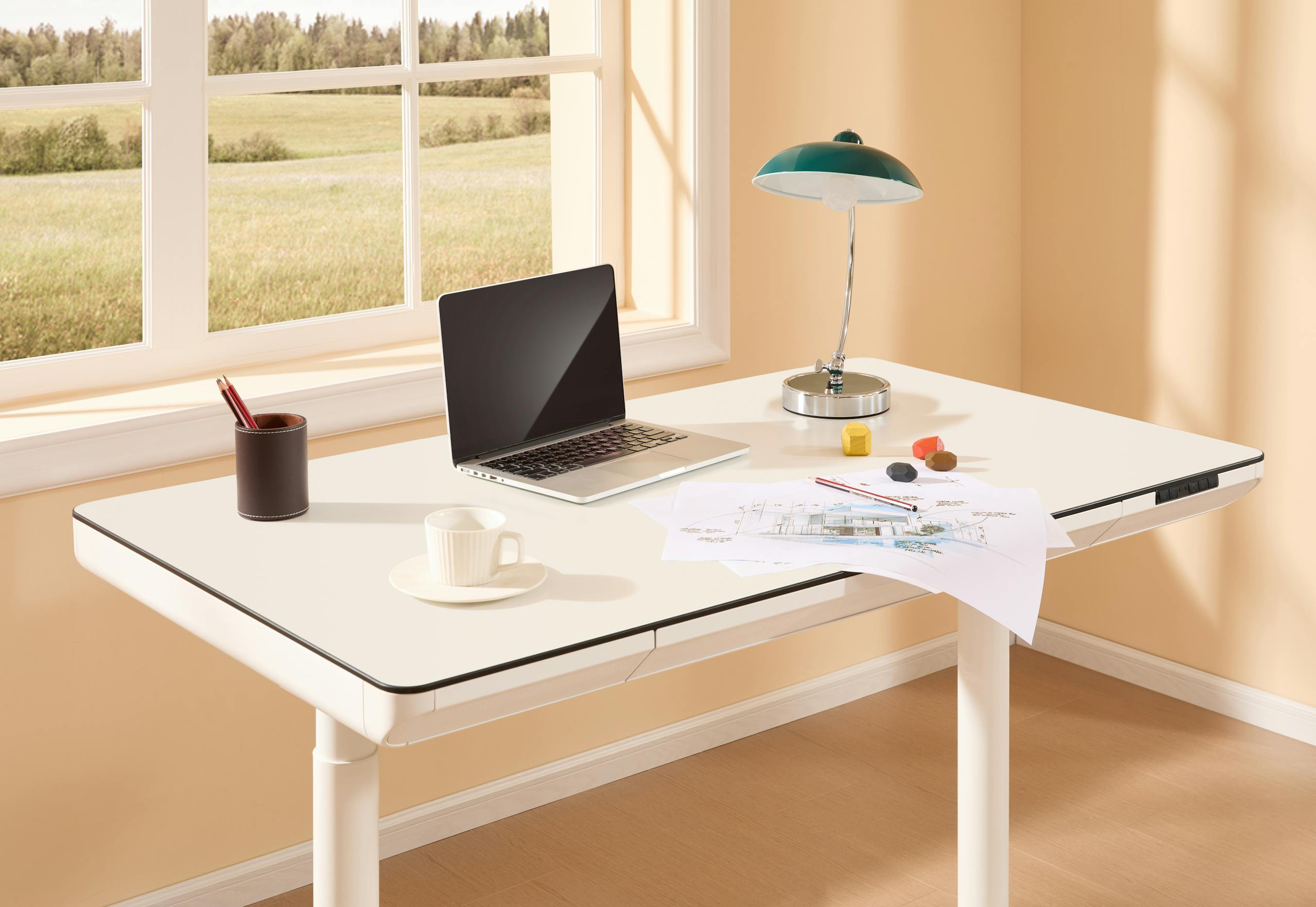
Why Does Home Feel Like the Wrong Place to Meditate?
There’s a strange irony in this. Home is supposed to be our sanctuary, yet the moment we try to sit still and quiet our minds there, it becomes the most distracting place on earth. The laundry pile you’ve been ignoring. The notification sound from your phone. The neighbor’s dog. The mental to-do list that somehow grows louder the moment you stop moving.
I felt this acutely during the years I was running my advertising agency. I’d read about the benefits of meditation, half-convinced myself I’d try it, and then sit down in my home office only to spend fifteen minutes cataloging everything I hadn’t finished. My INTJ brain, wired to analyze and plan, treated silence as an invitation to strategize rather than rest. Home felt like the office without the commute buffer. There was no psychological separation.
What I eventually figured out is that the resistance isn’t a character flaw. It’s a signal that your home hasn’t been set up to support inward stillness. Most of our domestic spaces are optimized for doing, not being. Shifting that, even slightly, changes everything.
For people who are highly sensitive to their environments, this matters even more. The concept explored in HSP minimalism gets at something real: when your surroundings are visually and sensorially cluttered, your nervous system stays in a low-level state of alert. Meditating inside that kind of environment is like trying to nap at a busy intersection. It’s possible, but you’re working against yourself.
What Do You Actually Need to Start Meditating at Home?
Less than you think. The meditation industry has done an impressive job of convincing people they need specific products, apps, and retreats before they can begin. Strip all of that away and the actual requirements are minimal.
A consistent spot matters more than a perfect spot. Somewhere you can sit without being disturbed for the duration of your session. A corner of your bedroom, a chair near a window, even a spot on the bathroom floor if that’s the only quiet room in your house. Consistency trains your brain to associate that location with a shift in mental state. Over time, simply sitting in that spot begins to cue the transition into stillness.
Comfort matters, but not in the way people assume. You don’t need to sit in a lotus position on an expensive meditation cushion. Sitting upright in a regular chair with your feet flat on the floor works perfectly well. The goal is a position you can hold without fidgeting, not a posture that signals spiritual seriousness.
Time is the third element. Five minutes is genuinely enough to start. The idea that meditation only counts if you do it for thirty minutes is one of the main reasons people never begin. A consistent five-minute practice will do more for you than an occasional forty-minute session you dread and postpone.
I spent a long time thinking I needed to carve out significant blocks of time before meditation was worth attempting. That thinking kept me from starting for years. Eventually a colleague at one of the Fortune 500 accounts we managed mentioned she meditated for seven minutes every morning before her first meeting. Seven minutes. It sounded almost embarrassingly short. But she was one of the calmest, most focused people I worked with, and she’d been doing it every single day for three years. That consistency was the thing, not the duration.
Which Type of Meditation Works Best at Home?
There are more meditation styles than most people realize, and the one that works best for you at home will depend on how your mind naturally operates. A few worth knowing:
Breath-Focused Meditation
The most accessible starting point for most people. You simply direct your attention to the physical sensation of breathing. The rise and fall of your chest. The feeling of air moving through your nostrils. When your mind wanders, which it will, you gently return to the breath. That’s the entire practice. The wandering isn’t failure; the returning is the work.
For analytical minds like mine, breath-focused meditation has a useful quality: it gives the brain something concrete to anchor to. You’re not trying to achieve blankness. You’re practicing redirection, which is a skill with obvious applications beyond the meditation cushion.
Body Scan Meditation
This involves slowly moving your attention through different parts of your body, from your feet upward, noticing physical sensations without trying to change them. It’s particularly effective for people who carry tension without realizing it, which describes a significant portion of introverts who spend the day absorbing and processing social environments.
A body scan is also excellent for evenings. After a demanding day of client presentations or back-to-back meetings, I found that spending ten minutes doing a body scan before bed helped me actually arrive home mentally, not just physically. My mind would still be running scenarios from the day, and the scan gave it somewhere specific to go instead.
Open Awareness Meditation
Rather than focusing on a single object like the breath, open awareness involves sitting with a wide, receptive attention. You notice sounds, sensations, and thoughts as they arise, without grabbing onto any of them. Think of it as watching clouds pass rather than trying to hold or push any particular cloud away.
This style tends to appeal to people who find narrow-focus practices frustrating. If the instruction to “just focus on your breath” makes you feel like you’re constantly failing, open awareness might suit you better. It’s less about controlling attention and more about expanding it.
Guided Meditation
For people who find unstructured silence overwhelming at first, a guided meditation, whether through an app, a recording, or a podcast, provides a voice to follow. The external structure reduces the cognitive load of “doing it right.” Many people use guided meditation as an entry point and gradually transition to unguided practice as they build familiarity with the states involved.
One honest caveat: guided meditation apps can become a crutch if you never practice without them. The goal is to develop an internal capacity for stillness, not a dependency on a particular voice or program. Use guidance as scaffolding, not as the building itself.
How Do You Set Up a Space That Actually Supports Meditation?
You don’t need to dedicate an entire room. What you’re creating is a sensory cue, a small cluster of environmental signals that tell your nervous system it’s time to shift gears.
Start by reducing visual noise in whatever corner you choose. A clear surface, minimal objects in your sightline, and soft or natural light all help. Harsh overhead lighting activates alertness. Warm, diffused light does the opposite. Even a single lamp with a lower-wattage bulb can change the quality of a space.
Sound is often the harder variable to control at home. If you live with others or in a noisy neighborhood, consider a white noise machine or a simple fan. Some people find that soft ambient sound, rain recordings, or low instrumental music helps mask intrusive noises without becoming a distraction itself. Others prefer earplugs or noise-canceling headphones, especially during guided sessions.
Temperature matters more than most meditation guides acknowledge. A slightly cool room tends to support alertness without discomfort. If you’re too warm, you’ll drift toward sleep. Too cold, and physical discomfort competes with mental focus. Somewhere in the middle, with a light blanket nearby if needed, works well.
Some people find that a few meaningful objects help signal the shift into practice. A candle, a small plant, a stone from somewhere significant. These aren’t spiritual requirements; they’re environmental anchors. Over time, seeing those objects cues your mind to expect stillness. It’s the same principle behind why certain playlists put you in a specific mood, your brain learns associations and starts responding to the cue before the full experience begins.
For those who love creating intentional home spaces, a well-chosen homebody gift guide can surface items you might not have considered, things like weighted lap pads, specific candle scents, or quality headphones that genuinely improve the experience of being home. None of it is required, but the right objects can make your meditation corner feel like a destination rather than a chore.
What Happens in Your Brain When You Meditate Regularly?
Without overstating the science, there’s meaningful published work on what consistent meditation does to the brain over time. A study published in PubMed Central found that mindfulness meditation is associated with changes in the brain regions involved in attention regulation and emotional processing. A separate review also available through PubMed Central examined how meditation practices affect stress response and self-regulatory capacity.
What this means in practical terms: regular meditation tends to reduce reactivity. You don’t stop having reactions to things, you develop a slightly longer pause between stimulus and response. For introverts who already tend toward deep processing, that pause becomes a valuable tool rather than a liability.
I noticed this shift most clearly in client presentations. Before I built any kind of meditation practice, a challenging question from a client would send my mind spinning through every possible implication before I’d even finished formulating a response. After a few months of consistent morning sessions, even short ones, I found I could hear a difficult question, pause, and actually think before speaking. That sounds simple. In a room full of senior executives at a Fortune 500 company, it was the difference between reactive and considered.
There’s also the cumulative effect on baseline anxiety. Many introverts carry a low-level hum of overstimulation that they’ve normalized over years. Regular meditation doesn’t eliminate it, but it creates contrast. You start to notice what genuine calm feels like, which makes it easier to recognize when you’re drifting away from it and course-correct before you’re fully depleted.
How Do You Build a Habit That Actually Sticks?
Habit formation around meditation follows the same principles as any behavioral change, with one important caveat: meditation is unusual in that the benefits are often subtle and delayed, especially at first. You’re not going to finish your first five-minute session and feel dramatically different. This makes the early weeks the hardest, because you’re sustaining a practice on faith before the evidence arrives.
Attaching your meditation to an existing anchor helps enormously. Rather than scheduling it as a standalone event, pair it with something you already do without thinking. Right after your morning coffee. Immediately before your shower. The two minutes after you sit down at your desk but before you open your email. The anchor behavior carries the new habit forward until the new behavior develops its own momentum.
Start smaller than you think is meaningful. Two minutes is not too short. One minute is not too short. The goal in the first two weeks isn’t depth; it’s consistency. A two-minute session every day for fourteen days builds more neural foundation than a forty-minute session once a week. Consistency is the mechanism. Duration is secondary.
Track it simply. Not with a complex app, just a small mark on a calendar or a note in your phone. Seeing a streak of consecutive days creates a mild psychological incentive to maintain it. And when you break the streak, which will happen, the instruction is to return the next day without self-judgment. One missed day doesn’t erase a practice; abandoning it after one missed day does.
I’ve noticed that the introverts I know who maintain long-term meditation practices share one quality: they’ve stopped treating it as self-improvement and started treating it as maintenance. Like brushing your teeth. You don’t skip it because you’re busy; you do it because skipping it has a cost you’d rather not pay. That reframe, from optional enhancement to necessary upkeep, is what separates the people who meditate for three months and the people who meditate for years.
What About Meditating When Your Home Isn’t Quiet?
This is the real-world problem that most meditation guides gloss over. Not everyone lives alone. Not everyone has a quiet house. Children, partners, roommates, neighbors, street noise, and thin walls are real variables that don’t disappear because you’ve decided to start a meditation practice.
A few honest approaches:
Early morning, before anyone else is awake, is the most reliable quiet window in most households. It requires going to bed earlier or setting an alarm, both of which feel like costs until the habit is established and the morning session becomes something you look forward to rather than dread.
Communicating your practice to the people you live with matters. Not as a formal announcement, but as a simple, matter-of-fact statement: “I’m going to sit quietly for ten minutes, please don’t interrupt unless it’s urgent.” Most people respect a clear, specific request more readily than an implied one. And children, even young ones, can learn to honor a short window of parental quiet when it’s explained consistently.
Noise-canceling headphones have genuinely changed what’s possible for home meditation. A quality pair, combined with ambient sound or silence, creates a bubble that most household noise can’t penetrate. This isn’t cheating; it’s adapting your environment to your actual circumstances.
There’s also something worth saying about using ambient noise intentionally. Some people find that meditating in a slightly noisy environment, rather than fighting it, teaches a form of equanimity that a perfectly quiet room never could. When you practice returning your attention to your breath while a television plays in the next room, you’re building a skill that transfers to every noisy, imperfect environment you’ll ever encounter. Silence is ideal for beginners; imperfect conditions are where the practice matures.
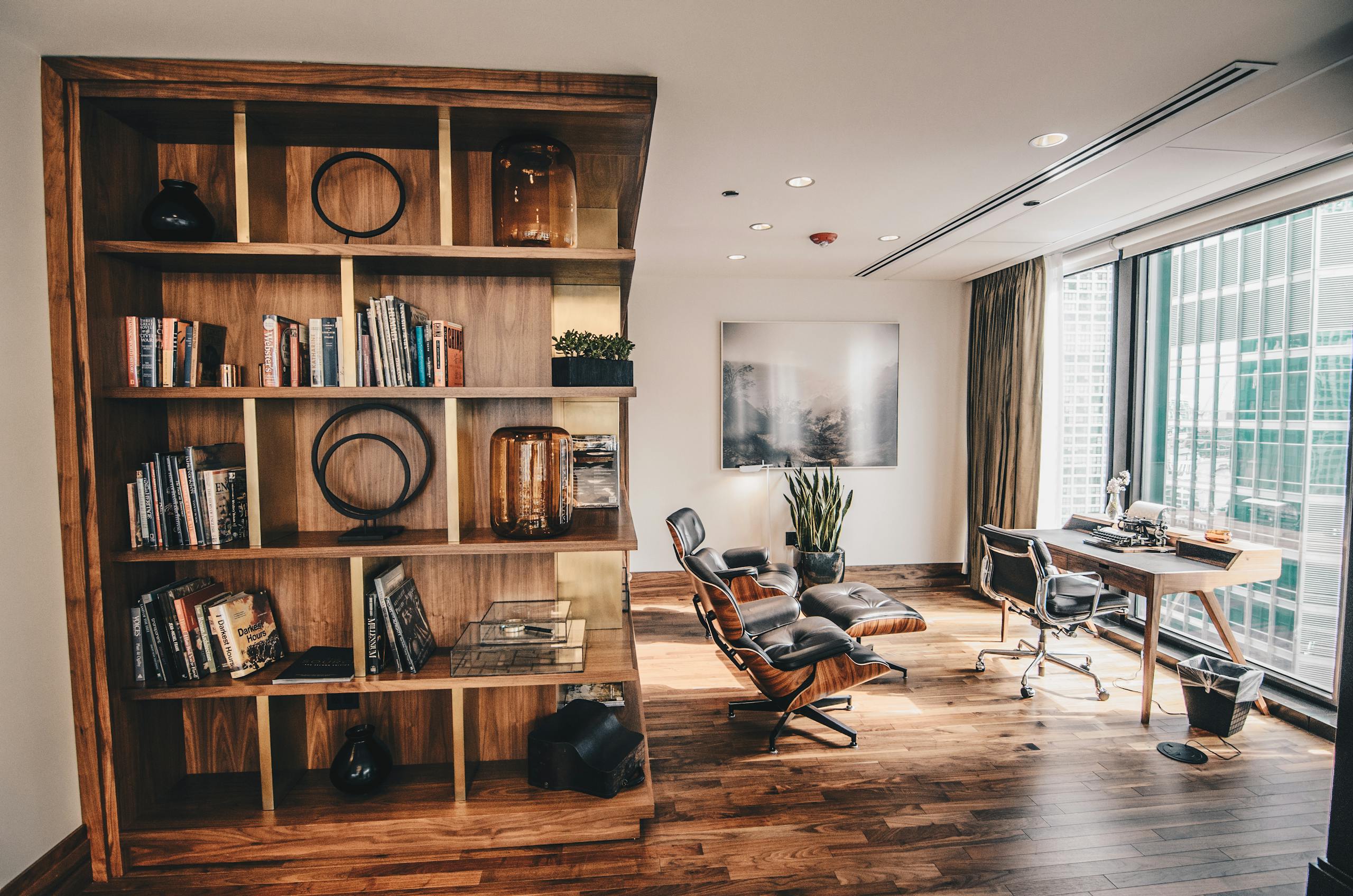
How Does Meditation Fit Into an Introvert’s Broader Home Life?
Meditation doesn’t exist in isolation. It’s one thread in a larger fabric of how we recover, restore, and inhabit our own minds. For introverts, home is the primary site of that restoration, which means the quality of our home environment and the practices we bring into it are genuinely consequential.
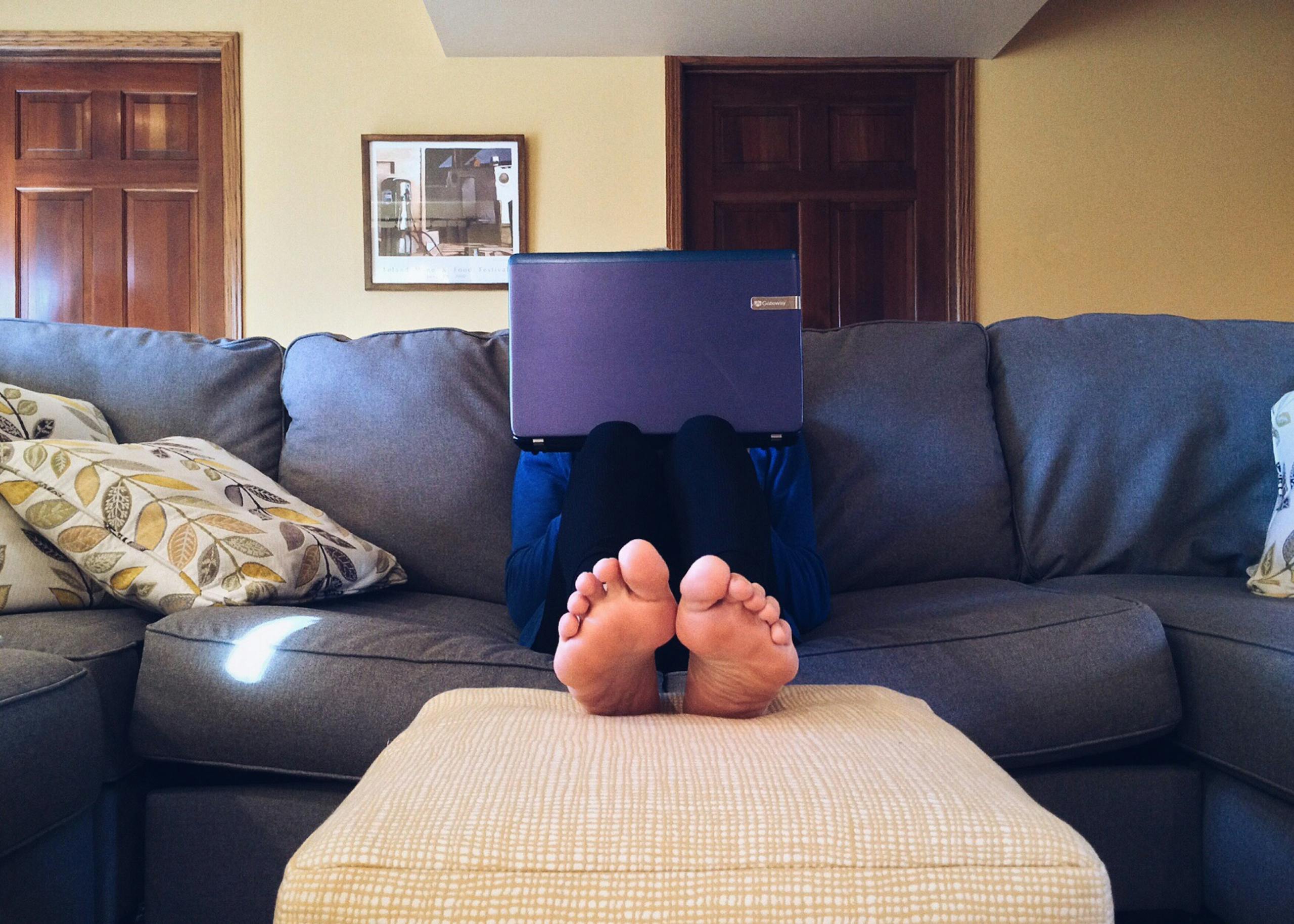
A comfortable, intentional home space makes everything easier. If you spend most of your evenings on the couch, as many homebodies do, the way you’ve set up that space shapes whether you’re genuinely resting or just passively consuming. There’s a meaningful difference between collapse and restoration, and the physical environment plays a role in which one happens. A well-chosen couch might sound like a trivial detail, but the furniture you spend hours in each day is part of your recovery infrastructure.
Reading is another practice that pairs naturally with meditation for many introverts. Both require a quality of inward attention that our culture doesn’t particularly reward, and both become easier with a dedicated space and consistent time. A book written for homebodies can offer something useful here, not just entertainment, but permission and framework for taking your home life seriously as a site of meaning rather than merely a place you sleep.
Social connection matters too, even for introverts who recharge in solitude. Some of the most thoughtful online spaces for introverts, including chat rooms built specifically for introverts, offer a way to connect with others who understand the value of quiet, without the energy cost of in-person social demands. After a meditation practice, many people find they’re more genuinely present in those exchanges, less reactive and more curious.
And for those who want to invest in their home practice more intentionally, whether for themselves or as a thoughtful gesture toward someone they care about, exploring gifts designed for homebodies can surface ideas that actually match how introverts live. Not novelty items, but things that genuinely support a slower, more deliberate way of inhabiting home.
The Frontiers in Psychology journal has published work examining how personality traits interact with mindfulness practices, and one consistent thread is that people who score high on introversion-related traits often report that meditation amplifies something they already do naturally: internal reflection. The practice doesn’t create a new capacity so much as it trains and deepens one that was always there.
That framing helped me. I spent years approaching meditation as something I needed to acquire, a skill that other, calmer people had and I didn’t. Reframing it as a refinement of something I already do, processing inwardly, sitting with complexity, returning to my own perspective, made it feel less like a foreign practice and more like coming home to something familiar.
What Are the Most Common Mistakes People Make When Starting?
Expecting too much too soon is the most common one. People sit for five minutes, notice their mind wandered forty times, and conclude they’re bad at meditation. Wandering is not failure. Noticing the wander and returning is the entire practice. A session where your mind wandered constantly and you returned to your breath each time was a successful session. Full stop.
Treating discomfort as a sign to stop is another. Restlessness, boredom, mild physical discomfort, and the sudden urgency to check your phone are all normal parts of early meditation. They’re not signs that something is wrong; they’re the resistance that the practice is designed to work through. Sitting with discomfort for a few minutes, rather than immediately alleviating it, is itself a form of training.
Switching methods too quickly is a third. There are dozens of meditation styles, and when one feels difficult, it’s tempting to assume a different approach would work better. Sometimes that’s true. More often, the difficulty is simply the early-stage friction that precedes any skill development. Give a single approach at least two weeks of consistent practice before deciding it isn’t working.
Meditating only when you feel like it produces inconsistent results. The days you least want to meditate are often the days you most need it. A practice built on motivation will always be fragile. A practice built on routine survives the days when motivation is absent, which is most days.
Finally, treating meditation as a performance rather than a practice. Some people, particularly those who work in competitive environments, bring a subtle achievement orientation to meditation. They want to be good at it, to reach specific states, to have notable experiences. That orientation works against the practice. Meditation rewards surrender more than effort. The less you try to control what happens, the more tends to emerge.
Can Meditation Actually Change How You Experience Your Home?
It can, and this was one of the more surprising things I noticed. After a few months of consistent morning meditation, my home felt different. Not because anything about it had changed, but because my relationship to stillness had. Silence stopped feeling like emptiness and started feeling like space. The quiet corner where I sat each morning became genuinely restorative in a way it hadn’t been before.
There’s something worth naming here about the introvert relationship with home specifically. Many of us retreat home not just for rest but for something harder to articulate, a return to ourselves after a day of adapting to external demands. Meditation sharpens that return. It makes the transition from outer to inner more deliberate and more complete.
The Psychology Today piece on introverts and deeper conversations touches on something adjacent: the introvert tendency to seek meaning rather than volume in interactions. Meditation cultivates that same orientation toward your own inner life. You start relating to your thoughts and feelings with more curiosity and less reactivity. That shift doesn’t stay confined to your meditation sessions; it gradually colors how you move through everything else.
Home meditation also has a compounding quality that’s easy to underestimate. The first week feels mechanical. The first month feels inconsistent. By month three or four, something has quietly shifted. You start noticing when you’re off-center in a way you didn’t before, and you have a reliable way to return. That’s not a dramatic transformation. It’s something more durable: a skill you’ve actually built, in the place you already live, without needing anything you don’t already have.
Our full Introvert Home Environment hub goes deeper into the many ways introverts can shape their living spaces to support genuine restoration, from sensory design to solitude practices to the objects that make home feel like the sanctuary it’s meant to be.
About the Author
Keith Lacy is an introvert who’s learned to embrace his true self later in life. After 20 years in advertising and marketing leadership, including running agencies and managing Fortune 500 accounts, Keith now channels his experience into helping fellow introverts understand their strengths and build fulfilling careers. As an INTJ, he brings analytical depth and authentic perspective to every article, drawing from both professional expertise and personal growth.
Frequently Asked Questions
How long should I meditate at home as a beginner?
Five minutes is a genuinely sufficient starting point. Consistency matters far more than duration in the early stages. A five-minute session every day for a month will build more lasting capacity than occasional longer sessions. Once daily practice feels natural, you can extend gradually, but there’s no minimum threshold you need to cross before your sessions “count.”
Do I need to sit cross-legged to meditate at home?
No. Sitting upright in a regular chair with your feet flat on the floor is entirely appropriate and widely used. The important element is an alert but relaxed posture, one that doesn’t invite sleep but also doesn’t create physical tension. Lying down is fine for body scan practices, though many people find it harder to stay awake. Comfort and sustainability matter more than any specific position.
What do I do when my mind keeps wandering during meditation?
You return to your chosen focus, usually the breath, without judgment. Mind-wandering is not a problem to solve; it’s the condition the practice works with. Every time you notice your mind has drifted and you bring it back, you’re doing exactly what meditation is. There’s no state of perfect concentration you’re supposed to achieve. The noticing and returning is the practice itself.
Is it better to meditate in the morning or evening at home?
Morning tends to work better for most people because the mind hasn’t yet accumulated the day’s stimulation and the session anchors the day’s tone. That said, the best time is the time you’ll actually do consistently. Evening meditation, particularly body scan practices, can be effective for processing the day and preparing for sleep. Experiment with both and let your own patterns guide you rather than a prescribed schedule.
Can I meditate at home without any apps or guided recordings?
Absolutely. A simple timer set for your chosen duration is all the technology you need. Sit comfortably, close your eyes, and direct your attention to your breath. When your mind wanders, return. Repeat until the timer sounds. Guided recordings and apps are useful entry points for many people, but they’re not required, and developing an unguided practice builds a more self-sufficient form of stillness over time.