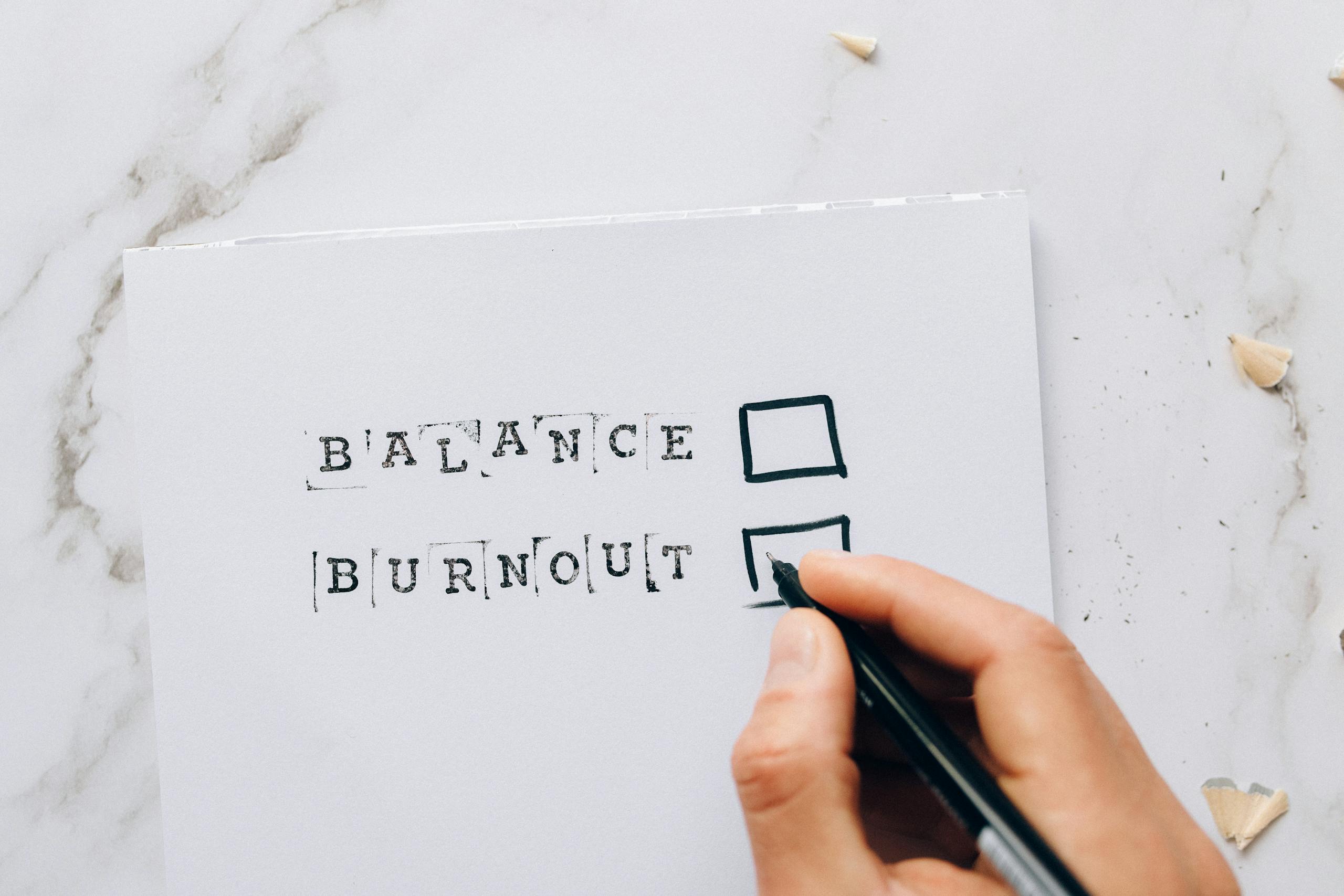

Burnout prevention apps and gamified wellness challenges promise a lot, but for introverts, the approach that actually works often comes down to one question: does this tool support quiet, internal recovery or does it demand the kind of social performance that drains you further? Apps built around solitary reflection and gentle habit tracking tend to serve introverts better than platforms that push leaderboards, team competitions, and public check-ins. The comparison matters because choosing the wrong tool can deepen exhaustion instead of relieving it.
I spent more than two decades running advertising agencies, and burnout was a constant companion I spent years pretending not to have. The wellness programs my HR consultants recommended were almost always built for extroverts: group fitness challenges, shared accountability boards, office-wide step competitions. Every time I tried one, I ended up more depleted than before, not because I lacked discipline, but because those tools added social pressure on top of an already overwhelmed system. It took me a long time to figure out that the problem wasn’t my willpower. It was the design of the tools themselves.
If you’re sorting through the same question right now, our Burnout & Stress Management Hub covers this territory from multiple angles, from recognizing early warning signs to building recovery practices that actually fit the way introverted minds work. What follows is a close look at how different app categories and gamified wellness formats compare when your nervous system needs restoration, not competition.

What Makes a Burnout Prevention App Actually Work for Introverts?
Most wellness apps were designed with a broad consumer audience in mind, which usually means the loudest, most visible user behaviors shaped the product. Social sharing features, friend leaderboards, and streak notifications are popular engagement mechanics because they work well for people who draw energy from external validation. For introverts, those same mechanics often create a second layer of stress on top of whatever originally caused the burnout.
What actually helps is a different set of design principles. Apps that support burnout recovery for introverts tend to prioritize private journaling over public posts, flexible pacing over daily streak pressure, and insight over performance metrics. The best ones feel more like a quiet conversation with yourself than a fitness class you’re being graded on.
There’s a reason this distinction matters so much. Introverts process experience internally. When something stressful happens, the work of integrating it happens in reflection, not in discussion. An app that constantly pushes you to share progress, comment on a teammate’s workout, or post a mood update is asking you to externalize something your nervous system needs to process privately. That friction is real, and over time it compounds.
The PubMed Central research on stress and recovery patterns supports the idea that recovery quality depends heavily on whether the recovery activity matches the individual’s cognitive and emotional processing style. For introverts, solitary, low-stimulation activities consistently outperform socially demanding ones when it comes to genuine restoration. That finding should inform every app choice you make.
How Do the Main Categories of Burnout Apps Compare?
Not all wellness apps are built the same way, and the category an app falls into tells you a lot about whether it will help or hurt. Here’s how the main types break down from an introvert’s perspective.
Mindfulness and Meditation Apps
Apps like Calm, Headspace, and Insight Timer are probably the best fit for most introverts dealing with burnout. They’re built around solitary practice, they don’t require social participation, and the core experience is internal. You put on headphones, close your eyes, and do the work quietly. Nobody sees your progress unless you choose to share it.
The downside is that these apps can feel passive when burnout has a strong cognitive component. If your burnout is rooted in chronic overcommitment, unclear boundaries, or a work environment that demands constant social performance, a ten-minute breathing exercise helps in the moment but doesn’t address the structural problem. I’ve used Calm during particularly brutal agency pitch seasons, and it genuinely helped me get to sleep. What it didn’t do was help me figure out why I kept saying yes to every client request at midnight.
The American Psychological Association’s overview of relaxation techniques makes a useful point here: relaxation practices reduce physiological stress responses, but they work best when paired with behavioral changes that address the source of stress. Meditation apps are a tool, not a solution on their own.
Journaling and Mood Tracking Apps
Apps like Daylio, Reflectly, and experience are genuinely well-suited for introverts. They’re built around the kind of internal processing that comes naturally to people who live a lot of their emotional life in their own heads. You log moods, write brief entries, and over time the app surfaces patterns you might not have noticed consciously.
What I find valuable about this category is that it externalizes internal experience in a private way. Instead of talking through what you’re feeling with a group, you write it down and look at it. For an INTJ like me, that’s a much more comfortable form of self-awareness. I can analyze my own patterns without performing them for anyone else.
The limitation is that mood tracking alone can become a form of rumination if you’re not careful. Logging that you’ve felt depleted for eleven consecutive days is useful data, but only if it prompts action. The best journaling apps include prompts that push you toward reflection and next steps, not just recording.
Habit Tracking Apps
Apps like Habitica, Streaks, and HabitBull sit in an interesting middle ground. Pure habit trackers with no social component work reasonably well for introverts because they gamify your own behavior rather than comparing it to others. Checking off “8 hours of sleep” or “30 minutes outside” gives a small dopamine hit without requiring any social interaction.
Habitica is worth mentioning specifically because it’s one of the more popular gamified wellness apps and it has both solo and social modes. In solo mode, you build a character and complete quests based on your own habits. That’s genuinely enjoyable for introverts who like mild game mechanics. The social features, including guilds and party quests, are where it gets complicated. If your party depends on you completing daily tasks, you’ve introduced social obligation into what should be a personal recovery practice. That’s a meaningful distinction.
Therapy and Coaching Apps
Apps like BetterHelp, Woebot, and Noom’s coaching features occupy a more serious category. For burnout that has crossed into anxiety or depression territory, these tools offer access to professional support in a format that suits introverts reasonably well. Text-based therapy, in particular, removes the social discomfort of face-to-face interaction while still providing genuine therapeutic input.
One of the INFJs on my agency leadership team once told me she’d been using a text-based therapy app for months before she ever told anyone. She found it easier to be honest in writing than in conversation. I understood that completely. The asynchronous, written format removes the performance pressure that even therapy sessions can carry for introverts.
The Frontiers in Psychology research on digital mental health interventions suggests that app-based support can be effective for mild to moderate burnout and stress, particularly when users engage consistently. The consistency part is where introverts often have an advantage: we tend to prefer depth over breadth, and we’re more likely to use one tool thoroughly than to cycle through many.
What’s the Real Problem with Gamified Wellness Challenges?
Gamification in wellness isn’t inherently bad. Points, progress bars, and achievement badges can make habit formation more engaging, and there’s genuine psychological research supporting their effectiveness for motivation. The problem for introverts isn’t gamification itself. It’s the specific flavor of gamification that dominates corporate wellness programs and many popular apps: social competition.
I’ve sat through more than a few corporate wellness presentations where the centerpiece was a company-wide step challenge. Everyone gets a Fitbit, everyone’s steps are visible on a shared leaderboard, and the department with the most steps wins a catered lunch. I watched the same thing happen at three different client companies over the years. The extroverts loved it. The introverts either quietly dropped out after week one or pushed themselves to compete and ended up more exhausted than they started.
The core issue is that social comparison is itself a stressor. When your recovery practice requires you to perform wellness publicly, you’ve added a social obligation layer to something that should be restorative. For introverts already dealing with stress rooted in social anxiety, that added layer can be genuinely counterproductive.
There’s also the question of what gets measured. Gamified wellness challenges almost always measure visible, physical behaviors: steps, workouts, water intake, sleep hours. The recovery practices that help introverts most, quiet time, creative solitude, deep reading, extended periods without social obligation, are invisible to these systems. An introvert who spent a restorative Sunday afternoon alone reading and thinking scores zero on a step challenge. That’s not a minor design flaw. It reflects a fundamental misunderstanding of what recovery looks like for different nervous system types.
It’s worth connecting this to a broader pattern. If you’re someone who also identifies as a highly sensitive person, the mismatch between gamified wellness and your actual needs is even more pronounced. The recognition and recovery process for HSP burnout involves a different set of triggers and restoration strategies than mainstream wellness programs account for.

Which App Features Should Introverts Actually Look For?
After years of trial and error with various wellness tools, both personally and watching teams I managed try to use them, I’ve developed a fairly clear sense of what features actually serve introverts in burnout prevention. Here’s the framework I’d use.
Private by Default
The app should be private by default, not public by default with a privacy option buried in settings. If sharing requires active choice rather than active opt-out, the design respects your autonomy. If the app’s main screen is a social feed, that’s a signal it wasn’t designed with your recovery in mind.
Flexible Pacing Without Penalty
Streak mechanics can be motivating, but they can also create anxiety around missing a day. Apps that allow you to pause, reset without judgment, or skip days without losing all progress are better suited for burnout recovery. The last thing someone in burnout needs is guilt about not completing their wellness app.
Reflection Over Performance
Good burnout prevention tools ask questions, not just record actions. “How did you feel after that meeting?” is more useful than “You completed 8,000 steps.” Apps that prompt reflection help introverts do what they do naturally: process experience internally and extract meaning from it.
No Mandatory Social Features
Some apps require you to connect with friends to access certain features or to complete certain challenges. Avoid those. Your recovery practice should be entirely functional as a solo experience. Social features can exist as an option, but they should never be required for the core value of the app.
This connects to something I’ve written about before regarding how introverts experience forced social participation. Even well-intentioned group activities carry a cost. If you’ve ever wondered why something as seemingly harmless as an office icebreaker can leave you drained, it’s worth reading about why icebreakers are stressful for introverts. The same dynamic plays out in gamified wellness when social participation is built into the structure.
How Does Burnout Show Up Differently for Introverts?
One of the reasons introverts often reach burnout without recognizing it is that the warning signs are internal and easy to rationalize. Extroverts tend to show burnout more visibly: they become irritable, withdrawn from their social circles, or noticeably flat in energy. Introverts are already somewhat withdrawn and quiet by nature, so the shift can be subtle enough to miss.
What I notice in myself before full burnout sets in is a gradual narrowing of capacity. My tolerance for complexity drops first. Then my interest in the work I normally find meaningful. Then my ability to be present in conversations. By the time I was actually in burnout during one particularly brutal agency growth period, I had rationalized each of those warning signs individually and missed the pattern entirely.
The Psychology Today piece on introversion and the energy equation captures something important here: introverts have a finite energy budget for social and stimulating activities, and when that budget is consistently overspent, the deficit accumulates quietly. By the time it becomes visible, you’re already deep in the hole.
That’s why self-awareness tools matter more for introverts than for extroverts in some ways. Because the signals are quieter, you need more deliberate attention to catch them early. A mood tracking app used consistently can surface a pattern that your conscious mind has been explaining away for weeks. That early detection is where app-based burnout prevention genuinely earns its value.
It also helps to know what stress actually looks like when you ask an introvert directly. Many of us have learned to mask it so well that even people close to us don’t see it. If you want a better understanding of how to recognize it in yourself or someone you care about, the piece on asking an introvert if they’re feeling stressed offers some honest insight into why we often say “fine” when we’re not.

What Role Does Self-Care Play in App-Based Burnout Prevention?
There’s a version of self-care that gets marketed heavily and a version that actually works, and for introverts they’re often quite different. The marketed version involves bubble baths, face masks, and social media posts about “taking time for yourself.” The version that works involves protecting solitude, reducing social obligation, and creating conditions for genuine restoration.
Apps can support real self-care, but only if they’re designed around what introverts actually need rather than what looks good in a wellness campaign. The three ways introverts can practice better self-care without added stress gets at this distinction well: success doesn’t mean add more activities to your day but to protect the conditions that allow you to recover.
From an app perspective, that means looking for tools that help you set and hold boundaries rather than tools that add new demands. A good burnout prevention app should make your life quieter and simpler, not more complex. If using the app itself feels like a chore, it’s not the right tool.
One thing I’ve found genuinely useful is using a simple habit tracker to protect recovery time the same way I’d protect a client meeting. When “one hour of uninterrupted quiet” is on my daily list alongside “respond to emails,” it gets treated as a real commitment rather than a vague intention. That reframing, from aspiration to scheduled behavior, is where apps can provide real structural support.
Can Burnout Prevention Apps Support Sustainable Income Without Adding Stress?
One angle that doesn’t get discussed enough is the relationship between burnout and work structure. Many introverts burn out not because they lack resilience but because their work environment is fundamentally misaligned with how they function best. Open offices, back-to-back meetings, constant availability expectations, and performance cultures built around visible extroversion are structural problems that no app can fix on its own.
What apps can do is help you track the correlation between work conditions and energy levels, which gives you data to make better decisions about how you structure your work life. If your mood tracking app shows that every Monday after your all-hands meeting you score your energy at two out of ten, that’s information worth acting on.
For introverts who are considering restructuring their work life more significantly, it’s worth knowing that there are income paths that don’t carry the same burnout risk as traditional corporate environments. The list of 18 stress-free side hustles for introverts is a good starting point if you’re thinking about building something more sustainable alongside or instead of a draining day job.
I made a version of this shift myself after burning out badly in my late forties. I didn’t leave advertising entirely, but I restructured how I worked, fewer clients, more selective commitments, much more protected thinking time. The burnout prevention apps I used during that period weren’t what saved me. What saved me was finally understanding that my introversion wasn’t a liability to manage but a signal about what kind of work environment I actually needed.
How Should Introverts Approach the 5-4-3-2-1 Technique and Similar App-Guided Exercises?
Many burnout prevention apps include guided exercises drawn from cognitive behavioral therapy and mindfulness traditions. The 5-4-3-2-1 grounding technique is one of the most common, and it’s genuinely effective for moments of acute stress. The University of Rochester Medical Center’s explanation of the 5-4-3-2-1 technique walks through how it works: you name five things you can see, four you can touch, three you can hear, two you can smell, and one you can taste, grounding your attention in the present moment and interrupting the anxiety loop.
For introverts, this kind of exercise works particularly well because it’s entirely internal. No one else needs to know you’re doing it. You can use it in the middle of a meeting that’s running long, before a presentation, or during the kind of forced social situation that drains you fastest. Several apps include guided versions of this exercise with audio prompts, which adds a useful layer of structure for moments when your own mental guidance isn’t enough.
The broader principle is that app-guided exercises work best for introverts when they’re designed to support internal processing rather than interrupt it. Breathing exercises, body scans, and grounding techniques all fit this profile. Social challenges, accountability check-ins with strangers, and public commitment features do not.
There’s also a useful connection here to the PubMed Central research on mindfulness-based stress reduction, which suggests that consistent, regular practice matters more than the specific technique used. For introverts who tend toward depth and consistency over novelty, that’s actually an advantage. Pick one or two practices, use them regularly, and let the accumulation do the work.
What’s the Honest Bottom Line on Burnout Prevention Apps vs. Gamified Wellness?
After thinking through all of this carefully, my honest assessment is this: burnout prevention apps built around private reflection, flexible pacing, and internal awareness are genuinely useful tools for introverts. Gamified wellness challenges built around social competition, public leaderboards, and group accountability are not, at least not as primary burnout prevention strategies.
That doesn’t mean gamification is always wrong. A solo gamified habit tracker that rewards your own consistency without comparing you to others can work well. A wellness app that gives you points for completing private journaling prompts is using gamification in a way that respects introvert needs. The problem is specifically the social competition layer, not the game mechanics themselves.
The University of Northern Iowa research on wellness program design points to an important gap in how many corporate wellness programs are evaluated: they measure participation rates rather than actual wellbeing outcomes. An introvert who quietly uses a meditation app every morning for three months may show up as a low engager on a corporate wellness dashboard while actually making meaningful progress. Visible engagement and genuine recovery are not the same thing.
What I’d recommend is building a small, private stack of tools that matches how you actually recover. A journaling app for pattern recognition, a meditation or breathing app for acute stress moments, and a simple habit tracker for protecting recovery behaviors. Use them consistently, ignore the social features, and measure success by how you feel, not by how your metrics look on a leaderboard.
Burnout prevention is in the end personal work. The apps that help most are the ones that support that work quietly, without demanding that you perform your recovery for anyone else.
There’s much more to explore on this topic across our full Burnout & Stress Management Hub, including resources on recognizing early warning signs, building recovery routines, and understanding how introversion shapes the entire stress cycle from trigger to restoration.
About the Author
Keith Lacy is an introvert who’s learned to embrace his true self later in life. After 20 years in advertising and marketing leadership, including running agencies and managing Fortune 500 accounts, Keith now channels his experience into helping fellow introverts understand their strengths and build fulfilling careers. As an INTJ, he brings analytical depth and authentic perspective to every article, drawing from both professional expertise and personal growth.
Frequently Asked Questions
Are burnout prevention apps effective for introverts?
Yes, with the right selection. Apps built around private journaling, mood tracking, and guided mindfulness exercises align well with how introverts process stress and recover energy. Apps that center social competition, public sharing, or group accountability tend to add pressure rather than relieve it. The most effective burnout prevention apps for introverts are private by default, flexible in pacing, and focused on internal reflection rather than external performance metrics.
Why do gamified wellness challenges often fail introverts?
Most gamified wellness challenges are built around social competition: shared leaderboards, team step counts, and public progress tracking. For introverts, social comparison is itself a stressor, and adding social obligation to a recovery practice can deepen exhaustion rather than relieve it. Additionally, these programs typically measure visible physical behaviors like steps and workouts, while the recovery practices that help introverts most, solitude, quiet reflection, and reduced social stimulation, are invisible to these systems.
What features should introverts look for in a burnout prevention app?
Introverts should prioritize apps that are private by default, allow flexible pacing without punishing missed days, include reflective prompts rather than just activity logging, and make social features entirely optional rather than required for core functionality. Apps that gamify your own personal consistency without comparing you to others can also work well. The overall design should make your daily life quieter and simpler, not more complex or socially demanding.
How is burnout different for introverts compared to extroverts?
Introverts often reach burnout without recognizing it because the warning signs are internal and easy to rationalize. Where extroverts may show burnout through visible irritability or withdrawal from social activity, introverts experience it as a gradual narrowing of capacity: reduced tolerance for complexity, fading interest in meaningful work, and diminished presence in conversation. Because introverts are already naturally quieter and more internally focused, this shift can be subtle enough to miss until burnout is well established, which is why self-monitoring tools can be particularly valuable.
Can a gamified app ever work for introvert burnout prevention?
Yes, if the gamification is applied to personal consistency rather than social competition. An app that awards points or badges for completing private journaling, finishing a solo meditation session, or maintaining a sleep schedule uses game mechanics in a way that can genuinely motivate without adding social pressure. The distinction is between competing with yourself and competing with others. Solo-mode gamification can be engaging and effective. Social leaderboard gamification tends to work against introvert recovery needs.