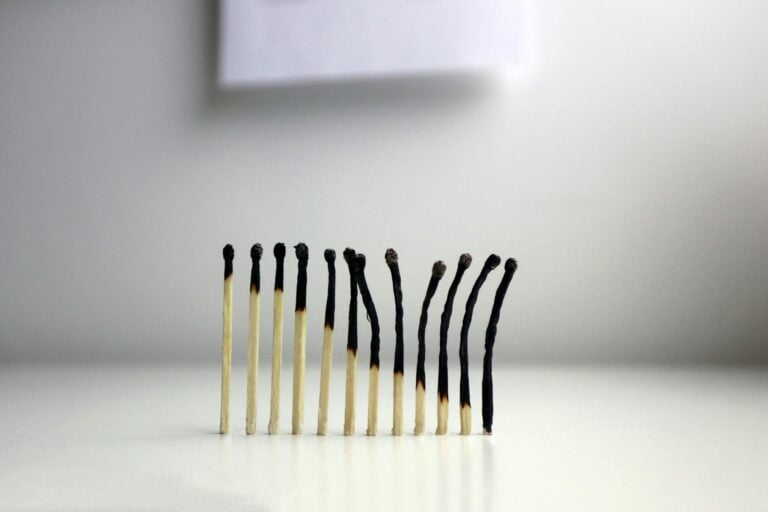

Workplace bullying by a supervisor is one of the most disorienting experiences a person can face at work. It combines professional vulnerability with personal humiliation, and for introverts and highly sensitive people, the impact cuts especially deep because we process these situations internally, often for a very long time. Recognizing the behavior, understanding why it tends to target quieter employees, and knowing what steps to take can make the difference between losing yourself in that environment and finding a way through it with your dignity intact.
My first real encounter with a bullying authority figure happened early in my career, before I had the language to name what was happening. I was working under a creative director who ran his department like a pressure cooker. He had a particular habit of singling out the quieter people in the room, the ones who processed before speaking, the ones who didn’t push back loudly in meetings. I was one of them. He’d dismiss my ideas in front of clients, interrupt me mid-sentence, and then later present those same ideas as his own. At the time, I thought something was wrong with me. I thought I was just too sensitive, too slow, too internal. It took me years to understand that those qualities weren’t weaknesses. They were being weaponized against me by someone who mistook silence for submission.
If that experience sounds familiar, you’re in the right place.
Much of what I write here connects to a broader set of workplace challenges that introverts face every day. Our Career Skills and Professional Development hub covers everything from handling feedback to building careers that actually fit how we’re wired. Workplace bullying belongs in that conversation, because it doesn’t just hurt in the moment. It shapes how we see ourselves professionally for years afterward.

What Does Workplace Bullying by a Supervisor Actually Look Like?
Most people picture bullying as something obvious, a raised voice, a public humiliation, a threat. And yes, those things happen. But supervisory bullying often operates in subtler registers, and those quieter forms can be harder to name and harder to prove.
What’s your personality type?
Take our free 40-question assessment and get a detailed personality profile with dimension breakdowns, context analysis, and personalised insights.
Discover Your Type8-12 minutes · 40 questions · Free
Common patterns include being excluded from meetings that directly affect your work, receiving disproportionate criticism compared to peers, having your contributions dismissed or ignored, being subjected to public ridicule framed as “just joking,” being assigned impossible deadlines or workloads designed to set you up for failure, and being micromanaged to the point where your judgment is constantly undermined. Some supervisors cycle between warmth and hostility, which creates a kind of psychological disorientation that makes it even harder to trust your own read of the situation.
What makes this particularly complicated is that supervisors hold formal power. They control your performance reviews, your access to opportunities, and often your reputation within the organization. When the person targeting you is also the person who signs off on your future, the stakes feel impossibly high.
Introverts often struggle to name bullying behavior early because we tend to turn the analysis inward first. We ask ourselves what we did wrong before we ask whether the other person is behaving badly. That instinct toward self-examination is actually one of our genuine strengths in most contexts, as Psychology Today explores in its look at how introverts process experience. But in a bullying dynamic, that same tendency can delay recognition and response by months or even years.
Why Are Introverts and Sensitive People Disproportionately Targeted?
There’s a painful irony here. The qualities that make introverts thoughtful colleagues, careful listeners, and deep contributors are often the exact qualities that make certain supervisors feel comfortable targeting them.
We tend not to escalate publicly. We process conflict internally rather than meeting aggression with aggression. We’re less likely to make a scene, which means a bullying supervisor faces fewer immediate social consequences for their behavior. We also tend to be more conscientious about our work, which means we’re more likely to blame ourselves when things go wrong, which is exactly the narrative a bully needs us to adopt.
For highly sensitive people, the impact is compounded. HSPs experience emotional environments with particular intensity, and a hostile supervisor creates a workplace atmosphere that becomes genuinely physically draining. If you recognize yourself in this, the work around HSP productivity and working with your sensitivity might offer some grounding, because protecting your output and your wellbeing under stress requires a different set of strategies than what most productivity advice assumes.
There’s also a social dynamic at play. Introverts and HSPs often don’t have the same informal political networks that more extroverted colleagues build naturally. We’re less likely to be in the break room when the gossip happens, less likely to have allies in place before a conflict erupts. That social isolation can make bullying easier to sustain, because there are fewer witnesses and fewer advocates.

How Do You Know the Difference Between a Demanding Boss and a Bullying One?
This is one of the questions I hear most often, and it’s worth sitting with carefully because the answer matters practically, not just emotionally.
A demanding supervisor holds high standards, gives direct feedback, expects accountability, and may be uncomfortable to work for. But their behavior is consistent across the team, tied to performance rather than personality, and aimed at improvement rather than humiliation. You leave a hard conversation with a demanding boss feeling challenged. You might leave feeling stung, but you also have a clear sense of what to do differently.
A bullying supervisor targets specific individuals, often inconsistently. Their criticism is personal rather than professional. Their behavior escalates when challenged. They use public settings to embarrass rather than private ones to correct. And crucially, their behavior doesn’t change even when your performance improves. The goal isn’t your development. The goal is your diminishment.
I’ve managed large teams across two decades in advertising, and I’ve had to give genuinely hard feedback to people I cared about. Feedback that felt uncomfortable to deliver and probably painful to receive. But there’s a fundamental difference between a difficult conversation that respects someone’s dignity and a pattern of behavior designed to erode it. One of my senior account managers once told me that the hardest feedback I ever gave her was also the most useful she’d received in her career. That’s the standard. If you’re leaving interactions with your supervisor feeling consistently smaller, more confused, and more ashamed, that’s not demanding leadership. That’s something else.
For people who are highly sensitive, distinguishing between these two dynamics can be complicated by the fact that even constructive criticism lands hard. The piece on handling feedback sensitively as an HSP is worth reading alongside this one, because calibrating your response to criticism requires knowing what kind of criticism you’re actually receiving.
What Are the Real Effects of Supervisory Bullying on Introverts?
The effects aren’t just emotional. They’re cognitive, physical, and professional, and they tend to compound over time in ways that can be hard to untangle even after the situation has ended.
Cognitively, prolonged exposure to a hostile supervisor creates a kind of hypervigilance. You start spending enormous mental energy monitoring the supervisor’s mood, anticipating their reactions, and managing your behavior to avoid triggering another incident. For introverts who already do a lot of internal processing, this additional cognitive load is genuinely exhausting. It crowds out the deep thinking and creative work that we do best.
Physically, chronic workplace stress has real consequences. Research published in PubMed Central on occupational stress documents the physiological toll of sustained workplace hostility, including disrupted sleep, elevated cortisol levels, and increased vulnerability to illness. These aren’t abstract risks. They’re things I watched happen to people on my teams over the years when they were working under genuinely toxic conditions.
Professionally, the damage is often underestimated. When you’re being bullied by a supervisor, your work suffers not because you’re less capable but because your capacity is being consumed by survival. You may start avoiding the visibility that would otherwise help your career. You may stop contributing ideas because you’ve learned they’ll be dismissed or stolen. You may develop what looks from the outside like a confidence problem, when what’s actually happening is a rational adaptation to a dangerous environment.
One thing I’ve observed is that bullying can trigger a particular kind of paralysis in introverts that looks from the outside like passivity but is actually something more like overwhelm. The internal processing that usually serves us well gets stuck in loops. If you recognize this pattern in yourself, the writing on HSP procrastination and understanding the block addresses some of the underlying mechanisms, because the freeze response to threat and the freeze response to overwhelm share more in common than most people realize.

What Concrete Steps Can You Take When Your Supervisor Is Bullying You?
There’s no single path through this, and I want to be honest about that. The right response depends on your specific situation, your organization’s culture, your financial position, and how severe the behavior is. What I can offer is a framework that respects both your wellbeing and your practical constraints.
Document Everything
Start keeping a private record immediately. Date, time, what was said or done, who was present. Keep this documentation outside of company systems, on a personal device or in a personal email account. This isn’t paranoia. It’s protection. If you ever need to escalate formally, whether to HR, to a higher supervisor, or to an employment attorney, documentation is what transforms your account from “my word against theirs” into something more substantive.
Be specific and factual in your notes. “He was rude to me” is less useful than “On April 14th, during the client call with the full account team present, he interrupted me three times mid-sentence and told the client my recommendation was ‘not worth considering’ without offering any alternative.” The specificity matters.
Understand Your Financial Position
One of the most practical things you can do in any difficult employment situation is make sure you’re not financially trapped. An emergency fund gives you options. It means you can leave if you need to, take time to find the right next role, or weather a period of reduced income while a formal complaint is processed. The Consumer Financial Protection Bureau’s guide to building an emergency fund is a solid starting point if yours needs attention. Financial vulnerability is one of the main reasons people stay in toxic situations longer than they should, and addressing it proactively is a form of self-protection.
Consider a Direct Conversation, Carefully
This isn’t always the right move, and I want to be clear about that. In some situations, directly addressing the behavior with the supervisor can de-escalate it. Some people genuinely don’t realize how their behavior lands, and a calm, private conversation can shift the dynamic. In other situations, direct confrontation escalates things or gives the supervisor information they can use against you.
If you do choose this route, preparation matters enormously. Focus on specific behaviors and their impact rather than character judgments. “When you dismiss my contributions in front of clients, it undermines my credibility with them and makes it harder for me to do my job effectively” is more productive than “You’re disrespectful.” Practice what you want to say beforehand. Introverts often do our best thinking in writing, so consider drafting your key points before the conversation.
Use HR Strategically, Not Naively
HR departments exist to protect the organization, not the employee. That’s not cynicism. It’s an accurate description of their function. That said, they are also motivated to prevent legal liability, and documented bullying that creates a hostile work environment is a legal liability. Going to HR with solid documentation, a clear account of specific incidents, and a focus on organizational risk rather than personal grievance gives your complaint the best chance of being taken seriously.
Know your company’s formal complaint process before you use it. Understand what protections exist against retaliation. And consider consulting an employment attorney before filing anything formal, especially if the bullying is severe or if you suspect it may have discriminatory dimensions.
Build Your External Options in Parallel
Whatever you decide to do internally, start building your options externally at the same time. Update your resume. Reconnect with your professional network. Explore what else is out there. This isn’t giving up. It’s giving yourself leverage and choice. Some of the most empowering moments I’ve witnessed in people dealing with difficult supervisors came when they realized they had options, because that realization changed how they carried themselves in the room.
If you’re in a field where the job search process itself feels daunting, the work on HSP job interviews and showcasing sensitive strengths addresses the specific challenges that come with presenting yourself authentically when you’re already depleted. And if you’re considering a significant career shift, exploring fields that genuinely suit introvert strengths, including options like medical careers for introverts, can open up possibilities you might not have considered.

How Do You Protect Your Sense of Self While You’re Still in the Situation?
This is the piece that doesn’t get talked about enough in practical guides to workplace bullying, and it might be the most important part for introverts specifically.
When you’re being targeted by someone in authority, there’s a gradual erosion of self-trust that happens almost without your noticing. You start to doubt your own perceptions. You wonder if your sensitivity is the problem. You begin to internalize the narrative the bully is constructing about you, that you’re not good enough, not tough enough, not the right kind of person for this environment.
Protecting yourself from that erosion requires deliberate effort. One of the most effective things I’ve found, both from my own experience and from watching people I’ve mentored work through difficult situations, is maintaining a clear record of your actual contributions and capabilities. Not a defensive document, but a genuine account of what you’ve done well. Completed projects. Positive client feedback. Problems you solved. Skills you’ve developed. This isn’t about ego. It’s about maintaining an accurate picture of yourself when the environment is distorting it.
Relationships outside the immediate work environment matter enormously here too. Trusted colleagues in other departments, mentors, friends who knew you before this situation, these people can serve as mirrors that reflect a truer version of you back when the distortion gets intense. Introverts sometimes neglect these relationships because maintaining them requires energy we don’t always have. But they’re worth protecting, especially now.
Understanding your own personality and how you’re genuinely wired can also serve as an anchor. Tools like an employee personality profile test can help you articulate your genuine strengths in concrete terms, which is useful both for your own self-understanding and for presenting yourself clearly when you’re looking for new opportunities. When a bullying supervisor has spent months telling you what you’re not, having clear language for what you actually are carries real weight.
There’s also something worth saying about the difference between adapting your behavior and abandoning your values. In a hostile environment, introverts often feel pressure to become louder, more aggressive, more politically savvy in ways that feel fundamentally inauthentic. Some adaptation is reasonable. Learning to advocate for yourself more directly, building strategic relationships, becoming more visible in the right moments, these are skills worth developing. But success doesn’t mean become someone else. The goal is to protect who you already are while you work through or exit the situation.
When Is It Time to Leave?
Honestly, sometimes the answer is: sooner than you think.
There’s a cultural narrative around perseverance and “not letting them win” that can keep people in genuinely harmful situations longer than is wise. Staying in a bullying environment isn’t strength. It’s exposure to ongoing harm. And the damage accumulates in ways that can take much longer to recover from than the job search you’re avoiding.
Some situations are genuinely worth fighting through. If your organization has a culture that will actually respond to a formal complaint, if the bullying supervisor is the exception rather than the rule, if you have real allies and a clear path to resolution, then staying and addressing the situation directly may be the right call. But if the organization’s culture enables or rewards the bullying behavior, if HR has already dismissed your concerns, if the bullying is escalating despite your efforts to address it, then protecting yourself means leaving.
I’ve watched talented people stay in toxic situations for years because they believed that leaving meant failure. It doesn’t. Leaving a situation that’s harming you is one of the clearest expressions of self-respect there is. And the skills, relationships, and experience you’ve built don’t belong to that organization. They go with you.
Introverts have genuine advantages in the job search process that often go unrecognized. The depth of our preparation, the quality of our listening in interviews, our ability to build authentic one-on-one connections with hiring managers, these matter. Psychology Today’s examination of introverts as negotiators speaks to strengths that translate directly into salary and offer negotiations once you have an offer in hand. And the Harvard Program on Negotiation’s guidance on salary negotiation provides a practical framework for making sure you’re compensated fairly when you land somewhere new.
The Walden University overview of introvert strengths is also worth reading if your confidence has taken a hit. Sometimes you need an external reminder of what you bring before you can walk into a new opportunity believing it yourself.

What Does Recovery Look Like After a Bullying Supervisor?
Recovery takes longer than most people expect, and it rarely follows a clean arc. Even after you’ve left the situation, the patterns it created can persist. The hypervigilance around authority figures. The instinct to minimize your own contributions. The reflexive self-doubt when a new supervisor gives you critical feedback. These aren’t character flaws. They’re adaptations to a specific environment, and they can be unlearned, but it takes time and intention.
One of the most useful things I’ve seen people do in recovery is actively seek out contexts where their introvert strengths are recognized and valued. Not just tolerated, but genuinely valued. That experience of being seen accurately, of having your depth and thoughtfulness and careful judgment treated as assets rather than liabilities, is profoundly corrective. It rewrites the story the bullying supervisor was trying to write about you.
Professional support matters too. A good therapist or career coach who understands introversion can help you sort through what happened, identify the patterns that made you vulnerable, and build a clearer sense of what you need in a work environment to do your best. This isn’t weakness. It’s the same kind of strategic investment in yourself that you’d make in any other area of professional development.
And give yourself credit for having survived something genuinely hard. Workplace bullying by a supervisor is a significant stressor, and the fact that you’re still here, still thinking clearly about your next steps, still caring about doing good work, says something real about your resilience.
There’s much more on building a career that actually fits how you’re wired across the full Career Skills and Professional Development hub, including resources on everything from interview preparation to managing up effectively as an introvert.
About the Author
Keith Lacy is an introvert who’s learned to embrace his true self later in life. After 20 years in advertising and marketing leadership, including running agencies and managing Fortune 500 accounts, Keith now channels his experience into helping fellow introverts understand their strengths and build fulfilling careers. As an INTJ, he brings analytical depth and authentic perspective to every article, drawing from both professional expertise and personal growth.
Frequently Asked Questions
Is workplace bullying by a supervisor illegal?
In most parts of the United States, workplace bullying is not illegal on its own unless it crosses into harassment based on a protected characteristic such as race, gender, age, religion, or disability. That said, bullying behavior that creates a hostile work environment can have legal dimensions, and some states have introduced legislation to address it more directly. If you believe the bullying has discriminatory elements, consulting an employment attorney is worth doing before filing any formal complaint.
How do I report workplace bullying by a supervisor without retaliation?
Retaliation is a real risk, and acknowledging that honestly is more useful than pretending it isn’t. The most protective steps you can take are documenting the original bullying behavior thoroughly before reporting, understanding your company’s anti-retaliation policies in writing, reporting through formal channels rather than informally, and keeping records of everything that happens after you report. If retaliation does occur, that documentation becomes its own separate complaint. Consulting an employment attorney before reporting can help you understand your specific protections.
Why do introverts often stay silent about being bullied at work?
Several factors contribute. Introverts tend to process experiences internally first, which can delay recognition that something external is actually wrong. We’re also more likely to question our own perceptions before challenging someone else’s behavior. Add in the power differential of a supervisory relationship, the social isolation that often comes with introversion in workplace settings, and a genuine concern about being seen as difficult or overly sensitive, and you have a combination that keeps many quiet people silent much longer than serves them.
Can workplace bullying cause long-term psychological effects?
Yes, and this is well-documented. Prolonged exposure to a bullying supervisor can contribute to anxiety, depression, diminished self-confidence, and what some researchers describe as workplace trauma. For highly sensitive people and introverts who process deeply, the effects can be particularly lasting because we tend to carry and re-examine experiences rather than moving past them quickly. Professional support, whether therapy, coaching, or both, can be genuinely helpful in working through these effects after the situation has ended.
What should I do if HR dismisses my bullying complaint?
If HR dismisses your complaint, you have several options. You can escalate above HR to senior leadership if the organizational structure permits it. You can consult an employment attorney to understand whether the behavior has legal dimensions that HR may have overlooked or minimized. You can file a complaint with the Equal Employment Opportunity Commission if the bullying has discriminatory elements. And you can begin building your exit strategy in earnest, because an organization whose HR function dismisses documented bullying is telling you something important about its culture and your long-term prospects within it.