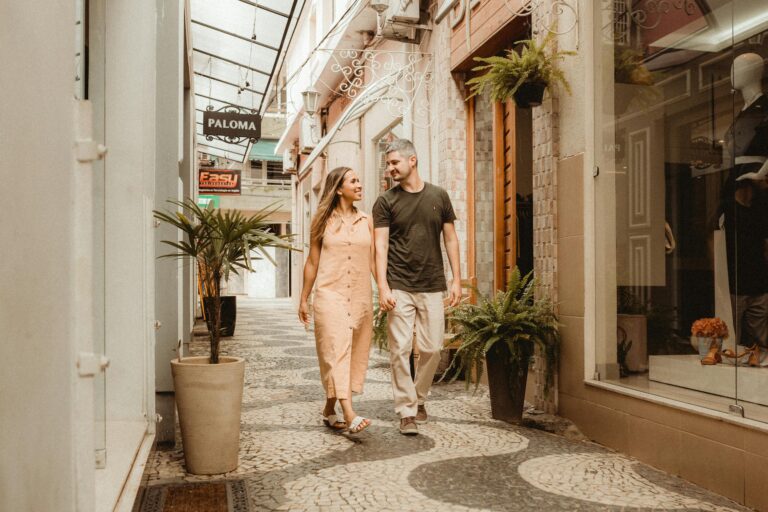

Some people pack for a trip the way they approach love: overstuffed, chaotic, and hoping for the best. Others pack with quiet intention, choosing each item carefully, leaving room for what actually matters. The Stonewall Wheeled Bag 2.0 has become something of a cult favorite among introverts who travel, and I think that says something interesting about how we approach connection, not just luggage.
Introverts tend to be deliberate. We choose carefully. We think before we act. And when we find something that genuinely fits how we move through the world, we hold onto it. That same quality shows up in how we date, how we love, and how we handle the inevitable friction that comes with any real relationship.

Our Introvert Dating and Attraction hub covers the full landscape of how introverts build romantic connections, but there’s a specific angle worth examining here: what our relationship with objects, routines, and quiet rituals actually reveals about how we connect with people.
Why Introverts Are So Particular About the Things They Carry
Running advertising agencies for over two decades, I watched extroverted colleagues move through the world differently than I did. They’d grab whatever bag was nearby, pack in fifteen minutes, and somehow make it work. I needed to know exactly where everything was. I needed the right bag for the right trip. My team used to joke that my carry-on was “militarily organized.” They weren’t wrong.
What looked like rigidity from the outside was something else entirely. My mind processes the world through layers of observation and quiet filtering. When I’m overstimulated, which happens constantly in airports, client meetings, and crowded conference rooms, having familiar systems around me creates a kind of internal calm. The right bag isn’t about status. It’s about reducing cognitive load so I can be fully present for what actually matters.
The Stonewall Wheeled Bag 2.0 resonates with a lot of introverts for exactly this reason. It’s designed with compartmentalization in mind. Everything has a place. There’s no rummaging, no chaos, no moment where you’re standing in a hotel lobby frantically searching for your charger while an extroverted colleague watches with bemused patience. That kind of quiet order is genuinely meaningful to people wired the way we are.
And here’s where it gets interesting from a relationship perspective: the same qualities that make introverts particular about their bags make them particular about their partners. Thoughtful. Selective. Deeply loyal once they’ve committed. Psychology Today notes that romantic introverts often bring an intensity and depth to relationships that can feel overwhelming to partners who aren’t prepared for it. That’s not a flaw. That’s a feature, if you’re with the right person.
What Deliberate Packing Has to Do With How Introverts Fall in Love
There’s a pattern I’ve noticed in myself and in the introverts I’ve worked alongside over the years. We don’t fall fast. We observe first. We catalog. We run quiet internal assessments that nobody else can see. And then, once we’ve decided someone is worth the emotional investment, we go all in with a kind of quiet ferocity that surprises people who thought we were detached.
Understanding how introverts fall in love and the relationship patterns that emerge helps explain why this deliberate quality isn’t coldness. It’s actually the opposite. We’re protecting the depth of what we’re capable of feeling by making sure we’re giving it to someone who deserves it.
I think about a creative director I hired at my second agency. She was an introvert, deeply perceptive, and she’d been burned badly in a previous relationship by someone who mistook her quiet for indifference. By the time she met her current partner, she’d built what she described as “a very careful vetting process.” Her friends called it being picky. She called it being honest about what she needed. She’s been with that partner for eleven years now.

The Stonewall bag works on a similar principle. It’s not designed for impulse buyers. It’s designed for people who’ve thought carefully about what they actually need from a travel companion and are willing to invest in something that will genuinely serve them. That kind of intentionality, applied to relationships, is one of the introvert’s quiet superpowers.
The Overstimulation Problem Nobody Talks About in Dating
Dating is exhausting for introverts in a way that’s genuinely hard to explain to people who don’t experience it. It’s not that we don’t want connection. It’s that the process of pursuing connection, the small talk, the crowded bars, the performative enthusiasm that dating culture seems to demand, runs directly against how we’re wired.
I remember a period in my late thirties when I was single and trying to date the way I thought I was supposed to. Happy hours, group dinners, speed networking events that doubled as social opportunities. I’d come home completely hollowed out, not from the emotional labor of meeting people, but from the sheer sensory and social volume of it all. My mind processes emotion and information in a quiet, layered way. Forcing it into high-stimulation environments doesn’t produce connection. It produces shutdown.
What finally worked was finding ways to date that matched my actual processing style. Quieter venues. One-on-one conversations from the start. Activities that gave us something to focus on together rather than just performing for each other. And being honest, earlier than felt comfortable, about what I needed.
For introverts who are highly sensitive as well, this challenge compounds significantly. The complete HSP relationships dating guide covers how high sensitivity intersects with romantic connection in ways that require specific strategies. Overstimulation in dating isn’t just about noise levels. It’s about emotional volume, the intensity of new connection, the vulnerability of being seen before you’re ready.
The Stonewall bag, oddly enough, became part of my solution. Having a reliable, well-organized travel companion meant that when I did travel for dates or weekend trips early in relationships, I wasn’t adding logistical stress to emotional stress. Small things matter when you’re managing a finite energy budget. Introverts know this intuitively.
How Introverts Show Love When Words Feel Like Too Much
One of the most consistent misunderstandings in introvert relationships is the assumption that because we’re quiet, we’re withholding. That because we don’t perform affection loudly, we must not feel it deeply. This is almost exactly backwards.
Understanding how introverts express affection through their love language reveals something that partners of introverts often miss: the quiet acts are the loudest declarations. Remembering exactly how someone takes their coffee. Researching a topic they mentioned once in passing. Choosing a gift with almost uncomfortable precision because you’ve been paying attention in ways they didn’t realize.
When I was running my agency, I had a team member, an INFJ, who I watched express care for her colleagues in ways that were almost invisible unless you knew to look. She’d notice when someone was struggling before they said anything. She’d leave a relevant article on someone’s desk without explanation. She’d remember details from conversations months earlier and circle back to them. Her colleagues sometimes thought she was distant because she wasn’t loud about her warmth. Her closest friends knew she was one of the most deeply caring people they’d ever met.
The Stonewall bag fits into this pattern because it’s a product built for people who care about the details. The thoughtful compartmentalization, the quality of materials, the way it’s designed to make a specific kind of person’s life genuinely easier. Someone made careful choices to serve a particular kind of traveler well. That’s a form of attention that introverts recognize and appreciate.
When Two Introverts Pack for the Same Trip
Some of the most interesting relationship dynamics I’ve observed involve two introverts building a life together. There’s a particular quality to those partnerships, a shared understanding of silence, a mutual respect for solitude, a kind of parallel-play intimacy that extroverts sometimes mistake for emotional distance.
Examining what happens when two introverts fall in love shows both the genuine strengths and the specific blind spots of these pairings. The strengths are real: deep mutual understanding, low-pressure communication, shared appreciation for quiet evenings and meaningful conversation over small talk. The blind spots are equally real: both partners may avoid initiating difficult conversations, emotional needs can go unspoken for too long, and the comfortable silence can sometimes become avoidance dressed up as compatibility.
I think about this in terms of the bag metaphor. Two introverts traveling together often pack beautifully. Each has their own organized system, their own quiet rituals, their own way of managing the sensory demands of travel. What they sometimes forget is to actually talk about the trip. To say out loud what they want, what they’re worried about, what they need from each other when things get hard.
16Personalities explores the specific tensions that can emerge in introvert-introvert pairings, including the tendency for both partners to retreat inward during conflict rather than working through it together. Recognizing this pattern is the first step toward building something that lasts.
My own experience with this came in a long-term relationship where my partner and I were both deeply introverted. We were exceptional at giving each other space. We were less exceptional at asking for what we needed. It took real work, and some uncomfortable conversations, to learn that solitude and silence are gifts you give each other, not substitutes for genuine communication.
Managing Conflict When You’d Rather Just Repack and Leave
Here’s something I’ve observed in myself and in almost every introvert I’ve known well: our first instinct in conflict is to withdraw. Not because we don’t care. Because we need to process before we can respond. We need to run the situation through our internal filters, understand what we actually feel, and figure out what we actually want to say before we open our mouths.
The problem is that partners, especially extroverted ones, often interpret that withdrawal as indifference or stonewalling. The silence that feels necessary to us feels like abandonment to them. And so a small conflict becomes a larger one, not because of the original issue but because of the communication mismatch around how we each handle tension.
Working through conflict as a highly sensitive introvert requires specific strategies that most relationship advice completely ignores. The standard advice, “talk it out immediately,” “don’t go to bed angry,” actively works against how introverts process emotion. What actually helps is giving yourself explicit permission to say “I need some time to think about this, and I’ll come back to it in an hour” rather than going silent without explanation.
At my agency, I had to learn a version of this in professional contexts. When a major client would blindside me in a meeting with an unexpected criticism or direction change, my instinct was to go quiet and process. My extroverted account directors would jump in immediately with responses, some of which they’d have to walk back later. My processed responses, delivered after I’d had time to think, were almost always more accurate and more useful. I had to learn to signal that I was processing, not disengaging, so the room didn’t misread my silence as lack of investment.
The same skill applies in relationships. Signaling your process, rather than just disappearing into it, is the difference between a partner who feels respected and one who feels shut out.
The Introvert Approach to Emotional Depth in Relationships
There’s a quality to introvert love that I find genuinely hard to articulate without sounding either grandiose or sentimental. It’s a kind of depth that comes from the way we process the world. We don’t skim surfaces. We’re not built for it. When we love someone, we love them in a way that includes their contradictions, their history, the specific texture of how they move through the world.
What understanding introvert love feelings reveals is that this depth isn’t always easy to be on the receiving end of. Some people find it intense. Some find it beautiful. Many find it both simultaneously. The introvert who loves you has noticed things about you that you haven’t noticed about yourself. That can feel like being truly seen, or it can feel like being studied. How you experience it depends a lot on how ready you are for that kind of attention.
I’ve been on both sides of this. As an INTJ, I observe people with a kind of systematic attention that I can’t really turn off. In my agency years, this made me good at understanding what clients actually needed versus what they said they needed. In relationships, it made me a partner who paid close attention, sometimes too much attention, to patterns and inconsistencies. Learning to hold that observation lightly, to notice without analyzing everything to death, was one of the more important things I’ve had to work on.
The Stonewall bag connects here in a way that might seem abstract but feels real to me. It’s a product designed by people who paid close attention to what a specific kind of traveler actually needs. That attention is evident in the design. When you use something built with that level of care, you feel it. Introvert love has that same quality, built from genuine attention, designed to serve the specific person in front of you rather than a generic idea of what a partner should be.
Online Dating and the Introvert’s Quiet Advantage
Something shifted in dating culture when online platforms became mainstream, and I think introverts were some of the biggest beneficiaries of that shift, even if we don’t always frame it that way.
Written communication is where many introverts genuinely shine. We have time to think before we respond. We can express nuance without the pressure of real-time social performance. We can filter for compatibility before investing the significant emotional energy that an in-person date requires. Truity’s examination of introverts and online dating captures this tension well: the medium suits us, but the volume and pace of modern apps can still overwhelm.
What works, in my observation and experience, is treating online dating the way you’d treat packing a bag. Be selective about what you put in. Don’t try to carry everything at once. Know what you’re actually looking for before you start, and don’t let the pressure to fill every compartment push you into choices that don’t fit.
The extroverted approach to dating apps, swiping widely, casting a large net, optimizing for volume, is genuinely exhausting for introverts and often counterproductive. A narrower, more intentional approach, fewer conversations pursued more deeply, tends to produce better results for people wired the way we are. Psychology Today’s guide to dating an introvert offers useful context for partners trying to understand this dynamic from the outside.
What Traveling Alone Taught Me About Being With Someone
Some of my clearest thinking about what I wanted in a relationship happened when I was traveling alone for work. Long flights, hotel rooms in cities where I didn’t know anyone, dinners eaten at the bar because I didn’t want to sit at a table for one. There’s a particular quality of self-knowledge that comes from extended solitude, and introverts tend to seek it out even when they’re not consciously aware of why.
Those solo trips taught me what I actually valued. Quiet mornings. Conversations that went somewhere real. A partner who understood that my need for solitude wasn’t a commentary on our relationship. Someone who could sit with me in comfortable silence without interpreting it as emotional withdrawal.
The Stonewall Wheeled Bag 2.0 became my companion on a lot of those trips. A reliable bag for a person who needed reliability. There’s something grounding about having a physical object that works exactly the way it’s supposed to, especially when you’re handling the uncertainty of airports and client meetings and the particular loneliness of being good at your job in rooms full of people who don’t quite understand how your mind works.
What I brought home from those trips, beyond the work, was a clearer sense of what I was looking for in a partner. Not someone who would fill my solitude, but someone who could share it comfortably. Someone who understood that my quiet was a form of presence, not absence.
Building the Kind of Connection That Actually Sustains You
There’s a difference between relationships that feel good in the early stages and relationships that actually sustain you over time. Introverts often get this distinction right, even when we struggle with the earlier parts of dating. We’re not particularly interested in performance. We’re interested in something real.
What sustains an introvert in a relationship is usually quieter than what sustains an extrovert. Consistent presence over dramatic gestures. Depth of understanding over breadth of social activity. The freedom to be exactly who you are, including the parts that need silence, that process slowly, that feel things intensely without always showing it.
Personality research consistently points to the value of self-awareness in relationship satisfaction. Work published through PubMed Central on personality and relationship quality suggests that understanding your own traits and communicating them clearly to a partner is one of the more reliable predictors of long-term satisfaction. For introverts, this means being honest about energy needs, communication styles, and what genuine intimacy actually looks like for us, rather than performing a version of connection that looks right from the outside but costs us too much to maintain.
Additional research on personality traits and interpersonal relationships reinforces that authenticity in how we present ourselves to partners produces better outcomes than adaptation strategies that require us to suppress core aspects of how we’re wired. In plain terms: being honest about being an introvert, early and clearly, tends to attract partners who can actually meet you where you are.
That’s the Stonewall principle applied to love. Choose what fits. Pack with intention. Don’t try to carry more than you can actually hold. And when you find something, or someone, that genuinely works for the way you move through the world, treat it with the care it deserves.
Explore the full range of introvert dating insights, from first connections to long-term partnership, in our Introvert Dating and Attraction hub.
About the Author
Keith Lacy is an introvert who’s learned to embrace his true self later in life. After 20 years in advertising and marketing leadership, including running agencies and managing Fortune 500 accounts, Keith now channels his experience into helping fellow introverts understand their strengths and build fulfilling careers. As an INTJ, he brings analytical depth and authentic perspective to every article, drawing from both professional expertise and personal growth.
Frequently Asked Questions
Why do introverts take so long to open up in relationships?
Introverts process emotion and experience internally before expressing them outward. This isn’t reluctance or disinterest. It’s the way their minds work. Opening up requires a level of trust that takes time to build, and introverts tend to invest deeply once that trust is established. What looks like slowness from the outside is often careful discernment about where to direct significant emotional energy.
How can an introvert communicate their needs to a partner without feeling exposed?
Starting with specific, behavioral language tends to be easier than broad emotional declarations. Rather than “I need more alone time,” something like “I recharge best when I have a couple of quiet hours after work before we connect in the evening” gives a partner something concrete to work with. Framing needs as how you’re wired rather than a reaction to something they’ve done reduces the vulnerability of the conversation considerably.
Do introvert-introvert relationships actually work long-term?
Yes, often very well, but with specific challenges to watch for. Two introverts can build a relationship with exceptional mutual understanding, shared appreciation for quiet, and deep intellectual and emotional connection. The risk is that both partners may avoid initiating difficult conversations, allowing unspoken needs to accumulate. Building explicit communication habits, rather than relying on the comfortable silence that comes naturally, is what tends to separate thriving introvert-introvert partnerships from ones that quietly drift apart.
Is online dating better for introverts than meeting people in person?
It depends on how you use it. The written format of online dating suits introvert strengths: time to think, ability to express nuance, opportunity to filter for compatibility before investing in an in-person meeting. The volume and pace of modern dating apps can still overwhelm introverts who try to match an extroverted approach. A more selective, depth-focused strategy, fewer conversations pursued more meaningfully, tends to produce better results than casting a wide net.
How does overstimulation affect introverts in romantic relationships?
Overstimulation in relationships shows up in ways that partners sometimes misread as emotional withdrawal or lack of interest. When an introvert goes quiet after a long social event, or needs space after an intense conversation, they’re managing a genuine neurological need for reduced input, not signaling that something is wrong. Partners who understand this can offer space without interpreting it as rejection. Introverts who understand this can communicate their state clearly rather than disappearing without explanation, which prevents the silence from becoming a source of conflict.