
Introvert pictures capture something words often can’t: the quiet beauty of solitude, the richness of inner life, and the unspoken language of people who process the world from the inside out. Whether you’re searching for images that reflect your personality, looking for visual inspiration, or simply curious about what introversion looks like when it’s rendered visually, these pictures tell a story that resonates deeply with anyone who has ever felt more at home in their own mind than in a crowd.
What makes a picture feel unmistakably introvert? It’s not always a person sitting alone in a dark room. Sometimes it’s the angle of morning light through a window, a single chair facing a view, or the focused expression of someone lost in thought at a desk. These images speak to an inner orientation that most introverts recognize immediately, a way of being in the world that is quiet, deliberate, and rich with meaning.
If you want to explore more about what introvert life actually looks and feels like, our General Introvert Life Hub covers the full range of experiences, from how we recharge to how we build spaces and routines that actually fit who we are.
Why Do Certain Images Feel So Deeply Introvert?
Spend enough time in advertising, as I did for over two decades, and you develop an almost involuntary habit of reading images for emotional subtext. What does this picture make you feel? What story does it tell without a single word? I ran campaigns for Fortune 500 brands where the entire brief could be summed up as: make people feel something true. That discipline changed how I see everything, including the images that resonate with introverts.
What I’ve noticed, both professionally and personally, is that introvert pictures tend to share a few visual qualities. They favor stillness over motion. They often feature a single subject rather than a crowd. They lean toward natural light, quiet environments, and a sense of depth, as if the image itself is inviting you to look more carefully. There’s frequently a quality of introspection built into the composition, a person gazing out rather than in, or turned slightly away from the camera as if caught mid-thought.
That’s not accidental. Introverts are wired to process information inward before expressing it outward. The images that feel most authentic to our experience reflect that same inward orientation. A picture of a packed party with everyone laughing loudly might be technically well-composed, but it doesn’t capture the introvert experience. A picture of someone at a desk late at night, surrounded by books and the glow of a monitor, with noise-cancelling headphones blocking out the world? That one lands differently.
Speaking of which, if you’re building a workspace that actually supports deep focus and quiet concentration, our guide to the best noise cancelling headphones for introverts is worth a read. The right pair can genuinely change how much mental energy you have at the end of a workday.
What Types of Introvert Pictures Resonate Most?
There’s a whole visual vocabulary that introverts tend to respond to, and it cuts across photography, illustration, and even the casual images people save to their phones. Let me break down some of the categories that come up again and again.
The Solitary Figure in a Large Space
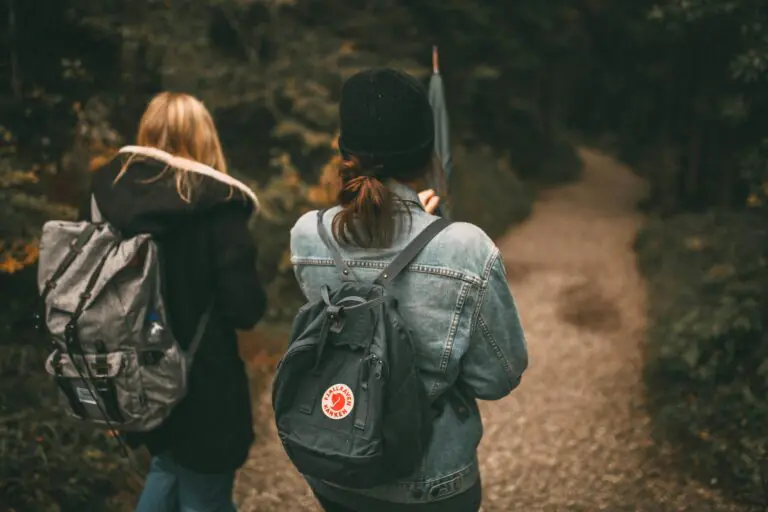
One of the most iconic introvert images is a single person standing in or moving through an expansive environment: a forest, an empty beach, a vast library, a quiet city street at dawn. The scale contrast is intentional. It captures something true about how many introverts experience the world: we feel most free when the crowd thins out, when we have room to breathe and think.
Early in my agency career, I used to arrive at the office an hour before anyone else. The building was quiet, the open-plan floor was empty, and I could think clearly without the ambient noise of forty conversations happening simultaneously. I didn’t realize at the time that I was unconsciously creating the conditions that appear in these solitary-figure images. I just knew I did my best work in that stillness. The pictures that capture that feeling, one person, lots of space, soft light, resonate because they’re emotionally accurate.
The Cozy, Contained Sanctuary
On the other end of the spectrum, introverts are also drawn to images of small, warm, enclosed spaces: a reading nook with a blanket, a home office with carefully arranged books, a coffee shop corner table with a view of rain on the window. These images communicate safety, control, and comfort. They’re the visual equivalent of the recharge space that introverts need after extended social engagement.
After a particularly draining day of client presentations, I’d often come home and sit in a specific chair in my home office. Nothing special about the chair itself, but it was mine, it was quiet, and no one needed anything from me while I was in it. If someone had photographed that moment, it would have looked like a classic introvert sanctuary image. The point isn’t that introverts are antisocial. It’s that we genuinely need physical spaces that allow internal processing to happen without interruption.
Building that kind of sanctuary at home often starts with the right furniture. Our breakdown of the best standing desks for introverts covers how the right workspace setup can support both your focus and your energy levels across a long workday.
Deep Focus and Creative Absorption
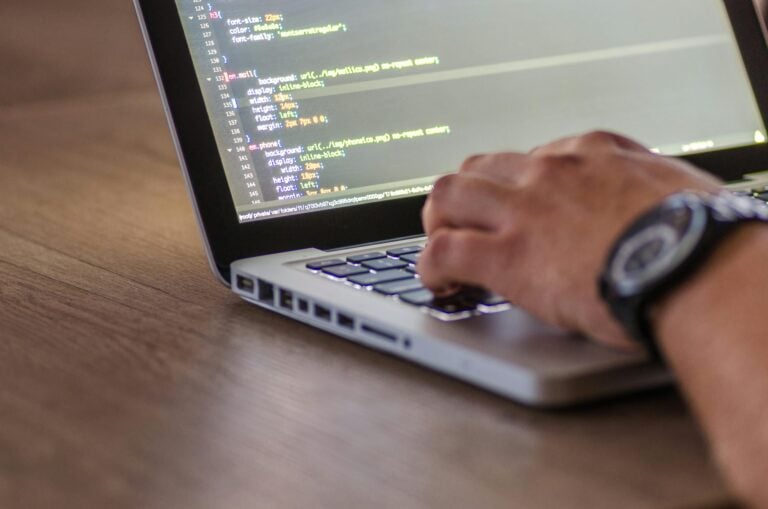
Another category that introverts consistently respond to: images of someone completely absorbed in a task. Writing, drawing, coding, reading, playing an instrument alone. The defining quality is that the subject is entirely inside their own world, unaware of or uninterested in being observed. There’s no performance happening. It’s pure engagement.
Psychological research on flow states, the condition of complete absorption in a meaningful task, suggests this kind of deep focus is both energizing and restorative for people who are internally oriented. Introverts often describe their most satisfying moments as exactly this: getting lost in something that matters, without interruption, without an audience.
The workspace that supports this kind of focus matters more than most people realize. Our guide to the best ergonomic chairs for introverts explores how physical comfort directly affects your ability to sustain that deep concentration without your body pulling your attention away.
How Do Introvert Pictures Differ From Lonely Pictures?
This is a distinction that matters, and one that often gets lost in the cultural conversation about introversion. Solitude and loneliness are not the same thing, and the best introvert pictures capture that difference with remarkable precision.
Loneliness is an emotional state of unwanted disconnection. Loneliness pictures tend to feel bleak: hunched posture, flat light, an absence that feels like loss. Solitude, the introvert variety, looks entirely different. There’s a quality of intentionality to it. The person in the image chose this. They’re not waiting for someone to arrive. They’re complete in the moment.
A piece from Psychology Today on why introverts need deeper conversations makes a related point: introverts don’t avoid connection, they’re selective about it. They trade quantity for quality, both in relationships and in experiences. That selectivity shows up in the images they’re drawn to. A picture of two people in quiet, focused conversation resonates more than a picture of a loud group celebration, not because introverts are antisocial, but because depth is the currency they value.
Managing creative teams in advertising taught me to watch for this distinction carefully. I had a senior copywriter on one of my teams who worked alone in a corner office with the door closed, and people occasionally worried she was unhappy or disengaged. She was neither. She was producing some of the best work in the agency. The closed door wasn’t loneliness. It was focus. Learning to read that difference, as a leader, changed how I managed people.
What Does an Introvert’s Workspace Actually Look Like?
Some of the most searched introvert pictures aren’t abstract or artistic. They’re practical: people want to see what an introvert’s ideal workspace looks like. And there’s a reason for that. For introverts, the physical environment isn’t just backdrop. It’s infrastructure. The right setup can mean the difference between a day of focused, meaningful work and a day of mental static.
From what I’ve observed, both in my own career and in the teams I’ve managed, introvert workspaces tend to share certain qualities. They’re organized, but not sterile. They have personal meaning embedded in small details: a specific mug, a few carefully chosen books, a plant. They minimize sensory noise, which often means good lighting control, acoustic management, and limited visual clutter. And they’re set up to support long, uninterrupted stretches of concentration.
The tools in that space matter too. A well-positioned monitor can reduce physical strain and keep your attention where it belongs. Our guide to the best monitor arms for introverts covers how adjustable positioning can genuinely improve the quality of a focused work session.
There’s also the question of tactile experience. Many introverts are sensitive to sensory input in ways that affect their ability to concentrate. The feel and sound of a keyboard, for instance, can either support or disrupt focus. Our breakdown of the best mechanical keyboards for introverts gets into the specifics of how different switch types and key responses affect the experience of long writing or coding sessions.
And for anyone who works across multiple screens or moves between spaces, our guide to the best wireless mice for introverts addresses the small but real difference that reducing cable clutter makes to a clean, calm workspace aesthetic.
Why Do Introverts Connect So Strongly With Visual Imagery?
There’s something worth examining here about why introverts, as a group, tend to respond so powerfully to images that reflect their experience. Part of it is simple recognition: seeing yourself accurately represented is validating in a way that’s hard to overstate, especially when the dominant cultural narrative has spent decades treating introversion as a problem to be fixed.
But there’s something deeper too. Introverts process the world through observation and internal reflection. Many are highly attuned to nonverbal communication, to the emotional weight of a room, to what isn’t being said. Images operate in exactly that register. A photograph communicates without words. It invites interpretation. It rewards careful attention. That’s a language introverts are fluent in.
Work from researchers at PubMed Central exploring personality and emotional processing points to differences in how introverts and extroverts process stimuli, with introverts showing greater sensitivity to environmental and emotional cues. That sensitivity, which can feel like a liability in loud, fast-paced environments, becomes an asset when it comes to reading images for meaning.
I noticed this in client presentations throughout my agency years. When we’d show creative concepts, the introverts in the room, and I learned to identify them quickly, would often sit quietly for a moment before responding. They were processing. They were reading the image at multiple levels simultaneously. Their feedback, when it came, was almost always more nuanced and more useful than the immediate reactions from people who spoke first.
How Can Introverts Use Pictures to Communicate What Words Can’t?
One of the more practical dimensions of introvert pictures is how they function as a kind of shorthand communication. Many introverts find it easier to share an image that captures a feeling than to articulate that feeling in conversation. This isn’t avoidance. It’s a different mode of expression, one that can be both more precise and more efficient than verbal explanation.
Sharing a picture of a quiet reading corner as your idea of a perfect Saturday communicates volumes about who you are without requiring you to defend or explain your preferences. Posting an image of an empty hiking trail on a Monday morning says something about how you recharge that a status update never quite captures. Images give introverts a way to express their inner world that feels authentic rather than performed.
This matters in professional contexts too. A piece from Rasmussen on marketing for introverts notes that introverts often excel at content and visual storytelling precisely because they bring genuine depth of observation to the work. They notice what others overlook. They find the angle that makes a familiar subject feel new. That’s not a minor skill in a world where attention is the scarcest resource.
Introverts also tend to be thoughtful curators of their visual environments, both online and off. The images they choose to surround themselves with, on their walls, their desktops, their social feeds, tend to reflect a coherent inner aesthetic rather than a scattered collection of whatever was trending. That intentionality is itself a form of self-expression.
What Do Introvert Pictures Say About Strength, Not Limitation?
One thing I want to be direct about: the best introvert pictures don’t frame introversion as a deficit. They don’t show someone cowering in a corner or hiding from the world. The images that truly resonate show strength in stillness, depth in quiet, and confidence in solitude.
Spending years running agencies, I operated in an environment that celebrated extroverted performance. The loudest voice in the room was often assumed to be the most capable. I spent a long time trying to match that energy, and it cost me considerably in terms of both output quality and personal wellbeing. The turning point came when I stopped performing extroversion and started leading from my actual strengths: careful observation, strategic thinking, deep preparation, and the ability to read a room without being the one filling it with noise.
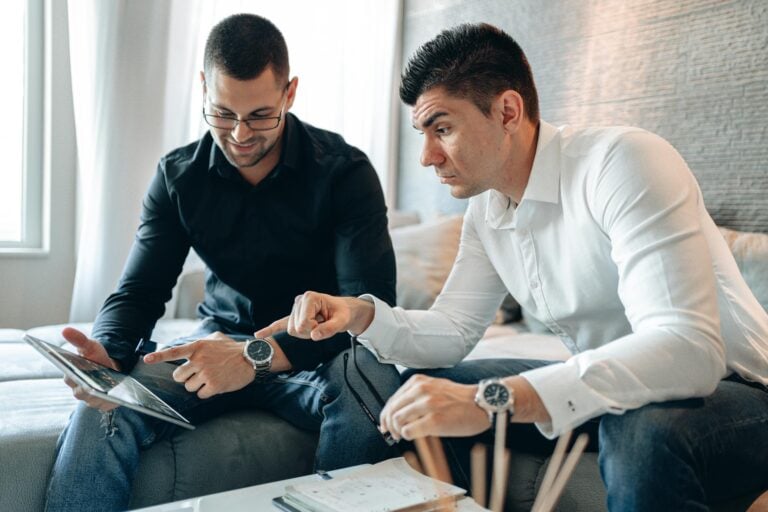
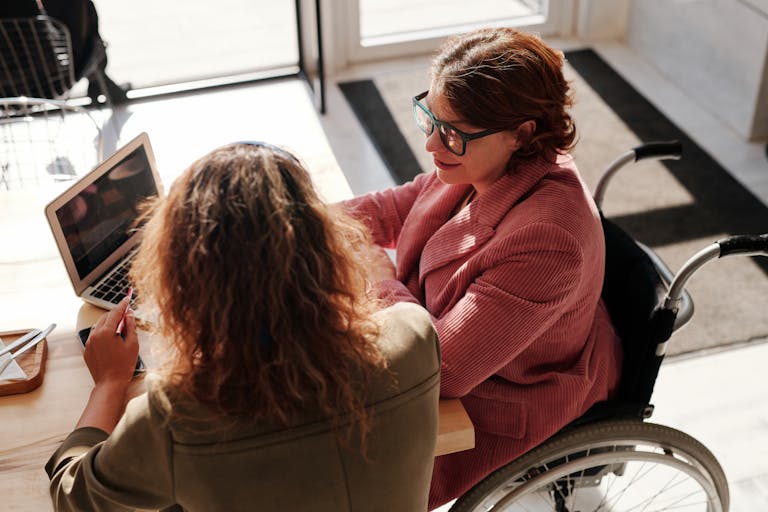
The images that capture that kind of introvert strength are different from the sad-person-alone-in-the-rain trope. They show someone at a whiteboard covered in careful notes. Someone reading a dense brief with full attention. Someone in a one-on-one conversation leaning forward, genuinely listening. These pictures tell a story about capability, not limitation.
A perspective from Frontiers in Psychology on personality and professional performance reinforces what many introverts know from experience: the traits associated with introversion, including careful deliberation, sensitivity to detail, and preference for depth over breadth, are genuine assets in a wide range of professional contexts. The images that reflect these qualities deserve to be the ones we share and celebrate.
Additional perspective from PubMed Central research on introversion and cognitive processing suggests that introverts often demonstrate stronger performance in tasks requiring sustained attention and complex problem solving, exactly the conditions that the best introvert workspace pictures tend to depict.
Where Can You Find Introvert Pictures That Actually Feel Authentic?
The honest answer is that a lot of stock photography gets introversion wrong. The images are either too bleak (isolated person, gray tones, hunched posture) or too generic (smiling person working alone, which could describe anyone). Finding images that genuinely capture the introvert experience takes a bit more searching.
Some directions worth exploring: look for photographers who specialize in quiet documentary work, street photography that catches people in moments of private thought, or lifestyle photographers whose aesthetic leans toward natural light and unposed moments. Pinterest boards tagged with introvert aesthetics have become surprisingly rich collections, curated by people who recognize the visual language intuitively.
For workspace images specifically, the r/battlestations and r/homeoffice communities on Reddit contain thousands of real, carefully considered setups from people who think seriously about their working environment. Many of these are, functionally, introvert sanctuary pictures even when they’re not labeled that way.
The images you’re drawn to also tell you something useful about yourself. I’ve noticed that the introvert pictures I find most compelling tend to feature strong natural light and a sense of organized calm. That’s not coincidental. Those are the conditions under which I do my best thinking. Your visual preferences are data about your own needs and wiring.
How Should Introverts Think About Their Own Visual Presence?
There’s a dimension to this topic that doesn’t get discussed enough: introverts often have complicated relationships with being photographed themselves. The performance aspect of posing for a camera can feel fundamentally at odds with how introverts move through the world. We’re not naturally oriented toward being observed. We’re oriented toward observing.
That said, having images that represent you authentically, for professional profiles, personal branding, or simply for your own sense of self, is genuinely valuable. The most effective professional photographs of introverts tend to be candid or near-candid: caught in a moment of genuine focus or genuine conversation rather than performing a smile at a lens.
A resource from Point Loma University on introverts in professional roles makes a point that applies broadly: introverts often present their most authentic and compelling selves when they’re engaged with something they genuinely care about, rather than when they’re performing for an audience. The same is true in photographs. The best introvert pictures, whether of you or of anyone else, catch that authentic engagement rather than staging it.
If you’re building a professional presence as an introvert, thinking carefully about the visual story you’re telling is worth the time. The images you choose, both the ones that represent you and the ones you share and engage with, communicate your values and your way of being in the world more efficiently than almost any other medium.
There’s much more to explore about how introverts build lives and careers that fit who they actually are. Our General Introvert Life Hub is a good place to continue that exploration, covering everything from daily habits to workspace design to how introverts thrive professionally on their own terms.
About the Author
Keith Lacy is an introvert who’s learned to embrace his true self later in life. After 20 years in advertising and marketing leadership, including running agencies and managing Fortune 500 accounts, Keith now channels his experience into helping fellow introverts understand their strengths and build fulfilling careers. As an INTJ, he brings analytical depth and authentic perspective to every article, drawing from both professional expertise and personal growth.
Frequently Asked Questions
What makes a picture feel like an introvert picture?
Introvert pictures tend to share visual qualities that reflect an inward orientation: stillness rather than motion, single subjects rather than crowds, natural or soft lighting, and a sense of depth or contemplation. They often depict solitude that feels chosen rather than imposed, whether that’s a person reading alone, working in a quiet space, or simply sitting with their thoughts. The emotional register is calm, focused, and complete rather than isolated or sad.
Is there a difference between introvert pictures and pictures of loneliness?
Yes, and the difference is significant. Loneliness pictures convey unwanted disconnection: bleak lighting, closed-off body language, a sense of absence or waiting. Introvert pictures, at their most authentic, convey intentional solitude: a person who has chosen their environment and is at ease within it. The subject appears engaged with their inner world rather than cut off from the outer one. Introversion is a preference for depth and internal processing, not a state of emotional deprivation.
Why do introverts respond so strongly to visual imagery?
Introverts are typically wired to process the world through careful observation and internal reflection. Images operate in that same register: they communicate without words, reward close attention, and invite interpretation rather than demanding immediate reaction. Many introverts are also highly sensitive to nonverbal cues and emotional subtext, which means they read images at multiple levels simultaneously. A picture that accurately reflects the introvert experience provides a form of recognition and validation that can be genuinely powerful.
What does an ideal introvert workspace look like in pictures?
An introvert workspace typically features organized calm rather than sterile emptiness: good lighting control, minimal visual clutter, a few meaningful personal objects, and tools arranged to support long periods of uninterrupted focus. Acoustic management, whether through headphones or room design, is often visible. The overall impression is of a space that has been thoughtfully curated to support deep work rather than assembled by default. Many introverts also prioritize ergonomic comfort, since physical discomfort pulls attention away from the thinking they’re trying to do.
How can introverts find pictures that accurately represent their experience?
Stock photography often gets introversion wrong, defaulting to either overly bleak imagery or generic “person working alone” shots. Better sources include documentary and street photographers who capture unposed moments of private thought, lifestyle photographers with natural-light aesthetics, and community platforms like Pinterest boards tagged with introvert or quiet aesthetics. For workspace images specifically, communities like r/homeoffice on Reddit contain thousands of real setups from people who think carefully about their working environment. The images that resonate most tend to be those where the subject appears genuinely engaged rather than performing for the camera.